


Agriculture & Food
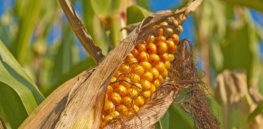
Jumping genes: How Barbara McClintock won a Nobel Prize by crossbreeding corn
Through meticulous crossbreeding, she showed that DNA is far more complicated than scientists originally thought ...

How one plant scientist challenges the ‘natural is better’ myth
Paul Vincelli spends a good deal of his time talking to the public about genetic engineering so it’s not surprising ...

Plants bred to survive freezing temperatures could save crop harvests from destruction
Researchers from The University of Western Australia have found that an enzyme in plants, ATP Synthase, plays a critical role ...

Eating organic food reduces risk of some cancers, controversial study claims
A French study published in the JAMA [Journal of the American Medical Association[ Internal Medicine journal links eating organic food ...
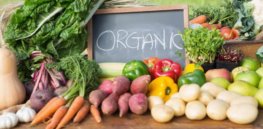
Eating organic food prevents cancer? New study offers more confusion than clarity
The JAMA [Journal of the American Medical Association] Internal Medicine journal has a report .... on the relationship between organic food ...

Robot farmers: ‘This is the revolution’
In a quiet corner of rural Hampshire, a robot called Rachel is pootling around an overgrown field. With bright orange ...

Challenging the idea that the world’s farmers have been bought by ‘Big Ag’
Accusations that if you say anything good about biotechnology, then you must be getting paid by the multi-nationals, frustrates Canadian ...

Fast food burgers tainted by antibiotics? Not so fast
So, [October 18], millions of Americans woke up to the latest alarmist headline—that burger chains are using meat contaminated with ...
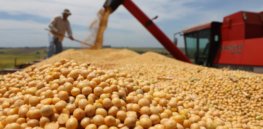
Argentina approves first drought-resistant, herbicide-tolerant GMO soybean
The Argentine government approved the first soy that is tolerant to drought and that also combines better weed control by ...

Whole genome sequencing on the farm: Mobile technology aids fight against disease, pests in Africa
In a world first, international scientists .... have used whole genome sequencing to help diagnose a plant pathogen destroying crops ...

Boosting crop yields by using genetic engineering to help plants discard natural toxins
Can you imagine the entire population of the United States, Canada, Mexico, Brazil, the United Kingdom and France going hungry? ...

Talking Biotech: Mango is a vital food crop worldwide. But where did it come from?
Mango is popular worldwide, but especially important in India and southeast Asia. On this episode, Emily Warschefsky and Kevin Folta ...

New ‘scuba rice’ could protect 49 million acres of rice fields from flooding
According to some estimates, half the world depends on rice as its staple food. But as the climate changes, rice cultivation ...

Debunking marijuana myths: Monsanto has not created ‘GMO super weed’
Despite what some chronic users may claim, the cannabis plant is not mystical. Like any living species, its cells house ...

Excessive regulation, trade wars may give rise to black market for biotech crops, experts say
The rise in global trade wars and the recent EU decision to classify new plant breeding techniques (NPBTs) as genetically ...
Mother Nature? More like ‘Mad Scientist Mama’—creator of chemicals good and bad for humans
Nature is not some sort of cosmic mother figure. On the contrary, nature is composed of diverse biological and physical ...

CRISPR could help combat bovine tuberculosis—disease that costs farmers $3 billion annually
Recombinetics announced [October 16] the launch of TARGET-TB, a tripartite collaborative research project with University College Dublin in the Republic ...

Precision plant breeding could boost sustainable rice production 25 percent
Corteva Agriscience, Agriculture Division of DowDuPont, and the International Rice Research Institute (IRRI) [recently] announced a multi-year framework agreement on ...

Edible cotton? USDA approves biotech seeds that can be spread like peanut butter
Americans may soon be eating cotton for the first time — not just wearing it — as a new edible ...

Breeding disease-resistant sugarcane now a possibility with unlocking of sugarcane genome
For centuries, sugarcane has supplied human societies with alcohol, biofuel, building and weaving materials, and the world's most relied-upon source ...

Video: Filipino farmer shares insider tips for spreading GMO acceptance in developing world
To mark the occasion of World Food Day, farmers from around the world will convene in Iowa to share thoughts ...

Viewpoint: 7-year food fraud scheme exposes flawed oversight of organic farming
Three farmers in Nebraska just plead guilty to a food fraud scheme in which they were selling conventionally grown corn and soybeans ...
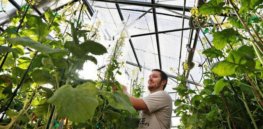
Viewpoint: It’s time to replace our fear-based genetic engineering regulations
In the early 1970s a group of scientists -- none involved in agriculture or food -- raised concerns about the ...

Viewpoint: USMCA North American trade deal sets precedent for sensible worldwide biotech crop regulations
In the crop science industry, China has a reputation for taking a long, long time to approve new genetically modified ...

Natural GMOs? Some crops incorporate ‘foreign DNA’ all by themselves
People opposed to or afraid of genetically modified organisms (GMOs) complain that GMOs are unsafe and unnatural. What do those ...

Costs and benefits need to be assessed in weighing bans on glyphosate and neonicotinoids
The continuing debates over whether the herbicide glyphosate or the insecticide class of neonicotinoids (neonics) could—or should—remain available for farmers ...

New USDA research shows honey bee numbers stable—and probably growing
In 2006, large and mysterious losses of honey bee colonies led entomologists to classify a set of diagnostic symptoms as ...
