


Human Features

Testosterone levels can predict and treat diseases. But how do you determine your ‘right level’?
Establishing a universal "normal" range for testosterone depends on factors such as age, location and wealth ...

Genetic solutions depends largely on data from people of European descent. Do we need to address that research imbalance?
To boost the participation of marginalized communities in genetic studies, doctors must first win back their trust ...

GMO wheat could put bread and pasta back on the menu for people with celiac disease
A new wheat could help celiac patients return to a gluten-rich diet without fear of health repercussions ...

‘Origins’: Humans have been shaped more by Earth’s evolving geography than by genetics
In astrobiologist Lewis Dartnell's newest book, Origins: How the Earth Made Us, he outlines how geology has shaped human evolution ...

Genetic engineering goes to Hollywood: 10 movies you’ll love and more that you’ll hate
Get to know 26 films and TV shows that feature gene editing ...

Podcast: Remembering Rosalind Franklin: The overlooked scientist who helped discover the DNA double helix
Everyone knows that Watson and Crick discovered the structure of DNA. But fewer are aware of the contribution of Rosalind ...

Viewpoint: Neuroscientists cannot afford to ignore differences between male, female brains
Diseases like Alzheimer’s and schizophrenia manifest differently in men and women, and that’s important to know ...

Viewpoint: FDA must do more to protect consumers from ‘outright fraud’ of dietary supplements
Dietary supplements are often ineffective, if not dangerous. What does the path to supplement legislation and regulation look like? ...

Why popular image of autism as a male-dominated condition could hurt females
A commonly cited statistic is that boys have about a 1 in 52 chance of being placed on the autism ...

‘On the precipice of memory loss’: Pursuing better diagnostic tools for patients with CTE and other neurodegenerative disorders
New imaging analyses hint at progressive brain disorders like CTE, offering people with memory issues difficult — but transformative — ...
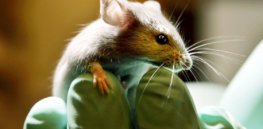
‘Found in Translation’: Computer models could help us understand which mice studies matter for human medicine
Machine learning technology could help researchers determine what mouse data are useful when designing human clinical trials ...

Do China’s controversial CRISPR babies illustrate the need for an ‘undo button’?
Will CRISPR-in-the-clinic come with a fail-safe mechanism? ...

Who’s your daddy (or mommy)? What’s the chance you inherited DNA from Caligula, Genghis Khan or Henry I?
Genealogy is the second most popular hobby in the United States ...

Body part regeneration: How science can make the jump from fantasy to reality
Could studying animals that regenerate body parts help us understand how to regrow human organs and limbs? It's unlikely in ...

Exploring the ‘solid rationale’ for separating elite male and female athletes in competition
When it comes to athletic competition, there is a stark difference between male and female performance ...

Chasing the causes of pancreatic cancer. When can genetic testing offer answers?
With so little known about the disease’s genetic origins, proving a link can be problematic ...

DNA for the greater good: Should the police have access to consumer DNA databases?
There is an urgent need for international guidelines and policies ...
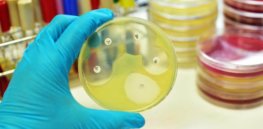
How a genetically-engineered phage therapy defeated a drug-resistant infection, raising hopes for chronically ill patients
After a difficult lung transplant, 17-year-old cystic fibrosis patient was successfully treated with experimental bacterial phage therapy ...

Do genetics determine what we like to eat? Study finds no ‘smoking gun taste gene’
A recent genome-wide association study found 17 genetic sites related to bitter beverage consumption ...
After another promising Alzheimer’s drug trial fails, we have to ask: Are we on the right path to a cure?
As trial after trial of beta-amyloid drugs fail, there's a possibility that Alzheimer's researchers have the wrong target ...

We could try to build a conscious robot. But how would we know if we succeeded?
Consciousness seems to stem from the struggle between our brain's beliefs and perceptions. How can we design neural networks to ...
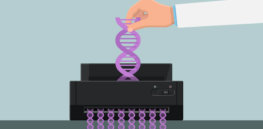
Why this lesser-known CRISPR sibling could be a key tool in fight against drug-resistant bacteria, viruses and parasites
A “highly specific and programmable” CRISPR tool could become one of our main tools for fighting pathogens ...
Inside US quest to develop a ‘2020 vision for genomics’
The National Human Genome Research Institute (NHGRI) is nearing the halfway point of a major strategic planning process, one that ...

Mad genius and genes: Are highly creative people more likely to suffer mental illness?
The idea of the "creative madman" (or woman) has persisted throughout history with Vincent Van Gogh as Exhibit A. Science ...
Searching for genetic answers: What makes monkeys different from humans?
Less than 50 of our 20,000 genes are unique to humans. What separates us from monkeys? ...

Viewpoint: We should be careful about ‘crossing the germline’ in gene editing humans
CRISPR gene editing has the possibility to transform disease management, but we can't be scared of editing somatic cells ...
Why synthetic biology is about much more than resurrecting woolly mammoths
Synthetic biology...Simply mentioning this term — whether at a cocktail party or on a pop culture TV show — evokes ...
