


Food & Ag Features

2018 biotech review: Second generation of GMOs arrives as US anti-GMO movement falters
A prediction that the anti-GMO movement would become increasingly irrelevant in 2018 comes to pass ...

Viewpoint: Lab-grown meat isn’t as ‘clean’ as you might think
There are many polarizing false dichotomies around this emerging technology ...
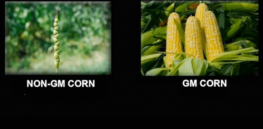
10 GMO memes backed up by science
Anti-GMO activists have churned out memes critical of GM crops and food. Now science enthusiasts are fighting back with fact-based ...

Can we meet a growing need for food without destroying our environment?
'Sustainable intensification' takes the best ideas from conventional and organic farming ...

US regulators grapple with oversight of New Breeding Techniques (NBTs)
In the first installment of this series, we looked at the regulatory framework in the US for the products of ...

New biotech crop-breeding technologies struggle for traction across much of Africa
"Multinational companies from the developed world don’t want any scientific progress going on in Africa," says Ugandan researcher ...

Evaluating claims GMOs and modern agriculture have led to a 75% drop in crop diversity
The conventional wisdom is wrong: crop diversity is not collapsing. Our changing diets indicate there are reasons for both concern ...

Viewpoint: Scientific ignorance fuels skepticism of crop biotechnology
This one question is an effective test of scientific ignorance ...

Fighting weeds: Can we reduce, or even eliminate, herbicides by utilizing robotics and AI?
A quick look at some of the technical strategies being pursued in farming robotics and AI ...

Podcast: Jon Entine, Kevin Folta, Perry Hackett on how gene editing could dampen the partisan GMO divide
How do you win over people who view crop biotechnology and corporate influence as threats? One answer may be gene ...
Viewpoint: With reasonable regulation, we can turn wild plants into food with gene editing
The crops we rely on today have been bred over thousands of years to enhance certain characteristics. For example, sweetcorn ...

Viewpoint: Parents’ anti-GMO fervor just might contribute to children’s allergies
Eating organic and avoiding GMOs has no effect on food allergies. But the mentality underlying GMO avoidance and overly-protective parenting ...

Podcast with Dr. Paul Offit: Striking similarities between anti-biotech and anti-vaccine activism
The anti-vaccine and anti-GMO movements are increasingly overlapping in methods and outlook ...

Viewpoint: The public loses when a ‘prestigious’ journal such as Nature indulges in political activism
Is this really about science, or is something else going on here? ...

Magic and morality: Why some consumers are afraid of GMOs
In the eyes of Susan Schenck, GMOs are pretty much the worst thing going in food. As the author of ...
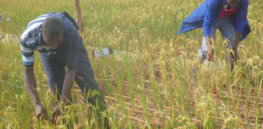
Ugandan researchers look to biotechnology to bolster food production in the face of climate change
As the impact of climate change continues to grow worldwide, farmers are likely to face new challenges in the form ...
Whole Foods embraces slow-growing chickens: Why that’s not so environmentally sustainable
There is a movement, pushed by Whole Foods, to go back to slower-growing chickens. This is problematic from a sustainability ...

Onto the grill: But are consumers ready to embrace—and eat—lab-grown meat?
It’s been a busy summer for food-based biotech. The U.S. Food and Drug Administration made headlines when it approved the ...
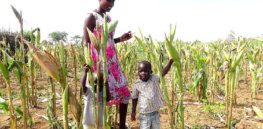
Why did Tanzania just pull the plug on its GMO crop trials?
When the Tanzanian government announced Friday [November 23] they were ending field trials of genetically engineered crops in the country ...

Why fears in Nigeria over the safety of GMO cotton are misplaced
Nigeria is moving forward with plans to boost its textile industry through the approval of its first GM crop, BT ...
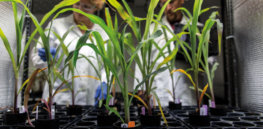
Can genetic engineering deliver a natural microbial fertilizer for crops?
At the turn of the previous century, German scientists Fritz Haber and Carl Bosch got all the credit for finding ...

Podcast: GLP’s Jon Entine on the spread of ‘chemophobia’
Chemicals are used to grow, process, preserve and package our food, and are ubiquitous in many products and in our ...
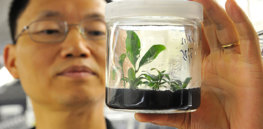
How scientists are using CRISPR to create non-GMO crops
To feed the burgeoning human population, it is vital that the world figures out ways to boost food production. Increasing ...
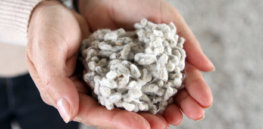
Edible cotton: How genetically modified cottonseed could revolutionize food and feed production
Here’s a somewhat boring fact you might already know about cotton: It doesn't make a good food, for humans or ...

Viewpoint: As global honeybee population increases, activists blame neonicotinoid pesticides for ‘bird-pocalypse’ that’s not happening
Are we in the midst of another bout of unfounded environmentalist-fueled exaggerations—this time about birds becoming extinct because of pesticide ...

FDA reaffirms much-criticized plan to regulate genetically engineered animals as if they were a drug
FDA Commissioner Dr. Scott Gottlieb has doubled down on his agency’s failed policy for regulating an entire sector of biotechnology — the ...

Why monocultures might be the most sustainable option when choosing cover crops
It's long been believed, without much empirical evidence, that biodiversity in crop cover mixtures increases crop productivity, improves soil ecosystems ...
