


Sustainability & Climate Change

Challenging anti-GMO disinformation: Why genetically-tweaked crops offer bushels of benefits
GMOs are one of the most controversial topics within our global food system. There are many misconceptions regarding what a GMO ...

Magnifica Humanitas: Pope’s encyclical broadside against AI naivete and overreach
In his first encyclical, Pope Leo XIV put forth a defense of human dignity in the era of AI, delivering ...

Viewpoint—GMOs and sustainability: Why buying organic foods is the least environmentally-sensitive food choice—without offering any health benefits
In pursuit of sustainability, shoppers are reaching for the organic apple or the GMO-free chips. But if we truly want ...

Viewpoint: Scientists recently revised downward the likelihood of catastrophic global warming. Reassured? You shouldn’t be.
Even if global warming does not exceed two degrees, it could lead to more serious consequences than expected. This is ...

31 states have passed a confusing collection of regulations for cell-based meat and plant and insect alternative proteins
Over the past several years, the regulation of alternative proteins has received a lot of attention at the state level ...
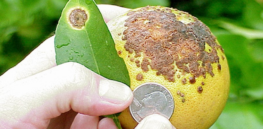
The Orange Bowl without oranges: Can CRISPR save Florida citrus?
The famous Orange Bowl may still host an annual New Year’s Day football game after 91 years in celebration of ...

‘Implausible’: Top climate scientists reject worst-case scenario—soaring temperatures and fast-rising sea levels
For more than a decade, as scientists tried to evaluate just how much the planet might warm by the end ...
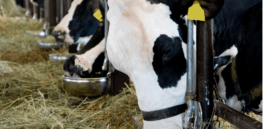
UK gene-editing milestone: Livestock barley that increases ruminant value and reduces methane emissions is first-approved CRISPR crop
The UK has issued the first regulatory approval for a gene-edited crop under its new rules for precision breeding. The ...

Viewpoint—‘Technology is pulling us apart’: Environmental, political, and economic
It could be the relentless news agenda, but the news has been relentless throughout my 11 years as editor-in-chief of ...

Viewpoint: Indian PM wants farmers to switch to 50% organic. It would take at least 10 years, likely won’t work, and isn’t more sustainable
... Prime Minister Narendra Modi decided it was time to ask Indians to brace themselves for price shocks and other ...

Viewpoint— ‘Muscular governance’: How authoritarianism is surging corporate-linked energy misinformation
The world’s slide into authoritarian practices is accelerating the climate crisis. At its core, the authoritarian goal is typically to ...

Cooling the planet with balloons: Could a geoengineering gamble slow global warming?
The political momentum behind costly climate-change mitigation appears to be weakening, especially in the United States. President Donald Trump has ...
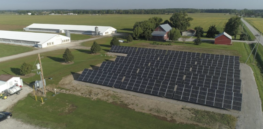
Despite politicized disinformation, Midwest AI data centers are fueling a solar energy boom
Electricity has turned into one of the most important commodities in the [Midwest] region, with utility rates increasing in recent ...

Viewpoint: Surge of climate misinformation traced to right wing and anti-wind activists
According to a report presented by UK-based think tank CASM Technology and WindEurope, a large ecosystem of actors, such as ...

Seeds of power: China turns to genetic engineering to become global superpower
Amid persistent US-China tensions and recurring supply chain shocks, Beijing is moving upstream in the food system by tightening control ...

Viewpoint: Internal White House documents detail administration’s strategy to undermine climate science
The second Trump administration is taking its hostility to climate science to new levels. In addition to its rhetoric dismissing ...

Misinformation and climate change are endangering summer watermelons
Watermelon may be a global success story, but its breeding reality is increasingly defined by pressure: climate volatility, rising disease ...
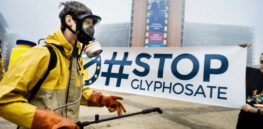
Viewpoint: The herbicide glyphosate isn’t perfect. Banning it would be far worse.
For decades, farmers have relied on glyphosate — the active ingredient in Roundup and the most widely used herbicide in ...

Anti-biotechnology activists smear hybrid wheat breakthrough that could surge yields in poorer countries
In biology, a hybrid is when two different genotypes within the same species crossbreed, and the first generation performs significantly ...

Debunking 5 myths about renewable energy
Myth #1 Renewable energy is unreliable. There will always be days when clouds cover the sun or the wind is ...

Trump administration’s gutting of USAID fuels a health and science crisis
In the rice-growing region of Nueva Ecija in the Philippines, smallholder farmers who supply local markets have long relied on ...

Trump claims windmills kill birds. Here are the facts.
When wind or solar energy projects apply for permits at county councils and zoning commissions across the United States, supporters ...

Viewpoint: How wrong was Paul Ehrlich about population’s negative impact on growth? Just look at India
In 1968, a little-known ecologist named Paul Ehrlich published The Population Bomb, which aimed to bring attention to the perceived ...

Viewpoint: Challenging anti-fracking ‘scare tactics’ and disinformation
Ohio’s environmental groups are on a losing streak. They can’t seem to get anyone in the legislature to agree with ...

Viewpoint: Researchers claiming living near nuclear energy causes cancer botched their research
In December 2025, researchers led by Yazan Alwadi at Harvard’s T.H Chan School of Public Health published a paper in ...

Reviewing the evidence on the benefits and dangers of glyphosate
President Trump recently signed an Executive Order that expands U.S. production of glyphosate, a herbicide contained in commercial and domestic ...

What are the consequences of agriculture misinformation—and how to fight back
Is organic farming better than non-organic farming? Should farmers feed antibiotics and steroids to their animals? Such debates about food ...
