


Daily Food & Ag Digest

CRISPR 2.0: New gene-editing tools offer plant breeders greater precision
There is no best, only better. This seems truly the case in the history of genome editing technology. When the ...

COVID-19 prompts healthier eating habits, while interest in ‘natural’ foods remains high
More than four out of five consumers say the coronavirus pandemic has changed their food habits, driving them to cook, ...
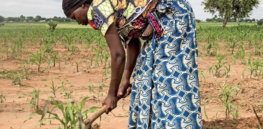
Viewpoint: Activist ‘armchair’ farmers keep life-saving technology out of Africa
Farmers in more developed climes use sophisticated technologies such as robots, temperature and moisture sensors, aerial images, drones and GPS ...

Video: Unnatural is better—How technology keeps us healthier and living longer
American Council on Science and Health microbiologist Alex Berezow takes on one of the most pervasive myths on social media ...

Italy and Israel bet on GM microalgae to develop edible COVID vaccine
The rush to develop a vaccine for COVID-19 has extended to Italy and Israel, where scientists are using the tools ...

Human bias against new ideas amplifies safety concerns about GMOs, study confirms
Recency bias states that more recent memories come to mind more quickly. But specific ideas and objects that have “stood ...
Infographic: Five GMOs account for 99 percent of the global biotech crop area
In 2018, a total of 70 countries adopted biotech crops — 26 countries planted and 44 additional countries imported. Of ...

Viewpoint: Regenerative agriculture—carbon farming—is the ‘feel-good climate solution’ that doesn’t work as promised
Corporations, politicians, and environmentalists have all embraced carbon farming as the feel-good climate solution of the moment. Several leading Democratic ...
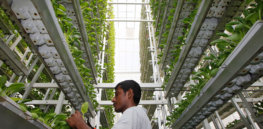
Viewpoint: At $17/pound, vertically farmed vegetables are nowhere near sustainable
On [June 10] the city council of Jersey City, New Jersey [voted] on awarding a three-year, $1 million contract to ...

CRISPR bacon: Gene editing could help supply high-quality pork and eliminate pig castration
It was in June 2019 that the birth of a specific batch of gene-edited piglets was announced to the world ...

Plant scientists want New Zealand to fact check ‘mythology’ surrounding regenerative farming
Two prominent plant science academics have called for the establishment of an expert panel of scientists to review claims made ...

Unless you eat 10 pounds of oatmeal daily, glyphosate in your cereal isn’t dangerous
Is there glyphosate, the active ingredient in Roundup herbicide, hiding in your cereal? Even if there is, there’s some reliable ...

Kenya may declare locust infestation a national emergency as crop damage mounts
Residents of the seven sub-counties of Turkana are staring at a looming starvation after millions of locusts invaded farms and ...

Glyphosate contaminates food? Simple testing method could dispel exaggerated weedkiller risk claims
Researchers at Leipzig University in Germany say they have developed a quick and simple way of testing for glyphosate in ...

Novel DNA analysis technique helps spot mislabeled foods, inaccurate ingredient lists
Estonian scientists are developing a DNA-based method of analysis that enables them to identify food components and specify the origin ...

Viewpoint: As COVID-19 boosts public trust in science, media promote myths about cancer and food
Thanks to COVID-19, the public has gotten a lot more skeptical about claims that chemicals, food, and medicine are corporate ...

UK biotech firm poised to test disease-resistant CRISPR bananas and coffee in South America
Norwich food-tech firm Tropic Biosciences is set to push the development of its gene-edited bananas and coffee into field trials ...

EPA green lights limited use of just-banned dicamba weedkillers until July 31
This notice announces the Agency's [EPA's] issuance of a final cancellation order for three pesticide products (Xtendimax with Vaporgrip Technology, ...

Lab-grown crustaceans modeled after cell-based meats could be first alternative seafood to enter the market
In general, alternative seafood poses an enormous opportunity for investors. There’s huge potential for replicating the many types of seafood ...

USDA approves Calyxt’s second-generation gene-edited soybean with healthier oil profile
Calyxt, Inc, a plant-based technology company, announced [June 3] that its high oleic low linolenic (HOLL) soybean has been deemed ...
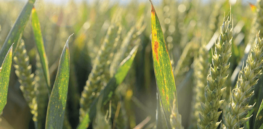
Ban of neonicotinoid insecticide seed treatments pushes UK farmers to grow non-GMO disease-resistant wheat
Season-long protection against barley yellow dwarf virus (BYDV) without the use of insecticides is set to become a reality through ...

As CRISPR crops become more common, don’t throw GMOs under the bus, scientists warn
Farmers and scientists may be tempted to throw transgenic crops in the trash. The technology, which has provided benefits to ...
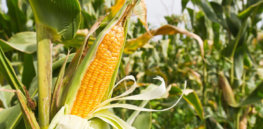
Farmers in Paraguay see major yield increases with GMO corn, despite degraded soil
10 years ago, a group of 14 peasant farmers in the San Juan Nepomuceno region of Caazapá took the challenge ...
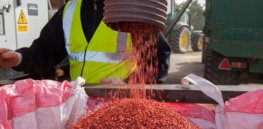
Bayer, UK farmers appeal EU neonicotinoid insecticide ban, citing lack of scientific evidence
Lawyers acting on behalf of the [National Farmers Union] are in court battling to overturn a ban on neonicotinoid pesticides, ...

Human poop as crop fertilizer? Recycled waste may boost yields, cut groundwater contamination
Researchers from Cornell University’s College of Agriculture and Life Sciences and the Canadian Light Source (CLS) at the University of ...

Gene editing makes farming more sustainable—and it can do the same for forestry
A company founded by two NC State researchers is setting out to revolutionize the forestry industry by combining insights from ...
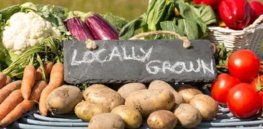
Viewpoint: ‘Eat local’ builds community spirit, but it won’t stop climate change
Dissatisfied with the United States’ wasteful and planet-degrading food system, San Franciscan food activists Jessica Prentice and Sage Van Wing ...
