


Science Literacy Project Daily Digest

Colonizing Mars? Here’s the technology we need to make that happen
Though it is the most livable non-Earth planet within our grasp, Mars is brutally hostile to life: It is as cold as Antarctica, ...

CRISPR, forests and climate change: Gene editing poised to engineer faster growing, carbon sucking trees—if activists don’t block it
For years, scientists have recommended planting more trees to fight climate change. With more trees, the rate of photosynthesis will ...

Viewpoint: Organic, non-GMO marketing claims drive poor people away from healthier food choices
Many food organizations, celebrity chefs, food bloggers, and talk show hosts like to push the idea that eating right means ...

Saltwater algae genes could help engineer plants that survive in regions with high water salinity
Researchers from New York University Abu Dhabi (NYUAD), in partnership with the National Center for Biotechnology Information (NCBI), have uncovered ...

Will gene editing human embryos ever be safe?
Debates continue about whether the societal risks of heritable genome editing are too great to proceed, as do calls for ...

Genetic genealogy launched 20 years ago with a whimper. Here’s where we are now
Lots of people have had more time to focus on genealogy in 2020, so let’s take a look at what’s ...

We may have a CRISPR cure for red blood diseases sickle cell anemia and beta thalassemia
Sickle cell anemia and thalassemia are genetic diseases that result in the production of anomalous hemoglobin (protein that carries oxygen) ...

Humans and chimpanzees share 99% of the same DNA. This is the 1% difference
With only 1% difference, the human and chimpanzee protein-coding genomes are remarkably similar. Understanding the biological features that make us ...
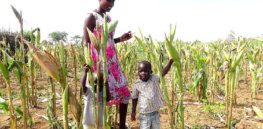
Africa biotech setback: Tanzania suspends GM crop research, ending trials of insect-resistant corn and virus-resistant cassava
Agriculture minister Prof Adolf Mkenda made the announcement on [January 12] at the Tanzania Agricultural Research Institute (TARI) Mikocheni centre ...

GM, insect-resistant Bt rice unlikely to pose a health risk, study shows
Rice is considered one of the most important staple food crops. Genetically modified (GM) Bt rice [harboring the] cry1Ab gene ...
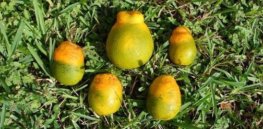
Gene editing offers potential solution to orange growers struggling against citrus greening disease
Brazil is the world's largest orange producer, the state of São Paulo is a world leader in the production and ...

CRISPR gene editing could boost protein in plants and help produce more vegetable oil
Plants synthesize fatty acids in their leaves by using light. Prof. [Jay] Thelen and his team used the gene-editing tool CRISPR-Cas-9 to ...

100+ countries have outlined legal restrictions on editing human embryos. Here’s a guide
Discussions and debates about the governance of human germline and heritable genome editing should be informed by a clear and ...

Crash effort to develop coronavirus vaccines has revolutionized disease treatment
The COVID-19 experience will almost certainly change the future of vaccine science, says Dan Barouch, director of the Center for ...

Video: How the unique immune system of prehistoric-like jawless lamprey fish may unlock cures for brain diseases
You might expect to find these fish at the core of an ancient, distant asteroid, but we find them instead ...

Neanderthals, COVID-19 and you: Exploring how our inherited genes are harming us and could have decimated our hominid ancestors
[Researchers Svante] Pääbo and colleague Hugo Zeberg announced that the major genetic risk factor for severe COVID-19 is inherited from Neanderthals… By ...
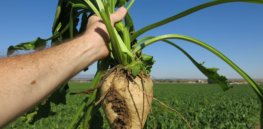
Viewpoint: UK decision to rescind neonics pesticide restrictions a welcome win for science
Activists like George Monbiot and Dave Goulson are parroting their environmental allies when it comes to neonics, but the science ...

Could heart-healthy soybean oil pave the way for more gene-edited, biofortified foods?
Transcription activator-like effector nucleases (TALENs) have been successfully used to develop premium quality high-oleic soybean oil from gene-edited soybean plants. The ...

Bamboo: Invasive nuisance, or untapped climate change solution for farmers?
Bamboo has a reputation problem in North America, registering in the collective imagination somewhere between tiki torches and a pain-in-the-ass ...

GM plant grows insect sex pheromones as alternative to crop pesticides
Scientists have discovered how to genetically modify the camelina plant to produce pheromone precursors that can control agricultural insect pests ...

How RNA-based vaccines will revolutionize medicine and disease treatments
The two vaccine candidates produced by Pfizer/BioNTech and Moderna are unlike any other vaccine that’s come before. Should they achieve ...

Nature’s mistake? Meet the ‘world’s ugliest orchid’
[A new species], Gastrodia agnicellus, was discovered earlier this year in the deep shade underneath leaves on the forest floor in Madagascar ...

How do physiological processes produce a conscious state of mind?
I believe there are two reasons why we have failed to solve the hard part of the problem [of consciousness] ...

How dangerous is a lack of sleep?
Whether sleep deprivation can kill is somewhat debatable. That’s because people who forgo sleep for extended periods of time may ...

Podcast: Debunking ‘dangerous’ anti-GMO misinformation that harms developing countries
Crops and foods improved through biotechnology, popularly known as “GMOs” (for “genetically modified organisms”) remain at the center of a ...

Taco Bell begins offering plant-based meat at UK, EU locations to win back vegan and vegetarian customers
Starting January 7th, Taco Bell locations throughout the UK [began offering] plant-based meat from the brand Gold & Green ...

When did modern humans emerge? 350,000-year-old tool discovered in Israel may challenge date for debut of Homo sapiens
Archaeologists believe they've found the oldest known tool used for grinding or scraping, dating back some 350,000 years. Found in ...
