


Genetic Literacy Project

Can the microbiome join DNA and fingerprints in the CSI toolkit?
Some scientists argue that our individual microbiomes are unique enough that they can be used to help identify the perpetrators ...

Measuring intelligence and IQ, and the problems that presents
For more than a century, IQ tests have been used to measure IQ. But their use is hotly debated by ...

Fighting antibiotic ‘superbugs’—DNA sequencing helps in the battle
The successful effort to contain an outbreak of the bacterium Staphylococcus aureus (S. aureus) at a UK hospital demonstrates the ...

Viewpoint: From Non-GMO to gluten-free, ‘fake transparency’ in food labeling offers little but higher prices
At what point does food labeling become less about transparency and more about marketing strategy? A new federal law mandating ...

European farmers: Finding replacement for glyphosate is no easy task
As European politicians move toward blocking the use of glyphosate, farmers there are facing the prospect of using less-effective replacements ...

Naming genetic diseases: There’s more to it than you might think
An effort is underway to streamline the way we name genetic diseases, with an emphasis on imparting useful medical information, ...

Omega-3 fish oil from a plant? GMO camelina could offer sustainable alternative
The distant relative of rapeseed could solve one of the problems faced by fish farms -- growing fish with the ...

Genetic Literacy Project’s Top 6 Stories for the Week – Nov. 13, 2017
USDA scraps overhaul of GMO and gene edited crop regulations that biotech advocates viewed as ‘unscientific’ | Paul McDivitt Gene therapy ...

Talking Biotech: TALEN gene editing to make more nutritious food crops
Calyxt's Dan Voytas: Using TALEN gene editing to create soybeans with healthier oil, high fiber wheat and canola with lower ...

Can’t get motivated? You may be able to blame your genes
Being apathetic may feel like following the path of least resistance. But studies of apathy in the brain show otherwise ...

Organic farmer’s plea for a better relationship between organic, conventional farming
An organic farmer speaks out on the similarities between conventional and organic--and the benefits farmers can receive from using both ...

Viewpoint: Taxpayer-funded Canadian news agency promotes ‘fake news’ about glyphosate herbicide’s health risks
The Canadian Broadcasting Corporation interviewed anti-GMO activist scientist Theirry Vrain and published an article featuring several false and misleading claims ...

Mars conundrum: How do we explore without contaminating the Red Planet?
Space exploration experts worry over what will happen if a human expedition introduces Earth's microbes to Mars. Are those concerns ...

Gene therapy creates boy’s replacement skin from his stem cells
Doctors treated a 7-year-old boy’s devastating genetic skin disease—junctional epidermolysis bullosa—by genetically modifying his stem cells to create a new ...

Viewpoint: After Christopher Wild departure, next IARC chief must fix ‘beleaguered’ agency
With the sudden departure of IARC head Christopher Wild, here's a wish list put together by David Zaruk, who offers ...

Neurologic disorders may be linked to brain’s immune system
New research suggests there could be a link between certain disorders, including Alzheimer's disease, and the brain's inability to clear ...

USDA scraps overhaul of GMO and gene edited crop regulations that biotech advocates viewed as ‘unscientific’
The Trump administration withdrew a proposed USDA rule change made by the Obama administration that would have been the first ...

Two of a kind? Twins offer unique glimpse into human development
In the world of genetics, identical twins offer a valuable source for study. And they've shown that our genetic makeup ...

Viewpoint: Will Europe botch regulation of gene editing as it has GMOs?
Plant biologist: Europe's precautionary stance toward agricultural biotechnology has all but blocked the introduction of GM crops and could provide ...
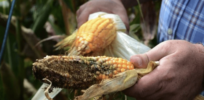
Talking Biotech: A former skeptic’s struggle to bring GMO crops to Bolivia
Educator Cecilia Gonzalez: Bolivia has had to import GMO corn from Argentina due to crop failures. Insect-resistant Bt crops could ...

Genetic Literacy Project’s Top 6 Stories for the Week – Nov. 6, 2017
Viewpoint: Why GMO crops are planet’s best ecological choice | Eshna Gogia When genetic engineering came of age: World’s first GMO—GE ...

View from the farm: Why there is no advantage in saving seeds
A common criticism of GMOs is that corporations force farmers to buy new seeds every year. But do farmers actually ...

There’s a reason you have trouble thinking and remembering when hunger sets in
Why is it so hard to think while you're hungry? Researchers now believe it may come down to one protein ...

South African saga: Anti-GMO activist groups’ disinformation campaign against new disease-resistant corn
South Africa's corn is already more than 90 percent GMO. An application to introduce an improved, disease-fighting variety has revved ...

Argument for rolling our clocks back: Your brain needs the morning boost
Shifting the clock back one hour means more people won't have to wake up before sunrise. When you wake to ...

How our brain perceives time
Internal time perception is complex, involving disperse areas of the brain. But a new field of research called neurorelativity, using ...

Viewpoint: European anti-tech groups threaten to derail CRISPR gene editing in agriculture
The political decision of how to regulate gene editing and other New Breeding Techniques (NBTs) will determine whether Europe becomes ...
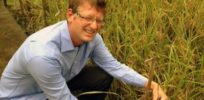
Talking Biotech: Former anti-GMO activist Mark Lynas on how resistance to crop biotechnology hurts small African farms
Mark Lynas, Cornell Alliance for Science: "Moral injustice" of NGOs preventing Africans from adopting GMO crops driven by "green ideology" ...
