


Genetic Literacy Project

‘Big Ag’ may resonate with activists, but what does it really mean?
For some, GMOs are synonymous with 'Big Ag'? For others, 'Big Ag' means something entirely different. Does 'Big Ag' even ...

Why all identical twins who are overweight are not identically obese
Identical twins have the same genomes, but they don't always look exactly the same, particularly in regards to weight. Science ...

Viewpoint: Anti-GMO scare tactics show need for scientific literacy
Many of the arguments made by organic supporters and GMO critics aren't supported by science. That combination can have harmful ...
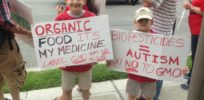
Viewpoint: 12 ways organic activists mislead consumers
Does the organic food industry use deceptive marketing practices to scare wealthy customers away from conventional agriculture and GMOs? The ...

Turning night owls into early birds? It may soon be possible
The discovery of a genetic mutation linked to night owl behavior raises the prospect of a drug treatment that would ...

How anti-biotech environmental groups are trying to kill roll-out of AquaBounty’s sustainable salmon
If you love Atlantic salmon, what you are eating is almost certainly farm-raised, despite what the label might say. The ...

Talking Biotech: How will agricultural-biotech seed company mergers impact farmers and sustainability?
French researcher Sylvie Bonny: Some worry that corporate consolidation will raise seed prices and hurt farmers, while others believe mergers ...

Anatomy of the demon Demogorgon from ‘Stranger Things’: Is there a real-life counterpart?
The Demogorgon, a creature from the hit Netflix show 'Stranger Things', resembles real life cellular slime mold ...

Genetic Literacy Project’s Top 6 Stories for the Week – Dec. 4, 2017
EU re-approval of glyphosate herbicide dodges farming economic woes—for now | Andrew Porterfield Have humans or any of Earth's creatures stopped evolving? | David ...

Kissing cousins: Understanding the genetic risks and benefits when close relatives marry
Endogamy––the marriage of relatives––is a controversial cultural practice. It can play surprising roles in health and disease ...

What foods have pesticide residues? When do the chemical traces pose dangers?
Dosage and length of exposure determines whether a compound actually produces toxic effects and could lead to such diseases as ...
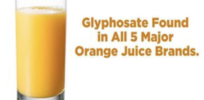
Viewpoint: Zen Honeycutt’s ‘inexcusable’ attack on orange growers betrays science
Activist group Moms Across America, run by someone with zero scientific training, makes a living attacking farmers and scientists that ...

Brain addiction: Why stopping drug use is so difficult
Drug addiction is a commonly misunderstood disease. Once addicted, it’s not only about pleasure seeking or choice, but chemical reactions ...

Synaesthesia: For those who lose their sight, colors can have sound
Vanessa Potter lost her sight. As she recovered, her senses mingled – hearing and touch changed the way she saw ...

Viewpoint: Anti-biotech groups’ master plan substitutes ‘citizen science’ for data in quest to get glyphosate banned
The European Union resisted the lobbying of organic and anti-biotech groups to renew authorization of glyphosate, although only for five ...

Does air pollution reach the womb, eventually leading to heart disease and shorter lives?
New research gives expectant mothers reason to be more cautious with air pollution, which can cause damage to the critical ...

EU re-approval of glyphosate herbicide dodges farming economic woes—for now
If the European Union eventually phases out all the popular glyphosate herbicide, the loss of farm productivity could cost Europe ...
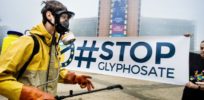
French scientist calls for inquiry into IARC’s ‘misbehavior’ on glyphosate cancer study
Following revelations that IARC withheld data showing the herbicide glyphosate does not cause cancer, French molecular geneticist Marcel Kuntz calls ...

Genetic Literacy Project’s Top 6 Stories for the Week – Nov. 27, 2017
CRISPR breathing new life into crop breeding—can it avoid GMO controversy? | Andrew Porterfield Viewpoint: Genetic engineering’s benefits extend far beyond ...

Talking Biotech: Pet dogs with genetic diseases testing ground for gene therapy
Journalist Emily Mullin: Gene therapies becoming more promising but restricted in humans because of safety concerns, prompting some researchers to ...

Myth busting: Are natural pesticides really safer than synthetic ones?
Both organic and conventional farmers use pesticides, but these chemicals are rampant in nature and many natural ones are more ...

Genetics of mental health yield surprising connections but no cures
Scientists are slowly uncovering the genes and mechanisms that cause mental health disorders, but we are a long way from ...

Searching for extraterrestrial life: Finding the right communication technology
Scientists are looking for evidence of extraterrestrial communication across interstellar space. But what if other intelligent life forms are using ...

Viewpoint: Genetic engineering’s benefits extend far beyond GMO crops and controversy
In discussing biotechnology, too much controversy is focused on the crops developed by Monsanto and its competitors. Genetic engineering is ...

Viewpoint: FDA regulations ‘a disaster’ for genetically modified animal research
The Trump Administration and Congress should rein in the FDA's regulatory overreach on genetically engineered animals, which is stifling important ...

Talking Biotech: Soil-worm resistant GMO crops in Africa hindered by politics, public fears
IITA scientists: GMOs could help fend off nematode crop pests in Africa, but educating policymakers and public about the benefits ...

Genetic Literacy Project’s Top 6 Stories for the Week – Nov. 20, 2017
Viewpoint: From Non-GMO to gluten-free, ‘fake transparency’ in food labeling offers little but higher prices | Brandon McFadden Fighting antibiotic ‘superbugs’—DNA ...

How the tomato lost its flavor––and the way biotech could bring it back
Supermarket tomatoes have a sorry reputation for looking great but tasting like cardboard. Short of growing only heirloom tomatoes, the ...
