


Genetic Literacy Project

Countering the impact of climate change through new breeding techniques
It is imperative that we breed new varieties of plants to make agriculture more sustainable, given increasing food demand and ...

Talking Biotech: How insects could make our food supply more sustainable
Producing feed for animals we eat has led to overfishing and other environmental challenges. Feeding our livestock insects might solve ...

Not so different after all: Reptile and human brains have a lot in common
Reports of human and reptile brain differences seem greatly exaggerated, according to recent neuroscience ...

With GMO soybean market booming, is there a future for conventional varieties?
Almost all the world's soybean grown today is GMO, which it is very difficult to find non-GMO soybeans. Begging the ...

Why ending muscle wasting matters for curing cancer
Deterioration of muscle is the cause of death in many diseases, like cancer, but no treatments address this lethal symptom ...

Jumping genes: How Barbara McClintock won a Nobel Prize by crossbreeding corn
Through meticulous crossbreeding, she showed that DNA is far more complicated than scientists originally thought ...

Selling yourself? These companies want to pay for your genetic information
Some companies want to rent your DNA - should you let them? ...

Viewpoint: Chemophobia epidemic—Fanning fears about trace chemicals obscures real risks and ‘damages public health’
When is a chemical dangerous? This is not a question we consciously ask ourselves much, but in fact, we interrogate ...

Using gene editing to control forest fires? It could be a reality if anti-biotechnology activists don’t block it
The American west has experienced devastating wildfires in recent years; while the number of fires has decreased a little over ...

Why we may need a ‘Noah’s Ark’ of microbes to protect our health in the future
Preserving human microbiomes today, especially the more diverse ones from traditional peoples in developing nations, may provide treatments for diseases ...

Failure of race-based medicine? We aren’t accounting for the unique genetics of biracial and multiracial populations
For several decades in modern medicine history, human race has been used as a constant variable to predict and/or determine ...

Boosting crop yields by using genetic engineering to help plants discard natural toxins
Can you imagine the entire population of the United States, Canada, Mexico, Brazil, the United Kingdom and France going hungry? ...

Talking Biotech: Mango is a vital food crop worldwide. But where did it come from?
Mango is popular worldwide, but especially important in India and southeast Asia. On this episode, Emily Warschefsky and Kevin Folta ...

Mother Nature? More like ‘Mad Scientist Mama’—creator of chemicals good and bad for humans
Nature is not some sort of cosmic mother figure. On the contrary, nature is composed of diverse biological and physical ...

Cancer and genetics: Why smoking threatens more than just your lungs
Cigarettes smoking causes lung, throat and larynx cancers–which makes sense because those tissues come directly into contact with smoke and ...

Breaking the body’s ‘sugar code’ could refine our ability to predict, treat diseases
Key elements of arthritis, cancer, food allergies and aging are trapped within glycans, types of sugar in the human body ...

After successful demonization campaign against herbicide glyphosate, anti-GMO activists and environmental groups take aim at atrazine
In July, the US Environmental Protection Agency issued an extensive report that reviewed decades of science and declared that a ...

Synthetic biology mosquitoes: Pioneering solution emerges to counter fears over using genetic engineering to control Zika
In fall 2015, the biotech company Oxitec planned to release genetically engineered mosquitoes throughout the Florida Keys capable of stopping their ...

Viewpoint: It’s time to replace our fear-based genetic engineering regulations
In the early 1970s a group of scientists -- none involved in agriculture or food -- raised concerns about the ...

Costs and benefits need to be assessed in weighing bans on glyphosate and neonicotinoids
The continuing debates over whether the herbicide glyphosate or the insecticide class of neonicotinoids (neonics) could—or should—remain available for farmers ...

Sen. Elizabeth Warren controversy: Almost every American has a sliver of Native American ancestry
The reporting on the largest genetic study of American ancestry—claims that Americans are a genetic melting pot of white, black ...

Talking Biotech: Does LaCroix sparking water really contain cockroach insecticide?
Join Kevin Folta as he tackles recent concerns that LaCroix sparkling water contains cockroach-killing insecticides ...

Viewpoint: How anti-GMO activist-journalist Carey Gillam primes the glyphosate litigation pump
The Guardian published an article by Sam Levin and Carey Gillam [on October 7] about the “new era of cancer lawsuits ...
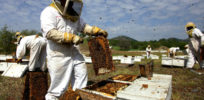
‘Gold standard’ assessing neonicotinoids: Field bee hive studies find pesticides not major source of health issues
Some lab studies but almost no field ones suggest neonicotinoid pesticides are harming bee health. Why is there such a ...

CAR-T cell therapy and the promise of immune cells engineered to fight cancer
The National Cancer Institute estimates that more than 1.7 million people will be diagnosed with cancer this year. To cope ...

Viewpoint: Link between bee death and glyphosate still a ‘far-fetched’ story
Glyphosate is a herbicide, in other words, it is toxic to plants. Its target enzyme is not found in insects ...

Using your body’s internal clock to offset those bad eating habits
When we eat late at night, it disrupts our circadian rhythm. Eating within an 8-12 hour time period could reset ...

Why Ugandan banana breeders say it’s critical to add genetic engineering to their toolbox
Ugandan researchers have been successful at developing robust hybrid bananas through conventional breeding techniques. Yet they see a strong need ...
