


Genetic Literacy Project
Viewpoint: UN should reject a proposed ban on gene drives
A draft resolution would revise the U.N. Convention on Biological Diversity to call on governments to "refrain from" releasing organisms containing engineered ...
Can genetic engineering deliver a natural microbial fertilizer for crops?
At the turn of the previous century, German scientists Fritz Haber and Carl Bosch got all the credit for finding ...
Podcast: GLP’s Jon Entine on the spread of ‘chemophobia’
Chemicals are used to grow, process, preserve and package our food, and are ubiquitous in many products and in our ...

As arguments rage over the sources of transgender identity, science weighs in
Discussing gender dysphoria and brain differences in transgender populations ...

Emotions and memory: How your genes impact the way you see and feel the world
How much of our emotion is conjured up by an experience seems to be partly related to our genes. Could it ...
How scientists are using CRISPR to create non-GMO crops
To feed the burgeoning human population, it is vital that the world figures out ways to boost food production. Increasing ...
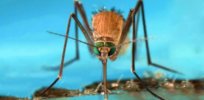
Let’s say we can force the mosquito into extinction — should we do it?
Not many people like mosquitoes. So why not eliminate them? Newer techniques like CRISPR/Cas9 gene editing may make this possible ...

Edible cotton: How genetically modified cottonseed could revolutionize food and feed production
Here’s a somewhat boring fact you might already know about cotton: It doesn't make a good food, for humans or ...

Viewpoint: As global honeybee population increases, activists blame neonicotinoid pesticides for ‘bird-pocalypse’ that’s not happening
Are we in the midst of another bout of unfounded environmentalist-fueled exaggerations—this time about birds becoming extinct because of pesticide ...

Talking Biotech: Meet the liquor store owner boycotting Smirnoff’s ‘non-GMO’ vodka
Meet Allison Nondorf, a farmer and co-owner of A&C Liquid Assets in Kansas. The liquor store refuses to sell Smirnoff's ...

FDA reaffirms much-criticized plan to regulate genetically engineered animals as if they were a drug
FDA Commissioner Dr. Scott Gottlieb has doubled down on his agency’s failed policy for regulating an entire sector of biotechnology — the ...

Why marijuana might not be such a great weapon to fight opioid addiction
The opioid crisis is an ongoing national tragedy. One commonly suggested response is cannabis. But emerging state and national statistics ...

Why monocultures might be the most sustainable option when choosing cover crops
It's long been believed, without much empirical evidence, that biodiversity in crop cover mixtures increases crop productivity, improves soil ecosystems ...

Are GMO critics more open to gene editing that targets plant and human diseases?
The early generations of transgenic plants focused primarily on increasing productivity, either by reducing pest damage or increasing yields by ...

BRCA mutations can be deadly or harmless. Now CRISPR can tell the difference
CRISPR has many emerging applications, one of which is identifying dangerous breast cancer mutations ...

13 nations say it’s time to end ‘political posturing’ and embrace crop gene editing
Agricultural scientists have been excited about gene editing since it debuted several years ago. The technology dramatically cuts the time ...

Blasting rodents with cell phone radiation increased cancer risk. Here’s why that means nothing for humans
Last week the National Toxicology Program (NTP) issued an update on the results of the largest animal experiment to assess ...

Genetics and Type 2 diabetes: Why weight loss alone may not be enough for some people
People who develop Type 2 diabetes fall into one of two categories — those whose blood sugar can be controlled ...

Absolut failure: Kansas farm family takes stand against fear-based non-GMO vodka marketing
I don’t throw the word hero around very often, but in this case the cape fits. Out on the vast ...

Talking Biotech: How regulation threatens the future of biotechnology
Technology is revolutionizing health care and food production. But excessive regulation slows these important developments. What does this mean for ...

Viewpoint: Why a jury verdict against Monsanto doesn’t change anything regarding the safety of Roundup herbicide
The common weed killer Roundup (glyphosate) is back in the news after a US court ruled it contributed to a man’s terminal cancer (non-Hodgkin ...

Why you need to know about RNA therapy and its potential to revolutionize disease treatment
After a decade of painstaking progress, the underdog is on the brink of treating a broad range of diseases ...
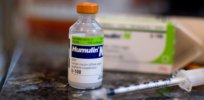
Quick FDA approval of GMO human insulin 36 years ago contrasts with today’s biotechnology regulatory sclerosis
This week marked the 36th anniversary of one of biotechnology’s most significant milestones—the approval by the FDA of human insulin ...

Ugandan researchers hit the road to battle anti-GMO propaganda
As Uganda continues to grapple with its biotech future, scientists have launched an initiative to help local farmers better understand ...

Climate change and rice: How some of the world’s poorest nations may suffer
Much of the world relies on rice. What happens when climate change threatens rice nutrition? ...

Not-so-mad scientists and why they’re making human body parts
Halloween brings a cornucopia of candy body parts, so it’s a good time to review recent advances in organoid technology ...

Viewpoint: Why we have to fight for what biotechnology can offer us
“Tea. Earl Grey. Hot.” That’s how fictional star ship captain Jean-Luc Picard from Star Trek orders his tea, 300 years ...

How Frankenstein and 200 years of horror stories have haunted the biotechnology revolution
It was a dark and stormy night in 1818, when something sinister was loosed upon the world. Okay, so it ...
