Could ‘child prodigy’ genes lead to treatments for autism?

IQ test

[Editor’s Note: Joanne Ruthsatz is a psychologist at Ohio State University and the author of The Prodigy’s Cousin. Her research asks the question: What are the chances of having a child prodigy and an autistic child in the same family?]

How might the link between prodigy and autism help us better understand both traits?

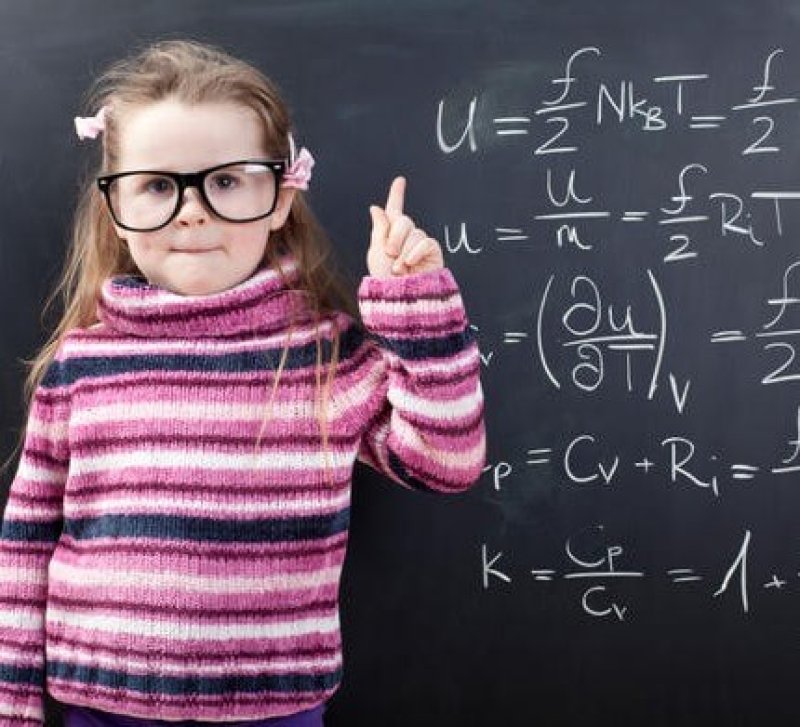
Well, if we could find how they are different from their neurotypical relatives, that would lead the way to better medicine for autism. What we’re looking for is a genetic marker that prodigies have that their neurotypical or autistic relatives do not have. More than 50 percent of children who are prodigies have autistic first or second relatives. That’s…a big flag.

When you compared prodigies and those with autism, what similarities did you find?

They all have an obsession in something, or what we’d call a “rage to master” in prodigies. They both have strong working memories. They all usually come from families that have engineers or scientists or professors. Well, not all of them, but more than you’d expect. Some come from very normal families, some working-class — and many have autistic relatives.

What do you suspect your latest research might lead to?

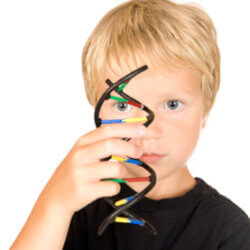
We are hoping to arrive at the prodigy gene that allows all the deficits in autism to be put at bay, letting the talent shine through. We think it’s going to be one or two genes.

The GLP aggregated and excerpted this blog/article to reflect the diversity of news, opinion, and analysis. Read full, original post: A Genetic Link Between Autism and Prodigy

For more background on the Genetic Literacy Project, read GLP on Wikipedia.

Related Articles

Infographic: Global regulatory and health research agencies on whether glyphosate causes cancer

Infographic: Global regulatory and health research agencies on whether glyphosate causes cancer

Does glyphosate—the world's most heavily-used herbicide—pose serious harm to humans? Is it carcinogenic? Those issues are of both legal and ...

Most Popular

ChatGPT-Image-Mar-10-2026-01_39_01-PM
Viewpoint—“Miracle molecule” debunked: Why acemannan supplements don’t work
ChatGPT-Image-Sep-2-2026-02_03_32-PM
How much of a problem is AI’s water use?
ChatGPT-Image-Sep-10-2026-01_44_53-PM
Viewpoint: Why medical and health nonsense spreads so casually on pop culture media
Screenshot-2026-09-16-at-3.14.20-PM
19%: Plunging support for Trump-RFK, Jr. measles vaccine safety oversight
ChatGPT-Image-Sep-17-2026-12_28_43-PM
Vitamin D, omega-3 fish oil and glucosamine supplements could cause brain damage 
Screenshot-2026-09-16-at-2.26.42-PM
Viewpoint: How to ecologically damage America’s forests: Ban glyphosate
ChatGPT-Image-Sep-16-2026-11_28_54-AM
Viewpoint: Study links childhood vaccination to autism!!! Here’s how anti-vaxxers twist evidence to corrupt science
ChatGPT-Image-Sep-17-2026-11_03_54-AM-2
AI sparks a bioweapons race
ChatGPT-Image-Sep-21-2026-10_55_04-AM
Viewpoint: America’s food-safety system is being methodically dismantled by the Trump administration.
ChatGPT-Image-Sep-21-2026-02_35_25-PM
22-year frozen embryo: In one of the longest delayed births ever, middle-aged Greek couple gives birth to a daughter
Screenshot-2026-09-10-at-12.20.19-PM
'Jet fuel didn't melt the steel': 9/11 conspiracy theories debunked
glp menu logo outlined

Get news on human & agricultural genetics and biotechnology delivered to your inbox.