Enter CRISPR, a powerful new gene editing tool that’s everything GMOs aren’t.
For one, CRISPR is academic where GMO is corporate. The technology was born at the University of California Berkeley and the Broad Institute at Harvard and MIT. Most of the GMO crops we eat were created by Monsanto.
It’s also transparent where GMO is opaque. The scientists developing CRISPR are making information about the technology and its applications public…
It’s cheap where GMO is expensive, so cheap that you can buy a kit to CRISPR a bacterium right at home for $159. The biotech industry estimates that it takes $130 million to bring a genetically modified crop to market…
It’s accessible where GMO is proprietary. Although there are patents…within CRISPR technology, the Broad Institute has committed to sharing the technology, gratis, with all academic researchers and nonprofit institutions.
Most of the academic scientists working on CRISPR don’t stand to benefit financially….They are instead in it to tackle the world’s pressing priorities: climate change, human health, and the nutrition needs of a growing population.
Why are people today often taller than their ancestors? If you have blue eyes or red hair, does that mean your children will too? Is there an intelligence gene, or a gene that produces mass murderers? Or is it the family environment one grows up in? These are some of the questions Carl Zimmer explores in his new book, She Has Her Mother’s Laugh.
…
National Geographic caught up with Zimmer at Yale University.
…
[Simon Worrall:] When I told my wife the title of your book, and that it was about heredity, she said: “I got my mother’s laugh and voice from being around her.” So, Carl, is it genes or the environment—nature or nurture—that make us who we are?
…
[Zimmer:] I would be surprised if laughter had even 10 percent heritability. Genes you inherit may play a role in your laugh being somewhat similar to your parents’, but you’re also growing up with them and listening to them laughing, and we’re a very imitative species. There’s no way you could drill down and say we have identified that 10 percent of your laugh came from your DNA.
…
Certainly our genes are enormously important, but they’re not the only things that are passed down from our parents. I would argue that you should think beyond genes when trying to understand the full scope of heredity.
Silently, the Flemish Institute for Biotechnology (VIB) has been conducting a field trial with [CRISPR-edited] maize for a year and a half. The…new sensational technique…is not clearly regulated in Europe. Nevertheless, the [Belgian] government [approved the trial].
…
In laboratories worldwide, experiments with the CRISPR/Cas9 method are currently taking place. But confidential documents collected by De Morgen show that researchers from the Flemish Institute for Biotechnology…have been planting [corn that was] changed with the new technology.
VIB spokesman René Custers confirmed the existence of the field trial. He emphasized that the trial represents fundamental research. “With the knowledge we gain, [he said], “we hope to find ways to better arm plants against [environmental stress].”
…
On [July 25th], the European Court of Justice in Luxembourg [will] settle the discussion on new [gene-editing] techniques. “The question is whether such a plant is a GMO and in order to obtain certainty about it, we applied to the Belgian government. They confirmed to us that our maize plants do not fall under the provisions of Belgian GMO legislation,” says Custers. “Of course it is exciting now because the European Court’s ruling can change that… Hopefully there will now be clarity. We have been urging Europe for a few years now.”
Editor’s note: This article was originally published in Dutch. This English summary has been prepared with Google Translate and edited for clarity.
In recent months, the [French] media has had little interest in reporting the results of three large-scale studies that reviewed and confirmed the safety of genetically modified plants.
These studies were commissioned as a result of the extraordinary media hype surrounding the now famous Séralini et al. study on rats published in September 2012 – “Long-term toxicity of the herbicide Roundup and genetically modified maize tolerant Roundup”) – then retracted and republished in a lower quality science journal.
Millions of dollars invested in research on a possible link between GMOs and cancer has generated ample evidence that foods made from GMO ingredients do not pose a risk to human health.
However, these three studies do not directly invalidate the “infamous” [Seralini ] study. To invalidate [that study], it would have been necessary to use an identical or similar protocol. But this was hardly conceivable, as the protocol of the 2012 study was far outside the norms of reasonable scientific practice. This was pointed out by experts the day after Seralini’s study was published.
The French Association of Plant Biotechnology ( AFBV ) tried to explain these facts to the media, but in a country where appeals to emotion prevail over reason, French reporters came to Seralini’s defense and argued that the scientific establishment was persecuting the rogue molecular biologist.
Editor’s note: This blog post was originally published in French. This English summary has been prepared with Google Translate and edited for clarity.
[A] yeast, a new variety of an organism so common that it’s used as one of the basic tools of lab science, [has] transformed into an infection so disturbing that one lead researcher called it “more infectious than Ebola” at an international conference [in early July].
…
The center of the emerging problem is that this yeast isn’t behaving like a yeast. Normally, yeast hangs out in warm, damp spaces in the body, and surges out of that niche only when its local ecosystem veers out of balance.
…
C. auris breaks that pattern. It has developed the ability to survive on cool external skin and cold inorganic surfaces, which allows it to linger on the hands of healthcare workers and on the doorknobs and counters and computer keys of a hospital room. With that assist, it can travel from its original host to new victims, passing from person to person in outbreaks that last for weeks or months.
…
It’s critical that medicine develop better tests and routine practices, and that sluggish development of new antifungal drugs be speeded up.
…
The most important steps may be the low-tech ones that are hardest to enforce routinely: wearing gloves, wearing gowns, washing hands.
Scientists have long linked the evolution of the human hand—unique for its lengthy opposable thumbs and dexterous fingers—to the rise of stone tools some 2.6 million years ago.
…
Early hominins practiced an array of tool-related activities, including hunting, foraging and cooking. But according to a new study from researchers at Chatham University and the University of Kent, not all of these activities were created equal. The team’s findings, newly published in the Journal of Human Evolution, suggest that a specific behavior—smashing animal bones to access their marrow—had an outsized effect on the development of early hand anatomy.
…
Bone marrow is a tasty, high-energy food. Early humans who had hands more suited to smashing open bones and acquiring the delicious snack might have been better equipped to survive in the harsh conditions of prehistory, and thus more likely to pass their genes—and dextrous hands—on to the next generation. To test that hypothesis, the team asked 39 volunteers to don a manual pressure sensor system called Pliance and demonstrate a bevy of Pleistocene-era activities.
…
[R]esearchers found that the thumb, index and middle fingers always played a role of high importance. Behaviors requiring the most pressure were hammering bones for marrow.
…
[T]he newfound emphasis on rich, high caloric-marrow draws attention to the variety of practices that contributed to today’s nimble fingers.
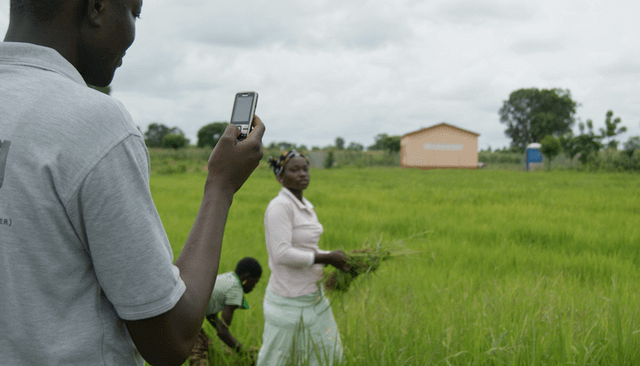
Uganda’s National Agricultural Research Organisation (Naro) is popularising three Apps and an SMS-based platform it has developed to help farmers obtain relevant information through information communication and technology tools.
The applications, which are available on the Google Playstore are the Naro Beans, Naro Maize and Naro Cassava.
These three crops have been targeted as a start because they are considered key commodities for the country, besides coffee, tea, bananas and rice.
…
Boniface Akuku, director for ICT at the Kenya Agricultural and Livestock Research Organisation, who helped Uganda develop the apps, said the different platforms will offer aggregated agricultural research content to farmers which is relevant to their needs.
“This information will be on a wide range on issues, including diseases, post-harvest handling, husbandry practices, technologies and innovations and other frequently asked questions,” said Mr Akuku.
…
A World Bank report on the potential of agriculture in Uganda shows that although there are several structural barriers in the country’s agriculture sector, including declining productivity, vulnerability to impacts of climate change and poor quality control systems, developments in agricultural technology models could help improve the sector.
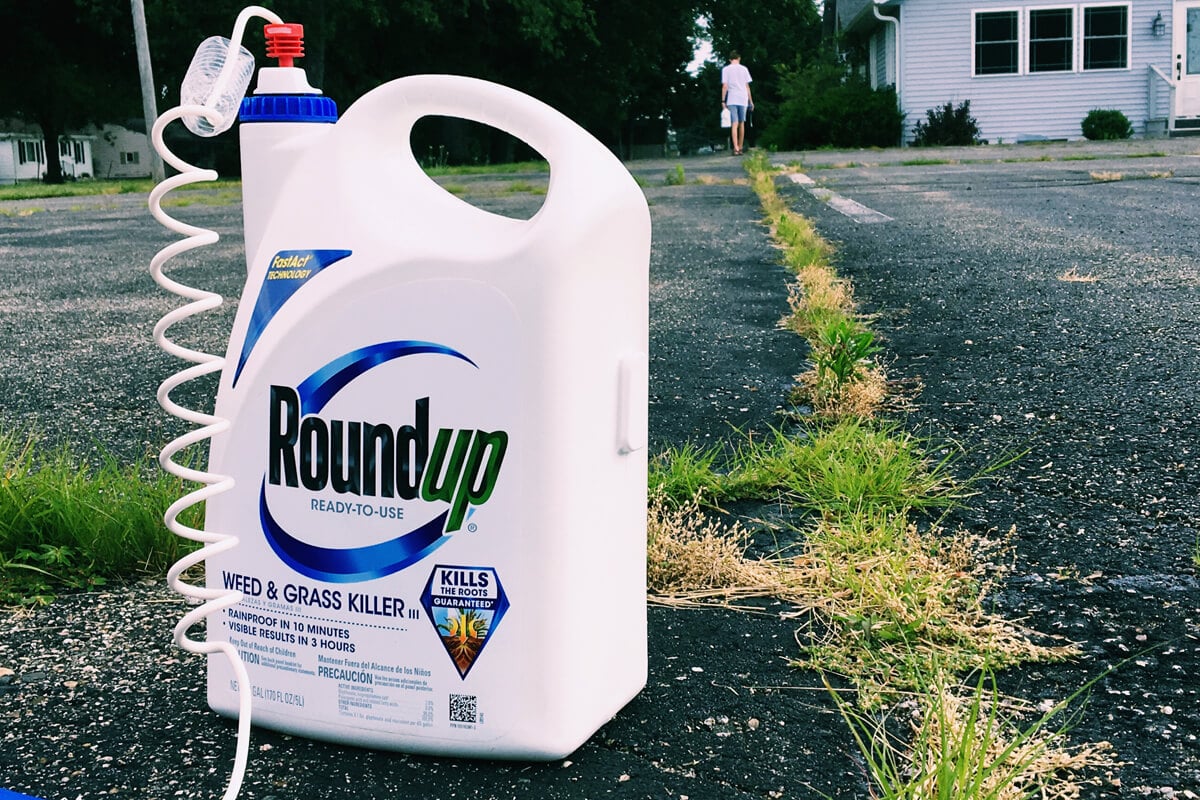
It is the first time St. Louis-based Monsanto Company has had to defend one of its products, Roundup, in front a jury. Roundup is a popular weed killer.
The man suing the agrochemical company is Dewayne Johnson of Vallejo. He took the stand [July 23rd] in the trial which…is meant to be the bellwether of thousands of similar cases.
The case is being tried in a San Francisco Superior Court. The 46-year-old plaintiff is a former groundskeeper for the Benicia Unified School District.
…
Johnson’s wife, Araceli took the stand before him saying that once he was diagnosed with cancer, he could not sleep, was in pain, depressed and at times would [cry].
Johnson who has undergone several rounds of chemotherapy, talked about his two sons and wife and how life had dramatically changed after the diagnosis.
Monsanto has said, “The scientific evidence is overwhelming that glyphosate-based products do not cause cancer and did not cause Mr. Johnson’s cancer. ”
“Sex-specific prevention might start from having more of this information about female-specific risk factors,” says Maria Teresa Ferretti, a biomedical researcher.
…
Alzheimer’s is detected by looking for two toxic proteins that have accumulated in the brain. Evidence suggests no difference in the levels of these proteins, or ‘biomarkers’, in men and women with Alzheimer’s disease. But the women show greater cognitive decline.
As a result, the biomarkers “might have a different predictive value in men and women,” says Ferretti: “We might need to adjust imaging, biochemical and neuropsychological biomarkers for men and women or find gender-specific biomarkers.”
…
Research conducted with sex and gender at the forefront is already raising new possibilities for how we detect, treat and support the growing number of people living with the disease. Pinning down any differences could help solve one of the greatest medical mysteries of our time.
Four of the largest food companies have combined forces to form a new advocacy association. Danone North America; Mars, Incorporated; Nestle USA; and Unilever United States have formed the Sustainable Food Policy Alliance. The Alliance seeks to be at the forefront of policies shaping how Americans eat and the impact food has on our health.
The companies will prioritize advocacy in five key areas: consumer transparency, environment, food safety, nutrition, and people and communities.
…
In a joint statement released by the Alliance, the company presidents said:
…We understand that we don’t have all the answers and will rely on the best available evidence-based science to inform our positions….
Interestingly, these are the same companies that recently pulled out of the Grocery Manufacturers Association (GMA). Politico reports that the reasons for departing GMA were vague, but followed disagreements between the companies and GMA over food policy.
…
I’m mostly concerned because these are the companies that broke with GMA. Until recently, GMA was a powerhouse lobbying group that generally sided with agriculture interests. The splintering of GMA is worrisome. The formation of this Alliance worries me even more. These aren’t newbies; they understand the game…As four of the largest food companies, they also have a lot of cash. Without other members of GMA reigning them in, it’ll be interesting to see how far they diverge in policy and politics.
Drugs that can lengthen life have long been a hallmark of speculative science fiction—many hope for an invention that could extend average lifespans well into the triple digits in the distant future. But the timeline of these drugs could be shorter than we think. A new clinical trial published [July 11] in Science Translational Medicine has found evidence that low doses of two existing drugs can boost the immune system of an elderly person, helping it fight common deadly infections, including the flu, with seemingly little to no side effects.
…
Two groups received different doses of the approved chemotherapy and immunosuppressant drug everolimus; one received a dose of the experimental chemotherapy drug dactolisib; and one received a dose of everolimus and dactolisib combined (both drugs were developed by Novartis). The fifth group was simply given a placebo.
…
By the end of the year, all of the drug groups reported fewer infections than the placebo group. But the difference was largest among the people who took both drugs at once: They reported an average of 1.49 infections during the year, compared to the 2.41 infections reported by the placebo group.
…
There was even evidence that these drugs lowered the risk of high blood sugar and cholesterol as well as improved immune function.
Over the past five decades, space travel advocates have been pushing to expand our footprint in space. They dream about lunar bases, missions to Mars and colonies in free space. The visions are ever changing, with government efforts joined by those of private companies like Elon Musk’s SpaceX — in the midst of an effort to send tourists on a trip around the Moon — gravitating toward the space tourism sector. While the goals and how to accomplish them are in constant flux, there remain certain obstacles that must be overcome before we take that next big step. And one of the biggest is the need to protect the health of our future space explorers.
That’s what’s prompted NASA to turn to the fast-moving world of gene therapy to solve several potential medical issues facing astronauts on lengthy space missions.
The US space agency and the associated Translational Institute for Space Health Research (TRISH) at the Baylor College of Medicine are now calling for proposals from private companies and other groups to develop a kind of gene therapy for astronauts. But this would be different than recent gene therapies that target specific diseases such as hemophilia or various types of cancer. Instead, the idea here is to minimize the damage from space radiation through a kind of preventive treatment. Exposure to radiation in space can cause cancer, cardiovascular disease, cataracts and the loss of cognitive function due to accelerated death of brain cells. These different disease categories involve very different mechanisms — cancer and heart disease result from radiation damaging DNA, while loss of brain tissue results simply from radiation killing off mature cells, and still other diseases result from radiation destroying stem cells.
Molecular spinoff on Earth
While the goal here is to boost our chances of expanding our reach beyond planet Earth, that doesn’t mean the technology won’t offer benefits to those of us who never leave its surface. From cell phones and GPS to materials as mundane as the Velcro on your sneakers, space technology spinoffs are well known phenomena. In the health arena, research by NASA and other space agencies has dozens of spinoffs, including superconductor innovations that have improved and decreased the cost of magnetic resonance imaging (MRI) scanners, a Mars rover-inspired robots that patrol hospital halls while enabling doctors and nurses to interact with patient devices, plus a host of medical monitoring devices.
The call for new gene therapy treatments would appear to have automatic spinoff potential for medicine on Earth. This is true, despite the fact that the radiation that astronauts will encounter on missions beyond low Earth orbit (LEO) will be substantially different from the radiation that people receive in medical and nuclear industrial settings on Earth. Although development nucleotide based therapies constitutes just one of six research categories that the NASA translational space health program will begin funding in January 2019, it is not the only genetic engineering category on the list. Among the other categories is the development of new genetically engineered edible plants, with novel functions apart from their edibility.
Image credit: Bryan Versteeg/Mars One
As for the benefits of radiation gene therapy on Earth, whereas cancer typically comes to mind when people think of exposure to moderate levels of radiation, therapies to mitigate damage to the heart and brain are equally high on the list of potential medical spinoffs. One of the key worries concerning long-duration space travel is how humans will be impacted by exposure to the high energy particle radiation (galactic cosmic radiation or GCR) that fills deep space. Will they experience rapid loss of memory and cognitive function? This concern has boosted research toward a drug to combat those effects. Similarly, there is concern about space radiation causing long-term cardiac damage. The expected radiation dosage on an exploration mission to Mars would be much lower (and of a different physical nature) than that experienced by cancer patients undergoing radiation therapy for breast cancer and certain types of lymphoma. But there is a strong rational that DNA damage mitigation strategies will be similarly applicable to prevent cardiac damage in both astronauts and Earth-bound recipients of radiation therapy.
Off-Earth colonization
The reason for the concern about space radiation is that life forms are actually well shielded from the most damaging components of space radiation on the surface of Earth and even in low orbits, such as the altitudes where the International Space Station orbits Earth once every 92 minutes. This is because the strong magnetic field generated by movement of metals in Earth’s core deflects protons and other charged particles that comprise much of the space radiation that travels toward Earth. The deflection produces barbell shaped regions at high altitudes known as the Van Allen Belts, where space radiation is concentrated.
Mis- and disinformation are distorting science and public policy. Subscribe to our Daily and Weekly Digests for incisive coverage of ‘disruptive’ innovations in AI, agricultural biotechnology, food, chemicals, nuclear energy, vaccines, and other disruptive innovations.
Once beyond the Van Allen belts, a spacecraft is within the normal interplanetary space radiation environment, which includes much of the space between Earth and the Moon. Spacecraft someday may actually generate their own magnetic fields to deflect radiation much like Earth does. And there are various pharmaceuticals being developed for radiation projection. Even as NASA works to develop a radiation gene therapy, there is a simple solution to the question of how to protect colonists on other worlds: Simply build the colonies within lava tubes far underground.
The fact that the ground, if one builds deep enough, is a powerful shield against radiation offers reason for optimism that people will be able to live on, and visit, other worlds. But it’s also a reason to remind Mars and Moon colony enthusiasts to take all of those beautiful images of domes and other surface colony structures with a grain of salt. Domes may indeed cover Martian and lunar colonies in the years to come, but only for the sake of plants. Domes are where the farms will be, where the food is grown, but the people will be living underground.
David Warmflash is an astrobiologist, physician and science writer. BIO. Follow him on Twitter @CosmicEvolution.
Gene editing in agriculture takes centre stage [July 25th] when Europe’s highest court rules in a case that could determine the fate of the technology that is already making waves in the field of medicine.
The European Union has long restricted the use of genetically modified organisms (GMOs) widely adopted around the world, but there is legal uncertainty as to whether modern gene editing of crops should fall under the same strict GMO rules.
The biotech industry argues that much of gene editing is effectively little different to the mutagenesis that occurs naturally or is induced by radiation – a standard plant breeding method since the 1950s.
But environmentalists, anti-GM groups and farmers concerned about the potential environmental and health impacts of all genetically engineered products fear that allowing gene editing would usher in a new era of “GMO 2.0” via the backdoor.
Gene editing with the CRISPR/Cas9 tool and other techniques has the potential to make hardier and more nutritious crops – as well as offering drug companies new ways to fight human disease.
…
So far, the signs are that the court may lean towards the biotech industry’s view. [European Court of Justice or ECJ] advocate general Michal Bobek advised in January that organisms could be exempt from GMO rules if they did not have added foreign DNA.
The advocate general’s view is not binding but is usually followed by ECJ judges.
The creation of babies whose DNA has been altered to give them what parents perceive to be the best chances in life has received a cautious green light in a landmark report from a leading UK ethics body.
The Nuffield Council on Bioethics said that changing the DNA of a human embryo could be “morally permissible” if it was in the future child’s interests and did not add to the kinds of inequalities that already divide society.
…
But the report drew immediate criticism from some quarters, with one lobby group accusing the authors of opening the door to the unrestricted use of heritable genetic engineering, and an age of genetic haves and have-nots.
…
While laws in the UK and some other countries currently ban the creation of genetically altered babies, a handful of experiments around the world have shown that DNA editing could, in principle, prevent children from inheriting serious diseases caused by faulty genes.
…
Another consideration is that any changes made to an embryo’s DNA would affect all of its cells, including the sperm or eggs, meaning that genetic modifications would be passed down to all future generations.
…
In the event that the law is changed, gene editing of human embryos should be considered on a case-by-case basis by the fertility regulator, the Human Fertilisation and Embryology Authority, the report adds.
A northeast Nebraska farmer has sued herbicide manufacturers, saying his neighbors’ use of the company products damaged his soybean crop last summer.
The Lincoln Journal Star reported that Shane Greckel filed the federal lawsuit in U.S. District Court [the week of July 16th] against Monsanto and other companies whose products contain the herbicide dicamba.
Dicamba, which kills broadleaf plants, including soybeans, has garnered a lot of publicity in the past few years due to its tendency to vaporize and drift to neighboring fields if not applied properly. The Environmental Protection Agency estimated that 4 percent of the nation’s soybean crop was damaged by dicamba last year.
…
Monsanto has faced a number of lawsuits over damage allegedly caused by dicamba, including a class-action suit in Missouri. Both Missouri and Arkansas have banned the use of dicamba after certain dates.
…
Other defendants named in the lawsuit are BASF, DuPont and Pioneer Hi-Bred, all of which sell either herbicides containing dicamba or seed varieties that are resistant to it.
The lawsuit seeks an injunction against the companies to prevent them from continuing to sell products containing dicamba as well as actual and punitive damages and attorney fees and other costs.
The CRISPR gene editing process is known to fail about 15 percent of the time. These random failures have until now been a mystery to scientists who consistently work with the technique. When the technique is working properly, an enzyme called Cas9 is what actively makes the cuts to a desired position in a DNA strand. After the cut is made either a new desired sequence is added or an unwanted section is simply removed, with the two cut points gluing themselves back together.
The new research revealed that when the CRISPR process fails it is because the Cas9 enzyme effectively sticks to the DNA cut point, blocking the subsequent DNA repair process.
…
The study also found that when RNA polymerases collide with Cas9 they can force the enzyme to dislodge. This means that consistent strand selection can significantly improve the genome editing technique’s efficiency.
“I was shocked that simply choosing one DNA strand over the other had such a powerful effect on genome editing,” says Ryan Clarke, lead author of the study. “Uncovering the mechanism behind this phenomenon helps us better understand how Cas9 interactions with the genome can cause some editing attempts to fail and that, when designing a genome editing experiment, we can use that understanding to our benefit.”
Kazakhstan is tapping growing consumer demand for organic crops to help it better compete in the food-export market.
The country wants to use much of its vast uncultivated lands to grow soybeans and other non-genetically modified crops for markets such as China and the European Union, Agriculture Vice Minister Gulmira Isaeva said. By offering non-GMO and pesticide-free produce, it hopes to carve out a niche in a crops market dominated by giants such as Russia, Australia or the U.S.
…
“We can use these hectares for starting ecological production,” Isaeva said in an interview in London. “It’s our advantage. We cannot compete by price with U.S., Australian and Canadian agricultural products, but we can be a competitor in the organic markets.”
The organic food market is worth more than $90 billion globally and has grown in Europe and the U.S. in recent years…As demand rises faster than the amount of available land, there are concerns about new sources of supply, industry group IFOAM Organics International has said.
…
Kazakhstan hopes to export much of its produce to the EU, the second-biggest organic market worth about $35 billion, Isaeva said. China has also shown an interest in buying Kazakh soybeans, she said.
“We present Kazakhstan as an organic country, ecological country and therefore we want to be producing non-GMO, free from some chemical pesticides,” Isaeva said. “We want to use only natural means of production.”
Bad luck. Terrible misfortune. That’s what we think when we hear about a perfectly healthy child who suddenly dies of influenza, a virus most of us can shake off. But what if it isn’t luck? What if this kind of deadly infection turns out to be, well, genetic?
Crazy as that sounds, there is a growing body of research that supports the idea. Much of it has been led by Jean-Laurent Casanova, a pediatric immunologist and geneticist at the Rockefeller University.
…
He hypothesized that some of us harbor genetic mutations, whether inherited or spontaneous, that make us susceptible to a particular germ, much the way certain strains of wheat are genetically vulnerable to a particular blight.
…
[Casanova has] identified dozens of single-gene mutations causing this kind of vulnerability. These mutations do not devastate defenses, as with severe combined immunodeficiency (SCID), once known as “bubble boy” syndrome and now treated with bone marrow transplants. Instead, Casanova explains, “these are pathogen-specific diseases caused by inborn errors of immunity that are very narrow—sometimes [involving] one virus, one bacterium.”
…
[T]hese surprising discoveries are creating a paradigm shift in how we think about severe infection. “This work makes the case that we should shift a little of our attention from the germ to the host, or child,” says Isabelle Meyts, a pediatric immunologist.
To prevent the next pandemic, pinpoint it at the source. That’s the idea behind PREDICT, a global surveillance program that has spent almost 10 years hunting for new viruses that could spill over from vulnerable wildlife to humans. Now, PREDICT researchers in Myanmar have hit pay dirt with a never-before-seen virus that infects wrinkle-lipped bats—a virus in the same family as the ones that cause SARS and MERS.
…
Around 75 percent of today’s emerging infectious diseases are zoonotic, or transferred by contact between wildlife and humans.
…
“Human health is critical, but if you want to get upstream of an outbreak, you need to think increasingly about where the virus is coming from and how you can detect it,” explains Suzan Murray, director of Smithsonian’s Global Health Program, which partners with PREDICT in Myanmar and Kenya.
So far, the team has discovered over 800 new viruses globally by sampling local wildlife, livestock and human populations susceptible to transmission in over 30 countries in Africa and Asia.
…
And while species like bats are capable of harboring disease, they also confer enormous ecological benefits, including pollination and pest control, according to Angela Luis, a disease ecologist at the University of Montana who is not affiliated with PREDICT.