


Agriculture & Food
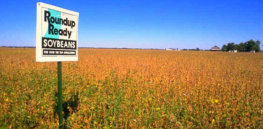
Let’s recognize Roundup Ready and Bt crops as major contributions to sustainable farming
This is the first in a three-part series making the case that the development of biotech traits for insect resistance ...

1 in 3 people in England incorrectly believe GMO food causes cancer
In a survey of 1,330 people in England, published in the European Journal of Cancer, most people correctly said smoking was ...

Viewpoint: California’s coffee cancer label isn’t backed by evidence—and could do more harm than good
About two-thirds of smokers will die early from cigarette-based illnesses. Cigarettes are also very addictive. Because of this, it seems reasonable to place warnings ...

New Zealand’s Environment Court says local governments must take ‘precautionary approach’ to GMO adoption
Opponents of the use of genetic engineering are hailing a recent [New Zealand] Environment Court decision as "a victory for common ...
Ugandan legislator on why his nation needs to ‘wake up’ on GMOs
Robert Kafeero Sekitoleko is an engineer, legislator and chairperson of the Sectoral Committee on Science and Technology in Uganda’s Parliament ...
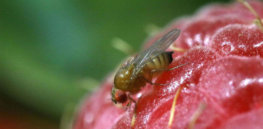
Can ‘gene drives’ for crop pests work in the real world?
The spotted wing fruit fly is one of the world’s major crop destroyers. Scientifically known as Drosophila suzukii, this peppercorn-size insect ...
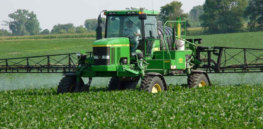
Monsanto launches product that deactivates dicamba herbicide in spraying equipment
Monsanto Co is launching the first product that deactivates a controversial weed killer inside spraying equipment after it is used, ...

‘Gene Revolution’: How genetic engineering is making food and medicine cheaper, better and more plentiful
Mankind has been improving plants and animals for millennia. Simply by selecting and breeding those they liked best, our ancestors ...

Viewpoint: Pesticide soaked strawberries? Why you shouldn’t pay attention to Environmental Working Group’s ‘fear-mongering’
It’s springtime which means it is time for the Environmental Working Group (EWG) to send the media into a frenzy ...

Climate change ready crops? Gene editing and other genomic advances show promise
Development of climate resilient crops with accelerating genetic gains in crops will require integration of different disciplines/technologies, to see the ...

Battling cancer-causing aflatoxin contamination in Africa with genetic engineering, other technologies
We in the rich societies of the world don’t hear a lot about aflatoxin. It is probably one of the single ...

Viewpoint: How dairy companies like Stonyfield Organic mislead consumers about GMOs
A typical stroll down the grocery store aisle exposes the shopper to almost 40,000 different products. While most have labels ...

Viewpoint: Despite small percentage of sales, organic food is now ‘mainstream’ in the US
[O]rganic is mainstream in America in every way except as a significant percentage of total US annual grocery sales. According ...

Ugandan scientists criticize controversial changes to GMO bill
A number of scientists have expressed shock and anger at the proposed restrictive requirements that were included in the long-awaited ...

Viewpoint: Why consumers should reconsider ‘blanket opposition’ to GMO crops
It’s human nature, it seems, to resist change and fear the unknown. So it is no surprise that genetic engineering ...

Viewpoint: Examining the science denial behind IFOAM—Organics International
The true-believers in organic agriculture, such as the International Federation of Organic Agriculture Movements (IFOAM—Organics International), are as deluded as ...

Viewpoint: Gene editing could unleash next Green Revolution, but ‘GMO fearmongers’ need to be convinced
The GMO fearmongers are able to take to Twitter and Facebook now because, like all of us, they have benefited ...

Eating rare farm animal breeds could actually save them from extinction
When you think about Britain’s endangered animals, hedgehogs, small tortoiseshell butterflies and puffins may spring to mind. But rare breeds ...

Mozambique farmers hope drought-tolerant GMO seeds can help them adapt to changing climate
Natural disasters like extreme drought and floods are prevalent in Mozambique, and the country has experienced about 15 protracted droughts ...

Viewpoint: The government can’t decide what a GMO is—so how is it going to require mandatory labeling?
If the food industry and government cannot come to a consensus about what is a GMO and what isn’t, labeling ...

New York farmers disagree on GMO crops
It seems like something out of science fiction — taking the DNA of one organism and replacing it with part ...

How synthetic biology can help world meet UN sustainable development goals
The agenda of the UN's Sustainable Development Goals (SDGs) challenges the synthetic biology community—and the life sciences as a whole—to develop transformative ...

Proposed 2018 Farm Bill includes amendments aimed at streamlining regulation of genetic engineering
The House Agriculture Committee approved a group of 15 Republican amendments to the panel’s farm bill that would modify a ...
Viewpoint: Friends of the Earth ignores organic pesticides harmful to bees
Friends of the Earth Canada is calling on Ontario Minister of the Environment Chris Ballard to investigate the sale of ...

Biotech livestock: USDA, FDA diverge over how to regulate genetically engineered animals
A disease that kills millions of pigs a year may soon meet its match — if two federal agencies can ...
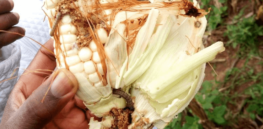
‘Kenya’s silver bullet’? How GMO insect resistant Bt corn could help farmers fight fall armyworm outbreak
Genetically modified maize, Bacillus Thuringiensis (BT) could be Kenya’s silver bullet in the fight against Fall Armyworm which has so ...

Viewpoint: Food companies’ ‘meaningless’ non-GMO labels insult farmers, threaten food sustainability
The conditions that will befall our food system require innovative solutions like those offered by biotechnology to ensure food security ...
