


Featured in Weekly Newsletter

Why you could be genetically programmed to respond to placebos
Confounding drug research, some people appear genetically programmed to believe the placebo they take during drug trials actually works ...

What the CRISPR babies can teach us about the failings of ethical oversight
This isn't just about process, about ethical boxes left unchecked ...

Podcast with Dr. Paul Offit: Striking similarities between anti-biotech and anti-vaccine activism
The anti-vaccine and anti-GMO movements are increasingly overlapping in methods and outlook ...

Some animal species never get cancer. What can we learn from them?
The search for clues has led researchers to study animals who don’t develop cancer at all ...

Viewpoint: The public loses when a ‘prestigious’ journal such as Nature indulges in political activism
Is this really about science, or is something else going on here? ...

Viewpoint: Putting CRISPR babies in context—learning from the past instead of panicking in the present
The brouhaha against the gene-edited twins echoes recent history of alternative reproductive technologies ...

Magic and morality: Why some consumers are afraid of GMOs
In the eyes of Susan Schenck, GMOs are pretty much the worst thing going in food. As the author of ...

Why some types of obesity are worse than others
Where you put on weight is as important as how much you put on ...
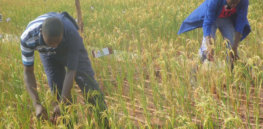
Ugandan researchers look to biotechnology to bolster food production in the face of climate change
As the impact of climate change continues to grow worldwide, farmers are likely to face new challenges in the form ...

Viewpoint: Let’s hope the Chinese gene editing fiasco doesn’t lead to a cruel and unnecessary ban on germline gene therapy
A backlash could be hugely counterproductive. So let's start with the facts ...
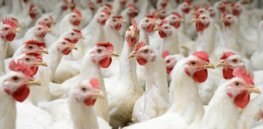
Whole Foods embraces slow-growing chickens: Why that’s not so environmentally sustainable
There is a movement, pushed by Whole Foods, to go back to slower-growing chickens. This is problematic from a sustainability ...
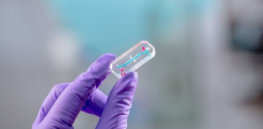
How tiny ‘organs-on-a-chip’ could transform medical research
Researchers have pioneered what may be the most accurate simulation of kidney function to-date ...

Onto the grill: But are consumers ready to embrace—and eat—lab-grown meat?
It’s been a busy summer for food-based biotech. The U.S. Food and Drug Administration made headlines when it approved the ...

Why did Tanzania just pull the plug on its GMO crop trials?
When the Tanzanian government announced Friday [November 23] they were ending field trials of genetically engineered crops in the country ...

Hiding in plain sight: Exploring Parkinson’s link to the appendix
Lurking in the layers of the human appendix lie deposits of alpha-synuclein, a protein prone to gumminess, like sticky rice ...

Why fears in Nigeria over the safety of GMO cotton are misplaced
Nigeria is moving forward with plans to boost its textile industry through the approval of its first GM crop, BT ...

‘Reprogramming’ skin cells to treat chronic wounds
By reprogramming wounded cells to a 'stem-cell-like' stage could help treat chronic sores ...

Genes and giraffes: What do those spots tell us?
Giraffes' spotty exterior provides more than camouflage ...
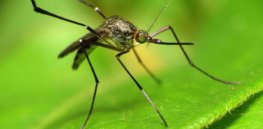
Viewpoint: UN should reject a proposed ban on gene drives
A draft resolution would revise the U.N. Convention on Biological Diversity to call on governments to "refrain from" releasing organisms containing engineered ...
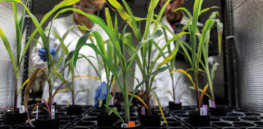
Can genetic engineering deliver a natural microbial fertilizer for crops?
At the turn of the previous century, German scientists Fritz Haber and Carl Bosch got all the credit for finding ...

Podcast: GLP’s Jon Entine on the spread of ‘chemophobia’
Chemicals are used to grow, process, preserve and package our food, and are ubiquitous in many products and in our ...

As arguments rage over the sources of transgender identity, science weighs in
Discussing gender dysphoria and brain differences in transgender populations ...

Emotions and memory: How your genes impact the way you see and feel the world
How much of our emotion is conjured up by an experience seems to be partly related to our genes. Could it ...
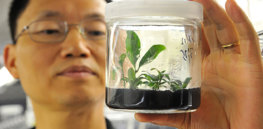
How scientists are using CRISPR to create non-GMO crops
To feed the burgeoning human population, it is vital that the world figures out ways to boost food production. Increasing ...
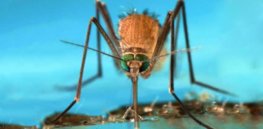
Let’s say we can force the mosquito into extinction — should we do it?
Not many people like mosquitoes. So why not eliminate them? Newer techniques like CRISPR/Cas9 gene editing may make this possible ...

Edible cotton: How genetically modified cottonseed could revolutionize food and feed production
Here’s a somewhat boring fact you might already know about cotton: It doesn't make a good food, for humans or ...

Viewpoint: As global honeybee population increases, activists blame neonicotinoid pesticides for ‘bird-pocalypse’ that’s not happening
Are we in the midst of another bout of unfounded environmentalist-fueled exaggerations—this time about birds becoming extinct because of pesticide ...
