


Featured in Weekly Newsletter

From hunger to profitable harvest: How GMO, CRISPR-edited plants can help curb $220 billion in annual crop losses
Innovations in plant genetics are inoculating vital food crops against devastating diseases ...

Viewpoint: Anti-GMO activists ignore science when debating glyphosate safety
There are encouraging signs that people are beginning to tune out the activist propaganda ...

The risks of using gene drives to get rid of ‘pesky species’
Using gene drives to eradicate pests has a potential downside—DNA is constantly changing. That means gene drives have the potential ...

Dark humor memes about suicide, death and isolation may help depressed people cope with their own problems
Memes are a simple way for people suffering from depression to share their experiences ...
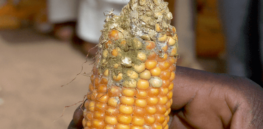
Viewpoint: GMOs offer protection against diseases, including cancer, by shielding us from dangerous aflatoxins
How European irony became an African tragedy ...

Podcast: Treating blindness with CRISPR; customized cancer drugs; Beyond Meat v. critics; saving bananas from extinction
As genetic engineering reshapes intimate aspects of our lives, is the public on board? ...
Fighting the coronavirus outbreak with genetic sequencing, CRISPR and synthetic biology
We are better prepared for a coronavirus outbreak than a few years ago ...

Podcast: Bird poop, pus, and the Manhattan project—the surprising origins of the genetic alphabet
Kat Arney explores the origins of the genetic alphabet: A, C, T and G - the four 'letters' that spell ...
Viewpoint: It’s time to stop ‘worrying’ whether gene-edited plants and animals are GMOs—and set aside senseless regulations
Finding the best path starts with understanding what gene editing actually is -- and isn't ...

Party drug ‘ecstasy’ could be the answer to years of searching for a PTSD treatment
A once-rejected rave drug finds a new healing purpose ...

Human-chimp hybrid fossil discovery rewrites human evolutionary history! Uhm, maybe not.
Does the anatomy of this ancient ape upend assumptions about how human ancestors learned to walk? ...

Podcast: How to build a coronavirus; alcohol doesn’t shrink your brain; and locusts threaten famine in East Africa
Kevin Folta and Cameron English break down four of the latest headlines from the world of genetics and biotech ...

Building ‘better’ astronauts through genetic engineering could be key to colonizing other planets
Through genetic engineering, we will one day have the ability to thrive in harsh alien environments ...

Viewpoint: How New Zealand’s biotech ‘science deniers’ hinder effort to fight climate change with GMO ryegrass
Methane abatement efforts are important. Let's get the reporting right ...
How ‘speed breeding’ will help expand crop diversity to feed 10 billion people
These technologies could be game changers in the world of plant breeding ...

How the pigweed Palmer amaranth became a ‘super weed’—and what it tells us about preventing herbicide resistance
Bound up with the bad news of super weeds is good news for farmers -- a window of opportunity ...

Searching for your doppelgänger: Why it’s not so unusual to find a twin
The global reach of the web has allowed people to find others who look like an identical twin, yet share ...
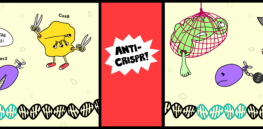
Podcast: How ‘anti-CRISPR’ viral proteins can fine-tune gene editing in medicine and agriculture
Researchers hope to exploit this viral countermeasure to regulate gene editing and minimize unintended mutations during the editing process ...
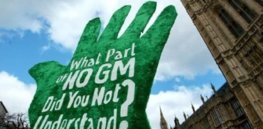
Viewpoint: Europe missed the GMO revolution. Sensible regulation could ensure they don’t miss out on CRISPR gene editing
The EU needs to take politics out of the GM approval process ...

Viewpoint: Genetics can help us navigate the ‘toxic’ transgender debate in more compassionate ways
If we are ever to untangle the nature/nurture knot, we need to find ways past the petty politicizing exemplified by ...

Assessing coronavirus media coverage: Too late, too alarmist, and too much censorship
Few Western media outlets are getting this one right ...

Remember the questionable study claiming glyphosate boosts cancer risk 41%? Lead author reasserts her claim, EPA refutes it, and we take a second look
Sheppard and her co-authors are intent on favoring data that appears to support the existence of a risk from glyphosate ...

Searching for the ‘big break’ that could turn stem cells into a weapon against dementia
Recent developments in stem cell research suggest a radical shift in the way we diagnose and treat dementia ...
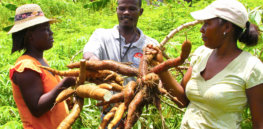
Viewpoint: We can sustainably feed 10 billion people. Here’s how CRISPR and GMO crops can help
If adopted widely, genetic engineering will bring us closer to meeting the EAT-Lancet dietary targets ...

Gene therapy shows success against some cancers and inherited disorders. Can it tackle obesity?
Scientists are working with treatments that have shown success in amping up the metabolism of mice, helping them lose weight ...
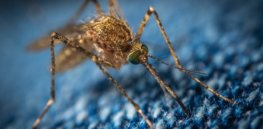
Gene drives could revolutionize how we deal with pests—if the technology avoids the controversial fate of GMOs
In addition to research and laboratory ethics, gene drive proponents need to focus on public perception ...

Why the UK wants to share everything it knows about the genetics of 500,000 Britons
Britain is profiling the genes, health and lifestyles of its citizens and handing the results to scientists across the world ...
