


Featured in Weekly Newsletter

Podcast: How to build a coronavirus; alcohol doesn’t shrink your brain; and locusts threaten famine in East Africa
Kevin Folta and Cameron English break down four of the latest headlines from the world of genetics and biotech ...

Building ‘better’ astronauts through genetic engineering could be key to colonizing other planets
Through genetic engineering, we will one day have the ability to thrive in harsh alien environments ...

Viewpoint: How New Zealand’s biotech ‘science deniers’ hinder effort to fight climate change with GMO ryegrass
Methane abatement efforts are important. Let's get the reporting right ...
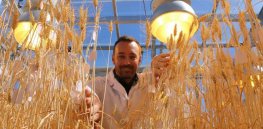
How ‘speed breeding’ will help expand crop diversity to feed 10 billion people
These technologies could be game changers in the world of plant breeding ...

How the pigweed Palmer amaranth became a ‘super weed’—and what it tells us about preventing herbicide resistance
Bound up with the bad news of super weeds is good news for farmers -- a window of opportunity ...

Searching for your doppelgänger: Why it’s not so unusual to find a twin
The global reach of the web has allowed people to find others who look like an identical twin, yet share ...
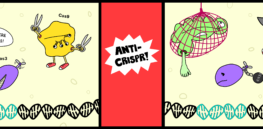
Podcast: How ‘anti-CRISPR’ viral proteins can fine-tune gene editing in medicine and agriculture
Researchers hope to exploit this viral countermeasure to regulate gene editing and minimize unintended mutations during the editing process ...
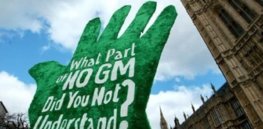
Viewpoint: Europe missed the GMO revolution. Sensible regulation could ensure they don’t miss out on CRISPR gene editing
The EU needs to take politics out of the GM approval process ...

Viewpoint: Genetics can help us navigate the ‘toxic’ transgender debate in more compassionate ways
If we are ever to untangle the nature/nurture knot, we need to find ways past the petty politicizing exemplified by ...

Assessing coronavirus media coverage: Too late, too alarmist, and too much censorship
Few Western media outlets are getting this one right ...

Remember the questionable study claiming glyphosate boosts cancer risk 41%? Lead author reasserts her claim, EPA refutes it, and we take a second look
Sheppard and her co-authors are intent on favoring data that appears to support the existence of a risk from glyphosate ...

Searching for the ‘big break’ that could turn stem cells into a weapon against dementia
Recent developments in stem cell research suggest a radical shift in the way we diagnose and treat dementia ...
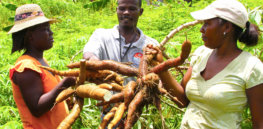
Viewpoint: We can sustainably feed 10 billion people. Here’s how CRISPR and GMO crops can help
If adopted widely, genetic engineering will bring us closer to meeting the EAT-Lancet dietary targets ...

Gene therapy shows success against some cancers and inherited disorders. Can it tackle obesity?
Scientists are working with treatments that have shown success in amping up the metabolism of mice, helping them lose weight ...
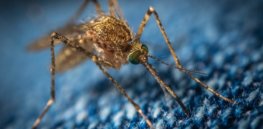
Gene drives could revolutionize how we deal with pests—if the technology avoids the controversial fate of GMOs
In addition to research and laboratory ethics, gene drive proponents need to focus on public perception ...

Why the UK wants to share everything it knows about the genetics of 500,000 Britons
Britain is profiling the genes, health and lifestyles of its citizens and handing the results to scientists across the world ...

Podcast: Tackling ethical questions about CRISPR with GLP’s groundbreaking Global Gene Editing Regulation Tracker and Index
To what degree are nations deploying these revolutionary new tools? ...

Viewpoint: Glyphosate causes kidney disease? Debunking anti-GMO activist Vandana Shiva’s herbicide junk science
Seeing Vandana Shiva hosted at the University of California made me embarrassed to be a UC parent, alum, and faculty ...

Examining our history of advertising for OxyContin and other opioids: Have we learned enough about the dangers of addiction?
Recent advertising for opioid drugs has taken a strange turn ...

Viewpoint: Is a coronavirus vaccine on the horizon? Antiquated FDA regulations make it unlikely one will emerge in the US
A coronavirus vaccine in the foreseeable future? I’m not holding my breath ...

Podcast: ‘How to argue with a racist’—geneticist Adam Rutherford challenges what he calls ‘pseudoscience’ in genetics and politics
Adam Rutherford explains how to argue with a racist, hunting for the ghosts in the human genome, and recreating the ...

Salt tolerant plants are on the horizon – and critical to address the looming crisis of a shortage of arable farm land
An important study brings us one step closer to cultivating crops in previously infertile soil ...

Viewpoint: French court ruling that already-approved mutagenized crops should be heavily restricted as GMOs reaffirms need to revamp Europe’s antiquated biotech regulations
This judgment raises serious and important questions ...

New ‘DNA clock’ finds that if our genes had their way, humans would have a ‘natural’ lifespan of 38 years
A genetic “clock” lets scientists estimate how long extinct creatures lived ...

Viewpoint: ‘Dicamba Debacle’ stirs questions about the future shape of ‘industrial, intensive agriculture’
The dicamba debacle gives a chance to answer key questions about industrial agriculture with rare specificity ...

Podcast: How ‘fake news’ about avian flu almost sent virologist Ilaria Capua to prison for life
Capua now uses her harrowing experience to educate policymakers and law enforcement about science ...

Viewpoint: Dicamba debacle trial forces a reevaluation: Was Monsanto a ‘bonafide bad actor’?
The toll on farmers is infuriating enough. But there could be widespread damage to the environment as well ...
