


Food & Ag Features
Viewpoint: Probiotics are not regulated by the FDA. Do they even work?
Probiotics, also referred to as live biotherapeutic products (LBPs), are products that contain live organisms, such as bacteria, that are found naturally ...
Is glyphosate weedkiller a danger to humans, bees and the environment? Addressing 10 controversial claims
Agricultural advances have made farming and our foods safer and more abundant than at any other time in history. Everyone ...
Viewpoint: Science colonialism — Europe and the United Nations are blocking crop biotechnology poised to address global hunger
Wealthy countries with natural 'breadbaskets' - places where it is easy to grow food - have so much abundance they ...

GLP podcast: Hot dogs probably don’t cause dementia; Subsidize plant burgers? Drinking fathers might damage fetal brain development
Processed read meat could increase your risk for dementia, a recent study contends. How robust are the results? Can the ...
Viewpoint: Here’s a reform roadmap to guide regulators as they seek to modernize oversight of the fast-innovating agricultural biotechnology industry
In 1986, the United States established a “Coordinated Framework for the Regulation of Biotechnology.” In the decades since, this policy ...

Reducing the impact of agricultural chemicals: Accelerated adoption of IPM—Integrated Pest Management—reduces the threat of weed resistance and chemical overuse
Modern pesticides have boosted agricultural efficiency and yields, reducing labor while controlling pests. However, regulatory pressures and inevitable pest resistance ...

GLP podcast: Treating brain diseases with parasites; FDA rejects ecstasy treatment for PTSD; $6 billion—the cost of baby powder lawsuits
A parasite that causes deadly infections may help doctors treat Parkinson's Disease. The FDA wants better evidence before it approves ...
Viewpoint: Weaponized incompetence? The ethical and science contradictions of the International Agency for Research on Cancer’s controversial ‘probable carcinogen’ assessment of glyphosate
A plaintiff lawyer in a recent glyphosate litigation produced an International Agency for Research on Cancer (IARC) document claiming that ...
Debunking the ‘MSG is harmful’ myth: How baseless stories spawn enduring food fears
Monosodium Glutamate (MSG) is the poster child for food additive fear, chemophobia, and the harms of using anecdotes as evidence ...
Is your cheese GMO? The Non-GMO Project and other activists claim 90% of cheeses in America are ‘tainted’. Here are the facts
In cheese production, the need to use traditional rennet obtained from calf stomachs has largely been removed because of a ...
GLP podcast: China bans ‘irresponsible’ germline editing; losing weight causes cancer? Modern culture could drive mental health issues
China has banned germline gene editing, calling the technology, "irresponsible and not permitted." A recent study suggested that losing weight ...
Hidden threat to wild bees? Honeybees, including those raised by well-meaning suburbanites and city-dweller hobbyists believing they are helping the environment
Canada is home to more than 800 species of wild bees — few may have noticed the diversity of native ...

Viewpoint: How can we dramatically increase agricultural yields sustainably and without using more land?
A 70% increase in global demand for food by 2050, set against urgent biodiversity and climate pressures, requires an unprecedented ...
GLP podcast: Medicinal psychedelics in California? ‘Lead-soaked tampons’ debunked; Why prescription drugs are so costly
California is considering a bill that would legalize psychedelics for medicinal use. Is this a science-based effort to improve health ...
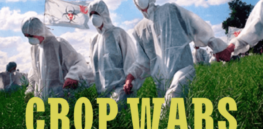
When Greenpeace wins, we all lose: The cynical war on genetically engineered crops grinds on
"Their eyes tell their sad stories as ghostly white irises give way to vacant stares. We can look at them, ...

Viewpoint: Gene-editing roadblocks — Excessive regulations and a ‘guilty until proven innocent’ mindset hamper gene editing’s massive potential to address climate change
Jared Diamond (1997) observed that, "Any society goes through social movements or fads, in which economically useless things become valued ...

Breakthough Institute: Are cover crops the silver bullet to reduce agricultural carbon emissions as regenerative-farming enthusiasts claim? Time for a rethink
Cover cropping, the practice of planting secondary crops during the off-season to improve soil health, has roots stretching back to ...

As the EU’s regulatory stance on gene-edited crops slips back toward ‘precautionary inertia’, Europe’s over-precaution threatens global food security
Despite the much-hyped expectation that Europe was on course to follow other parts of the world in removing GMO-style regulatory ...
GLP podcast: Your brain on ‘magic mushrooms’; WEF v farming; Food ‘sensitivity’ tests are scams
People have been taking LSD recreationally for years, but it might turn out to be an effective treatment for depression ...

Environmental-Industrial Complex: How governments, advocacy groups, ‘progressive’ foundations and industry profit off of climate fears
Is history repeating itself? In 1961, US President Eisenhower gave an alarming farewell address, warning that the military-industrial (Congressional) complex ...

Viewpoint: Scared to Death — How chemophobia endangers public health — and what can be done to address this growing crisis
When I think about science and health disinformation, there are obvious trends. Of course, they exploit health anxiety, which causes ...

Video: Organic, non-gmo, gluten-free, keto? How food labels mislead us about health benefits
Dr. Mike Isratel of Renaissance Periodization explains how food labels can mislead consumers on the health benefits of eating their ...

Viewpoint: Captured by agroecology ideologues — The Conversation fans advocacy group propaganda challenging glyphosate safety
It is frustrating to read blatantly false science information online, but it’s a fact of our time. For years, we’ve ...

Viewpoint: How to best regulate chemicals? ‘Precautions employed to regulate tiny, sometimes nonexistent risks can cause real harm’
For virtually everything in life, we face decisions about whether we should “sweat the small stuff.” No doubt, most may ...
GLP podcast: Debunking opioid myths; Decaf coffee boosts cancer risk? No. Local food might not be better for the planet
Most of what you know about the opioid epidemic is probably wrong. One expert shares the facts about pain pills ...

Concerned you may have a food allergy? Don’t waste your money on ‘sensitivity tests’
Food “sensitivity” tests are sold direct-to-consumer and marketed as an easy and convenient way to detect an individual’s reactions to ...

Meet the beetles: Mealworms could be a food of the future
I have a special fondness for the yellow mealworm, Tenebrio molitor ...
