


Science Literacy Project Daily Digest

Chronic pain is a pain: How gene editing offers hopeful alternative to addictive opioids
Chronic pain—defined as pain that persists for longer than 12 weeks despite medication or treatment—is estimated to affect some 20 ...

Cappuccino or espresso? How genetics actively regulates the amount of coffee we regularly drink
Whether you hanker for a hard hit of caffeine or favor the frothiness of a milky cappuccino, your regular coffee ...

Video: Tired of tasteless tomatoes? A juicier, faster-growing genetically-engineered breed is on the horizon
Scientists at the University of Oxford’s Department of Plant Sciences have discovered how the overall process of fruit ripening in ...

Viewpoint: National security and agriculture — Why the US needs a forward-thinking farming blueprint that ‘encourages local produce, livestock raising and meat processing’
The COVID-19 pandemic exposed an ignored truth of the American agriculture system: While the U.S. agricultural system is able to ...

‘Future foods’: How kelp, maggots, fungus and other nutrients grown outside of the traditional agriculture system can help fight climate change
In a new perspective piece, researchers at the University of Cambridge’s Centre for the Study of Existential Risk explain that ...

2 in 5 dairy farmers believe cows should not be genetically engineered to reduce disease susceptibility. What might change their minds?
[E]ven before the consumer sees a product on the grocery shelf... farmers’ decisions can make or break a technology’s chance ...

Dangerously high cholesterol? CRISPR gene editing could lower it, tests on monkeys suggest
A team of researchers from Verve Therapeutics and the Perelman School of Medicine at the University of Pennsylvania has developed ...

Brain scans show how LSD works to unlock the brain and treat depression
By comparing scans of the brain on LSD versus placebo… researchers found that the drug reduced the amount of energy ...

Are bees disappearing due to ‘climate chaos’? Out of 250 bumblebee species around the world, only a few species are in danger
It’s easy to find... articles on the internet which claim that bumblebees and wild bees will be extinct in 20 ...
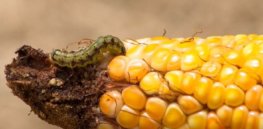
‘Gene hacking’ fall armyworm moths: Biotech company Oxitec behind Florida Keys gene drive mosquitoes approved for pest-release test run in Brazil
Oxitec, the British biotech firm behind the genetically engineered mosquitoes that just took flight in the Florida Keys [recently], is ...

Hairy oddballs: Why are humans the only animal to grow hair on our heads but almost none on our bodies?
Fur keeps animals warm when it's cold at night and protects them from the sun during the day. Human ancestors ...

Cultured meat is key to a sustainable farming future, but its success depends on a key, yet-missing ingredient: Fat
“When it comes to tasty and realistic meat alternatives, what you need is texture, cooking performance, and taste. Plant-based companies ...

Podcast: Is laughter unique to humans? No, other animals evolved the same play behavior. Here are some examples
[HOST MICHAEL MARTIN:] It's true, we all laugh. But is laughter, uniquely human? It turns out, not really. Plenty of ...

For decades, scientists struggled to find a treatment for one of the most common lung cancer mutations. Amgen has won US approval for the first drug targeting the KRAS variant
[A new] drug, called Lumakras, was approved [May 28] to treat a portion of lung cancer patients with a particular ...

Aquaplastic derived from E. coli confronts the plastic waste crisis? Made from gut bacteria, this genetically engineered biodegradable material completely dissolves in 45 days
Using genetically engineered E. coli, scientists from Northeastern University, Harvard, Johns Hopkins and elsewhere say they turned E. coli into ...
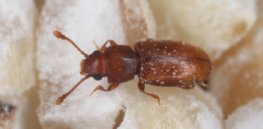
Viewpoint: Glyphosate is great at killing weeds, but there are concerns its use could imperil the microbiome of some insects — both beneficial and harmful
[A] study, published in the journal Communications Biology, showed that glyphosate inhibits a biochemical pathway in bacteria that was previously ...

‘Carbon is not our enemy but our ally’: Here’s a living laboratory in India studying how crop and livestock farmers can address agriculture’s adverse climate impacts
43 percent of greenhouse gas (GHG) emissions [are] caused both by use of fossil-intensive fertiliser and land-use change, which in ...
‘It would be huge to see my granddaughter’: In an attempt to cure blindness, scientists use CRISPR to edit DNA inside patients’ bodies
Carlene Knight would love to do things that most people take for granted, such as read books, drive a car, ...

Viewpoint: Do people gain weight because of genes or personal choices? Here’s why the answer is so complex
More than 40 percent of adults in the United States qualify as obese, and an elevated body mass index has ...

Evolution of creativity: An emerging theory of why Neanderthals succumbed to more ‘advanced’ Homo sapiens
Theories regarding the extinction of the Neanderthals range from climate change or the homo sapiens outpacing them in terms of ...

Fact checking ancient Greek history: Teeth recovered from military gravesites contradict historical beliefs that no mercenaries were deployed in battles
Ancient historians loved to write about warfare and famous battles. While these millennia-old stories still feed modern imaginations – Homer’s ...

‘Food culture disruptors’: Gen Z — the largest and most diverse generation ever — is demanding better prices, quality and ethics in agriculture
Gen Zers have been called “food culture disruptors” based on their culinary skills (thanks to internet tutorials and recipes, many ...

‘Less water, fertilizer, pesticides and land’? How next-generation soy and corn seeds optimized with CRISPR and AI can increase crop yields while lowering our carbon footprint
Inari wants to engineer crops that require less water, fertilizer, pesticides and land. The company is focusing on soybeans and ...
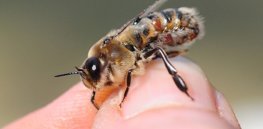
RNA technology brought us effective COVID vaccines. Next up: ‘Precisely targeted, environmentally-friendly’ techniques that dramatically reduce use of problematic chemicals
[RNA-based COVID vaccines let] a vaccine-recipient’s immune system learn to recognise a crucial part of the enemy before the real ...

Viewpoint: ‘It’s time to invest in meatless meat’ — Why Biden’s climate plan should address the environmental impact of animal agriculture
For decades, the US government has been pouring money into the meat industry. That funding effectively built the industry into ...

Bayer says it will reconsider ‘the future of glyphosate-based products in the U.S. residential market’ after a federal judge rejected its $2 billion settlement proposal to resolve pending and future cancer lawsuits
Bayer said on [May 26] it will review the future of its Roundup and other glyphosate-based weedkillers in the U.S ...
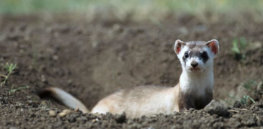
Ecological engineering: We could save endangered wildlife and fight pest-spreading diseases using cloning and gene editing. Should we?
[Endangered black-footed ferrets] are especially susceptible to plague. While many of us have not given much thought to plague since ...
