







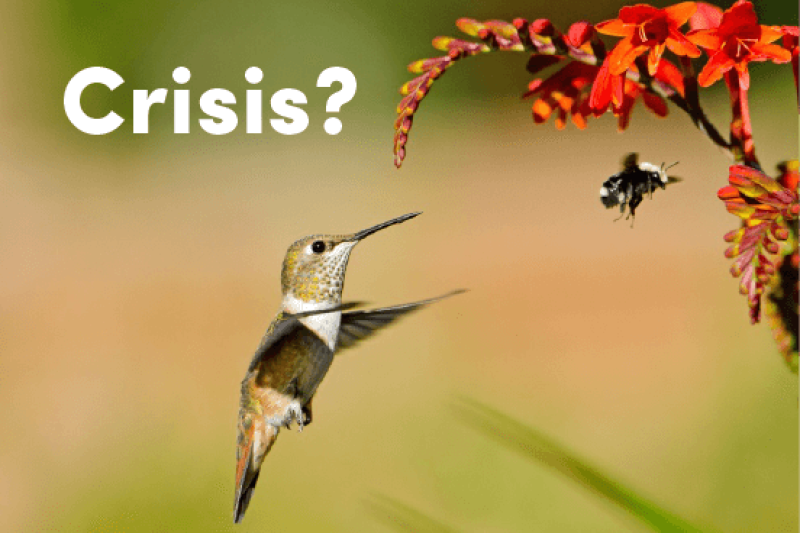


10% — not 75% — of crop yield is pollinator-dependent: Our World in Data charts raise doubts about claims that global food supply is imminently endangered by ‘disappearing’ insects
It’s unfortunate that the wildlife we care least about provides us with the most functional value. We favor the bears ...
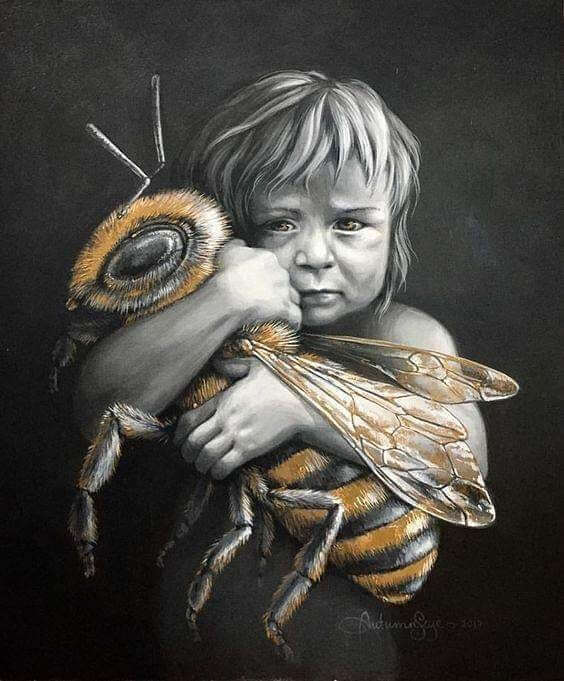
Viewpoint: How proposed legislation billed to ‘save the bees’ will actually harm them — and the economy
The myth about endangered, disappearing honeybees lives on — with potentially dire implications. Rep. Earl Blumenauer, an Oregon Democrat, just ...
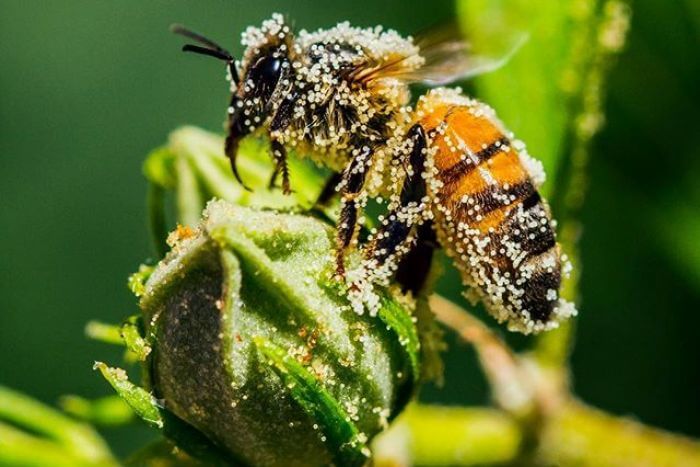
Synergistic effect of ‘agricultural chemical cocktails’ commonly used by farmers pose harm to pollinating insects
For bees, the threats are numerous, including habitat loss, climate change, and intensive agriculture. As fields of flowering plants are ...
Crop chemophobia I: Pesticides are vital to organic and conventional agriculture — but they can be misused. Here’s how to distinguish between legitimate concerns and anti-science propaganda
It seems not a month goes by without an “investigative reporter” somewhere on the internet warning about the dangers of ...
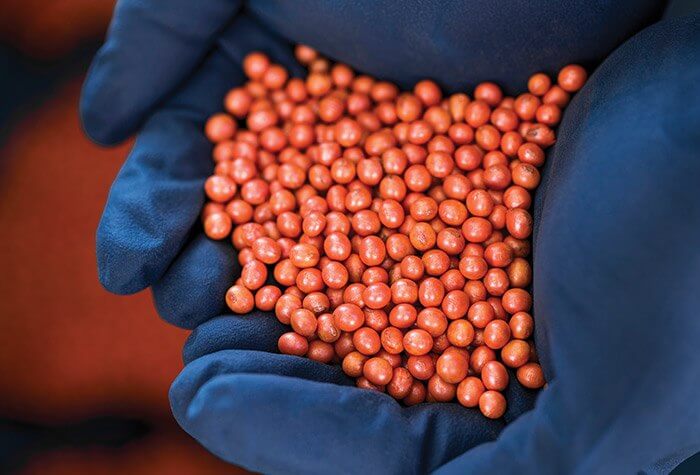
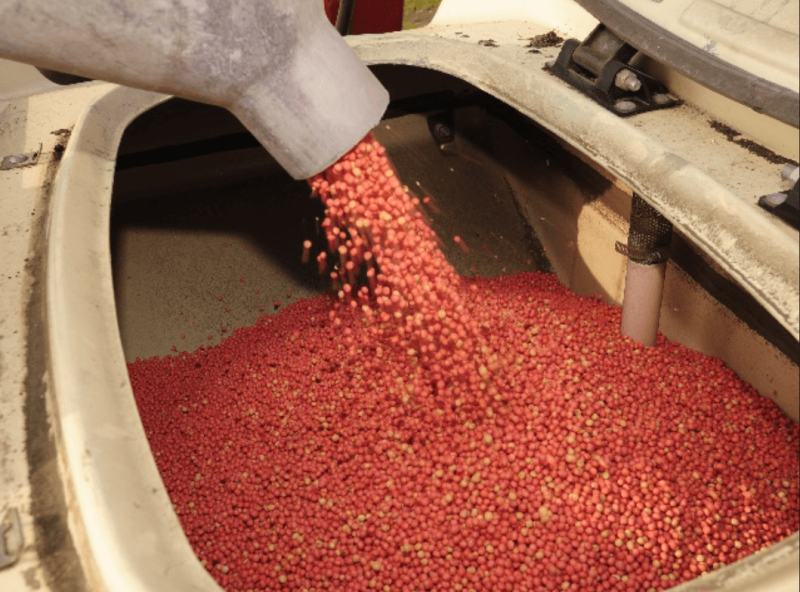
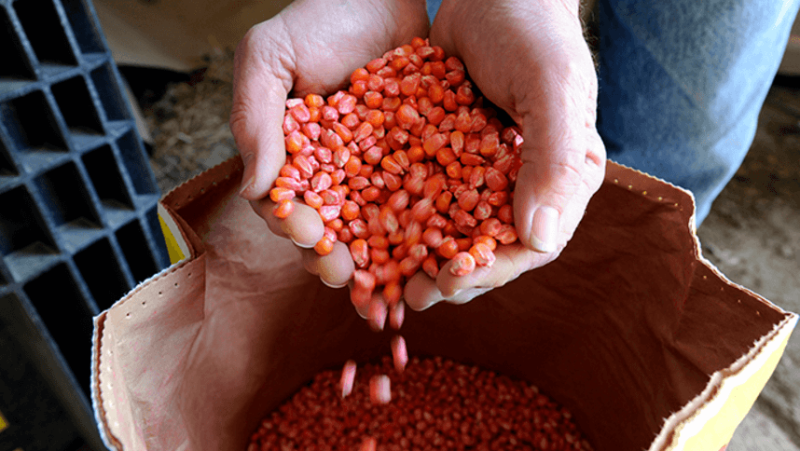
Seed treatment overload? Are there unintended consequences from a popular practice?
For the first time in nearly a decade, Dan Hesterberg poured a few bags of untreated corn seed into his ...

Eastern monarch butterfly is in decline, but it’s not due to habitat loss or chemicals. Blame it on climate change
Michigan State University ecologists led an international research partnership of professional and volunteer scientists to reveal new insights into what’s ...
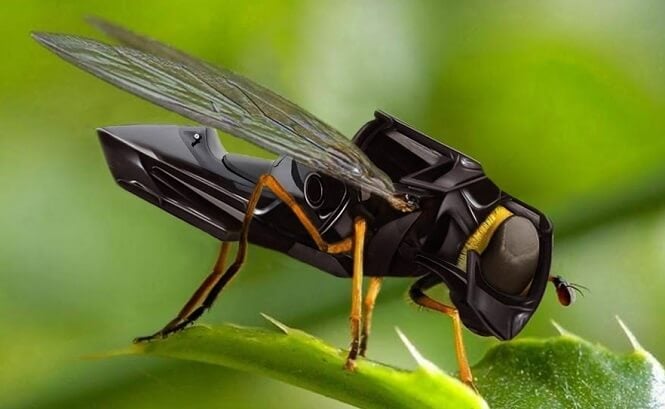
Concerned about insect declines? AI pollinating robots could come to the rescue
Across the globe, startups are testing robots to pollinate everything from blueberries to almonds. And in Australia, one company is ...

Video: Good intentions aren’t enough — Attempts to protect wild bees has gone awry and an influx of imported honeybees are doing more harm than good to native populations
Ron Miksha, a bee ecologist and former commercial beekeeper, is doing research at the University of Calgary about competition between ...
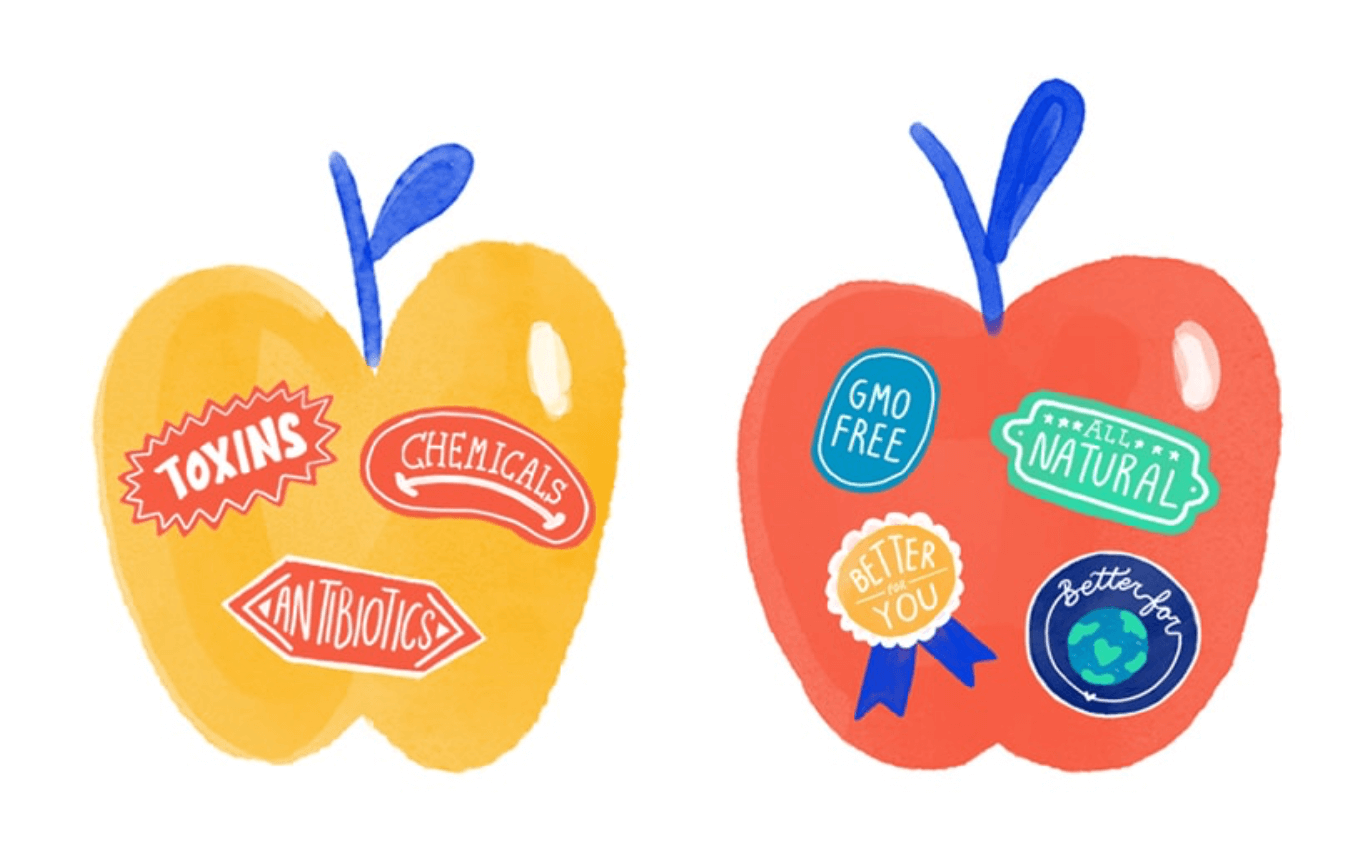
Viewpoint: Here’s why activist environmentalists’ promotion of a ‘binary organic vs conventional/good vs evil dichotomy’ is bad for sustainable agriculture
Due to successful fear-based marketing campaigns, the demand for organic food in many affluent countries is rising far faster than ...
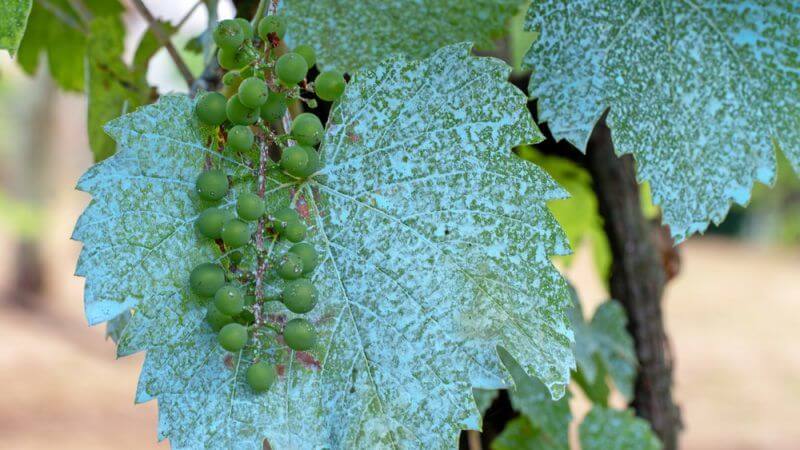
Organic pesticide copper sulfate—unlike glyphosate—is a carcinogen, kills beneficial insects, decimates soil, pollutes water. It also works. Here are political and science reasons why regulators give it a free pass
Europe is currently in a frenzy trying to drum up enough support to dramatically rollback approvals of targeted synthetic pesticides, ...
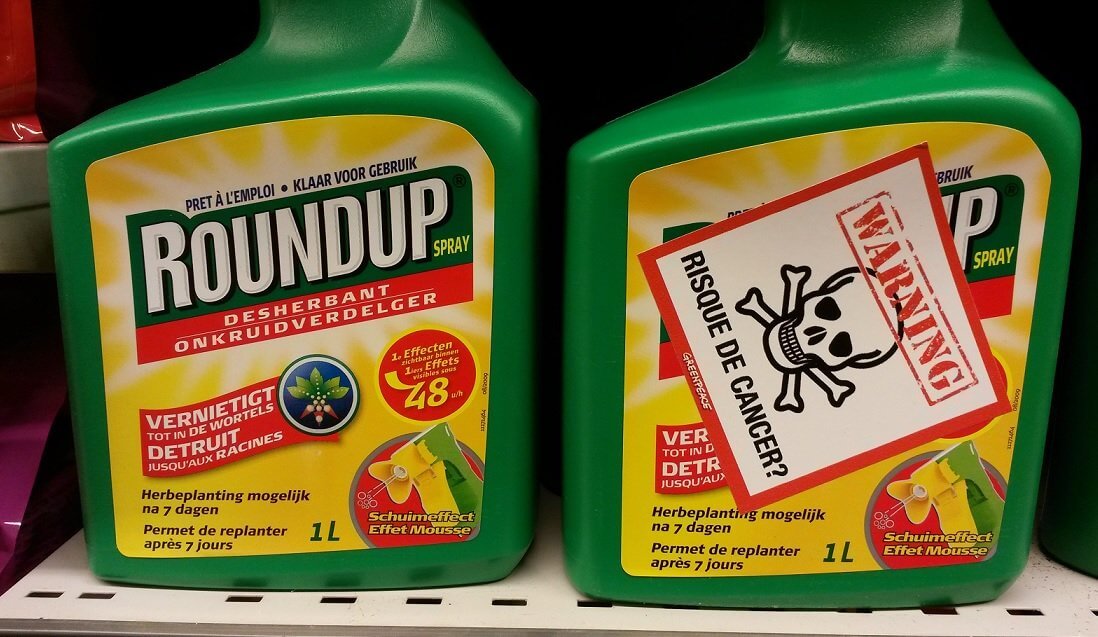
Viewpoint: How does the scientifically bankrupt claim glyphosate poses harm to humans remain popular? By dishonest ‘reporting,’ including from scientists who put ideology over evidence
The Conversation bills itself as a website designed to “Unlock the knowledge of researchers and academics to provide the public with ...
Organic vs. conventional farming: Which has lower environmental impacts?
A Swedish Food Agency report compared environmental impacts of conventional farming against those of organic farming ...

An instinct for numbers? Ancient humans and even some animals evolved the ability to count
Although researchers once thought that humans were the only species with a sense of quantity, studies since the mid-twentieth century ...
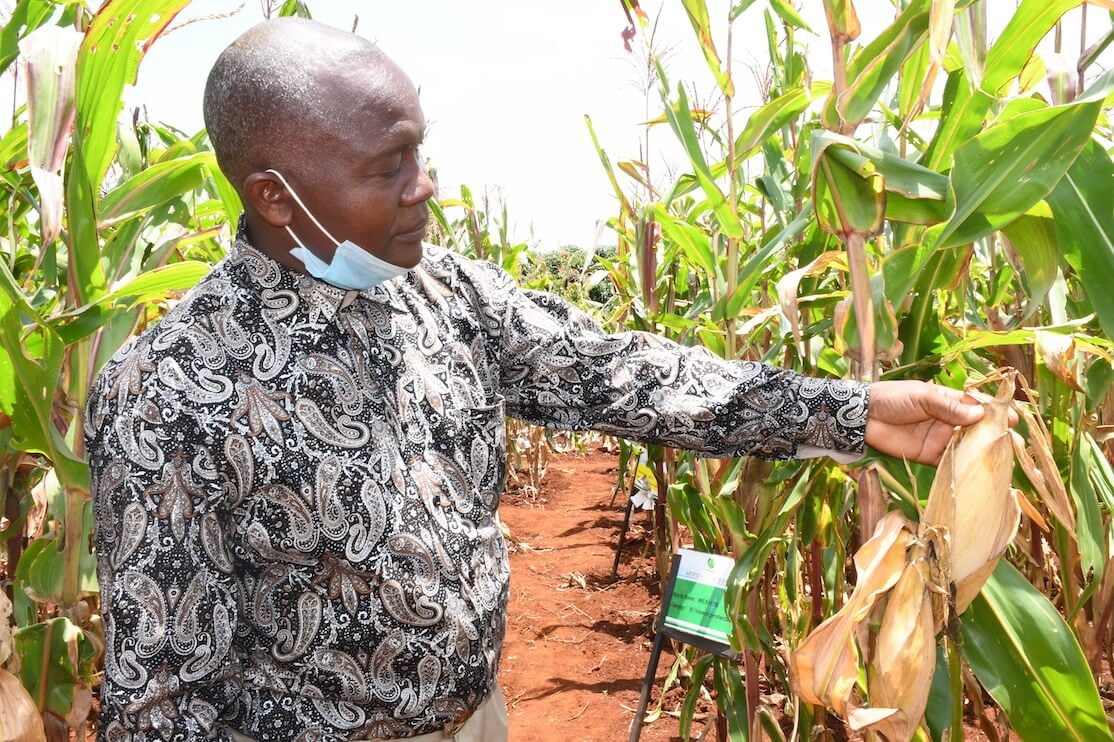
Kenya on track to commercialize GM maize by 2022 to increase yields, cut pesticide use
Whether it is ugali, a popular dish prepared from maize flour and often accompanied by meat, vegetables and pulses, or porridge, ...
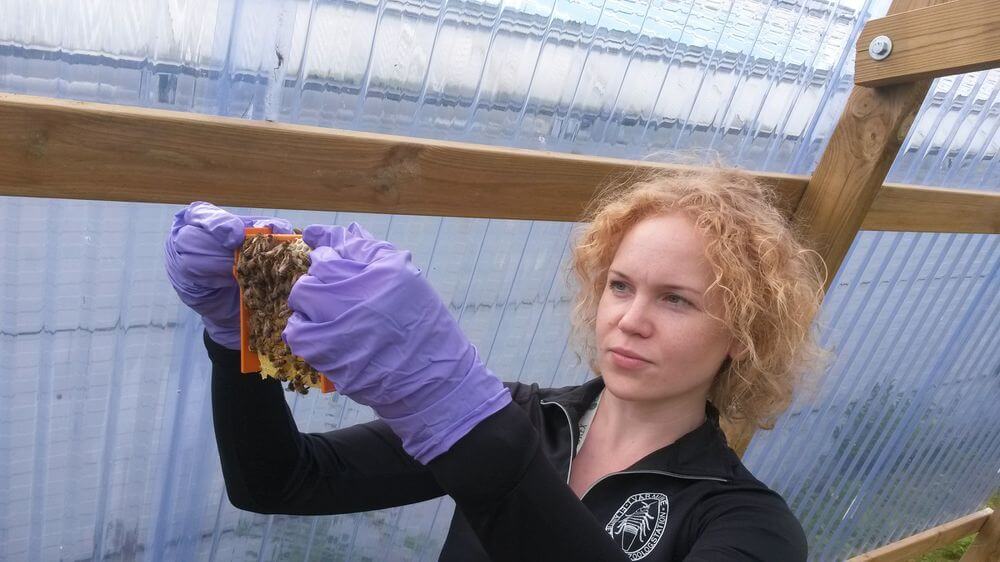
Vaccine in development that could protect honeybee populations from pesticide poisoning
The solution is about the size of a grain of pollen, and when ingested by bees, allows the creatures to ...

Viewpoint: Why banning neonicotinoids is a well-meaning but misguided strategy to protect bees and other pollinators
Unfortunately there is quite a bit of dis-and misinformation about what harms bees. For instance, [Maine] lawmakers recently passed a ...
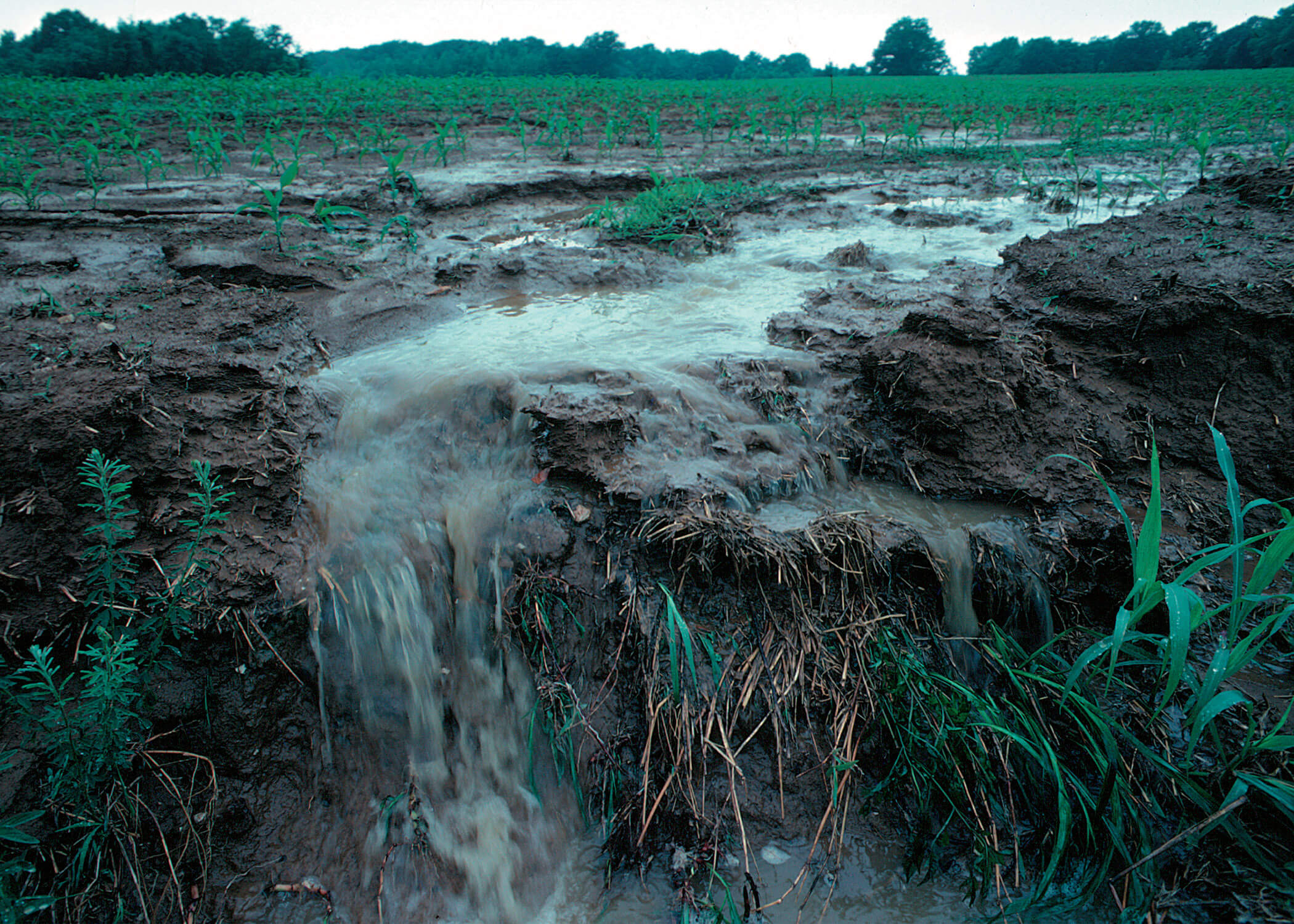
Viewpoint: ‘A toxic soup of insecticides, herbicides and fungicides is wreaking havoc’ on soil in farms around the world
Like citizens of an underground city that never sleeps, tens of thousands of subterranean species of invertebrates, nematodes, bacteria and ...
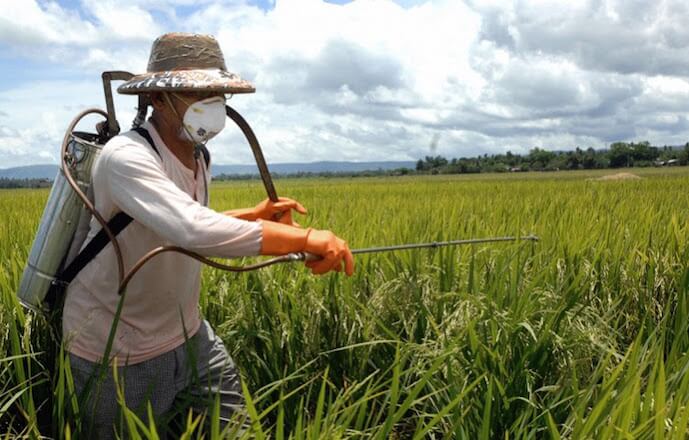
Viewpoint: ‘Smart pesticide use’ — Here’s a way we can protect crops while preserving beneficial insects
Currently, products are developed and marketed to kill pest insects immediately. This has become the goal of crop treatments, and ...
Viewpoint: New York’s ‘Birds and Bees Protection Act’ targeting neonicotinoid pesticides doesn’t protect either and would hurt farmers
[Recently,] the New York legislature began advancing the Birds and Bees Protection Act. If it passes both chambers and is ...
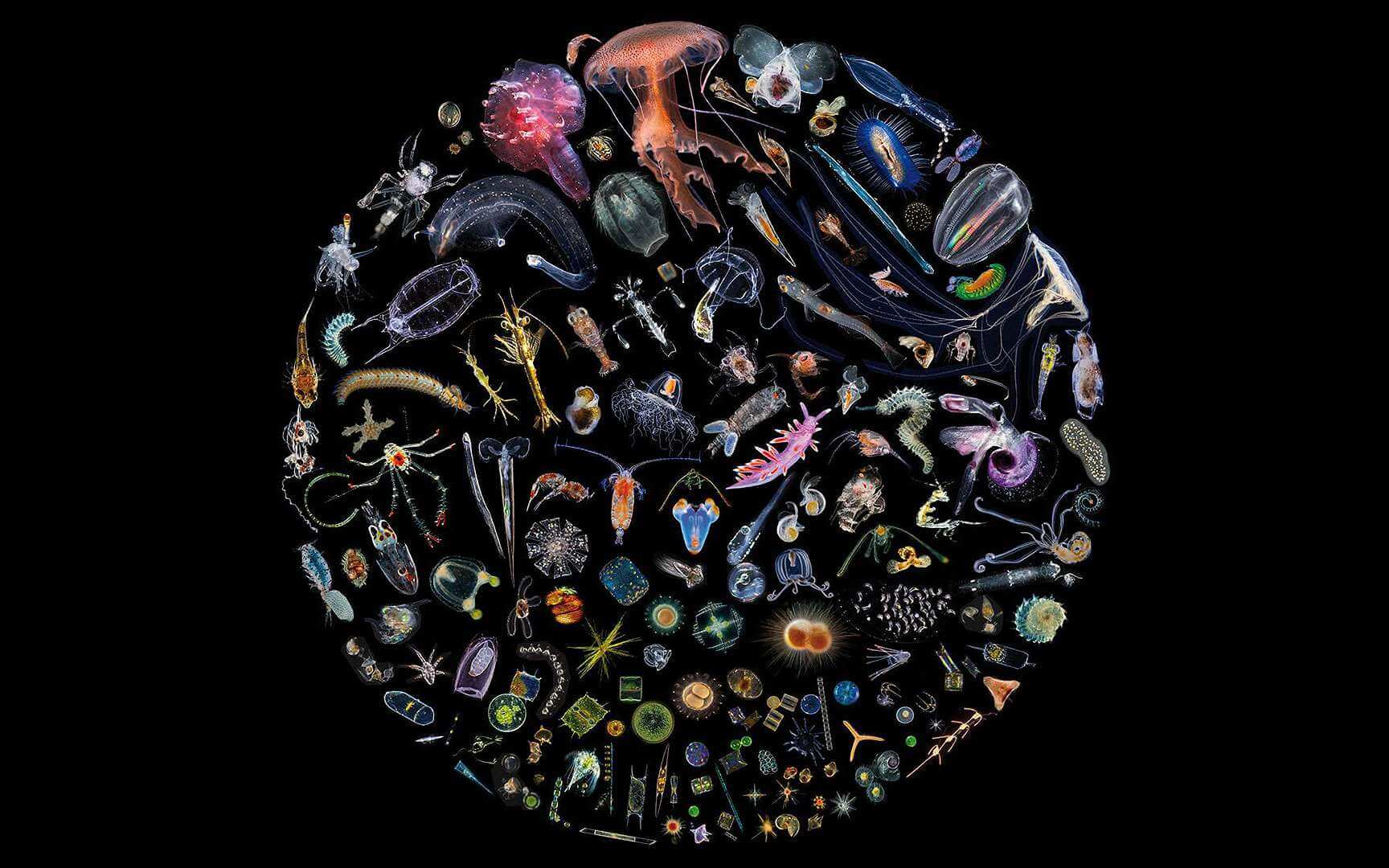
How climate change is disrupting animal ‘food webs’ and what it might mean for the future
It seems like each day scientists report more dire consequences of climate change on animals and plants worldwide. Birds that ...
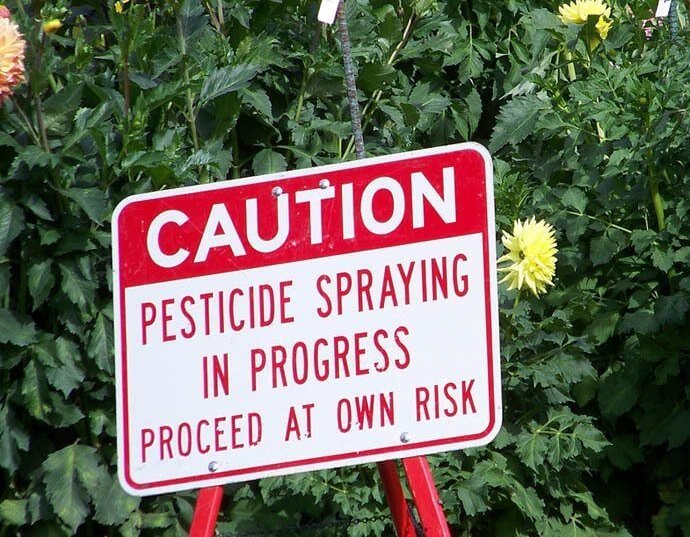
Viewpoint: Organic lobbyists show ‘sheer hypocrisy’ opposing UK emergency authorization of neonicotinoid sugar beet seed treatments — while supporting environmental waiver for ‘acutely toxic’ copper sulfate
The Government was right to make provision for a temporary and limited derogation for the use of the neonicotinoid seed ...
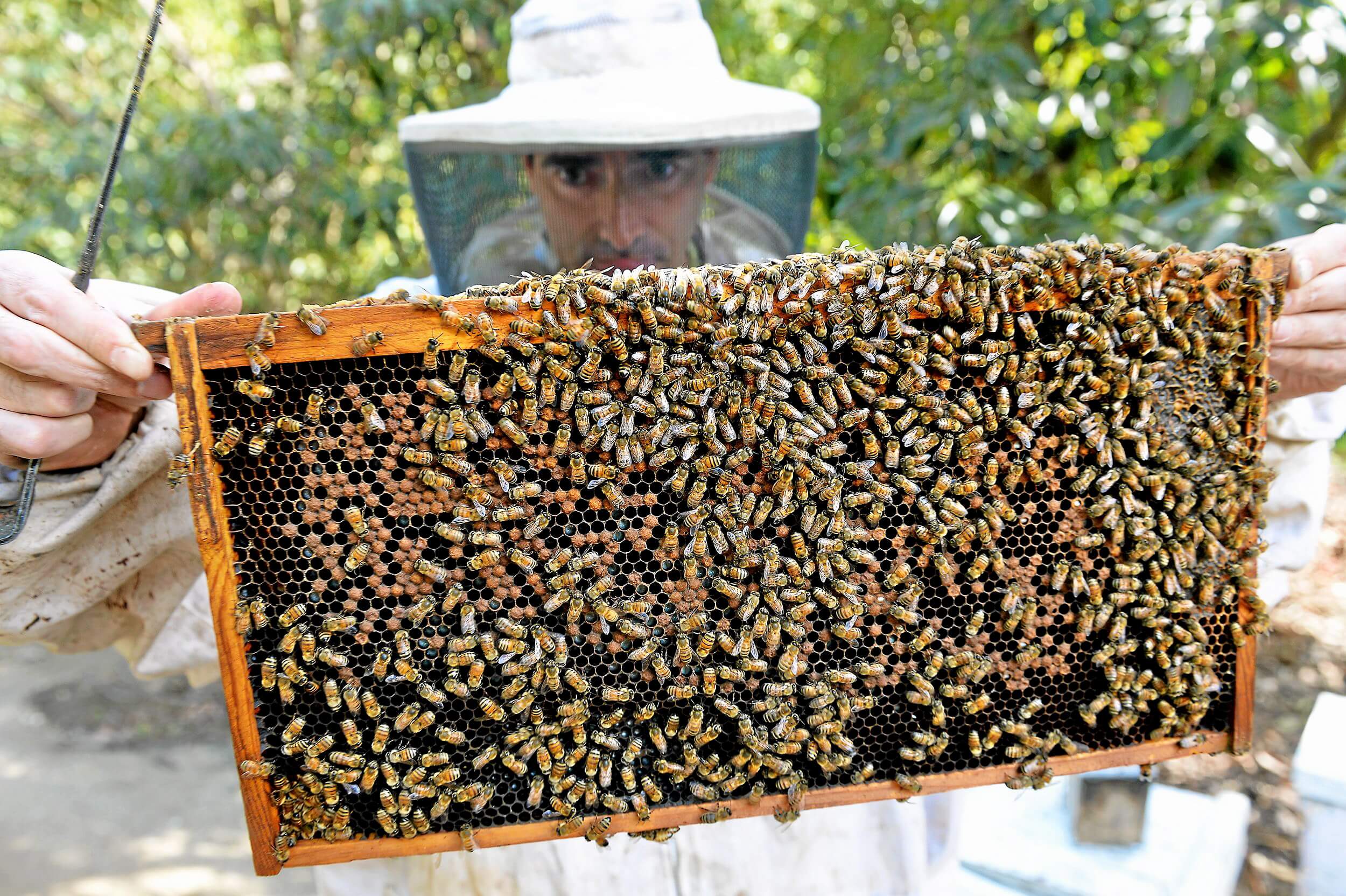
Are bees disappearing due to ‘climate chaos’? Out of 250 bumblebee species around the world, only a few species are in danger
It’s easy to find... articles on the internet which claim that bumblebees and wild bees will be extinct in 20 ...
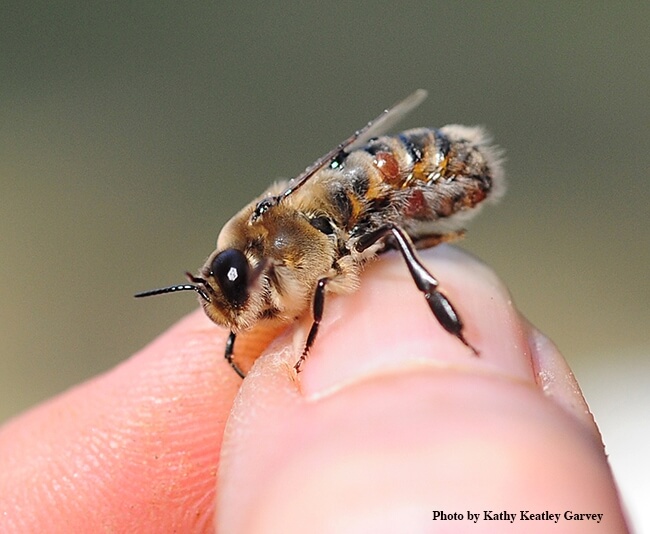
RNA technology brought us effective COVID vaccines. Next up: ‘Precisely targeted, environmentally-friendly’ techniques that dramatically reduce use of problematic chemicals
[RNA-based COVID vaccines let] a vaccine-recipient’s immune system learn to recognise a crucial part of the enemy before the real ...
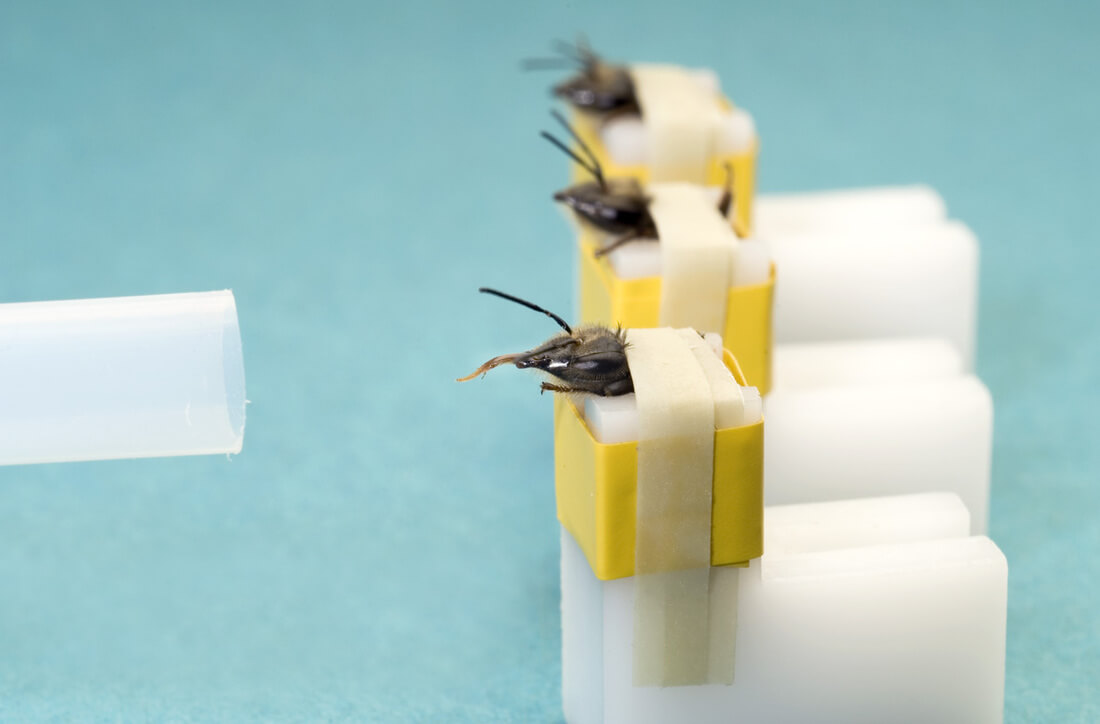
We will need COVID tests for years to come, posing challenges for poorer countries. Here’s how trained, virus-detecting bees could be a godsend
Dutch researchers on [May 10] said they have trained honeybees to stick out their tongues when presented with the virus’s ...
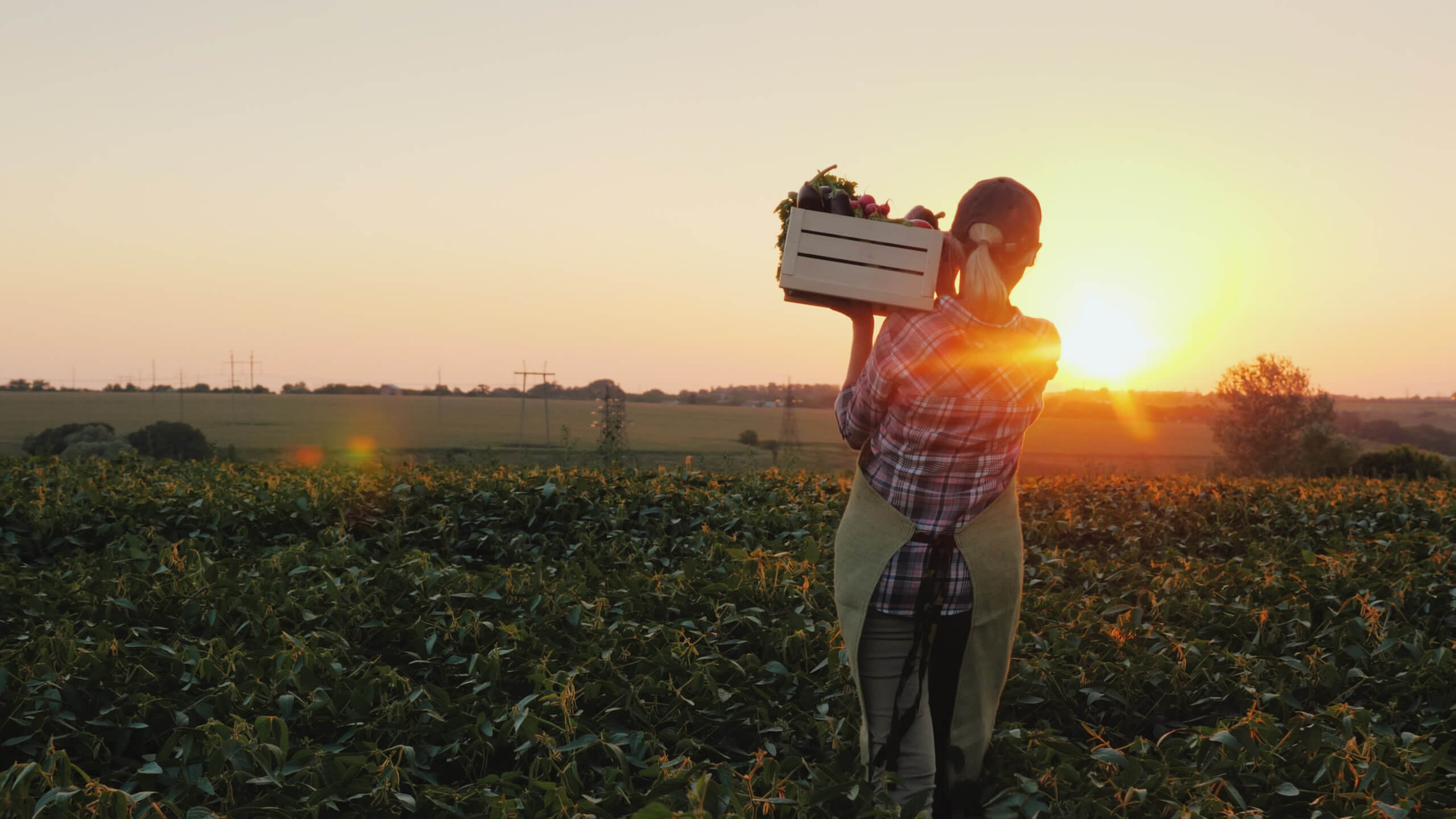
Ideological rigidity is hampering efforts to leverage the regenerative agriculture ‘revolution’. Here are two paths forward
Does regenerative agriculture require a completely new economics of farming to achieve scale? Or should the focus be on the ...
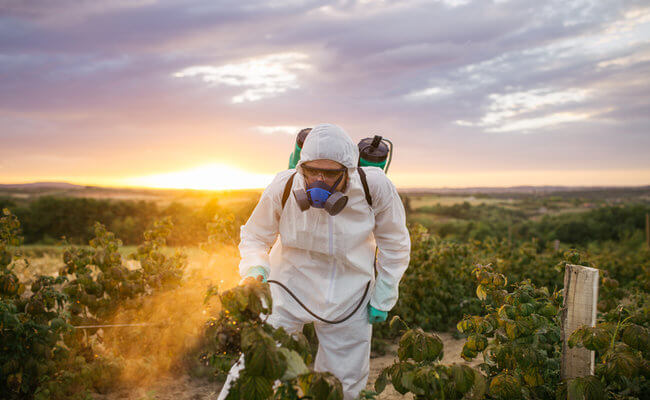
Top EU court upholds partial ban on 3 neonicotinoid pesticides, in bid to halt alleged honeybee losses
The European Union’s top court on [May 6] upheld the EU’s partial ban on three insecticides linked to harming bees, ...
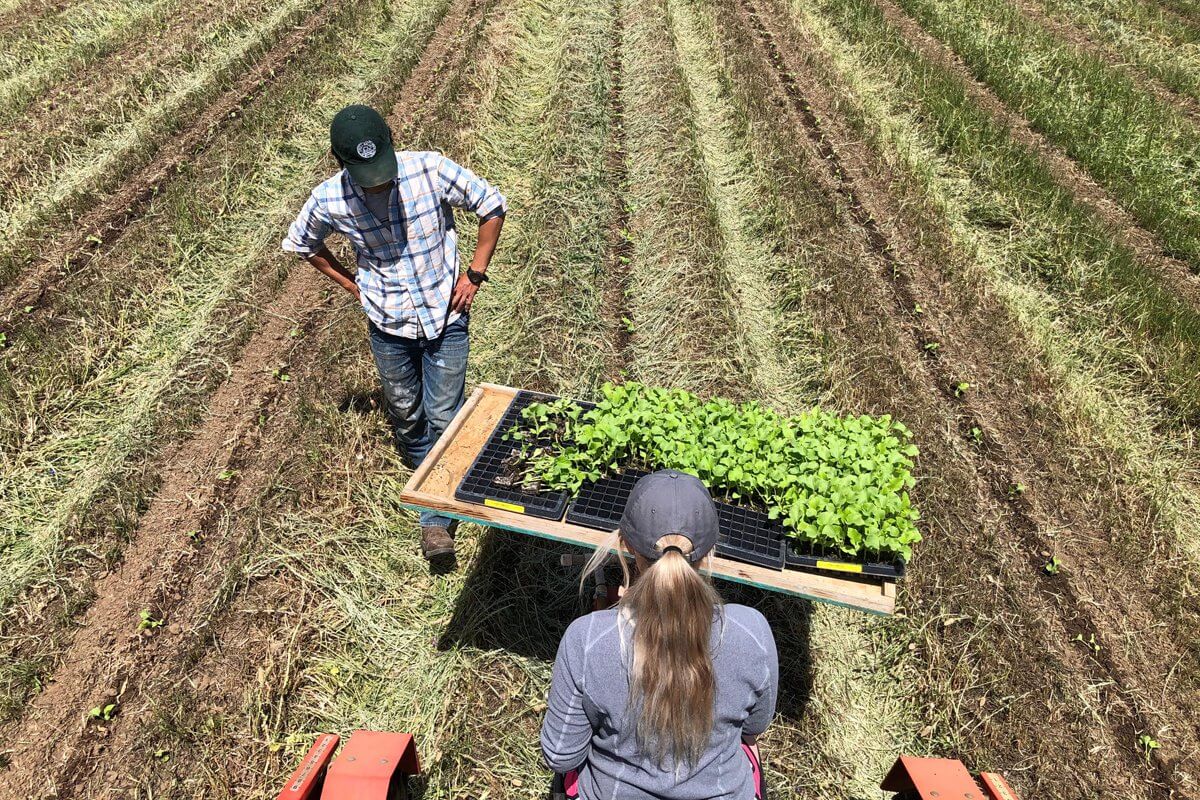
Viewpoint — ‘We’re trying to mimic mother nature’: Why healthy soil is key to cutting back on pesticides and growing climate-resilient crops
[Les Seiler and his brother] have been practicing “no-till” farming [in Ohio] for 36 years and counting. That means they ...

Viewpoint: ‘The Dirty 8’ — Which are the most notorious advocacy groups spreading disinformation about food, farming, biotechnology and agricultural sustainability
When it comes to food safety, there's no shortage of well-funded advocacy groups stirring up public concern. Under the guise ...
