Monsanto rolls out cash incentive for farmers who use controversial dicamba herbicide

Screen Shot at AM

Monsanto Co will give cash back to U.S. farmers who buy a weed killer that has been linked to widespread crop damage, offering an incentive to apply its product even as regulators in several U.S. states weigh restrictions on its use.

The incentive to use XtendiMax with VaporGrip, a herbicide based on a chemical known as dicamba, could refund farmers over half the sticker price of the product in 2018 if they spray it on soybeans Monsanto engineered to resist the weed killer, according to company data.

The United States faced an agricultural crisis this year caused by new formulations of dicamba-based herbicides, which farmers and weed experts say harmed crops because they evaporated and drifted away from where they were sprayed.

Monsanto says XtendiMax is safe when properly applied. The company is banking on the chemical and soybean seeds engineered to resist it, called Xtend, to dominate soybean production in the United States, the world’s second-largest exporter.

Monsanto’s cash-back offer comes as federal and state regulators are requiring training for farmers who plan to spray dicamba in 2018 and limiting when it can be used. Weed specialists say the restrictions make the chemical more costly and inconvenient to apply, but Monsanto’s incentive could help convince farmers to use it anyway.

Read full, original post: Monsanto offers cash to U.S. farmers who use controversial chemical

Video: Explaining CRISPR gene editing with a toy train

train

When people refer to Crispr, they’re probably talking about Crispr-Cas9, a complex of enzymes and genetic guides that together finds and edits DNA.

[I]n the lab, scientists have harnessed this powerful Crispr system to do things other than fight off the flu. The first step is designing a guide RNA that can sniff out a particular block of code in any living cell—say, a genetic defect, or an undesirable plant trait. If that gene consists of a string of the bases A, A, T, G, C, scientists make a complementary strand of RNA: U, U, A, C, G. Then they inject this short sequence of RNA, along with Cas9, into the cell they’re trying to edit.

Once in the cell’s nucleus, the Crispr-Cas9 complex bumps along the genome, attaching every time it comes across a small sequence called PAM.

The process can stop there, and simply take a gene out of commission. Or, scientists can add a bit of replacement DNA—to repair a gene instead of knocking it out.

….

Crispr isn’t perfect; sometimes the protein veers off course and makes cuts at unintended sites. So scientists are actively working on ways to minimize these off-target effects. And as it gets better, the ethical questions surrounding the technology are going to get a lot thornier.

CRISPR Video 12-12-17

Read full, original post: Everything you need to know about CRISPR gene editing

Gene therapy challenge: How much should it cost and how do we pay for it?

gene therapy

When the Food and Drug Administration approves the first gene therapy for a single-gene disease, expected in January, will insurers and sponsoring companies have plans in place to make certain that patients can actually get the new treatments, and not just “have access” to them? That’s a matter of intense focus right now.

The first clinical trial for a gene therapy was way back in 1990. But over the past year or two, treatments are finally nearing the end of the regulatory pathway. While some advances are incremental and incomplete, others are astonishing, perhaps none more so than the treatment for a form of inherited blindness that was the subject of an FDA advisory committee meeting October 12.

Patients who’d received an injection of Luxturna into each eye reported becoming able to see loved ones’ faces for the first time, and gaze, awestruck, at the sun, moon, and stars.

paying 12 11 17 2
Christian Guardino won the Golden Buzzer on America’s Got Talent 2017 – Credit: NBC

Christian Guardino, then 16, already demonstrated the gene therapy success when he sang the Jackson 5’s “Who’s Lovin’ You” on America’s Got Talent last June. Before gene therapy, he’d been unable to recognize faces, walk the hallways of his school, or stay outside safely once the sun went down. “Gene therapy has made my world so much brighter. I can even walk around on stage and perform and not just stand in one spot. My sight has remained stable for 4 years and if I hadn’t gotten it, I would’ve been completely blind by now,” he told the FDA.

It took mere seconds for the committee to pass the new treatment onto the next stage. But how long will it take for the first patients to be treated, for this and other up-and-coming gene therapies, outside of clinical trial settings?

Is $1 million too much?

For any groundbreaking medical procedure or treatment, initial cost is an issue. But unlike insurance coverage of chronic treatments, like cholesterol-lowering drugs, gene therapy can disrupt pathology. It can potentially cure. So the closest comparison may be to organ transplants. Consider their costs and annual markets in the US:

• Heart: $138,240 for 2,725 patients
• Kidney $414,800 for 16,804 patients
• Bone marrow (from donor) $892,700 for 9,284 patients
• Liver $812,800 for 6,158 patients

paying 12 11 17 3
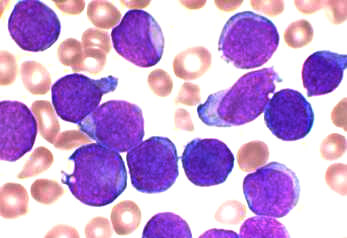
Acute lymphoblastic leukemia

So far, gene therapies are in the same cost ballpark. Kymriah, the recently-approved treatment that delivers an engineered immune system protein in gene therapy wrapping, is a one-time treatment for a form of leukemia, costing $475,000. Yescarta, for a different blood cancer, is similarly priced.

The seven-figure cap may come from experience with Glybera, the first gene therapy approved in Europe. Despite decades in development, the drug was yanked after only two patients got it, the $1 million-plus cost deemed excessive. The second gene therapy approved in Europe, Strimvelis, to treat an inherited immune deficiency, costs $665,000.

A different story

Gene therapies raise different challenges than conventional medicine, even organ transplants.

In gene therapy R&D, the major costs are upfront, designing the vectors that deliver the healing genes. That can cost $500,000 to $1 million, yet the delivery can be, should optimally be, almost anti-climactic.

paying 12 11 17 4
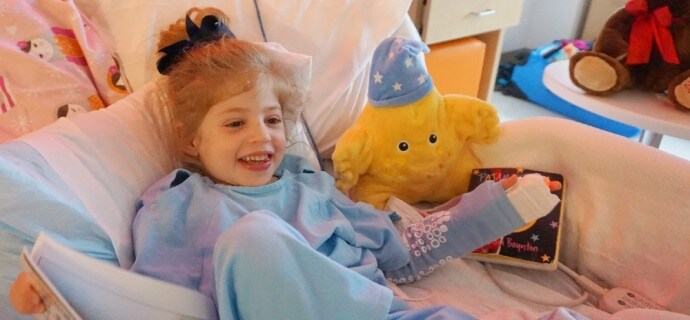
Eliza O’Neill received gene therapy, intravenously into her hand, for Sanfilippo syndrome type A.

When Eliza O’Neill received gene therapy for Sanfilippo syndrome type A in 2016, it went into an IV in her hand. She barely noticed. Ditto for the kids getting gene therapy for spinal muscular atrophy, a few of them able to walk and even run for the first time. Hannah Sames’ gene therapy for giant axonal neuropathy (GAN) was a one-time spinal infusion.

Whether the cost of a gene therapy is more in the development or the delivery, the market size is important in recouping investment. The number of people known to have GAN, for example, is still fewer than 100 worldwide. The thousands of transplanted hearts, kidneys, bone marrow, and livers dwarf the number of candidates for gene therapies for rare diseases.

The outcomes-based mindset

One way that health insurers handled organ transplants back in the 1990s, when some were still experimental, was to establish centers of excellence to optimize outcomes. That’s how Luxturna, the blindness treatment, will be rolled out in 2018.

Compensation for the newly-approved leukemia gene therapy Kymriah is following the model of outcome (aka value)-based payment. The Centers for Medicare and Medicaid Services covers the treatment, but the drug company (Novartis) pays a rebate if the leukemia patient doesn’t respond within one month. This model provides continual incentive. Strimvelis is reportedly being debuted  the same way, with coverage only if it works.

paying 12 11 17 5But a challenge to outcomes-based payments is that gene therapy for the rare Mendelian conditions introduces an uncertainty not seen in replacing hearts, lowering cholesterol, squelching an infection, or even gobbling up leukemia cells. Will the people like Christian with newfound vision one day require an extra gene delivery, like a booster shot, because the rods and cones outside the treatment area continue to degenerate? Evidence suggests they do, but whether this will affect vision isn’t yet known. That’s why clinical trials continue for years.

How does the math of gene therapy work, given the uncertainty? Straightforward examples like hemophilia B may be rare. A decade’s worth of clotting factor costs $5 million; therefore even a $1 million one-time gene therapy that gives the body the ability to churn out its own factor IX will pay for itself in two years. But future costs of once-deadly conditions are much harder, perhaps impossible, to predict. Will new symptoms appear? This is unknown clinical territory, not as straightforward as presaging the consequences of a cancer’s spread.

paying 12 11 17 6Getting ready

The companies that are funding the gene therapies closest to approval are acting now to prepare the insurance industry for the shift from chronic to potentially curative therapies. A flurry of white papers that address pricing are summarized in
“Advancing Gene Therapies And Curative Health Care Through Value-Based Payment Reform,” posted recently from Jeff Marrazzo (CEO of Spark Therapeutics), Nick Leschly (CEO of bluebird bio), and Gregory Daniel and Mark McClellan of the Duke-Margolis Center for Health Policy, where a consortium is bringing together patient advocates, payers, manufacturers, health care providers, and experts on regulatory affairs, law, and policy to iron out payment programs for gene therapies.

With the start of the new year, the gene therapies that have been such a long time in coming will enter a new age, that of FDA approval for marketing. Annual costs between $500,000 and $1.5 million are flying around social media, and companies still won’t give estimates – but it’s good to know the extent of the discussion going on to make sure that those in need actually receive these astonishing new treatments, the possible forever fixes.

Ricki Lewis has a PhD in genetics and is a genetics counselor, science writer and author of Human Genetics: The Basics. Follow her at her website or Twitter @rickilewis.

Double standard? Facing FOIA demand, California sides with anti-chemical professor, blocking email release

files

A freedom of information request requesting emails from a University of California professor with “anti-chemical” views was rejected, while pro-GMO professors have their emails handed over.

Activist and journalist Paul Thacker wrote for the LA Times that:

If the public pays your salary, citizens have the right — within limits — to see what you’re doing. That’s the principle at the core of the federal Freedom of Information Act and of the many similar state freedom of information laws.

Arguing that rules for public scientists should be the same as any other civil servant, Thacker makes a strong case for the use of the Freedom of Information Act (FOIA). It was something I changed my own mind about once the evidence was presented to me.

Several years ago Organic Consumer’s Association helped fund US Right To Know (US RTK). Led by Gary Ruskin and Stacey Malkan, they began to use FOIA requests to peer into the inboxes of pro-GMO scientists. Claiming to target professors involved with an industry blog called GMO Answers, they also targeted professors that opposed Ruskin’s own GMO labeling initiative in California.

At least 10 professors in California alone were targets of Ruskin. These included Alison Van Eenennaam, Pamela Ronald, and Kent Bradford. The University of California system appears to have released the requested emails to Ruskin. Unfortunately, they recently rejected a similar request by myself for emails involving Professor Tracey Woodruff.

foia 12 12 17 2And by similar, I mean that. While early requests were very broad, I have begun to tighten up my requests to focus on specific searches. In this case, I was looking for emails between Woodruff and the public relations firm Fenton, along with their affiliated front organizations Science Communication Network and Environmental Health Sciences.

Much like the pro-GMO network developed by Ketchum, Fenton developed their own for professors that can help their own clients. Such clients include Stonyfield Organic, Ben & Jerry’s, Patagonia, and anti-GMO NGOs such as Sierra Club.

This is what industry does. Whether it’s the oil industry or the solar panel industry, they tend to find professors that already agree with them and give them a little boost in the press. This does not mean the professors are lying or are necessarily wrong. They are found because they already lean a certain way on issues, they don’t just change their mind based on funding.

The problem arises when one side attacks the other for using the same actions. Pro-GMO scientists are being called out in the press for having ties to industry (again, common in all areas of science), while those who are anti-GMO get a free pass on their own industry ties.

My request for Woodruff’s emails was rejected by the University of California based on the idea that the emails were “scholarly talk” and because the dialog involves “controversial political debate”. As a former senior scientist and policy adviser at the EPA, she certainly has impressive credentials and is often quoted in the press. Industry-funded groups, such as US RTK, in fact, use her in their campaigns to promote organic food over conventional.

This is the very reason the public has a right to communication between these groups and professors who are paid through tax dollars. Professor Woodruff appears to have devoted her life to transparency of chemicals in and around us. And yet when she is asked to be transparent herself, she declines.

Paul Thacker so elegantly summarizes the problem:

Scientists who profess agreement with transparency only when its on their terms are really not for transparency at all. The public should be alarmed.

Stephan Neidenbach is a middle school teacher in Annapolis, Maryland.  He runs the Facebook group We Love GMOs and Vaccines. Follow him on Twitter @welovegv.

A version of this article appeared on Medium as “University releases pro-GMO professor emails, but not those of “anti-chemical” professor” and has been republished here with permission from the author. 

Talking Biotech: How will dicamba herbicide-resistant GMO crops fare after contamination fiasco?

fbdd aba a a b b

Over the last two years, we have heard reports of herbicide damage to Midwestern crops, bearing the signatures of damage from dicamba. Dicamba is an older herbicide, an auxin analog that mimics a plant hormone associated with growth and cell division. This herbicide was made relevant again in soybeans and cotton, which have been genetically engineered to be dicamba-resistant, needed because of the increase in glyphosate-resistant weeds. Since the deployment of these seeds, farmers have seen evidence of herbicide damage, opening endless finger pointing and legal gyrations. University extension experts have weighed in. Companies deny wrongdoing. How to sort this out? This episode features guest Karen Corrigan, an independent agronomist that provides a boots-on-the-ground assessment of the problem, how it happens, and what is likely to occur in the next steps.

BONUS TRACK: Dicamba Situation

Follow Karen on Twitter @weedgirl24

Listen to Karen on the Girls Talk Ag podcast!

Follow Talking Biotech on Twitter @TalkingBiotech

Follow Kevin Folta on Twitter @kevinfolta | Facebook: Facebook.com/kmfolta/ | Lab website: Arabidopsisthaliana.com | All funding: Kevinfolta.com/transparency

Fighting infectious diseases with immunotherapy on ‘cusp of commercialization’

allergies

Immunotherapy, which involves adapting immune cells to destroy specific cellular targets, has made a name for itself treating cancer. But over the last few years, a handful of research groups have advanced T-cell therapies for viral infections, and are now on the cusp of commercialization. “Using T cells to target infectious diseases is not a new field,” says immunologist Michael Keller of Children’s National Hospital in Washington, D.C., “but it’s something that’s expanding a great deal.”

So researchers are pursuing a combination of strategies aimed at either banking T cells from donors who have already experienced viral infections or training virus-naive T cells taken from unexposed tissues such as umbilical cord blood to help make antiviral immunotherapies more robust and more widely available.

Over the past several decades, most research on antiviral T cells has focused on people undergoing bone marrow transplants for blood cancers such as leukemia.

Pharmaceutical firms have invested billions of dollars in cancer immunotherapies over the last few years, and the US Food and Drug Administration (FDA) began approving such therapies in recent months. But the investment bonanza has yet to hit antiviral T-cell therapy. While a handful of companies, including Atara, Viracyte, Tessa, and Cell Medica, have partnered with university researchers and conducted Phase 2 trials, most of the work on antiviral T-cell therapy is still funded by governments and private philanthropy, Keller says.

Read full, original post: Antiviral Immunotherapy Comes of Age

Organic food helps you get pregnant? Media outlets fall for ‘activist science’

shutterstock

[Editor’s note: Terence Bradshaw is a research associate at the University of Vermont. He has a PhD in plant & soil science.]

The [study] … has been shared in social media and discussed in popular scientific venues quite a bit since its publication in late October 2017.

Huffington Post offers the headline, “Trying to get pregnant? Science suggests: eat organic and regulate the pesticide industry.” (Article written by Stacy Malkan, Co-director of the activist group U.S. Right to Know)

[Editor’s note: Read the GLP’s profile on US Right to Know here]

The headlines and statements pulled from these articles all make it sound like we have a crisis on our hands, that our food supply has been shown by science to be unsafe, and pesticides are to blame. But let’s look at this paper a bit closer, with a skeptical and statistical focus.

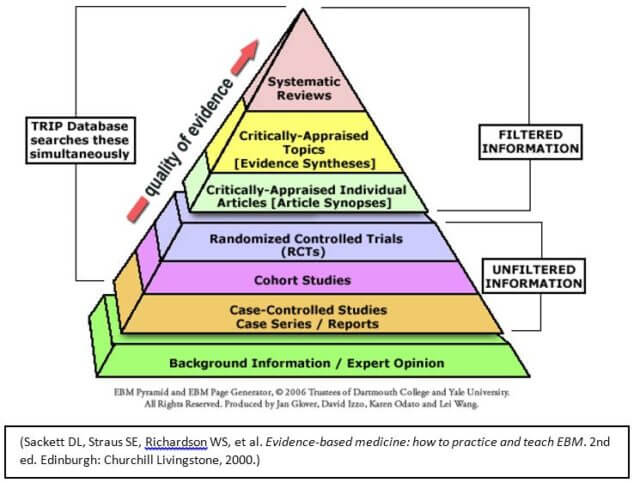
EvidenceHierarchy x

This was an observational, case-control study. That means that the independent variable of concern, in this case, pesticide residue intake, is not under the control of the researcher. That doesn’t invalidate the study, but it immediately makes it a weak one.

Given all of the problems with this study, it’s amazing that it was ever even published.

This is, at best, a ‘hypothesis study”- something that sets further research down a path of study to determine what might be going on in a set of data that shows a certain trend. More realistically, it’s an activist-science fishing mission fed to a receptive media, and they have gobbled it up and spit it out. The saddest part of the story is that reputable media outlets with stretched staff and few reporters with scientific background and time to apply it are just parroting the press releases accompanying the paper.

And we, again, see the public discourse dumbed down, and we see the finger pointed at conventional farmers, with organic farmers offered an undeserved (going strictly on the evidence presented) halo. No one is saying that there shouldn’t be careful scrutiny applied to pesticides, or to any facet of agriculture that entails risk to both farmers and consumers. But this study, the conclusions it presents based on fairly weak evidence, and the media promotion around it aren’t adding much of substance to the conversation.

Read full, original post: Food fears: more activist science and scientifically illiterate reporting

Gene drives could combat exploding population of poison-resistant subway rats and other pests

rats

Figures … show that London councils receive 100 complaints about rats and mice each day with some local authorities reporting a 10 per cent increase in the number of rodents since last year.

Most pest controllers use poison, but rats are fast becoming resistant to even the strongest toxins, and poison risks harming pets and other animals.

Now experts at Edinburgh University believe that a process called ‘gene drive’ could solve the problem. It works by spreading infertility genes through a population, which causes a catastrophic drop in numbers over several generations.

A similar approach is already being tested in mosquitoes, to help control diseases like malaria and zika. But now the scientists want to find out it if could also work in mammals.

The technique suggested for rodents is known as ‘x-shredding.’ Male mammals have both an ‘x’ and ‘y’ sex chromosome, while females need two ‘x’ chromosomes.

The scientists want to insert ‘x shredder’ code into the DNA of male rats which would destroy the ‘x’ chromosomes in their sperm, meaning they could only pass on a ‘y’ chromosome, so their offspring would never be female. With fewer and fewer females over time, the population would have to decline.

Read full, original post: Genetically mutated rats could be released in Britain to solve rodent problem

Fast-growing AquaBounty salmon could pave way for more genetically modified animals

maxresdefault

When it was revealed over the summer that genetically modified salmon was now being sold in Canada, the backlash from anti-GM environmental groups was fierce.

The source of the stink was a two-line disclosure in the quarterly earnings of AquaBounty Technologies, a US biotech company, which stated it had sold a small amount of its AquAdvantage salmon.

Engineered to grow at twice the rate of regular salmon, it is also believed to be the first example of a genetically engineered animal bred and sold for human consumption.

Despite the hostile response from some quarters, Ronald Stotish, chief executive of AquaBounty, says “you almost have to be an optimist to do what I do,” adding that although distributors “were thrilled with the product”, his company appreciates “everyone’s right to choose.” He is, however, adamant that launching the product was the right thing to do.

The main advantage of the salmon’s shorter lifespan is that the fish can be grown in tanks inland, vastly reducing the cost of transportation and the burden on the environment.

[S]ome experts believe this small first step could mark the beginning of a new era in genetically modified food production, paving the way for more animal products to come on to a market which has hitherto focused exclusively on crops.

Read full, original post: Salmon open flood gates for human consumption of GM animals

Fighting Zika with drones and genetically engineered mosquitoes

insect drones

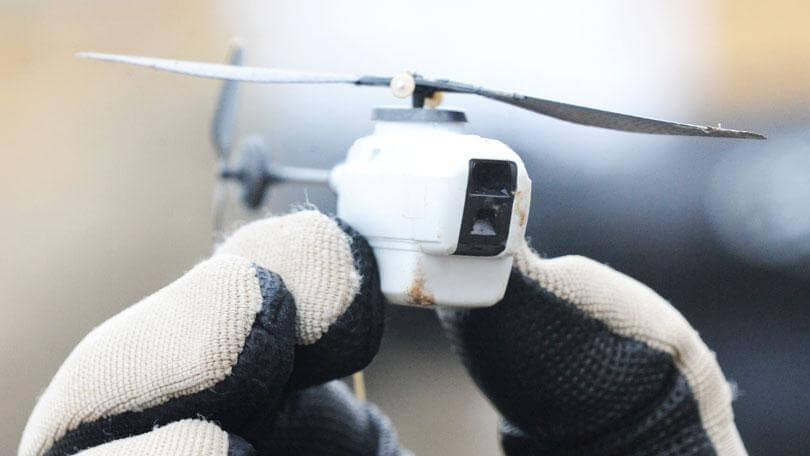
At Rutgers University … engineers are developing “skeetercopters” that can detect and map mosquito-infested sites from the air — and douse them with insecticide.

And now WeRobotics … has teamed up with the Insect Pest Control Lab of the International Atomic Energy Agency (IAEA) … to develop autonomous drones that will release millions of sterile male mosquitoes over areas where mosquito-borne illnesses like Zika fever are endemic.

The prototype drone is designed to distribute about 100,000 sterile A. aegypti mosquitoes over each square kilometer of terrain. The field trials will use arrays of mosquito traps throughout the target areas to check that the sterile bugs stay healthy during and after their drone flight.

The first field trials of the WeRobotics prototype drone will take place early next year in an as-yet-unidentified area of South or Central America that is affected by Zika fever.

The trials will use bugs sterilized at an IAEA lab in Vienna, but the release mechanism could also be used to distribute other disease-fighting mosquitoes by drone, such as bugs that have been genetically modified so their offspring die while still larvae, and mosquitoes infected with the bacterium Wolbachia, which blocks their ability to pass on diseases like dengue and Zika.

Read full, original post: How bug-delivering drones are helping defeat deadly diseases

Viewpoint: ‘Radical change’ needed to make global food system sustainable

health and sustainability x e

The Green Revolution of the post-World War II era has rightly been hailed as a huge achievement for humankind. Transformation in plant breeding coupled with development of an array of fertilisers and other agrochemicals and mechanisation of agronomic practice brought about massive increases in the yields of the major cereal crops, saving millions of lives. It led to an industrialisation of agriculture which has enabled the development of a complex global food business that delivers a wide choice of safe, nutritious and affordable food to billions of people. However, this industrialisation of food production has had significant and increasingly worrying negative environmental and social consequences.

Despite the industrialisation of agriculture and its dependence on technology, there has been a failure to embrace those new technologies such as genetically modified crops or new ideas about soil conservation, which could increase the sustainability of food production.

Agricultural research should be directed towards understanding how to maintain outputs with reduced inputs. To meet this objective, highly productive and more resource-efficient crop varieties should be developed through the most efficient methods, including modern methods of gene editing.

Read full, original post: We need radical change in how we produce and consume food

Would switching to organic farming cut greenhouse gas emissions?

FoxtrotOrganicFarm e

new study, led by the Research Institute of Organic Agriculture, gives the impression that a large-scale shift to organic farming would largely bring environmental benefits. And indeed, that’s how the paper has been covered.

But the progress the authors describe in the paper is only feasible by assuming massive changes in how much meat people eat, how much food is wasted, and how efficiently farms operate – an ambitious if not unattainable scenario. Their findings also rest on several flawed and unrealistic assumptions about how productive organic farms can be with limited nitrogen. Under more realistic assumptions, scaling up organic agriculture looks far less appealing, leading to large environmental harms, with limited benefits.

Converting all food production to organic, according to the study, would increase the amount of land needed for agriculture by 33%, and deforestation up to 15%, but would reduce greenhouse gas emissions up to 7% compared to a scenario following current agricultural trends. This is an unacceptable environmental tradeoff and so the authors note that scaling up organic would only be desirable and feasible if food waste and meat production were cut.

Rather than focusing on organic production, we ought to promote any production method that minimizes land use and farming’s other environmental impacts while providing enough healthy food for everyone.

Read full, original post: The Problems with a Large-Scale Shift to Organic Farming

‘Living tattoo’ made with 3D-printed bacteria responds to stimuli

MIT D

A team at MIT has genetically modified bacteria cells and developed a new 3D printing technique to create a “living tattoo” that can respond to a variety of stimuli. Electronic tattoos and smart ink technologies are showing exciting potential for reframing how we think of wearable sensor devices.

To test out the technique the team created a 3D-printed patch of bacteria cells on an elastomer layer designed to resemble a tree. The bacteria in each branch of the tree was engineered to respond to a different chemical stimuli. When the patch was tested on a human hand that had been applied with different target chemicals the bacteria successfully illuminated its branches when sensing the corresponding chemical.

The ultimate outcomes for the technology are incredibly futuristic, with the team suggesting the technique could conceivably lead to the development of a kind of “living computer.” Complex structures could be created that contain many different types of engineered cells that communicate with each other in the same way as transistors on a microchip.

More immediate, pragmatic uses include the development of warning stickers that contain cells engineered to respond to a certain environment or chemical stimuli, or health-monitoring wearables that activate signals in accordance with a specific temperature or pH change.

Read full, original post: 3D-printed live bacteria creates world’s first “living tattoo”

Quantity vs quality: Burkina Faso’s problems with Monsanto’s insect-resistant GMO Bt cotton

HFSLUC

In 2000, farmers in Burkina Faso, Africa’s top cotton grower, were desperate. Their cotton fetched top prices because its high-quality fibre lent a luxurious sheen to clothing and bedsheets. But pests – bollworms – were threatening the crop.

Even when you dropped the bollworm larvae into a bucket of poison, farmers said, they kept swimming.

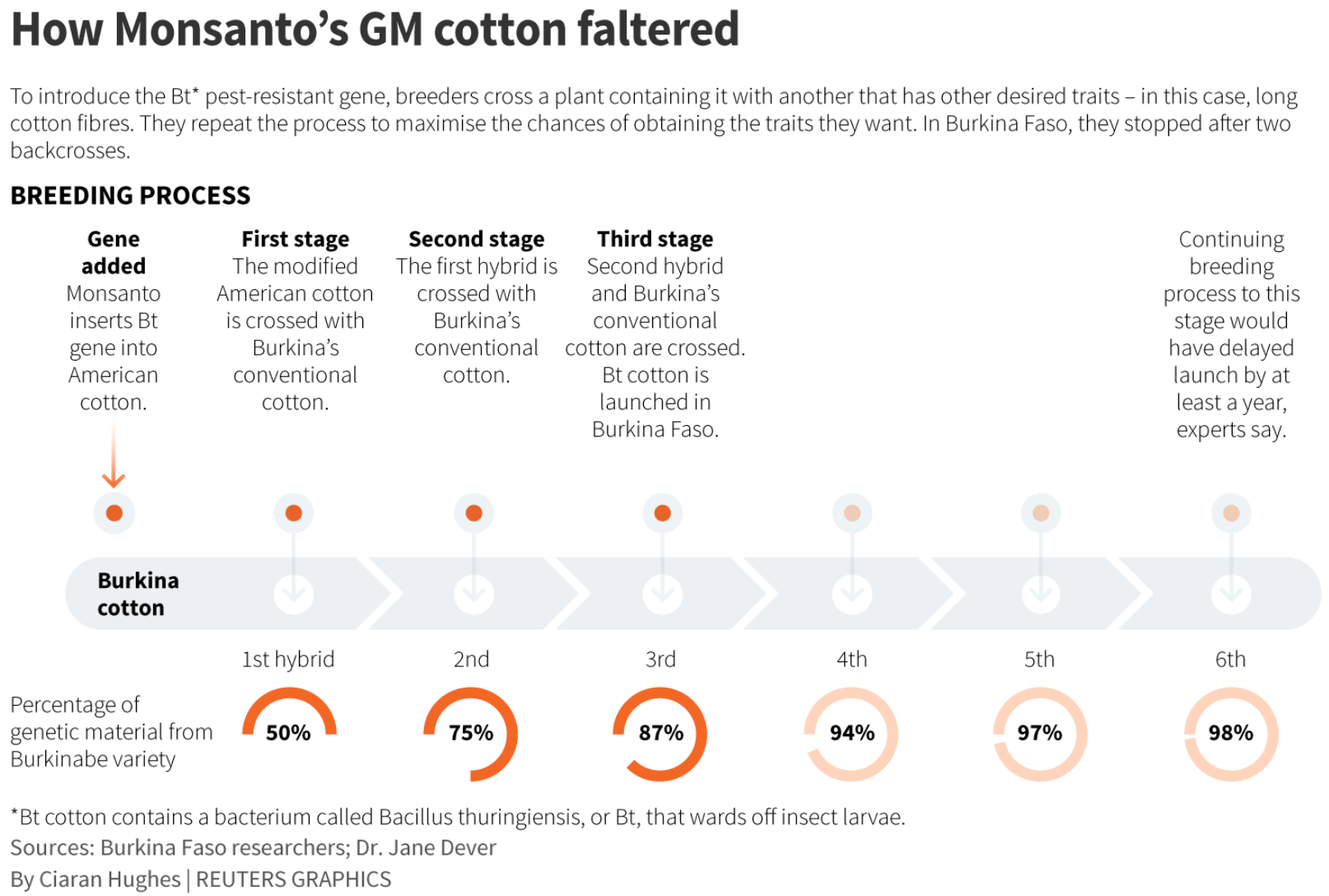
U.S. seeds and pesticide company Monsanto proposed an answer: a genetically modified strain of cotton called Bollgard II, which it had already introduced in America and was marketing worldwide. GM was established in large-scale farming in South Africa, but not among the smallholders who produce most African cotton. The Burkina farmers agreed to a trial and the country introduced seeds with the gene in 2008.

The resulting cotton was pest-free, and the harvest more abundant. By 2015, three-quarters of all Burkina Faso’s production was GM, and it became a showcase for the technology among smallholders in Africa. From 2007 to 2015, delegations from at least 17 different African nations visited Burkina to see it.

But there was a problem. While the bug-resistant genes produced more volume, the quality fell. Last season, the cotton farmers of Burkina Faso abandoned the GM varieties.

Burkinabe officials say they aren’t turning their backs on GM, although the country does not use the technology at present. However, they say, any varieties must fit their unique needs.

Screen Shot at PM

Read full, original post: How Monsanto’s GM cotton sowed trouble in Africa

High IQ correlates with success—but also mood disorders, anxiety and autism

child at math blackboard

There’s some bad news for people in the right tail of the IQ bell curve. In a study just published in the journal Intelligence, Pitzer College researcher Ruth Karpinski and her colleagues emailed a survey with questions about psychological and physiological disorders to members of Mensa. A “high IQ society”, Mensa requires that its members have an IQ in the top two percent. For most intelligence tests, this corresponds to an IQ of about 132 or higher. (The average IQ of the general population is 100.) The survey of Mensa’s highly intelligent members found that they were more likely to suffer from a range of serious disorders.

The survey covered mood disorders (depression, dysthymia, and bipolar), anxiety disorders (generalized, social, and obsessive-compulsive), attention-deficit hyperactivity disorder, and autism.

The results of this study must be interpreted cautiously because they are correlational. Showing that a disorder is more common in a sample of people with high IQs than in the general population doesn’t prove that high intelligence is the cause of the disorder. It’s also possible that people who join Mensa differ from other people in ways other than just IQ. For example, people preoccupied with intellectual pursuits may spend less time than the average person on physical exercise and social interaction, both of which have been shown to have broad benefits for psychological and physical health.

Read full, original post: Bad News for the Highly Intelligent

US House science committee warns IARC it ‘may reconsider taxpayer funding’

Screen Shot at AM

U.S. congressional committee members warned on Friday [Dec. 8] that Washington’s funding of the World Health Organization’s cancer research agency could be halted unless it is more open about its operations.

In a letter to the France-based International Agency for Research on Cancer (IARC) – a semi-autonomous unit of the WHO – the U.S. House of Representatives Science, Space, and Technology (SST) Committee warned it “may reconsider U.S. taxpayer funding” if IARC “does not demonstrate transparency”.

Since 1985, IARC has received more than $48 million from the U.S. National Institutes of Health, $22 million of which has gone to IARC’s “monograph” program, which assesses whether various substances can cause cancer in people.

Friday’s letter is the latest twist in an ongoing feud between IARC and two congressional committees. They began an investigation in 2016 after a number of IARC’s assessments – that substances as diverse as coffee, mobile phones and processed meat cause cancer – sparked controversy.

The lawmakers said their concerns were also fueled by the cancer agency’s review of glyphosate, the primary ingredient of Monsanto’s weedkiller Roundup.

A Reuters investigation in October found that a draft of a key section of IARC’s assessment of glyphosate underwent significant changes before the report was made public.

Read full, original post: U.S. House committee ‘may reconsider’ WHO cancer agency funds

Quest to find aliens boosted by new technology and funding

thealiensare e

The Search for Extraterrestrial Intelligence is bigger than ever, thanks to a big cash infusion from Russian billionaire Yuri Milner. That $100 million, decade-long Breakthrough Listen initiative could put us on the cusp of finding out if we’re alone in the universe.

In some ways, though, it’s a fairly traditional search. They’re looking in specific areas of the radio spectrum for hints of stray alien signals, kind of like what’s seen in [the movie] Contact. But there are other ways to hunt for aliens, some of which have yet to be explored.

[A]t the end of the Breakthrough Listen initiative in 2025, the Square Kilometer Array will open up shop in South Africa. This will be the widest radio telescope array when it opens and one of the most precise when it begins operation in 2020, combining 250 dishes while leaning on other facilities for a little extra oomph. It will also have the computing power to match. It will make spying on other planets easier than ever.

However we find aliens — beacon, radio wave, probe, or megastructure — there’s a bright future for the hunt. We just need to equip ourselves with the next generation tools to do so. And as SKA and upcoming massive telescopes demonstrate, many of those are on the way.

Read full, original post: How scientists’ search for aliens is getting more advanced than ever

Organic movement schism? Fight over hydroponics puts $50 billion industry in limbo

Screen Shot at PM

Though it’s too early to tell whether it’s imploding — or merely suffering growing pains — the $50 billion American organic industry is going through some serious soul-searching.

While some organic pioneers are bemoaning what they perceive as the ongoing degradation of a brand founded in an ideological movement, others see this as a time to critically reassess what organic really means, and how that ancient model of agriculture fits into the bigger picture of feeding and fueling 7.6 billion people in the 21st century.

x

The industry has long grappled with internal philosophical fissures. But these recently turned into a very public split when the US Department of Agriculture ruled that hydroponic and aquaponic farms, which grow crops in nutrient solutions, and frequently indoors, could continue to display the economically valuable organic seal.

Organic pioneers were outraged, claiming the Nov. 1 decision undermined the founding principles of a movement dedicated to soil health and regeneration. “They did incalculable damage to the seal,” lamented organic tomato farmer Dave Chapman in an interview with the Washington Post. “It’s just going to take them a while to realize it.”

Some of the reaction was grounded in the organic movement’s general disdain for large agribusiness firms, such as Driscoll’s, a conventional and organic grower that has used hydroponics to capture a significant share of the fresh berry market. A similar uproar occurred earlier this year around claims that certain producers, most notably “industrial” dairies, weren’t meeting the spirit —and perhaps not even the legal requirements —of the organic brand.

Though big business doesn’t dovetail with the bucolic, small farm image that the organic brand trades on, it’s part and parcel of the actual workings of the industry. Indeed, many organic food companies have already sold out to multinational corporations like General Mills, Post, Smuckers, Coca-Cola, Miller-Coors, Nestle, Perdue Farms, Kellog’s and Hain-Celestial.

And some hydroponic growers, such as those represented by the Recirculating Farms Coalition, are in fact small, eco-friendly farmers who staunchly defended their practices. Following the ruling, Marianne Cufone, the Coalition’s executive director, issued a statement that read, in part:

“By siding with current science and recognizing that existing law purposely leaves the door open for various farming methods, the NOSB is sending a critical message that sustainability and innovation are valuable in U.S. agriculture.”

Still, as National Public Radio pointed out, the fight really seems to be grounded in market share, since hydroponic operations are already dominating organic tomato, pepper, lettuce, cucumber and berry production. That economic reality may explain why the NOSB accepted hydroponics and aquaculture, but rejected aeroponics, a related practice that has yet to attract the same consumer base.

hydroponic vegetables

And despite Cufone’s optimistic assessment, the NOSB appears to have ignored sustainability, innovation and science in its treatment of biotechnology, which is poised to deliver crops that can survive on minimal water and produce high yields without the use of chemical fertilizers. These applications and others now being developed by public sector researchers certainly appear compatible with the environmental and populist visions of the organic movement.

Nevertheless, the Board last year reaffirmed its complete rejection of gene editing and synthetic biology with the dubious claim that “every organic stakeholder is clear that genetic engineering is an imminent threat to organic integrity.”

However, at least two organic farmers, Raoul Adamchak and Amy Hepworth, see value in GE. They’re at the forefront of an effort to make organic farming more inclusive, which could mean growing crops genetically engineered to ward off insects without the use of pesticide applications — synthetic or organic.

“The organic movement was successful in changing the way the agricultural industry operates,” Hepworth, a seventh-generation family farmer who grows 400 acres of certified organic vegetables in New York, told the Alliance for Science.  “But the time has come to release ourselves from the tyranny of the label — taking its valuable lessons and evolving beyond organic to create the safest, most ecologically, economically, and socially-just agricultural system possible. Advances in biotechnology are a natural fit to meet the demand of the population for sustainably grown food.”

Adamchak, who teaches organic farming at the University of California-Davis, has proposed a new certification program for “sustainable agriculture” that would include GE crops. “I think there can be improvements made to organic agriculture that are science-based,” he said. “It’s a time when we need all the tools possible.”

Dan Blaustein-Rejto, The Breakthrough Institute’s agricultural analyst, is taking it one step further. He’s begun arguing that organic production is a luxury we can’t afford to indulge in this era of increasingly erratic weather patterns and a burgeoning population:

Rather than focusing on organic production, we ought to promote any production method that minimizes land use and farming’s other environmental impacts while providing enough healthy food for everyone.

Biotech isn’t the only area where the organic industry has found itself on the wrong side of science. The Organic Consumers Association helps to fund the anti-GMO movement, which associates with anti-vaccine activists and health quacks. This year, two documentaries — Food Evolution and Science Moms — brought the anti-GMO movement’s cognitive dissonance and scientific silliness to the screen.

Meanwhile, researchers have begun challenging the industry’s claims of environmental superiority, noting that organic growers do use pesticides and typically engage in more tillage than conventional farmers, a practice that contributes to erosion, topsoil loss and carbon emissions. Organic farmers also rely on animal fertilizers, and the livestock industry has been taking a beating for its contribution to climate change.

Other studies have questioned whether organic agriculture can produce sufficient quantities of food to meet global demand — without requiring everyone to go vegetarian and/or expand farming into wild areas.

Nutritionists fret that pesticide fears stoked by the organic industry are causing people to shy away from eating conventionally grown fresh fruits and veggies, even though samples consistently show they contain only trace residues. Others object to the way that organic marketing has contributed to food elitism and romanticized — some would say impractical — notions about farming.

As a result, some media sources have been looking more critically at core consumer assumptions about the organic brand, notably its claims to be pesticide-free and more nutritious than its conventionally grown counterpart.

And though the industry has been wildly successful at marketing, it’s now facing challenges in that arena — again from within its own ranks. The Detox Project recently launched its “glyphosate residue-free” verification and labeling project with the ominous warning that “even organic isn’t enough” to ensure that a product is free of the widely used— and heavily demonized — herbicide. In the opportunistic world of marketing, it seems someone is always ready to up the ante.

This new public scrutiny underscores a widening rift within the industry itself over what organic really means today, some 70 years after the movement first began to take hold.  Although some organic pioneers are threatening to pack up their marbles and go home, other farmers and researchers are questioning whether the original practices and philosophy can — or should — endure intact in the face of climate change and science-based agricultural innovations.

Joan Conrow is a journalist in Hawaii, where she writes about agriculture, the environment and politics, often for the Cornell Alliance for Science. Follow her on Twitter @joanconrow.

A version of this article appeared at Joan Conrow’s website as “Is ‘organic’ going through an existential crisis?” and has been republished here with permission. 


Chasing a cure for narcolepsy—and why it should be a priority

narco
One of my first jobs was to keep a lookout for lions. There are some occupations that are not suitable for someone with untreated narcolepsy and this is probably one of them. I was 22, a recent zoology graduate studying meerkats in the Kalahari desert in South Africa. We worked in pairs, one of us on foot, walking with meerkats, the other in the jeep scanning the horizon for signs of leonine danger. On many occasions, I awoke with the imprint of the steering wheel on my forehead, realising that meerkats and colleague had wandered out of sight. I would look for signs of life and, as the panic grew, signs of death. I can tell this story now only because nobody got eaten.

I have not always been like this. For the first 20 years of my life, I had a healthy relationship with sleep. Shortly after my 21st birthday, though, I began to experience symptoms of narcolepsy, a rare but not-so-rare disorder thought to affect around one in 2,500 people. If people know one thing about narcolepsy, it’s that it involves frequent bouts of uncontrollable sleepiness. This is true, but the condition is so much more disabling, often accompanied by cataplexy (where a strong emotion causes loss of muscle tone and a ragdoll-like collapse), trippy dreams, sleep paralysis, frightening hallucinations and, paradoxically, fractured night-time sleep. There is no cure. Yet.

In the Kalahari, back in 1995, I was new to these symptoms. I had little sense of the incalculable toll that fighting a never-ending battle against sleep (with defeat the inevitable outcome) would take on mind, body and soul. I was not alone. Few family doctors had heard of the disorder, let alone encountered a patient. Some neurologists knew what to look for, but many did not. Not even sleep specialists could explain why this disorder would suddenly strike, with peak onset at around 15 years of age.

mosaicA lot has changed in 20 years. There is now overwhelming evidence that by far the most common cause of narcolepsy is an autoimmune attack, where the body’s immune system mishandles an upper respiratory infection and mistakenly wipes out the estimated 30,000 neurons in the centre of the brain.

In an organ of up to 100 billion cells, this might not sound like too much to worry about. But these are no ordinary cells. They are found in the hypothalamus, a small, evolutionarily ancient and unbelievably important structure that helps regulate many of the body’s basic operations, including the daily see-saw between wakefulness and sleep. The cells in question are also the only ones in the brain that express the orexins (also known as hypocretins). This pair of related peptides – short chains of amino acids – were completely unknown at the time of my diagnosis in 1995.

The story of their discovery, beginning in the 1970s, is a brilliant tale of chance and luck, imagination and foresight, risk and rivalry, and involves a colony of narcoleptic Doberman pinschers to boot. It might even be the perfect illustration of how science works.

Yet while there are drugs that can help manage the worst of the symptoms of narcolepsy, none of these comes close to repairing the underlying brain damage. It is remarkable that a lack of two chemicals results in such a bewildering constellation of symptoms. The answer to my problems appears to be simple – I just need to get the orexins (or something similar) back inside my brain. So why am I still waiting?

§

In April 1972, a toy poodle in Canada produced a litter of four. Eager families were quick to snap up the cute puppies, but one of them, a silver-grey female called Monique, soon developed what her owners described as “drop attacks” when she tried to play. These did not look like sleep; they were mostly partial paralyses: her hind legs would go weak, her bottom would slump to the floor and her eyes would become still and glass-like. At other times, particularly when fed, Monique would be struck by a full-blown attack.

When vets at the University of Saskatchewan observed Monique, they suspected these were bouts of cataplexy, and hence figured this might be a case of narcolepsy with accompanying cataplexy. As luck would have it, Monique’s diagnosis coincided with the arrival of a peculiar circular from William Dement, a sleep specialist at Stanford University in California. He was on the lookout for narcoleptic dogs. The Saskatchewan vets wrote back to him immediately. With Monique’s owners persuaded to relinquish their pet, all that was needed was to figure out a way to get her to California.

I met Dement, now 89, to find out what he remembers about those early years. He retired several years ago, but still lives in a leafy neighbourhood on the edge of the Stanford campus. His office is a large, shed-like structure attached to the main house and not unlike a Scout hut.

The walls are wood-clad and covered with framed posters, photographs and miscellaneous memorabilia from an illustrious career in sleep medicine. Dement’s desk is a picture of organised chaos. Among all this is a water pistol. I ask him why. “It’s for when students fall asleep in class,” he explains, referring to an incredibly popular lecture series on sleep and dreams he instigated in the early 1970s.

In 1973, Dement approached Western Airlines to see if they could fly Monique down from Saskatchewan to San Francisco. They had a strict ‘no sick dogs’ policy. “It’s not a sick dog. It’s a dog with a brain abnormality,” he told them. “It’s an animal model of an important illness.” Eventually, with some political lobbying, Dement succeeded in persuading the airline to help. Once in San Francisco, Monique quickly became something of a celebrity.

“Monique is very likely to collapse when she’s eating something she especially likes, or when she smells a new flower outside, or romps around,” Dement’s colleague Merrill Mitler told the Associated Press for a story that ran in dozens of newspapers across the USA. “We hope to discover exactly where in the brain the dysfunction occurs that causes narcolepsy,” Mitler had told the newspapers soon after Monique’s arrival at Stanford. “This could be the first step towards developing a cure.”

Mitler is now a forensic examiner based in Washington, DC, specialising in litigation arising from fatigue-related accidents. I ask him if the story of the discovery of narcolepsy is really as good as it appears. “In a word, yes,” he says. “In the Seventies, we didn’t know what we didn’t know about narcolepsy.” There is simply no way anyone could have anticipated how profitable the research into Monique and other dogs would turn out to be. The plan at that stage, he admits, was simply to use the animals to test new drugs that might improve treatment of the symptoms and to carry out autopsies in case there were some obvious physical changes to the brain.

Word began to spread, and soon Dement and Mitler were looking after Monique alongside several other narcoleptic dogs, including a Chihuahua–terrier cross, a wire-haired griffon, a Malamute, Labrador retrievers and Doberman pinschers. The fact that narcolepsy appeared to be more common in some breeds than others suggested there could be some kind of genetic basis to the disorder. Then came the breakthrough: a litter of around seven Doberman puppies, all of them with narcolepsy and cataplexy. “Within 24 hours or less we saw the first of the litter and then the last of the litter all collapse,” says Mitler. “There was a large group of us at Stanford and we collectively had our chins on the floor.”

It turned out that in Labradors and Dobermans, the disorder was inherited. Dement made the decision to focus on Dobermans and, by the end of the 1970s, he was the proud custodian of a large colony and had established that narcolepsy in this breed was caused by the transmission of a single recessive gene. By the 1980s, methods of genetic analysis had advanced just enough to contemplate an effort to hunt down the defective Doberman gene.

§

I can never reconstruct the combination of factors that led to the onset of my own narcolepsy, but the stage was set at the moment of my conception in 1972, at around the time of Monique’s birth in Saskatchewan. My one-cell self inherited a particular version of a gene (known as HLA-DQB1*0602) that forms part of a set that helps the immune system distinguish friend from foe. HLA-DQB1*0602 is pretty common – around one in four people in Europe boasts a copy – but it plays a key role in many cases of narcolepsy, and is present in 98 per cent of those with narcolepsy and cataplexy.

On top of this genetic background, there may have been some bad timing too. People with narcolepsy are slightly but significantly more likely to be born in March (as, indeed, I was). This so-called ‘birth effect’ is seen in other autoimmune disorders and is probably explained by a seasonally variable infection at a particular moment in development. In the case of narcolepsy, it seems that those of us born in March are just a little bit more vulnerable than others.

While other infections during my childhood, hormonal fluctuations and emotional stress may also have played a part, it was in late 1993 that I probably encountered a key pathogen – an influenza virus or Streptococcus perhaps. It was this that took me to an autoimmune tipping point and resulted in the rapid dismantling of my orexin system. In short, most cases of narcolepsy are probably the result of an unfortunate combination of events that create the perfect immunological storm.

Around this time, the Doberman project in Stanford was on the verge of unravelling the genetic basis of narcolepsy in this breed. The man tasked with hunting down the mutation responsible was Emmanuel Mignot, who subsequently succeeded Dement as director of the Stanford Center for Sleep Sciences and Medicine. We meet in his office there, joined by Watson, a narcoleptic Chihuahua he adopted a few years ago. “It’s such a silly breed,” he says, holding down Watson’s ears to prevent them from burning, then setting him on the floor. “Not one I would ever have chosen myself.”

At first, Watson is wary of me, keeping his distance and growling. When I get down to his eye level, he yaps and jumps in at me, then out, pretending he is fiercer than he is. I can empathise, even across the gulf that separates his species from mine. I know about the excessive daytime sleepiness. I know about the cataplexy, how it feels to have emotions short a neurological circuit in the brainstem and cause a muscular collapse (just as occurs in the rapid eye movement, or REM, stage of sleep, when most dreaming takes place). I wonder if Watson suffers the total terror of sleep paralysis and the supernatural hallucinations that often accompany it.

As he looks back at me, his eyelids close and open with a dullness I recognise. He turns, daintily steps into his basket and curls up for the rest of the interview.

Narcolepsy 12/6/17-2

Back in the 1980s, the idea of locating the gene for canine narcolepsy was off-the-scale ambitious. Breeding narcoleptic Dobermans is harder than it sounds, as the afflicted tend to topple over mid-coitus, temporarily paralysed by a cataplectic thrill (a so-called ‘orgasmolepsy’ that can occur in humans too). This impracticality aside, there was also the task of locating a gene whose sequence was not known, in a genome that was, at the time, a no man’s land. “Most people said I was crazy,” says Mignot. In a sense, they were right, because it took him more than a decade, hundreds of dogs and over $1 million. And he was nearly beaten to it.

In January 1998, after more than a decade of painstaking mapping, and just as Mignot’s team was closing in on the gene, a young neuroscientist called Luis de Lecea at the Scripps Research Institute, San Diego, and colleagues published a paper describing two novel brain peptides. They gave them the name ‘hypocretins’ – an elision of hypothalamus (where they were found) and secretin (a gut hormone with a similar structure). They appeared to be chemical messengers acting exclusively inside the brain.

Just weeks later, a team led by Masashi Yanagisawa at the University of Texas independently described the exact same peptides, though called them ‘orexins’ and added the structure of their receptors into the bargain. They speculated that the interaction of these proteins with their receptors might have something to do with regulating feeding behaviour. “We didn’t even think about sleep at all,” admits Yanagisawa, now director of the International Institute for Integrative Sleep Medicine at the University of Tsukuba in Japan.

Back at Stanford, Mignot heard about the two papers, but there was no reason to imagine this new pathway had anything to do with narcolepsy or sleep. By the spring of 1999, however, he and his team had worked out that the recessive mutation had to lie in one of two genes. One was expressed in the foreskin. “It didn’t look like a candidate for narcolepsy,” says Mignot. The smart money was on the other gene, which encoded one of the two orexin receptors. When he got wind that Yanagisawa had engineered a mouse lacking orexins that slept in a manner characteristic of narcolepsy, the race was on.

Within weeks, Mignot and his team had submitted a paper to the journal Cell, revealing a defect in the gene encoding one of the orexin receptors. “This result identifies hypocretins [orexins] as major sleep-modulating neurotransmitters and opens novel potential therapeutic approaches for narcoleptic patients,” they wrote. Kahlua – one of a litter of Dobermans all named after alcoholic beverages – lay sprawled across the cover of the issue. Yanagisawa and colleagues added their experimental evidence to the mix just two weeks later, also in Cell.

§

Under normal circumstances, a chemical messenger and its receptor work a lot like a key and lock. A key (the messenger) fits into a lock (its receptor) to open a door (cause a change within the target cell). In the case of Mignot’s Dobermans, a massive mutation had effectively jammed the lock of the orexin receptor, rendering the orexin useless.

Whether it’s the lock that doesn’t work, as in this case, or that the keys are missing, as they were in Yanagisawa’s mice, the upshot is the same. The door won’t open. The orexin system is broken. In human narcolepsy, there are many ways to break the orexin system. Occasionally, a brain tumour or head trauma is sufficient to do the damage. In most cases, however, narcolepsy is caused by the series of unfortunate events outlined above.

The orexin neurons are a very big deal, and not just for those like me who’ve lost them. Present in every major class of vertebrate, they have to be doing something seriously important. When de Lecea first described the orexins in 1998, he was in his mid-20s and had only recently moved from Barcelona in Spain to San Diego. In 2006, he made the move from there to Stanford to be closer to the sleep action. “To be honest, I thought we’d understand the system much better at this point than we actually do,” he says.

But we have found out a lot, particularly thanks to optogenetics, a technique de Lecea helped pioneer. By deploying a virus, a promoter and a gene found in blue-green algae, it is possible to render a particular population of neurons sensitive to light.

To illustrate this wizardry, de Lecea brings up a video on his laptop. There is a mouse in a cage that has been engineered so its orexin neurons will fire in response to light. There is a thin fibre-optic cable running into its brain. “The mouse is asleep,” he says, waves of electrical activity characteristic of deep sleep spooling across an inset video at the top of the screen. The optic cable comes alive, a pulse of bluish light flashing for precisely ten seconds. The light-sensitive orexin neurons release their neuropeptides and, all of a sudden, the mouse wakes up. When the light goes off, it falls asleep as rapidly as it awoke.

There can be few more striking illustrations of the power of the orexins than this. Completely unexpectedly, I feel my tear ducts tingling and for a split-second I almost envy the mouse.

Using optogenetics and other methods, de Lecea has been able to show that the orexins have a powerful effect on many important neurological networks. In some settings, they act like neurotransmitters, crossing gaps in neurons to activate target neurons that release a chemical called norepinephrine throughout the brain’s cortex.

In other settings, the orexins act more like hormones, working further afield in the brain. This is how orexins influence other brain chemicals, including dopamine (essential for the processing of reward, in planning and for motivation), serotonin (strongly associated with mood and implicated in depression) and histamine (an important alerting signal).

“In most other neural networks, there are parallel and multiple layers of security,” says de Lecea, so if something isn’t working properly, there are systems that can step in and pick up the slack. In the case of the orexins, however, there appears to be little or no backup at all. So, manipulating this system produces the kind of clear-cut response that scientists can work with. “It is a brilliant model for understanding neural networks more generally,” says de Lecea.

What we now know about orexins also helps explain why losing just a few tens of thousands of cells should result in a disabling, multi-symptomatic disorder like narcolepsy – something that messes with wakefulness and sleep, body temperature, metabolism, feeding, motivation and mood. These proteins are giving us a privileged insight into how the human brain does what it does.

narcolepsy 12/6/17-3

All this makes the orexin story sound like the archetypal double helix-like tale of scientific discovery, the perfect illustration of how science works. There’s an underlying puzzle (narcolepsy), an origin story (Monique), foresight (Dement), ambition (Mignot), technological developments (genetics), a photogenic animal (Dobermans), a race (with Yanagisawa), it looks like science (optogenetics) and there’s a still-higher purpose (sleep and the brain).

It is elements like these that can transform everyday scientific events into a compelling cultural narrative, says Stephen Casper, a historian of neurology at Clarkson University in New York. “It has all the ingredients of something that I think physiologists and neurologists in the early part of the 20th century were looking for and hoping they would find, something that would bring together heredity, biochemistry, biophysics, neurology and psychology.”

But there is a pattern in biomedical research of niche disorders opening up promising avenues of research that never end up helping the patients themselves, Casper adds. The narrative around narcolepsy has something missing, he says: “A good story should have a clear happy ending.”

§

We are still waiting for that happy ending. Even if I could get my hands on a vial of orexin-A or orexin-B, how would it get into my brain? Swallowed in solution, the enzymes in my gut would make short shrift of it, plucking off the amino acids like beads off a necklace. Injected into muscle or the bloodstream, not enough would make it through the blood–brain barrier. There have been some experiments on a nasal delivery, suggesting that sniffing orexins may be a way to smuggle some of them into the hypothalamus via the olfactory nerve, but there has been relatively little investment in this approach.

This does not mean that the pharmaceutical industry has ignored the discovery of the orexin pathway. Far from it. Within just 15 years of the Cell publication by Mignot and colleagues that linked a loss of orexin to narcolepsy, Merck had received US Food and Drug Administration (FDA) approval for suvorexant (or Belsomra as it’s known in the trade), a small molecule capable of getting through the blood–brain barrier and blocking orexin receptors.

A drug that promoted sleepiness was not the application that most people with narcolepsy were looking for. By preventing the orexins from binding to their receptors, Belsomra effectively creates an acute case of narcolepsy, but where the fog, ideally, will have started to lift by the morning.

Sleeping pills commonly used to treat insomnia tend to work by depressing the central nervous system as a whole, says Paul Coleman, a medicinal chemist who works at Merck’s laboratories at West Point, Philadelphia, and who was instrumental in the development of Belsomra. “What’s so exciting about Belsomra is that it is very selective for blocking wakefulness, so it doesn’t affect the systems that control balance, memory and cognition,” he says.

In his career, Coleman has developed drugs to treat a range of different infections, illnesses and disorders, but the orexin system stands out. “Narcolepsy has given us a thread we can pull on to unravel a lot about what underlies the systems that govern wakefulness and sleep,” he says.

narcolepsy 12/6/17-4

“Wakefulness is a pretty central process for everybody, whether you are a healthy person or have narcolepsy or insomnia. It’s the most exciting thing I’ve had a chance to work on.” The applications of Belsomra may be wider still, with clinical trials proposed to investigate its potential to help shift workers sleep during the hours of daylight, improve the sleep of Alzheimer’s patients, help those suffering from post-traumatic stress disorder, combat drug addiction and ease human panic disorder.

I am delighted to see these developments, but the millions of us with narcolepsy are still hoping for a drug that could work in the brain to rouse rather than silence the orexin system.

This has been a long-term project for Masashi Yanagisawa, who was in the race with Mignot to link the orexins with narcolepsy 20 years ago. But designing and synthesising a compound that will make it through the gut intact, that has what it takes to find its way from blood to brain, and that boasts the perfect configuration to activate one or both of the orexin receptors is “a very, very high challenge” he says, one that is “significantly” greater than finding a compound to interfere with the receptor as Belsomra does.

Earlier this year, Yanagisawa and his colleagues published data on the most potent such compound to date, a small molecule called YNT-185. Injections of this molecule into narcoleptic mice significantly improves their wakefulness and cataplexy and reduces the abundance of the REM stage of sleep in which most dreaming occurs (one of the characteristics of narcolepsy). This, says Yanagisawa, is a “proof of concept”. Although the affinity of YNT-185 (how strongly it binds to the orexin receptor) is not great enough to warrant a clinical trial, Yanagisawa’s team has already hit upon several other potential candidates. “The best one is almost 1,000 times stronger than YNT-185,” he says.

While the symptoms of narcolepsy can vary wildly from one person to the next, the underlying pathology – the absence of orexins – is still the same. “If this compound works, it’ll work for all those patients,” he says. “In that sense, it’s a relatively simple clinical trial compared to many other disorders.”

A still more futuristic avenue involves stem cells. Sergiu Paşca has the office next to Emmanuel Mignot at Stanford and in 2015, he and his colleagues developed a way to take induced pluripotent stem cells (fashioned from skin cells) and direct them towards a new life as brain cells. “You can use this system to derive various brain regions and like a Lego game, assemble them to form circuits in a dish,” he says.

Recently, his lab has developed methods to do something similar for people with narcolepsy, starting with a skin cell and ending up with a fully functional orexin neuron. In theory, it should be possible to transplant this into the brains of people with narcolepsy and restore some of the function. This is, however, not something to be taken lightly. For a start, the cells themselves are unlikely to be exactly the same as orexin cells, inserting a needle into the brain is not a risk-free exercise, and there’s always the possibility that the immune system might make another assault on the transplanted cells.

So, will the tale of the orexins really have a happy ending? The translation of basic research into the clinic is notoriously difficult and expensive, says Casper. (The cost of the current best available treatment for narcolepsy – sodium oxybate, or Xyrem – is such that it is not routinely available for adults in England, even though it could transform the lives of many.)

There is a widespread perception that narcolepsy is a rare disorder with a small market, so any pharmaceutical research and development in this area would be unlikely to reap a significant return. This ignores the fact that narcolepsy is probably undiagnosed in many people, and that someone who develops narcolepsy in their teens and lives into their 80s would need some 25,000 doses over their lifetime.

Even more compellingly perhaps, the orchestrating role that the orexins play in the brain suggests the market for such a drug would go far beyond narcolepsy. Something that tickled up the orexins would be useful for any condition where excessive daytime sleepiness is an issue, not to mention the myriad other situations where low levels of these messengers may play a role, including obesity, depression, post-traumatic stress disorder and dementia.

There is, I believe, one other reason why this story has not yet reached its conclusion. For too long, sleep has been undervalued, seen as an inconvenient distraction from wakefulness. With this mindset, research into the neuroscience of sleep does not seem like it should be a priority. Nothing could be further from the truth. There is now abundant evidence that poor sleep can have devastating consequences for physical, mental and psychological health. Sleep is not incidental. It is fundamental, a matter of serious public health. Investing in sleep research is not just about the few with demonstrable sleep disorders. It is about everyone.

Henry’s book Sleepyhead: Neuroscience, narcolepsy and the search for a good night will be published by Profile Books in March 2018.

This article first appeared on Mosaic as Why we still don’t understand sleep, and why it matters and has been republished here with permission.