Genetic Literacy Project’s Top 6 Stories for the Week – Dec. 11, 2017

GLP Top Thumbnail Dec


  1. Viewpoint: 12 ways organic activists mislead consumers | 

  2. How anti-biotech environmental groups are trying to kill roll-out of AquaBounty’s sustainable salmon | 

  3. How the brain resists when presented with scientific consensus on controversial issues | 

  4. Turning night owls into early birds? It may soon be possible | 

  5. Viewpoint: Why using gene drives to eradicate pests might not be such a good idea | 

  6. Viewpoint: Non-GMO Project label offers nothing for consumers | 

To stay up to date on all the news in human and agricultural genetics, subscribe to our daily and weekly email newsletters in the top right corner of this page, and follow us on Facebook and Twitter.

Top 5 most ridiculous types of Non-GMO Project labeled products

Screen Shot at PM

The stuff with no G to M

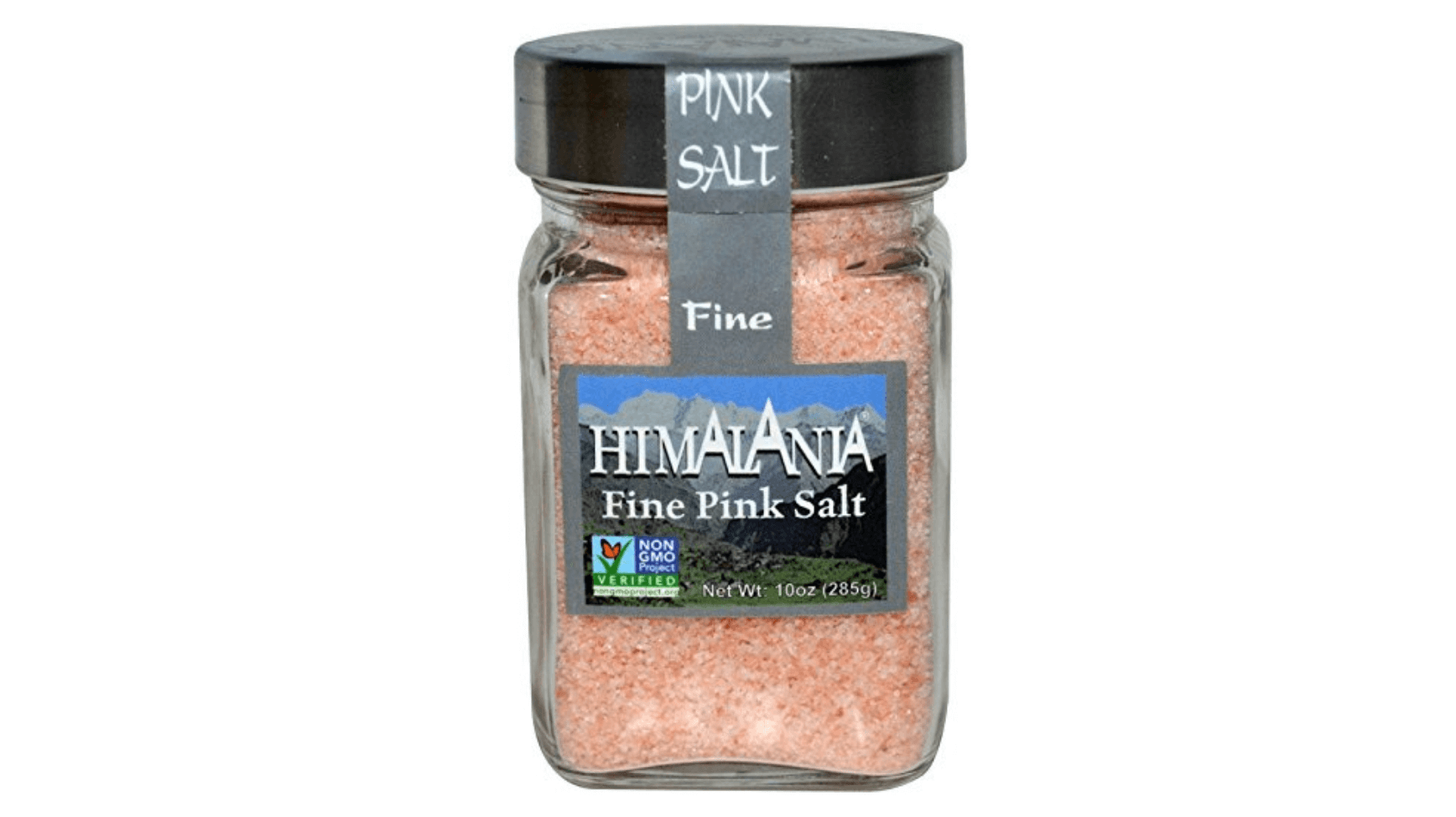
It would stand to reason that any Non-GMO Project certified item would have genetic material or proteins that could have potentially been modified. Yet there are several food and personal care products that contain no genetic material but proudly carry the butterfly seal. Consider HimalaSalt, which bills itself “the purest salt on earth.” Salt, a mineral essential for life’s functions and a common method for food preservation, contains no genes.

Items with no commercially available GMO counterpart

There are only 10 commercially available GE crops produced and sold in the U.S.:  field and sweet corn (not popcorn), soybeans, alfalfa, cotton, sugar beets, papaya, canola, squash, apples, and potatoes. And though derivatives of a few of these are present in a lot of packaged foods, a huge chunk of the project’s 43,623 verified products and counting have no “GMO” counterpart on store shelves. These include popcorn, quinoa, kale, chicken, tomatoes, grapes, rice, and latex condoms, among others. This practice is illegal in Canada where, as described in the Manitoba Co-operator, sellers can’t claim that a single or multi-ingredient food product is not made with genetic engineering if no GE alternative exists.

[Editor’s note: Click the link below to view the rest of the list]

Read full, original post: The 5 Most Laughable Non-GMO Project Verified Products

Gene therapy could be ‘ideal cure’ for hemophilia B

Hemophilia A
[L]ast year, [Jay] Konduros enrolled in a clinical trial, receiving an experimental gene therapy at Children’s Hospital of Philadelphia [to treat his dangerous blood disorder, hemophilia B]. Almost immediately, he began producing the missing clotting factor.

And its effects lasted; after a year and a half, the longest patient follow-up, the therapy was continuing to work. The results, published [December 6] online in the New England Journal of Medicine, represent “another example of the gene-therapy renaissance,” Matthew Porteus, a pediatrician at Stanford University, wrote in an accompanying editorial. He said the data suggests that the treatment ultimately might provide an “ideal cure” for hemophilia B.

Still, he noted, the study has some limitations. The follow-up period was relatively short, from 28 to 78 weeks in the new report; longer-term studies are needed to prove safety and effectiveness over extended periods. In addition, he said, researchers need to find ways to provide the therapy to a broader group of people, including children, and to figure out how to reduce the costs involved.

“People were planning their lives around hemophilia, and now they are doing activities that they weren’t before,” [researcher Lindsey] George said. “One man who came in a wheelchair is now out of a wheelchair and is coaching Little League.”

Read full, original post: Gene therapy makes a big advance treating hemophilia B blood disorder

Women in science: Geneticist Pamela Ronald, developer of GMO flood-resistant rice

pamronald
[T]he breakthrough that finally created rice seeds strong enough to stand up to blight and flood came when Pamela Ronald (b. 1961), a plant biologist and geneticist at UC Davis, combined the know-how of evolution with the rigor of molecular biology and genetics to solve at last a problem as old as written history.

A strain was discovered … in Egypt that could withstand up to two weeks of complete submersion. Teaming up with David Mackill, Ronald set out to discover precisely what part of this strain’s genome conveyed the extra resilience to flooding, and to use the techniques of genetic engineering to introduce that gene into the rice varieties grown throughout Asia, where it is the overwhelming food staple. Suffice to say, she and her lab succeeded, found the gene, characterized what it did, and as of 2014 over four million farms are enjoying the benefits of her remarkable work.

Ronald is a passionate advocate for greater education about what genetic engineering is and is not. Her book, Tomorrow’s Table (2007), co-written with her organic farming husband Raoul Adamchak, makes an elegant case for how [GE] techniques … can be used to create crops that are naturally resistant to all manner of traditional pests, dramatically lessening the need for toxic pesticides.

Read full, original post: Going With the Grain: Pamela Ronald… Plant Biologist, Geneticist And Rice Savior

Overcoming genetic risks with healthy lifestyle choices

c

It is often said in the context of lifestyle diseases that “genetics loads the gun, lifestyle pulls the trigger.” This means that an unhealthy lifestyle can easily trigger diabetes and heart disease among people who are genetically predisposed to them. Now a study has shown that even if one is genetically prone to diabetes or heart disease, one can reduce the risk with a healthy lifestyle.

The study has found that people who are genetically more prone to get diabetes and heart disease can reduce their risk with lifestyle modification – consumption of healthy food and physical activity.

Participants in the study conducted in Chennai – considered India’s diabetes capital – who followed a low-fat diet reported higher levels of good cholesterol or HDL despite carrying a gene shown to increase risk of diabetes in earlier studies. Researchers looked at two gene variants – MC4R and TCF7L2 – known to increase risk of metabolic disorders among study participants who were part of an ongoing study called Chennai Urban Rural Epidemiology Study (CURES).

“We examined if the association between MC4R and TCF7L2 genes, and cardio-metabolic traits is modified by dietary factors and physical activity,” explained Dr Vimal S Karani, a member of the research team. “We found that individuals who consumed a low-fat diet had higher levels of good cholesterol despite carrying the risky gene variant.

Read full, original post: Healthy lifestyle can even overcome genetic risk of heart disease: study

‘Roundup Facing the Judges’: Documentary promotes glyphosate conspiracy theories, pseudoscience

Screen Shot at PM

[Editor’s note: Øystein Heggdal is a Norwegian agronomist. He holds a bachelor’s degree in environmental science and natural resources. He is currently working as a journalist for a Norsk Landbruk, a Norwegian farming magazine.]

In November the state TV network of Norway (NRK) showed the French activist documentary “Roundup Facing The Judges”. This was done only hours after EUs decision to re-authorize the use of glyphosate for another five years in the union. I was invited on the show to debate the documentary, but since they didn’t give me two hours it would take to debunk it, here is a lengthy post for anyone who wants to dive into the muddy waters of European anti-glyphosate activism.

First of all, repeat after me “This was no trial!”.  In April of 2017 anti-GMO activists held a “Monsanto Tribunal” in The Hague.  It was a PR-stunt organized by the very same Marie-Monique Robin, who made the documentary, and the International Foundation for Organic Agriculture, an umbrella organization for various organic associations around the world.

This Tribunal had nothing to do with The International Court of Justice in The Hague, it has nothing to do with international law and international agreements. This was acting, staged drama and showmanship.

The fact is that 3300 peer-reviewed studies and every regulatory bodies in every country on the planet have concluded that glyphosate is one of the least impactful herbicides for human and animal health, or the environment. Of course, none of this was submitted to the Monsanto “Tribunal”.

Read full, original post: 10 Conspiracy Theories About RoundUp in a Single Documentary

Why some Amish are genetically wired to live longer

Amish Facts Dont Go For The Trim

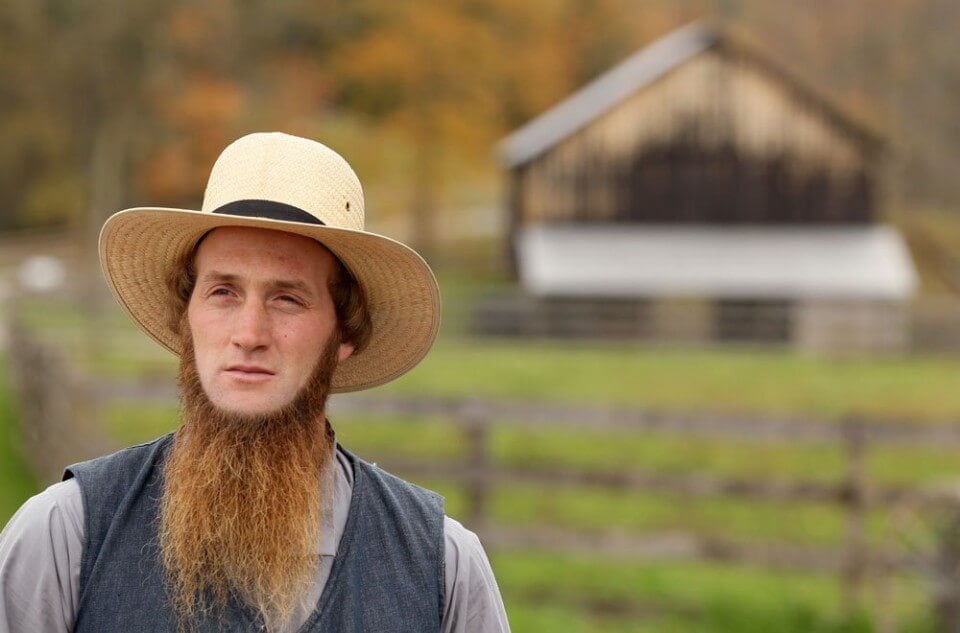
Although known mainly for their adherence to an older, simpler way of life, some Amish folks also have a genetic advantage with respect to longevity and the likelihood they’ll develop diabetes. Recent research has found that members of the Old Order of Amish who carry a single copy of a mutated gene (the SERPINE1 gene) not only have less diabetes, their chromosomes have longer telomeres which translates into longer lifespans.

The authors of the study, led by Dr. Douglas E. Vaughan from Northwestern University in Chicago, explained that a particular compound, plasminogen-activator inhibitor-1 (PAI-1) is a direct mediator of cellular senescence or aging.

The investigators determined the mean leucocyte (a white blood cell) telomere length (LTL) in the carriers. They found that, compared to Amish non-carriers, the carriers had significantly longer LTL. Further, analysis of lifespans of direct relatives of the mutation carriers indicated that their lifespans were 7 years longer than those of non-carriers.

The results of this study are important for us non-Amish folk too — not that we’re going to develop that particular mutation. These findings suggest another means of affecting the risk of diabetes and telomere shortening/lifespan. It may be possible to develop drugs that partially inhibit PAI-1, which in turn might prove beneficial.

Read full, original post: Some Amish Have A Genetic Advantage

Future of heart medicine: Stem cells to grow cardiac muscle and smaller medical implants

heart

If heart transplantation – 50 years after Christiaan Barnard carried out the first operation – has become routine, what exactly will medicine be capable of in the future? Will we one day be able to build, or even grow, replacement hearts, or will surgeons be able to use genetically modified animal hearts in their place?

New techniques are badly needed because the number of donor organs – about 200 per year in the UK – is dwarfed by demand. About 2,000 people under the age of 65 a year will die of heart failure without a transplant. One option researchers hope to develop is to use stem cells to grow new cardiac muscle.

An alternative to growing new hearts is to refine devices that can keep a patient alive until they can have a transplant. In recent years, the left ventricular assist device (LVAD) – an artificial pump that helps the left side of the heart do its job – has shrunk from a large external piece of kit to a tiny battery-operated device that can be implanted into the chest.

The key to the future is not likely to be any single technology, but a combination of all of them. But if the past 50 years have taught us anything at all, it is that things that seem impossible today will become the medicine of tomorrow.

Read full, original post: What will medicine be able to do with hearts?

Viewpoint: EU’s glyphosate herbicide fight reveals limits of Europe-wide governance

Glyphosate, the ubiquitous herbicide, may not really be poison, but it could well be the most politicized substance in Europe. In recent days, a glyphosate controversy has revealed much about the continent’s decision-making processes.

Most European countries don’t allow the cultivation of genetically-modified crops. But glyphosate, the effective weed killer produced by U.S.-based Monsanto specifically for those kinds of crops, just survived another round of approvals.

Which countries ban glyphosate and when depends most of all on the strength of farming lobbies. So far, glyphosate has been hard to replace: Other herbicides just aren’t as effective or as easy on the soil, and the best of the alternatives are more expensive to boot.

The current fudge — a cautious five-year extension with an easy loophole for unwilling member states — is a typical European compromise involving national political actors, big corporations, farmers, Brussels technocrats and the noisy but insufficiently empowered European Parliament. It’s a decision that pleases few people but checks a box and makes an issue go away for a while. In the end, it’s up to market players such as Bayer, Monsanto and their competitors to develop a suitable replacement for glyphosate. They should hurry up: Five years isn’t a long time, and the debate won’t be any less fraught next time around.

Read full, original post: Why Europe Is Literally Stuck in the Weeds

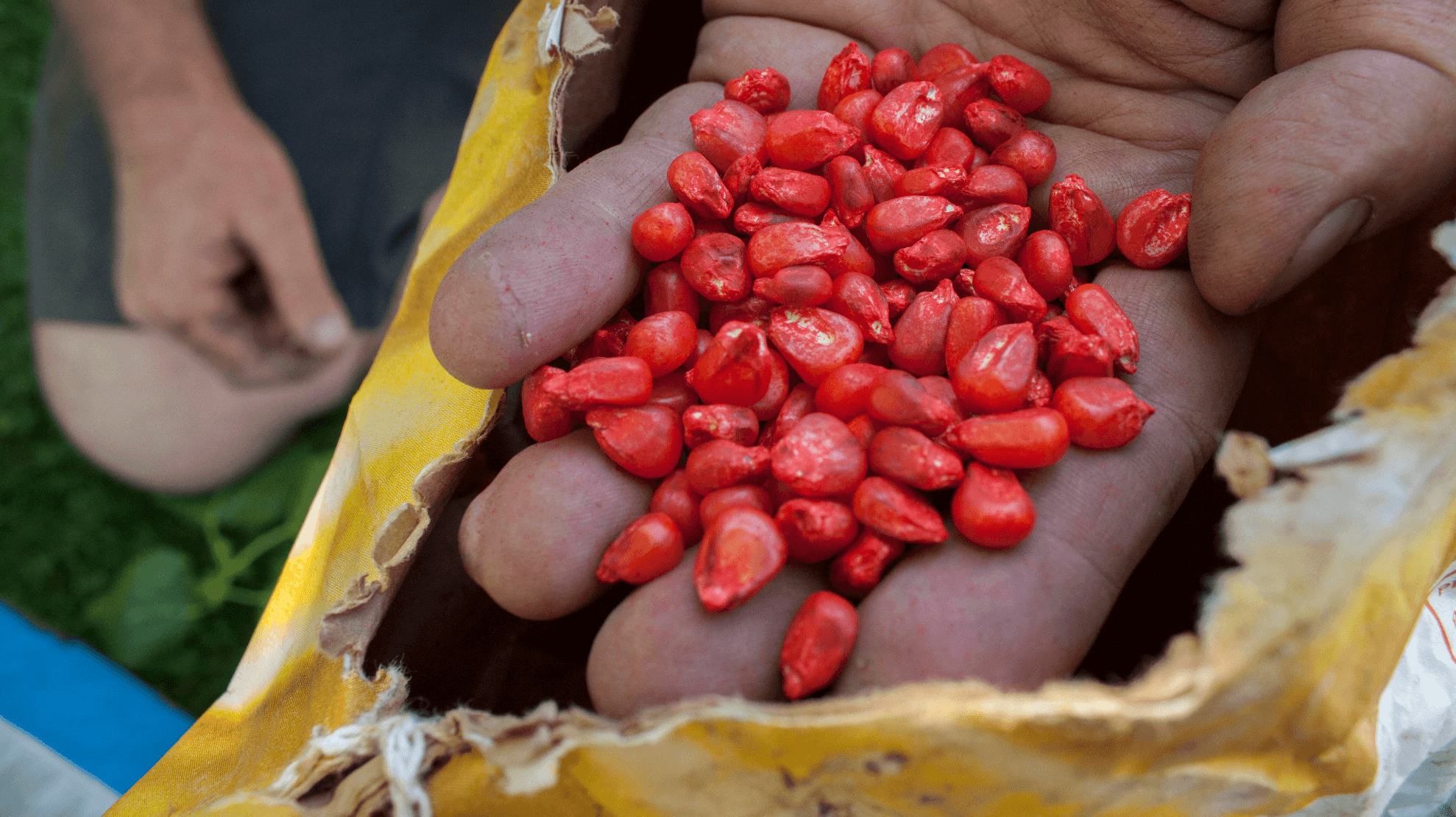
Neonicotinoid seed treatments ‘best option’ for soil pests, but should be used judiciously, study says

Screen Shot at AM

The topic of neonicotinoid seed treatments (NSTs) continues to keep researchers searching for answers.

A study from the University of Maryland’s Department of Entomology concludes that NSTs play an important role in grain crop production and can be a useful tool for insect pest management, but using when pest pressure is low may not increase yield relative to seeds not treated with insecticides.

“When pest pressure is high, NSTs provide a convenient and economical way to protect crops. However, our work demonstrates that the use of NSTs may not always be economically beneficial in the mid-Atlantic region. Producers can make the best use of NSTs where they regularly have high early season insect pest pressure,” the researchers wrote.

The three-year study looked at Cruiser (thiamethoxam) and Gaucho (imidacloprid) in a three-year grain crop rotation of full-season soybean, winter wheat, double-crop soybean and corn.

Additional research is under way to study insect pressure and response to seed treatments. “Seed treatments do an excellent job and are our best option for soil pests. We need them to work when there is pressure,” said Kelly Hamby, University of Maryland extension specialist. “Using them so widely likely increases the risk of insecticide resistance developing, in addition to other non-target impacts.”

Read the study here: http://bit.ly/2naHgmf

Read full, original article: Crop Tech Corner

Building and coding your own video games with jellyfish DNA

a a faa c e fd c fc bc original
[Engineer Helene Steiner] has developed a bio-pixel display that can play games such as Tetris, Snake or Pong using the protein that makes jellyfish glow

Bixel is a simple self-assembly kit that allows users to build and code their own games powered by DNA. It consists of an 8×8 pixel display, programmed using jellyfish DNA to express Green Fluorescent Protein (GFP) – the material that makes jellyfish glow. The display can be manipulated with a smartphone app to activate the fluorescent colours, create messages and play simple games. The team behind it say that it is the world’s first visual display for interacting with biological circuits. Cell-Free Technology were able to create Bixel after developing an innovative new technique that allows them to break open cells at large scale and extract their inner workings. It is safe, inexpensive, and does not involve the use of genetically modified organisms.

Helene explained: “Our mission is to make biotechnology and synthetic biology more accessible to the public. Biotechnology is going to play an increasingly important role in our lives, and it’s crucial that the public understand it so that they can contribute meaningfully to debate about how it is used in the future. Interacting with biotechnology in this way is safe, exciting and inspirational and helps start this conversation.”

Read full, original post: Bio-computer powered by jellyfish DNA plays Tetris and other retro videogames

Gene drives: Nature editorial board calls out green groups for ‘unfair attempt to create damaging and polarizing spin’

CRISPR opener
[A]lthough it might not always be obvious, both critics and advocates of the technique — called a gene drive — tend to agree on many things. The science is emerging, but potentially powerful. It could offer great benefit, but it could also do much harm. It should be used with care, and only after a thorough examination of the risks. As the rhetoric heats up, both sides should remember this common ground.

The meeting is of a group of experts who advise the United Nations Convention on Biological Diversity (CBD), which last year rejected calls for an international moratorium on gene-drive research. Such calls are likely to be repeated, and those who want a freeze on the science this week claimed a major coup. More than 1,000 e-mails sent and received by US scientists working on the technology were obtained under freedom-of-information laws and released to the media. And sent with them were claims that gene-drive researchers and funders were working with a public-relations company to unduly influence how the UN biodiversity treaty tackles the technology.

This is an unfair attempt to create damaging and polarizing spin. The e-mails reveal mostly mundane discussion about research and meetings. Where they discuss the UN process, they explain how scientists can share their expertise on the technology and its potential impacts.

Read full, original post: Gene-drive technology needs thorough scrutiny

CRISPR gene-editing technology expected to accelerate crop development

Screen Shot at AM

Genetically modified crops are continuing to spread across the world’s agricultural land. Last year they covered a record 185m hectares, 3 percent up on 2015.

In the future, gene editing technology, particularly the technique called Crispr, is expected to accelerate the introduction of new crops. This involves making very precise changes to the DNA already present in the plant, unlike conventional GM technology which introduces new genes. As a consequence, the agricultural biotechnology industry hopes it will be subject to lighter regulation, particularly in Europe.

To demonstrate the power of Crispr in plant breeding, scientists at Cold Spring Harbor Laboratory in the US recently edited the tomato genome in three different ways to make three distinct changes in the way the plant grows: its fruit size, branching pattern and overall shape.

“What we demonstrated with each of the traits was the ability to use Crispr to generate new genetic and trait variation that breeders can use to tailor a plant to suit conditions,” says Zachary Lippman, project leader. “Each trait can now be controlled in the way a dimmer switch controls a lightbulb.”

Read full, original post: GM crops take the line of least resistance in their global spread

Why all identical twins who are overweight are not identically obese

Screen Shot at AM

Identical twins share a lot of things: Genetic code, physical traits (obviously, since they are defined by genetics), taste in fashion, and so on. Though stories circulate in the popular media about how identical twins can read each others thoughts, make similar career and relationship choices, etc., the scientific data are scarce and, in fact, largely don’t support the conjecture. On the idea of ‘twin telepathy,’ famous magician and skeptic James Randi has spent a lot of time debunking psychics and telepathics, and has shown how when people are very suggestible, they latch on to the instances where psychics seem to be correct (the ‘hits’), and forget the ‘misses,’ which are all the other times when the guesses are incorrect. It’s fun to think that there’s a ‘spooky connection’ (as Einstein would have called it) between twins, but the reality is much more prosaic and tends to be more wishful thinking than anything else.

One of the things that isn’t shared between identical twins is obesity; one twin of an identical pair may be considerably more obese than another. If genetics guide our eating behavior, food preferences, and metabolism, why wouldn’t twins categorically have similar body weights?

One of the main mechanisms for identical twins not having identical weights appears to be differences in the switching on and off of genes. While genetics are never necessarily a destiny, they do give a good indication of milestones along one’s life journey. There are two parts that are not predetermined: How we choose to live with our genes, and epigenetic effects. Interestingly, researchers have identified a potential causal link in the regulation of weight—a protein called Trim28. This protein appears to regulate epigenetic changes which lead to leanness or obesity. Epigenetic changes are physical changes to the the DNA which do not change the sequence of the gene, but change the activity of the gene (for example turn it off or on). Identical twins who have mutations in Trim28 where one produces nominal Trim28 levels and the other has a deficit in Trim28 levels are associated with striking differences in body weight and body mass composition. Trim28 appears be responsible for the epigenetic control of genes NNAT, PEG3, CDKN1C, and PLAGL1. These four genes have all be found to be involved with growth and body weight.

The discovery of this protein, and the effects it seems to exert, may be an indication of some amazing evolutionary adaptations just below the surface. Imagine the ‘typical’ paradigm of natural selection where, given a pair of competing organisms, substantive environmental changes or pressures may select for the survival of one over the other.

twins 12/7/17-2The more we learn about different aspects of epigenetics, the more it seems that epigenetic switching could allow organisms to thrive in different ways under different environmental circumstances. The ability for one format of genetic code (genotype) to lead to different physical characteristics (phenotypes) in the organism is called polyphenism. Researchers looking into Trim28, and other metabolic epigenetic modifiers, believe that this is exactly what is being seen. By extension, this means that each of us may have looked substantially different given different epigenetic antecedents. J. Andrew Pospisilik of the Max Planck Institute of Immunobiology and Epigenetics notes:

A switch-like mechanism to produce individuals with different traits without changing DNA provides a selective advantage at the population level… Polyphenism allows an emergency or plan B version that gets the species through transient selective pressures.

It could be the ultimate form of trial-and-error to enhance survival under different circumstances. Imagine each member of a twin set (with identical DNA) presenting different characteristics to the world; over time, certain successful adaptations would tend to be conserved for future generations. Additionally, the striking differences in body morphology between identical twins whose ‘only’ difference is epigenetic opens the door for future groundbreaking discoveries about how immense the effects of epigenetics actually are, particularly given how they have been under appreciated for so long.

So does the choice of an individual to behave in certain ways change their levels of Trim28 expression? This is still unknown. The normal levels of ‘endogenous’ Trim28 that one has seems to influence the epigenetic effects but whether the production of Trim28 is plastic in response to normal changes in living behavior hasn’t been rigorously studied yet.

Ben Locwin is a behavioral neuroscientist and astrophysicist with a masters in business, and a researcher on the genetics of human disease. BIO. Follow him on Twitter @BenLocwin.

‘Big Ag’ may resonate with activists, but what does it really mean?

farm

When opponents to the first wave of genetically modified crops and foods started objecting, one major focus was on the corporations behind innovations like Bt corn or Roundup Ready soybeans.

A term that was (and is) often bandied about is “Big Ag.” It’s become an all-encompassing term to describe a world in which all farms are owned by major corporations, which also control the nation’s (if not the world’s) supply of seeds, plants, food, machinery and land. However, it is not entirely clear that this world actually exists.

On one hand, GMO-opposition groups like Greenpeace point to “Big Ag” as the consolidation of farming into corporations that, among other things, are forcing transgenic and other modified foods upon us:

Industrial ag is a system with an expiration date. It’s only a few decades old but just start adding up the environmental costs we are incurring by his broken system. More and more polluted waterways, clear-cut forests, inhumane treatment of livestock and megatons of greenhouse gases. It’s quite simply unsustainable. Thousands of workers in this industrial farming system see what’s going on. They are on the frontline witnessing the havoc caused by this system run amok. Field workers are forced to spray unnecessary toxic chemicals on their crops. Giant corporations sue small farms when patented GMO seeds accidentally blow into their fields.

On the other hand, some groups, like this one, call themselves “Big Ag,” and pass information (and advertising of equipment) that’s designed for large-scale farming:

The term Big Ag means different things to different people. The Big Ag catalog… is delivered only to large-acre producers and features larger equipment and products necessary to run commercial operations.

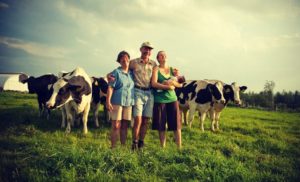
The USDA says 97 percent of farms in the U.S. are family owned. And the average size of a U.S. farm is less than a thousand acres. So, where are we? Is there a Big Ag out there?

Farming—and all the economic activity around it—started growing long before we knew what DNA looked like. Since 1900, and especially since the end of World War II, agricultural has been transformed on nearly every level, according to the USDA:

  • In 1900, 41 percent of the country’s workforce was in agriculture. By 2002, it was 1.9 percent.
  • At the same time, the average farm size has risen from about 150 acres to more than 500 acres, and the number of farms has dropped, from about 6,500 to about 2,000.
  • Farms became more specialized, raising one or two commodities today, compared to raising about five per farm in 1900.
  • The amount of land farmed has not changed much, indicating an increase in production and market efficiency and reduced risk of depending on just one or two crops.
big ag 12/7/17-2A number of things brought this about:

First, technological changes made these efficiencies possible. Mechanization was one, as the number of tractors, for example, jumped from less than a million in 1930 to just shy of five million in 1960.

Second (and perhaps most important), there was the Green Revolution. Most often attributed to the work of Nobel Laureate Norman Borlaug, who worked improving corn harvests in Mexico and other improvements in the Philippines and Pakistan. This movement started in the mid-20th century and introduced greater crop yields through the use of chemical fertilizers and pesticides, as well as more advanced crop breeding techniques.

Third, price stability made farming less risky. As any farmer knows, there’s no such thing as risk-free farming, but farm prices went through roller-coaster highs and lows in the 1920’s and 1930’s. New Deal reforms starting in the 1930’s helped control prices by controlling farming outputs, including subsidies to reduce planting.

So, by the end of World War II, things were ripe for growing and thus productivity grew by 40 percent from 1950 to 1970.

And this is where the corporate part of “Big Ag” starts to appear. Some writers like Tom Philpott of Mother Jones and other activists look at the “corporatization” of farming as starting with a now-obscure Agricultural Secretary—with the unfortunate name of Butz. Earl Butz served Presidents Nixon and Ford as Agricultural secretary, and he’s famous for saying “get big or get out,” farming “fencerow to fencerow”, and otherwise getting farmers to become as large-scale as possible (he’s also known for saying some other things, but you can just Google those).

But consolidation of farms and farming services, as we’ve seen, started long before Earl Butz raised his right hand to take the oath of office. Farmers started planting more because they could make more money, and they needed help from bigger suppliers. So, today, we see a handful of major corporations that supply the inputs and outputs for farms: Monsanto, Syngenta, Dow AgroSciences, DuPont, Bayer, and BASF top the list, which also include a few newer companies from Eastern Europe and South America.

For farmers, while 97 percent of farms are small, family run operations, the economic value from all our farms come from a very small percentage of larger operations. This is also a result of farming consolidation and concentration on one or two crops we see today. And these operations can’t rely on a dozen small seed companies or six tractor manufacturers.

These waves of consolidation have good and bad sites. As Gary Truitt recently wrote in Hoosier Ag Today:

Farmers are demanding more integration between their seed, chemical, mechanical, and big data products. Companies who can do this will have a competitive advantage.Farmers will need to have a pipeline of innovation going forward to meet the demands of the world food market and of the changing environment. Only having a few big players can provide this innovation, yet it can also lead to the stifling of invasion.

As anti-GMO groups like Cornucopia Institute have pointed out, there isn’t just a Big Ag now, there’s also a “Big Organic,” as that industry has consolidated, too. Big farms can be organic, just as much as small ones. One ironic side effect of the consolidation of agriculture, whether it be GM, conventional, organic, is that the labor savings from the past 60 years have given us the time to argue about it.

Andrew Porterfield is a writer and editor, and has worked with numerous academic institutions, companies and non-profits in the life sciences. BIO. Follow him on Twitter @AMPorterfield.



Skin color and ‘race’: Genetics reveal complicated relationship

e

For much of recorded history, skin color has been loaded with powerful social meaning. Skin color plays a major part in how we define race. It also plays a significant role in racism. New studies of the genetics of skin color, though, have begun to shed light on how wrong those assumptions about the relationship between race and skin color really are.

In a new study of indigenous southern African people published … in the journal Cell, researchers … report that the number of genes involved in skin pigmentation increase in number—and therefore also complexity—the closer they reside to the equator.

[C]olor lines are, in essence, meaningless. Our skin color is the result of many, many different genes which work together in different combinations to produce different colors of skin. Many of those genes are shared across racial, cultural, and geographic boundaries.

These new studies of skin color also suggest a second theme: In genetics, the vast majority of data has been gathered from Northern Eurasian populations, and that in turn has created a biased and incomplete portrait of how the genetics of things like skin color really work.

[Editor’s note: Read full study (behind paywall)]

Read full, original post: How the Genetics of Skin Color Challenges Antiquated Ideas About Race

Anti-GMO group March Against Monsanto promotes, profits from anti-vaccine ads

Screen Shot at AM

Visit the March Against Monsanto website and you’ll see a strange ad peppering the pages, among the usual dubious stories about the evils of Monsanto, GMOs, pesticides and so on. It’s an advert for a “docu-series” called Vaccines Revealed, claiming that it is “Exposing the biggest public health experiment… ever!”.

Screen Shot at AM

Click through and you’ll be confronted with typical anti-vaccine conspiracist propaganda, alleging sinister corporate “experiments,” huge damage done to so-called “vaccine injured” people, and entreaties not to go around “blindly jabbing lab made cocktails into our bodies.” This ad is no accident — March Against Monsanto now carries explicitly anti-vaccine stories on its site.

What struck me about Vaccines Revealed in particular was the list of so-called experts featured in the documentary. Here, sandwiched between lead anti-vaxxers Robert F. Kennedy Jr. and Andrew Wakefield (of MMR-autism infamy), is Stephanie Seneff, listed as a Senior Research Scientist, MIT. )

Screen Shot at

Seneff is notorious for promoting a bogus graph purporting to link glyphosate applied to corn and soy (and thus the real bogeyman, GMOs) with a rise in autism diagnoses. This graph has become a classic of correlation-causation confusion, and has been satirized by similar graphs showing an equally good correlation between the rise in organic food sales — and Jim Carey movies — and autism.

The most influential anti-GMO group in the US, the Organic Consumers Association (OCA), has also been directly involved in anti-vaccine campaigning.

[Editor’s note: Read the GLP’s article “Anti-vax Organic Consumers Association, linked to measles outbreak, has deep ties to anti-GMO conspiracist USRTK“]

According to the Genetic Literacy Project, Mercola.com has pumped hundreds of thousands of dollars into the OCA, and also America’s leading anti-vaccine group, the National Vaccine Information Center.

Read full, original post: Are the anti-GMO and anti-vaccine movements merging?

Fighting poverty with GMOs: Filipino farmers turn to insect-resistant Bt corn to boost yields, income

Screen Shot at PM

Agricultural choices don’t just affect food availability. They also have significant economic and social ramifications. A case in point is the Camotes Islands in the Philippines, where I am a corn farmer and community development worker with the Parakletos Project.

Nearly 73 percent of Camotes’ land mass of 53,318 acres is in agriculture. Yet because the farmers are using outmoded agriculural practices, it must import large quanitities of corn, which is ground into grits, the staple food of its 102,996 inhabitants.

Using their traditional methods farmers could produce only 8,480 metric tonnes (MT) per year of corn grits from an average yield of 600 kilograms of corn per hectare, even if they cultivated all the available agricultural area in Camotes.

On the other hand, adopting modern agricultural practices could dramatically reverse the economic climate of the island. Corn is the most adaptable crop that can be produced in the island. Camotes has the capacity to produce 169,650 MT of corn grain per year if farmers used currently available technology.  In other words, the farmers could feed themselves and generate 150,650 MT of corn for sale elsewhere, generating Php 1.8 billion or USD$36 million.

The shift to modern agricultural technology could generate an incredibly positive impact to the economy of the island. It would also reduce food costs and improve food security and the overall quality of life for households in the island. I have seen this myself in my own fields, where pest-resistant Bt (GMO) corn has given me yields 10 times the average.

Read full, original post: Modern agriculture key to reducing poverty

Could humans learn to love sex robots?

robot

Kate Devlin says she does, occasionally, get a little weary of being pigeonholed as “that sex robot woman.”

“There’s something so intrinsically human about sex, and it’s something that maps quite nicely onto AI,” Devlin told me in a recent Skype conversation from her London office. “In artificial intelligence, there’s this drive toward some kind of goal or behavior. That’s sort of like humans with their biological need to reproduce and spread our DNA.”

[S]ex robots evolved from traditional humanoid sex dolls. The result is an abundance of hypersexual humanoids, or ones that are just plain painful to imagine putting your genitals anywhere near. We need to bring it back toward the tech, Devlin said, where there’s more abstraction, personalization, and accessibility for all.

Sure, we could bone our personalized sexborgs of the future, but could we ever truly love them? Depends on how far into the future you’re willing to look, Devlin told me. “It might not be the same as the way we feel about other humans, but I certainly don’t think that love is something that has to be reciprocated,” she said. “People love people all the time and don’t necessarily have it returned to them.” If we’re able to feel affection for inanimate objects or even friends we met over the internet, why not a bot that hits the right spot?

Read full, original post: The Computer Scientist Dreaming Of a Better Sex Robot