Magic and morality: Why some consumers are afraid of GMOs

gmo png
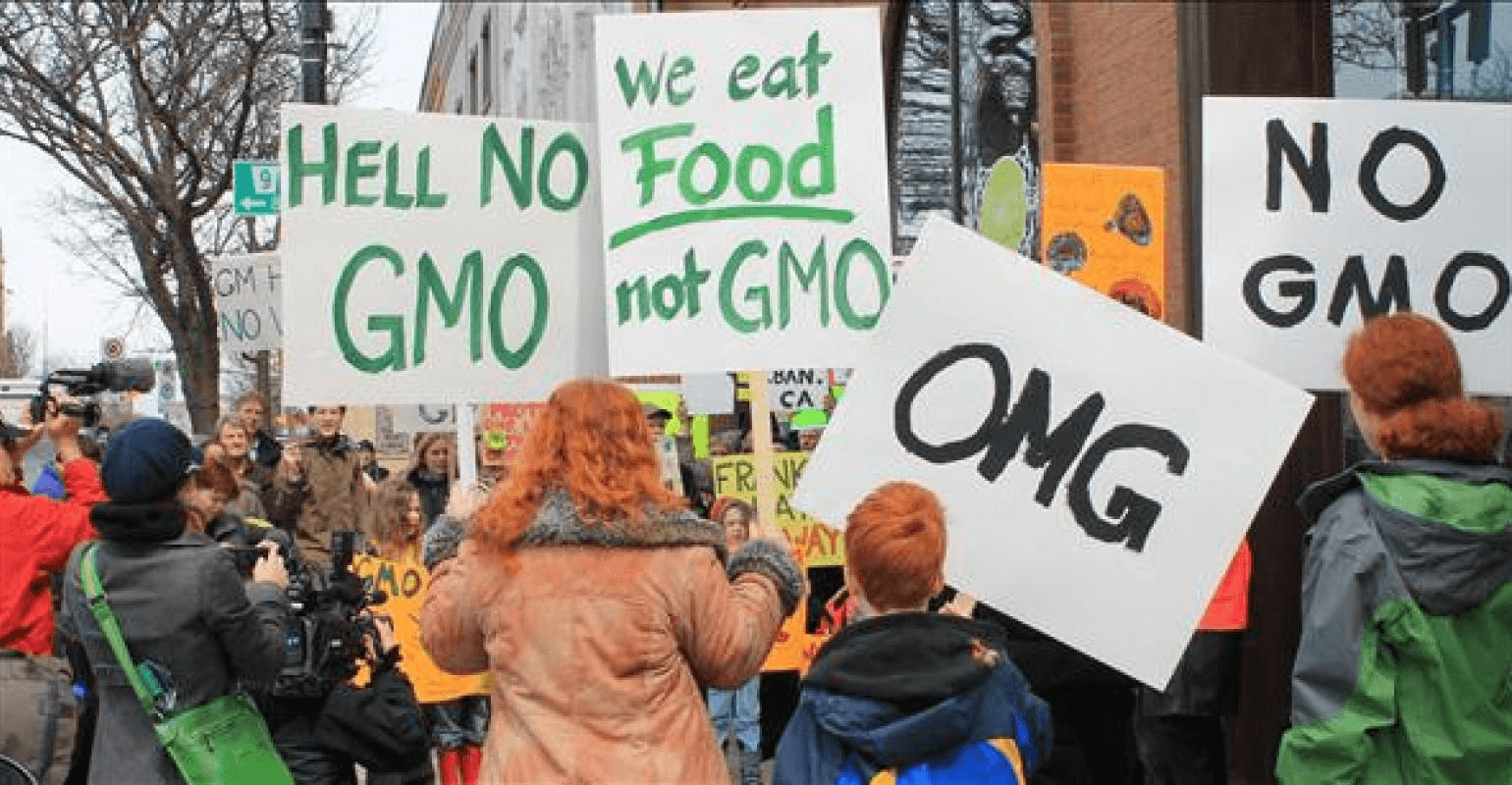
In the eyes of Susan Schenck, GMOs are pretty much the worst thing going in food. As the author of two nutrition books, including “The Live Food Factor: The Comprehensive Guide to the Ultimate Diet for Body, Mind, Spirit & Planet,” she’s no stranger to the subject.

In fact, some of her key life choices have been shaped by her desire to avoid them.

“Though I am American, I moved to Ecuador years ago and a major reason was that GMOs are unconstitutional in Ecuador,’ she said. And in what might be viewed as hyperbole in the face of overwhelming scientific support for GMOs, she calls them “nothing short of genocide.”

Clearly, Schenck is not alone in this world, representing one side of a polarized debate over GMOs. Indeed, there are few people “on the fence” when it comes to the global argument over whether or not we should be growing and eating genetically engineered (GE) plants and animals.

But she also represents one of the larger challenges facing wider GMO acceptance: Simply put, people without strong science backgrounds are more likely to be suspicious of bioengineered foods.

That was a key finding in a recent report, “An Overview of Attitudes Toward Genetically Engineered Food” published in the 2018 Annual Review of Nutrition by a team led by Sydney E. Scott of Washington University in St. Louis. According to the team:

Laypeople tend to see genetically engineered food as dangerous and offering few benefits.

In addition to a lack of trust in “the institutions handling genetic engineering technology and providing information, such as industry, government regulatory bodies, and scientific institutions,” persistent anti-GMO attitudes are supported by deeply-rooted conceptions of the world that are often impossible to counter with reason and knowledge-sharing alone, the team said.

Whether someone is anti-GMO or pro-GMO has little to do with intelligence or the amount of knowledge collected about the topic. Anti-GMO attitudes also span the spectrum of political affiliation, education level, class standing and religious or spiritual practice. One person can be on the far right and another on the far left, and both can despise and fear GMOs equally. This is usually not the case with other topics debated in the public sphere, such as climate change, abortion, immigration and gay marriage.
gmo 11 15 18 2

A Brief Overview of GMOs

The National Academies of Sciences, Engineering, and Medicine define genetic engineering as the “process by which humans introduce or change DNA, RNA, or proteins in an organism to express a new trait or change the expression of an existing trait.” Genetic engineering was developed in the 1970s and genetically modified products were not introduced for consumer purchase until 1994, when the Flavr Savr tomato — engineered to have a longer shelf life — was brought to market. Just three years later, after initial commercial success, production of the Flavr Savr tomato was halted.

Now, over two decades since the GE tomato’s demise, GMOs are prevalent in the United States, representing more than 90 percent of soybeans and corn — two ingredients in countless foods and drinks — acreage.  Other crops for human consumption include canola, apples, potatoes, eggplant, squash, papaya and sugar beets.

GMO crops are not as widespread globally as they are in the US, with only about 12 percent of global cropland currently designated for genetically engineered crops. Most GE crops are grown in the United States, Brazil, Argentina, Canada, and India, though at least “75 countries import, grow and/or research GMOs,” according to the Council for Biotechnology Information.

GMO crops are genetically modified to have such features as:

  • Herbicide tolerance, which means the crops are able to degrade the active ingredients in herbicides, so that the herbicides kill weeds but do not harm the plants themselves; and/or
  • Insect resistance, so that the plants are toxic to specific insects that try to eat them, protecting against loss of crops and allowing for crops to require less pesticides; and/or
  • Drought resistance, meaning the crops require less water to survive — an important feature in areas with seasonal loss of water or in places affected by climate change.

Additionally, apples and potatoes are two examples of organisms that are modified to avoid browning and bruising — features that help to reduce spoilage and food waste.

Organic produce, “perceived to occupy the contrasting pole of the naturalness continuum” in opposition to “highly unnatural” GMOs, has gained a foothold in the market. Organic sales worldwide amounted to $90 billion in 2016, up from $15.2 billion in 1999.

Follow the latest news and policy debates on sustainable agriculture, biomedicine, and other ‘disruptive’ innovations. Subscribe to our newsletter.

Nature Corrupted

Stacy Caprio, a marketer in Chicago, readily admits that she’s unsure how genetic modification actually works when it comes to creating fruits and vegetables. Yet the process she envisions is something that’s convinced her to avoid GMOs whenever possible:

When I imagine the GMO process, I think of fruit DNA being torn apart and combined in a way that messes up the natural cell structure, making it harder and less beneficial for our body to process once eaten.

Underlying conceptions of the world clearly fuel wariness or fear of GMOs and the technology of genetic engineering itself. One of these conceptions is the idea that any intervention or “processing” of a natural entity reduces its naturalness, which in turn is thought to have harmful downstream consequences. “This is consistent with the sympathetic magical law of contagion,” Scott et al. wrote, where even minimal contact with a negative entity — like a scientist or piece of foreign DNA — “pollutes or contaminates the natural entity and renders it unacceptable or even immoral to consume.”

franken 11 15 18

The law of contagion is one of three laws of sympathetic magic described in anthropological work conducted near the start of the 20th century. These laws, according to Paul Rozin et al., “were presented as general beliefs (not necessarily explicit) that underlie diverse magical practice and rituals in traditional cultures.” Scott and her fellow researchers noted that the laws of sympathetic magic can still be “found to underlie the intuitions of educated adults in developed countries.” Indeed, “laypeople often seem to think of genetic engineering as transferring essences from the donor organism to the host,” thus corrupting the essence of the host, and corrupting anything or anyone that comes in contact with it.

Of the 64 percent of Americans who oppose genetic engineering, 71 percent are moral absolutists. When it comes to the topic of GMOs, moral absolutists hold that genetic engineering should never be practiced, regardless of the benefits and minor risks associated with it. Violating the values of the moral absolutist, in word or action, often “evokes strong negative emotions, including anger, contempt, and disgust.”

The National Academies of Sciences, Engineering, and Medicine (NASEM) released a consensus in 2016 detailing how they failed to find “persuasive evidence of adverse health effects directly attributable to consumption of GE foods,” and no examples of adverse effects on wild species. Though the expert team responsible for NASEM’s consensus worked pro bono and analyzed over 1,000 research articles and over 700 public statements, the majority of anti-GMO Americans would likely dismiss the evidence outright.

Consider the response of Schenck, the nutrition author: She dismisses the work by suggesting that many of the experts on the National Academies committee “are indirectly funded by the corporation — Monsanto-Bayer.”

As for Scott and her team — they think that undermining the conception that genetic engineering is unnatural may be able to shift attitudes, or at least help those with hardline stances to consider the evidence. This idea, however, has not yet been directly tested.

Kristen Hovet covers genetics, medical innovations, and the intersection of sociology and culture. Follow her on her website or Twitter @kristenhovet

Controlling harmful soil microbes may be key to protecting biodiversity

ag diversity

An international team led by researchers at The University of Manchester have discovered why some plants “live fast and die young” whilst others have long and healthy lives.

The study, published in Science Advances, also helps us understand how plant diversity is maintained. This, in turn, could help improve nature conservation, natural habitat restoration and growing healthier crops.

It seems the answer is hidden beneath our feet in the complex relationships between soil microbes and plant roots. Scientists have long suspected that the key to explaining plant diversity lay with their enemies, including harmful fungi found in the soil.

By using new molecular techniques and existing knowledge on what different fungi do in soil, the researchers found that some plants harbored dozens of different harmful fungi in their roots, while others kept harmful microbes at bay and attracted many beneficial fungi that boost plant health.

Lead author, Dr Marina Semchenko, from the University’s School of Earth and Environmental Sciences (SEES) said: “When walking through a flower-rich meadow, you might wonder why so many different plants grow together and no single plant dominates. We found that plant growth is strongly controlled by how many different harmful and beneficial fungi are attracted to plant roots.”

Read full, original article: Why do some plants live fast and die young?

Viewpoint: What FDA’s Scott Gottlieb is missing in the gene-edited baby debate

gene

I am a huge fan of FDA Commissioner Scott Gottlieb.

But in his comments on the news that gene edited embryos in China had led to live births, I think he has it wrong.

Where I disagree with him most strongly is another quote: “The response from the scientific community has been far too slow and far too tepid, and the credibility of the community to self-police has already been damaged.”

This confuses what scientific “governance” and “self-policing” mean, in contrast to what government “governance” and “self-policing” mean.

As soon as the facts have come to light, we have seen Dr. He Jiankui attacked (albeit with a minority of defenders) by his peers as unethical, his work scrutinized, his affiliations rescinded. This is what scientific governance and self-policing looks like. There is no real “science police” — the scientific community does not have the coercive power of the state to put people in shackles and cart them off.

I fail to see how the “scientific community,” as some large brooding omnipresence, could have done more to deter what looks like a rogue actor, working off the grid and out of the mainstream, shrouded in secrecy.

…He’s experiments are troubling, but they suggest a disregard for violating an established regulatory structure, not a complicit scientific community.

Read full, original post: How Scott Gottlieb is Wrong on the Gene Edited Baby Debacle

GMO crops may be necessary to counter impacts of climate change, study shows

New research suggests that the type of yield gains made possible by genetic engineering (GE) will be needed to offset climate change impacts on agriculture.

The researchers said their study, published [November 29] in Environmental Research Letters, has “important implications for regions lagging in the adoption of new technologies which could help offset the detrimental effects of climate change.”

The study reviewed production data from 500 counties in eight Midwestern states …. Using climate change models, the researchers then calculated county-level climate change impacts on yields in percentage terms.

They found that maize yield trends increased by almost 70 percent around the period of rapid adoption of GE seeds. [But] “…. benefits can vary substantially across alternative growing conditions associated with local biotic and abiotic factors and interactions thereof.”

Though agricultural productivity in Africa and Asia is predicted to be heavily impacted by climate change, political leaders in those regions have been slow to adopt GE technology ….

[N]ations may not have the luxury of avoiding new technology if they want to ensure food security in a warming world …. “Our results suggest that US maize yields could stagnate under a business-as-usual scenario even with bold assumptions about the sustained growth in crop yields. This has serious implications for other crops and countries …. where technology adoption lags and the use of GE crops are prohibited,” [the researchers wrote].

Read full, original article: Study: GMO crops could help offset climate change impacts

Inside the quest to solve mystery disease paralyzing kids

acute flaccid myelitis orville young

To parents and the press, the “new” disease that is paralyzing kids is a mystery. Media coverage of acute flaccid myelitis (AFM), which causes sudden limb weakness and paralysis in children, has given families the impression that health care providers and public health officials are sitting quietly and helplessly.

That just isn’t so.

Parents have a right to be concerned about this illness. But they should also know that AFM is rare, a one-in-a-million event. It does not spread within families, hospitals, or towns. Although a virus called enterovirus D68, along with other viruses that cause respiratory and diarrheal illness, has been linked to the disease, a single definitive cause hasn’t yet been identified. This isn’t because we aren’t looking: Physicians, scientists, and public health officials are working tirelessly to find answers and the best treatments.

At Children’s National Health System in Washington, D.C., where we work, specialized programs have long been in place to combat emerging infections and neuroinflammatory disorders. Both of these are relevant to acute flaccid myelitis due to its association with viruses and the nerve inflammation it causes. Thanks to our program and similar programs in place at other pediatric medical centers, evidence-based, standardized clinical pathways now guide the evaluation and treatment of every child suspected to have acute flaccid myelitis.

Read full, original postA dispatch from the front lines of a ‘mystery’ disease: acute flaccid myelitis

Podcast: Countering the ‘culture of alarmism’ surrounding modern farming

foodfear

The culture of alarmism is an unending and relentless drumbeat that everything sold in the grocery store, every piece of food out there is going to kill you or harm your family and a lot of it is tied to a lack of understanding of the modern food system.

As farmers, we try to produce safe food and we want our end users to know this. [W]ho is influencing this alarmism culture? Social media and Activists – they say scary things and the media wants to report on it. Scary sells headlines. [Julie Gunlock’s] advice to all farmers is – Don’t give up, get social and engage with people about farming.

Julie Gunlock is director of Independent Women’s Forum’s center for progress and innovation. She is the author of the book From Cupcakes to Chemicals: How the Culture of Alarmism Makes Us Afraid of Everything and How to Fight Back.

Original podcast: Impact Farming Show – Julie Gunlock – Modern Agriculture in the culture of alarmism

This mom and gardener doesn’t fear glyphosate—and says we shouldn’t either

bee and butterfly

One of the perpetual battles I’m fighting these days is countering the misinformation about pesticides that gardeners like me responsibly use in our yards.

The largest front in this battle, however, is online, in gardening groups and with news stories. The recent spate of headlines about the California jury ruling against Monsanto, and the agenda-driven report from the EWG on glyphosate (AKA Roundup) in cereals, are prominent examples of misinformation about science gaining popular cultural traction.  ….

[Editor’s note: Amber Boas is a Medium Contributor and home gardener in Florida.]

One key element I always look for is scientific consensus. This starts when many studies on a topic are published in peer-reviewed journals …. Virtually all scientific regulatory agencies around the world who have looked at the safety of glyphosate have said the same thing: glyphosate has very low toxicity and is not likely to cause negative health effects in humans.

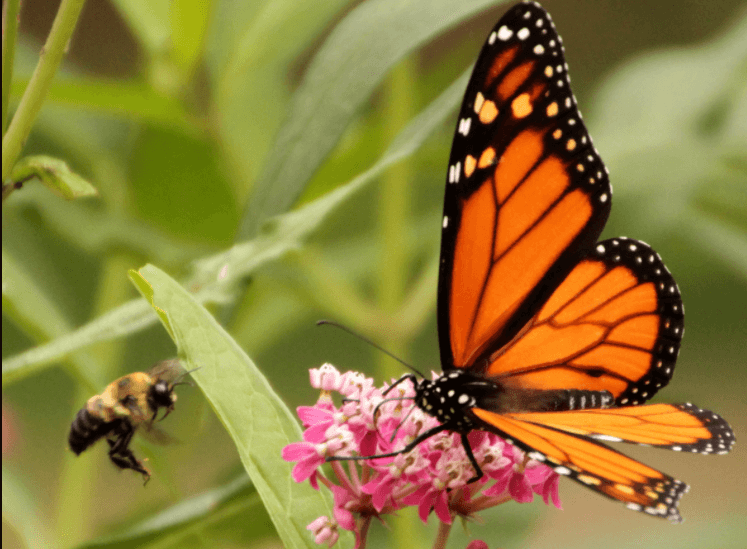
Over a dozen species of butterflies have regularly frequented my front yard garden this season  …. I’m doing my little part to encourage ecological diversity and protect important habitats for our fellow creatures that are all too rapidly disappearing.

Glyphosate Helps Me Help Pollinators

One tool that helped me achieve my goal of a pollinator paradise was glyphosate …. Glyphosate stopped [the weeds] from continually re-growing [which] reduces competition for resources and allows my flowering plants, and the pollinators that frequent them, to thrive.

Read full, original article: Why I Don’t Hate Glyphosate

Improving human sperm with gene editing? Harvard researcher moves forward as scientists debate CRISPR babies

sperm

In the wild uproar around an experiment in China that created twin girls whose genes were altered to protect them from HIV, there’s something worth knowing—research to improve the next generation of humans is happening in the US, too.

In fact, it’s about to happen at Harvard University.

At the school’s Stem Cell Institute, IVF doctor and scientist Werner Neuhausser says he plans to begin using CRISPR, the gene-editing tool, to change the DNA code inside sperm cells. The objective: to show whether it is possible to create IVF babies with a greatly reduced risk of Alzheimer’s disease later in life.

To be clear, there are no embryos involved—no attempt to make a baby. …

Yet in its purpose the project is similar to the work undertaken in China and raises the same fundamental question: does society want children with genes tailored to prevent disease?

Since Sunday, when the CRISPR babies were unveiled, medical bodies and experts have ferociously condemned He Jiankui, the Chinese scientist responsible. …

Amid the condemnation, though, it was easy to lose track of what the key experts were saying. Technology to alter heredity is for real. It is improving very quickly, it has features that will make it safe, and much wider exploratory use to create children could be justified soon.

Read full, original post: Despite CRISPR baby controversy, Harvard University will begin gene-editing sperm

GMO corn doubles crop yields in Paraguay, report shows

Corn Farmer

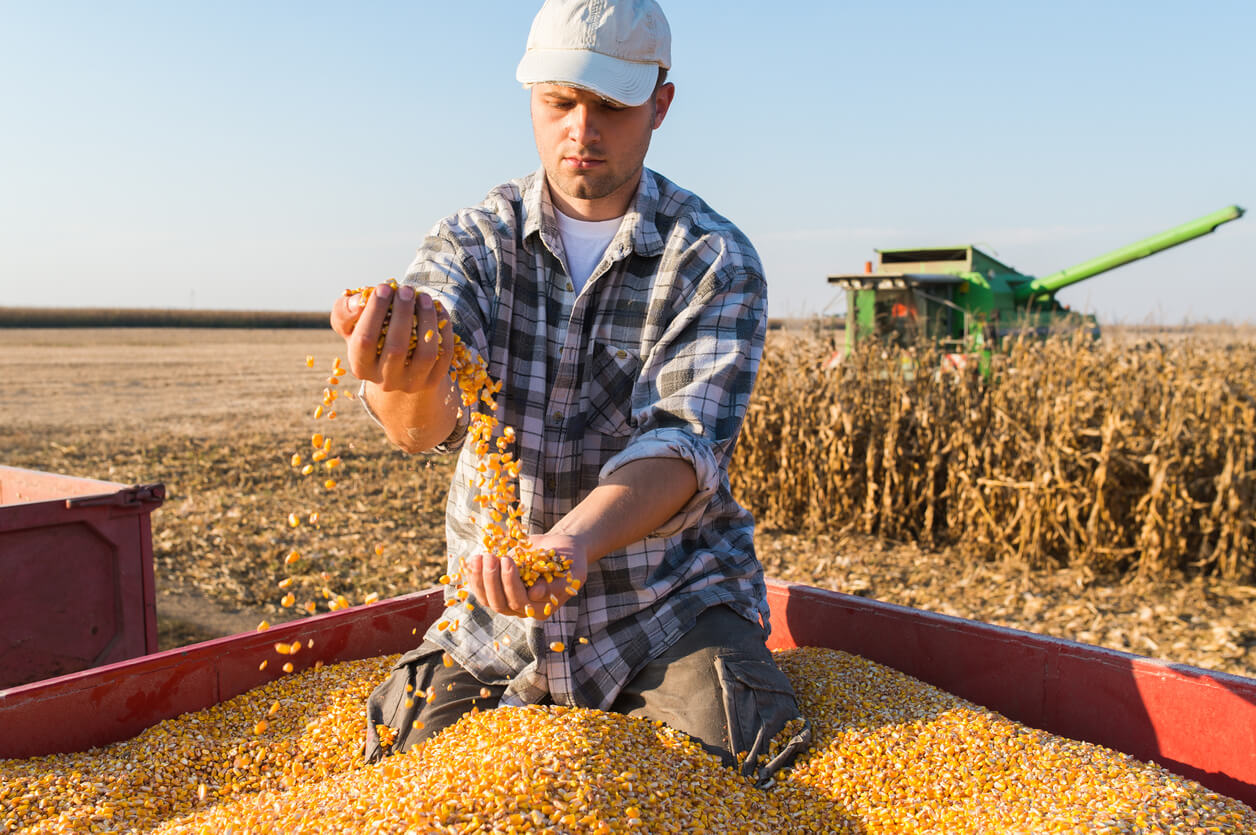
The use of transgenic maize doubled the production of the cereal in Paraguay during two decades of variety planting. A new report from the Institute of Agricultural Biotechnology (INBio) has indicated that Paraguay is the sixth largest producer of transgenic crops in the world, with about 3 million hectares of soybeans, corn and cotton.

The report states that in the 1999 harvest the productivity per hectare was 2292 kg. However, these levels of yield have increased 100% in two decades, registering about 5500 kg per hectare in the last campaign. In this scenario, in the case of transgenic maize, this technology contributed to double production, which means avoiding double use of land in terms of environmental impact.

[Editor’s note: This article was originally published in Spanish. This summary was prepared with Google Translate and edited for clarity.]

Read full, original article: Transgenic maize doubles production in Paraguay

Is there any evidence to support ‘leaky brain’ theories?

leaky

Three years ago Mark Crislip wrote about leaky gut syndrome for SBM. He said, “because of an almost complete lack of supporting basic science and few therapeutic clinical trials showing no effect, virtually no physician who has an understanding of the gastrointestinal physiology gives the disease credence.” Nothing has changed.

The Myth: According to the proponents of leaky gut syndrome, bacteria and toxins enter the bloodstream through these defective tight junctions and wreak havoc throughout the body, causing bloating, gas, cramps, inflammatory bowel disease (IBD), as well as fatigue, food sensitivities, joint pain, moodiness, irritability, sleeplessness, autism, and skin problems like eczema and psoriasis.

Debunked: This is all speculation, as scientific studies do not validate any of these claims.

The same “leaky gut” ideas are now being applied to the brain, blaming all kinds of symptoms on substances leaking through a faulty blood-brain barrier (BBB).

While there are documented defects in the BBB associated with some diseases, the concept of “leaky brain syndrome” appears to be a bogus diagnosis created by the functional medicine industry. It attributes all manner of symptoms to a leaky BBB, and claims a leaky brain is the cause of chronic neurodegenerative diseases. These ideas are not supported by acceptable scientific evidence: they rely on questionable evidence from animal and in vitro studies, speculations about basic science, and a lot of imagination.

Read full, original post: Leaky Brain, Leaky Gut: Are They Real?

Viewpoint: Ideology has no place in gender science discussions

gender

Radical egalitarianism defends the idea that any collective of adult human beings has the same innate distribution of qualities, independently of race, ethnicity, sex, etc., and, if we observe any difference in individuals of different sex, those differences must be the product of culture.

[A]ny observed difference, for instance concerning top positions in the scientific hierarchy, is attributed to a biased and abusive heteronormative and patriarchal culture unfairly imposed by a male culture. There are, however, other hypotheses to consider in explaining the observed differences:

1) An important factor regarding the lower number of women in some areas might be lower interest levels due to innate predisposition rather than the educational/cultural bias.

2) Another tentative hypothesis is that, although on average men and women have similar levels of intelligence, the variance of the distributions is greater in men, and it is consequently expected that there are more geniuses among men than among women.

3) A third factor is simply that women dedicate on average more time to looking after family members so that “on average” there are fewer of them available to reach the highest positions since the tasks associated with such positions cannot be tackled from home.

None of these three factors involves discrimination for the reasons of sex, if we attend to the definition of “discrimination” , because they do not imply different ways of selection for men and women.

Read full, original post: Gender Ideology In Science: The New Dogma And The New Witch Hunt

How will gene editing impact agriculture? Experts offer 10 predictions

pig cow

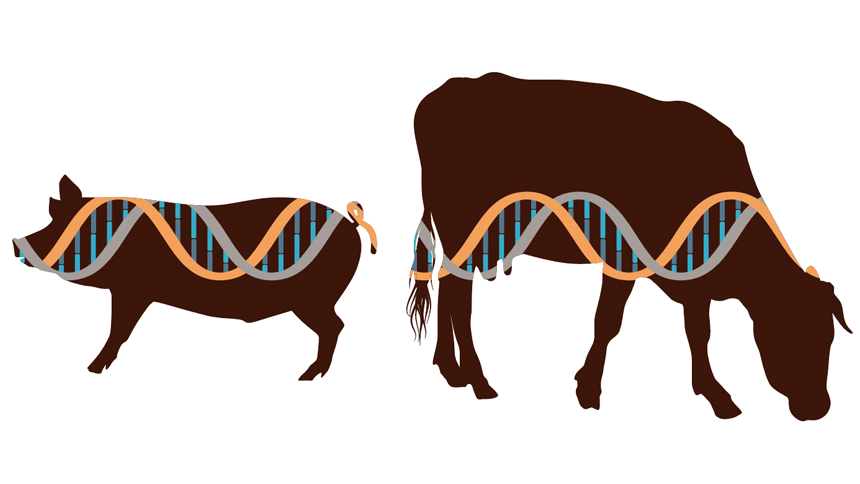
In the U.S., it’s full speed ahead for gene editing in animal agriculture. In August, the biotech company Recombinetics, based in St. Paul, Minnesota, received $34 million in new funding to speed up research …. to improve livestock health and welfare and to grow human organs in pigs.

When asked what gene-editing research could produce down the road, University of California-Davis geneticist Alison Van Eenennaam and Mitch Abrahamsen, chief commercial and scientific officer for Recombinetics, gave these 10 predictions for the next decade.

Consumers will better understand that gene editing is distinct from GMO transgenic technology.

How well consumers understand gene editing “probably depends on who is disseminating the message,” says Van Eenennaam. Gene editing can actually be used to introduce DNA from a different species, so it is not necessarily distinct from transgenic technology, she explains. At the same time, it can also be used to make alterations that exactly mimic existing genetic variants within a species  or spontaneous genomic alterations.

…. “However, some groups have successfully spread fear around GMOs …. They may also find it to their advantage to conflate gene editing with GMO technology and continue to monetize that fear-based messaging around gene editing.”

Read full, original article: 10 Predictions for the Future of Gene Editing in Livestock

Why some types of obesity are worse than others

fat
Our society seems to have accepted that gaining weight is an inevitable consequence of growing up in a place with easy access to calories and where physical activity plays a declining role in our professional and private lives. Aging just makes weight loss even more difficult.

In the short term, the consequences of excess weight seem remote or unimportant; a problem of aesthetics, a minor limitation in mobility. But it may eventually lead to higher rates of diabetes and heart disease, and present a significant challenge for enjoying an active lifestyle.

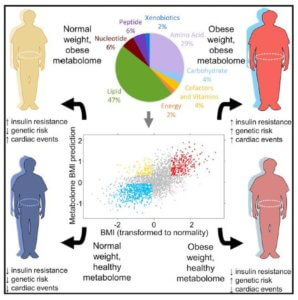
My own work and that of my collaborators here and in the U.K. shows that obesity is more than just some more fat under the skin – it is a true modification of our metabolism. It alters the way we process nutrients and modifies the chemical reactions that sustain our existence. Our most recent work, published in Cell Metabolism, examined the consequences of obesity on our metabolism. My colleagues and I undertook this project because we recognized that there are many types of obesity – each one has different consequences for each person’s health. This is what we call disease “heterogeneity.” If we understand heterogeneity, we can personalize obesity treatments, hopefully with more success.

My obesity, my metabolome

We are a team of researchers with different backgrounds including medicine, technology and the analysis of complex data. We studied close to 2,500 obese people with two powerful new technologies: We sequenced the entire genome of each study participant, and we analyzed more than 1,000 blood chemicals, or metabolites. This collection of metabolites is what we now call the “metabolome” and includes well-known compounds such as glucose and uric acid, as well as tongue twisters such as 1-stearoyl-2-dihomo-linolenoyl-GPC.

We included the genome analysis to understand how an individual’s genes predisposes him or her to obesity. We chose the metabolome to capture in real time the impact of having excess weight. Many of the study participants were followed for more than 10 years; this enabled the assessment of long-term consequences of our observations.

Follow the latest news and policy debates on sustainable agriculture, biomedicine, and other ‘disruptive’ innovations. Subscribe to our newsletter.

The surprising and disturbing news is that the levels of many hundreds of unique metabolites are affected by changes in weight. Some of these changes were expected: Fats or lipids – including cholesterol – rise rapidly with increasing weight. However, we also observed changes for other types of metabolites and body processes: protein and carbohydrate metabolism, energy production and hormone concentrations.

The overall picture was that weight dramatically perturbs the body’s metabolism. The good news is that the alterations can be reversed with weigh loss.

10-17-2018 file-20181010-72117-13qf2uu
This graphical abstract shows that the metabolome captures clinically relevant types of obesity and is a better health predictor than genetic risk. Image credit: Cirulli et al./Cell Metabolism, CC BY-SA

The healthy obese and the unhealthy skinny

A second and fundamental observation was that the metabolic alterations carried more health consequences than the mere physical aspect: Some of the participants had what we labeled as an “obese” metabolome despite having a normal weight. On the other hand, some obese individuals had a pretty normal metabolome that was similar to those individuals with a healthy body mass index.

It is not clear to us how an obese person could have a normal metabolome. We do not know whether it is their genes or environment that are responsible for keeping this group of individuals more healthy. That will take more research to figure out.

Because we had medical information at the time that the metabolic analyses were performed and we had long-term follow up data, we could see the consequences of abnormal metabolism.

Those obese individuals who suffered the greatest deregulation of the metabolism developed diabetes, heart disease and hypertension. These same participants were also the ones that accumulated fat tissue inside the abdomen and in the liver – the “bad” locations – as opposed to just adding it under the skin of the waist or buttocks. Thus, physical obesity was important – but how the excess weight uniquely affected the inner workings of each individual was a more accurate measure of overall health.

10-17-2018 file-20181010-72106-1c1cimt
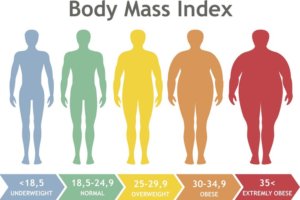
Body mass index vector illustration from underweight to extremely obese. BMI may not be an accurate reflection of whether an individual is in good or poor health. Image credit: MarShot/Shutterstock.com

Metabolome report may say more than your BMI

It may be tempting to think of obesity as the consequence of genes – inherited from our parents. It is true, but the impact of our genes pales in comparison to the overwhelming impact of high caloric intake and sedentary lives.

There was one exception. We identified a few very obese individuals who had changes in a gene that controls appetite – the so-called melanocortin-4 receptor (MC4R). These patients had a genetic mutation that made them permanently hungry and led them to eat more than they needed. There is great hope that this particular type of obesity will be soon treated with specific drugs. As expected, this form of obesity severely disrupted the metabolism of the affected person.

We see all the time that science provides new understanding on important health problems that seems to fade once the news cycle is over. But after the hype comes the incubation of new strategies that may eventually find their place in medical practice.

Specific to research in obesity, I believe that bringing attention to the important changes in the metabolism provides a sense of urgency to the field. This work also provides a new way to measure the harmful impacts of obesity and to screen populations to identify those who could benefit from participation in clinical trials of new drugs. This includes individuals who are skinny and have an unhealthy metabolome, but are unaware of their state of health and would benefit from early intervention.

Amalio Telenti is an affiliate faculty in Pharmacy and Pharmaceutical Sciences at UCSD and a Professor of Genomics at The Scripps Research Institute. Follow him on Twitter @atelentia. 

A version of this article was originally published on the Conversation’s website asThere are many types of obesity – which one matters to your healthand has been republished here with permission.

Talking Biotech: Tough questions about genetic engineering—a listener interviews Dr. Kevin Folta

CRISPR x e

Gary Nolan blogs about politics, social trends, and science. But he still wrestles with some of the concepts around genetic engineering.  This week’s podcast is dedicated to Gary and folks like him—those who want to ask questions and get honest answers.  This week, Dr. Kevin Folta answers Gary’s questions about gene editing, transgenic plants and a host of other biotech issues.

Follow Gary Nolan on Twitter  @lgcllibertarian

Website : Logical Libertarian

Like the podcast? Please subscribe and write a review!

 Stitcher    iTunes   Player FM  Pod Directory  TuneIn

Ugandan researchers look to biotechnology to bolster food production in the face of climate change

GM Rice
As the impact of climate change continues to grow worldwide, farmers are likely to face new challenges in the form of emerging pests, diseases, lengthy droughts and floods. The planet’s shifting weather patterns may very well represent the biggest health and food security threat of the 21st century.

Crop researchers hoping to counter these turbulent conditions will need more than the traditional tools that have been available. They’ll need to take advantage of gene editing and other new breeding techniques, suggests Nina Fedoroff, emeritus professor in molecular biology at Penn State University and a former president of the American Association for the Advancement of Science.

Fedoroff spoke about the potential uses of biotechnology developements for food security and healthcare during a public meeting organized by the US Mission in Uganda. She argued that it’s crucial for governments in Africa and other parts of the world to embrace newer technologies to produce enough food for the growing global population.

Nina Fedoroff
Nina Fedoroff

The nation’s legislators recently passed a new Genetic Engineering Regulatory Bill. It is designed to provide a regulatory framework for development and application of biotechnology. A previous version, known as the National Biotechnology and Bio-safety Bill, failed after the nation’s president refused to sign it, citing concerns over patent rights of indigenous farmers and sanctions for scientists who mix GMOs with indigenous crops and animals.

The bill appears to be a step in the right direction. Dr. Elioda Tumwesigye, Minister of Science, Technology and Innovation, believes the new legislation addresses the president’s concerns and will ensure that GMO crops are safely developed in Uganda, Cornell’s Alliance for Science reported on November 29. However, some researchers worry that the bill will inadvertently prevent many farmers from growing the new crop varieties:

We have to understand why we are developing biotech — so the millions of farmers can have access to more yielding and disease-tolerant and resistant crop varieties to avert hunger,” [said plant biotechnologist Dr. Andrew Kiggundu]. Many of our farmers own small pieces of land. So, when you ask them to label their crops and to observe isolation distance, you are indirectly telling them ‘these improved varieties are not for you.’ How can they isolate on these small pieces of land?

Biotechnology and climate change, the case of Uganda

Uganda’s farmers are faced with a wide range of challenges that might only be overcome through the adoption of improved plant varieties that can be delivered by advanced breeding technologies, said Dr. Arthur Tugume a lecturer at the department of plant science Makerere.

He cited example of Water Efficient Maize for Africa (Wema), a GMO crop bred by African scientists for drought-stricken areas. Other GMO plant varieties bred by Ugandan scientists include bananas resistant to bacterial wilt, Irish potatoes resistant to bacterial blight, cassava resistant to Cassava Brown Streak Virus and Cassava Mosaic Virus, and nitrogen efficient rice.

These GMO crop varieties according to Dr Tugume are meant to address challenges of pests and diseases brought about by climate change.

Evolution of plant breeding

When looking at newer breeding techniques, it’s important to remember that crop researchers have been at this for a long time – starting with nomads domesticating animals and crops from the wild. Fedoroff points to the 10,000-year evolution of modern maize:

This went on from domestication to plant breeding where hybrids have been developed to give better yields. Farmers in the US adopted hybrids in 1994 after resisting it because they were used to saving seed but when they understood that the yield was so high, they had to embrace it.

The domestication of plant breeding started at the time of Gregor Mendel, through his work on pea plants where he tracked the segregation of parental genes and their appearance in the offspring as dominant traits, she said.

Today scientists are exposing plants to radiation using mutagens. They are using recombinant DNA technology for sequencing. … Scientists will use natural genes to protect plants from pests and diseases. For instance use of BT which produces toxins which are harmful to insects infecting plants but harmless to humans. This decreases costs in purchasing insecticides but control using biological means.

The adoption of BT corn and cotton in the US has decreased pesticide use by 38 percent, while helping to boost yields by 40 percent, Fedoroff said.

And while there continues to be a raging public debate over the safety of GMOs, scientists have overwhelmingly supported them as being essentially the same as non-GMO versions. So it is that many African nations find themselves in the midst of internal debates over how to regulate the commercialization of these new crops and the techniques used to create them.

Follow the latest news and policy debates on sustainable agriculture, biomedicine, and other ‘disruptive’ innovations. Subscribe to our newsletter.

Biotechnology in the health sector

Fedoroff said that in the medical world, scientists are developing vaccines and medicine using recombinant DNA, with one of the best-known examples being the insulin used by diabetic patients.

Interestingly, the medical sector does not currently face the same level of opposition seen in the agriculture sector. Fedoroff suggested this could be because everyone is capable of becoming sick, creating a more widespread demand for cures. Secondly the medicines produced through genetic engineering aren’t released into the environment.

Reactions from stakeholders and scientists

Rejection of GMOs by the public also is driven by a misunderstanding about the science, said Dr. Tugume:

Some people believe GMO plants will degrade the soil but there is no evidence to back their fears. Pathogens are increasingly coming on board arising from climate change. The pest farmers are faced with such as the army worm did not exists in the past. This is now happening due to natural evolutions surrounding our natural resource. There is no absolute solution to this other than applied science innovations which scientists are trying to come up.

GM Maize2

Opposition to the new technology can be found in many places, including the nation’s parliament. Lawmaker Agnes Ameede has raised concerns, arguing that research has been unduly influenced through donations from both the Bill and Melinda Gates Foundation and Monsanto.

Such warnings are challenged by others, including Dr. Deborah Wendiro from Uganda Industrial Research Institute. In defense of the donations, Wendiro argues that the Ugandan government provides minimal funds for research. What is wrong, she asks, with scientists applying for grants to carry out research? The nation, she said, must finally approve its long-delayed biotechnology framework:

Most countries including those in Africa have the regulation in place, Uganda without a law will be a dustbin were any country will dump whatever food item in the names of imports. We must be proud to consume what is bred by our own scientist. In industrial science there are probiotic agents in yoghurt which is a form of GMO which we have been consuming for centuries but we are still alive.

It is critical for the nation to put the best products into the hands of its farmers, argues Dr. Thereza Ssengoba, a board member of National Council for Science and Technology:

Ethiopia at one point had a bad law which has been amended and GMO research in Cotton is advancing and soon to be released to farmers. The same applies to Kenya which is carrying out field trials of BT cotton. In Tanzania Wema maize trials is ongoing. When these countries neighboring Uganda will release their products to farmers, no one will stop our farmers from accessing these materials because farmers are ever on search of good seed.

Lominda Afedraru is a freelance science journalist in Uganda who specializes in agriculture, health, environment, climate change and marine science. Follow her on the Daily Monitor web site www.monitor.co.ug, Facebook or Twitter @lominda25

How air pollution could increase risk of autism

pregnancy air pollution

Prenatal exposure to ambient air pollution was associated with an increased risk of autism spectrum disorder, a new study finds. Pregnant women in Vancouver who were exposed to the highest level of environmental nitric oxide, an airborne, traffic-related pollutant, were more likely to give birth to children later diagnosed with autism, the researchers say.

Lief Pagalan, lead author of the study and a member of the faculty of health sciences at Simon Fraser University, cautions that the study published [November 19] in the medical journal JAMA Pediatrics, showed only an association between prenatal exposure to nitric oxide and autism rates. It did not prove that air pollution caused autism.

Pagalan and his colleagues analyzed the records of 129,436 children born in Vancouver from 2004 through 2009.

The odds of developing autism among children prenatally exposed to higher levels of PM2.5 (particulate matter less than 2.5 micrometers in diameter) were 1.04%, the odds of autism in children exposed to higher levels of nitrogen dioxide were 1.06%, and the odds of autism in children exposed to higher levels of nitric oxide were 1.07%.

Pagalan said that because there’s no cure for autism, “identifying environmental risk factors helps identify opportunities for prevention.”

Read full, original post: Prenatal exposure to air pollution linked to autism risk, study says

UN rejects gene drive moratorium, but agrees to some limits

gene

Nations rejected a proposal to temporarily ban the release of organisms carrying gene drives — a genetic-engineering technology designed to spread mutations rapidly through a target population — on 29 November at a meeting of the United Nations Convention on Biological Diversity (CBD) in Sharm El-Sheikh, Egypt.

Dozens of scientists opposed the moratorium proposal, although numerous environmental and activist groups supported it.

A gene drive moratorium was never likely to succeed in the face of opposition from biotechnology-friendly countries, because changes to the CBD must be accomplished by reaching consensus among the 168 signatory countries.

Instead, representatives at the two-week-long meeting agreed to changes to the treaty that were vague enough that both proponents and sceptics of gene-drive technology are touting victory.

Signatories to the treaty… agreed on the need to assess the risks of gene-drive releases on a case-by-case basis. They also said that local communities and indigenous groups potentially affected by such a release should be consulted.

Todd Kuiken, a biotechnology-policy specialist at North Carolina State University in Raleigh who is part of an expert panel that advises the CBD on gene drives, says that it will take time to parse the language agreed today. The text must be interpreted by the countries that will ultimately license any gene-drive release — and thus he sees no quick end to the debate.

Read full, original post: UN treaty agrees to limit gene drives but rejects a moratorium

Newly passed biosafety bill in Uganda aims to ensure ‘safe development’ of GMO crops

article ED E x

Parliament has passed the Genetic Engineering Regulatory Bill, 2018, formerly known as the National Biotechnology and Bio-safety Bill. The bill seeks to provide a regulatory framework for safe development and application of biotechnology and release of Genetically Modified Organisms (GMOs).

Parliament earlier passed the same bill on October 4, 2017 but President Yoweri Museveni declined to assent to it and sent it back to parliament for review. The president specifically sought clarity on the title, patent rights of indigenous farmers and sanctions for scientists who mix GMOs with indigenous crops and animals.

In its report tabled before parliament on [November 28], Fred Bwino the chairperson of the parliamentary committee on Science, Technology and Innovation, admitted that the initial Bill had shortfalls and proposed amendments that were adopted by parliament. These included renaming the bill to ‘The Genetic Engineering Regulatory Bill, 2018’.

The new Bill also makes the owner of any patent legally responsible for any effects that might result from his creation …. It also provides for containment of confined field trials in green houses to guarantee separation of indigenous seeds from genetically modified seeds ….

Read full, original article: Parliament passes GMO Bill

There is a ‘broad scientific consensus’ on GMO crop safety, expert affirms

DSC

Despite the long enunciated national policy of safe, responsible use of modern biotechnology, a few local government units in the Philippines have unilaterally passed resolutions/ordinances banning genetically modified (GMO) crops in their respective jurisdictions. These bans deprive our farmers of an effective technology that can raise their productivity, increase their incomes, and enhance competitiveness of our agricultural products …. Thus, these proscriptions …. unlawfully [restrict] free choice in business [ and harm the poor].

The broad acceptance of GMO technology by our corn farmers who planted 642,000 hectares of GMO corn hybrids in 2017 is eloquent proof of the productivity and income raising potential of modern biotechnology. Instead of attaining an average national yield of only 1.75 tons per hectare with non GMO white corn, our yellow corn GMO farmers average 4.17 tons per hectare, a productivity advantage of 138 percent.

[Editor’s note: Emil Javier, a member of the National Academy of Science and Technology (NAST) and Chair of the Coalition for Agricultural Modernization in the Philippines (CAMP).]

Although there are still plenty of skeptics particularly in Europe who refuse to recognize the potential value to mankind of GMO technology in crops …. the weight of scientific consensus in favor of GMO technology is abundantly clear from published statements of the world’s leading academies of science and responsible development agencies ….

Read full, original article: Policy Brief Volume 1, No. 3: Broad Scientific Consensus on Safety of GMO Crops