Meat industry may back its cell-based competitors to gain foothold in health food market

lab meat

According to Andrew Noyes, the head of communications for Just Inc., meat companies are discussing the possibility of helping cell-based meat producers with distribution and providing production facilities. Noyes’s San Francisco-based company already produces plant-based versions of foods such as mayonnaise, eggs and dressings, but is readying to sell its cultured meat — an area that’s only now preparing to open up to commercial sales.

A partnership between traditional meat companies and their would-be cell-based competitors would make sense: Consumers are buying increasingly larger quantities of products that are seen as more humane and environmentally friendly. Traditional meat producers could use a foothold in this fast-growing niche, while cell-based meat startups could use some assistance in ramping up operations.

Just Inc. is not the only example of a potentially disruptive startup getting help from established players. Perfect Day Inc., which is developing an animal-free whey, recently said it is going to use Archer-Daniels-Midland Co.’s facilities to scale up production, co-founder Ryan Pandya said.

“No one knows more about how to mass produce meat than the meat-industry companies,” said Bruce Friedrich, executive director of the Good Food Institute, which lobbies for the industry that includes cultured-meat companies like Just Inc., Memphis Meats Inc. and Future Meat Technologies Ltd.

Read full, original article: Lab-Meat Growers Wants Help From Industry They Seek to Disrupt

Will allergen-free milk revive New Zealand’s genetic engineering debate?

file xrqsvq

It is an irony of bioscience that a country that prohibits most genetically modified produce from the food chain is a world leader in the development of gene editing …. New Zealand is entering into a new discussion about how it should approach the research and application of genetic modification.

The country emerged as an outlier in this field of research back in 2012 when Daisy, a genetically engineered dairy calf, made headlines around the world. Researchers at AgResearch, New Zealand’s biggest public research institute, used a genetic intervention called RNA interference to target a particular cow milk protein known to be allergenic.

The team were able to prove they could knock down beta-lactoglobulin (BLG), which is a significant cause of the allergic reactions to cow’s milk that affect 2-3% of infants. [W]ould the same genetic trait continue through Daisy’s offspring? They believe that it has, after monitoring 12 of her female calves and observing no detectable levels of BLG in their milk.

Public reticence

Yet New Zealanders are reticent to embrace gene editing, and public opinion staunchly favors remaining GE free …. This frosty attitude may be thawing, however, nearly 20 years since genetic engineering was last debated at a national level. While it is unlikely that New Zealand will change its cautious approach to genetic modification, at least the subject is being reopened little by little.

Read full, original article: New Zealand tentatively reopens debate into dairy gene editing

Why teaching evolution is still difficult in many public schools

evolution
[November 12] marked the 50th anniversary of the Supreme Court’s decision in Epperson vs. Arkansas, which struck down the state’s ban on teaching evolution.

The Epperson ruling did not, however, end interference with the teaching of evolution. Over the years, there was a series of efforts to require that the teaching of evolution be “balanced” with alternatives dressed up to seem scientific — first biblical creation, then creation science and finally intelligent design. Each, in turn, failed to pass constitutional muster. The legal situation is clear: The government cannot prohibit the teaching of evolution nor can it require teachers to muddy the teaching of evolution by presenting non-scientific alternatives.

And yet teaching evolution is still challenging in many communities in the United States. Opposition arises because many people mistakenly believe that accepting evolution is incompatible with their religious faith. This point of view is widespread: In a rigorous national survey published in 2008, more than 20% of public high school biology teachers reported experiencing pressure to downplay evolution.

So it is not enough to include evolution in state science standards, textbooks and local curricula. To ensure students learn about evolution, we first need teachers who have a confident grasp of evolutionary biology.

Many states are incentivizing science teachers to achieve more rigorous qualifications, but it will take time to undo decades — generations even — of evolution avoidance.

 Read full, original post: It’s still hard to teach evolution in too many public school classrooms

Geneticist George Church on why gene-edited babies aren’t such a bad thing

Church
[Editor’s note: Harvard geneticist George Church has come to the defense of Chinese researcher He Jiankui, who shook up the science world with his announcement this week that he has created the world’s first gene-edited babies. He was interviewed by ScienceInsider.]

Q: What do you think of the criticism being heaped on He?

A: I’d just as well not hang myself out to dry with someone I barely know, but I feel an obligation to be balanced about it. … But it seems like a bullying situation to me. …

Q: Do you think the experiment is unethical?

A: … At some point, we have to say we’ve done hundreds of animal studies and we’ve done quite a few human embryo studies. It may be after the dust settles there’s mosaicism and off targets that affect medical outcomes. It may never be zero. We don’t wait for radiation to be zero before we do [positron emission tomography] scans or x-rays.

Q: What about concerns that CRISPR will make unintended edits in the genome, so-called off-target effects?

A: I’m not saying they’ll never be an off-target problem. But let’s be quantitative before we start being accusatory. It might be detectable but not clinical. …

Q: There’s some worry that the backlash to He’s experiment will harm the field.

A: In the early days of gene therapies when there were far fewer preliminary studies, there were three deaths that set back the field. It may have just made us more cautious. And gene therapy is certainly back in force. And I don’t think these kids [the babies whose genomes He edited] are going to die.

Read full, original post: ‘I feel an obligation to be balanced.’ Noted biologist comes to defense of gene editing babies

Plant scientist Kevin Folta: Claims about glyphosate in orange juice are ‘brilliantly devious’

ggwr ZBLSJmUHyaSLSy glyphosateinorangejuice

Since 2013 the science communication community and wacky food activists learned something important — you can fill a table with creepy numbers, ignite a great media scare, and the facts simply don’t matter.

Over the next few years we’d be treated to reports of glyphosate showing up everywhere from beer …. to breakfast cereal …. It is brilliantly devious. Most of these claims have been made by Moms Across America, an organization that knows that people will pay attention to numbers in a chart …. Charts look quite official and sciencey.

Now the Moms Across America claims that orange juice is full of high levels of glyphosate, which is odd, because oranges are not genetically engineered to withstand it. Glyphosate is used in some citrus operations to control weeds, but it is not applied to trees ….

The lab that did the detection is not an independent operation. It is run by John Fagan, a guy connected with the Maharishi cult and a staunch opponent of biotechnology ….

Shortcomings in Analysis

…. The measurement was performed using LC-MS/MS, a technique that very well could detect glyposate and accurately quantify it.

What’s not to like?

No negative control. The compound is detected in everything, so there’s no way to discriminate between a signal caused from glyphosate and a signal caused by some other compound that behaves in the same way during the chemical separation.

Read full, original article: Another Dose of Chemophobia — This Time Orange Juice

Are we ‘playing God’ if we screen IVF embryos for IQ potential?

x

IVF clinics may soon use a controversial screening technique to get rid of embryos which are likely to grow up with low IQs. A company in the US offering tests which can pick out ‘mental disabilities’ – and, in theory, predict intelligence – has confirmed it is in talks with fertility clinics.

The news has stoked fears about a rise in designer babies, which could be created by parents wanting to erase undesirable traits from their children. Experts say it is ‘repugnant’ to think about terminating embryos because they are expected to have lower than average intelligence.

Genomic Prediction, based in New Jersey, can now offer tests to calculate the risk of complex conditions like heart disease.

While the company says it will only test embryos to find those at a high risk of serious medical conditions – like breast cancer, diabetes and inflammatory bowel disease – it expects people to one day want IQ predictions.

‘I think people are going to demand that,’ said Genomic Prediction’s co-founder, Stephen Hsu. ‘If we don’t do it, some other company will.’

Genomic Prediction’s new test raises huge ethical dilemmas and concerns about ‘playing God’, which have been simmering for years.

Read full, original post: Designer baby fears grow as experts slam ‘repugnant’ new test that can predict an IVF embryos’ risk of having a low IQ

Why are strawberries so big? The genetics behind ‘up-sizing’ fruits and vegetables

NC Strawberry Grower

Once upon a time, there was a land where food was not guaranteed everyday. Children were searching woods to pick up berries. When they were lucky they would find strawberries. The fruits were small but really tasty. Around the fire at night, they would hear legends about magical beans and giant plants.

Centuries later, for most, the reality is quite different …. [G]iant veggies and fruits are real and abundant. And you probably don’t even realize it because it is so normal.

Think about strawberries. Did you ever wonder why they are so giant? Is it just good genes and nutrition, mostly healthy plants that produce larger fruit?

Happy plants definitely helps, but the answer lies elsewhere: ploidy.

The ploidy is the number of sets of chromosomes in a cell …. [A] quarter of the plants on this planet are polyploid (>2 sets of chromosomes) including 30% of crops …. For example, polyploidy makes strawberry giant, banana seedless, cotton fibers more abundant and lily flowers larger and brighter.

Dana Robinson and colleagues from Cornell University studied the plant model Arabidopsis thaliana to quantify many cell components in chromosome-heavy plants. Their findings were published in The Plant Cell.

The researchers found that the cell area increases, but does not exactly double (~1.7x increase) when ploidy doubles. More importantly, the plant compensates for the increase in size by decreasing the number of cells.

Read full, original article: Up-Sizing: The Tale of The Polyploid Giants

Viewpoint: Let’s hope the Chinese gene editing fiasco doesn’t lead to a cruel and unnecessary ban on germline gene therapy

gene
According to unverified reports, a Chinese scientist has used the CRISPR gene-editing technique to modify human embryos that resulted in twin girls, in order to make them resistant to the HIV virus. (Their father is HIV-positive.) He also says that another pregnancy from a modified embryo is under way.

The sisters who supposedly underwent this “germline gene therapy,” via modification of embryos before they were born, reportedly are healthy. But the claims have spurred a furor among ethicists and some in the medical community. One academic physician condemned it as “rogue human experimentation,” although some scientists, notably famed Harvard geneticist George Church, have come to the defense of gene editing and its ability to prevent genetic disorders.

Before getting out the pitchforks, literal or figurative, let’s all take a few deep breaths.

“Human gene therapy” has been one of the goals of biotechnology since the advent of molecular techniques for genetic modification in the 1970s. There are two distinct conceptual approaches, presenting different kinds of benefits, risks and controversies.

Follow the latest news and policy debates on sustainable agriculture, biomedicine, and other ‘disruptive’ innovations. Subscribe to our newsletter.

Somatic cell human gene therapy (SHGT) alters genes—either by the editing of genes or the insertion of new ones—in the cells of human subjects, in order to correct conditions present at birth or acquired later in life. (Somatic cells are any cells in the body except eggs or sperm, so modifications in them are not heritable—that is, passed on to offspring.) It can be performed outside the body of the patient (ex vivo), such as by obtaining the patient’s cells, modifying and then returning them, or by injecting a virus or some other substance that migrates to a site(s) in the body and modifies the function of a malfunctioning organ.

SHGT resulted in the approval last year of three treatments for serious diseases – and holds promise for afflictions ranging from rare and fatal genetic diseases to Parkinson’s.

Up to now, gene therapy has been of a type that affects only the patient being treated; it has not modified sperm or eggs cells or embryos in a way that would constitute “germline gene therapy” (GLGT) by creating a heritable change and affecting future generations. But in a proof-of-principle experiment to perform gene editing with a system called CRISPR/Cas9, published in 2015, Chinese researchers reported an unsuccessful attempt to perform germline gene therapy on embryos that were nonviable and going to be discarded in any case.

That led to a meeting of “interested stakeholders,” which concluded: “At present, the potential safety and efficacy issues arising from the use of this technology must be thoroughly investigated and understood before any attempts at human engineering are sanctioned, if ever, for clinical testing.”

If ever? Really?

The move toward a moratorium has gained momentum since then, but such recommendations—coming mainly from people who don’t actually treat patients – are the result of the kind of groupthink that dismisses conflicting minority opinions and produces poorly reasoned outcomes.

gene 11 29 18 2

It is unethical to modify normal, healthy embryos, but nobody is proposing to do that. In fact, to perform germline gene therapy to treat disease, it may not even be necessary to manipulate abnormal embryos, because another approach is to generate normal sperm from genetically abnormal ones via tissue culture and gene-editing.

Although the just-reported genetic manipulation in China should not have been performed—because the goal could have been accomplished by other, conventional means—a sweeping government-imposed moratorium on all germline gene therapy would be misguided and, as discussed below, unnecessary.

Even if it is premature to perform germline gene therapy now, the recent claim of success notwithstanding, we should recognize that medical technologies are seldom successful right out of the gate, but as they’re applied and refined, they improve, sometimes with astonishing rapidity. When I was a medical student during the 1970s, bone marrow transplants were being performed in only a few institutions and as a last resort, and the success rate was abysmal. But the discovery of potent immuno-suppressants and other technical advances improved the success rate markedly; and bone marrow transplants are now routine in many institutions. Some leukemias that were once a death sentence now have cure rates around 90 percent. There are many similar stories in medicine.

What’s stopping researchers in their tracks, at least in America, is anachronistic regulations. The FDA is blocked by law from accepting applications for research involving gene editing of the human germline—meaning eggs, sperm and embryos. The NIH, whose approval also would be needed, is similarly barred from even considering applications to conduct such experiments in humans. These rules date as far back as the 1970s, when the technology was in its infancy. It’s easy to invoke hypothetical fears and impose bans when actual lifesaving interventions are decades away.

Today, those interventions are within sight—and desperate patients deserve access to whatever cures this technology may be able to provide. The public thinks so, too. A survey last year found that nearly two-thirds of Americans support therapeutic gene editing—in somatic and germline cells alike. Popular opinion is in tune with scientific reality. Legislators and regulators need to catch up.

Henry I. Miller, a physician and molecular biologist, is a senior fellow at the Pacific Research Institute. He was the founding director of the FDA’s Office of Biotechnology.  Follow him on Twitter @henryimiller

Whole Foods embraces slow-growing chickens: Why that’s not so environmentally sustainable

chickens
Many agricultural scientists research ways to make agriculture more sustainable. As a geneticist, I see genetics as a solution to many of the problems that farmers face, be that disease resistant plants and animals, or species that are optimally suited to their place in agricultural production systems. Plant and animal breeders have perhaps the most compelling sustainability story of all time. Genetic improvements in our food species have dramatically increased the yield per plant, animal, or acre – and unlike other inputs – genetic improvements are cumulative and permanent . The following graphic illustrates the additional land and/or animals we would need to deliver 2014 levels of production using 1950s genetics and farming methods.

crops

Since I am an animal scientist I am going to focus on that last row containing the broilers. If not for the genetic and management improvements in broiler production since the 1950s, we would need to grow an additional 8 billion animals annually to equal the production achieved in 2014.  Think about that number. 8 billion more. Every year.

It’s obvious that staggering advances have been made in plant and animal production since the 1950s. How did breeding companies achieve such improvements? They did it largely through conventional selection which includes sophisticated techniques such as genomic selection, large pedigrees, and very comprehensive performance recording for a number of traits. For example, Cobb (Cobb-Vantress Inc., Siloam Springs, AR) records 56 individual observations on each pedigree selection candidate in their broiler breeding program. More than 50% of these 56 individual traits are some measure of health and fitness of an individual. This underscores the importance of combined selection for many traits, including robustness, specific and general disease resistance, absence of feet and leg problems and metabolic defects in the breeding objectives.

Current breeding programs are improving the efficiency of meat production in the broiler industry by 2–3 percent per year. In the United States, growth rates and breast meat yields continue to improve by 0.74 days and 0.5 percent per year for a broiler grown to 5 lbs, respectively, whereas the feed-conversion ratio (FCR, lb of feed required to obtain one lb of growth) is decreasing by 0.025 per year. At the same time, the livability (survival expectancy) of broilers is improving 0.22 percent per year, and condemnation rates have decreased 0.7 percent per year.

So by using balanced selection objectives that consider not only efficiency but also the health and fitness of birds, breeders have been able to improve the feed conversion ratio, decrease condemnation rates and increase the survival expectancy of broilers. This would seem to align with most people’s values of decreasing the environmental footprint of food production by improving efficiency, and also improving the livability (decreasing mortality) of the birds. Is this a rare example of a win:win situation?

Follow the latest news and policy debates on sustainable agriculture, biomedicine, and other ‘disruptive’ innovations. Subscribe to our newsletter.

Entering the “alternative fact” zone

Not according to Whole Foods, which has  committed “to replace fast-growing chicken breeds with slower-growing breeds.” Although this change is not expected to be completed until 2024, Whole Foods is the first major food company to make this change. And why? Well according to Theo Weening, the global meat buyer for Whole Foods Market, the slow-growing bird “is a much better, healthier chicken, and at the same time it’s a much [more] flavorful chicken as well”. Unfortunately, he does not present any data to back up those wishful claims. Why would slow growth equate to a more flavorful chicken if none of the other production parameters changed? And what is the basis for suggesting they are healthier, which seems to contradict the evidence-based literature suggesting that the livability (survival expectancy) of broilers is improving 0.22 percent per year due to selection?

Global Animal Partnership (GAP), an organization that Whole Foods set up to create welfare standards for its suppliers, seems to have arbitrarily decided that “slower growing,” is equal to or less than 50 grams of weight gained per chicken per day averaged over the growth cycle, compared to current industry average for all birds of approximately 61 grams per day. This means that in order to reach the same market weight, the birds would need to stay on the farm significantly longer, 58 days rather than 44 days.

It does not take a rocket scientist to figure out that slower growing birds require more feed per pound of gain (the feed conversion ratio (FCR) is 2.2 for the slow growing birds, versus 1.9 for the industry average). In all, the impact of adopting slow growing birds is a 34 percent increase in feed per pound prime meat, a 40 percent increase in gallons of water and a 53% increase in the manure per bird marketed, and a 49 percent increase in costs per bird marketed. So in one fell swoop this decision dramatically increased the environmental footprint of broiler production by intentionally switching to a “Hummer” type of chicken rather than a “Prius”.

usdaAnd to what end is this big step backwards in terms of sustainability being undertaken? Theoretically for animal welfare. But what is absent in this discussion is why slower growing = better welfare. Why is growing at less than 50 grams of weight gained per chicken per day for 58 days better for welfare than growing at 61 grams per day for 44 days? Where is the objective, evidence-base to support this assertion? Nothing else about how the chickens are being raised is changing, they are just around for 14 more days before slaughter.

Upon receiving an award “recognizing the commitment that Whole Foods Market and GAP have made to offering only slower-growing chicken breeds by 2024”, Anne Malleau, executive director for GAP stated “By addressing fast growth in chickens, we will be getting to the root of the welfare problem facing chickens today.” That may be her opinion, but I would like to see the data supporting this contention – where is it shown that growing at less than 50 grams of weight gained per chicken per day is associated with improved welfare? What metrics were used? And does that mean even better welfare is associated with growing even slower? The evidence base for this determination is important given this decision has real negative impacts on the environmental and economic components of sustainability. There are almost always goal conflicts and tradeoffs between the environmental, social, and economic goals of sustainability, and as a result of these goal conflicts we have all sorts of marketers profiting off this to suggest THEIRS is the ONLY truly sustainable system!

At the current time the evaluation and ranking of sustainability goals is subjective and open to interpretation by marketing groups. While marketers are free to make decisions that appeal to their target customer, it is important to consider the actual implications of these decisions. In this case the unproven claim that chickens have to gain less than 50 grams of weight per day to have “good welfare” must be balanced against the very real increase in the environmental footprint and cost of broiler production associated with the adoption of “slow growing” genetics.

And perhaps as concerning to me, these arbitrary marketing decisions made in the absence of any data are working in direct opposition to the efforts of agricultural scientists to improve efficiency and decrease the environmental footprint of food production, a goal that I believe is also an important component of sustainability.

This article appeared on the GLP on April 13, 2017. A version originally appeared on the UC Davis BioBeef Blog as Are slow-growing chickens better? and has been republished here with permission from the author. 

Alison Van Eenennaam, Ph.D. is an animal geneticist and Cooperative Extension specialist in the Department of Animal Science at the University of California, Davis. Follow her on Twitter @BioBeef 

China halts human gene editing in wake of controversial trial resulting in birth of twins

china

The Chinese government on Thursday ordered a temporary halt to research activities for people involved in the editing of human genes, after a Chinese scientist said he had edited the genes of twin babies.

Scientist He Jiankui said this week that he used a gene-editing technology known as CRISPR-Cas9 to alter the embryonic genes of the twin girls born this month.

He’s announcement, which has not been verified, sparked an international outcry about the ethics and safety of such research.

“The nature of this incident is extremely nasty, and relevant bodies have been ordered to temporarily halt the scientific research activities of relevant personnel,” the state news agency Xinhua said, citing the health ministry, science and technology ministry and China Association for Science and Technology.

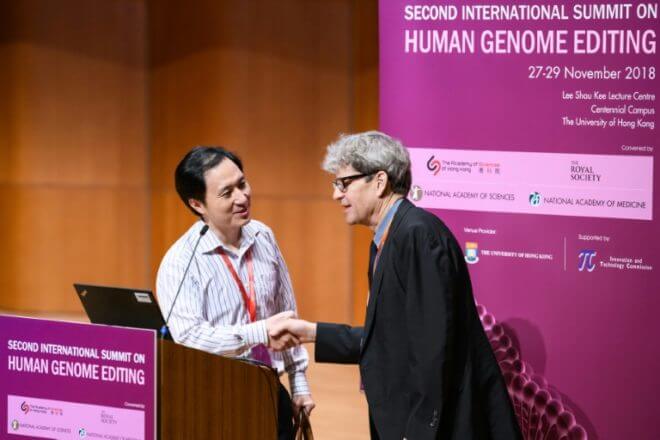
“Even if the modifications are verified, the procedure was irresponsible and failed to conform with international norms,” the organizing committee of the Second International Summit on Human Genome Editing, being held in Hong Kong this week, said in a statement.

He’s filing to a Chinese clinical trials database indicates that a hospital did an ethical review of the project, but the hospital involved denied that its ethics review committee ever met to discuss the work.

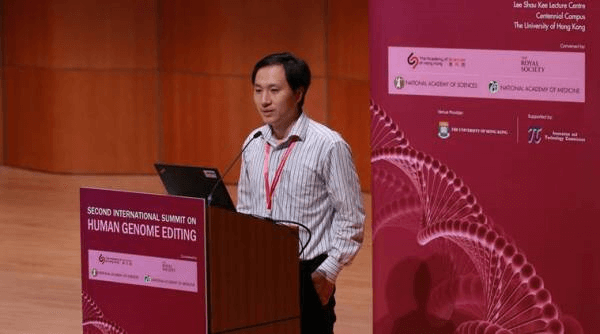
He said after his presentation on Wednesday he was proud of what he had done.

Read full, original post: China orders halt to gene-editing after outcry over babies

Why some Canadian farmers don’t want glyphosate-tolerant GMO wheat

wheat field

Delegates attending the Keystone Agriculture Producers’ (KAP) advisory council meeting [in Manitoba] Nov. 12 passed a resolution …. to lobby the federal government to “disallow the testing, funding, importation and introduction of glyphosate-tolerant wheat in Canada.”

The Canadian Food Inspection Agency’s (CFIA) June announcement that a few wheat plants genetically modified (GM) to tolerate glyphosate were discovered in a ditch in Alberta prompted the resolution from KAP’s District 3, Starbuck farmer Doug Livingston explained when moving the resolution.

The Alberta discovery saw South Korea and Japan temporarily suspend Canadian wheat imports.

The preamble to the resolution says wheat yields have increased without using “GM technologies,” and warned the introduction of glyphosate-tolerant wheat “would create a backlash from major trade partners that could heavily reduce the price of all wheat in Canada.”

The preamble also says volunteer glyphosate-tolerant wheat could become a costly weed to control. “That scares farmers and that’s why the resolution is here,” said Lowe Farm farmer Butch Harder.

No country has ever approved any type of GM wheat …. for commercial production. However, GM wheat has been grown in confined, outdoor, field trials in Canada, with the approval and oversight of CFIA. Last year there were 11 in Manitoba and 43 in Saskatchewan, according to CFIA. Trait objectives included herbicide tolerance, yield increase, fungal resistance, and selectable markers.

Read full, original article: KAP resolution says keep glyphosate-tolerant wheat out

How the news of China’s gene-edited babies blew up

He

He Jiankui didn’t wake up on Sunday [November 25]  expecting his world to change. … He knew international attention was coming for him, and he had a plan.

Then Antonio Regalado, biomedicine editor at MIT Technology Review, ruined it. On a recent trip to China, Regalado heard rumors that He’s lab at the Southern University of Science and Technology in Shenzhen was undertaking research on gene-editing human fetuses. …

Hours after Regalado published his story, Marilynn Marchione of the AP published her reporting on He’s work. Marchione, unlike Regalado, had received early access to He’s work, and her reporting confirmed that He had helped make the world’s first gene-edited babies … . Marchione, like Regalado, spoke to scientists who considered He’s experiment unethical.

All this happened in a few hours, and it was one of the most highly produced medical-science announcements I’ve seen in six years of reporting on the subject. I’ve come to expect organizations like NASA to have such high-value production for their multi-million or multi-billion space programs, but not a small lab in a little-known university.

Nevertheless, the backlash was immediate. Almost universally, scientists were opposed to He’s experiments. He’s videos suggest he expected and accepts some amount of criticism, but it doesn’t seem like he prepared for the level of scrutiny that follows this sort of publicity.

Read full, original post: The Crispr baby news was carefully orchestrated PR—until it all went wrong

Better livestock breeding could help bring Uganda’s farmers out of poverty

e a c

“Kafuuzi!” Grace Bwogi shouted. A black and grey goat turned in the caller’s direction before shifting her gaze and continuing to graze with rest of the herd on this three-acre farm in southern Uganda.

Thanks to her animals, Bwogi has been able to build herself a decent brick house, a rarity in her relatively poverty-stricken neighborhood in the Rakai district. She was able to send her four children to school and the farm has elevated her standing in society.

Goat farmers in Uganda who want improved varieties usually import males from South Africa to mate with their females. But just one imported male costs around four million shillings ($1000), a price that leaves smallholder farmers out ….

Johnson Basangwa is a chicken farmer in Kamuli Municipality. Like Bwogi, he is a passionate believer that rearing livestock can provide an avenue for alleviating poverty for the millions of impoverished people living in Uganda ….“We can profit a lot from livestock; end poverty and over-dependence,” Basangwa said. “But we need the ministry of agriculture to take the lead.”

At the National Livestock Resources Research Institute (NaLIRRI) in Namulonge …. government scientists are [trying] to create varieties that are adaptable to Uganda’s environment and can produce greater yields while resisting diseases.

Read full, original article: Ugandan livestock farmers call for improved breeds amid myriad threats

Making a push for synthetic biology in Europe

bi xels cell free tech

Within a few years synthetic biology has evolved from being a new player in the molecular biology and biotech arena, to being a front row contender with multiple industrial advances and large amounts of investor money.

A noticeable change in the last few years has been a move away from a strict focus on health and medical applications of the technology. “Even in the few years I have been working I have seen a change from purely healthcare focused applications of synthetic biology to solving problems in industry and consumer products,” explained Thomas Meany, co-founder and CEO of London-based synthetic biology start-up Cell Free Tech.

While the US is still very much the leader in the field, with the most companies (approximately 300 were founded in 2017 alone) and investment to date, Europe is slowly but surely catching up. The UK is ahead of the pack in Europe, accounting for 81 of about 500 new global synbio startups founded in 2017, versus 20 founded in France, 12 in Switzerland and 11 in Germany in the same year.

Although Europe is definitely moving in the right direction, it seems that it has a long way to go to catch up with the US in terms of academic research, numbers of companies and overall investment in the sector.

Read full, original post: Has European Synthetic Biology Come of Age?

Citizen scientists are tackling agriculture’s toughest challenges

z

The power of citizen science to contribute to both science and society is gaining increased recognition, particularly in physics and biology. Although there is a long history of public engagement in agriculture and food science, the term ‘citizen science’ has rarely been applied to these efforts.

Here, we convened thought leaders from a broad range of fields related to citizen science, agriculture, and food science to highlight key opportunities for bridging these overlapping yet disconnected communities/fields and identify ways to leverage their respective strengths. Specifically, we show that citizen science projects are addressing many grand challenges facing our food systems ….

There are many threats facing our food and agriculture systems. Here, we focus on citizen science projects addressing some of the greatest challenges in the coming decades: monitoring pests/pathogens, preserving biodiversity and ecosystem services, enhancing food safety, nutrition and flavor, improving food security, and strengthening social justice and education. We do not attempt to provide a comprehensive list but highlight projects that have been innovative and/or successful in their approach.

Read full, original article: The role of citizen science in addressing grand challenges in food and agriculture research

Gene editing set to revolutionize agriculture—but how should it be regulated?

plant roots

In the next few decades, humanity faces its biggest food crisis since the invention of the plow. The planet’s population, currently 7.6 billion, is expected to reach 10 billion by 2050; to avoid mass famine, according to the World Resource Institute, we’ll need to produce 70 percent more calories than we do today.

So here’s a thought experiment: Imagine that a cheap, easy-to-use, and rapidly deployable technology could make crops more fertile and strengthen their resistance to these looming threats. Imagine that it could also render them more nutritious and tastier, with longer shelf lives and less vulnerability to damage in shipping—adding enhancements to human health and enjoyment, as well as reduced food waste, to the possible benefits.

In fact, this technology does exist, though its use remains mostly experimental. It’s called gene editing, and in the past five years it has emerged as a potentially revolutionary force in many areas [including] agriculture.

Recently, two of the world’s most powerful regulatory bodies offered very different answers to that question. The United States Department of Agriculture (USDA) declared in March 2018 that it “does not currently regulate, or have any plans to regulate” plants that are developed through most existing methods of gene editing. The Court of Justice of the European Union (ECJ), by contrast, ruled in July that such crops should be governed by the same stringent regulations as conventional GMOs.

Read full, original article: What’s the Right Way to Regulate Gene-Edited Crops?

Boost for precision medicine? FDA approves drug targeting different cancers with shared mutation

bf fc b d e b f

The Food and Drug Administration on [November 26] approved a drug for a wide range of cancers based on a shared mutation, rather than the tumors’ locations — an advance for the sometimes controversial field of “precision medicine.”

The medication, called Vitrakvi, is the second treatment to receive FDA clearance based on a common biomarker found in an array of cancers.

[The] cost will be $32,800 for a 30-day supply of capsules for adults. The cost for the liquid formulation for children will be based on the patient’s surface area but will start at $11,000 per month.

[The drug] is for patients with advanced solid tumors containing what’s called an NTRK gene fusion, a hybrid of two genes that can promote uncontrolled cell growth. Cancers of the thyroid, lung, and head and neck, among others, can be caused by the defect. The drug is for patients whose cancer has spread or who would experience severe complications by undergoing surgery and have no satisfactory alternatives.

The FDA said the efficacy of the drug was studied in three clinical trials involving 55 children and adults. The patients had a 75 percent overall response rate across different types of solid tumors, with almost all the responses lasting six months and 39 percent lasting a year or more.

Read full, original post: FDA approves ‘precision medicine’ drug for different cancers with same mutation

Mapped British honey bee genome could help safeguard hives against infectious disease

ba c eab ea b

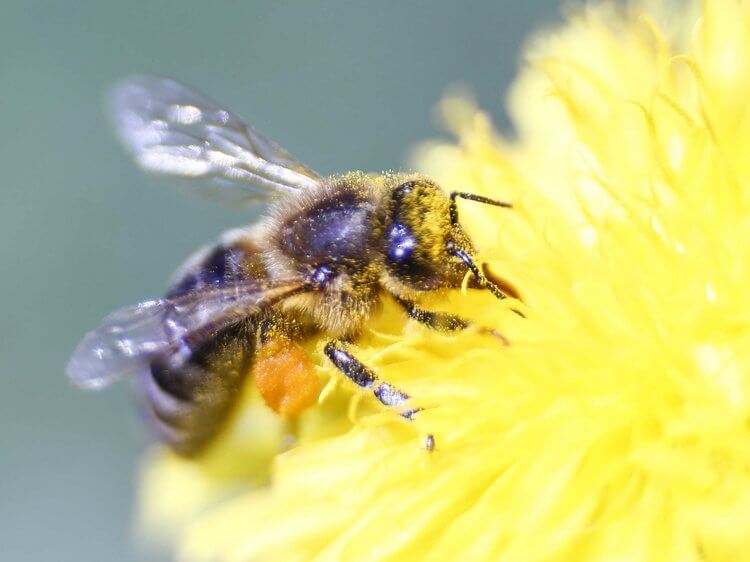
Efforts to protect the UK’s native honey bees could be helped by research that maps their entire genetic make-up.

Experts also analyzed the genetic profile of bacteria and other organisms that live inside bees, to shed new light on emerging diseases that threaten bee colonies.

Researchers say their findings could help to safeguard native bee populations from the effects of infectious diseases through improved health monitoring.  The research is published in Nature Communications.

A team led by the University of Edinburgh analyzed the entire genetic makeup of bee colonies from across the UK and compared them with recently imported bees. They found that bees from some hives in Scotland were genetically very similar to the UK’s native dark honey bee, even though southern European strains have been imported for many years

[T]his is good news as native bees were thought to be endangered in the UK. They suggest this could mean that native bees survive better in cooler climates than their relatives from southern Europe.

The team also analyzed the genetic makeup of bacteria and other organisms that live inside bees …. The findings uncovered organisms that had not been seen before in honey bees and that may cause disease. Hives that are infected with these organisms may also be more susceptible to other infections.

Read full, original article: Bee gene study sheds light on risks to hives

Viewpoint: Why gene drives should be left in the hands of nonprofits

Specter ThePerilsandPromisesofGene DriveTechnology

Gene drive and other methods of editing the genomes of wild organisms could save millions of lives and prevent billions of animals from suffering each year. But advances that are intended to alter the shared environment must be developed and used wisely, if at all. For the foreseeable future, that means by nonprofits.

[G]ene drive systems could lastingly alter or suppress local or global populations of a target species, potentially eradicating insect-borne diseases, healing damaged ecosystems, and preventing animal suffering. As one of those who introduced CRISPR-based gene drive to the world, I hold myself morally responsible for any and all consequences that emerge from the technology.

When people know you will benefit financially from a proposal, they’re less likely to trust your judgment. According to one recent study focused on biotechnology, support drops by more than 20 percent when people learn that a technology was developed by a for-profit company rather than a nonprofit one.

Gene drive and other ecotechnologies depend on popular support. Since they involve the genetic engineering of wild populations, that support is by no means guaranteed, especially if there is for-profit involvement.

Starting with gene drive won’t help the revenue stream from my own patents, but it’s the right thing to do.

Read full, original post: Gene drive should be a nonprofit technology