The Swiss Federal Council wants to adapt genetic engineering regulations to new [gene-editing] techniques. In view of these new technologies, the Federal Council is reviewing amendments to the Genetic Engineering Legislation.
…
The aim is to classify the risks to humans, animals and the environment according to categories. [November 30], the government discussed a situation analysis. The paper was produced by the Swiss Federal Department of the Environment, Transport, Energy and Communications (Uvek) and Business, Education and Research (WBF). When adapting the genetic engineering law, the precautionary principle should apply, the agencies said.
This means that hazards and adverse effects of organisms produced from new genetic engineering processes must be identified before use …. Likewise, risk reduction measures must be taken.
…
In 2019, the Federal Council intends to lay down key points for the adaptation of the legal basis and a consultation draft will follow by the end of 2019. In Switzerland, until 2021, a GM moratorium applies. The Genetic Engineering Act has been in force since 2004.
[Editor’s note: This article was originally published in German. This summary was prepared with Google Translate and edited for clarity.]
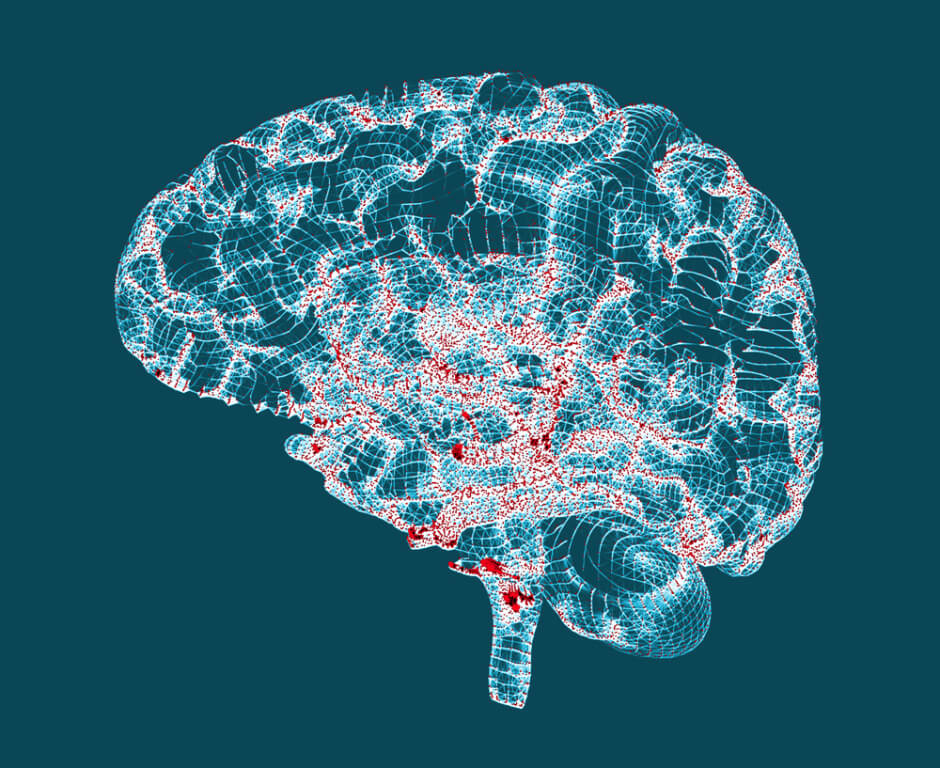
In the latest example of bacteria being “literally everywhere,” scientists appear to have found evidence of microbes living harmlessly in our brains.
…
[The] researchers looked at high-resolution images of slices of postmortem human brain tissue, where they found signs of bacteria, according to Science Magazine.
…
“The brain has always been thought of as a sterile site,” said Dr. Amesh Adalja, a senior scholar at the Johns Hopkins Center for Health Security in Baltimore, who was not involved in the study. “To find [bacteria] there doing no harm sort of breaks a lot of the dogma” on this.
..
[T]he researchers analyzed samples from 34 postmortem analyses of human brains and found bacteria in every brain. Importantly, the researchers found no signs of inflammation or bacterial disease in the brains they examined.
The bacteria seem to prefer certain parts of the brain, as the microbes tended to cluster in areas known as the hippocampus, prefrontal cortex and substantia nigra, according to the study abstract. And often, the bacteria were found in star-shaped brain cells known as astrocytes that were near the blood-brain barrier.
When the researchers sequenced genetic material from the bacteria, they found that most of the microbes were from groups of bacteria that are typically found in the human gut, known as Firmicutes, Proteobacteria and Bacteroidetes.
Within the scientific community, much attention has focused on improving communications between scientists, policy makers, and the public.
…
[W]henever scientific findings clash with a person or group’s political agenda, be it conservative (as with climate science and immigration) or liberal (as with genetically modified foods and vaccination risks), scientists can expect to encounter a targeted campaign of …. disinformation in response …. Under these circumstances, [scientific] information is likely to be either rejected or ignored by otherwise open-minded people.
…
Here we argue that in the current political and media environment faulty communication is no longer the core of the problem. Distrust in the scientific enterprise and misperceptions of scientific knowledge increasingly stem less from problems of communication and more from the widespread dissemination of misleading and biased information.
…
[U]nscrupulous actors with ulterior motives …. circulate fake news, misinformation, and disinformation with the help of trolls, bots, and respondent-driven algorithms …. At this point, probably the best that can be done is for scientists and their scientific associations to anticipate campaigns of misinformation and disinformation and to proactively develop online strategies and internet platforms to counteract them when they occur.
Doctors and scientists have gotten increasingly good at detecting cancer early and treating it effectively. Our level of understanding of molecular mechanisms has exponentially increased in the past decade, spurred on by advances in biotechnology. Therapies are starting to be tailored specifically to the genetic makeup of a single patient’s disease, rather than a “one size fits all” approach.
A new approach is needed. Image credit: Wikimedia Commons
However, one area of research seems to be falling by the wayside, and that’s cancer prevention.
In the world of cancer research, prevention is shrouded in a hidden controversy. It isn’t controversial in the sense that researchers get in fights over it, but rather harbors mistrust and doubts that taint the field.
The main controversy stems from the scientific certainty that if you’re going to get cancer, you’re going to get it. The reason for this boils down to the fact that cancer is a genetic disease, and right now we can’t physically change the human genome. While there are some ways to reduce the chance of mutations – such as not smoking, which is the number one entirely preventable cause of cancer, healthy diet, exercise, and avoiding pollution – it is (as of now) entirely out of our control.
Naturally, these trials just led to the assumption that the agent targeted (β-carotene) was wrong. Trials were launched on multiple other targets including folate, vitamin E , and retinols and retinoids (synthetic versions of Vitamin A, often used for skin treatments). None of these substances proved to have any efficacy in reducing cancer risk and in some cases (following in β-carotene’s footsteps) even increased cancer incidences. None of these substances could manipulate the genetics in our favor.
Not enough to prevent cancer. Image credit: Wikimedia commons
Outside of failed trials, an important factor influencing the opinion of chemoprevention is money (and the related time). There are plenty of conspiracy theorists out there who believe big pharma is sequestering some magic drug that will cure all forms of cancer (let me stress quickly that there is no cure for cancer). However, lots of people and lots of companies do make quite a bit of money from cancer, particularly when it comes to drugs to treat disease. Yet government agencies, such as the National Institutes of Health, recognize the value of prevention studies and are still willing to fund them. The National Cancer Institute even has a separate cancer prevention department and a National Cancer Prevention Fund (NCPF) has been in effect since 1997.
The main issue with money and chemoprevention are not evil corporations and greedy executives, but rather the studies themselves. Even if a magic preventative therapy is discovered, the trials to determine the efficacy and effectiveness would take decades. Studies that tend to take a lot of time also take a lot of money and resources, which many funding agencies will shy away from. It’s unsurprising, as quicker results are more favorable for many reasons. It’s an uphill battle for those wishing to study cancer prevention.
In the lab, mice and rats are used to model cancer mechanisms and test possible cancer drugs because they are really good at developing cancer. However, when it comes to studying cancer resistance, this propensity to develop cancer is not beneficial. In recent years, scientists have been turning to more non-conventional model organisms to study prevention.
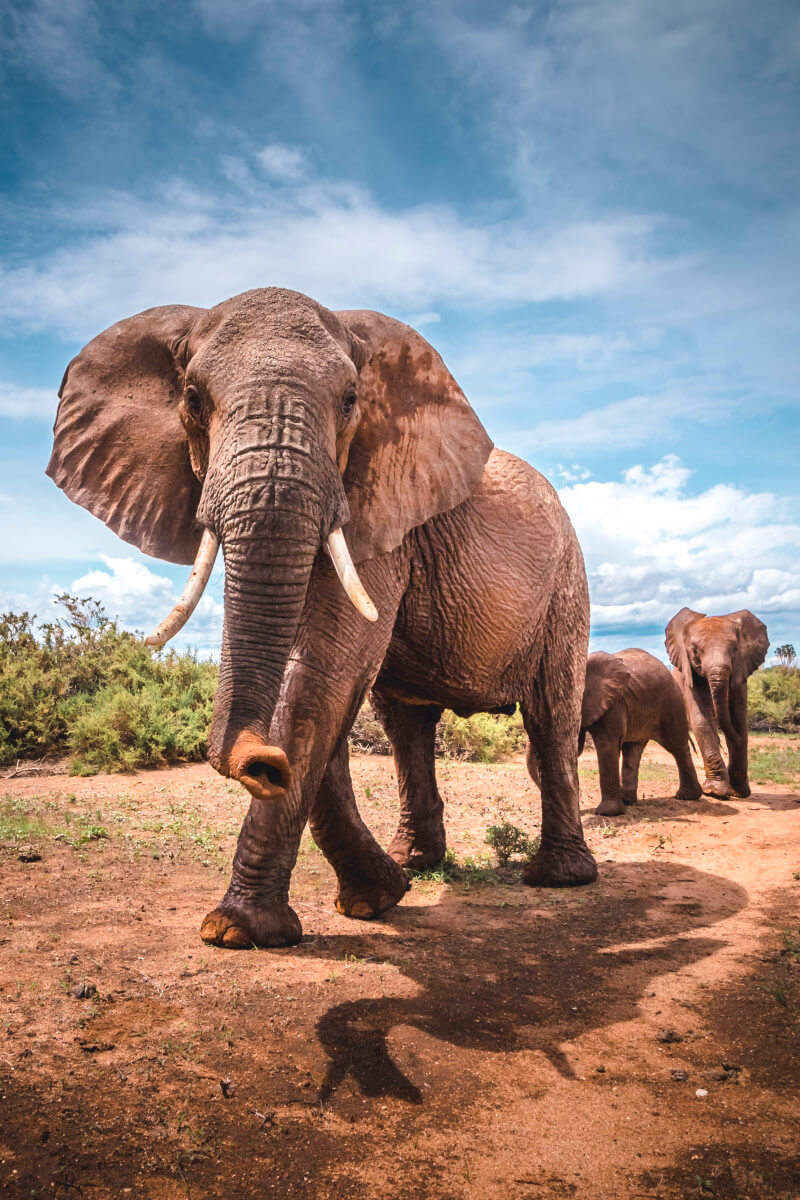
There are examples of long-lived mammals who simply never develop cancer. These include horses, cows, whales, bats, elephants, blind mole rats, and (my personal favorite) naked mole rats. Something in their genetics or their biology is hardwired to fight against cancer. One of the main goals of preventative research is to develop a therapeutic strategy that is effective, efficient, and non-toxic. What better way to achieve this goal than to look at species who have evolved natural, effective strategies to combat cancer?
The picture of health. Image credit: Yannick Francioli on Flickr
Most of these examples are wild animals, so it’s no surprise that it has taken this long to turn to them for answers. Through increasing studies on these unusual models, we have learned things like: elephants have 19 extra copies of the p53 tumor suppressor (perhaps the most important known cancer-fighting gene), some of which are completely new forms of p53 and are under the strict control of an adapted pseudogene (an imperfect gene copy); whales show an increase in genes that cause cells to accumulate mutations at a vastly slower rate; and blind mole rats have increased levels of high molecular mass hyaluronan (HMM-HA, which is a molecule found surrounding cells) that contributes to a more rigid structure of the matrix surrounding cells that may restrict tumor growth – similar to mechanisms that naked mole rats display.
Follow the latest news and policy debates on sustainable agriculture, biomedicine, and other ‘disruptive’ innovations. Subscribe to our newsletter.
From these examples, it’s becoming clear that the secret of cancer resistance lies in how the genome is maintained. Cancer is a genetic disease brought on by the accumulation of mutations. These species have ways to either prevent accumulation of mutations, prevent mutations from occurring in the first place, or restrict cancerous growth, all of which seem to be under a higher level of control than humans. While humans do have some level of control, it is unmatched with that of these unusual animals.
Then I was presented with an opportunity to work with naked mole rats for my PhD project. I jumped at the chance, mainly cherishing the novelty of working with a unique model system. The idea for the project is that naked mole rats appear to never develop cancer – but can we force them to? Or are their genetics and cancer fighting mechanisms so great that even genetic manipulation can’t mess with them? From my hours now spent reading papers on naked mole rats and other cancer-resistant animals like them, I can see some of the promise that they show. I see the hope of harnessing some of these mechanisms and applying them to humans, to save pain and heartache for numerous families and individuals.
The molecular biology of humans is amazing. The level of coordination of thousands of genes, millions of proteins, and a billion tiny mechanisms that occur minute-to-minute is astounding. For years, these mechanisms persist, keeping us alive and well, functioning almost perfectly. When it comes down to it, the amount of mutations the human body can work with before succumbing to cancer is almost shocking. We can work around issues pretty well, but in the end, cancer comes, and when it does it’s difficult to fully eliminate. The promise of these new model systems and emerging resistance mechanisms is quietly crushing the controversy surrounding chemoprevention studies and support for the field is rising.
Cancer prevention is a difficult pursuit, but it is not a futile one.
Alyssa Shepard is a science writer and a PhD student studying cancer resistance mechanisms in naked mole rats at the Scripps Research Institute.
The food system is a major driver of climate change, changes in land use, depletion of freshwater resources, and pollution of aquatic and terrestrial ecosystems through excessive nitrogen and phosphorus inputs.
Here we show that between 2010 and 2050, as a result of expected changes in population and income levels, the environmental effects of the food system could increase by 50–90% in the absence of technological changes and dedicated mitigation measures, reaching levels that are beyond the planetary boundaries that define a safe operating space for humanity.
We analyse several options for reducing the environmental effects of the food system, including dietary changes towards healthier, more plant-based diets, improvements in technologies and management, and reductions in food loss and waste.
We find that no single measure is enough to keep these effects within all planetary boundaries simultaneously, and that a synergistic combination of measures will be needed to sufficiently mitigate the projected increase in environmental pressures.
I won’t comment on it, except to say that it seems to be stating the obvious, at least in regards to the basic principles of population growth and our food supply, although predictions out 30 years should be taken with an appropriate grain of salt. It’s not the subject of this post. My concerns are what appeared to be the slipping editorial standards and a descent into activism at a journal widely considered one of the most prestigious science publications in the world.
The tendentious piece was followed two weeks later by a follow-up letter,“Governments should unite to curb meat consumption,” that built upon the above-cited article.
It is signed by a single person: Philip Lymbery, from the University of Winchester, UK, with no further credentials listed. What is his function at the university? What scientific publications has he produced? Google Scholar returns no results.
In fact, he is not a scholar at all. His main occupation is chief executive officer of Compassion in World Farming (CIWF), an activist and lobbying organization promoting an end to our current meat production system—what it calls ‘factory farming’—as a means to promote the welfare of farm animals.
Surpisingly, the principal occupation and the organization of the signatory are not indicated.
Additionaly, some 60 to 70 co-signatories are listed in an additional information section. For academics, the list only mentions university affiliation; for others, the city of residence with no organizational affiliation noted. In that list, Lymbery is followed by “Jane Goodall, Bournemouth, UK”. The famed primatologist is no doubt a prestigious person, but does she have the credentials to express herself on food policy in a scientific journal? Goodall has made a name for herself more recently with her suspect ‘knowledge’ of agricultural biotechnology, which she virulently opposes, and which includes writing endorsements for the anti-GMO industry’s leading crank, Jeffrey Smith.
And what about “Dave Goulson, University of Sussex, UK,” whose specialty is bees—and widely known among anti-pesticide activists as a ‘scientist-for-hire’? And “Hans Herren, Millennium Institute, Washington DC, USA”, a co-organizer of the infamous “International Monsanto Tribunal” masquerade?
What does this letter mean? The list of signatories raises strong suspicions. But the key message is crystal clear:
…We urge countries to work with the United Nations towards a global agreement on food and agriculture that promotes the adoption of such diets [“more plant-based ‘flexitarian’ diets”], which are more sustainable than meat-based diets and are backed by evidence on healthy eating.
Nature is of course free to set its editorial policy, but are the original article and this letter really about science? I would argue that it’s activism. It’s not about contributing to the thoughts about future policies but about promoting a particular lifestyle and dietary preference.
Follow the latest news and policy debates on sustainable agriculture, biomedicine, and other ‘disruptive’ innovations. Subscribe to our newsletter.
This expression of activism is awkward on two counts.
The signatories appear to have no idea of what such an agreement might be. What would it contain by way of provisions, obligations or measures for its implementation?
Long live the global Food Gosplan! Preferably managed by diplomats.
And this call for a global food governance system, if not a form of dictatorship, is ‘supported’ by clichés that are constantly repeated in support of activist agendas. There is in particular:
In industrial agriculture, cereals that are edible to humans are fed to animals for conversion into meat and milk. This undermines our food security: rearing livestock is efficient only if the animals convert materials we cannot consume into food we can eat. That means raising them on extensive grasslands, rotating integrated crop-livestock systems and using by-products, unavoidable food waste and crop residues as feed.
These activist critics are proposing to reinvent the agricultural sciences, but without regard for real world complexities. Because, for example, producing livestock only on “extensive grasslands” has a cost in terms of productivity and sustainability compared to a farrow and finish system. And “rotating integrated crop-livestock systems” means temporarily diverting land dedicated to the production of food to produce feed for livestock.
The future envisioned by the signees—food coercion through agricultural coercion would be marvelous under such a proposal:
Feeding animals exclusively on such materials would greatly reduce the availability and hence the consumption of meat and dairy products, as well as the use of water, energy and pesticides—thereby cutting greenhouse-gas emissions.
The journal has now done it again. It is not good for the prestige of this ‘prestigious’ journal Nature.
It’s not good for science either. And that’s a problem.
André Heitz is an agronomist by training and former United Nations system civil servant with the International Union for the Protection of New Varieties of Plants (UPOV) and the World Intellectual Property Organization (WIPO). He blogs in French
The current whereabouts of He Jiankui—the scientist who claims to have engineered the world’s first genetically modified human babies—is unknown. Rumors are now circulating that he’s been detained by the Chinese government.
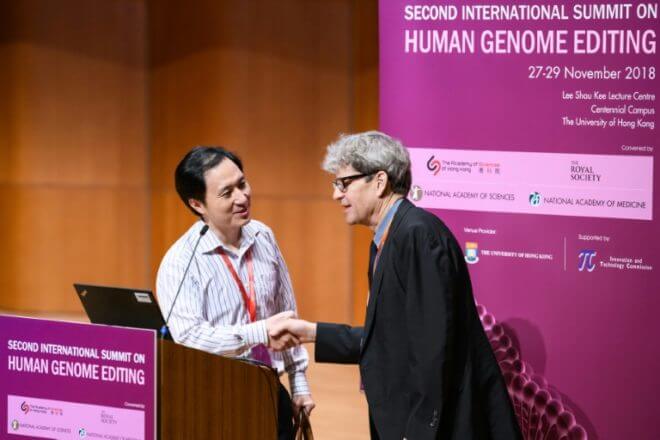
The last that anyone has seen or heard from He Jiankui was on Wednesday November 28, after he spoke in Hong Kong at the second International Summit on Human Genome Editing, the South China Morning Post reports.
The scientist is currently mired in an intense controversy after claiming to have produced the world’s first gene-edited babies. …
As reported by Newsweek, the Hong Kong-based publication Apple Daily claims the embattled scientist was summoned back to Southern University of Science and Technology in Shenzhen, where he works, at the close of the Hong Kong summit. Chen is apparently under house arrest on campus and security guards have been stationed on the university grounds, Apple Daily reports.
…
The Chinese government has a habit of making people disappear for extended periods of time, the most recent example being Chinese actress Fan Bingbing, who went missing this past July. …
No evidence exists at this time to support the suggestion that He is being detained by the Chinese government, but it’s a possibility that has to be considered.
White button mushrooms …. [T]hese little mushrooms represent an important agricultural milestone because they were the first gene-edited crop to get a regulatory green light from the U.S. government.
…
The white buttons dominate the mushroom market because they are widely used …. However, their short shelf life is considered to be one of the major factors hampering the market. And that’s where gene editing comes into the picture.
…
[I]n the case of gene editing, enzymes are used like scissors to tweak a plant’s genetic operating system …. Researchers say it allows them to precisely insert or delete genes in a plant’s DNA, thus improving a crop. No gene-edited mushrooms are yet available in the marketplace …. But that doesn’t mean other gene-edited crops aren’t in the wings.
This year, gene-edited soy beans were planted on 1,600 acres inthree U.S. states. For agriculture, it marks a biotech milestone …. [T]he crushed soybeans will be available in the marketplace early next year, either as edible oil …. or in products like granola bars …. The oil from the soybeans will contain …. significantly more …. healthier oleic acid than ordinary soybeans ….
…
“We’re just driving to the ball park, said John Dombrosky, CEO of Ag Tech Accelerator, in an interview with Bloomberg News ….We’ll be able to fine-tune food for amazing health and nutrition benefits.”
It felt as if humanity had crossed an important line: In China, a scientist named He Jiankui announced on Monday [November 26] that twins had been born in November with a gene that he had edited when they were embryos.
… A few genetically modified people already walk among us.
In the mid-1990s, fertility doctors in New Jersey … suspected that some women struggled to become pregnant because of defective material in their eggs.
To rejuvenate them, the doctors drew off some of the jellylike filling in eggs donated by healthy women and injected it into the eggs of their patients before performing in vitro fertilization.
… Only after their patients started having healthy children did they share the news that it seemed to work. …
But other people reacted with shock rather than excitement. Our cells generate fuel in miniature factories called mitochondria. And each mitochondrion carries its own small set of genes. The New Jersey fertility doctors might have created children with the DNA of three people, not two.
It turned out that this was indeed the case. The doctors discovered that some of the children carried mitochondrial DNA from the donors in addition to their parents. In their 2001 report on this discovery, they called it “the first case of human germ-line genetic modification resulting in normal healthy children.”
Ocean Spray, the company that makes several popular cranberry juice drinks, is battling a class-action lawsuit brought by two plaintiffs who claim to be representing just about every living, breathing human in the United States.
Filed in Massachusetts, the lawsuit accuses Ocean Spray of committing fraud, negligent misrepresentation (of its product), breach of warranty, and unjust enrichment …. According to the plaintiffs, Ocean Spray uses artificial flavors, even though the front of its packaging explicitly states otherwise.
The crux of the lawsuit revolves around malic acid, one of the chemicals that makes green apples sour. In nature, malic acid only exists in one form, known as L-malic acid. Its mirror image, called D-malic acid, is not found in nature. When it’s chemically synthesized in the laboratory, malic acid is made as a 50/50 mixture of its D and L forms. Unfortunately for Ocean Spray, adding commercially produced malic acid to its drink means that it’s technically not natural; the D form is not made by plants.
…
Does this matter in any relevant way? No. About 99% of the vanilla in the world is at least partially synthesized; there simply isn’t enough natural vanilla to flavor all the cookies and ice cream we consume. So, chemists have to make it. Similarly, about 70,000 metric tons of malic acid are made every year for use in all sorts of products.
Japanese neurosurgeons have implanted ‘reprogrammed’ stem cells into the brain of a patient with Parkinson’s disease for the first time.
The condition is only the second for which a therapy has been trialled using induced pluripotent stem (iPS) cells, which are developed by reprogramming the cells of body tissues such as skin so that they revert to an embryonic-like state, from which they can morph into other cell types.
Scientists at Kyoto University use the technique to transform iPS cells into precursors to the neurons that produce the neurotransmitter dopamine. A shortage of neurons producing dopamine in people with Parkinson’s disease can lead to tremors and difficulty walking.
…
[N]eurosurgeon Takayuki Kikuchi at Kyoto University Hospital implanted 2.4 million dopamine precursor cells into the brain of a patient in his 50s. In the three-hour procedure, Kikuchi’s team deposited the cells into 12 sites, known to be centres of dopamine activity.
…
“The patient is doing well and there have been no major adverse reactions so far,” says Takahashi. The team will observe him for six months and, if no complications arise, will implant another 2.4 million dopamine precursor cells into his brain.
The National Health Security Agency (ANSES) is tightening [its] grip around the herbicide king [glyphosate].On December 15, it will withdraw from the market 132 glyphosate products for which the manufacturers have not filed a re-authorization application.By December 31, 2020, it will ban all glyphosate products that pose a risk to the environment or health, and all uses for which alternatives exist.
[The number of] Glyphosate products authorized in France [is declining].In 2016, [it was] 316. On December 15, 2018, [it] will be no more than sixty …. In 2018, ANSES [began reevaluating] all glyphosate products [sold] on the French market ….
…
The re-evaluation procedure initiated by ANSES will focus on 69 glyphosate products. “We will take a close look at the toxicity of these products to genes, their impact on the environment and the risks to human health,” says Françoise Weber, assistant director general of the ANSES, in charge of regulated products.
At the end of this procedure, “all products presenting an unacceptable risk for the environment and human health” will be banned …. In short, the work of ANSES will significantly reduce the scope of possible applications of the …. herbicide ….
Over the past few years, an international team of almost 200 psychologists has been trying to repeat a set of previously published experiments from its field, to see if it can get the same results. Despite its best efforts, the project, called Many Labs 2, has only succeeded in 14 out of 28 cases.
…
In recent years, it has become painfully clear that psychology is facing a “reproducibility crisis,” in which even famous, long-established phenomena—the stuff of textbooks and ted Talks—might not be real.
…
Many psychologists have blamed these replication failures on sloppy practices. Their peers, they say, are too willing to run small and statistically weak studies that throw up misleading fluke results, to futz around with the data until they get something interesting, or to only publish positive results while hiding negative ones in their file drawers.
But skeptics have argued that the misleadingly named “crisis” has more mundane explanations. First, the replication attempts themselves might be too small. Second, the researchers involved might be incompetent, or lack the know-how to properly pull off the original experiments. Third, people vary, and two groups of scientists might end up with very different results if they do the same experiment on two different groups of volunteers.
…
Despite the large sample sizes and the blessings of the original teams, the team failed to replicate half of the studies.
A new opinion poll suggests that Russian trolls, aided by anti-GMO groups such as the Center for Food Safety and Organic Consumers Association, have been strikingly successful in sowing doubt about science in the general population.
While experts around the world share an overwhelming consensus that foods produced from genetically modified crops are as safe as any other, the latest Pew Research Center polling data shows that an increasing share of the United States public disagrees.
Some 49 percent of US adults surveyed said that foods with GM ingredients were worse for one’s health, up from 39 percent just two years ago.
…
Over the past year evidence has emerged that Russian bots and trolls, as well as Vladimir Putin’s state-controlled media, have been making great efforts to spread anti-GMO memes among Western audiences in order to undermine public trust in science.
“The uptick in concern [about the supposed health effects of GMOs] has come primarily among those with low levels of science knowledge; there has been no shift in this belief among those with high levels of science knowledge,” according to Pew.
…
This will provide scant consolation to science communicators who have been aiming to combat widespread misinformation on the GMO issue. Clearly, turning the tide on anti-GMO fake news will be a tougher battle than they ever thought.
An online search for “GMO” returns more than 88 million results — a tangled mess of frightening images, dense data, skepticism, insulting comments and conflicting claims and counterclaims. For the average consumer, separating reputable sources from propaganda is tough, if not impossible.
What is a genetically modified organism, or GMO? Even the answer to the question can be controversial.
At its most basic, genetic modification is the process by which changes occur in an organism’s genome. Nature is perpetually modifying the genetics of every organism in an effort to help the organism adapt to its changing environment.
…
The most debated topic related to GMOs is whether they threaten the health of humans or the environment …. Researchers like Rebecca Grumet, a professor in the [Michigan State University] Department of Horticulture, point out that safety questions also can arise with conventional breeding, since plants make toxic substances on their own.
“Modification through genetic engineering is not unsafe simply because it’s genetic engineering,” says Grumet. “In terms of alterations to a plant’s genome, what’s important is not the method that was used.
Read full, original article: SPARTAN PLANT RESEARCHERS EXPLAIN THE BASICS OF GENETICALLY MODIFIED ORGANISMS
[Jamie] Metzl is a senior fellow at the Atlantic Council and author of the upcoming book Hacking Darwin: Genetic Engineering and the Future of Humanity. At Singularity University’s Exponential Medicine conference last week, he shared his insights on genomics and AI.
…
“IVF procedures can extract around 15 eggs, fertilize them, then do pre-implantation genetic testing; right now what’s knowable is single-gene mutation diseases and simple traits like hair color and eye color. As we get to the millions and then billions of people with sequences, we’ll have information about how these genetics work, and we’re going to be able to make much more informed choices,” Metzl said.
…
This, he added, could lead to some wild and frightening possibilities: if you have 1,000 eggs and you pick one based on its optimal genetic sequence, you could then mate your embryo with somebody else who has done the same thing in a different genetic line. “Your five-day-old embryo and their five-day-old embryo could have a child using the same IVG process,” Metzl said.
…
It’s a slippery slope from gene editing and embryo-mating to a dystopian race to build the most perfect humans possible. If somebody’s investing so much time and energy in selecting their embryo, Metzl asked, how will they think about the mating choices of their children? IVG could quickly leave the realm of healthcare and enter that of evolution.
Chinese researcher He [Jiankui] dropped the bomb with his claim that he produced twin CRISPR’d babies. He cited a 2017 National Academies of Sciences, Engineering, and Medicine consensus report as one reason he felt it was alright for him to proceed with his efforts to do this.
I question He’s interpretation of that report, but in my view the experts issuing various reports left the door too open to this kind of work.
As the Hong Kong meeting wrapped up, the organizers released a statement that did not explicitly call for a moratorium on making gene-edited babies.
…
Unlike the meeting organizers, I favor a low-risk, temporary, three-year moratorium on implantation of gene-edited human embryos to make genetically modified babies. A moratorium won’t stop the most driven rogue, and one can reasonably ask how it would be enforced. … Three years is enough time for both the science and societal discussions to advance without being a burden.
…
The scientific community needs to take a firmer and clearer stance that making genetically modified babies is prohibited for the time being. A temporary moratorium specifically on implantation of gene-edited human embryos would achieve that with minimal risk of over-regulating research and no impact on in vitro research.
Wheat with DNA tweaked to beat the heat, and redesigned rice that can flourish in hot, dry conditions. Work is now underway to bring these kinds of genetically edited foods to dinner tables around the world, with the new rice estimated to be in bowls by about 2039, all necessitated by our warmer …. planet.
…
“I think the genes and pathways that we’re identifying through our approach — spanning cell biology to whole plant physiology — could be good candidates for GM …. intervention” to keep yields up, MIT assistant professor David Des Marais [said].
Des Marais and his team are working on a …. project to find the genetic foundations for responses to heat and water stress in a grass species related to wheat and rice …. He added that genetic editing based on the team’s research could be “a good opportunity to improve crop resilience and food security in at-risk locations around the world.”
Another endeavor Des Marais called “very exciting” is the C4 Rice Project. A 10-institution effort headquartered at Britain’s Oxford University, the project’s goal is to genetically alter rice — a “C3” plant, so-called because of the three-carbon molecules it makes during photosynthesis — into “C4” plants …. In short, C4 plants produce more grain from the same amount of sunlight.
Three years ago, when Sigrid E. Johnson was 62, she got a call from a researcher seeking volunteers for a study on DNA ancestry tests and ethnic identity. Johnson agreed to help.
…
Johnson’s father, a chauffeur who later became a superintendent at a housing project in North Philadelphia, had a golden-brown complexion. Her mother, who said her own father was a white Brit and her mother was half African-American and half Native American, was light-skinned.
…
Johnson figured it was no big deal: She was half African and half Italian. “I knew what the results would show when they came back — that is, until the results actually came back.”
…
The results, which indicated a stunning level of precision, shocked Johnson. They said she was 45.306 percent Hispanic, 32.321 percent Middle Eastern, 13.714 percent European and 8.659 percent “other,” which included a mere 2.978 percent African.
…
Johnson, now 65, hoped the [23andMe] tests would conclude that her genes aligned with who she believed herself to be. In early August, with the kits in hand, she walked around her apartment, trying to work up enough saliva to fill the little collection tubes. Afterward, Johnson was both eager for quick results and hesitant about what they might say. “You know,” she said, “even if the results are the same as they were before, I am still a black woman.”
The birth announcement for the first human babies conceived using gene editing, to prevent an infection, came via YouTube on November 25.
In the words of researcher He Jiankui, of Southern University of Science and Technology in Shenzhen:
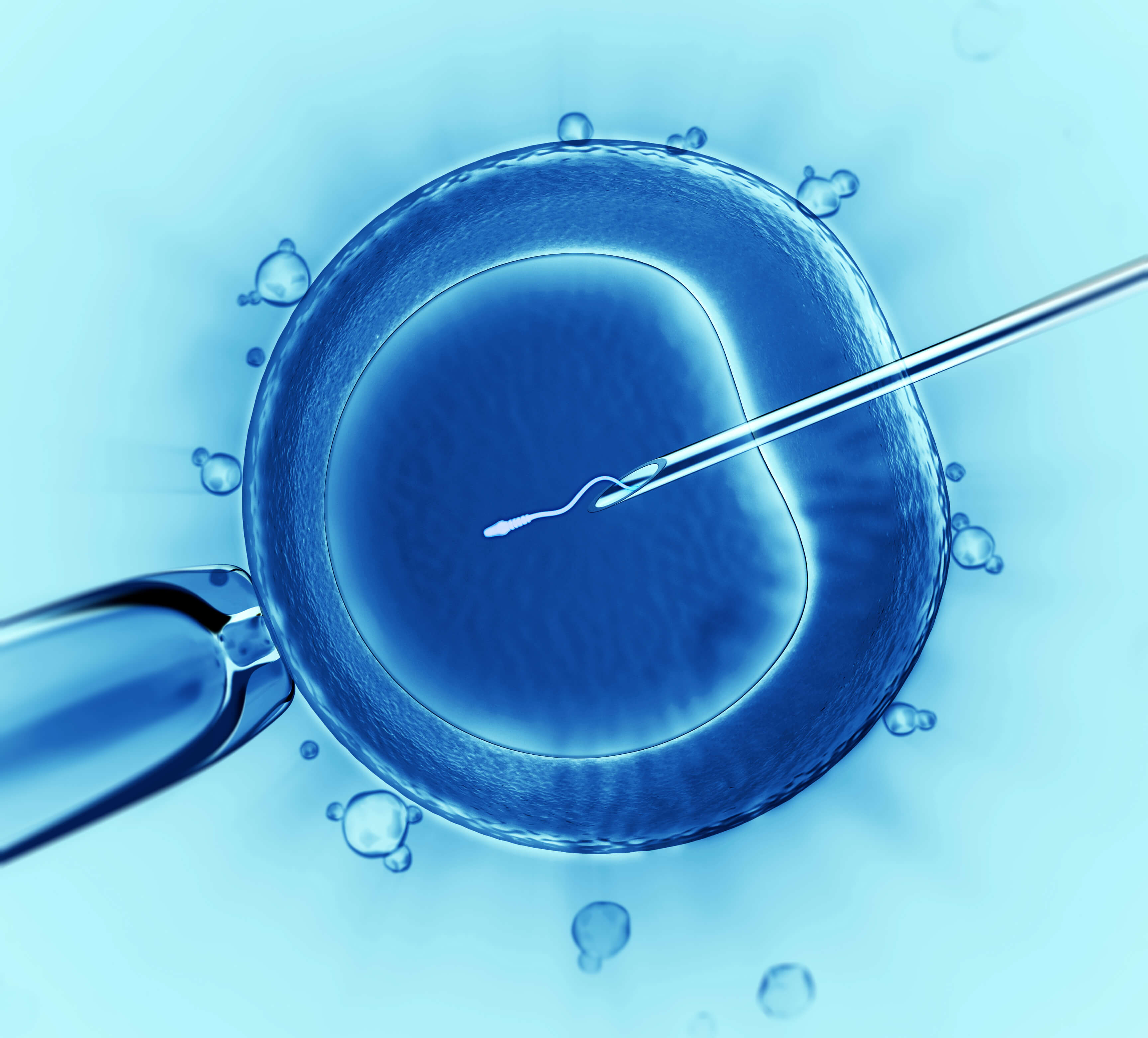
Two Chinese girls, who we’ll call Lulu and Nana to protect their privacy, were born healthy a few weeks ago. Their mother Grace started her pregnancy by regular IVF with one difference: right after sending her husband’s sperm into her eggs, an embryologist also sent in CRISPR/Cas9 protein and instructions to perform a gene surgery intended to protect the girls from future HIV infection. The surgery reproduces a natural genetic variation shared by more than 100 million people of primarily European origin that confers strong resistance to initial HIV-1 infection and disease progression.
Organizers of the Second International Summit on Human Genome Editing denounced He Jiankui’s gene editing of human embryos. Image credit: AFP/ Anthony Wallace
Dr. He went on to briefly explain the safety measures taken: genome sequencing before the early embyros implanted in the uterus, during the pregnancy, and after birth. “These data indicate the girls’ genomes were changed as intended by the gene surgery, but no off-target editing or large deletions occurred,” he concluded, saying his team would publish the findings soon.
Condemnation was swift and relentless, reverberating through the news media, with co-CRISPR-inventors and various other luminaries of science chiming in. The American Society of Human Genetics quickly reaffirmed its 2017 Position Statement on Germline Genome Editing, with president David Nelson adding in a news release:
It is premature to perform germline genome editing that culminates in human pregnancy. Important scientific, ethical, and policy discussions are taking place, but many vital questions remain unanswered.
In other words, manipulating human eggs, sperm, and embryos might be ok, but only if the nurturing ensues in laboratory glassware. For now.
A few days later, on December 3, the debate hadn’t simmered down. Director-General Tedros Adhanom Ghebreyesus of the World Health Organization called for an advisory panel to examine the ethical, social, and safety issues of the technology, saying that gene editing “cannot be just done without clear guidelines” and experts should “start from a clean sheet and check everything.” Also that day, Ed Yong in The Atlantic offered a meticulously researched roundup dissecting the many ethical boundaries that Dr. He and his still somewhat mysterious experiment crossed.
Everyone seemed to be in shock and awe, astonished, stunned, at the announcement of the gene-edited twins. But the clues had been accruing, making headlines, fleetingly, with each step. Even Dr. He reviewed them in his video: “While CRISPR/Cas9 has been studied in human cells and in early clinical trials, gene surgery in embryos intended for pregnancy has not previously been reported.”
This time, the headlines haven’t faded and seem to be ramping up. And that’s because of three words: “intended for pregnancy.”
Sliding down the slippery slope
The precedents can be seen as building towards pregnancy, each experiment with a different target.
In May 2015, Junjiu Huang and colleagues, from Sun Yat-sen University in Guangzhou, used CRISPR/Cas9 to manipulate a gene that lies behind beta thalassaemia, an inherited anemia. Their intent wasn’t to create mutation-free babies, but to study the editing process and how it might go awry. The embryos that the researchers manipulated each had three nuclei – developmentally doomed to divide only a few times. Pregnancy was never intended.
Because several genes encode parts of the hemoglobin molecule, the controls are complex. The gene-editing experiments confirmed that challenge. The researchers concluded, “our work highlights the pressing need to further improve the fidelity and specificity of the CRISPR/Cas9 platform, a prerequisite for any clinical applications of CRISPR/Cas9-mediated editing.”
In August 2017 Shoukhrat Mitalipov, from the Center for Embryonic Cell and Gene Therapy at the Oregon Health & Science University, announced correcting a dominant mutation in a gene (MYBPC3) that causes a common form of heart failure, hypertrophic cardiomyopathy. The CRISPR components were introduced at the time of the application of sperm to the egg, so technically the action didn’t alter an embryo – it hadn’t yet formed, for it takes about twelve hours for the genetic packets of sperm and egg to meet and merge, establishing the new genome. Still, it’s altering the germline.
The early intervention was attempted to prevent mosaics from forming, which is when the engineered change gets into only some of an embryo’s cells. And it worked, for most of the embryos. The report was published August 2 in Nature, but MIT TechnologyReview broke the story July 26. (MIT Tech Review also broke this new chapter on November 25, which Antonio Regalado deduced from publicly available documents detailing the experiments ahead of the now-infamous YouTube birth announcement.)
In September 2017 came basic research from London, also reported in Nature, to investigate a gene, Oct4, which controls early embryonic development. “This is the first time that CRISPR-Cas9 genome editing has been used to study the function of a gene in human embryos, which can lead to improvements in stem cell biology, IVF treatment, and knowledge of how human embryos develop in the first window of seven days, perhaps revealing causes of when pregnancy fails,” said Kathy Niakan, a developmental biologist at the Francis Crick Institute in London and team leader (see “CRISPR opens window into early stages of human embryo development” at Genetic Literacy Project).
Sowing the seeds of fear
Objections to Dr. He’s work centered on violating the sacrosanct ban on modifying a fertilized ovum, which would affect every cell in the developing body and be passed to the next generation. That’s not the same as the gene therapies that augment or correct somatic cells, like in the retina or blood cells, or even like a manipulation on an embryo that is more than a single cell. It’s the germline that rang the alarm bells.
Sketchy informed consent and the lack of published results in a peer-reviewed journal were also brought up.
Another objection was targeting the CCR5 gene, which is a receptor for certain pathogens. Eliminating or disabling it can block entry of HIV, but may let in other pathogens, such as West Nile virus. I think CCR5 was a logical choice for a proof-of-principle study.
But the bottom line behind the criticisms goes back to the “intended for pregnancy.” With the births, and those of a reportedly six other couples pending, the research is sliding down a slippery slope.
Those of us who recall the debut of modern biotechnology in the mid 1970s may have a more forgiving perspective. I tried to get that across, amid the uproar a few days after the announcement, in an interview for my local NPR station WAMC. (I got the call because I teach “Genethics” online for the Alden March Bioethics Institute at Albany Medical College.)
The gene editing reveal isn’t the first time widespread outrage has met an early use of a biotechnology. The reaction evokes the “triple-headed purple monster” mindset of 1976, when recombinant DNA technology was under heated debate. In February 1975, 150 molecular biologist superstars convened at Asilomar, on California’s Monterey peninsula, to explore the implications of combining genes of two species. The field started with insertion of genes from cancer-causing viruses into bacteria.
Follow the latest news and policy debates on sustainable agriculture, biomedicine, and other ‘disruptive’ innovations. Subscribe to our newsletter.
The Asilomar conference led to guidelines for “physical containment” via specialized hoods and airflow systems and “biological containment” to weaken organisms so that they couldn’t survive outside the lab. Today people with diabetes get their insulin from the drugstore, likely unaware that the drug is made in recombinant bacteria endowed with human genes. At one time, that idea was terrifying.
In 1985 came another giant genetics project that led to vigorous debate: sequencing “the” human genome. Millions of sequenced genomes later, some of us carry our genome sequences on our smartphones and are paid for sharing our information. But back in the late 1980s, the initial cost estimate was $1 billion.
The researchers who packed a room at the Cold Spring Harbor Laboratory on New York’s Long Island to debate the feasibility of the government’s version of the human genome project objected 5:1, ticking off their fears: diverting funding to fight HIV/AIDS, promoting data dumps rather than clever experiments. They compared the sequencing effort to climbing Mount Everest just because it’s there. In 1988 Congress authorized the National Institutes of Health and the Department of Energy to start sequencing. I’m glad Mount Everest won.
The current brouhaha against the gene-edited twins also echoes the recent history of alternative reproductive technologies.
Louise Joy Brown and her son.
In 1978, Louise Joy Brown, the first baby born of in vitro fertilization (IVF), was discussed as if she were a space alien until her ordinariness became apparent (see “My Life As the First Test-Tube Baby”). That’s similar to predictions that the gene-edited, HIV-free Lulu and Nana will be teased at school one day for the bit of genetic material and protein added to their one-celled-selves.
By now more than 8 million people share Louise Joy Brown’s origins in a dish. A decade after her birth came the first “savior sibling” when the Nash family used preimplantation genetic diagnosis (PGD) to conceive and select an embryo who would, one day, as Adam, provide stem cells to save his sister Molly from Fanconi anemia. The parents were vilified on talk shows. PGD is now commonly done with IVF to select the healthiest embryos.
Coda
Given the sagas of recombinant DNA technology, human genome sequencing, IVF and PGD, why does a new biotechnology – gene editing to prevent a health problem in people – elicit such strong reactions? Maybe because it combines the strategies of the past biotechnologies: Recombinant DNA adds genetic material to cells; IVF and PGD select cells receiving it. And of course Dr. He behaved in a dangerously renegade manner, eschewing ethics committees and even, according to the article in The Atlantic, devising a PR campaign.
I think that Dr. He’s experiments are perhaps well-intended, and editing out the HIV gateway an inspired target, with its precedent of safety as a natural variant.
Noted Harvard geneticist George Church was one of the few to at least consider, if not defend, Dr. He, pointing out that the Chinese children likely won’t die and the choice of CCR5 was to design a meaningful experiment, not replace antiretrovirals.
I hope that the Second Annual Summit on Human Genome Editing held last week in Hong Kong, where Dr. He described his work, as well as the comments from the WHO director, will serve as, or inspire, an Asilomar-like conference for gene and genome editing – a global one. Let’s learn from the past instead of panicking in the present.
Ricki Lewis is the GLP’s senior contributing writer focusing on gene therapy and gene editing. She has a PhD in genetics and is a genetic counselor, science writer and author of The Forever Fix: Gene Therapy and the Boy Who Saved It, the only popular book about gene therapy. BIO. Follow her at her website or Twitter @rickilewis