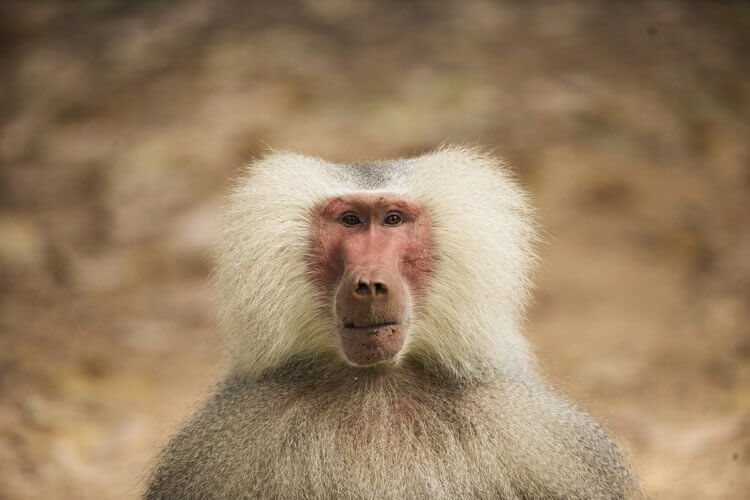
In four adjacent enclosures transplantation researcher Bruno Reichart kept four happy baboons. … Most importantly, he says, they were healthy and normal—which is astonishing, given the fact that the hearts beating life in their chests were anything but normal for a baboon.
All four of the baboons that lived in Reichart’s lab at Ludwig Maximilian University of Munich had their original hearts surgically replaced with ones from genetically engineered pigs. …
Despite the fact monkeys are our evolutionary cousins and can stand in for us fairly well in experiments, nonhuman primates make for poor organ donors. … But there is one animal that is already bred and raised en masse, is easy to genetically edit and has organs eerily similar to an adult human’s: the domestic pig. …
But even though humans can give their hearts to compatible persons with little more than a side of immunosuppressants, cross-species transplantation is not so straightforward. …
Two important developments pumped hope into the field over the past few years: First, researchers such as geneticist Luhan Yang, co-founder of life sciences company eGenesis, began using the gene-editing tool CRISPR–Cas9 to remove parts of the pig genome that might harm humans or provoke an immune response. …
Then in 2016 Mohiuddin’s lab took this further by showing baboons could survive with a genetically engineered pig heart implanted into their abdomens for nearly 1,000 days—if the baboon was on a certain cocktail of immunosuppressants.
Cows born without horns or pigs that never reach puberty? These scenarios could become a reality soon thanks to new gene-editing tools. A company wants to alter farm animals by adding and subtracting genetic traits in a lab.
Alison Van Eenennaam, an animal geneticist at the University of California, Davis says soon edits that create polled herds will be common.
“It’s kind of a pair of molecular scissors, if you will, that you can tell to go and cut the DNA at a very precise location in the genome,” says Van Eenennaam. “What that enables you to do is go in and very precisely alter one particular gene of the thousands of genes that make up the genome and you can introduce useful genetic variations.”
Read full, original article: Gene-Editing Finding its Way to the Farm
A fertile soil is a microbial wonderland …. a tiny ecosystem too small to see with our eyes. Yet, the soil ecosystem retains and recycles the nutrients that fertilize the plants …. Life as we know it would not be possible without soils.
However, what is good for crops is good for weeds …. Weeds rob crops of their nutrients. In any given year, weeds rob enough nutrients around the world to have fed one billion people. Clearly, farmers have to get rid of weeds ….
Over the years, nothing has been better to get rid of weeds than plowing the soil. But plowed soil easily washes away. Its organic matter burns away, and its ability to hold nutrients is destroyed …. farmers frequently had to choose between their crop and their soil.
…
Then, 20 years ago, the combination of GM crops and herbicides …. made conservation agriculture …. much easier to do …. Soil is no longer plowed to control weeds. Instead, a machine punches a small hole in the ground, and a seed gets dropped in …. However, the crop has been engineered to resist certain types of weed killers. Thus, the farmer can …. kill the weeds without killing the crop. As a bonus, the dead weeds …. act as a blanket that protects the soil from washing away in the rain.
This new combination …. is a win-win for farmers and the environment.
After a contentious two-year comment period …. a rule requiring companies to label genetically modified foods is being finalized [the week of December 3]. The White House Office of Management and Budget approved the Obama-era legislation …. industry site IEG Policy reports, marking its last step before publishing.
Passed by Congress in 2016, the regulation would establish a “mandatory uniform national standard” for disclosing genetically modified ingredients, pre-empting similar state laws …. On its website, the USDA says the new standard “will increase consumer confidence and understanding,” but the proposed rule acknowledges that it “is not expected to have any benefits to human health or the environment.”
When the proposal was first unveiled for comment, many of the food and environmental groups that had spearheaded the call for transparency in food labeling opposed it, criticizing the friendly design and confusing language ….Since then, the USDA has modified its design: The new, slightly more somber labels will adorn packing on GMO foods starting in 2020 ….
In a series of increasingly confrontational statements, Russia has suggested that the Pentagon is establishing a chain of bio-weapons labs on its borders. At the heart of the accusations is the Richard Lugar Center for Public Health Research in the Republic of Georgia.
…
The Russian charges that the Lugar Center and other biological labs in the Caucasus and Central Asia are making banned bioweapons are unfounded. Last week a group of international experts, including this author, visited the Lugar Center by invitation of the Georgian government. We were given access to all areas of the site, examined relevant documentation, and interviewed staff, and concluded that the Center demonstrates significant transparency.
…
The Russian allegations appear to be part of a disinformation campaign that has grown in response to scrutiny of Moscow for using and enabling the use of chemical weapons.
…
False claims about biological weapons in particular, though, create an additional grave danger: They erode the international norm against using them, making countries more likely to do so. While it is easy to dismiss the Russian messaging as nonsense, as the US Embassy in Georgia has done, it is important to actively counter the effect it will likely have on the norm against using biological weapons.
Tyson Foods is the biggest U.S. food company …. [E]arlier this year it formed the Trendtellers Council and packed it full of food leaders and innovators. That council has now delivered its first list of projected food trends.
…
Transparent food takes hold
Yes, we all know that consumers want more information about their food. They want to know where it was grown, how it was grown, how it was harvested, and how it landed on their plates. And while much of this seems trivial to farmers, its a reminder that this trend isn’t going anywhere soon.
…. Someone is going to tell the story of agriculture. If it isn’t farmers, it probably won’t be the narrative we like. So we need to continue to open up and let consumers get to know us.
…
Food as a form of self-expression
…. As discussed on A User’s Guide to Cheating Death, the natural fallacy takes hold because people see food as a form of self-expression. That’s why organic and non-GMO foods are forms of identity. It makes people feel really good about their choices and who they are.
…. I purchase Land O’Lakes products because the company has always supported family farmers. I don’t buy groceries with The Non-GMO Project labels because the label is toxic. We need to make supporting good brands that don’t use fear as fashionable as possible!
[S]cientists, using a powerful technology called single-cell sequencing, have begun to peel apart the precise mechanisms of how individual cells operate. By quickly analyzing thousands — even millions — of cells in a single experiment, it’s now possible to visualize the specific cellular culprits for any given disease, how they might interact with their microscopic peers, and what molecules are involved in the process.
…
Here’s how single-cell sequencing works: A cancer biopsy is teased apart, and each of the thousands of cells is locked into its own tiny test tube on a microfluidic chip, and then treated with a series of enzymes and chemicals to coax the necessary genetic material out.
…
The cells are then probed for a predetermined set of variables: Scientists can check whether they carry a certain set of genes, or express specific molecules involved in disease pathogenesis.
The data are aggregated, and through the magic of machine learning scientists can use that data to sort cells by their function and characteristics. Instead of averaging the genetic profile of the tissue sample, this analysis quantifies the prevalence of each different cell type — and can isolate the outliers.
…
Single-cell sequencing might ultimately help clinicians know whether a therapy is tailored to target the specific cell types that have gone rogue.
An over-reliance on the precautionary principle threatened to impede innovation in decisions made at [the recent] Convention on Biological Diversity (COP CBD), noted one agricultural expert.
Rodrigo Lima, partner director of Agroicone, Brasil, was responding to the stances taken by those who were pushing for more stringent regulations on genetic engineering, gene drives and synthetic biology at the just-concluded 2018 United Nations Biodiversity Conference in Sharm El-Sheikh, Egypt.
…
In an exclusive interview with the Alliance for Science in Egypt, Lima stressed that poor information and lack of scientific knowledge tended to affect sound decision-making by many of the parties involved in the conference. However, he underscored the need for key players like scientists and academics to join the discussion to educate people about the potential benefits and possible risks associated with the technologies.
…
Speaking on behalf of the AU, Eric Okoree, chief executive officer of the Ghana Biosafety Authority and the national focal point for the Cartagena Protocol on Biosafety, said the continent was carefully considering these emerging technologies and putting the necessary regulatory systems in place.
“Africa’s position is to harness all possible emerging technologies,” he said. “We believe science and technology creates the jobs because the poverty gap is also a technology gap and so we want to make the best use of any new scientific procedure to improve our agriculture, health and living standards on the continent.
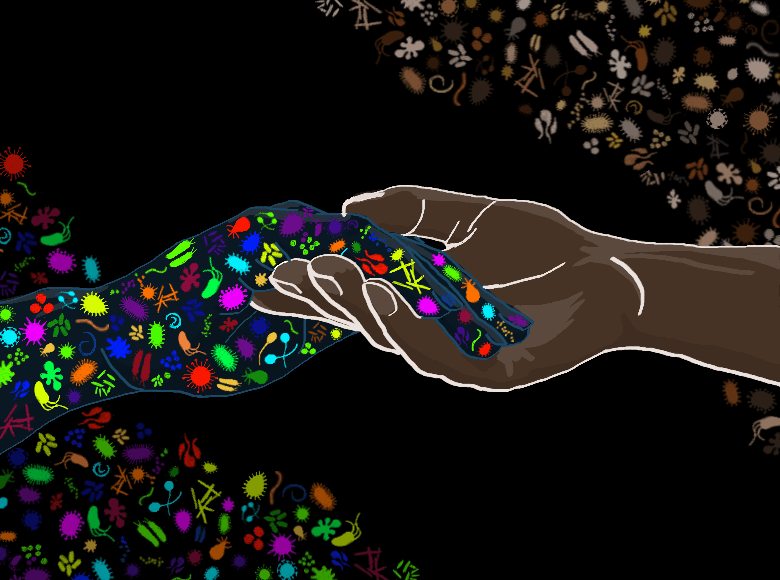
Look closely enough at any plant or animal and you will discover a riot of bacteria, fungi and viruses forming a complex and interconnected ecosystem. A recent explosion of research reveals how deeply we rely on our microbial patterns to keep our bodies functioning, raising profound questions about what it means to be an individual.
…
Some biologists are calling for a radical upgrade of evolutionary theory, arguing that prevailing ideas, developed from the study of bigger, more easily understood organisms, don’t fit nicely into this new world. Others contend that existing theory just needs to be applied more carefully.
…
“We have never been individuals,” proclaimed a 2012 paper in The Quarterly Review of Biology by Scott Gilbert, a developmental biologist at Swarthmore College, and his colleagues. This bold assertion echoed previous calls for a reconceptualization of complex organisms as new kinds of individuals — holobionts. The term holobiont encompasses a host animal or plant and all its constituent microbes.
…
Critics of holobiont-centered theories are not discounting the importance of studying the interconnections between microbes and hosts, but they think the holobiont framework is almost always misleading. They envision the holobiont as an ecological community, not an evolutionary individual. The knowledge that symbiotic relationships with microbes are important “doesn’t mean we have to completely forget what we know about how evolution and natural selection operate,” [evolutionary biologist Joan] Strassmann said.
Uncertainty continues to swirl around scientist He Jiankui’s gene editing experiment in China. Using CRISPR technology, He modified a gene related to immune function in human embryos and transferred the embryos to their mother’s womb, producing twin girls.
Many questions about the ethical acceptability of the experiment have focused on ethical oversight and informed consent. These are important issues; compliance with established standards of practice is crucial for public trust in science.
But public debate about the experiment should not make the mistake of equating ethical oversight with ethical acceptability. Research that follows the rules is not necessarily good by definition. As He pushed ahead with human gene editing, how much he skirted the rules may not be his primary ethical failing.
He Jiankui is taking heat from the scientific community. Image credit: Kin Cheung/AP
The ‘right’ way to conduct research
A statement signed by 122 Chinese scientists proclaimed He’s work “crazy” and in violation of ethical standards. Is that really the case?
Scientists undertake medical research to generate knowledge that may one day be used to improve human health. This work can help determine new strategies for prevention and early detection of disease, or develop new drugs and new technologies for treatment, for example. Without investigating them, no one knows which preventive measures, diagnostic tools, or treatments are most beneficial. They need to be rigorously tested.
Ethicists tend to focus most on studies that ask a lot of human subjects because these usually carry the most risks for volunteers. Picture a drug study with participants taking an experimental medication, keeping a daily diary of symptoms and side effects, meeting frequently with a physician and so on.
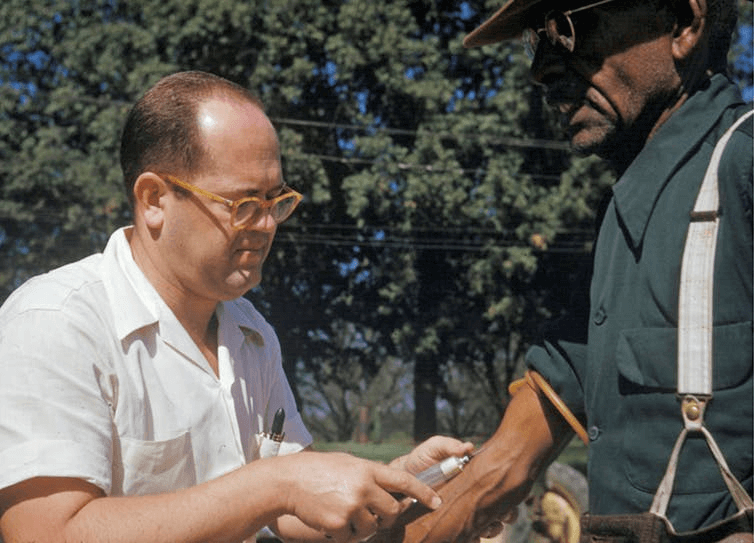
A man included in a syphilis study has blood drawn by a doctor in Tuskegee, Alabama. Image credit: National Archives via Associated Press
The ethical acceptability of research is contingent on an institutional review board’s judgment that the procedure has the potential for benefit that counterbalances risk of harm. Institutional review boards are typically internal to research institutions but are meant to be independent of investigators. The board also works to ensure the process of informed consent is robust, such that participants are appropriately educated about the relevant risks of participation, are free from coercion to participate and are aware of their ability to decline to participate without penalty.
Funders of research will also conduct scientific peer review of a protocol to ensure the quality of the research design. Poorly designed research is ethically problematic since it wastes financial, human and other resources that could be allocated to better justified research.
Concerns at any of these steps along the way can prevent health research from proceeding or from contributing to the scientific and medical literature.
Passing ethical review doesn’t mean it’s ethical
When He presented his work at a session of the Second International Summit on Genome Editing in Hong Kong, many people raised questions about the informed consent process. Important as they are, the queries also seemed to be groping for a smoking gun – some clear violation of existing standards – in order to declare what people already felt: that the research was unethical.
Having those standards and discovering a violation of them makes judgments of ethical responsibility feel straightforward and objective. A rule was broken, the research was unethical. Case closed. There are certainly questions about the adequacy of the processes He’s research went through. Were collaborators kept in the dark about its nature and aims? Was the experimental protocol and the informed consent process subjected to rigorous review by an independent oversight body? Was the consent process itself robust and not compromised by the interests of the researchers?
But by focusing heavily on these still-open questions, the scientific community risks implying that mere compliance with routines of oversight would have made it ethical. That approach fails to ask what is being overseen, what is being overlooked and whether that matters to how we judge the ethical acceptability of an experiment.
It’s important to ask not only whether there was ethical oversight, but what it consisted in. Just because there has been a process does not mean that it is thorough or sufficient.
This is particularly important in the case of germline editing, because it’s so unlike most conventional therapies. As the U.K. Nuffield Council has pointed out, it is incorrect to call it a therapy. If one were undertaking gene therapy in a baby, or even a fetus, to address a life-threatening genetic disease, it would be appropriate to accept a certain amount of risk, because the alternative is much worse: living with a life-threatening disease.
A nonimplanted embryo doesn’t need to be saved from a life-threatening condition. Image credit: Mark Schiefelbein/AP
But in the case of embryo editing, there is not yet a child that is sick and needs to be healed. Because the genome editing molecules are delivered into the egg at the same time as the sperm, one brings the “patient” into being in the same moment as one undertakes the “therapy.” So, when the experiment is being contemplated, there is no child to heal.
Thus the parents’ desires and interest are the focus. They are the patients/research subjects that the ethical oversight process is primarily built to address. This is a problem: There is something missing in a process that fails to prioritize the interests of the resulting child(ren). Yet since bringing them into being would involve risks that are significantly higher than normal reproduction, taking their interests into account may mean that the experiment simply should not be done.
In the case of the Chinese experiment, the situation is still more complex because the edit was made not to address a genetic disease that would otherwise affect the life of the resulting children, but to protect them against an entirely hypothetical risk, namely exposure to HIV.
These are highly unusual scenarios, and existing ethical oversight, even when done extremely well, is poorly equipped to deal with them. Even if He’s experiment had satisfied all the questions of the reviewing oversight body, that may have been insufficient simply because that oversight body may not be asking (or, indeed, allowed to ask) the right questions.
One risk of locating ethics primarily in research oversight is that in cases like this, the focus tends to be on whether the research was ethically compliant – that is, whether it followed the rules – not on whether it was ethically responsible. In a profoundly novel case like this, it’s worth questioning not only whether the rules were followed, but what they are, and are not, designed to protect against.
Follow the latest news and policy debates on sustainable agriculture, biomedicine, and other ‘disruptive’ innovations. Subscribe to our newsletter.
He’s experiments push into radically new territory.
His work should cause people to ask hard questions about this technology, its implications for human identity and for the integrity of foundational social relationships: parent to child, medicine to patient, state to citizen and society to its members. Under what circumstances if any might it be appropriate to tinker in the genomes of our children-to-be?
It should also cause us to ask hard questions about our “technologies” of research ethics – the machineries of evaluation that experiments must pass through. Like any test, they are necessarily incomplete. Yet functionally they are the standard, the primary repository of ethical judgment. And there is no already-settled higher standard against which we can evaluate these processes.
The difficult task of setting standards for the standards belongs to wider society. Processes of ethical oversight for genome editing research should ideally reflect society’s shared values and norms, not merely as they pertain to informed consent, but as they pertain to our sensibilities about the right ways to care for – and to bring into being – our children.
The crucial question is not what rules were broken, but what – and whose – judgments about what is right and appropriate should rule the human future. Deeming He “crazy” and a “rogue” does not answer the question of what went wrong. To answer that, we must all take a hard look at the potential limitations of current routines of ethical oversight. Are they asking the right questions – questions that those whose lives will be affected by these powerful new technologies would want researchers to ask? That is a question whose answer cannot come purely from within the hallowed halls of science but must be calibrated to the whole human community’s shared visions of the good.
J. Benjamin Hurlbut is an associate professor of life sciences at Arizona State University
Jason Scott Robert is director of the Lincoln Center for Applied Ethics at Arizona State University
In the late 1990s, after the first transgenic crops hit the market, critics of biotechnology argued that we didn’t know how “GMOs” affect human health. Nonetheless, the critics said, “Big Ag” managed to sneak these experimental crops into our food supply.
Twenty years and over 1,000 studies later, the argument hasn’t changed. “What impact do GM foods have on our health? The answer is, no one really knows,” the pro-organic group Just Label It claims. Gary Ruskin, co-director of the anti-GMO outfit U.S. Right to Know, says this is because “[s]cience is for sale. Powerful corporations …. can have a powerful effect on what is known and what is not known. That appears especially true for the agrichemical industry.”
Follow the latest news and policy debates on sustainable agriculture, biomedicine, and other ‘disruptive’ innovations. Subscribe to our newsletter.
These claims are of course false, but they bear a striking resemblance to the arguments made by anti-vaccine activists. The only difference is that vaccine skeptics aim their anger at the pharmaceutical industry, which has allegedly failed to show that vaccines are safe. This similarity between the two movements hasn’t escaped the attention of the scientific community. As science writer Mark Lynas noted in November 2017,
It is too early to claim that the anti-vaccine and anti-GMO movements are fully merging, but there seems little doubt that the circles of followers in their Venn diagrams driven by similar conspiracist fears about big corporations, ideological preference for ‘natural’ alternatives and opposition to modern science generally are increasingly overlapping.
The question worth asking, then, is why do these activist movements share so much in common? Dr. Paul Offit joins me to discuss the similarity between anti-biotech and anti-vaccine activism, and how the fear-based messaging central to both movements impacts the public’s understanding of science.
Paul Offitisa pediatrician at the Children’s Hospital of Philadelphia and an expert on vaccines, immunology, and virology. He has written 10 popular books and more than 160 papers in medical and scientific journals in the areas of rotavirus-specific immune responses and vaccine safety.
Cameron J. English is the GLP’s senior agricultural genetics and special projects editor. He is a science writer and podcast host. BIO. Follow him on Twitter @camjenglish
The sales pitch is compelling: By revealing the secrets locked inside your DNA, genetic testing can optimize your workout gains while reducing your risk for injury. “Remove the guesswork from training,” claims one company. “Take your exercise choices to the next level,” says another.
The companies selling these services (often for hundreds of dollars) say they’re backed by hard science. But take a close look at the research undergirding these products and you’ll catch a distinct whiff of snake oil.
“There are some companies out there who are just making stuff up or exaggerating to the point of fraud, but even the companies that aren’t making fraudulent claims are utilizing the scientific aura surrounding DNA to imply that there’s more evidence than there really is,” says Robert Green.
…
Green says there are some genetic markers associated with the activity of fast twitch muscle fibers. These genes may play a minor role in a person’s response to different types of resistance training. Using this kernel of genetic science as a foundation, companies are constructing whole training programs.
…
The claims many of these testing companies make are misleading, and there is scant evidence tying genetic markers to training outcomes. But if you have money to burn and understand the shortcomings of these tests, you may still find them entertaining — and maybe even a little inspiring.
There is …. a debate amongst GMO supporters about whether GMO foods should be labeled. Some supporters believe GMO food labels are costly and unnecessary, while others advocate for transparency by using labels ….
To address this food fight, Congress passed the National Bioengineered Food Disclosure Standard, which President Obama signed into law in July 2016. That bill established national standards for mandatory labeling of foods containing GMO ingredients.
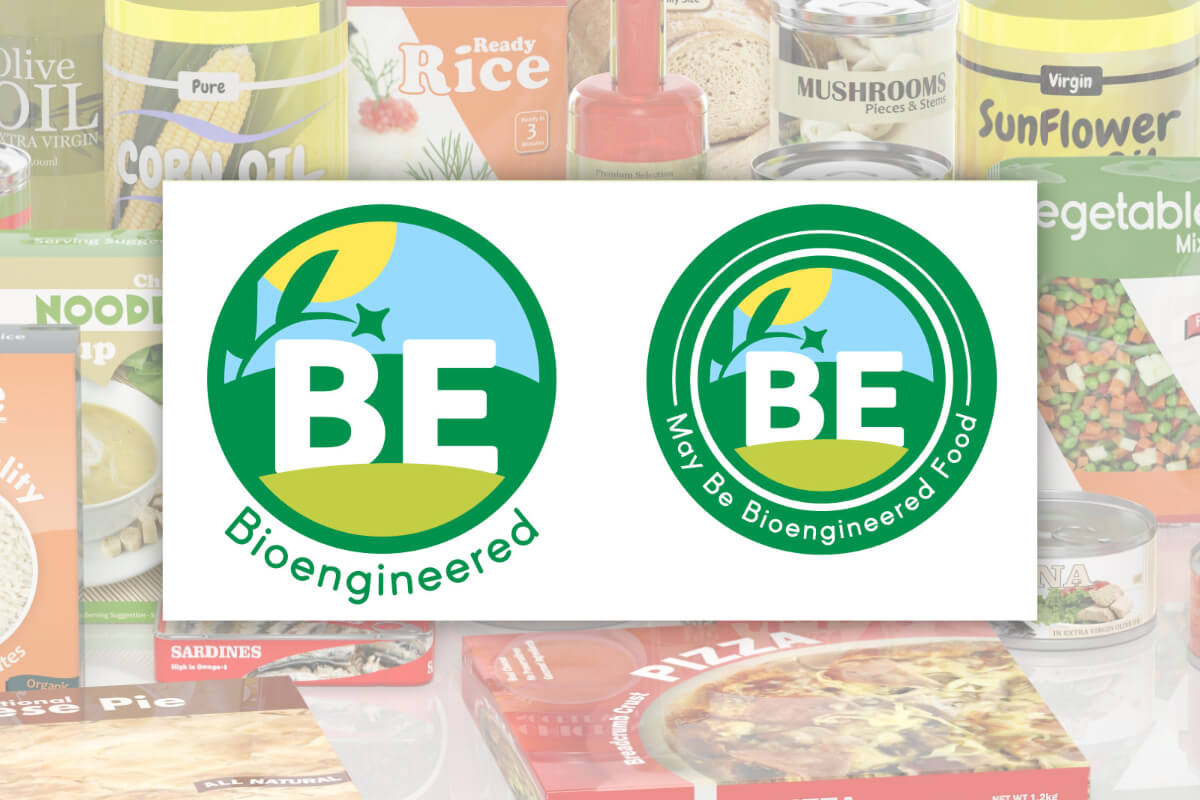
However, the U.S. Department of Agriculture was given two years to determine the exact rules and regulations for the GMO labels. Instead of requiring the labels to use now more-widely known words like “GMO” and “genetically engineered,” [Secretary Sonny] Perdue’s Department of Agriculture has created label proposals using less familiar terms like “BE” and “bioengineered.”
…
It appears that Perdue’s Department of Agriculture is attempting to avoid or “tiptoe” around the words “GMO” and “genetically engineered.” But should they be so afraid? Probably not.
…
As Mark Lynas, an …. opponent-turned-proponent of GMOs, stated, “People are increasingly scared of GMOs precisely because the industry is fighting a battle not to tell people which foodstuffs contain them.”
Thus, Lynas believes putting GMO labels on foods …. will “get biotechnology out of the shadows and into the limelight where it belongs.” He adds, “If we truly believe that this technology has so much potential …. Labels can be our friend.”
Every new or improved technology, regardless of its particular field or application, can involve risk, potential risk, or perception of risk by stakeholders and/or end users. However, it is often overlooked that the rejection of technology also has risks in the form of missed opportunities for benefits.
…
Without considering the potential benefits of a new technology in its regulatory oversight and acceptance, society as a whole is ill served. An example where the benefits have been found to greatly outweigh the risks is the case of genetically engineered (GE) crops. In jurisdictions where regulators consider risks and benefits of particular GE crops, such crops have been approved for cultivation and embraced by farmers in a way unprecedented for an agricultural technology.
By contrast, where regulation focuses primarily on risk, without significantly weighing the context of the existing agricultural systems and the benefits GE crops bring relative to existing technology, farmers (and society) have been largely excluded from the environmental, health, and economic benefits of this technology.
Furthermore, the high cost of developing GE crops to meet risk-disproportionate regulatory requirements in countries that import significant volumes of food and feed crops has generally restricted the development of this technology to large multinational corporations aimed at wide-acre solutions for farmers in developed countries.
No biologist would mistake the microscopic “cells” that chemical biologist Neal Devaraj and colleagues are whipping up at the University of California, San Diego (UCSD), for the real thing. Instead of the lipid membrane that swaddles our cells, these cell mimics wear a coat of plastic—polymerized acrylate. And although they harbor a nucleuslike compartment containing DNA, it lacks a membrane like a real cell’s nucleus, and its main ingredients are minerals found in clay.
Yet these mock cells are cutting-edge, “the closest anyone has come to building an actual functioning synthetic eukaryotic cell,” says synthetic biologist Kate Adamala.
…
Like real cells, the spheres can send protein signals to their neighbors, triggering communal behavior. And as Devaraj and his team revealed in a preprint recently posted on the bioRxiv site, the “nucleus” talks to the rest of the cell, releasing RNA that sparks the synthesis of proteins. The artificial nuclei can even respond to signals from other cell mimics.
…
In the future, artificial cells may deliver drugs more precisely to their targets, hunt down cancer cells, detect toxic chemicals, or improve the accuracy of diagnostic testing. Arrays of interacting synthetic cells could form artificial tissues and smart materials that sense and adapt to their surroundings. As scientists struggle to devise cell facsimiles, they may also learn more about how life originated and overcame some of the same engineering challenges.
Though Uganda’s Parliament passed a biosafety bill [the week of November 26], it remains unclear whether it will benefit a coalition of young cassava farmers who are demanding access to genetically modified (GM) crops.
Some Ugandan scientists have said the bill’s strict liability clause will effectively stifle the research and commercial release of crops that government researchers developed to address the nation’s agricultural woes. The current state of affairs has frustrated young farmers who are trying to make a living from agriculture, but facing serious disease pressures that limit cassava yields.
…
The cassava growers belong to the Young Farmers’ Association, which is under the umbrella of the Uganda National Farmers Federation. They represent 10 different districts, mainly in central Uganda where cassava has been hard-hit by the brown streak and mosaic viruses.
…
“In the case of cassava, I can testify how it has changed my life,” said [young cassava farmer George] Semwanga, who cultivates 10 acres of land in the Nakasongola district. “But I am not satisfied in growing a hybrid variety which is likely to succumb to cassava brown streak virus. I need to venture into growing the GMO variety which is resistant to diseases. It is my prayer that politicians should desist in blocking research initiatives to reach the end users.”
Scientists are trying to create a new kind of contraception with a novel tactic: tangling up sperm so they can’t reach an egg.
The project relies on the precision targeting ability of monoclonal antibodies, which are widely used as drugs to treat everything from cancer to Crohn’s disease.
…
“There’s a real need for nonhormonal contraception. Not because the ones we have currently aren’t highly effective or safe, but the side effects can keep people from using them,” said Dr. Philip Darney, …
The antibody they’re testing was isolated from an infertile woman and binds only to human sperm. When it’s added to sperm in the lab, the sperm quickly clump together.
…
Other preliminary studies suggest that antibodies might also be able to trap sperm in the mucus in the reproductive tract.
The researchers are toying with manufacturing the antibodies inside of plants and fungi. They’ll ferry an antibody into a plant’s tissue, where the plant’s machinery will start producing the antibody. The process slowly kills the plant, which can no longer use its energy for its own tasks. After two weeks, the antibodies are harvested, ground up, purified, and turned into a dissolvable film.
“It’s like a Listerine strip,” Anderson said. A woman can place the film inside her vagina, where the film dissolves and the antibodies spread through the mucus.
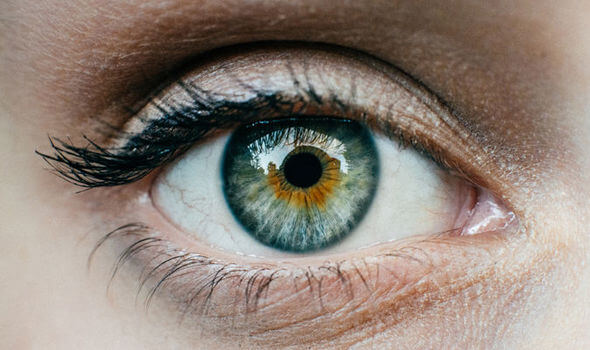
One of the strangest things that can sicken us—a rogue misfolded protein that destroys the brain, known as a prion—is even scarier than we knew. Researchers were able to find the prions responsible for sporadic Creutzfeldt-Jakob disease (sCJD), the most common prion disease in people, seeded everywhere in the eyes of 11 patients affected by it.
…
One kind of transplant suspected of spreading CJD is the corneal graft (a partial or full transplant of the eye’s cornea), which has led scientists to believe that the eye is a major hiding spot for prions. Many people with CJD do develop vision problems, adding support to that theory. And some earlier research has already found evidence of prions in the retina and optic nerve.
But the researchers behind this latest study wanted to search for prions in the eye via a different testing method that’s become the gold standard for detecting prions in recent years, the RT-QuIC. Unlike older methods, the RT-QuIC directly looks for the presence of misfolded prions in a test sample, using a fluorescent dye.
….
They tested samples of eye tissue donated by 11 people who had died from sCJD. In all 11 people, the highest level of prions was seen in the retina.
…
The findings, published [November 15] in mBio, confirm the need for eye doctors to be especially careful when treating people who could have CJD.
The Food and Drug Administration’s urgent warning about a romaine lettuce E. coli outbreak left many Americans wondering …. what they could do to protect themselves.
Unfortunately, viewers who tuned into a [recent] CNN segment on the crisis—which featured a blogger who bills herself as Food Babe …. got the wrong answers.
Anchor Ana Cabrera kicked things off by describing self-appointed food investigator Vani Hari as someone who has “studied where our food comes from quite a bit” before asking how the outbreak happened. “[W]hat’s the worst part of this situation is that we do not have a supply chain check-and-balance in place,” Hari said.
…
“…. I avoid the bag and box lettuces and I really go for, like, the whole head of lettuce,” [Hari] said …. But that’s not really how …. foodborne illness works—and a head of lettuce isn’t any safer than a boxed or bagged version, an FDA spokesperson told The Daily Beast ….
“It’s true that there are more points of contamination,” the spokesperson said. “But just because a whole head of lettuce is going through [fewer] steps between consumers and where it’s grown does not make it necessarily safer than a bag of chopped up lettuce …. To say the romaine that went directly to a farmer’s market from the field is safer than a bag of lettuce—that’s not true,” the spokesperson said.