Was a gene mutation responsible for bigger human brains?

sahelanthropus top

One of the major features that distinguish humans from other primates is the size of our brains, which underwent rapid evolution from about two to three million years ago in a group of our ancestors in Africa called the Australopithecines. During this period, the human brain grew almost three-fold to reach its current size.

…

[Professor Pierre Vanderhaeghen’s] lab discovered 35 hominid – present only in apes and humans – genes that were active in foetal brain tissue. They then became intrigued by three specific genes – all similar to NOTCH genes, an ancient gene family involved in sending messages between cells and that are present in all animals. They found that the three new genes, collectively named NOTCH 2NL, were created by a copy and paste error of an original NOTCH gene.

This error created entirely new proteins which likely helped our ancestors’ cerebral cortex to balloon. This is the part of our brain responsible for our language, imagination and problem-solving abilities.

…

As DNA in this area closely resembles another part of the genome where it was originally cut and pasted from millions of years ago, errors are more likely, said Prof. Vanderhaeghen. ‘Patients who have (inherited) deletions in this area tend to be at risk of developing schizophrenia, whereas patients with duplications are more at risk of autistic spectrum disorder,’ he said.

Read full, original post: Genetic error led humans to evolve bigger, but more vulnerable, brains

Has the anti-GMO movement ‘hijacked’ sustainable agriculture?

health and sustainability x

The hijacking of the terms ‘green’ and ‘sustainable’ by anti-genetically modified organism (GMO) groups is misleading, according scientists at University College Cork (UCC). The criticism comes in the wake of the European Court of Justice’s (ECJ) ruling that organisms obtained by gene-editing are also GMOs.

…

Dr Barbara Doyle Prestwich and Dr Eoin Lettice of UCC have said it is grossly misleading to equate “GMO cultivation-free status with green, sustainable food [production]”. They have organized the International Association for Plant Biotechnology’s (IAPB) congress …. It is their hope it will provide an opportunity to demonstrate the scientific evidence on the safety and economic viability of utilizing biotechnology, such as gene-editing, in agriculture.

“The next generation of gene-edited crops has the potential to cut climate emissions in agriculture and boost global food security. Such crops are far more ‘green’ and ‘sustainable’ than they are given credit for and should be utilised as part of any sustainable food production system, including organic agriculture,” said Dr Lettice.

Read full, original article: Hijacking of term ‘sustainable’ by anti-GMO groups misleading – UCC scientists

CRISPR co-creator Jennifer Doudna: Clinical human gene editing 5 to 10 years away

doudna lab

A pioneer of the Crispr gene-editing technology that’s taken Wall Street by storm says the field is probably five to 10 years away from having an approved therapy for patients.

Biochemist Jennifer Doudna, who runs the Doudna Lab at the University of California at Berkeley, says major questions remain about the safety and effectiveness of experimental therapies that aim to disrupt or repair defective genes. But she’s optimistic about their prospects.

“Can we today edit the DNA in human cells? Yes. Can we do it accurately? Yes. That’s absolutely being done in many labs around the world now,” Doudna said.

…

Three public companies leading efforts in the space — Crispr Therapeutics AG, Editas Medicine Inc. and Intellia Therapeutics Inc. — have seen their shares skyrocket over the past year before dosing even a single patient in a trial

…

China appears to be leading the Crispr race, having already edited genes in dozens of patients, the Wall Street Journal reported earlier this year. In the U.S., the University of Pennsylvania is recruiting sarcoma patients for one of the three arms planned for an early-stage study, according to a Penn Medicine spokesperson. Doudna, who has been a leading supporter in raising awareness and debating the ethics of Crispr, is helping organize the second international conference on gene editing in Hong Kong this fall.

Read full, original post: The Future of Medicine May Land Within Five to 10 Years, Crispr Inventor Says

Agricultural drones offer high-tech relief for struggling farms

China Agriculture Drone

The next generation farmhand in Japan’s aging rural heartland may be a drone.

For several months, developers and farmers in northeast Japan have been testing a new drone that can hover above paddy fields and perform backbreaking tasks in a fraction of the time it takes for elderly farmers.

…

Developers of the new agricultural drone say it offers high-tech relief for rural communities facing a shortage of labor as young people leave for the cities.

“As we face a shortage of next-generation farmers, it’s our mission to come up with new ideas to raise productivity and farmers’ income through the introduction of cutting-edge technologies such as drones,” said Sakakibara, who is also the head of JA Miyagi Tome, the local agricultural cooperative.

The drone can apply pesticides and fertilizer to a rice field in about 15 minutes – a job that takes more than an hour by hand and requires farmers to lug around heavy tanks.

…

Nileworks is negotiating with authorities to allow operators to fly its drone without a license. It can be controlled with an iPad and runs on mapping software that is simple to operate.

…

The drone can quickly analyze a rice stalk and determine how much pesticide or fertilizer it needs, making it easier for farmers to judge their input needs and estimate the crop size.

Read full, original article: Drones Offer High-Tech Help to Japan’s Aging Farmers

Boosting speed, efficiency of MRI scans with machine learning

mri iStock XSma

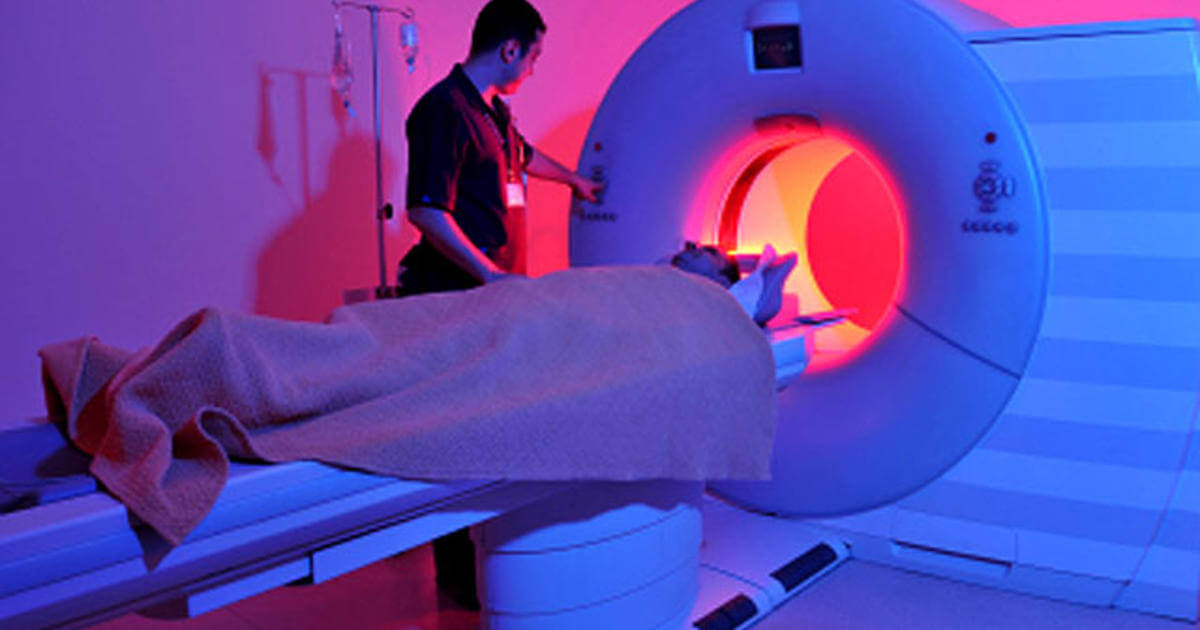
Magnetic resonance imaging is an invaluable tool in the medical field, but it’s also a slow and cumbersome process. It may take fifteen minutes or an hour to complete a scan, during which time the patient, perhaps a child or someone in serious pain, must sit perfectly still. NYU has been working on a way to accelerate this process, and is now collaborating with Facebook  with the goal of cutting down MRI durations by 90 percent by applying AI-based imaging tools.

…

The reason MRIs take so long is because the machine must create a series of 2D images or slices, many of which must be stacked up to make a 3D image.

…

The FastMRI project, begun in 2015 by NYU researchers, investigates the possibility of creating imagery of a similar quality to a traditional scan, but by collecting only a fraction of the data normally needed.

Think of it like scanning an ordinary photo. You could scan the whole thing… but if you only scanned every other line (this is called “undersampling”) and then intelligently filled in the missing pixels, it would take half as long. And machine learning systems are getting quite good at tasks like that.

…

It’s easier on the patient, and one machine could handle far more people than it does doing a full scan every time, making scans cheaper and more easily obtainable.

Read full, original post: NYU and Facebook team up to supercharge MRI scans with AI

Video: Why gene editing could change the path of human evolution

future

Most people think the genetics revolution is primarily about healthcare. But what’s really at play is the evolutionary trajectory of the human species.

But during his recent talk at this year’s Tech Open Air (TOA) conference in Berlin, he explains how developments in preimplantation embryo screening, in vitro fertilization, induced stem cells, gene editing, machine learning and a host of other technologies are converging to transform the way we make babies and the nature of the babies we make.

With the introduction of CRISPR and other gene editing tools, we are beginning to be able to write the code of life. Our biology is coming to be seen as yet another form of information technology. When we think about humans 200 years from now in our sci-fi movies, humans are kind of like us.

But after 3.8 billion years of evolving by one set of rules which we call the Darwinian principles of random mutation and natural selection, our species is now turning an evolutionary corner. And from this point on, we are going to evolve and begin evolving by an entirely new set of rules.

Watch his talk here:


Mis- and disinformation are distorting science and public policy. Subscribe to our Daily and Weekly Digests for incisive coverage of ‘disruptive’ innovations in AI, agricultural biotechnology, food, chemicals, nuclear energy, vaccines, and other disruptive innovations.

Jamie Metzl is a futurist and senior fellow of the Atlantic Council. He previously served as deputy staff director of the U.S. Senate Foreign Relations Committee, director for multilateral affairs on the National Security Council and as a human rights officer for the United Nations in Cambodia. His new book, Hacking Darwin: Genetic Engineering and the Future of Humanity, will be released in April 2019. Follow him on Twitter @JamieMetzl

10 tips for better communication about pesticide science, risks

Herbicide Plant Spray Crops Poison

One of the biggest challenges for any risk communications professional today is to deliver positive messages on pesticides. Like any communications process, trust is essential, but in a chemophobic world, trust in chemicals is a rare commodity. Pesticides found on the food the public consumes creates a vulnerability (fear) that cannot easily be overcome. People have to be convinced that their food is safe, any pesticide residues are of no risk and are there for a reason. In this case, we are asking a mother feeding her child to trust the chemical industry… a challenge indeed.

It wouldn’t be half as hard were it not for the opportunists seeking to take advantage of a vulnerable population worried about their health and the environment. With social media networks making it feel like cancer is found in every spoonful, frightened consumers reach for their wallets and the dream of a chemical-free world.

The narrative driven by the chemophobic activist community is that pesticides are dangerous to consumers, unnecessary and destroying the environment. They have left most of us thinking there must be some evil industry conspiracy wanting to pollute the countryside, poison children and profit from some intentional cancer plague.

Anti-GM campaigners have recently shifted their strategy to focus on how seeds are bred to resist certain pesticides. The activist attacks on glyphosate were part of an anti-GM campaign. Their logic is clear: attacking golden rice or GM brinjal was not going to increase memberships or donations, but pesticides attract public fear with minimal effort.

So for those taking up the challenge of getting the public to warm to pesticides (or pesticide-resistant seeds), allow me to catalogue what I feel are ten best practices. There have been mistakes in the past as there will likely be in future, but perhaps an open discussion is the best place to start.

Rules

  1. Don’t diminish how people feel frightened or dismiss their concerns: Scientifically literate individuals understand the insignificant levels of pesticide residues found on most foods, the comparatively high levels of hazardous natural chemicals and the decades of research that have gone into registration and compliance of all pesticides. But the public does not and they have been made to believe, most recently with the Monsanto Papers, that nobody knows with any certainty if any pesticides are safe at all. A scientist who dismisses their concerns, regardless how ridiculous they sound, is quickly dismissed.
    When people feel vulnerable, they seek out someone they can trust and who understands them. Don’t answer their questions with data, alienating chemical names or titles of important scientists or institutions. Try to put your answer into a personal story, compare the risk to an everyday exposure (like a cup of coffee) and try to demonstrate why farmers use these products. Anti-chemical gurus became popular because they understood and shared the vulnerabilities the public felt.
  2. Celebrate achievements: Higher yields, secure harvests, less labour: Malthus thought the world could not feed one billion people. Agri-technology has allowed man to feed an ever-growing population with higher yields and less input and this should be celebrated. Man is a story-telling animal and the development of each pesticide is a story of how scientists were able to find a means to solve a problem and allow farmers to successfully bring a crop to harvest. Children in most countries no longer need to spend their summers pulling weeds. The best story to tell is one of food security: We no longer live in fear of major global crop failures – the technology is proven and trusted.
  3. Make it clear that the natural vs synthetic source is not an issue: A dominant cultural narrative today is that natural is trusted. Organic food lobbyists like to claim their pesticides are safer because they come from a natural source. But the public needs to understand that all pesticides contain toxins that are used to solve specific problems (if they weren’t effective, they would not be used). Consumers must be reassured that all toxins used in crop protection, whether natural or synthetic in origin, have been well tested and are safe. The organic industry needs to behave in a more ethical manner here.
  4. Use precise terms when possible: Insecticide, herbicide, fungicide: The word “pesticide” obviously has a bad connotation. More importantly, it does not say what the substance does. An insecticide kills insects – insects eat crops. If the public has a better idea what a substance does, they can better accept its necessity. While we don’t want pesticides, we also don’t want insects in our food, weeds in our garden or moulds or blight on our plants. A precise vocabulary is essential in risk communications.
  5. Show why farmers use pesticides (benefits) and only when necessary: Farmers and farming are seen differently. Farming is seen as a rather simple process: you plant a seed and in a couple months you take a harvest to market (… and I grew beans in my garden once!). Conventional farmers, on the other hand, seem to work for some industrial complex, poison the land and don’t care about public health. The organic food lobby bias that conventional farmers spray (douse, drench…) indiscriminately is inexcusable. The public needs to understand that farmers use pesticides only when there is a reason, at the lowest levels possible (it costs money) and with prevention in mind. There are clear benefits in using them. If a farmer could successfully grow crops without pesticides, surely he or she would.
  6. Present pesticides as part of a farmer’s toolkit used in difficult tasks: Integrated Pest Management (IPM) is a good example of how a farmer has many tools to deliver a crop to market, including pesticides. But these tools need to be of the best quality (farmers generally use the best crop protection tools available). Each time a pesticide is removed from the market (and this is happening in Brussels at an alarming rate), farmers have to look for alternative tools (often older pesticides with less sustainable profiles). The public, especially the media and policy-makers, have to understand that banning important farming tools is not necessarily a step in the right direction.
  7. Highlight the 50-year trend of lowering dose levels, better technologies: The first pesticides on the market in the 1960s were admittedly rather harsh (like any emerging technology). But over the last 50 years, scientists have worked to continuously improve agri-technologies (product stewardship), lowering dosages, reducing environmental and health impacts and providing better crop performance. Activists like to portray the industry with old images of crop dusters and military grade chemicals – they know the public might be attracted to advanced technologies. Precision agriculture is one such example of an attractive technology that could capture the public imagination if the story is told well.
  8. Demonstrate visually the volume of compliance research studies: The pesticide risk assessment process is not widely understood and trust in regulators is declining. Activists have made the process seem sinister: that a company puts a poison on the market with no data, and when cancers start to increase, the company then lobbies regulators to allow them to continue to make profits. If people understood the amount of testing and compliance measures required before a product goes on the market, and the levels of research required to keep it on the market, their trust in the process may improve. I often hear the terms “10 years and 10,000 pages” to describe how the risk assessment process works. That image needs to be visualised in a way to show the volume of work and research required to comply.
  9. Put toxicity into a banalising context: Most people are numerically illiterate (they buy lottery tickets to pay off their credit card debt). Expressing toxicity in terms of LD50s to a person who equates “chemical” with “cancer” is a waste of time. You need to put the toxicity into a context people understand. For example, if you get people to remember there are more carcinogens in a cup of coffee than in the pesticide residues of a year’s consumption of fruit and vegetables (Bruce Ames), they may begin to understand the risk a bit better (or stop drinking coffee). To say glyphosate has a very low toxicity is meaningless, but if you show how it is less toxic than ingredients found in chocolate or biscuits, maybe they will get it. I call this the banalisation of risk.
  10. Help people find out more information for themselves: An essential element of trust is agency. I fear flying more than driving my car to the airport because I know I am in control of the vehicle. If I can find correct information on pesticides myself I will gain my own understanding. Any communication effort should leave the audience with a means to find out more information by themselves. When I tell people there are more carcinogens in a cup of coffee, I ask them to Google “Bruce Ames + coffee + pesticides”. There is a lot of information out there, but people need to be sent in a good direction. A passive receiver hears information, an active one learns it.
Mis- and disinformation are distorting science and public policy. Subscribe to our Daily and Weekly Digests for incisive coverage of ‘disruptive’ innovations in AI, agricultural biotechnology, food, chemicals, nuclear energy, vaccines, and other disruptive innovations.

These 10 rules make communicating on pesticides seem easy. Of course anyone who has tried this challenging task will attest it is not. There are many clever and manipulative activists who are always one step ahead of you, using fear tools like children, bees and fear of cancer to undermine public trust. NGOs or social media gurus have no ethical codes of conduct restricting their behaviour (so their lies and fear-mongering can be justified in a sort of Machiavellian zealot ethics). Neither industry nor regulators can play by the same rules.

An important element of trust is the messenger. An industry spokesperson is probably the least credible voice to deliver a positive story on pesticides. Farmers and scientists need to step up and be the story-tellers. They too will suffer from the continued aggressive assault on agri-technology.

I am sure there must be ten more rules to add to this conversation and each pesticide or class of substances are different. Cultures have different perspectives (many languages consider pesticides as medicines for plants) and there are different levels of scientific literacy. One point is certain: we have a general idea today what doesn’t work when communicating on pesticides. Things can only improve… right?

David Zaruk has been an EU risk and science communications specialist since 2000, active in EU policy events from REACH and SCALE to the Pesticides Directive, from Science in Society questions to the use of the Precautionary Principle. Follow him on Twitter @zaruk

This article was originally published at European Seed as “The Risk Corner: Ten Rules for Communicating on Pesticides” and has been republished here with permission.

Put down the glass of wine: There’s ‘no such thing’ as safe alcohol consumption

merlin ad a a b f a e fdc f d jumbo

You don’t have to go far to find people, including doctors and researchers, who will argue that a little bit of alcohol can actually help you live a longer, healthier life. But an enormous new study published [August 23] in the Lancet seems poised to rip that idea to shreds. Its findings not only reaffirm that alcohol is one of the biggest killers globally, but they also show there’s no such thing as a completely safe alcoholic beverage.

…

[Author Max] Griswold and his team looked at nearly 600 published studies involving 28 million people that examined how alcohol affects our health. They also analyzed nearly 700 sources of data on how often people in 195 countries drink regularly, ranging from 1990 to 2016. Their major finding, according to Griswold, is simple, if depressing for bar-goers.

“We found that there isn’t really any benefit of drinking to your health,” he said. “And that the safest level, from a health perspective, is not drinking at all.”

…

Even if alcohol had some tiny positive effect on the heart, it wouldn’t come close to balancing the mountain of health risks any amount of regular alcohol use causes elsewhere, such as car accidents and cancer. “Anywhere alcohol touches the body is a potential site for cancer later on in your life,” Griswold bleakly points out.

Read full, original post: There’s No Such Thing as Safe Alcohol Consumption, Huge New Study Finds

Dicamba controversy: EPA’s decision on herbicide’s future expected by end of September

dicamba soybeans

Throughout this year, EPA has been monitoring reports during the application season and it’s expected the agency will announce its decision for the future of …. dicamba products by the end of September.

For review… in 2016, EPA registered the new dicamba formulations for over-the-top use (Engenia, FeXapan and Xtendimax). When the new products were registered, the EPA set the regulations to automatically expire in two years, which would allow the EPA to review and change the registration if necessary.

…

According to Monsanto, the company has received 381 calls and has visited 299 of those farms with complaints as of July 12. As of July 15, Kevin Bradley at the University of Missouri assembled 605 dicamba-related injury investigations from state departments of agriculture.

The Illinois Fertilizer and Chemical Association received survey responses from more than 110 professional applicators about their experience with dicamba in 2018.  As of mid-August, the Illinois Department of Agriculture has received 319 misuse complaints attributed to dicamba symptoms (the total number of pesticide misuse complaints so far in 2018 totals 500, which is a historic high.) Those survey responses (in addition to their ongoing conversations with stakeholders) led to the IFCA sending four recommendations to the EPA for their consideration in weighing their decision for dicamba’s future.

So for now, we wait.

Read full, original article: Waiting For Dicamba’s Second Shoe to Drop

Modern cancer myths and the science behind them

cell phone stock resize md

Here are some modern myths about cancer.

There have been worries about mobile phones causing cancer since the days of playing Snake on a Nokia. Considering how widespread mobile phone use has been for decades, it would be impossible not to notice if they posed serious health risks.

…

There is a popular belief, helped along by bloggers with dubious expertise, that organic food has “anti-cancer” properties. However, Michelle McCully, the head of research interpretation at the World Cancer Research Fund, one of the world’s leading authorities on diet and cancer, says: “There is currently no strong evidence to support the idea that organic foods offer added protection against cancer compared to conventionally grown produce.”

…

EU regulations protect us against exposure to levels of industrial chemicals that would harm our health. There is a slight risk of lung cancer associated with air pollution, but it is important to keep this in context and to realise that the risk to each individual is tiny.

…

That said, some aspects of our modern lifestyles do increase our chances of getting cancer. The World Cancer Research Fund’s cancer prevention recommendations, which are based on decades of strong evidence, provide a package of healthy lifestyle choices that, along with not smoking and avoiding excess sun exposure, represent a blueprint for reducing cancer risk.

Read full, original post: Modern myths about cancer – from ‘chemicals’ in food to wifi

Resignation of French environmental minister could be a win for glyphosate supporters

Nicolas Hulot agriculteurs

The surprise announcement of the resignation of Nicolas Hulot …. is part of …. a series of …. big differences that have put the minister of the [environment] in a difficult or even untenable position.

…

It is undoubtedly on the record of glyphosate that the failure of the ecologist seems to have been the most scathing, probably determining criterion of his departure.

…. The recent judgement against Monsanto in the case [of] gardener Dewayne Johnson has re-energized the effort to ban the company’s flagship product, Roundup. But Nicolas Hulot has been unable to pull the herbicide off the market.

On this point, the [industry] lobby seems to have by far dictated the ecological choices of the government and tipped the scales in favor of the Minister of Agriculture, Stéphane Travert [who opposes the ban].

Faced with the political and economic weight of these actors, Hulot was backed into a corner. His departure …. very clearly inscribes the ecological policy of the French government. In short, make our planet great again, but our Economy first.

Editor’s note: This article was originally published in French. This English summary was prepared with Google Translate and edited for clarity.

Read full, original article: Nicolas Hulot face au « mur des lobbies »

Pursuing artificial intelligence that’s free of bias

ai bias

As the problems caused by algorithmic bias have bubbled to the surface, experts have proposed all sorts of solutions on how to make artificial intelligence more fair and transparent so that it works for everyone.

…

Now scientists from IBM have a new safeguard that they say will make artificial intelligence more safe, transparent, fair, and effective. They propose that, right before developers start selling an algorithm, they should publish a Supplier’s Declaration of Conformity (SDoC). As a report or user manual, the SDoC would show how well the algorithm performed at standardized tests of performance, fairness and risk factors, and safety measures. And they should make it available to anyone who’s interested.

In a research paper published [August 22], the IBM scientists argue that this kind of transparency could help build public trust and reassure prospective clients that a particular algorithm will do what it’s supposed to without screwing anyone over based on biased training data.

…

Will a police department like the LAPD, which has used blatantly racist policing algorithms in the past, necessarily care enough about the details of an SDoC to find a better system? Truth is, we don’t know yet.

…

But if you combine these reports with other tools like third-party audits, the public can demand algorithms that treat everyone fairly.

Read full, original post: To Build Trust In Artificial Intelligence, IBM Wants Developers To Prove Their Algorithms Are Fair

New hybrid sugar beet could boost Europe’s sugar industry

IMG

Plant biotechnologists from the Ryan Institute at NUI Galway [Ireland] have identified genetic breeding strategies to develop bigger and better sugar beet.

Sustainable intensification of agriculture to meet rapidly growing global demand for food …. will require higher yielding crop varieties that can produce more food using [fewer] resources ….

For crops such as sugar beet, this means the development of varieties that produce more per hectare, while reducing inputs.

…

Using a combination of molecular genetics laboratory work and large-scale sugar beet experimental field trials …. the research team discovered that the most efficient way to develop higher yielding sugar beet varieties was by tapping the benefits of hybrid vigor.

…

[T]he possibility of resurrecting Ireland’s sugar industry has been boosted by the abolition of EU sugar quotas in 2017, with producer groups such as Beet Ireland seeking to re-establish sugar beet as a sustainable and eco-friendly crop in Ireland …. the sugar beet industry [is] experiencing a resurgence across Europe, with new sugar beet processing factories under development in the UK and across continental Europe.

…

“[N]ext generation sequencing, bioinformatics and genome editing are now revolutionizing plant breeding worldwide,” [said  PhD student Brendan Hallahan, a researcher on the sugar beet work.] “Next generation varieties of the humble sugar beet crop can be an asset for sustainable development in both Ireland and the EU ….”

Read full, original article: Galway scientists develop bigger and better sugar beet

Pregnancy complications linked to higher risk of autism

gestational diabetes autism risk

High blood pressure or abnormal bleeding during pregnancy, as well as complications such as cesarean delivery or preterm birth, may all increase the risk of autism, two new studies suggest. And the more difficulties during pregnancy and delivery, the more severe the autism features in the child, according to one of the studies.

…

[Researcher Susan Shur-Fen] Gau and her team recruited 323 autistic children with an average age of 10, and 257 of their siblings, from two medical centers in Northern Taiwan. They also included 1,504 controls, age 8 on average, from local schools and the community.

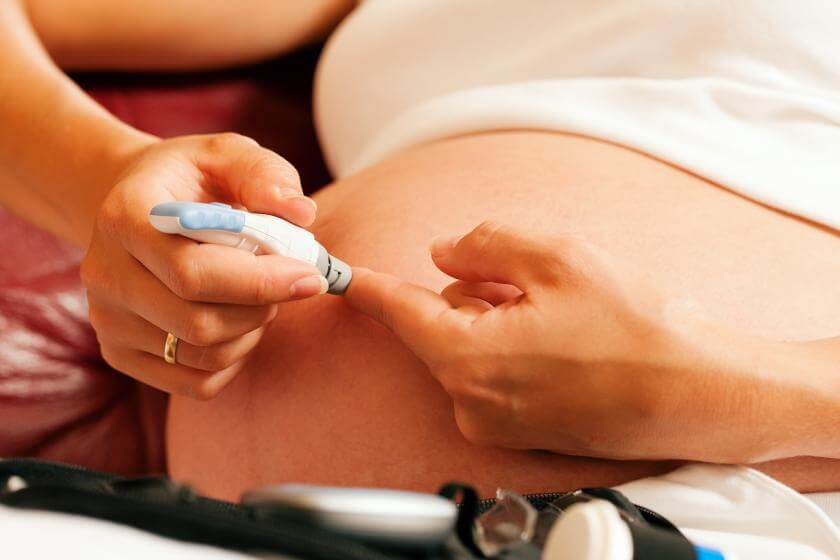
The team asked the children’s mothers whether they experienced any of 10 complications during pregnancy or delivery such as gestational diabetes, high blood pressure, abnormal bleeding and low birth weight. For about 15 percent of the mothers, the researchers were able to verify the answers with medical records.

…

About 22 percent of the mothers of autistic children experienced abnormal bleeding compared with 9 percent of mothers of neurotypical children, the researchers found. A larger proportion of mothers of autistic children also had preeclampsia (high blood pressure during pregnancy) and cesarean delivery compared with the controls.

…

However, it is unclear what that connection is, Gau says. “The specific mechanisms definitely need to be studied,” she says.

Read full, original post: Complications during pregnancy may contribute to autism risk

What is a GMO? That’s a question with many answers

gmo

Nothing seems to upset those arguing about GMOs more than debating the definition of the term “GMO” itself. Most proponents of the technology argue that GMO stands for “genetically modified organism”, which scientifically would apply to all breeding methods ….

Most of those who oppose the use of genetic engineering argue that the term “GMO” specifically means genes introduced from other organisms, but has expanded to include gene editing and cisgenic techniques.

One breeding technique, mutagenesis, causes some of the most confusion. Applying pressure on an organism using chemicals and/or radiation to speed up artificial selection, mutagenesis dates back nearly 75 years. It can be used to create everything from red grapefruits to herbicide tolerant crops.

And this is where the argument over “what is a GMO” breaks down. Even the anti-GMO movement can’t decide. The Non-GMO Project does not consider mutagenic crops to be GMOs for their purposes, while French anti-GMO activists have actively sought to ban these “hidden GMOs”.

Read full, original article: European Union: This organic wheat is definitely a GMO

Designed for distraction: Why our brains find it difficult to focus

distracted

Laser focus leads to success, or so they say. Except it actually doesn’t. Researchers have found that rather than being laser-like, attention is actually more akin to a spotlight that continually dims and comes back on again.

…

The researchers found that in between those bursts of attention, we are actually distracted. During those periods of distraction, the brain pauses and scans the environment to see if there is something outside the primary focus of attention that might be more important. If there is not, it re-focus back to what you were doing.

“The brain can’t process everything in the environment,” explains [researcher] Ian Fiebelkorn.

…

So why does our brain make us go through attention pulses at such a fast rate? The researchers suggest that it corresponds to an evolutionary advantage. “Think about when life was more dangerous,” Fiebelkorn says. “You would have to constantly be on the lookout, you would want to always be aware if there was something around you with bigger teeth.”

In modern life, this particular feature of the brain allows us to realise, for instance, that a car is coming as we are crossing the street. Our spotlight of attention, in this sense, has been and still is key to our survival.

Read full, original post: Here’s scientific proof your brain was designed to be distracted

All-veggie ‘Impossible burger’ targeted by PETA’s cancer claims

impossible

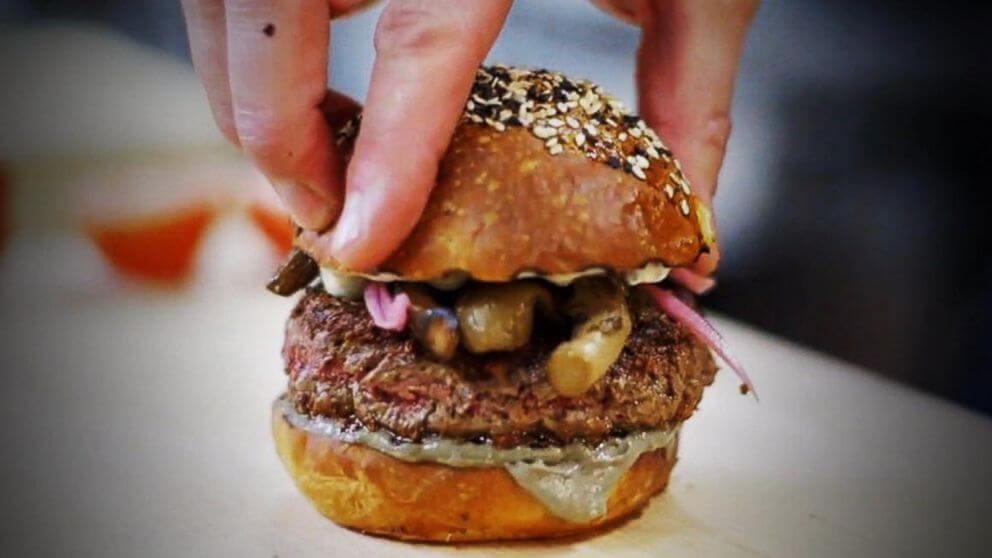
Imagine sinking your teeth into a nice, juicy hamburger. Then, imagine being told that the hamburger isn’t made from beef after all. Instead, it’s entirely vegetarian ….

…

Impossible Foods, a company that claims to have done just that. Not only does it taste good, but because it is entirely made from plants and plant products, it is far better for the environment. On its website, Impossible Foods explains how it has genetically modified yeast to produce a similar molecule, called leghemoglobin, found in soy plants. It then adds this molecule to its veggie burgers.

…

Two months ago, Friends of the Earth predictably smeared Impossible Burgers. It released …. a “report,” in which it fearmongered over chemicals, genetic modification, and food processing. But there was nothing unique in these complaints …. The real whopper …. came from PETA:

PETA soy cancer veggie burger

…. If [PETA] truly [believes] that the veggie burger from Impossible Foods causes cancer because of its iron content, then they should avoid soybeans like the plague.

[A] 3-ounce burger contains 3 mg of iron …. One cup of raw soybeans …. contains 29.2 mg of iron …. Cooked soybeans have a lot less iron …. but still more than Impossible Foods’s veggie burger. What else has a lot of iron? Spinach.

Will PETA now announce that soy and spinach cause cancer?

Read full, original article: According To PETA, Veggie Burgers Cause Cancer

Why evolution is more complicated than Darwin imagined

darwin x

Darwinian evolution [is] the transmission of genes and traits down the family line. DNA, it turns out, can also be passed laterally, between individuals, including those of different species. This discovery represented a tectonic shift in our understanding of nature, a story that David Quammen tells wonderfully in his exhaustively researched book, Tangled Tree: A Radical New History of Life.

…

Darwinian evolution, of course, can explain the rise of antibiotic-resistant bugs. It happens like this. A colony of bacteria gets doused in a deadly antibiotic. Amidst the die off, one bacterium has a lucky mutation that, say, lets it manufacture a molecule that can pump the antibiotic safely out of its cytoplasm into the surrounding slime. That lucky guy thrives and divides and replaces its massacred brethren.

…

But unfortunately for us (and unknown to Darwin), bacteria possess another means to acquire antibiotic resistance without having to sit around waiting for the next lucky mutation: They can swap genes the way we share recipes. When one bacterium rolls up close to another—not necessarily even of the same species—it can share a chromosome containing a slew of genes with, say, an enzyme that can smash penicillin into pieces.

Horizontal gene transfer is much more than a way for bacteria to share antibiotic resistance genes; it happens throughout nature and in the history of living things.

Read full, original post: How Scientists Discovered Extra Steps in Evolution

Will glyphosate’s legal troubles pave the way for greater use of robots in agriculture?

agricultural precision farming drone air e

Following a major blow in Californian courts recently, widely-used herbicide glyphosate has continued to take a battering, as industry professionals continue to argue that its downfall sets the scene for robotics that will target pesticides much more precisely and sparingly.

Recently, a US court held Monsanto’s glyphosate responsible for causing cancer in a ground keeper, eventually awarding $289M of damages, a critical verdict in that some say demonstrates that glyphosate is on shaky ground.

…

Discussing the link between this verdict and agricultural robotics, research director at UK-based company IDTechEx, Dr Khasha Ghaffarzadeh has …. argued that agricultural robots are the long-term future of the agrochemical business, and that this verdict [demonstrates] that agrochemical businesses need to urgently start reinventing themselves as being in the business of controlling weeds, and not just agrochemical supplies.

…

Dr Ghaffarzadeh explained: “Precision agriculture has been around for decades. That has now all changed thanks to developments in other industries such as consumer electronics. For several years now, companies have demonstrated robotics equipped with deep learning based advance vision technologies that can rapidly distinguish between crops and weeds and to rapidly take site specific action to eliminate the weed.

Read full, original article: Monsanto case reaffirms that robotics will shape the future of agrochemicals