When is it time for a scientist to call out peers over questionable research?

retraction

Recently, I received an email from a wildlife researcher — I’ll use the pseudonym Scientist A — who wanted to anonymously seek advice on a professional quandary. This researcher believes that two colleagues are presenting data on a controversial wildlife species in a misleading way. The dataset now spans roughly four decades, but when the method for counting the critters changed in the 1990s, the population census leapt by an unprecedented amount. While Scientist A says the switch in survey methodology created the illusion of a spike in the animal’s population growth, the colleagues — whom we’ll refer to as Scientists B and C — portrayed the increase as a biological reality. Scientist A further notes that although their older research reports clearly mentioned the shift to the newer census method, the more recent studies by Scientists B and C haven’t acknowledged it. That includes a new report this year that ignored other published work pointing out the importance of the change in methods. As a result, Scientist A is now pondering whether the right move is to write another commentary and continue discussing the issue publicly in the literature — or demand retraction of recent papers by Scientists B and C. “Is this a case for scientific debate,” Scientist A wondered in the email message, “or a case of misconduct?”

Let’s start with the bad news for Scientist A: It’s impossible for us at Undark to really weigh in on the particulars of this conflict without knowing a great deal more detail from both sides. Scientist A views things one way, and Scientists B and C clearly view it differently — and we are in no position to adjudicate the findings of wildlife population science in this space.

That said, the more general issue confronting Scientist A — suspecting a misstep in the published work of colleagues and being uncertain of how to effectively deal with it — is not that unusual in the world of science. Errors that compromise the research literature, even just unintentional mistakes, continue to be a major problem, after all. And calls for more aggressive policing of peer-reviewed work have been on the rise for years, as have attempts to create safe-spaces for scientists to own up to their own research mistakes.

But at the heart of Scientist A’s lament are some fundamental questions that, sooner or later, every researcher is likely to run into: What’s the best way to address suspected inaccuracies or misleading information in the scientific literature, which is supposed to reflect our best approximations of reality? And how best to engage colleagues when there’s a dispute over data, attribution, methodology, or other aspects of presenting research findings?

There are no easy answers, but setting the record straight — and doing so in a transparent and professional manner — is all the more important when research results can shape policies that affect public health, the environment, or in this case, wildlife conservation and management. To get some perspectives on navigating this sort of predicament, I checked in with a few experts.

“We know that there’s a lot of inaccurate material out there,” said Nicholas Steneck, a science historian at the University of Michigan and consultant on research ethics and integrity. While that doesn’t mean that good science is not being done, he told me, “it certainly slows research, it wastes a heck of a lot of money, and we ought to do more to clean up the literature than we actually do.”

As one case in point, Steneck recalled a postdoctoral researcher who told him that leading investigators in an emerging area of biomedical science had improperly calibrated some equipment. Consequently, most of the early studies were misleading, yet no one was willing to address it. “The leaders did not want to retract their earlier research and the postdoc was not willing to risk a career,” Steneck said. Dozens of the unreliable articles remain in the published literature, and while most experts in the field know that, outsiders may not have a clue.

retracted 8 13 18 2

Calling out others’ possible research blunders can be risky, and reluctance to do it is understandable. Those who wish to take action need to first take stock of how certain they are of their own conclusions, of course. But they also should consider how protected their own job position is, Steneck said. In the case of Scientist A, for instance, if Scientists B and C wield a lot of influence in their field, could criticizing their work hurt Scientist A’s ability to get funding for future projects? If so, that’s a real problem, said Steneck, who suggested that the wildlife researcher seek advice and support from a supervisor or department chair, as well as the scientist’s institution.

“When you do go into those situations,” said Steneck, “it’s best not to do it alone.”

While recent concerns about shoddy science have largely focused on problems in the areas of psychology and biomedicine, the field of ecology isn’t immune to the publish-or-perish pressures that encourage flawed and exaggerated research reports. Ecologists and evolutionary biologists commonly engage in so-called questionable research practices, according to a survey published last week by Hannah Fraser and Fiona Fidler of the University of Melbourne in Australia and Tim Parker of Whitman College in Walla Walla, Washington. Two-thirds of respondents admitted that they had, for instance, cherry-picked data on at least one occasion. (Such questionable research practices generally aren’t considered misconduct, though some people argue otherwise.)

When I briefly described Scientist A’s concerns about the wildlife population dataset to Parker, an ecologist and evolutionary biologist, he thought the situation sounded problematic. Most researchers would agree that studies should always report that a change in measurement methods was implemented at the very time-point when a big change in the measurements was observed, he said. Scientists are supposed to rigorously look at all the evidence bearing upon a question and evaluate it openly, so that others can assess whether their conclusions are right. “If you’re concealing some piece of information that undermines the case that you’re making, then clearly you’re not being transparent,” Parker said — and that, to him, potentially smells of misconduct.

However, by definition, scientific misconduct means that perpetrators acted intentionally to commit fraud, and that’s tough to prove.

What about pushing for retraction of the studies in question? If a publication is inaccurate — whether due to honest mistake, or misconduct — it should be retracted. Alternatively, if a study with otherwise sound conclusions nonetheless contains erroneous data, the paper should be corrected.

The trouble is, pursuing retractions or corrections is often an uphill struggle. Generally, going through all the “proper channels” for addressing flawed research — from writing letters to authors or journal editors to requesting a retraction — seldom works, said Ivan Oransky of Retraction Watch, a website dedicated to tracking retractions made by scientific journals.

While Retraction Watch doesn’t give advice on troubleshooting specific cases of questionable research, Oransky shared a few broad observations. “It may sound strange coming from someone who’s cofounder of Retraction Watch, but retractions are not always the best solution,” he said. If the goal is to clean up the scientific literature, demanding a retraction may be counterproductive because it instantly puts everyone “on edge,” he said. “If you immediately request retraction, because it’s got a stigma, because it’s got an association with misconduct and fraud, someone’s just going to get defensive.”

So where does that leave Scientist A? In cases like this, perhaps the best solution for dealing with inaccurate findings, Steneck said, is to “collect evidence and publish peer-reviewed articles that call the prior research into question.” He pointed to the example of Nathan Myhrvold, the wealthy former chief technologist at Microsoft with a physics Ph.D., who in 2016 disputed the accuracy of widely-cited asteroid data from NASA. Many asteroid experts didn’t take him seriously. But last month, Myhrvold got their attention by publishing his final analysis in a prestigious peer-reviewed journal.

Mis- and disinformation are distorting science and public policy. Subscribe to our Daily and Weekly Digests for incisive coverage of ‘disruptive’ innovations in AI, agricultural biotechnology, food, chemicals, nuclear energy, vaccines, and other disruptive innovations.

Of course, few scientists have the resources to go to the lengths that Myhrvold did: He hired lawyers to file Freedom of Information Act (FOIA) requests to get NASA to fork over details of its asteroid analysis methods and algorithms.

Nonetheless, showing that there’s a solid scientific basis for questioning the reliability of published findings allows the research community to then evaluate the situation, Steneck said — and it’s an approach that doesn’t require criticizing others or claiming misconduct. Of course, when a field is too tightly controlled by thought leaders, Steneck added, it may be difficult to get dissenting ideas accepted by traditional top-tier journals, but you can probably still publish them in a peer-reviewed open-access journal. If Scientist A is in a position to pursue such a route, then over time, others in the field might come around to the researcher’s view of things.

Alternatively, in certain scenarios, it could make sense to try a less conventional approach: bringing the case to a “scientific sleuth” with a track record for shining light on faulty findings. As Oransky noted, some data detectives have had “a lot of success because they’re careful, they’re measured, they don’t accuse people of misconduct.” These research watchdogs show their analyses of the problem and just say, “This is a pretty serious error, I think the world should look at it,” he explained. They start off by writing polite letters to the authors of the questionable work, and their institutions, but if those efforts go nowhere, the sleuths then take their concerns public by blogging or going to journalists. The overall strategy can be “very powerful” in achieving retractions and corrections, Oransky said.

Otherwise, another way to call out suspect results is to use online post-publication peer review forums, such as PubPeer.com. But scientists who post comments there have to be meticulously careful, Oransky noted, “because it will backfire the minute you make a mistake and someone pounces on it.”

Hopefully, these perspectives provide some useful ideas for Scientist A in considering how to challenge the two colleagues. Frustration and pushback are likely no matter the approach, but a parting comment from Oransky seems worth bearing in mind: When you criticize other scientists’ work, he told me, they’ll probably react in the same ways that you would, if the roles were reversed.

Bottom line: Treat your colleagues as you would wish to be treated yourself.

Ingfei Chen is a California-based writer whose stories have appeared in publications including Scientific American, The New York Times, and Spectrum. She is a former Knight Science Journalism fellow at MIT.

A version of this article was originally published on Undark’s website as “Scientific Whistleblowing: When Should a Researcher Call for a Retraction?” and has been republished here with permission.

Plants are great at storing CO2. These scientists aim to make them even better.

plant roots

Researchers around the world are working to improve plants’ ability to combat climate change.

Editor’s note: This article was originally published at Ensia

Many strategies aimed at mitigating global warming involve huge shifts in human behavior: stop burning coal for electricity, stop driving gas-powered cars, stop destroying rainforests. These are all necessary — and all involve complex political, cultural and socio-economic hurdles for humans. But what if we could also change the behavior of a far more pliant group of organisms, those that consume the carbon dioxide we emit? It’s a demand-side approach to reducing the threat of climate change, and lately it’s been gaining some extra research steam: capturing and storing that excess carbon by boosting the capacity of nature’s own carbon-storing technology, plants.

The planet’s plants pull CO2 out of the atmosphere and store it in their leaves, stems and roots. Some of that carbon makes its way into the soil, and some of that soil carbon is ultimately mothballed for millennia.

These days, though, “we as humans are putting up so much CO2 that the Earth is not able to compensate,” says Wolfgang Busch, a plant biologist with the Salk Institute for Biological Studies in La Jolla, California. Busch is working on a new project: to design plants that can suck even more CO2 out of the atmosphere and lock it away for centuries.

Article carbonplants Inline
Scientists at the Salk Institute in La Jolla, California, are working to boost plants’ ability to store carbon. (Image credit: Salk Institute)

“We’re not trying to get plants to do something they don’t normally do,” says Busch. “We’re just trying to increase the efficiency. Then we can use that to mitigate climate change.”

The effort, called the Harnessing Plants Initiative, aims to generate “ideal plants” that will store carbon deep in the soil, require less fertilizer to grow, and ultimately produce food to feed the world. The idea is to “teach plants to make more of very stable forms of carbon,” says Busch.

To do that, the researchers are tapping suberin, a carbon-rich, breakdown-resistant molecule produced by plants that’s a primary component of cork. They’re testing varieties of two species, birdsfoot trefoil and common mustard weed, from around the world to find those that have evolved to make more suberin. And they’re studying the biology behind that trait. Once they’ve identified the genes associated with suberin production, they can use conventional breeding, genetic engineering or a combination of the two to create crops that are carbon-storage powerhouses.

The Salk project is part of “a new generation of agriculture, where it becomes important not to just look for higher yields in harvestable portions [of crops] but also to combine that with more carbon being transferred to the soil,” says Christer Jansson, director of plant sciences at the Department of Energy’s Environmental Molecular Sciences Laboratory.

Mis- and disinformation are distorting science and public policy. Subscribe to our Daily and Weekly Digests for incisive coverage of ‘disruptive’ innovations in AI, agricultural biotechnology, food, chemicals, nuclear energy, vaccines, and other disruptive innovations.

Jansson is also pushing for research into a new area: the role that microbes in the rhizosphere could play. Jansson was part of an international team that developed a new strain of rice that emits very little methane while growing. (Rice paddies are one of the biggest man-made sources of methane, another greenhouse gas.) The low-methane rice contains a gene from barley that decreases the amount of carbon channeled to the plant’s roots, which in turn provides less food for methane-producing bacteria that live in the paddies. More recently, with a colleague, Sun Chuanxin, Jansson has essentially reversed the process, increasing the carbon socked away below ground. (The research has not yet been published.)

Jansson is also pushing for research into a new area: the role that microbes in the rhizosphere could play. The rhizosphere is the area of soil directly surrounding a plant’s roots, and it’s like a mini-ecosystem where the roots and the soil interact. Many types of bacteria, fungi and other microbes live there — and, says Jansson, they could be manipulated to pull more carbon into the soil.

Article carbonplants Inline
With roots up to 10 feet (3 meters) long, Kernza (on the right for each season, compared with annual wheat) yields abundant carbon storage as well as edible grain. (Image credit: The Land Institute)

Part of the appeal of using the rhizobial microbiome is the potential to use microbes that could both breed more productive crops and also store more carbon. “Putting carbon in the soil by itself — there’s no money in that,” says Jansson. “It has to be economically responsible for a farmer or a biotech company to invest in it.”

“The long-term goal is to generate something that could also be used to feed people.” – Julie LawAt Salk, too, the Harnessing Plants team is trying to ensure that larger roots and more suberin don’t come at the expense of crop yields. “The long-term goal is to generate something that could also be used to feed people,” says Julie Law, a plant biologist working on the project.

Busch and Law are also hoping to produce plants that can grow in marginal areas, such as the uncultivated edges of farmers’ fields, to maximize the land area devoted to storing carbon. Their goal is to make plants that are 20 times more effective at locking carbon in the soil, and to use those plants to store half of the CO2 humans emit each year. To reach that ambitious goal, they say, would require 6 percent of the planet’s agricultural land. That could include using the plants as cover crops.

Elsewhere, scientists are working on making perennial versions of humanity’s most important food crops — all of which are annuals, meaning they must be replanted each year. Perennials have far deeper root systems and don’t need to be tilled each year, making them much better at squirreling carbon away.

The Land Institute, a sustainable agriculture organization in Salina, Kansas, is home to one such study. Scientists there have developed a new grain called Kernza, a perennial plant bred from an ancestor of wheat. Kernza’s dense roots extend 10 feet (3 meters) into the soil, locking away carbon while also helping the plant cope with drought by accessing water deeper underground.

All of these projects hold promise — and all will take not just money and manpower but an even more scarce resource: time.

“We don’t really have a lot of time for this,” Busch says of the suberin project. To develop something like this soon enough for it to work, he says, “we really will need to hurry up.”

Hillary Rosner is an independent journalist and a scholar-in-residence at the University of Colorado’s Center for Environmental Journalism. Follow her on Twitter @hillaryrosner

Viewpoint: Public’s support for Canadian neonicotinoid ban obscures bigger threats to bee health

Honey bee Apis mellifera

On Aug. 15 …. Health Canada held a news conference to explain why it was banning neonicotinoid insecticides ….

Health Canada’s Pest Management Regulatory Agency proposed a three- to five-year “phase out” of two neonicotinoids: clothianidin, a Bayer product and thiamethoxam, a Syngenta insecticide.

…

The first question from the media was telling. “What took so long? We’ve heard, for years, about the effects of (these) pesticides on pollinators and other insects,” Eric Atkins of the Globe and Mail asked in a tone suggesting the federal government should have banned the insecticides years ago.

Questions like that illustrate the gap that exists between the general public’s opinion and the opinion many in the agriculture sector have about the harm caused by neonic pesticides ….

…

[H]oneybee numbers have increased in Canada over the last five years. Many entomologists and beekeepers have said that varroa mites, diseases related to mites and cold winters are a much bigger threat to bees than neonics. One compared it to a boat with 20 holes. Banning neonics would plug one hole, but there would still be 19 holes in the boat.

Such arguments appear to have little influence on the conversations around neonics …. [when] media and social networking sites continue to express concerns that heighten unproven links between neonics as they are now being used and bee deaths.

Read full, original article: Public pressure weighs on proposal to ban neonics

In the search for aliens, we need ‘a robust definition’ of life

cc asteroid x

Even though we still struggle with finding a satisfactory definition of life, that doesn’t mean that we can’t think about ways that life might be so different, so alien, that we would also struggle with noticing its existence.

…

[W]hat if complex, thinking biological life is fleeting on the cosmic scale but its machine progeny are more robust and more widespread? Such entities might also be very hard for us to recognize as such, either whizzing around at high velocities between the stars or massively encrypted in their fundamental design.

…

[C]onsider a chunk of complex rock, a mixture of minerals and carbon chemistry. It may be bathed for a billion years in cosmic rays and indigenous particle radiation. It changes over that timescale, electrons are freed and captured, slow, slow chemistry and structural variation happens. Your pet rock might be just that, except you’re living too fast to notice.

Of course, rather frustratingly, to make proper hypotheses for these options we need a robust definition of life, but to make that robust definition we may need to first know the extent of options for life in the universe.

That’s why we need to both look for life as we know it, and at the same time keep track of the things lurking right in front of us.

Read full, original post: Maximum Alienness

Finding ‘surprising and novel’ applications for consumer genomics

ED REQ DNAtestkits x

With more than 10 million genotyped customers, the consumer genomics industry is maturing and becoming a mainstream phenomenon. At last, innovations and applications, some unforeseen, are being brought to the masses.

…

If hundreds of millions of consumers contribute to genetic databases, then the power of genealogical algorithms to infer matches will increase, until the likelihood of matching a relative, if you have close relatives (at least in the United States), will converge upon total certainty [4]. Public databases such as GEDMatch now include data from one million samples, sufficient to predict a 90% chance of finding at least one third-cousin relative.

…

The huge numbers of genotypes provided by consumers are valuable for genealogy, but as the numbers of genotypes increase into the millions, the data become even more valuable for trait prediction and medical applications. The large sample sizes allow for greater statistical power to detect genome-wide associations, which may be useful in linking genomic markers to functional traits and clinical phenotypes.

…

Perhaps the most exciting aspect is the possibility of discovering whole new applications that were unanticipated.

…

Most recently, the arrest of the alleged Golden State serial killer in California using the methods of genetic genealogy shows how surprising and novel outcomes can be the product of disparate technological movements occurring in parallel.

Read full, original post: Consumer genomics will change your life, whether you get tested or not

USDA: New US-Mexico trade agreement supports crop biotechnology previously blocked by Mexico

nafta

U.S. Secretary of Agriculture Sonny Perdue … issued the following statement regarding the announcement on trade between the United States and Mexico:

President Trump is delivering on his promise to renegotiate the old, outdated North American Free Trade Agreement (NAFTA), making good on his pledge to strike the best deals possible for all of our economic sectors, including agriculture. The President has achieved important improvements in the agreement to enable our agricultural producers to be treated more fairly. This breakthrough demonstrates that the President’s common-sense strategy of holding trading partners accountable will produce results. President Trump and Ambassador Lighthizer, our U.S. Trade Representative, are to be congratulated for their determination, vision, and leadership.

“The agreement specifically addresses agricultural biotechnology to keep up with 21st Century innovations. And we mutually pledge to work together with Mexico to reduce trade-distorting policies, increase transparency, and ensure non-discriminatory treatment in grading of agricultural products.

Editor’s note: When the previous North American Free Trade Agreement (NAFTA) took effect in 1994, agricultural biotechnology was in its infancy. Since then, the technology has enabled innovations that help farmers produce more food at lower production costs. This new agreement is significant because it doesn’t block exports of GMO crops from U.S. farms to Mexico. It supersedes an August 24th statement from Mexico’s incoming agriculture minister stipulating that GMO corn would be prohibited in the country. Moreover, other agricultural innovations linked to New Breeding Techniques like CRISPR have not yet advanced in Mexico. This new trade agreement could help Mexico embrace these new breeding techniques. 
[irp]

This is nothing short of a great victory for farmers and ranchers, because locking in our access to Mexican markets is critical to supporting farm income and strengthening rural communities. Mexico has historically been a great customer and partner and we are happy to have this resolved for our agricultural producers.

“We now hope that Canada will see the need to settle all of the outstanding issues between our two nations as well, and restore us to a true North American Free Trade Agreement.

Read full, original article: Statement of Secretary Perdue on U.S.-Mexico Trade Agreement

Anti-GMO ‘Russian trolls’ also spread vaccine myths on social media, study finds

cbff c f d e b b

A new study showing that Russian-linked trolls and social media bots have been heavily promoting misinformation on vaccines shows just how far Putin’s government is prepared to go in its worldwide effort to sow mistrust and division.

The study follows rapidly on the heels of earlier reports that Russian-owned media sites had been among the most prominent proponents of anti-GMO stories and memes, again aiming to undermine scientific consensus and public trust in academic institutions.

…

The Russian government is clearly determined to spread anti-scientific memes and conspiracy theories in order to help its objective of sowing distrust of “Western” science and democratic systems …. Russia itself has made great play of being “GMO-free”and banning genetically modified crops and products throughout the country.

…

Anti-vaccine myths have already led to a resurgence in preventable diseases such as measles, and increased numbers of child deaths in many countries. Many anti-GMO groups and anti-vaxxers are closely linked, such as US Right to Know (USRTK), which is funded by the Organic Consumers Association – whose anti-vaccine campaign in Minnesota has been linked with renewed disease outbreaks there in immigrant communities.

Read full, original article: Opinion: Russian campaign to spread anti-vaccine myths part of a wider war on science and truth

Your brain has its own unique ‘functional fingerprint’

brain

The physical links between brain regions, collectively known as the “connectome,” are part of what distinguish humans cognitively from other species. But they also differentiate us from one another. Scientists are now combining neuroimaging approaches with machine learning to understand the commonalities and differences in brain structure and function across individuals, with the goal of predicting how a given brain will change over time because of genetic and environmental influences.

…

[The Oregon Health and Science University lab headed by associate professor] Damien Fair, is concerned with the functional connectome, the map of brain regions that coordinate to carry out specific tasks and to influence behavior. Fair has a special name for a person’s distinct neural connections: the functional fingerprint. Like the fingerprints on the tips of our digits, a functional fingerprint is specific to each of us and can serve as a unique identifier.

…

[R]oughly 30 percent of the connectome is unique to the individual. The majority of these regions tend to govern “higher order” tasks that require more cognitive processing, such as learning, memory and attention — as compared with more basic functions like sensory, motor and visual processing.

It makes sense that those areas would be so distinctive, Fair explained, because those higher-order control regions are in essence what make us who we are.

Read full, original post: ‘Functional Fingerprint’ May Identify Brains Over a Lifetime

Quest to fight skin cancer with machine learning may have a diversity problem

skin cancer

As the rates of melanoma for all Americans continue a 30-year climb, dermatologists have begun exploring new technologies to try to reverse this deadly trend—including artificial intelligence. There’s been a growing hope in the field that using machine-learning algorithms to diagnose skin cancers and other skin issues could make for more efficient doctor visits and increased, reliable diagnoses. The earliest results are promising—but also potentially dangerous for darker-skinned patients.

[Software engineer Avery Smith] co-authored a paper in JAMA Dermatology that warns of the potential racial disparities that could come from relying on machine learning for skin-cancer screenings.

…

Chief among the prohibitive issues, according to Smith and [co-author Adewole] Adamson, is that the data [the deep-learning network] relies on come from primarily fair-skinned populations in the United States, Australia, and Europe. If the algorithm is basing most of its knowledge on how skin lesions appear on fair skin, then theoretically, lesions on patients of color are less likely to be diagnosed. “If you don’t teach the algorithm with a diverse set of images, then that algorithm won’t work out in the public that is diverse,” says Adamson.

…

The ideal solution, then, would be to ensure a more equitable demographic participation in clinical trials, and in the case of machine learning, to save photo sets of skin conditions on diverse skin types for the algorithm to “learn” from.

Read full, original post: AI-Driven Dermatology Could Leave Dark-Skinned Patients Behind

Viewpoint: US, Europe taking ‘equally misguided’ approaches toward gene-edited crops

gene corn

Crispr is coming to the farm. The gene-editing tool, best known for its potential to prevent disease and fight cancer, is now being used to improve corn, wheat, rice, mushrooms and much else. It could lead to hardier, more plentiful crops and tastier, cheaper, more nutritious food. The problem is that Europe and the U.S. are both pursuing flawed approaches to regulating products made with Crispr — and could well impede its progress.

…

Europe is likely to impose a rigorous approval process on crops created with Crispr, on the theory that it lacks a long enough track record to be safe …. There’s no reason to assume crops modified by Crispr would be inherently more dangerous than any other. And overzealous regulation could hinder the development of a promising new technology ….

The U.S., on the other hand, will require no pre-market authorization at all for most gene-edited plants. This is equally misguided. It will do nothing to reassure a concerned public that the crops are safe. And it ignores what risks do exist: It’s conceivable, for instance, that new seeds could lead to foods that trigger allergic reactions, or crops whose robust characteristics get passed along in nature, creating tenacious new varieties of weeds.

Read full, original article: Realize the Promise of Gene-Edited Crops

Discovering a ‘third kingdom’: How this scientist upended Darwin’s ‘tree of life’

tree

On Nov. 3, 1977, a new scientific revolution was heralded to the world — but it came cryptically, in slightly confused form. The front page of that day’s New York Times carried a headline: “Scientists Discover a Form of Life That Predates Higher Organisms.”…

This “separate form of life” would become known as the archaea, reflecting the impression that these organisms were primitive, primordial, especially old.

…

Woese Carl
Carl Woese – microbiologist, identification of the archaea changed the way life is classified on Earth

Charles Darwin himself suggested (first in an early notebook, later in “On the Origin of Species”) that the history of life could be drawn as a tree — all creatures originating in a single trunk, then diverging into different lineages like major limbs, branches and twigs, with leaves of the canopy representing the multiplicity of living species. But if that simile was valid, then the prevailing tree of 1977, the orthodox image of life’s history, was wrong. It showed two major limbs arising from the trunk. According to what Woese had just announced to the world, it ought to show three.

…

[Carl R. Woese, a microbiologist at the University of Illinois] was a rebel researcher… . He had his Warholian 15 minutes of fame on the front page of The Times, and then disappeared back into his lab in Urbana… . But he is the most important biologist of the 20th century that you’ve never heard of. He asked profound questions that few other scientists had asked. … And in the process, he effectively founded a new branch of science.

Read full, original post: The Scientist Who Scrambled Darwin’s Tree of Life

Exploring GMO canola as a cheap source of omega-3 fatty acid for farmed salmon

GMOcanola

Something is amiss in the huge barley fields of Montana. Mini-planters punctuate a tiny canola patch an hours’ drive from Great Falls. It looks like a crop destined for The Smurfs.

…

The folks behind this strange exercise are none other than Cargill, the global agriculture giant that earned $110 billion in revenue last year. Cargill is conducting regulated trials under the strict supervision of the US Department of Agriculture (USDA) to grow genetically-modified canola, yielding an oil rich in omega-3 fatty acid.

This could revolutionize the salmon farming industry.  Producers feed salmon with oil from wild-caught fish to give them health-bearing omega-3 properties, and supply from this is dwindling with the decline in global ocean catches.

Omega-3 is critically important to the salmon industry in two ways. Firstly, its inclusion in salmon diets allows them to grow properly and fend off illnesses. The omega-3 content of the harvested fish helps humans ward off cardiovascular and mental illnesses. Creating a new supply source of this vital ingredient could make farmed salmon as available (and maybe as cheap) as chicken breasts or pork chops.

…

“The salmon farming industry has reduced the omega-3 oil content to the point of stress,” Willie Loh, Cargill vice president of market development, told Undercurrent Newson a tour of the experimental fields in Montana.

Read full, original article: Cargill brings age-old farming wisdom to futuristic salmon feed ingredient

Sleep paralysis and why it may mean more than we thought

sleep

Sleep paralysis affects millions every year, and studies estimate that more than half of the global population will experience at least one episode in their lifetimes. Despite the prevalence, however, the disorder is poorly understood.

…

Now, though, neuroscientists like [Baland] Jalal are diving in and discovering that there may be more to sleep paralysis and its opposite—known as REM sleep disorder—than we thought. What for many years has been brushed off as no more than a bad dream or perhaps a trick of the moonlight might help us unlock what happens in our brains during sleep.

…

By measuring the electrical activity in facial muscles of rats experiencing sleep paralysis, they identified the neurotransmitter and receptor mechanisms responsible. The team found that two brain chemical systems, gamma-aminobutyric acid (GABA) and glycine, were working together to cause muscle paralysis during REM.

…

[A]ccording to [researcher John] Peever, the team found that “80% of people who have [REM sleep disorder] eventually develop a neurodegenerative disease, such as Parkinson’s disease.” Studying GABA and glycine could give scientists windows into understanding and eventually treating these diseases.

…

“The first time you kind of hear about it, it doesn’t really sound like a real thing,” says [Dan] Denis, [a] sleep and cognition postdoc. “It sounds like something crazy, like horror movie kind of story.”

Read full, original post: The Nightmare of Sleep Paralysis

Cryopreservation: Scientists protect diversity of Uganda’s staple crops with cold storage

cryopreservation freezing

Uganda’s National Agricultural Research Organization (NARO) is using liquid nitrogen to conserve banana cell lines …. to combat disease and climate threats.

…. The crops so far conserved using this method include the East Africa cooking banana, also known locally as matooke.

The project — the first of its kind in the country — was started by senior research scientist Dr. Priver Namanya Bwesigye at the National Agricultural Research Laboratories (NARL) at Kawanda (a NARO institute) ….

…

The cryopreservation process involves first looking for banana cells from the banana meristems. Cells are then evaluated to establish if they can produce embryos …. Once a good cell line has been established, it is placed inside a tank containing the liquid nitrogen for storage at minus 196 degrees Celsius.

Cryopreservation has multiple advantages ….  there is no risk of contamination from bacteria or fungi. Researchers can then recover the cells in viable forms when needed …. cells stored in nitrogen are viable for many years, giving researchers easy access anytime they want to do research like crop breeding.

…

Uganda’s banana crop is currently threatened by …. banana bacteria wilt, a virulent scourge that has decimated farmers’ plantations …. scientists believe that technologies such as cryopreservation can be harnessed to preserve precious crop genetic resources.

Read full, original article: Uganda’s first cryopreservation unit is conserving banana diversity

‘White gold’: GMO cotton renews hope for Nigeria’s troubled textile industry

cotton
Nigeria’s textile industry was once a thriving part of the nation’s economy. The industry was once the country’s second-leading employer, with mills spread throughout various states supported by local cotton farmers. But the industry today is shambles, resulting from a variety of factors, including internal strife, an influx of cheap Chinese fabrics and pests that plague cotton growers. At its peak, just two decades ago, the industry employed 600,000 workers. Today that number is closer to 20,000.

There are no easy ways to fix complex problems. But farmers in Nigeria are hoping the recent approval of two GMO cotton seeds will fuel a resurgence in the troubled sector.

textile 8 23 18
Closed Nigerian textile plant. Image credit: Reuters

‘White Gold’

Our basic understanding of life, matter and energy has improved significantly in the past decades, due to the tremendous advances made in science. As a result, today we experience intensive technological changes and advancements, stimulating a new era of development in many parts of the world. One the technological advancements we have today is biotechnology, which can be defined as any technological application that involves the use of a whole biological system or parts of living organisms to produce useful products for medical, agricultural or industrial use.

cotton 8 181 18 2
Image credit: Dr Rose Maxwell Gidado, National Biotechnology Development Agency (NABDA), Nigeria

Agricultural biotechnology through a fusion of biochemistry, microbiology, genetic engineering and gene editing, allows the production of crops resistant to a range of stressors, including pests and insects, diseases and environmental challenges such as drought and soil salinity. Nations such as the USA, China, India, Brazil, Argentina, Mexico, Ethiopia, Burkina Faso and South Africa have adopted science and technological innovations to boost agricultural production and drive economic growth. However, in Nigeria lack of government commitment and the “recalcitrant status quo” has long slowed the pace in the adoption of biotechnology.

Cotton is a major cash crop, nicknamed “white gold” by farmers because of financial and economic benefits. The major cotton producing states in Nigeria are Zamfara, Kano, Kaduna, Katsina, Sokoto, Kebbi, Ogun, Ondo and Oyo. Cotton is uniquely versatile with a large and diverse agricultural value chain that creates many jobs and financial opportunities, particularly in the textile industry. However, the textile industry in Nigeria is seemingly dead due to a decline in cotton production. This has led to the closure of cotton mills and other businesses that support the textile industry, which has been ravaged by a range of problems, including  pests and insects attacks.

Pests such as aphids, jassids and thrips attack cotton plants and suck their sap. Bollworms from the Lepidopteran species attack cotton plants at different growth stages, causing considerable yield damage of about 60 percent if nothing is done to mitigate them in time.

BT Cotton

Recently, Bt Cotton became the first genetically engineered crop to be adopted in Nigeria. Two Bt Cotton varieties MRC7377 BG ll and MRC7361 BG ll were released and officially registered by the National Committee on Naming, Registration and Release of Crop Materials at its 26th meeting in Ibadan. This is a landmark in the history of Nigerian modern biotechnology. The newly released Bt Cotton varities have the potential to revamp the comatose textile industry by boosting cotton production in Nigeria. Some of the potential benefits of Bt Cotton to Nigerian farmers include:

  • The use of Bt cotton will lead to a significant reduction in the use of pesticides/agrochemicals by farmers, reducing the cost of cultivation and hazards on human, animal health and environment during application.
  • Farmers will only plant the Bt cotton seedlings and the resulting plant will have the capacity to grow in areas that are infested by bollworms.
  • Bt cotton will improve profit for farmers. Taking into considerations the cost of purchasing cotton seedlings, pesticides/agro-chemicals, and the average cost of cotton production on 1 hectare of land, the new seeds are expected to increase yields by 37 percent and improve profit by 50 percent.
Mis- and disinformation are distorting science and public policy. Subscribe to our Daily and Weekly Digests for incisive coverage of ‘disruptive’ innovations in AI, agricultural biotechnology, food, chemicals, nuclear energy, vaccines, and other disruptive innovations.

‘Armed’ to resist

Bacillus Thuringiensis (Bt) is a soil microbe that produces “Cry proteins” which are toxic to many insect species. Through biotechnology methods, the “insect resistant traits” of Bt have been transferred into cotton to produce a transgenic cotton plant with a built-in defense mechanism to protect itself from lepidopteran bollworms.  When the insect feeds on the plant it will ingest some of the plant tissues containing the protoxins which become active in the alkaline (ph=9.6-12.5) mid gut of the insect via enzymatic proteolysis. The toxin molecules bind to specific receptors on the gut membrane, rupturing the insect gut membrane. The sequence of events leads to paralysis of the insect larvae and eventually death within one or two days.

Biosafety concerns

In countries that cultivate Bt cotton and GE crops, No adverse, toxic or any allergic effects of Bt cotton on human or animal health have been reported.

The Bt Cry proteins require certain specific conditions to be activated. For example it has to be ingested into the gut of the organism. When ingested in the gut of humans, the Bt Cry proteins cannot be activated because the human gut is acidic and lacks the specific receptors for the Bt toxins to bind and initiate the structural and physiological changes that lead to death in insects.

The release of Bt cotton in Nigeria is such good news. The new cotton varieties have the potential to raise thousands of farmers from extreme poverty, particularly in northern Nigeria where poverty is endemic. The northern states have the largest share in cotton production in Nigeria. However, research should be intensified to complete the unfinished business of the transgenic Bt cotton. For example, the Bt cotton is not resistant to sucking pests and environmental factors like drought.

Abdullahi Tsanni is a biochemist, essayist and freelance science writer based in Abuja, Nigeria. His interests include agricultural research for development, climate change and sustainable development goals. Follow him on Twitter @abdultsanni

Glioblastoma and John McCain: Why this brain cancer remains an ‘insidious enemy’

mccain

Sen. John McCain withstood beatings and torture as a prisoner of war, but he was confronted with an enemy in July 2017 that he was ultimately unable to overcome. An aggressive and deadly brain cancer known as glioblastoma, or GBM, took McCain’s life on Aug. 25, 2018.

The man noted for his unstoppable resilience, pervasive optimism and uncompromising personal ethos was not able to conjoin forces with the marvels of modern medicine and defeat the insidious enemy of brain cancer.

Why is GBM so deadly? Why have so many individuals, with presumably all the physical and financial resources that can be amassed readily available to them, been unable to conquer this dreadful enemy? Sen. Edward M. Kennedy died from the disease exactly nine years earlier. In 2015, GBM also claimed the life of Joseph “Beau” Biden III, son of Joe Biden, the former vice president. It kills about 15,000 people in the U.S. each year. Most people diagnosed with the disease survive less than two years.

Has GBM been cured in any individuals, and if so, why not in most who are affected by this disease?

I am a physician and scientist who studies ways to stop GBM. Despite the sadness and great loss we feel at Senator McCain’s passing, we are making progress in the treatment of this disease.

An ongoing battle

By 1970, cancer had become the second-leading cause of death in the United States. It still is today, claiming about 600,000 lives a year.

In 1971, President Richard Nixon signed the National Cancer Act. While the legislation did not contain the phrase “War on Cancer,” those words quickly caught on. A concerted quest to find a cure for malignant diseases had begun.

The landmark legislation broadened the authority of the director of the National Cancer Institute (NCI) to implement research programs and cooperate with other agencies to direct educational efforts focused on reducing cancer mortality in the U. S. The act created a “bypass budget” for the NCI that is submitted directly from the NCI director to the president of the United States and to Congress, highlighting the priority put on reducing cancer mortality by the U.S. government.

The NCI investment in cancer research, along with billions of dollars from the pharmaceutical industry, have undoubtedly had a profound positive impact on the prevention, diagnosis and treatment of cancer. However, unlike the decade of success embodied by our nation’s quest to put a man on the moon, winning the war on cancer has proven to be a much more elusive goal – and much longer than 10 years.

While decades of research have led to many new, effective treatments, research also has revealed a marked complexity in many cancers, particularly those that have spread beyond the site where the tumor originated.

mccain 8 28 18 2
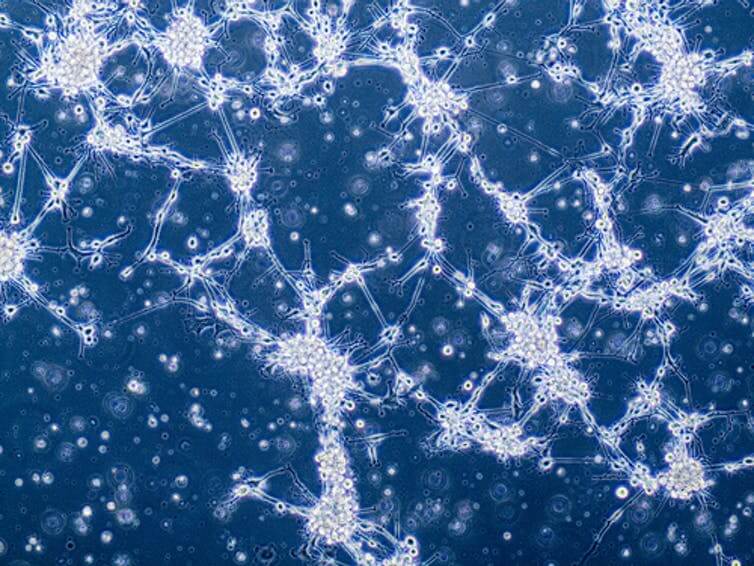
Glioblastoma cells under a microscope. These cells can be deceiving, however, as genetic differences may be present that do not show up under a microscope. Image credit: Anna Durinikova/Shutterstock.com

A first in the fight

GBM was the first cancer to undergo comprehensive genetic analysis as part of the multibillion-dollar NCI-led project called “The Cancer Genome Atlas.” This ambitious quest sought to completely analyze the gene expression patterns and DNA sequence of several human cancers and make the data publicly available for scientists to study. It has been a game changer in the assault against cancer.

Scientists have learned, for instance, that GBM, like many cancers, is not a single disease. Even though two patients may receive the same diagnosis of GBM and may have tumors that look almost identical under a microscope, at the cellular level these tumors can be quite different, with different mutations in the DNA code and different pathways driving tumor growth. This understanding means that a single therapeutic approach is very unlikely to work the same in all individuals with the same diagnosis of GBM.

Essentially, these patients really don’t have the same disease. This new understanding, while tremendously important in shaping our strategies for treating GBM going forward, also raises the realization that the enemy we face in GBM is even more insidious than thought.

To add to this complexity, we understand now that even within a given patient’s tumor, the individual cancer cells can even differ significantly from one another, having diverged over time through rapid growth and through the accumulation of different mutations within different tumor cells. This means that the same treatment hitting the tumor cells within a single patient will likely not kill all cancer cells with the same effectiveness. This allows resistant tumor cells within the population to grow back in the face of treatment that may have been initially effective.

Tackling this complexity at the cellular level to develop treatments that are effective against all tumor cells within a patient is a major challenge for tumors such as GBM. It likely accounts for much of the resistant nature of the disease.

Invasive tactics

An additional characteristic of GBM is the invasive nature of the disease. GBM tumor cells essentially crawl away from the main tumor mass and embed themselves deep within the normal brain, often hidden behind a protective barrier known at the blood-brain barrier. This invasive feature means that while neurosurgeons can often remove the main central tumor mass of a GBM, the invasive finger-like projections protrude into other areas of the brain. The distant islands of tumor cells that have migrated away cannot be effectively removed by surgery.

Radiation treatment is effective in controlling tumor growth, but there are limits to the doses of radiation that can be delivered to normal brain. Chemotherapy treatment with temozolomide currently can extend survival on average by several months. But the blood-brain barrier, or specialized cells that keep threats away from the brain, restricts many drug treatments from getting into the brain, and the mixed populations of tumor cells are already poised to grow out of the cancer cells that are resistant to the agents that do get through.

Cautious optimism

When one takes an inventory of what we’ve learned about GBM, it is easy to become discouraged and perhaps to conclude that we are facing an insurmountable foe. Such a conclusion might be warranted, were it not for the fact that despite the incredible complexity and challenges faced in successfully treating GBM, long-term survivors of this disease do exist.

Long-term survival, or five years or longer from time of diagnosis, with standard treatment regimens is reported at 9.8 percent from a systematic study of 573 patients with GBM. While 9.8 percent is an unacceptably low rate, it is demonstrable evidence that long-term survival is feasible.

We have learned that survivors tend to be younger than 50, have tumors that were able to undergo more extensive surgical removal at diagnosis, and have molecular features that predict a better response to the chemotherapy.

Mis- and disinformation are distorting science and public policy. Subscribe to our Daily and Weekly Digests for incisive coverage of ‘disruptive’ innovations in AI, agricultural biotechnology, food, chemicals, nuclear energy, vaccines, and other disruptive innovations.

Recent advances in the treatment of GBM have also brought the advent of a new device technology that delivers alternating low-intensity electric fields called tumor-treating fields. Long-term survival data has not yet been reported for the addition of tumor-treating fields to standard treatment, but a median survival improvement of 4.9 months from 16.0 months to 20.9 months was reported in a recently completed phase III clinical trial involving 695 patients. It is possible that an improvement in long-term survival rates will also be observed in patients receiving this combined treatment.

Perhaps our greatest hope comes from emerging therapeutic strategies such as immunotherapy and personalized medicine approaches. Our immune systems are hard-wired to deal with complexity and variety, needing to respond rapidly and effectively to a myriad of unknown and changing infectious threats from the environment. The field is just beginning to understand how to harness this potent and adaptable killing power to hone in on cancer cells in a comprehensive way. We have observed encouraging long-term survival outcomes in patients with GBM during our early phase clinical trials of immunotherapy and are currently evaluating the effectiveness of these treatments in large-scale clinical trials at our medical center.

The war on cancer has certainly proven to be harder, longer and more complex than many envisioned in 1971. While tremendous gains have been made in cure rates for some malignant diseases like childhood leukemia, GBM has perhaps stood stalwart in resistance over the decades to transformative progress. However, through diligence and persistence, we have begun to better understand the enemy we face at the root of this invasive brain cancer. This understanding has transformed our plans of attack and has begun to bear evidence that breakthroughs are possible and forthcoming.

Sen. McCain will be remembered for his many contributions, accomplishments and sacrifices in service of his country. He is also but one of the 600,000 Americans and 8.2 million people worldwide whose life will be claimed by cancer this year. Among the many things to be remembered, honored and cherished about his life, let the fighting legacy of this warrior remind us that war on cancer goes forward in his memory, and in honor of all that have been and will be impacted by this disease.The Conversation

Duane Mitchell is a professor of neurosurgery at the University of Florida.

A version of this article was originally published on The Conversation as Glioblastoma topples an American hero, but researchers will continue the fight and has been republished here with permission.

Video: French anti-GMO activists target agricultural cooperative in dicamba, glyphosate protest

protest

At dawn on Monday, August 27th, [French] GMO protesters rallied in Glomel …. As early as 6 am, they blocked access to the Triskalia agricultural cooperative in Glomel (Côtes-d’Armor). About twenty members of the collective entered the site for a “citizen inspection,” as they called it. The group’s goal was to oppose the marketing of pesticides they consider harmful to the environment. The site was completely closed by management for the day ….

The protesters say they discovered reserves of dicamba, an herbicide authorized in France but strongly criticized by some farmers for its high volatility …. Dicamba is once again widely used since glyphosate has an uncertain in Europe over the next several years …. The protesters called for an end to the marketing of both herbicides.

The Triskalia cooperative condemned the protest and claimed to be in full compliance with France’s pesticide storage and marketing regulations. The cooperative announced its intention to file a complaint against the protesters.

Editor’s note: This article was originally published in French. This summary was prepared with Google Translate and edited for clarity.

Read full, original article: Glomel: action des Faucheurs Volontaires chez Triskalia

Beef producers, ‘alt-protein’ makers seek help settling ‘long-simmering dispute’

future food

On [August 23rd], the North American Meat Institute (NAMI), a Washington, D.C.-based association that represents the country’s biggest meat producers and food companies, and Memphis Meats, a San Francisco startup that’s racing to get lab-grown meat in stores, teamed up to appeal directly to President Trump to handle a long-simmering dispute.

At issue is which government agency should regulate this newer, fancier, lab-ier meat—the United States Department of Agriculture (USDA) [or] the Food and Drug Administration (FDA) ….

…

[The] groups from opposite sides of the fence co-signed a letter to the White House to settle the dispute. And that would make sense: both regulatory bodies are branches of the executive. Since thus far, Agriculture Secretary Sonny Perdue and FDA Commissioner Scott Gottlieb haven’t been able to figure out who should regulate this alt-meat, maybe their boss can.

“FDA should have oversight over pre-market safety evaluations for cell-based meat and poultry products,” the letter reads. “After pre-market safety has been established with FDA, USDA should regulate cell-based meat and poultry products, as it does with all other meat and poultry products, applying relevant findings from FDA’s safety evaluation to ensure products are safe, wholesome, and properly labeled.”

In other words, let each regulatory group do what they do best ….

Read full, original article: Meat producers and lab-grown protein companies finally set their beef aside

Seeking a new path for FDA regulation of revolutionary medical treatments

FDA

Researchers are developing therapies that could permanently alter a patient’s genes… . The early results are promising. Patients would live longer, better lives. …the potential savings for insurers—and for Medicaid—are enormous. But when?

Part of the answer depends on the Food and Drug Administration, where hundreds of applications involving gene therapy for various diseases are pending.

…

“It used to be that the model was to develop a drug that was going to be administered chronically over the life of a patient,” [FDA Commissioner Scott] Gottlieb says in a recent interview at the FDA’s headquarters. … And now, the model is to try to develop curative therapy,” usually a short course or a one-time treatment. “It’s a completely different therapeutic model. It’s a completely different payment model, and our payment system isn’t adapted to that.”

Is the regulatory system? The FDA is used to reviewing synthetic chemical drugs, but much of the innovation today is in “biologics,” treatments derived from living things, a category that includes genetic therapies. …

The FDA already has a route known as “accelerated approval” for drugs whose trial results are believed “reasonably likely” to predict clinical benefit. The early approval is then intended to be cemented over time with long-term data. Dr. Gottlieb says this process is well-suited to the new challenge of genetic therapies.

Read full, original post: When Medical Innovation Meets Politics