Viewpoint: Want to slash pesticide use? Stop trying to ban GMOs

gmo monsanto protest toronto

On Aug. 20, I gave a speech in Dublin, Ireland, at the International Association for Plant Biotechnology Congress …. where I was able to speak to some of the leading experts in plant biotechnology from around the world.

…

[I] heard from Dr. Even Mullins about problems affecting potatoes on Irish farms that have been affected by blight. This plant disease makes it to where farmers have to spray their fields 15 to 17 times a growing season with fungicide to try to combat this awful disease.

But there is a solution! Using ciscenic breeding, scientists have taken a gene from the wild potato and inserted it into the modern potato we all know and love …. It’s …. quite a non-invasive answer to a serious problem. But it’s a “GMO.”

Because of this, the government won’t allow it to be cultivated …. Potato chips and french fries are delicious — wouldn’t it be great to know they were never sprayed with fungicide? FIFTEEN times?!? Scientists and farmers want the technology, and it’s there at the fingertips, but the government won’t allow it.

Read full, original article: Some countries don’t allow the cultivation of GMOs — here’s why this is a big problem

Robots could help autistic children communicate more effectively

maxresdefault

As excited or terrified as we might be by the latest advances in robot technology, they’re still far from being the ubiquitous helpers portrayed in science fiction. But a new study published [August 22] in Science Robotics does seem to offer a glimpse of their potential in assisting children who have communication differences due to autism spectrum disorder (ASD). Its findings suggest that a month of robot-aided lessons might just help these children learn to communicate more effectively.

…

For the experiment, they recruited 12 families of children who have communication difficulties due to ASD. The children, who were between the ages of six to 12, and their families were given a special computer setup to use at home, one that included an early prototype of Jibo, a 12-inch robot developed at MIT that is marketed as the first commercial social robot.

…

The children, along with their caretaker, interacted with Jibo every day for 30 minutes.

…

[The children] showed improvement in their ability to pay attention to the same thing as the adult they were with, a skill known as joint attention. The caretakers also reported that their children became more socially adept, willing to make more eye contact and to communicate more with others.

…

There’s still a lot of ground to be covered and questions to be answered regarding the use of robots in autism treatment.

Read full, original post: How Robots Could Help Autistic Children Improve Their Social Skills

Dead Sea plant genes could boost efforts to cope with drought, climate change

drought ground e

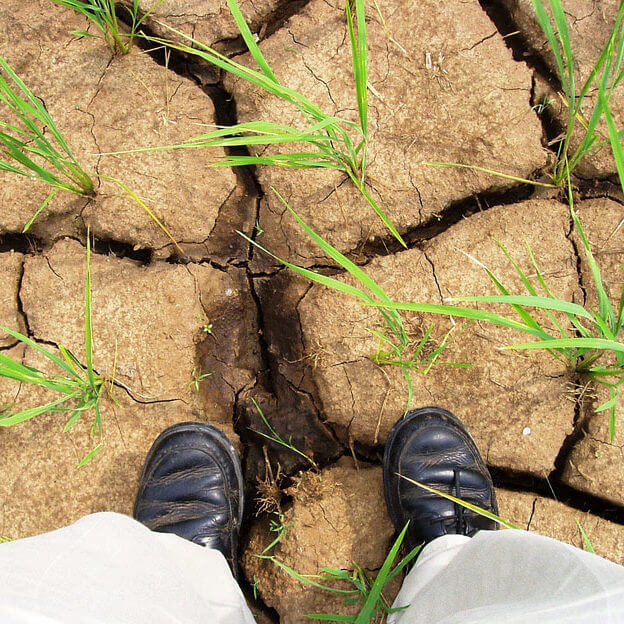
The biblical Joseph foresaw in a dream a seven-year drought and subsequently guided Egypt’s rulers to set aside enough stores of wheat to survive it. …. Climate change has ushered in a new era of drought – and this time there’s no end in sight ….

If Joseph were alive …. he might very well pick up the phone and call Israeli startup PlantArcBio. Like Joseph, PlantArcBio’s founder and CEO Dror Shalitin has a vision to help the planet cope with less rainfall. This time, it’s based on science ….

Shalitin’s company aims to make some of the world’s most important crops more drought-tolerant by adding specific genes found in regions that traditionally receive little water. Israel has plenty of places to look for that, in particular the ever-parched Dead Sea area and the southern Negev and Arava deserts.

…

PlantArcBio collects actual soil and water samples from the Dead Sea area. These samples are filled with millions of genes from tens of thousands of plants, animals, viruses, fungi and micro-organisms.

PlantArcBio then isolates the genes from the soil “soup” it’s collected and, using specialized agro-bacteria, inserts the genes into model plants – one gene per plant. A model plant is one that more easily accepts foreign genes.

Read full, original article: Genes from Dead Sea to produce more drought-tolerant crops

Reading genes: How much of your future do they reveal?

PolygenicRiskScoring

The journal Nature Genetics recently published an enormous study demonstrating yet again how multiple sites on the genome can play a role in determining our fates.

…

[Researchers] showed that they could use these 1,271 spots in the genome to compute a score that predicts — mildly, and on average across a group — [someone’s] likelihood of completing college. That’s all from a cheek swab. How is this possible? The research technique used here is called a genome-wide association study.

…

[These predictions can be] wildly misinterpreted, even abused, in the wrong hands. There are fears that they’ll give rise to an industry that feels more like genetic astrology than genetic prediction.

…

A big hope behind GWAS: If scientists can identify spots on the genome associated with a disease or a behavior, they can begin to trace the pathways from genetics to organ tissues to symptoms. And along that pathway, they can possibly find places to intervene and discover new cures.

In the more immediate future, some researchers say, doctors will use the tests to predict who is most likely to develop diseases. There was a recent GWAS effort to help make significant predictions about who is most likely to develop coronary artery disease in their lifetime. If these polygenetic tests are used at an early age, some doctors hope, patients can be given early preventive measures.

Read full, original post: How scientists are learning to predict your future with your genes

Why are some people still afraid of GMOs?

gmos

Genetically modified organisms (GMOs) have been a source of controversy in recent years. As products advertised as “natural”, “clean” and “organic” have grown in popularity, GMOs have been villainized as unnatural and hazardous to your health ….

…

[T]he opinion of a well-known science and health “expert” can sometimes scaremonger the general public into believing the negative hype generated by that individual. As an example, [Canadian science communicator] David Suzuki has strongly opposed GMOs and has said that “any politician or scientist who tells you these [GMO] products are safe is either very stupid or lying” …. Unfortunately, by discrediting those who are conducting and communicating the evidence we have available on GMOs, he is contributing to the misinformation surrounding them.

…

So if there is evidence to show that these foods are safe for consumption, why the controversy on this topic?

A quote from the European Commission’s report on European Union-funded GMO research may provide the most reasonable explanation for this: “science can certify the existence of danger, but not its absence.” Studies that fail to find evidence of risk can be used to support the argument that a GM food is safe, but they can never confirm that a risk does not exist which can also help to provide fuel for those who do not believe in the safety of GMOs.

Read full, original article: Too much fear surrounds GMOs

Newly discovered ‘micro-organ’ could lead to innovative vaccines

LymphSlide web

Researchers have identified a brand new ‘micro-organ’ inside the immune system of mice and humans – the first discovery of its kind for decades – and it could put scientists on the path to developing more effective vaccines in the future.

…

The researchers from the Garvan Institute of Medical Research in Australia spotted thin, flat structures on top of the immune system’s lymph nodes in mice, which they’ve dubbed “subcapsular proliferative foci” (or SPFs for short).

These SPFs appear to work like biological headquarters for planning a counter-attack to infection.

These SPFs only appear when the mice immune systems are fighting off infections that have been encountered before.

What’s more, the researchers detected SPFs in human lymph nodes too, suggesting our bodies react in the same way.

“When you’re fighting bacteria that can double in number every 20 to 30 minutes, every moment matters,” says senior researcher Tri Phan.

…

Now we know how the body does it, we might be able to improve vaccine techniques – vaccines currently focus on making memory B cells, but this study suggests the process could be made more efficient by also looking at how they transform into plasma cells through the inner workings of an SPF.

“So this is a structure that’s been there all along, but no one’s actually seen it yet, because they haven’t had the right tools,” says Phan.

Read full, original post: Scientists Have Discovered a Brand New ‘Micro-Organ’ in The Human Immune System

CRISPR is poised to revolutionize biotech crops if politics doesn’t block it

Screen Shot at PM

Back in 2016, I wrote a feature story for Florida Grower magazine on the potential of CRISPR/Cas9 to improve agricultural productivity and maybe even overcome plant diseases like HLB in citrus. At that time, I couldn’t help but wonder and worry if anti-GMO forces would try to conflate the technologies and create another genetic bogeyman. In the past year or so, it has become clear that is exactly what they intend to do.

Editor’s note: Frank Giles is the editor of Florida Grower, a publication covering crop protection, farm management and related topics. 

CRISPR, which stands for clustered regularly interspaced short palindromic repeats, was only discovered in 2012, but already there are many research projects underway to unleash the potential of the gene-editing technique …. In agriculture, it could supplant transgenic modification, eliminating the need to introduce foreign DNA into plants to generate input or output traits. That would leave a lot of anti-GMOers without a cause célèbre.

…

One of the attributes that make CRISPR and gene editing so potentially impactful is that its research and development is relatively inexpensive when compared to GMO development …. That could open the door for many smaller start-up firms to invent the next great crop innovation. But, the ECJ ruling will force companies to follow the same path GMOs in Europe take, which typically costs about $35 million just to clear the regulations.

Read full, original article: Confused About GMO and CRISPR Technology? Let Science Settle It

Cooperation in a time of chaos: Ancient Kenyan burial ground shows evidence of ‘social unity’

IMG

For millions of years, the Turkana Basin in northern Kenya has been a cradle of humanity.

…

Around 5,000 years ago, the climate there changed dramatically. The weather became hot and harsh. The lake at the basin’s center shrank to half its former size. Hunting opportunities declined, and people had to turn to herding to survive.

With their food sources dwindling and their environment in upheaval, the communities there might have collapsed into chaos. Instead, archaeological evidence suggests, people came together and cooperated.

In a study published [August 20] in the Proceedings of the National Academy of Sciences, researchers report the discovery of a prehistoric burial ground containing the graves of at least 580 people of all ages and both sexes. There doesn’t seem to be any hierarchy in how they are arranged. Rather, nearly every one was buried with care alongside personalized ornaments: headpieces made of gerbil teeth, chains of brightly colored beads. One infant bore a bracelet made of delicate pieces of ostrich egg shells.

…

“Given everything these people were dealing with — a new economic life, a shrinking lake — it’s really impressive that their response was to … invest a substantial effort in time and energy to create a lasting monument that will draw people together and create social unity,” said Elisabeth Hildebrand, an archaeologist at Stony Brook University and a lead author of the report.

Read full, original post: This ancient burial ground tells a story of unity in a time of climate chaos

Measuring the risks, potential of CRISPR

crispr

The gene editing technology CRISPR has prompted both breathless predictions of medical breakthroughs and warnings of apocalypse. Yale Insights asked Dr. Greg Licholai, a biotech entrepreneur and a lecturer at Yale SOM, to explain CRISPR’s potential and dangers.

…

What are some of the applications, in the somewhat reasonable, predictable future?

There are three main applications for CRISPR. One is in manipulating genes to turn them on or off within people. Another is to create medications that can be infused, or in some cases, self-therapy—taking blood and certain cells out of a body, manipulating them with CRISPR, and then putting them back in. The third, which sometimes is overlooked, is actually in farming. Both farming with animals as well as farming with crops.

…

What are the risks of this? Are the risks to the patient? Or to all of us?

One of the biggest risks of CRISPR is what’s called gene drive, or genetic drive. What that means is that because you’re actually manipulating genes and those genes get incorporated into the genome, into the encyclopedia, basically, that sits within cells, potentially those genes can then be transferred on to other organisms. And once they’re transferred on to other organisms, once they become part of the cycle, then those genes are in the environment.

That’s probably the biggest fear of CRISPR.

Read full, original post: CRISPR’s Potential and Dangers: Is CRISPR Worth the Risk?

Delving into our complicated relationship with carbohydrates

low carb

The idea of controlling carbohydrate consumption has been bouncing around the world of diets and medicine for nearly 100 years. The concept was introduced in the 1920s as a treatment for childhood epilepsy based on the idea that such a diet mimics starvation. Proponents suggested it would dampen electrical activity in the brain.

Since then, a variety of diets have proposed carb avoidance. Among the more notable examples are the Atkins diet that began in the early 1970s and the more recent ketogenic diet popular today. That’s why low carb options are abundant in restaurants, grocery stores, hospitals and pretty much anywhere that food is sold.

The merits and drawbacks of carb cutting appear intermittently in popular culture. So it’s no surprise that the topic is in the news again, this time due to the publication of a study of more than 15,000 subjects, run by researchers at Brigham and Women’s Hospital and Harvard University in Boston, and published in the prestigious journal The Lancet. The new study revealed something that really should not be surprising, namely that a middle ground approach is healthier than either extreme, meaning consuming carbs in excess but also not consuming enough.

The study showed that reducing carbohydrate intake is not helpful — in fact it is harmful — if one replaces those lost calories with animal protein and fat. And yet, reducing carbs can be helpful if one adopts a vegan diet. That is a lot do swallow all at once — excuse the pun — but while the Harvard study is high quality it comes about 100 years into an era in which low carb diets of different forms have been studied frequently, generating a plethora of conflicting results.

Standard recommended diet

The US Department of Health and Human Services (HSS) recommends a diet in which 20-35 percent of your total calories come from fat; 10-35 percent come from protein; and 45-65 percent come from carbohydrate. In other words, the recommendation is that carbohydrates account for more daily calories than either of the other two categories. There is an important caveat to this guideline.  The bulk of carbohydrates should be not be sugars (simple carbohydrates), but rather complex carbohydrates typically found in grains other foods with a lot of fiber. Unlike simple carbohydrates, which enter the bloodstream rapidly, causing a spike in in the level of insulin, complex carbohydrates are absorbed more slowly. Among the diets that have specific names, the diet that matches most closely with the standard recommendations is the Mediterranean diet. This diet has received a great deal of attention, not only in the general health and nutrition news in recent years, but also in the world of genetics. This is because, along with its ability to increase the good cholesterol in the blood (HDL) while lowering bad cholesterol (LDL) levels, the Mediterranean may help keep maintain length of telomeres, strands of DNA at the ends of chromosomes that help keep chromosomes from losing genes.

keto diet 8 28 18

Ketogenic diets

Carbohydrate avoidance can be described quantitatively in terms of how close it approaches the extreme form of a low-carbohydrate diet, namely a ketogenic diet. In its standard form, a ketogenic diet includes no more than 5 percent of calories coming from carbohydrates. The bulk of calories —  up to 75 percent — come from fat. There are variations on this diet containing up to 35 percent protein and as low as 60 percent fat, but that 60 percent is double the HSS recommended level.

The diet originally was introduced in the 1920s as a treatment for childhood epilepsy. It developed from the idea that starvation can help mitigate epilepsy. However, since starvation has multiple disadvantages, researchers in the early 20th century came up with the idea of forcing the body into ketogenic mode by depriving it of carbohydrates. This acts as as a kind of starvation simulator.

Since cells of the brain and several other organs require glucose to function, depriving the body of carbohydrates depletes glycogen supplies that are locate primarily in muscles and the liver. This causes muscles and other tissues to depend on fat for energy, generating what are called ketone bodies, which the brain can use as an alternative fuel. Although this process is a simulated starvation, in many ways amounts to actual starvation. And the ketogenic diet still makes clinical research headlines from time to time in the current era. It has  proven to be somewhat effective in reducing the frequency of seizures in those with epilepsy. Since anti-seizure medications often have undesirable side effects, such dietary management of epilepsy can be an attractive option.

Another well-accepted use of low carbohydrate diets is seen in the management of diabetes. Since high glucose levels in the blood are the key feature leading to worsening health in both type I and type II diabetes, there is a well-established benefit of minimizing intake of carbohydrates, especially simple carbohydrates. However, one of the main long-term complications of type II diabetes (the more common type) is cardiovascular disease, resulting from the build up of atherosclerotic plaques in blood vessels. So high fat diets also are dangerous for diabetics. While spikes in insulin resulting from high sugar intake are considered to contribute greatly to the genesis of such plaques, dietary fat is also a problem. Consequently, diabetics are advised to avoid high fat diets, which means that ketogenic diets are not for them.

Mis- and disinformation are distorting science and public policy. Subscribe to our Daily and Weekly Digests for incisive coverage of ‘disruptive’ innovations in AI, agricultural biotechnology, food, chemicals, nuclear energy, vaccines, and other disruptive innovations.

Furthermore, scientific research carried out over nearly a century has generated conflicting results regarding the type of carb cutting seen in fade diets like the 1970s Atkins diet. Although that diet is generally not considered to be ketogenic, it can be if taken to the extreme. Various research studies have revealed a range of dangerous complications that can develop from ketogenic diets, including metabolic acidosis (because ketone bodies are acidic), high uric acid levels, high cholesterol, infections, low blood sugar,  low blood sodium, pneumonia and pancreatitis. Later in life, people can lose bone minerals, leading to kidney stones and fractures. And they can develop iron-deficiency anemia, and potentially fatal heart conditions such as prolonged QT syndrome and cardiomyopathy.

The middle ground

It is always bad to read too deeply into one new research study, particularly when it comes to nutrition, since it’s likely that the following week a new study will come out concluding the opposite. In the case of the recent Harvard study, however, part of the outcome seems like common sense.

Researchers found a U-shaped curve characterized by the highest life expectancy corresponding to a diet ranging from 50-55 percent carbs, whereas those consuming carbs in excess of 70 percent and those consuming carbs below 30 percent of their calories have shorter life expediencies. As for idea that reducing carbohydrates to fairly low levels is safe, only if one gives up animal protein and the fat that comes with it?  That one is a little more out there. But it suggests that quite a bit more research will be needed before we have a complete answer to the question of whether low carbohydrate diets are a good option for the population as a whole rather than for people with particular conditions.

David Warmflash is an astrobiologist, physician and science writer. BIO. Follow him on Twitter @CosmicEvolution.

Brazilian judge overturns glyphosate ban, citing ‘serious impacts’ to nation’s economy

sprayweeds roundup e

A Brazilian court on [September 3rd] overturned an injunction banning products containing the popular weed-killer glyphosate, knocking down a previous ruling that had been set to disrupt the soy planting season set to begin [in September.]

A Brazilian judge ruled [in August] to halt the registration of new glyphosate-based products in the country and to suspend existing registrations after 30 days, until health agency Anvisa issues a pending ruling on its safety.

…

Judge Kássio Marques, of the regional federal court of the first district in Brasilia, based the ruling suspending the injunction on the government’s argument that banning glyphosate and the other two agrochemicals could harm the country’s economy.

Marques said in the decision “nothing justifies the suspension and abrupt removal of registrations of products containing glyphosate, abamectin and thiram as active ingredients without an analysis of the serious impacts on the country’s economy and population in general.”

…

Federal prosecutors brought the lawsuit to pressure Anvisa to make a decision, saying glyphosate and the other chemicals deserved to be reevaluated based on new evidence that has come to light on their safety ….

…

Bayer and Monsanto say decades of use and numerous reviews of glyphosate show the chemical to be safe.

How genetics could help agroecology—the science, not the political movement

agroecology x x

Agroecology isn’t rocket science

So wrote Daniel Moss, head of the AgroEcology Fund, and Mark Bittman, former food columnist, in the New York Times recently.

But agroecology started out about more than 80 years ago as an academic, scientific discipline. And that science may have been pushed aside by a growing political movement to endorse organic farming, a “back to basics” type of agriculture espouses to avoid the sins of modern, conventional food production—including the use of genetic modification.

But that industrial type production, Moss and Bittman wrote, is the problem. “It’s an industry that would have us believe that we need rocket science to grow a carrot.”

So, what does agroecology do that can eschew science, rocket or other?

According to the United Nations Food and Agriculture Organization (FAO), which director general praised the Moss and Bittman op-ed as an “essential piece,” agroecology is:

based on applying ecological concepts and principles to optimize interactions between plants, animals, humans and the environment while taking into consideration the social aspects that need to be addressed for a sustainable and fair food system. By building synergies, agroecology can support food production and food security and nutrition while restoring the ecosystem services and biodiversity that are essential for sustainable agriculture.

But according to Moss and Bittman, modern agriculture is “dominated by ever-growing corporate giants,” and a “cynical, essentially self-regulating agriculture industry:

Much of the world waking up to the costs of the industrial approach that defines most of American agriculture, with its addiction to chemicals and monoculture.

Big agriculture reacts to agroecology by painting it as nice, but quaint, certainly not up to the job of feeding the world. But agroecology is based 100 percent of science and on the farm experimentation, with its roots in the practices of farmers who know their land and crops, and the scientists who work with them to improve their sustainable agricultural practices.

agro 8 14 18 2

However, Moss and Bittman do not cite any scientific studies in the article, instead reviewing what some agricultural communities are doing worldwide to adopt practices to adhere to the political definition of agroecology: “An ethos that encourages defining what a food system really should be.”

There is science in agroecology, starting in the 1930s and continuing as an exclusively scientific effort until the 1960s. Studies have focused on whether or not certain practices such as cover crops, minimal tilling or crop rotation have an effect on agricultural outputs. Social science has played a part, too, looking at practices by poor farmers in developing countries, and the role of traditional/subsistence farming systems (still used by 60 percent of farms worldwide).

A few experts have criticized agroecology studies, though. Jacqueline Rowarth, a former head of New Zealand’s Environmental Protection Agency who now holds an academic position in Australia, criticized a recent Rodale Institute study that used what it called “regenerative” processes (a type of agroecology) and claimed that such “regenerative organic agriculture” used photosynthesis to capture carbon dioxide, thus regenerating topsoil, enhancing nutrient density, restoring water and reversing climate change. Rodale has long espoused organic farming and criticized modern methods like genetic modification.

Shenanigans, said Rowarth: all green plants use photosynthesis. Moreover, she cited a 2018 New Zealand Ministry of Environment Our Land survey that showed soil carbon was plentiful in nearly all farm sites, and a USDA profile that showed only minor changes in protein, calcium, potassium, iron, riboflavin and ascorbic acid in garden crops between 1950 and 1999. Those changes were probably due to selection of varieties of plants over the same period, trading off yields and nutrient content.

Livestock has largely been ignored by agroecology, and in fact has come under sharp criticism for contributing to greenhouse gases, using too much land, and creating waste. But a review by Bertrand Dumont of the French National Institute for Agriculture, and Alberto Bernues of the Norwegian University of Life science, showed that a number of innovative management practices have been studied that could improve the sustainability of livestock.

The inattention to animals helps underscore how agroecology has moved from pure science to political movement. Today’s agroecology promoters have made it political by coupling it with concepts of food sovereignty and indigenous rights. They define agroecology as ‘organic plus’ that rejects methods of modern agriculture – particularly biotechnology, synthetic fertilizer and pesticide applications.

One promoter group is the Agroecology Fund, headed by Daniel Moss. The fund was founded in 2012 with grants from four foundations. Later, other foundations joined in, including the Fondation Charles Leopold Mayer, which also supported Gilles-Eric Seralini’s controversial research activities, which have largely been critical of GMOs, and have not passed scientific muster. One member of the fund’s advisory board is also a board member of Greenpeace.

Mis- and disinformation are distorting science and public policy. Subscribe to our Daily and Weekly Digests for incisive coverage of ‘disruptive’ innovations in AI, agricultural biotechnology, food, chemicals, nuclear energy, vaccines, and other disruptive innovations.

The fund itself has supported non-governmental groups in Africa and other continents to block pro-GMO legislation and regulation and train representatives on anti-GMO campaigns.

In addition, nothing in the scientific realm of agroecology specifically rules out genetic modification. Instead, studies (like Our Land’s) look at cultivar selection, which is a more traditional genetic approach to farming. Olivier de Schutter, former UN Special Rapporteur on food rights, emphasized an agroecology in which “diversified ecological systems delivery strong and stable yields by building healthy ecosystems where different plants and species interact in ways that improve soil fertility and water retention.” There’s nothing that says genetic modification has to be conducted by a large corporation; the latest apple was created by a small company. And genetic modification has been successful at steering farming away from more hazardous pesticides and has the promise to further move food production away from chemical fertilizers as well as improve productivity, all stated goals of agroecology.

All of which may not demand rocket science but will demand a scientific approach.

Andrew Porterfield is a writer and editor, and has worked with numerous academic institutions, companies and non-profits in the life sciences. BIO. Follow him on Twitter @AMPorterfield.

Scientists could use CRISPR gene editing to combat ‘superweeds’ when herbicides fail

AR

There is a pressing need for novel control techniques in agricultural weed management. Direct genetic control of agricultural pests encompasses a range of techniques to introduce and spread novel, fitness-reducing genetic modifications through pest populations. Recently, the development of CRISPR-Cas9 gene editing has brought these approaches into sharper focus. Proof of concept for CRISPR-Cas9 based gene drives has been demonstrated for control of disease-vectoring insects.

…

Population suppression drives might be employed to introduce and proliferate deleterious mutations that directly impact fitness and weediness, whereas population sensitizing drives would seek to edit weed genomes so that populations are rendered more sensitive to subsequent management interventions.

…

The technical, biological, practical and regulatory challenges remain significant. Modelling-based studies can inform how and if gene drives could be employed in weed populations. These studies are an essential first step towards determining the utility of gene drives for weed management. This article is protected by copyright. All rights reserved.

Read full, original article: Gene drive systems: Do they have a place in agricultural weed management?

Viewpoint: Neurodiversity and why we can’t let fear of autism discourage vaccinations

JURIS Antivaxxer jpg CROP rectangle large

Measles cases are surging across Europe, as vaccination rates have dropped. It’s a problem that medical authorities believe is, in part, a delayed effect of Andrew Wakefield’s utterly discredited scare campaign that attempted to link the MMR (measles, mumps and rubella) vaccine to an increase in autism diagnoses. That Wakefield has had such a long-lasting, harmful effect is an indictment of how autism was, and is still, perceived in some quarters: a devastating and incurable scourge, and the greatest trauma that can befall parents.

…

I’m autistic, and I was diagnosed 10 years ago, in 2008. At 12 years old, I had no way of knowing that anti-vaccination was still a live topic around autism.

…

But many autistic children and adults were caught up in this bizarre and often harrowing episode – the discussion was too often centred on how to avoid having an autistic child, or what “mistakes” were made that caused the autism, rather than embracing the possibilities of neurodiversity.

The culture of fear that Wakefield aided and abetted has been taken up by far-right political movements, which capitalise on the fears that surround autism. In their narrative, autism is devastating and to be avoided at all costs.

…

Anti-vaxxers cannot be allowed to regain the foothold that they had when I was diagnosed.

Read full, original post: I’m autistic – don’t let anti-vaxxers bring back the culture of fear

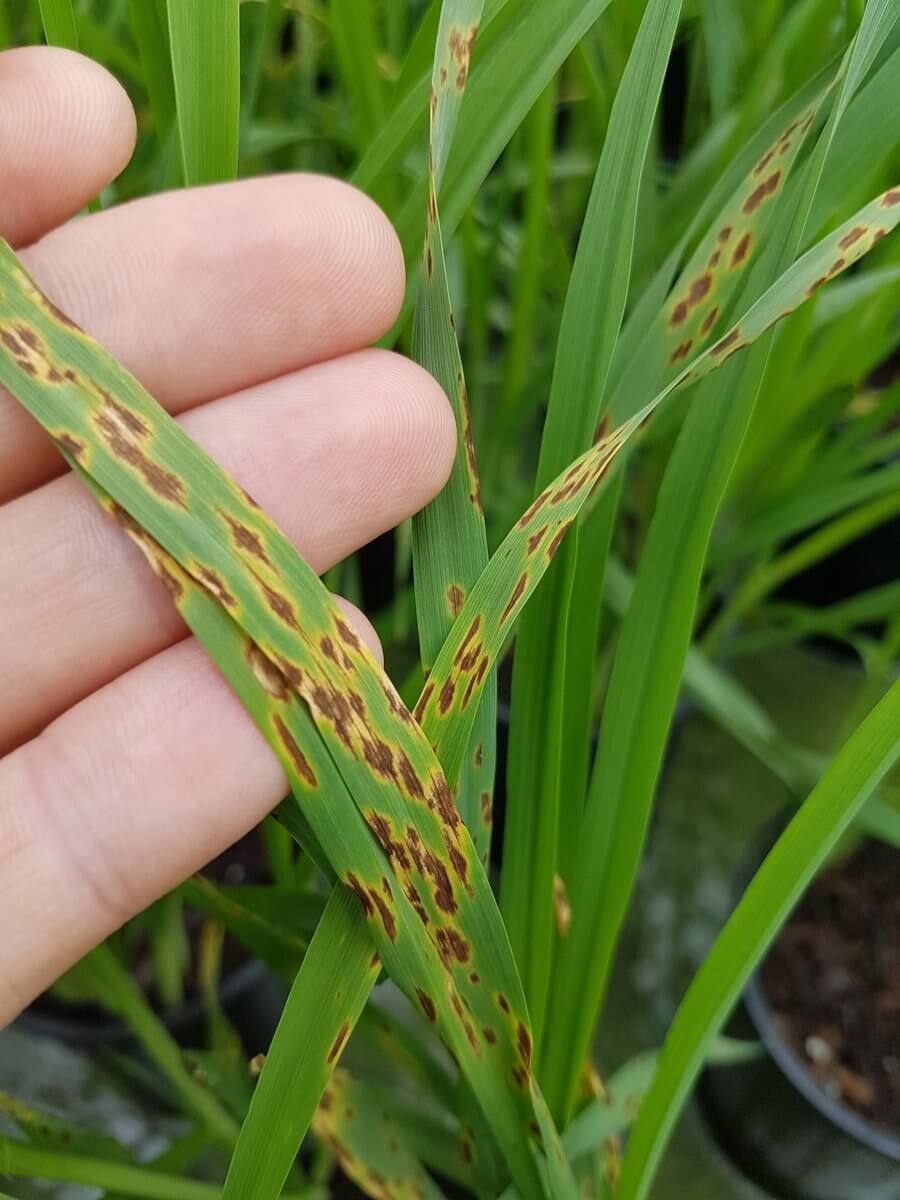
Researchers turn genetic corner in fight against devastating wheat disease

Cr jRaUsAAbAGO

Researchers from the University of Sydney, CSIRO, the United Kingdom’s John Innes Centre, Limagrain UK and the National Institute of Agricultural Botany (NIAB) have isolated the first major resistance genes against the detrimental stripe rust disease that is devastating wheat crops worldwide.

The discovery by the scientists, who have cloned three related   …. will enable these important genes to be accurately monitored and integrated into breeding programs in the fight against ever-changing pathogens that could kill about 70 percent or more of whole  crops at a time.

…

Wheat is relied on by more than one-third of the world’s population and one of the most economically important [staple] foods. Wheat rust is one of the most widespread and devastating diseases …. worldwide because it easily adapts to different climates and environments ….

Ph.D. candidate Jianping Zhang said that until recently, it would take many years to clone a resistance gene from wheat. “With the advances in mutational genomics, sequencing and cloning technologies, we were able to clone all three genes within a relatively short period of time,” said Ms Zhang, who is a member of the Sydney Institute of Agriculture and the Plant Breeding Institute at Cobbitty …. “Now we have a thorough understanding of the gene structure and the relationships between these three important genes.”

Read full, original article: Scientists solve 30-year wheat rust genetics puzzle

How can seemingly-unique animals be genetically the same?

APA AndyonaColumbianMammoth

More and more, biologists are discovering that organisms thought to be different species are, in fact, but one. A recent example is that the formerly accepted two species of giant North American mammoths (the Columbian mammoth and the woolly mammoth) were genetically the same but the two had phenotypes determined by environment.

…

In genetics, genes are disrupted by mutations and permanently changed. Epigenetic effects take place when single genes along a long strand of DNA become “polluted” with very small molecules, which each attach to only a single small site along the long DNA molecule. This can cause a gene that was actively in use—such as one dictating the production of a specific protein—to become blocked from its normal activity. That protein is no longer made.

…

In this way, epigenetic change can radically and quickly transform the anatomy of an organism—for better or worse.

…

This is a stark change from the theory of evolution through natural selection. Heritable epigenetics is not a slow, thousand-year process. These changes can happen in minutes. A random hit to the head by an enraged lover. A sick, sexually abusive parent. Breathing in toxic fumes. Coming to God in religious ecstasy. All can change us, and possibly change our children as a consequence.

Read full, original post: Why the Earth Has Fewer Species Than We Think

Podcast: Why glyphosate-cancer news stories could push consumers away from healthy foods

ROUNDUP

On [this] episode, we explore one of the most important topics in nutrition: produce and pesticides. Health experts, the government and environmental groups all agree that increasing consumption of conventional and organic produce can improve health and prevent diseases. So what about all those scary messages we hear in the media about pesticides?

…

Tune in to hear the facts about produce and pesticides, organic and conventional produce, regulations and safety standards, Farmer’s Markets, the pesticide residue calculator, how to wash your produce, and other important tips for enjoying more produce every day.

Teresa Thorne is the Executive Director of the Alliance for Food and Farming (AFF), a non-profit organization comprised of both organic and conventional farmers. AFF’s mission is to deliver credible, science-based information to reassure consumers about the safety of all produce, whether it is organic or conventionally produced.

Original podcast episode: PODCAST EPISODE 097: PRODUCE AND PESTICIDES IN PERSPECTIVE – TERESA THORNE

Microdosing claims put to the test: Researchers looking at psilocybin mushrooms for depression

Dee OdqVAAAjBSi

Microdosing involves taking roughly one-tenth the “trip” dose of a psychedelic drug, an amount too little to trigger hallucinations but enough, its proponents say, to sharpen the mind. Psilocybin microdosers (including hundreds on Reddit) report that the mushrooms can increase creativity, calm anxiety, decrease the need for caffeine, and reduce depression. There is enough evidence that trip doses might have the latter effect that, on [August 22], London-based Compass Pathways received Food and Drug Administration approval for a Phase 2B clinical trial of psilocybin (in larger-than-microdoses) for treatment-resistant depression. But research into microdosing is minimal.

…

The scientific interest is driven, in part, by numerous reports over the years that psilocybin might have antidepressant or anti-anxiety effects that might guide the development of better psychiatric drugs. But it also reflects an itch to see whether there is any basis for the anecdotal accounts. Now, in the first study of its kind, scientists in the Netherlands found that psilocybin microdoses have no noticeable effect on the problem-solving, rational-thinking, and abstract-reasoning ability called fluid intelligence. But they do seem to improve two forms of thinking that underlie creativity.

…

Whatever the dose, psilocybin (O-phosphoryl-4-hydroxy-N, N-dimethyltryptamine) binds to receptors for the neurotransmitter serotonin. The cortex is packed with these 5-HT2A receptors, especially in areas that control reflection, imagination, and introspection.

Read full, original post: ‘Microdosing’ is touted by ’shroomers and Reddit users. Science is starting to test their claims — and finding some truth

‘Smart plants’? Newly discovered genetic ‘messaging system’ could get us there

University of British Columbia researchers have discovered an internal messaging system that plants use to manage the growth and division of their cells …. Plants use this messaging system to survive under harsh conditions or to compete successfully when conditions are favorable. It tells them when to grow, when to stagnate, when to flower, and when to store resources — all based on the prevailing conditions. Understanding how it all works could enable innovations in agriculture, forestry and conservation as climate change takes hold.

UBC botany professor Geoffrey Wasteneys and his colleagues discovered that the system is driven by a protein called CLASP. The protein, found in plants, animals and fungi, plays an essential role in cell growth and division by coordinating the assembly of filaments within cells.

…

These new insights are of particular interest to agriculture as the industry looks for new ways manage the effects of climate change, Wasteneys said.

“One of the aims of the future is to be able to have smart plants that can sense their environment and adjust their development, so that they will reliably produce crops under increasingly adverse conditions. This mechanism is pivotal to that.”

Read full, original article: UBC researchers unlock secrets of plant development