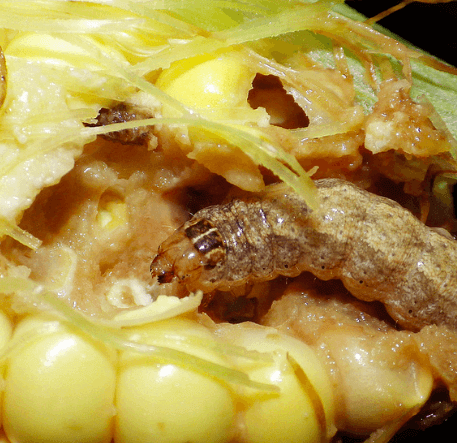
Farmers in [the] Lango, Teso and Karamoja sub-regions [in Uganda] have expressed concern over counterfeit seeds that are widely available on the market. The farmers say they have been duped into buying the fake seeds on the open market, expecting to get good yields yet they never sprout.
Agricultural experts and civil society blame the challenge on the absence of [a] national seed policy. Currently, between 30 percent and 40 percent of seeds on the market are estimated to be counterfeits.
…
Ms Deborah Atebo, the programme manager of Church of Uganda Teso Diocese Planning and Development Office (COU -TEDDO), says the problem of fake seeds cuts across the entire north-eastern region.
“Farmers are duped; they buy seeds, expecting to get good yields but at the end of the season, they barely get anything. This has impacted …. their productivity and I believe this has greatly contributed to the poverty in Teso,” Ms Atebo says.
Christopher Komakech of the Aridland Development Programme, a local NGO, says …. there is no policy framework that local authorities can use to monitor and eliminate the fake seeds.
Read full, original article: Uganda: Farmers Blame Rise in Fake Seeds On Govt’s Poor Policy
Most animals have brains in proportion to their body size – species with larger bodies often have larger brains. But the human brain is almost six times bigger than expected for our bodies. This is puzzling, as the brain is very costly – burning 20% of the body’s energy while accounting for only 4% of its mass.
As evolution tends to remove waste, how come we evolved such large, energy-consuming brains? There are many different ideas out there, with the dominant hypothesis suggesting that challenging social interactions were the driving force. But our new study, published in Nature, finds evidence against this idea and shows that human brain expansion was likely driven by ecology.
Hypotheses for the evolution of the human brain size all agree that brain expansion increased our ability to solve problems. However, they differ when it comes to pinpointing what these problems were.
The reason social problems have long been the favourite explanation is because they seem particularly difficult to solve – ranging from cooperating with friends to hunt big animals or raid other groups to skillfully cheating foes or avoiding being cheated. Solving a social problem requires you to anticipate how friends and foes are going to react to your every move. Essentially, these problems are moving targets, thought to produce arms races in brain sizes leading to exaggerated brains, and possibly to human brain sizes.
In contrast, other hypotheses propose that ecological problems were key. These include having to find food in a seasonally changing savanna, having to store food to be eaten later and having to prepare or cook food so it’s easy to eat. Such challenges may have forced humans to learn how to track prey, build tools and light fires out of dry sticks.
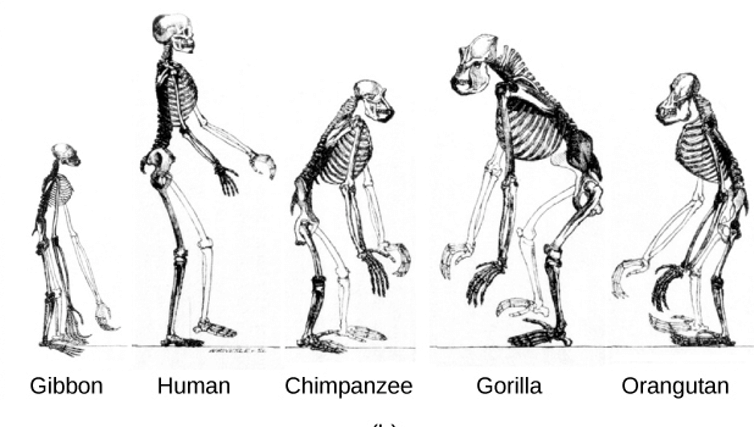
Primates tend to have large brains compared to their body but the effect is extreme in humans. Image credit: CNX OpenStax/wikipedia
Cause and effect
We set out to test the ecological and social hypotheses. It’s been done before, but we did it in an unusual way. The common approach is for scientists to look at many species and investigate whether large brains are associated with specific problems. For example, do primates or other animals with large brains have a diet that is challenging to find but nutritionally rewarding? This would indicate an ecological origin. Or do they live in large groups where they face lots of social problems?
While many studies have found such associations, there is a problem with this approach. It cannot tell whether large brains evolved to solve the difficult problems or whether they evolved for other reasons and then enabled their bearers to crack the hard problems. So we don’t know what’s cause and what’s effect.
We wanted to find out whether ecological or social problems were causes of brain expansion. To do that, we recreated the scenarios of the two hypotheses using a mathematical model. This allowed us to calculate how big brains can evolve to be when individuals face certain ecological or social challenges. In a nutshell, our model did energy bookkeeping. It considered the energy a body had, some of which was spent by the brain, partly to support problem solving.
We then calculated how much energy the individual should invest in growing her brain, given that it has energy costs but that it supports skills to solve problems. By varying the amount of ecological or social challenges faced by the individuals, we could work out how large the brain could evolve to be under such different conditions.
Living in difficult environments such as the African savanna may have have prompted humans to evolve big brains. Image credit: Ian Sewell/Wikipedia,
We found that a combination of ecological and social challenges do produce the brain size we see in humans. But surprisingly, it was ecological challenges that expanded brains. In contrast to the dominant view and our own expectation, we found that social challenges contributed by decreasing brain size. But you need both factors to get the brain size we see today – if there were no social challenges our brains would have been even larger but likely poorly suited to social life. Bigger isn’t necessarily better.
There are many reasons social challenges decrease brain size. One is that cooperating individuals can rely on each other’s brains. So individuals can avoid producing a very costly brain while still being able to solve the problems thanks to help from their buddies.
Follow the latest news and policy debates on sustainable agriculture, biomedicine, and other ‘disruptive’ innovations. Subscribe to our newsletter.
But many animals face hard ecological problems. Why don’t they all have large brains? We found that ecological problems only lead to human-sized brains when individuals can keep learning hard skills as they grow. This can happen when individuals learn from allies their culturally accumulated knowledge, such as making fire. So our results and those of others suggest that a hard ecology and the accumulation of cultural knowledge could act in concert to produce a human sized brain.
Will the human brain expand further? The complexity of the systems involved makes it impossible to say much with certainty at present. For example, cooperation may contribute by decreasing brain size, but this does not mean that reducing cooperation in current societies would lead to increased brain size.
In fact, any action along those lines would take hundreds of thousands of years to take effect and would involve a myriad of possible negative side effects that may not be anticipated by our research. Nevertheless, our approach offers a new way to understand brain evolution using little more than some maths.
Mauricio Gonzalez Forero is the Marie Curie Fellow of Evolutionary Biology at the University of St Andrews. Follow him on Twitter @MauricioGForero
In 2019, Argentina will begin the commercialization of the first genetically modified drought-and salt-tolerant soybean. This will be a particularly important development given the increased risk of drought throughout the world prompted by global warming. Argentina is the fifth largest producer and third largest exporter of corn, the third largest producer and exporter of soybeans and the largest exporter of soybean oil and soybean meal. In 2017 corn, soybean oil and soybeans accounted for 17.7 percent of Argentina’s total exports.
Soybean production is projected to decline by 31 percent and corn by 20 percent in the 2017–2018 crop year and total crop losses are projected to surpass $3.4 billion which is expected to shave as much as 0.5 percent off of GDP growth this year.
The drought-resistant seeds were developed by Rachel Chan, a biologist and senior researcher of the National Scientific and Technical Research Council and professor at the National University of Litoral. The seed is owned by Biceres, an Argentine company involved in agriculture development. The seed was created in 2012 by splicing a drought resistant sunflower gene into a soybean seed. Three years of field testing showed these soybeans to be as nutritious as conventionally grown soybeans. They also were shown not to be toxic to animals or humans and to have no negative impact on the environment. They were approved for commercialization in 2015, with hopes of boosting production by 30 percent. The GM seed enables soybeans to tolerate for a longer period of time a lower water intake during its life cycle.
The development of the drought-resistant soybean seed highlights the government’s strong commitment to utilizing genetic engineering to increase agricultural output.Argentina in this regard has been in the forefront of countries adopting genetic engineering of crops. It first began growing genetically modified crops in 1996 when GM glyphosate tolerant soybeans were planted. It is now the third largest cultivator of GM crops by acreage, accounting for 12.4 percent of the worldwide total in 2017. Only the US and Brazil produce more GM crops annually. About 130,000 farmers utilize the technology.
In March 2017, following the approval of two new GM corn seeds and one GM soybean, the agriculture minister, Dr. Luis Miguel Etchevehere, said the promotion of GM crops are designed to increase the “leadership of our country in the development, regulation, and safe and intelligent use of agricultural biotechnology.”
According to a study published in November 2016 by the USDA’s Foreign Agricultural Service, Argentina has generated $127 billion thanks to its adoption of GM crop cultivation in 1996. Farmers collected 60 percent of this sum, while 26 percent went to the government and 8 percent to the technology providers, respectively.
Like other countries that benefit from agricultural biotechnology, Argentina is home to a small but vocal contingency of skeptics, eager to spread misinformation about GM crop cultivation. One of the most prominent, Argentina sin Tansgenicos (Argentina without transgenics), argues on its website:
“Several scientific studies conclude that genetically manipulated foods can cause allergies, intoxications, harmful alterations of nutritional value, resistance to antibiotics and alterations of the immune system…This is because the genetic modification process itself, at least in the way it is practiced today, is inherently dangerous.”
Such claims, however, are not in line with the global scientific consensus. A host of regulatory bodies, government agencies and independent science organizations have concluded that foods grown from genetically engineered seeds pose no unique health concerns.
Thus far, the country’s anti-biotechnology activists have been unable to convince regulators to restrict or ban GM crops. In fact, the government is financing multiple projects to further develop the technology. In 2017 scientists at the National Institute of Agricultural Technology of Argentina utilized gene-editing techniques to develop potatoes that do not turn brown and milk that does not cause an allergic reaction. Researchers are also developing GM safflower and fescue grass, as well as a virus-resistant potato and drought-resistant varieties of corn.
A Wilson Center Report on Biotechnology in Argentina noted, “It is evident that Argentina is championing the introduction of innovative technologies to farmers through its active involvement in genetically engineering plants, herbicides, and transgenic materials.”
In the private sector, the Argentinian biotech firm Bioceres has developed GM alfalfa engineered to contain less lignin, a complex organic substance that is difficult for animals to digest. The new alfalfa variety has been approved by the government and will be commercialized in 2019.
Follow the latest news and policy debates on sustainable agriculture, biomedicine, and other ‘disruptive’ innovations. Subscribe to our newsletter.
Argentine scientists are also developing genetically modified animals for the production of pharmaceuticals. The Biosidus company, for example, has developed genetically modified cows capable of producing human growth hormone in milk. Commercial use has not yet been approved.
In 2012, the government implemented regulatory measures designed to speed up the approval of new GM crops. The goal was to reduce the approval time from 42 months to 24 months. According to the USDA’s 2016 study, the new measures “accomplished the expected goal of reducing the approval times, and proved to be successful in reducing bureaucracy.”
Although there have been attempts by that nation’s congress to pass labeling legislation, there is no legally mandated label for GM food as of now. The ministry of agriculture says this is because “any food product obtained through biotechnology and substantially equivalent to a conventional food product should not be subject to any specific mandatory label.”
Argentina is a signatory to the Cartagena Protocol but has not ratified it, over concerns about its impact. Because the protocol regulates the movement of GM food based on the precautionary principle, member states may restrict or prohibit the importation of GM food if there is no conclusive information about its safety. The government is concerned that the protocol could place restrictions on the trade of GM crops.
Significantly, Argentina was one of the first countries to announce regulations regarding new plant technologies that do not involve the transfer of genes between species. The government previously defined a GMO as “any living plant organism that possesses a combination of genetic material obtained through the use of modern bio-technology.” Under the new regulations, however, the government has established a case-by-case assessment process to determine if the new GM crop needs to be regulated. The assessment considers the techniques used to develop the crop, whether a permanent genetic change was made to the organism and if there was any transfer of genetic material.
Steven E. Cerier is an international economist and a frequent contributor to the Genetic Literacy Project.
The “reproducibility crisis” in [social] science is erupting again. A research project attempted to replicate 21 social science experiments published between 2010 and 2015 in the prestigious journals Science and Nature. Only 13 replication attempts succeeded. The other eight were duds, with no observed effects consistent with the original findings.
…
The researchers conclude that there is a systematic bias in published findings, “partly due to false positives and partly due to the overestimated effect sizes of true positives.”
…
One of the studies that didn’t replicate attempted to study whether self-reported religiosity would change among test subjects who had first been asked to look at an image of the famous Auguste Rodin sculpture “The Thinker.” The study found that people became less religious after exposure to that image.
“Our study in hindsight was outright silly,” said Will Gervais, an associate professor of psychology at the University of Kentucky. Gervais said that his original study oversold a “random flip in the data,” although other parts of his paper did replicate.
…
A statement issued by the journal Science pointed out that all the experiments scrutinized in this latest effort were published before a decision several years ago by Science, Nature and other journals to adopt new guidelines designed to increase reproducibility, in part by greater sharing of data. “Our editorial standards have tightened,” said the statement from Science.
Two deer-fenced plots here contain some of the world’s most highly regulated trees. Each summer researchers double-bag every flower the trees produce. One bag, made of breathable plastic, keeps them from spreading pollen. The second, an aluminum mesh screen added a few weeks later, prevents squirrels from stealing the spiky green fruits that emerge from pollinated flowers. The researchers report their every move to regulators with the U.S. Department of Agriculture (USDA). “We tell them when we plant and where we plant and how many we plant,” says Andrew Newhouse, a biologist at the nearby State University of New York College of Environmental Science and Forestry ….
These American chestnut trees (Castanea dentata) are under such tight security because they are genetically modified (GM) organisms, engineered to resist a deadly blight that has all but erased the once widespread species from North American forests. Now, Newhouse and his colleagues hope to use the GM chestnuts to restore the tree to its former home. In the coming weeks, they plan to formally ask U.S. regulators for approval to breed their trees with nonengineered relatives and plant them in forests.
[C]orrelation is not causation. The fact that two phenomena or trends are correlated in time does not mean one causes the other. Arguably, the most important question in all of medicine and public health is how to tell which correlations are causal and which are not.
Now health researchers are wielding a new tool they hope will let them determine the true causes of chronic disease. And it comes through a surprise route: genetics. Researchers say that by employing innate genetic differences between people—an inborn susceptibility to alcohol, say, or to higher cholesterol levels in the arteries—they can now mimic, at much less effort and expense, the kinds of large trials that would be necessary to determine if an [HDL cholesterol]-lowering medicine is really beneficial. The new technique [is] called Mendelian randomization.
…
Here’s how it works, using HDL as the example. At the moment of conception, some of us inherit specific variants of genes that boost our HDL levels. If HDL really protects against heart disease, then people with more of these HDL-raising variants should have lower rates of heart disease.
…
Before randomly assigning people to different HDL-raising drugs or diets in huge, costly studies, the equally random lottery that determines which gene variants we inherit can be used to gauge whether such trials would be worth the risk and investment.
[A] California jury awarded two hundred and eighty nine million dollars …. to a former groundskeeper for a California school district who claims that he contracted non-Hodgkins lymphoma from exposure to a commercial preparation of glyphosate …. The jury decision elicited extensive commentaries from experts and non-experts, both pro and con ….
First of all, let’s point out that this trial dealt with occupational exposure to glyphosate and had nothing to do with trace amounts of the chemical in our food supply. Nevertheless, the Environmental Working Group (EWG) …. took the opportunity to …. publish a report about traces of glyphosate in oat products and suggested that these were a threat to health.
The highest concentration EWG found was 760 parts per billion. That would mean that a small child eating 100 grams of the cereal would consume 0.076 milligrams of glyphosate ….The 0.076 mg consumed is 1/66th of this …. By comparison, Health Canada has set a maximum residue level of glyphosate in oats at 15,000 parts per billion!
…
[S]cience is on the side of glyphosate’s benefits outweighing its risks, but emotion is on the side of the plaintiff. And we have often seen that emotion trumps science. Furthermore, the defendant in this lawsuit, Monsanto, was essentially challenged to prove that Mr. Johnson’s lymphoma was not caused by glyphosate. That is an impossible task.
Nuseed, a subsidiary of Nufarm, Ltd. of Australia, has received approval from the U.S. Department of Agriculture to start planting its proprietary omega-3 canola, according to Food Navigator. The decision brings plant-derived long-chain omega-3s a step closer to the U.S. market ….
…
This plant appears to have the potential to significantly limit the number of fish that would have to be harvested for omega-3 purposes. According to Nuseed, one hectare …. of its proprietary canola could produce the same amount of DHA oil that can be extracted from 10,000 one-kilogram fish.
…
[T]he oil from the plants can’t be used for food or feed applications unless the U.S. Food and Drug Administration gives Nuseed regulatory approval. The company told Food Navigator it anticipates receiving that approval before the 2019 growing season.
…
Nuseed already received approval earlier this year from Australian authorities to plant its proprietary canola and include the oil in food and feed in that country ….
…
According to Grand View Research, the global omega-3 market was valued at $2.04 billion in 2016 and was projected to increase at a compound annual growth rate of 6.6% between 2012 and 2022. That’s undoubtedly why Nuseed, plus other companies such as Cargill, are developing plant-based omega-3 products to bring to market.
There’s evidence of a connection between cannabis use and schizophrenia, but it’s unclear whether the drug leads to the disorder, or vice versa. A new study … which relies partly on genetic data from 23andMe volunteers might offer a little clarity on that link. It found that people genetically at risk of schizophrenia are also more likely to start smoking pot, suggesting the disorder itself might cause cannabis use in some people.
…
[Researchers found eight] SNPs that were associated with lifetime cannabis use. Taken as a whole, they calculated, these variations accounted for 11 percent of the difference in whether someone reported smoking pot or not.
Using different tests, they also found 35 genes in 16 different sections across the genome that were associated with cannabis use. Many of these genes seemed to be associated with other habits, personality traits, and mental health conditions, particularly the gene CADM2. Variations in CADM2, the authors noted, have already been linked to taking more risks, greater alcohol use, and personality traits such as extraversion. They also found a genetic overlap with schizophrenia.
…
[B]eing genetically vulnerable to schizophrenia made people more likely to use pot, possibly as a way to cope with their condition, according to the authors.
In Italy they speak Italian. In Germany they speak German, and in Denmark, Danish. If this was true for all other countries, there would be 193 languages spoken today.
But in reality, there are many more: 8,475 [languages] according to glottolog.org, where linguists map languages from around the world.
In fact few countries speak just one or two languages natively, such as Iceland and Denmark. Besides their mother tongue, most people there also speak English.
And if that was not confusing enough, new languages are being developed all the time. For example, so-called creole languages, which arise when two or more groups of people all with their own languages come in contact with each other, and need to communicate
…
Even though many of us speak just one or perhaps two languages, in ten countries around the world there are more than 200 spoken languages, including Cameroun, Nigeria, USA (including Native American languages), and Indonesia.
…
Some languages have no numerals or adjectives, others have 30 ways of forming a plural and others have none at all. Some have 15,000 different verb tenses and others have no tenses. And some languages have just 10 different sounds (Pirahã in the Amazon), while others have 112 (Taa and !Xóõ in Southern Africa).
…
Some researchers estimate that just 10 per cent of the world’s languages will survive this century.
South Africa is urging other African countries to learn from its latest strategy and adopt more holistic policies around biotechnology.
Ben Durham, chief director in charge of bio-innovation at South Africa’s Department of Science and Technology, said biotechnology adoption works better when it is clearly integrated into various aspects of a country’s development, including industry, health and other areas beyond agriculture.
South Africa is currently leading the continent in agricultural biotech …. Estimates are that between 1998 and 2015, economic gain from GM crops to South Africa stood at $2.1 billion. South Africa is also one of the continent’s major food exporters.
…
Durham is encouraging these countries to look at the broader picture when handling biotechnology instead of focusing narrowly on increasing agricultural productivity. “My advice is really to focus on the economic impacts that you want and work backwards from there,” he said.
…
More than 30 years on, a number of African countries have now begun to follow suit. Nigeria, Tanzania, Uganda, Kenya, Ethiopia and Mozambique are undertaking trials of biotech crops following the establishment of regulatory frameworks on biotechnology. In Nigeria, a National Biotechnology Development Authority has been established. And in Ghana, the National Biosafety Authority has been given a dual mandate to both regulate and promote [crop] biotech.
Climate change is already threatening our food supply by raising temperatures and causing wildfires, but as a new study in Science suggests, all this heat is speeding up insect metabolism, making them an even bigger threat to human crops and agriculture. If the problem continues to worsen at the projected speed, this could mean serious consequences for global food supplies.
Using a computer model, a team of researchers from various US universities projected global crop yield based on several different warming scenarios. These models, which specifically focused on crop yield in relation to pest destruction, showed that the amount of crops lost globally each year due to bugs will likely increase by 10 to 25 percent per degree of global surface warming.
…
Bugs that live closer to the equator are already built to handle high temperatures. For this reason, study co-author and University of Colorado, Boulder ecologist Josh Tewksbury, Ph.D. tells Inverse, bugs native to more temperate environments will be most affected by the warming climate. This means that crops in northern parts of Europe, North America and Asia will be most severely compromised.
A ban on five neonicotinoid pesticides [entered] into force in France on [August 31], placing the country at the forefront of a campaign against chemicals blamed for decimating critical populations of crop-pollinating bees.
The move has been hailed by beekeepers and environmental activists, but lamented by cereal and sugar beet farmers who claim there are no effective alternatives for protecting their valuable crops against insects.
With its ban, France has gone further than the European Union, which voted to outlaw the use of three neonicotinoids — clothianidin, imidacloprid and thiamethoxam — in crop fields.
Heavily agriculture-reliant France banned these three neonicotinoids plus thiacloprid and acetamiprid, not only outdoors but in greenhouses too.
…
Some French farmers are angry over the ban …. and say there is not enough evidence that neonicotinoids are responsible for bee decline.
“A large number (of agricultural producers) find themselves at a dramatic technical dead-end,” a collection of farmers’ bodies said in a joint statement calling for exemptions in sectors “where there are no alternatives, or insufficient ones” to neonicotinoids.
The ban, the groups claimed, “will exacerbate unfair competition with European and non-European producers” still allowed to use the pesticides.
Exoplanets come in a variety of types, and so-called “water worlds”—planets with at least ten percent of their total mass consisting of water, and no land exposed to the atmosphere—appear to be among the most common.
…
This begs the question: Assuming life can originate on a water world, say, at a hydrothermal vent at the bottom of the ocean, how far could it evolve? Could we expect intelligent life, or even technologically advanced life, on a world with no exposed land area?
Octopi and other cephalopods evolved in the oceans of our planet, so there is no obvious reason why such intelligent animals could not exist on an alien water world. Whales and dolphins, on the other hand, evolved from land animals, so we wouldn’t expect to find their analogs on exoplanets covered by oceans.
What about technologically advanced life? Fire can’t exist underwater, and fire is thought to have been essential for humans to develop technology. There would be no controllable electricity underwater, either, and without electricity, it’s difficult to imagine what kind of technology could exist on a water world.
…
The evolutionary path may seem harder to us, but maybe only because we’re land animals.
Dogs suffering from muscular dystrophy are having their genomes edited with CRISPR, and the results are “mind-blowing.” Researchers from Texas … unveiled data showing how CRISPR, a new tool for modifying genes, could reverse the molecular defect responsible for Duchenne muscular dystrophy, a devastating illness that affects about one in 5,000 boys.
…
If the treatment can stop muscular dystrophy in dogs, that would set the stage for giving the experimental treatment to boys, according to the research team.
…
[D]uring a conference at the National Institutes of Health, researcher Leonela Amoasii reported how the team had infused CRISPR into the bloodstream of one-month old puppies bred to suffer from the disease. It widely repaired the cells of their muscles and hearts, she said.
…
[T]he CRISPR strategy entails using a virus to add the editing tool to a person’s body, where it can repair the genetic problem.
Restoring the function of a person’s own gene could be an advantage, though the challenge for gene editing is that more than 3,000 different mutations that can cause muscular dystrophy. Therefore, more than one CRISPR treatment will be needed to fix them all.
The teams at Exonics and in Texas are initially targeting one region of the gene, called exon 51, where a repair could help about 13 percent of patients.
New research may explain why some people—like sports stars—anticipate and react to fast-moving objects much quicker than others.
When Serena Williams returns a lightning-quick tennis serve—most of us marvel at her skill and speed. Considering what the human brain overcomes to make it happen, these kinds of feats are nothing short of miraculous.
When we watch a moving object, such as a fly, we experience it in the present. But delays in how the brain processes the image from the eye means our awareness of visual events lags behind their occurrence.
So to make it possible to swat a fly or catch a moving ball, the brain has developed a way to overcome this lag. This means we are unaware of this delay and can interact with even rapidly moving objects extremely efficiently.
Researchers investigated this phenomenon and found that the delay with which people make eye movements to a target predicts where they perceive the target, and some people do this better than others.
Hinze Hogendoorn, senior research fellow in the School of Psychological Science at the University of Melbourne, says the brain then works out what the target will do next.
“The cool thing about that is that the brain apparently ‘knows’ how long the eye movement is going to take, uses that to calculate in which direction to send the eye movement, and also uses that same signal to tell awareness where the object is in the first place,” Hogendoorn explains.
“So, it’s a reversal of the intuitive notion that we make eye movements to the place where we see the target. Instead, the eye movement that we are going to make determines where we see the target to which we are making the eye movement,” he says.
“When objects such as flies move unpredictably and we still extrapolate their locations, we end up seeing them in places where they never were.”
Image credit: Associated Press
‘Predicting the present’
The paper, which appears in the Journal of Neuroscience, looks at transmission delays in the nervous system that pose challenges for pinpointing moving objects due to the brain’s reliance on outdated information to determine their position.
“Acting effectively in the present requires that the brain compensates not only for the time lost in the transmission and processing of sensory information, but also for the expected time that will be spent preparing and executing motor programs,” the authors write. “Failure to account for these delays will result in the mis-localization and mistargeting of moving objects.”
Participants in the study had to indicate the perceived position of a moving ring-shaped target with a computer mouse. Black and white segments continued moving but changed gradually to uniform dark grey.
Researchers asked the observers to start moving the mouse as soon as the target was fully grey.
Researchers found that the visual system uses the spatial and temporal characteristics of an upcoming rapid-eye movement to localize visual objects for action and perception.
“This counterintuitive finding is important because it not only shows that motion extrapolation mechanisms work to reduce the behavioral impact of neural transmission delays in the human brain, but also that these mechanisms are closely matched in the perceptual and oculomotor systems—these are interconnected regions throughout the central nervous system that interact to control various eye movements,” says Hogendoorn.
“One explanation is that the brain overcomes its own delays through prediction. By using what it knows about how objects move in the world, the brain can work ahead to compensate for known delays, essentially predicting the present,” he explains.
Follow the latest news and policy debates on sustainable agriculture, biomedicine, and other ‘disruptive’ innovations. Subscribe to our newsletter.
In visual motion, the future position of a moving object can be extrapolated based on previous samples. The team recently demonstrated that these neural mechanisms do indeed reduce the lag with which the brain represents the position of a moving object.
“A rapidly moving ball, which you would miss if the brain did not compensate for processing delays, can be caught because its future location can be extrapolated given enough information about its past trajectory,” Hogendoorn says.
“Accurately catching the moving ball further requires that the brain compensates, not only for the delays inherent in the processing of the incoming visual information, but also for the additional delays incurred by the planning and execution of the hand and arm movement,” he explains.
“Effectively functioning in the present requires a predictive mechanism that accurately works out the time lost in transmission and processing of that sensory information,” says Hogendoorn. “As well as the expected time that will be lost in preparing for the next motor program, transmitting the associated motor commands, and actually moving the corresponding effectors—all of that can take up to around half a second.”
“In that time, a fast cricket or tennis ball will have moved more than ten meters. That a person can hit it or catch it—that is pretty amazing.”
‘From perception to action’
Hogendoorn says the findings align with and extend previous research, by showing that motion extrapolation mechanisms are linked to smooth and rapid eye movements.
As for elite sportspeople, he says they could have an inherent ability to process all this information faster and more accurately than others, or develop it through practice. Or maybe both.
“The fact that people are able to do that means that they are very good at extrapolating and predicting where things will be and when,” Hogendoorn says.
Deepest sleep may be vital for visual learning
“As an entire system from perception to action, you need to know how long the delay will be along the way.”
So, even though you may not be a world-class athlete, you can still marvel at the sheer computing power of your own brain, the next time you’re trying to catch a ball.
Cheryl Critchey is a freelance writer with a strong interest in psychology, based on Melbourne, Australia. Follow her on Twitter @CherylCritchley
Mandatory labels for genetically modified foods sold in the United States are imminent under a law signed two years ago by President Obama — though the details of how and when the new rules will go into effect remain unclear. In some cases, logos, symbols, or quick-response codes printed on packages could convey the product’s status as genetically modified or not genetically modified. Alternatively, shoppers could get similar information by visiting a website or dialing a 1-800 phone number. The U.S. Department of Agriculture is set to release a rollout plan this summer.
For all the lingering question marks surrounding implementation, however, a new study suggests one potential outcome of the new labeling regime is straightforward: If manufacturers choose to switch to non-GM ingredients in order to dodge any stigma among consumers, the cost of food is likely to rise — and the price hike could prove more burdensome for low-income people and those who mainly eat at home.
The finding is based on a statistical analysis of U.S. retail price data from 2009 to 2016 on more than 10,000 non-GM, organic, and conventional food products. (Per the U.S. Department of Agriculture’s classification system, food labeled organic is non-GMO, so the researchers included products with either of those designations.) The study involved laboriously tracing the incremental costs for each ingredient in each product in order to pin down the factors causing the price changes in goods.
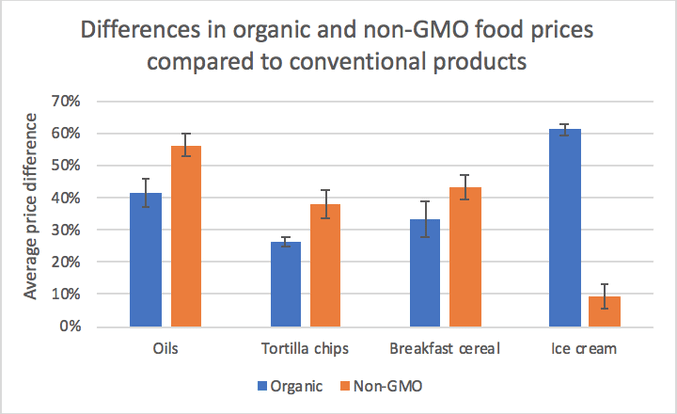
Compared with conventional versions of ice cream, breakfast cereal, tortilla chips, and cooking and salad oils, consumers paid a non-GM price premium of 10 percent, 26 percent, 24 percent, and 62 percent, respectively, according to the study, which was published March 21 in the journal Food Policy. These figures are at least 10 times higher than some previous estimates of the impact of mandatory GM labeling, the researchers wrote.
Data from “The price of non-genetically modified (non-GM) food” (Image credit: Anastasia Bodnar/SciMoms)
Less processed foods or products with a relatively high share of source crops tended to have the heftiest price premiums. This could have a significant impact on the budgets of lower-income consumers, who are more likely than higher-income consumers to buy ingredients for cooking meals at home, the researchers wrote.
“Because lower-income people tend to buy foods with less added value, if those foods are disproportionately more expensive, as we found, then obviously the people who buy them are disproportionately affected by the incremental costs,” says study leader Nicholas Kalaitzandonakes, an agricultural economist at the University of Missouri.
Follow the latest news and policy debates on sustainable agriculture, biomedicine, and other ‘disruptive’ innovations. Subscribe to our newsletter.
This impact on consumers has not been considered by researchers and policymakers, but it should be, he adds. Instead, much of the debate on GM foods and labeling in the U.S. and Europe has dealt with unfounded human health concerns. No strong evidence to date has shown that GM foods are any less safe than non-GM foods. In 2012, the board of directors of the American Association for the Advancement of Science released a statement opposing mandatory labeling.
The new research was funded by the United Soybean Board, an industry-funded program that represents farmers who grow conventional, non-GM and/or organic soybeans and supports research on the crop. The Board influenced neither how the study was performed nor the analysis, Kalaitzandonakes says.
The price premiums were stable over the eight-year period studied, he says, which suggests that consumers felt the price hike consistently even as more non-GM and organic food was sold in markets over time. So, increasing volume did not result in lower costs or price premiums.
If most manufacturers of products that currently contain GM ingredients choose simply to add the label rather than to reformulate their product with more expensive non-GM ingredients, consumers would likely see less of a hike in food costs once the law is fully in place.
In any case, Kalaitzandonakes favors plurality in the marketplace.
“Consumers should have the opportunity to go to the market and vote with their wallets, and if consumers choose to buy more organic foods and they choose to buy more non-GM foods, you will see many more of those in the marketplace, because food suppliers want to supply those,” he says. “They want to be in a profitable business.”
Robin Lloyd is a senior writer at Undark and a contributing editor at Scientific American. Follow her on Twitter @robinlloyd99.
University of Florida horticulturalist Kevin Folta, the co-host of this podcast with University of Kentucky’s Paul Vincelli, is in a difficult predicament. Two scientists, Anastasia Bodnar and Karl Haro von Mogel, who run the website Biology Fortified, and fellow board member David Tribe, have accused professor Folta for doing outside work that they believe represented a conflict of interest with a project that he was participating in with them and for not disclosing to them that COI. They posted this accusation on their website on August 29.
The scientists found out about Folta’s work by filing a Freedom of Information Act (FOIA) request with the University of Florida, a technique previously condemned by von Mogel and used as the weapon of choice by US Right to Know, which has targeted pro-biotechnology journalists and scientists. Folta was retained by a law firms as a special matters expert in a case involving Bayer, which recently purchased Monsanto, a frequent target of anti-GMO activists. Many agricultural experts do outside work with university approval. Folta says he is bound by confidentiality to not discuss the details of the work other than to say the he was hired to analyze data in a private case.
Folta followed accepted university procedures before proceeding with this work. He filled out disclosure forms in which the university approved participation in this paid activity beyond his normal job description.
Biology Fortified’s main contention was that Folta’s lack of transparency damaged the credibility of a joint project that Folta had been working on for years with the Bodnar and von Mogel and damaged the credibility of Biology Fortified.
Folta responded to the post on his website here and here.
The still bubbling controversy has triggered an important discussion. Scientists typically have non-disclosure agreements. Such agreements demand confidentiality. At the same time, we expect them to be completely transparent. Can we simultaneously honor confidentiality and transparency? Probably not. So how can scientists be trusted communicators in a space where collaborators don’t want their information shared? This discussion between Drs. Paul Vincelli and Kevin Folta hopefully will seed a much needed conversation.
Obesity rates in the U.S. and abroad have soared: The world now has more overweight people than those who weigh too little. One reason relates to the way the body reacts to its own fat stores by setting in motion a set of molecular events that impede the metabolic process that normally puts a damper on hunger. A new study published August 22 in Science Translational Medicine provides details of how this process occurs.
…
Produced by fat cells, [the hormone leptin] communicates with a brain region called the hypothalamus, which reins in hunger cravings when our energy stores are full. Yet as we gain weight our bodies become less sensitive to leptin, and it becomes harder and harder to slim down.
…
In an experiment using mice that became obese on a high-fat diet, an international team found obesity increases the activity of an enzyme called matrix metalloproteinase-2, or MMP-2.
…
MMP-2 cleaves off a portion of the leptin receptor in the hypothalamus, impairing the hormone’s signaling and its ability to suppress appetite.
The study also revealed that disabling MMP-2 with a gene-silencing technique—one in which a stretch of RNA was injected directly into the hypothalamus—had the effect of reducing weight gain in obese mice and preventing leptin receptor cleavage.
…
[Researchers hope to identify a drug] that can reach the hypothalamus and specifically block MMP-2 activity.




 In fact, any action along those lines would take hundreds of thousands of years to take effect and would involve a myriad of possible negative side effects that may not be anticipated by our research. Nevertheless, our approach offers a new way to understand brain evolution using little more than some maths.