Farmers consider a world without glyphosate—and it’s less than ideal

glyphosate

“More glufosinate, maybe more paraquat.”

“I would have to find a different burn down chemical, likely paraquat. Would use more atrazine combos on corn. Would likely mean less cover crop options post harvest”

“It would mess with our no-till operation. I’m not sure what else we could use to effectively kill an established grass seed crop?”

“Higher rates of pre-emergence control combined with 2,4D, or Gramoxone (paraquat), possibly Liberty/glufosinate but that is more costly. We do already rotate modes of action so if we burn down cover crop with glyphosate we will use gramoxone in our pre-emergent spray. With soybeans we’d have use more STS trait and come through with a sulfonylurea. If they are conventional, we can come through with a grass herbicides like avatar and a broadleaf like Cadet (fluthiacet-methyl).”

“I used diquat this year as a defoliant but use glyphosate for no-till. We don’t have paraquat here and I’d not use it anyway due to the toxicity.”

“Our glyphosate free rotation strategies would become our status quo. Even on years we don’t plan on glyphosate we plant RR because the substitutions can sometimes be ineffective and it’s far more efficient to use targeted glyphosate application than apply more of the inefficient and oftentimes ineffective applications.”

Those were some of the responses when I asked farmers what weed control strategies they are likely to adopt or apply more frequently in the event of glyphosate being pulled from the market.

With the jury award against Monsanto in California last week of $289 million to a man with non-Hodgkin’s lymphoma and 800 more cases lined up behind it, it’s worth considering what impact it would have if glyphosate was removed from the market, for farmers and for sustainable agriculture.

The decision could still be overturned on appeal since the jury seems to have disregarded scientific evidence entered in the case, but the decision and the parade of splashy headlines will be used as agitprop for the misguided activist (supposedly environmental) groups pushing to remove glyphosate from farming. In the event that the jury award stands and Monsanto/Bayer starts to lose other cases, the death of glyphosate may come from a decision by manufacturers to pull the product from the market, rather than a threat from misguided regulators. That decade long propaganda campaign is already starting to take its toll.

glyphosate 8 20 18 2

In the UK, we already have news that three home improvement chains are going to review whether or not to continue to sell Roundup as a result of the jury’s decision.

Of greater consequence, the French environmental ministry announced it will oppose the EU’s move to reauthorize glyphosate for another ten years (independent of the jury award, but certainly as a result of the propaganda campaign). French farmers are warning that losing glyphosate would kill conservation agriculture, an important part of France’s climate change strategy.

Speaking at the AGRI Committee of the European Parliament in July, Gottlieb Basch, President of the European Conservation Agriculture Federation (ECAF), told MEPs, “Glyphosate is an important substance for agriculture, not just for Conservation Agriculture but for conventional agriculture too”.

Conservation farmers claim that glyphosate is a crucial element in the development of conservation systems. The active ingredients used in the pre-seeding weed control are diverse, but normally glyphosate alone or in combination with other herbicides, such as hormonal ones, are a common choice among farmers.

As those remarks and those of the farmers quoted above make clear something that anti-agriculture activists seem to be oddly unaware of — there are lots of other herbicides besides glyphosate and other weed control strategies besides herbicides. Nearly all of them come with greater environmental impacts than glyphosate, especially in crops where it is a linchpin of no-till agriculture.

Conservation agriculture (CA) is based on three principles: no-till (or minimal soil disturbance), organic soil cover, and diversified crop sequence. The purpose of minimal soil disturbance is to maintain soil structure and minimize erosion (from wind or water).

There are countess benefits to the land, the farmer and the environment from adopting a no-till system. First and foremost, by leaving the soil mostly undisturbed and leaving high levels of crop residues behind, soil erosion is almost eliminated through no-till farming. The USDA’s National Resources Inventory credits the 43 percent reduction in soil erosion in the United States between 1982 and 2003 to the increase in conservation tillage.

The utilization of crop residues in no-till farming also drastically increases water infiltration and therefore retention (i.e. less evaporation) by the soil. This means there is less runoff of contaminated (by fertilizers, pesticides, etc.) water, as well as a reduction in the amount of watering necessary for a given crop.

Some estimates suggest crop residues provide as much as 2 inches of additional water to crops in late summer and the Natural Resources Conservation Service states that no-till farmed soils have a water penetration rate of 5.6 inches per hour, twice as much as for conventionally tilled land. This makes no-till farming an excellent opportunity for drought stricken areas like California.

Furthermore, because the soil is not being frequently agitated, no-till farming promotes biodiversity in and around the soil. Organisms like mycorrhizal fungi, which make commensal (i.e. benefit both the plant and fungus) associations with crop roots, and earthworms, which increase the water retention of the soil, are allowed to flourish through no-till farming.

The farmer also significantly benefits by the adoption of no-till farming, in particular through a reduction in labor. Conventional tillage practices require sometimes as many as five passes over the land with a plow, however, no-till requires just a single pass—to plant the seeds. An estimate by Purdue University calculates that a farmer will save 225 hours of labor per year for a 500 acre farm; the equivalent of four 60-hour work weeks saved a year. Another study estimated a reduction in labor by as much as 50 percent compared to tillage.

The benefits in reducing farming’s global warming footprint are immense. Fuel costs saved by running the tractor less, one estimate suggests, no-till can reduce fuel usage by as much as 80 percent. In addition to the reduced carbon emissions from mechanical equipment used in no-till farming, there are several other benefits to the environment. No-till farming, often when paired with crop covering (a technique in which a crop is planted for the express purpose of soil health), reduces carbon emissions through greater sequestration of carbon dioxide by the soil. Over half of the potential carbon sequestration from farmlands comes from conservation tillage.

Roundup Ready crops allowed farmers to skip pre-emergence weed control via plowing and let the weeds sprout and then control them with Roundup without harming their crop. Prior to the inevitable development of resistant weeds, farmers would use a combination of plowing and various herbicides to try to control weeds before and after they sprouted. Controlling them after they sprout with herbicides is tricky because you need an herbicide that will kill the weed, but not the crop. That’s why atrazine was and is so popular for corn. Corn is naturally resistant to atrazine’s mode of action.

How big would the impact on no-till be if glyphosate were taken off the market?

In one paper that tried to model the impact of Roundup Ready soybeans on reductions in tillage found “the adoption of conservation tillage and no-tillage have been about 10% and 20% higher, respectively, due to the advent of glyphosate tolerant soybeans.” That’s several million acres of no-till and conservation soybean production. When you put together the impact on soybeans, corn, canola, cotton, sorghum, and alfalfa — that’s tens of millions of acres that could go back into tillage, the exact opposite direction farming should be moving in terms of sustainability.

Mis- and disinformation are distorting science and public policy. Subscribe to our Daily and Weekly Digests for incisive coverage of ‘disruptive’ innovations in AI, agricultural biotechnology, food, chemicals, nuclear energy, vaccines, and other disruptive innovations.

Different herbicides are used for pre-emergent control and post-emergent control. They each have a different mode of action (the process by which they kill plants). Some are selective — they are effective on some weeds, but not others, and others are broad spectrum, they kill nearly any plant the come in contact with. Almost none are as effective as Roundup or lower in toxicity. While it would great to see more farmers practicing more robust Integrated Pest Management for weed control, forcing that by taking away the safest, most effective tool in the toolbox is unlikely to improve results in the way one might wish.

Here are the chronic NOELs for a few of the herbicides that would most likely fill in behind glyphosate if it were pulled from the market. An NOEL refers No Observable Effect Level, that is, the dose at which exposure in an animal study had no effect.

Fluthiacet-methyl – 0.1 mg/kg/day
Paraquat – 1.25 mg/kg/day
Diquat – 0.22 mg/kg/day
Glufosinate – 2 mg/kg
Atrazine – 1.8 mg/kg/day (NOAEL) [PDF]

Studies of glyphosate lasting up to 2 years, have been conducted with rats, dogs, mice, and rabbits, and with few exceptions no effects were observed. For example, in a chronic feeding study with rats, no toxic effects were observed in rats given doses as high as 400 mg/kg/day. Also, no toxic effects were observed in a chronic feeding study with dogs fed up to 500 mg/kg/day, the highest dose tested.

So it takes 4,000 times larger a dose of glyphosate to produce an effect in lab animals than fluthiacet-methyl and 222 time as much glyphosate as atrazine to produce an effect*. Writing in the journal Nature, weed scientist Andrew Kniss found:

In the final year for which data were available (2014 or 2015), glyphosate accounted for 26% of maize, 43% of soybean and 45% of cotton herbicide applications. However, due to relatively low chronic toxicity, glyphosate contributed only 0.1, 0.3 and 3.5% of the chronic toxicity hazard in those crops, respectively.

Though glyphosate accounted for one quarter of herbicides applied by weight to corn, it only accounted for one tenth of one percent of the chronic toxicity hazard associated with weed control in corn. Put another way: the other 74 percent of herbicides accounted for 99.9 percent of chronic toxicity hazard in weed control for corn. Or to put it yet another way, taking glyphosate out of the picture could raise the toxicity hazard in corn by 26 percent, 43 percent in soybeans, and 45 percent in cotton.

These are relatively safe herbicides when used properly, but why anyone who considers themselves an environmentalist would be cheering the prospect of glyphosate being taken off the market boggles the mind. And that’s not even raising the body literature on paraquat that, unlike the body research on glyphosate and human health, carries fairly strong evidence of real health risks. If there is a mass market herbicide that might warrant a closer look, environmentalists might follow the evidence instead of the politics and dig into that literature. It is always crazy making to see anti-agriculture campaigners going after the safest, most popular pesticides — glyphosate, neonicotinoids — and then working down the list by popularity rather than going after the highest risk pesticides, and working their way down that list.

But pushing farmers away from no-till farming and back towards paraquat (pigweed in soybeans and cotton is doing that already, thank you very much) makes no sense for any self-respecting environmentalist.

* These are very loose, ballpark numbers. Straightforward apples to apples chronic NOEL numbers can be hard to pin down, but they accurately depict the wide discrepancy of toxicity between glyphosate and most the of the options for replacing it.

Marc Brazeau is the GLP’s senior contributing writer focusing on agricultural biotechnology.  He also is the editor of Food and Farm Discussion Lab. Follow him on Twitter @eatcookwrite.

Were there two migration routes into North America? Genetics meets archaeology

settle
Popular accounts of the peopling of North America paint a picture of a lone long-ago trek across the Bering Land Bridge and then south along the Pacific coast, a view based largely on DNA evidence. But other clues point to people also traversing “ice-free corridors” that emerged from melting glaciers like terrestrial tentacles.

A new paper in Science Advances reviews the evidence for more than one way into North America. It concludes that people followed at least two routes, coastal and interior, and that the view over the land bridge “commonly disseminated in the popular press is a prematurely narrow interpretation of current evidence.” The journal held a news conference with three of the investigators.

“We’ve seen conflicting narratives about the timing and the nature of the peopling of the Americas. We wanted to evaluate this claim and provide a framework to discuss the process – not based on speculation but on a critical review of current evidence. Rather than confusion, there is growing congruence of the archeological, paleoecological, and genetic records,” said co-author and archaeologist Ben Potter, professor of anthropology at the University of Alaska, Fairbanks.

Blind men and elephant
People likely came to the northern U.S. and Canada through more than one route.

More philosophically, the report beautifully illustrates scientific inquiry, operating in a blind-man-and-the-elephant sort of way, revealing not alternate facts, but multiple solutions to a shared challenge – a search for habitable land. It also touches on ways to avoid so-called “helicopter research,“ in which wealthy nations send expeditions to probe the health and lives of poorer people, without involving them in the work.

Over the Bering Land Bridge

The 1000-mile Bering Land Bridge appeared between Siberia and Alaska 15,000 to 25,000 years ago, when winds blew away snow from the retreating glaciers. The areas for several hundred miles on either side of the bridge, and the bridge itself, are called Beringia.

Ancestors of Native Americans left Siberia from 18,400 to 23,000 years ago, according to calculations derived from comparisons of mitochondrial DNA sequences, which represent the maternal lineage. The gene pool of the travelers was in flux, with some alleles (gene variants) vanishing as people died, while new ones arose from mutations occurring during the journey. As a result, the genomes of modern Native Americans differ a bit from those of their Asian, and even older European, forebears.

Over time the ancestral Native American genome changed as people from other populations added their genes, and genetic diversity fell due to infectious diseases like smallpox, and, later, the genocidal activities of colonists, said co-author Ripan Malhi, Romano professor of Anthropology at the Carl R. Woese Institute for Genomic Biology at the University of Illinois Urbana-Champaign.

5-31-2018 2-mitochondria (1)
Mitochondria house only a few genes, whose sequence differences considered with mutation rates can reveal long-ago genetic divergence. Image credit: Northwestern University

Tracking mitochondrial DNA illuminates only a handful of a person’s hundreds or thousands of ancestors; it is the lineage extending backward from one’s mother’s mother’s mother. And because the few genes in the mitochondrial genome encode mostly proteins that function in basic cellular energy reactions, and don’t endow visible traits, tracing it doesn’t reveal much about what the people were like.

“Mitochondrial DNA is a relatively good marker for deep time studies, especially in the case of the Americas where we have a very structured population and relatively low genetic diversity, but it is limited in terms of information. It will not inform about adaptation to the environment or to pathogens, for example” said geneticist and co-author Bastien Llamas, of the Australian Research Council at the University of Adelaide.

Rapid reproduction

From about 14,000 to 16,000 years ago, as the massive ice sheets melted, a tiny founding human population in North America underwent a time of rapid expansion. The burst of reproduction amplified the alleles brought in by the survivors and their offspring, as some gene variants from those who had perished vanished from the population. The people spread south and east as the first Native Americans, a migration that took about 2,000 years. Genetic and archeological evidence was lost from parts of the coastal migratory path under water today – that is, the story of Native American origins may be missing some chapters.

potter HR
A closer look at the area of interest. (Potter et al, Sci. Adv. 2018; eaat5473)

The harsh environment and the chance sampling of genetic drift whittled away at the original human genetic diversity of those who traveled over the land bridge. Today, Native American genomes reflect the long-ago exodus in five sets (haplogroups) of mitochondrial alleles, two haplogroups on the Y chromosome (tracking the paternal lineage), and a few rare autosomal gene variants. The presence of these markers in all modern indigenous populations in southern Siberia and some in north­ern Siberia suggests a single migration to North America.

Dates assigned to events like migrations using DNA data are ranges, rather than precise times. Researchers derive the ranges by extrapolating backwards using the mutation rates of known genes and the number of genetic differences (due to mutations in those genes) among modern peoples from different places and populations. The more alike the sequence between two individuals, the more recently they shared an ancestor – the basis of building genetic family trees. The time estimates represent the most recent span.

DNA sequence data can guess at times and relationships, but not where people came from. So we know that some Native Americans descended from the folks who crossed the land bridge, but not precisely where those ancestors lived. Potter suggested that they may have separated from others somewhere in northeast Asia as far back as 25,000 years ago, ushering in thousands of years of “genetic isolation” that sculpted what would become the Native American ancestral genome.

Mis- and disinformation are distorting science and public policy. Subscribe to our Daily and Weekly Digests for incisive coverage of ‘disruptive’ innovations in AI, agricultural biotechnology, food, chemicals, nuclear energy, vaccines, and other disruptive innovations.

The vegetated corridor emerges

The Beringians must have faced obstacles. Drowning as their pathway became submerged is obvious, but they also likely encountered drifting ice chunks, volcanic eruptions, and the ebb and flow of the rich “kelp highways” that supported the robust food web that may have sustained the early migrants. “We haven’t fully evaluated human ecology for this region,” said Potter.

Meanwhile, people could have also come through ice-free corridors that formed between the two major ice sheets that covered the northern U.S. and most of Canada, the researchers contend. The clues to that scenario aren’t telltale DNA sequences, but more environmental: signs of salmon fishing in the interior of Alaska and the Yukon, charcoal in remains of hearths, and evidence of butchering large mammals such as horses, bison, and camels.

Ancient meals suggest a “vegetated corridor” in the northern US and Canada, such as carbon-14 dates on the stomach contents of voles from at least 14,870 years ago. Remains of bison and horses date to about 13,100 years ago. Evidence of trees hails from Boone Lake in northwestern Alberta from at least 13,500 years ago and from Charlie Lake, British Columbia, from about 12,600 years ago. These times predate the Clovis Paleo-Indians, known for their leaf-shaped “Clovis point” tools from 12,900 to 13,200 years ago.

The rich vegetated corridor evidence contrasts with the scarcity of signs of a coastal lifestyle among Native American ancestors. “All antecedent cultures in Siberia and far northeast Asia are clearly terrestrial, not maritime; they were hunting mammoth, bison, and horse. The earliest Beringians were doing the same, as were the earliest widespread Paleo-Indian group, Clovis,” explained Potter.

potter HR
A map of northwest North America indicates archeological sites older than 10,000 years and sites of possible vegetated corridors. (Potter et al., Sci. Adv. 2018;4: eaat5473)

Reconciling evidence and “helicopter research”

Human DNA studies support a Pacific Coastal route, while DNA from other species suggests an inland ice-free corridor. “I think we’re in a very exciting time where we can’t exclude either coastal or interior route. I suspect both probably were used. Geologically informed surveys and paleoecological work needs to take place in both regions,” said Potter. What’s also needed are DNA data, on a genomic scale, representing people who came along the vegetated corridor. And that introduces the issue of genetic testing of indigenous populations.

“Community-based participatory research” is the goal, rather than “helicopter research,” defined as “a clinical or epidemiologic research project conducted by foreign scientists who use local contacts to gain access to a population group and obtain samples.” “To do this, researchers must work with linked present-day communities,” said Malhi. Such efforts can quickly grow contentious when the visitors are wealthy and their subjects not, as the case of the Havasupai people of the Grand Canyon reportedly illustrates. A more recent example is investigation of the diving prowess of Indonesia’s Bajau people.

“We need to partner and work with these communities in an approach where we address questions that non-indigenous and indigenous researchers are interested in, and involve them more completely in research. In my experience many of these community members are interested in using genomics as a tool to learn about their history,” said Malhi, who helped organize the Summer internship for Indigenous Peoples in Genomics (SING). He suggests starting the conversation by identifying tribal councils in linked communities using data from the Native American Graves Protection and Repatriation Act. “In Alaska, many indigenous peoples are not on reservations. They’re in villages on the landscape where their ancestors were,” Potter added.

potter HR
Excavation of early site in Beringia. Image credit: Ben A. Potter

Research projects involving indigenous communities should go beyond DNA to include “traditional life ways like salmon fishing, caribou hunting, and the relationships of humans and the environment,” Potter suggested, and “connecting with indigenous peoples, particularly at primary school age and working with organizations and programs, to identify opportunities for advanced training and to develop curriculum.”

Llamas agreed that the convergence of disciplines presents opportunities for indigenous communities, “from ecology to genetics and archeology field work, or analyzing genetic data, or making sure that results are communicated properly and displayed in museums. It would be great if the indigenous communities would take charge and make sure the message is transmitted widely and correctly.”

Ricki Lewis is the GLP’s senior contributing writer focusing on gene therapy and gene editing. She has a PhD in genetics and is a genetic counselor, science writer and author of The Forever Fix: Gene Therapy and the Boy Who Saved It, the only popular book about gene therapy. BIO. Follow her at her website or Twitter @rickilewis

Why other primates can’t talk: It’s all in the brain

rtx qrb e

Compared to humans, most primates produce a limited range of vocalizations: At one end of the spectrum, there’s the Calabar angwantibo, an arboreal west African critter capable of offering up just two distinct calls. At the other end, there’s the bonobo, a skilled chatterbox known to voice at least 38 different calls.

A new study published in Frontiers in Neuroscience suggests these variations can’t be attributed simply to inadequate vocal anatomy. Like their hominid cousins, non-human primates possess a functional larynx and vocal tract. The crux of the matter, according to lead author Jacob Dunn, a zoologist at Anglia Ruskin University in Cambridge, is brainpower.

…

Dunn and co-author Jeroen Smaers of New York’s Stony Brook University ranked 34 primate species according to vocal ability, as represented by the number of distinct calls the animals produce. The pair then analyzed these rankings in relation to existing studies of the respective species’ brains.

Apes with varied vocalization patterns tended to have larger cortical association areas (neural regions responsible for responding to sensory input) and brainstem nuclei involved in control of the tongue muscles, Victoria Gill reports for BBC News.

These findings, according to a press release, reveal a positive correlation between relative size of cortical association areas and primates’ range of distinct vocalizations. In layman’s terms, speech ability comes down to neural networks, not vocal anatomy.

Read full, original post: Why Humans Are the Only Primates Capable of Talking

Citing food safety concerns, Senator Chuck Schumer demands FDA release glyphosate study

roundup

The [FDA] has test results [on the herbicide glyphosate] that’s been popping up in everyday foods like breakfast cereals and granola bars – but is withholding the results, says [New York] Sen. Chuck Schumer.

…

The chemical …. has been on the FDA’s radar for at least two years ….

“The federal government is, in fact, investigating this chemical,” Schumer said [August 19th], demanding the FDA share the results.

Schumer said Freedom of Information requests to the FDA revealed the agency has been testing food samples for the weed killer …. “I’m here today to ask them to provide us all with an update …. so that …. consumers can get the answers they seek,” he said.

Read full, original article: Schumer demands feds release info about weed-killing chemical in cereals

The disconnect between predictions of a ‘bee-apocalypse’ and rising bee populations

bees

Media stories around bee-apocalypse and imminent collapse of the human food system require a dose of reality.

…

There are more managed bee hives globally, and more bees, than there have ever been in the past. And although there are many statements around the fact that every third mouthful has a contribution by bees, the staples of life (corn, wheat, rice, potatoes and cassava) do not rely on bees for pollination. The first three are seeds from wind-pollinated plants and the second two are starch-filled tubers.

The bee-apocalypse stories started in the mid-2000s when bee deaths began occurring in large numbers. Colony Collapse Disorder …. was rife in the northern hemisphere. Whole hives died over winter and predictions were dire.

Overall, however, honey bee numbers have increased over the past few decades.

Scott Black, executive director of the Xerces Society, calculates that the total number of managed honeybees worldwide has risen 45 per cent over the past 50 years.

…

There have also been ongoing suggestions that …. the insecticide group termed “neonicotinoids” are responsible [for declining bee populations].

…

The EU has banned the use of these insecticides despite the fact that some countries have used them for more than 20 years with no apparent effect on bees. Australia, for instance, has recorded no issues ….

Read full, original article: Jacqueline Rowarth: Enough of the bee-apocalypse stories

A more modest goal for CRISPR: Making chemotherapy ‘a bit less terrible’ for patients

cancer

Ambitious efforts to prevent or beat cancer are important, but we can’t overlook or undervalue the incremental breakthroughs that could quickly reach patients and improve lives. What if, for example, we used CRISPR to make chemotherapy a bit less terrible for patients suffering with cancer now? That’s something my colleagues and I are trying to find out.

…

We are using CRISPR to disable an essential gene that is responsible for the development of chemotherapy resistance. To do this, we inject the CRISPR payload into a tumor using an FDA-approved viral delivery system. Our experiments with the Wistar Institute have shown that the virus brings CRISPR to all the cells within the tumor — and no further. Once the payload gets inside cancer cells, it deactivates their self-defense mechanisms.

With this disruption, so the thinking goes, chemotherapy will be more effective because the gene or genes that confer resistance are disabled. Put simply, if we disrupt a cancerous cells’ ability to defend themselves, we can use smaller doses of chemotherapy. That would make the treatment more effective, kill fewer healthy cells, and make the disruption to patients’ lives much more manageable.

…

The future of gene-editing is full of big things — big breakthroughs, big ethical questions, and big business — but we must not overlook the value of smaller wins. Those, in fact, can be big wins for patients.

Read full, original post: Using CRISPR for the ‘smaller wins,’ like making chemotherapy less toxic

Viewpoint: Monsanto is no victim, but Roundup-cancer verdict isn’t backed by science

monsantolaw

At the outset, let’s stipulate — as the lawyers might say — that the chemical giant Monsanto is not well cast as a victim.

…

That’s become relevant to the question of whether glyphosate or its blockbuster formulation, Roundup …. caused the non-Hodgkin lymphoma, a blood cancer, that is killing DeWayne Johnson. He’s the 46-year-old Vallejo groundskeeper who won a $289-million verdict against Monsanto ….

…

[T]he verdict is bad news: It’s a sign that juries are unable to weigh scientific evidence in cases where that evidence is key …. On the surface, the Johnson jury found that glyphosate more likely than not contributed to Johnson’s cancer. But that’s a questionable conclusion, for the simple reason that the scientific evidence that glyphosate can cause cancer, especially lymphatic cancer, is sketchy at best — and, according to one huge study of herbicide use in the U.S., nonexistent. Medical science doesn’t actually know what causes non-Hodgkin lymphoma, which means that tying it to glyphosate could hardly be a scientific judgment.

Read full, original article: Monsanto’s ethics are questionable, but the $289-million verdict against it is still unjustified

Treating autism with serotonin

autism

Boosting levels of the chemical messenger serotonin makes mice that model autism more social, according to a study published [August 8] in Nature. The study suggests the approach may do the same in people with autism. It also offers an explanation for why antidepressants do not ease autism traits: They may increase serotonin levels too slowly to be effective.

The researchers used a technique that rapidly increases serotonin levels in the nucleus accumbens, a brain region that mediates social reward. “Somehow, the release of serotonin in the nucleus accumbens really plays an important role in enhancing sociability,” says lead researcher Robert Malenka.

…

Decades of research have suggested a connection between serotonin and autism. About 10 years ago, this led researchers to test antidepressants, which increase serotonin levels by blocking its reabsorption into neurons, as a treatment for autism. However, in several trials, antidepressants such as fluoxetine (Prozac) proved ineffective at easing the condition’s features.

The new study suggests that a drug that rapidly activates serotonin receptors would be a more effective way of treating the condition.

…

Malenka and his team are looking at whether drugs that activate serotonin receptors directly can enhance sociability in mouse models of autism. They are also exploring the effects of MDMA, the drug popularly known as ecstasy, which may promote serotonin release from neurons.

Read full, original post: Study revives serotonin as target for autism treatments

Argentina introduces GMO potato to combat virus that destroys up to 70% of nation’s crop

potato tubers

The Ministry of Food and Bioeconomy, under the Ministry of Agribusiness of Argentina, authorized the commercialization of the seed, and the products and by-products derived from the transgenic potato TIC-AR233.

Argentine researchers developed the tuber that has as main characteristic its resistance to the virus PVY, virus of the potato by its abbreviation in English.

…

For Andrés Murchison, Secretary of Food and Bioeconomy, the impact on production and marketing will be important because crops, such as potatoes, are susceptible to many diseases caused by phytopathogenic agents (viruses, bacteria and fungi), which cause losses of up to 70% of the production.

…

The potato virus is the second biggest threat to agriculture, after potato leaf roll virus (PLRV), which is perpetuated by infected tubers. It is transmitted by aphids, as well as dirty farming equipment.

Editor’s note: This article was originally published in Spanish. This summary was prepared with Google Translate and edited for clarity.

Read full, original article: Argentina autorizó su primera papa transgénica: es resistente a un problemático virus

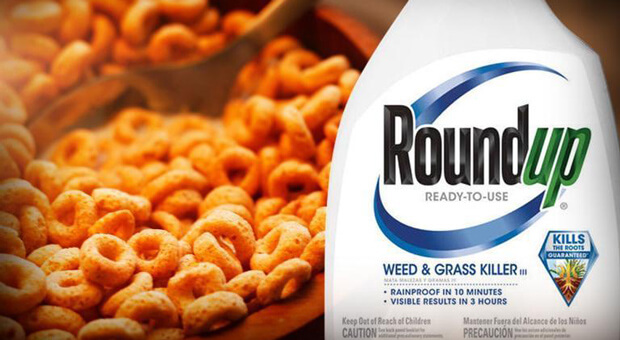
Roundup for breakfast? Checking the math on claims that glyphosate infects breakfast foods

Study Finds Cheerios Oats Other Breakfast Foods May Contain Weed Killer

No one wants …. to give their children a breakfast that is contaminated with weed killer. That’s why a new report suggesting that popular breakfast products …. contain “unsafe” amounts of “the Roundup chemical” (glyphosate) are garnering attention ….

…

The stories all stem from the same report released Wednesday by the Environmental Working Group, titled “Breakfast With a Dose of Roundup?” The report …. makes some rather outlandish claims about toxicity, glyphosate, cancer, and breakfast.

…

Any substance’s potential to cause harm is directly related to how much of said substance you consume; at a high enough dosage, anything can be harmful …. This is why regulatory bodies assess the threshold at which potentially harmful chemicals actually become dangerous ….

The [EPA] has done this for glyphosate ….The EPA threshold  …. is 2 milligrams per kilogram of body weight per day …. That’s the reference dose that’s considered safe to consume daily throughout a lifetime. None of the foods tested by EWG passes that threshold ….

[EWG] arrived at its number by taking the state of California’s recommendation for a glyphosate threshold …. and dividing it by 100 again. EWG justifies this second cut by relying on the Food Quality Protection Act [which] doesn’t mention glyphosate once, and it’s not clear its recommendation is …. meant to apply to the EPA standard for the chemical

Read full, original article: You Don’t Need to Worry About Roundup in Your Breakfast Cereal

Google hopes to fix the racial bias problem in artificial intelligence through tech summer camps

ai

Oakland-based nonprofit AI4All [will] expand its outreach to young underrepresented minorities and women with a $1 million grant from Google.org, the technology giant’s philanthropic arm announced [August 10].

…

[Artificial intelligence] has been decried for built-in racial bias that can amplify existing stereotypes. That’s particularly worrisome as more companies use it for decisions such as hiring and police leverage artificial intelligence-powered software to identify suspects.

…

Three years ago, Google apologized after its photo identification software mislabeled black people as gorillas. Microsoft did the same after users quickly found a way to get an artificial intelligence-powered social chatbot to spew racial slurs.

…

“We need to have people included that are going to be impacted by these technologies, and we also need inclusion to ensure that they’re developed responsibly,” [CEO Tess] Posner said. “Bias happens when we don’t have people asking the right questions from the beginning.”

…

All of the camps are aimed at high school students who are women, people of color or low income. Part of Google.org’s grant will go towards opening more AI4All camps. The ultimate goal is to use the money to create a free, online AI curriculum course.

…

In addition to providing summer camps, AI4All offers three-month fellowships where students can develop their own projects and pitch them to AI experts in the industry.

Read full, original post: Artificial intelligence has a racial bias problem. Google is funding summer camps to try to change that

‘Stuck on the spin cycle’: Probiotic supplements linked to ‘brain fog’

a

Given their current popularity, you might assume that probiotics—capsules containing a mix of “good” bacteria that are said to rebalance our gut’s bacterial content—would be perfectly harmless. But a team of gastroenterologists from Augusta University in Georgia is challenging that assumption. Their recent study is the latest to suggest some people who take probiotics can develop a strange collection of symptoms, including gas, diarrhea, and “brain fog.”

…

[These patients] would complain of becoming bloated and having abdominal pain almost immediately after eating, their stomach visually popping out like a certain Willy Wonka character. But more bizarrely, they’d also become mentally confused and unable to concentrate or remember anything, as if their minds were stuck on the spin cycle.

…

Our gut bacteria can sometimes produce too much D-lactic acid through fermentation… .The body can build up so much d-lactic acid that it spills into the blood, where it can damage the body and brain—a condition called D-lactic acidosis.

…

But given how relatively little we know about how probiotic use can affect the body, or even how safely they’re produced, [researcher Satish] Rao said, there’s really no telling just how often the bacteria we swallow from these products can end up where they’re not supposed to go and cause problems.

Read full, original post: Probiotic Supplements Might Be Giving Some People ‘Brain Fog’

Nigerian biotech startup introduces produce coating to combat malnutrition in Africa

foodafrica

Nigerian biotech startup Coating+ ….  has created a transparent gelatinous coating that is sprayed onto fresh fruit and vegetables to prolong their shelf life. It’s made using a combination of chitosan – a sugar which can be extracted from shrimp shells – along with soy protein and micronutrients, and its preservation qualities are set to save farmers money on unsold produce. They are focusing on using the spray on fruit and vegetables that don’t require peeling – such as tomatoes and grapes – so that the nutritional value of the coating is also consumed.

…

Malnutrition – in particular, micronutrient deficiency and protein-energy malnutrition – is a huge issue in some parts of Africa. Thirty-five percent of children under the age of 5 are stunted, and 24% are underweight due to lack of nutrient intake in their food and drink.

…

The idea of harnessing biotech to preserve fruit and [vegetables] isn’t unique to Coating+, however. Apeel, using a plant-based material, and Cambridge Crops, basing their material on silk, are two U.S.-based startups looking to solve a similar problem. But …. neither company has current plans to take their product to Africa – and the Nigerian market is already yearning for a solution.

Read full, original article: Nigerian Biotech Startup Using Shrimp Shells To Save Food Wins Top Prize

How anti-GMO groups copy advocacy ‘tactics’ from the anti-meat movement

PETA

The money trail behind [organic] food companies and activist groups is shocking, and there are similarities between the anti-GMO movement and the anti-meat (“go vegan”) organizations.

While the animal-rights group extremists aren’t necessarily selling a product, they’re at least selling an ideology. They’re a passionate bunch of extremists and sometimes will stop at nothing to share misinformation in their campaigns. PETA isn’t exactly broke and is notorious for spreading lies. This video does a really good job exposing some of the awful things they’ve done (and the fraud they’ve committed with animals they’ve killed.)

…

Just like anti-GMO campaigns that use fear for profit, “go vegan” extremists also use fear for profit. Sharing sad videos (please help the animals!) is a main way they get donations. Not only that, but another similarity between animal activists and anti-GMO activists is the close-knit ties within the “money trail.”

The money angle to denigrate many of today’s farmers is the same for the anti-GMO side. Many farmers grow crops and livestock, so there is much overlap. “Organic” and “non-GMO” labels are big business — worth nearly $85 billion, and groups frequently use scare tactics to sell. In essence, it’s “buy our products or you’re harming your family.”

Read full, original article: Farm Babe: The alarming similarities between the anti-meat and anti-GMO movements

Genetically modified hormone opens doors to personalized fertility treatments

pregnancy support

An Israeli biotechnology firm based in Be’er Tuvia in southern Israel has developed a new-generation fertility treatment through the manipulation of human cells, creating a hormone that can be personalized to boost the chances of patients who seek to get pregnant.

The medication, called Rekovelle, was launched last year by Ferring, a privately held Swiss multinational pharmaceutical company, which in 2005 acquired Bio-Technology General.

…

The follicle stimulating hormone (FSH), secreted by the gonadotropic cells of the anterior pituitary gland, regulates puberty maturation and the reproductive processes of the body. The hormone, originally extracted by pharma giant Serono from the urine of menopausal nuns in Italy with the blessing of the Pope Pius XII, has been used for years as part of in-vitro fertilization treatments to stimulate follicles in the ovaries of women who fail to get pregnant.

BTG, however, has managed to genetically engineer human cell cultures to get them to emit FSH, which is then collected and transformed into an active pharmaceutical ingredient.

…

Ferring combined its Rekovelle hormone therapy with a diagnostic test that enables physicians to predict how women will respond to the hormone — according to their age, weight and the amount of hormones they already have in their bodies. This allows doctors to calculate each patients’ recommended daily dosage, instead of updating treatment according to their reaction to the drugs.

Read full, original post: Biotech firm in Israel makes fertility waves with genetically modified hormone

Europe’s decision to reject gene edited crops signals it is losing its commitment to sustainable agriculture

GG June Cover image
At the same time as Swedish agriculture is affected by the worst drought in recent memory, the European Court of Justice has made a decisive decision that will have far-reaching consequences for Swedish agriculture beyond this hot summer. [On July 25th], it was decided that crops in which targeted mutations are created using the genome editing tool CRISPR should be considered as genetically modified (GM) plants.

The decision is not only tragic for European plant research and plant breeding. It also consolidates a broader pattern that has become evident in recent years: agricultural research’s focus and applications are increasingly governed by ideas or schools of thought formed by environmental groups but lack scientific foundation. Increasingly, therefore, agricultural research involves scientifically dead questions or ideologically formulated questions without scientific depth.

The choice was to either regulate CRISPR plants in the same way as crops in which mutations are induced by radiation or mutagenic chemicals, or to regulate them as GM plants. From a scientific point of view, this is a dead question, a non-question with about the same dignity as the question of whether the pope had a beard or not. A mutation is a mutation, whether spontaneously encountered, induced by radiation, or developed by a targeted technique.

gmo33456
Image Credit: Sabine Deviche

However, the issue is highly relevant to research policy: Since the court followed the opinion of environmental groups – contrary to a unanimous research community – CRISPR technology will now be subject to EU’s strict GM legislation. The burden that has long been resting on modern plant research in Europe is thus expanded to cover another promising technology.

Common to the schools of thought that environmental groups successfully enforce, both in Brussels and here at home, is that they focus on the means instead of the goal. They thus define in advance what methods may or may not be used. With regards to plant breeding, the entire environmental movement has for decades been obsessed with the idea that a certain set of methods – those that produce GM crops – pose a danger to the environment or health. Because agricultural policy in Brussels subversively obeys the environmental groups, it becomes irrelevant that there is no scientific support for the environmental movement’s point of view. Thus, the goal of plant breeding – to create crops that better meet the needs and problems of the future – becomes insignificant. It is more important to avoid the methods that the environmental movement has banned.

Another example is the view on manure versus synthetic fertilizers. Without scientifically acceptable arguments, influential schools state that the former, but not the latter, is approved for use in agriculture. Thus, phosphorus- or nitrogen-carrying molecules may only be used as nutrients if they have first passed through the gut of a horse, pig or cow. What should be the most relevant goal – to add the amount of nutrients that crops need to grow optimally and to do it in such a way that the nutrient leakage to the surrounding environment is minimized – is unimportant. The important thing is that the method of making manure meets the predefined regulations of, for example, KRAV.

Mis- and disinformation are distorting science and public policy. Subscribe to our Daily and Weekly Digests for incisive coverage of ‘disruptive’ innovations in AI, agricultural biotechnology, food, chemicals, nuclear energy, vaccines, and other disruptive innovations.

Often these schools are claimed to be progressive, and choosing new technologies and innovations is said to increase creativity. To us, this is a strange way of thinking. Prohibiting the use of a particular technique without worrying about what gives the greatest environmental benefit with sustained productivity is not progressive. It’s just stupid, and should not be worthy of an academic institution or research funder. Unfortunately, recent years’ efforts show insufficient insight into this:

• Within the EU Framework Program for 2016 and 2017, the wording in 95% of the calls related to plant research excluded the use of modern genetic engineering.

• The Swedish government has given the Research Council Formas the task of allocating 40 million SEK this year to research on farming that follows organic principles e.g. the rules set up by KRAV.

• The Swedish government annually instructs the Swedish University of Agricultural Sciences (SLU) to allocate funds to promote organic production and consumption.

Common to these and other similar initiatives is that research should support an activity based on predetermined unscientific rules regarding which methods are permitted for use in agriculture. One might think that a more appropriate assignment for a university or research funding body would be that the government sets a goal – for example, to promote sustainable and environmentally friendly agriculture – and then gives the research community the freedom to investigate the means that can best achieve the goal. However, significant parts of agricultural research do not work that way today.

AP
Image Credit: PinsDaddy

In the next Research and Innovation Framework Program, called HorizonEurope, the European Commission has announced its intention to earmark close to € 10 billion for research into sustainable food production. The goal is to change the food chain so that food production can contribute to a greater extent to the achievement of the UN’s global sustainability goals. The EU Commission’s priorities are also in line with the Swedish government’s food strategy. We fear, however, that the unscientific schools of thought will be too influential as to how research funds are allocated and how research is conducted. Then, these investments risk being a waste of tax resources and an obstacle to achieving the UN sustainability goals.

From a political point of view, the message is now clear that “business as usual” is no longer an option. It is claimed that the agricultural practices based on science and technology, that historically have been so important for the food supply, are no longer useful. The reasons why science and technology cannot continue to guide us in the future are, however, not clarified. Contrary to that claim, we argue that from a societal point of view, it is important that “business remains as usual”. We need to maintain a scientific approach, where methods, interpretations and results are not controlled by ideological filters. In addition, we must be open to using the best available technology in agriculture. Only in this way can we achieve the UN’s global sustainability goals.

It is becoming a strategic choice: What should we have agricultural research for? Is it going to provide knowledge for sustainable farming methods of the future, or will it be a playground for various non-scientific schools? Anyone who wants to know a little more about what might happen if agricultural research is excessively filtered through ideological glasses can google the name, Trofim Lysenko. With Stalin’s blessing he corrupted Soviet agricultural research. It has yet to recover.

Jens Sundström is an associate professor in plant physiology at the Swedish University of Agricultural Sciences (SLU). Torbjörn Fagerström is a professor emeritus in theoretical ecology at Lund University

This article was originally published in the Swedish newspaper Dagens Nyheter as Agricultural research is increasingly governed by ideas detached from science and has been republished here with permission.

Talking Biotech: Chicken is the most widely grown animal in the world, but where did this popular bird come from?

chicken

The chicken is by far the most abundant animal farmed on earth, grown for meat and eggs. But where did it come from? What kinds of birds were domesticated? When? Where? What were the traits that came from wild jungle fowl that give us today’s familiar bird? These questions and more are answered by Dr. Greger Larson from Oxford University. Dr. Larson combines data from genomics, archaeology, and anthropology to reconstruct the ancient history of various animals, illuminating how they became part of agriculture. This episode of explores the fascinating history of domestic chickens.

Follow Prof Larson:  @Greger_Larson

Like the podcast? Please subscribe and write a review! Stitcher iTunes Player FM Pod Directory TuneIn

Visit the Talking Biotech website

Follow Talking Biotech on Twitter @TalkingBiotech

Follow Kevin Folta on Twitter @kevinfolta | Facebook: Facebook.com/kmfolta/ | Lab website: Arabidopsisthaliana.com | All funding: Kevinfolta.com/transparency

Follow Paul Vincelli on Twitter @Pvincell | University of Kentucky webpage 

Does living around violence change a child’s brain?

shooting

Flinching as a gunshot whizzes past your window. Covering your ears when a police car races down your street, sirens blaring. Walking past a drug deal on your block or a beating at your school.

For kids living in picket-fence suburbia, these experiences might be rare. But for their peers in urban poverty, they are all too commonplace. More than half of children and adolescents living in cities have experienced some form of community violence — acts of disturbance or crime, such as drug use, beatings, shootings, stabbings and break-ins, within their neighborhoods or schools.

Researchers know from decades of work that exposure to community violence can lead to emotional, social and cognitive problems. Kids might have difficulty regulating emotions, paying attention or concentrating at school. Over time, kids living with the stress of community violence may become less engaged in school, withdraw from friends or show symptoms of post-traumatic stress, like irritability and intrusive thoughts. In short, living in an unsafe community can have a corrosive effect on child development.

Few studies, though, have specifically looked at the toll community violence may take on the growing brain. Recently, I studied this question in collaboration with a team of researchers here at the University of Southern California. Our goal: to see whether individuals exposed to more community violence in their early teen years would show differences in the structure and function of their brains in late adolescence.

My colleague Gayla Margolin, an expert on youth exposure to violence, has been following a sample of Los Angeles-area youth for over a decade. When these teens were about 13 years old, she asked them to fill out a checklist of community violence experiences: hearing gun shots, witnessing a beating, seeing someone do drugs, watching someone get arrested or chased by the police, seeing someone get chased by a gang, or seeing someone get threatened with a beating or stabbing. For our current study, we added these items together to get an overall sense of how much violence each teen had witnessed in his or her neighborhood.

violence 7 20 18 2
Image credit: (AP Photo/Alex Brandon)

About four years after they took the community violence survey, when the youth were around 17 years old, we asked 22 of them to lie down in a magnetic resonance imaging (MRI) machine while we scanned their brains. When we examined the images we’d collected, we zeroed in on two small but critically important structures near the base of the brain: the hippocampus and the amygdala.

The hippocampus, a curved structure shaped like the seahorse it is named after, plays a role in learning and memory. Stress hormones seem to shrink this structure, and adverse childhood experiences like abuse and neglect have been linked with smaller hippocampal volumes later in life. One recent review of research on child maltreatment found that early abuse and neglect predicted smaller hippocampal size in 30 out of 37 studies that looked at the connection.

In our current study, we also measured the size of the amygdala, an almond-shaped structure located close to the hippocampus that is known for its involvement in emotion and threat-related processing. Childhood adversity has also been tied to the size of the amygdala, although this research has been mixed: Some studies have found that people exposed to early stress show smaller amygdala volumes, some show larger amygdalae and some show no relationship at all.

In addition to looking at the size of the hippocampus and amygdala, we also looked at patterns of interconnection between these structures and other regions of the brain. Which parts of the brain “talked” more to each other, as reflected by more tightly correlated levels of activation?

In our data, we found that witnessing violence in early adolescence predicted smaller volumes of both the hippocampus and amygdala in this group of teens.

We didn’t measure the absolute size of these structures — instead we tested the relationship between community violence and brain volume. In other words, if our participants told us at around age 13 that their neighborhoods were higher in crime and violence, the size of these critical brain structures looked smaller about four years later, compared to teens who reported less community violence. Interestingly, this link held up even after we controlled for the youth’s socioeconomic status (family income and education) and their present-day exposure to community violence.

Mis- and disinformation are distorting science and public policy. Subscribe to our Daily and Weekly Digests for incisive coverage of ‘disruptive’ innovations in AI, agricultural biotechnology, food, chemicals, nuclear energy, vaccines, and other disruptive innovations.

We also found that, among youth exposed to more community violence, the right hippocampus showed stronger connections with other brain regions linked to emotion processing and stress, perhaps suggesting that these youth were more vigilant to potential threat. If you’re used to encountering dangerous situations, maybe you and your brain learn to stay alert to avoid the next potential threat that lurks around the corner.

Our study dovetails with other research on early stress and the brain but is the first to specifically look at the link between community violence and the size and connectivity of the hippocampus and amygdala. Our sample was quite small and limited by the fact that we scanned the youth only once, in late adolescence. Therefore, although our measure of community violence was collected about four years before the scan, we have no way of knowing for sure whether community violence actually led to changes in the hippocampus and amygdala. It’s possible these brain differences preceded the youths’ exposure to community violence. For these reasons, this study should be considered preliminary and needs to be corroborated by much more research.

undark logoDespite its limitations, this work takes a first step in showing that community violence is linked with detectable differences in the teen brain in ways that are consistent with other forms of early adversity like abuse and neglect. These effects might be due to stress hormones that flood the developing brain and affect the growth of neural structures like the hippocampus and amygdala.

Youth with smaller hippocampal volumes may show learning and cognitive difficulties, whereas smaller amygdala volumes have been linked with depression risk and behavior problems. In other words, if, as we suspect, community violence has a toxic effect on the brain, downstream effects may emerge both at school and at home. And those effects converge with the deficits in attention, cognition and emotion regulation that other researchers have already noted in youth exposed to community violence. They may even endure into adulthood and contribute to a cascade of risk for further problems in employment and education.

Although community violence may be widespread, that doesn’t mean it’s acceptable. Developing kids and teens deserve to feel safe at home, in their schools, and in their neighborhoods. As our results and those of many other studies show, growing up in a violent or chaotic environment seems to leave traces on the brain, and may put youth at risk for other problems down the line. Although we don’t usually think of street lights, after-school programs and revitalized park spaces as brain-building improvements, public investment in urban neighborhood safety and quality may have wide-ranging benefits for teens at risk.

Darby Saxbe is an assistant professor of psychology at the University of Southern California in the Dornsife College of Letters, Arts, and Sciences. Follow her on Twitter @darbysaxbe  

A version of this article was originally published on Undark’s website as “The Neural Signature of Community Violence” and has been republished here with permission.

Mainstream medicine? US health officials want to ease restrictions on gene therapy experiments

gene therapy

U.S. health officials are eliminating special regulations for gene therapy experiments, saying that what was once exotic science is quickly becoming an established form of medical care with no extraordinary risks.

A special National Institutes of Health oversight panel will no longer review all gene therapy applications and will instead take on a broader advisory role, according to changes proposed Wednesday. The Food and Drug Administration will vet gene therapy experiments and products as it does with other treatments and drugs.

It’s an extraordinary milestone for a field that has produced only a few approved treatments so far, and not all experts agree that it doesn’t still need special precautions.

…

Gene therapy aims to attack the root cause of a problem by deleting, adding or altering DNA, the chemical code of life, rather than just treating symptoms that result from a genetic flaw.

When it was first proposed, there were so many safety worries and scientific unknowns that the NIH created a panel of independent scientists, called the Recombinant DNA Advisory Committee, or RAC…

It’s time to let the FDA review gene therapy proposals on its own without duplicating regulatory efforts, the NIH’s director, Dr. Francis Collins, and FDA chief Dr. Scott Gottlieb wrote Wednesday [Aug. 15]  in the New England Journal of Medicine. The proposed changes will go into effect after a public comment period.

Read full, original post: Officials remove special rules for gene therapy experiments