Despite a San Francisco jury’s verdict [August 10th] that the cancer …. of a Bay Area school groundskeeper was caused by a widely used Monsanto herbicide, there will not be warning labels on the company’s …. weed-killing products [in California] any time soon.
That’s because a federal judge …. has prohibited California from requiring the warnings under the state’s Proposition 65 law after concluding that a “heavy weight of evidence” showed the herbicide, glyphosate, was safe.
…
[T]he San Francisco trial was about a human being …. whose life may have been drastically shortened by his years applying [glyphosate] …. Jurors heard [Dewayne] Johnson testify about his exposure to the herbicide and his phone calls on a Monsanto hotline pleading for an explanation of his symptoms ….
…
[T]o require Monsanto to add cancer warnings to the labels [U.S. District Judge William Shubb] would have had to find that the warnings were “purely factual and uncontroversial ….” the government violates the First Amendment by requiring businesses to warn consumers about their products or services, unless there is no serious factual dispute about the content of the warnings.
…
“[T]he jury was allowed to believe one set of experts over the other,” said [David] Levine, [a law professor at UC Hastings in San Francisco] …. A different jury could have found differently ….”
If climate change is the new normal, farmers in some regions of the world will have to get used to fighting mold and mildew. For wheat growers in particular, fungal blights are already a big problem …. Fungal pathogens are advancing northwards at about 7 kilometers per year on average, worldwide.
…
Enter the USDA’s Agricultural Research Service (ARS). On June 14, the ARS published a pilot study on an innovative technology called GAANTRY (Gene Assembly in Agrobacterium by Nucleic acid Transfer using Recombinase technologY) that can insert a “stack” of multiple genes simultaneously into plants.
Roger Thilmony, a research molecular biologist at the ARS, says his team inserted 10 genes into Arabidopsis plants …. The genes were transgenic, making the Arabidopsis seedlings glow fluorescent colors so the researchers would know at a glance if the genes had been successfully inserted. However, genes from the same or related species that have some benefit, such as disease resistance, can also be swapped in ….
…
Sarah Gurr, a plant pathologist at the University of Exeter, is skeptical about whether GAANTRY is ready for prime time. “Arabidopsis is a little weed and it’s not a crop plant,” she says. “While it’s all fantastic stuff, it isn’t necessarily transferrable from a Brassica, which is what Arabidopsis is, into wheat, which is hugely complex genome-wise.”
NASA is now preparing for a human mission to Mars, but if our descendants ever shrug off their terrestrial bonds, it won’t be Homo sapiens who leaves, but another, more intelligently designed species. We’re not fit.
…
[Synthetic biologist George Church] argues: “One likely path for risk reduction in space does seem to involve biological engineering of adult would-be astronauts.” He has identified 40-some genes that might be advantageous for long-term spaceflight (and would benefit those who stayed behind, too). His list includes CTNNBI, which confers radiation resistance, LRP5, which builds adamantine bones, ESPA1 (common in Tibetans), which allows people to live with less oxygen, as well as a host of genes that might make us smarter, more memorious, or less anxious.
…
If humans hope to leave Earth, we’ll need to be different. But if it’s possible to transform ourselves so radically, should we?
…
Scientists are telling us we should consciously direct our evolution, rather than surrender our fate to time, chance, and death—evolution’s historical servants. Of course, the inheritors who left Earth would be as different from sapiens as we are from Neanderthals. “There will be a speciation,” says [geneticist Chris] Mason. “It’s not if, it’s when.”
[O]ur brain uses two modules to try to make sense of the world. One systemizes: it looks for patterns and order and uses them to explain and predict the world. The second system is empathetic: it tries to predict and understand the world by walking in its shoes. One characteristic of autism spectrum disorder is the desire for order and patterns.
…
If the two are really linked, it should also be true in the general population. That’s what Paolo Bressan wanted to test: does being a systemizer make you a better mathematician?
Bressan grabbed a bunch of students studying psychology, engineering, biology, and a couple of a humanities students.
…
He subjected them to a battery of tests. A math ability test, a non-math intelligence test, and a test that quantified how much each person liked to systemize information. Out came a set of startling and not-so-startling correlations. First, math and systemization were strongly correlated with study choice: engineers and physicists love to systemize, while psychology students do not. The math scores followed the same trend.
…
The study therefore supports the original hypothesis: we all love systemization to a different degree. And that love of systemization shines through when it comes to solving math problems.
[A]re scientists supposed to be the folk heroes of environmental activists or not? When the subject is climate change they certainly fulfill this role …. But when the subject is the herbicide glyphosate? The great majority of scientists whose work has found it safe are dismissed as nothing more than dupes of agribusiness firm Monsanto.
…. Monsanto lost a court case [recently] against California [man] who claims his non-Hodgkins lymphona was caused by glyphosate …. With due respect to the jury, its decision sits at odds with the bulk of scientific evidence.
…
[I]n 2015 the International Agency for Research on Cancer (IARC) classified glyphosate as ‘probably carcinogenic to humans’ …. But other bodies …. have come to a different conclusion – including a joint declaration by the World Health Organisation and Food and Agriculture Organisation.
…
[T]he evidence which …. claimed to link glyphosate with non-Hodgkins lymphona was too limited to make a positive association. Nevertheless, in the minds of environmental activists …. scientists can’t possibly be …. coming to a reasoned conclusion – they must have been either bought or brainwashed by Monsanto.
For example, writing in the Guardian, US activist Carey Gillam, writes of Monsanto: “The company has employed a range of tactics …. to suppress and manipulate scientific literature, harass journalists and scientists who did not parrot the company’s propaganda …. ”
There’s no tissue damage that explains the pain fibromyalgia patients experience all over their body, and contemporary medicine struggles to treat and even accept an illness where pain seems to be rooted in the mind or brain, rather than a bodily injury.
…
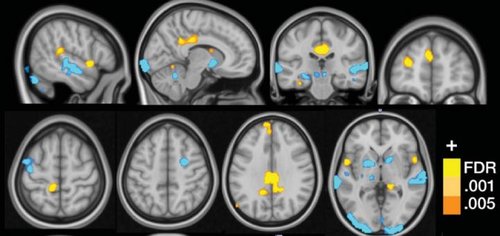
Artificial intelligence, though, has the potential to make a diagnosis in minutes. [In 2017], researchers used machine learning to distinguish the brain scans of those with fibromyalgia from those without—with 93% accuracy. The implications are immense: Decoding the brain signature for fibromyalgia could hold the key to understanding the disease and which treatments work for which patients. But it’s also a definitive, objective sign that fibromyalgia really does exist.
…
The researchers who successfully used machine learning to identify fibromyalgia patients started by using fMRI machines to capture images of the brain signals of 37 fibromyalgia patients and 35 healthy people used as a control group. All the participants had pressure applied to their right thumbnail to create “severe but tolerable pain.”
…
Those with fibromyalgia experienced more pain compared to the healthy controls, according to a neurological signature of physical pain, as well as different activity in the insula area of the brain, related to sensory integration, and the medial prefrontal cortex.
…
As such, neuroimaging combined with artificial intelligence was able to create an objective snapshot of what, to date, has been characterized as a subjective sensation.
Nigeria’s decision to commercialize Bt cotton has revived hopes for the novel variety in Ghana, its West African neighbor. Science-focused civil society groups are confident Nigeria’s move will serve as a good role model and push players in the agricultural space to resume work on processes to make Bt cotton available to farmers in Ghana.
…
Cotton is grown in the northern part of Ghana but the sector has struggled for many years. One of the major causes of this has been the use of poor seeds. The trend of cotton production has been erratic in Ghana, and the country contributes less than 1 percent to the continent’s production, although it has excellent conditions for cultivation ….
…
“Nigeria came on board later thinking of commercialization of GM cotton and already it is out,” Dr. Richard Ampadu Ameyaw, Ghana coordinator of the Open Forum on Agricultural Biotechnology (OFAB), told Alliance for Science. “Ghana would have to take a cue from Nigeria, especially if we want to create more jobs in Africa and develop our textiles industry. So that we can create jobs for our farmers and teeming youth who walk about with no jobs. We need to be fast with coming out with our varieties to commercialize it.”
In his new book, Equations of Life: How Physics Shapes Evolution, Charles Cockell from the University of Edinburgh makes the argument that physical laws limit the diversity of life on Earth and, we might expect, elsewhere in the universe. The book uses many examples of living things on our own planet, most convincingly the ladybug, to explain eloquently why everything from microbes to large animals are the way they are.
…
Having shown that physical factors limit the solutions for life on this planet, Cockell extends the argument to extraterrestrial life. He expects us to find only carbon-based life elsewhere in the universe, which, he contends, is likely to use water as a solvent and have only a limited set of available nutrients and building blocks for biology. We should not be surprised, therefore, to find on some other planet an animal that reminds us of, say, a cow, or a raven, or even a human.
…
I see a danger in being overly confident that our type of biology on Earth is the only game in town. Environmental conditions on our planet fall within a very narrow range, and there may be other possibilities of which we are not yet aware.
Perhaps the Martian lake recently discovered beneath a mile of ice would make a great testing ground.
Studies have confirmed that people are more likely to believe celebrities and politicians over scientists when it comes to medical advice.
….
As GMO Answers has explored, when you have a …. large following, people listen. [But] health and nutrition advice from celebrities is not always scientifically sound. This serves to further confuse consumers who are already bombarded by a flood of misinformation about their food, particularly when it contains GMOs.
…
The National Academies of Science, Engineering and Medicine (NAS) issued a comprehensive report concluding that genetically modified crops are not only safe to eat, but have the same nutrition and composition as non-genetically modified crops, and have no links to new allergies, cancer, celiac or other diseases.
Yet, many celebrities, including Kelly Clarkson, Gwyneth Paltrow, and more, irresponsibly use their platforms to make false statements about the safety and nutritional value of GMOs ….
…
While it can be tempting to trust the people we see most often in the limelight, providing accurate, evidence-based information about the health and safety of our food is the job of scientists ….
[France] is slowly drowning reason in a mass of ideologies that stifle common sense.
On glyphosate, the French Association for Scientific Information (AFIS) recently debunked an article in the newspaper Le Monde …. showing how Le Monde presented the controversy [around glyphosate] in a deceptive way, while remaining silent on the conflicts of interest of lobbyists opposed to glyphosate ….
Regardless of the scientific evidence, the International Agency for Research on Cancer (IARC) continues its ideological drift . A large US study of more than 54,000 farmers and pesticide applicators over 20 years has not found a link between glyphosate and cancer, particularly non-Hodgkin’s lymphoma . [But] environmentalists shout, as usual, about the conflict of interest [of the authors] while sitting on the scientific methodology, since the conclusions do not meet their expectations.
Two French studies and one European [study] confirmed (for 15 million euros …) what many experts already said: the infamous study on the toxicity of GMOs (Séralini) was bogus.
…
The delirious greening underway [in France] is preparing a nice, green totalitarianism. Criticism of dogmas around CO2, GMOs, pesticides, and renewable energies will be treated as blasphemy. Their authors will be prosecuted for deviation and endangering others.
Editor’s note: This article was originally published in French. This English summary was prepared with Google Translate and edited for clarity.
Microbiome testing companies have become a thing, offering consumers a chance to see a snapshot of the billions of microbes that reside in their bodies. Some promise even more from a swab: personalized advice on how to improve your health.
“Take control of your gut bacteria to help with weight management, fitness, skin health and more!” says Thryve’s website. Meanwhile, Viome, launched with $21 million in startup funding last year, promises to help people “discover what’s happening inside your gut and get a personalized action plan to fix it,” using technology “developed for National Security.” Their competitor uBiome has a vaguer sales pitch, saying customers will “learn” and “discover” more about their microbiome — and it may have good reason to keep it simple.
There’s no doubt that the microbiome, the community of trillions of bacteria and viruses that live in a person’s body, has a profound impact on human health. But our understanding of the microbiome isn’t advanced enough, nor are the commercial tests precise enough, to guide customized health recommendations,
…
The problem is, researchers have yet to define what a “healthy” gut includes, or if one person’s healthy gut data can apply to another person. And, for the companies hawking probiotics, it is also unknown if and how those beneficial bacteria can even take root in a person’s turbulent digestive system.
For many years, the conventional academic wisdom was that the human love affair with alcohol began only 10,000 years ago, with the invention of agriculture. But research now suggests that this complicated relationship—associated with so much pleasure and pain and good health and death and good cheer and bar fights—actually began more than 10 million years ago. It was a gift, or curse, from the primate ancestors of chimps, gorillas and us.
Drinking was, in a sense, the human outcome of a war between plants and the creatures that must consume them to live, according to science journalist Faye Flam. Plants started making toxic substances like alcohols as a strategy to avoid being eaten. Animals started making chemicals that could detoxify those substances so they could go on eating.
One group of those defensive chemicals is the alcohol dehydrogenases (ADH), animal enzymes that break down the various alcohols produced by plants. Researchers based at institutions in Gainesville, FL earlier reported that about 10 million years ago our primate ancestors evolved a form of alcohol dehydrogenase, ADH4, that could metabolize ethanol, a common form of alcohol and the one that has led to so much pleasure and woe.
We humans have 7 ADH genes clustered together on chromosome 4, including the gene that appears to have started it all, ADH4. Many variants of the ADH genes contribute to alcohol dependence and other alcohol related traits, according to researchers at North Carolina State University in Raleigh.
ADH4′s job is to produce the enzyme that converts ethanol to acetaldehyde, and it’s actually acetaldehyde that’s mostly responsible for both the rewards and punishments of drinking alcohol. (It’s the cause of hangovers, for instance.) Acetaldehyde is broken down further by the aldehyde dehydrogenase gene family, ALDH. There are 18 ALDH genes, but only one, ALDH2, appears to be important to the history of human drinking.
The back of an Asian man experiencing alcohol flush. Credit: James Heilman, MD
The ALDH2*2 gene variant, found in about a third of East Asians (Chinese, Koreans, and Japanese), leads to a deficiency of this enzyme. It is associated with unpleasant reactions to alcohol. In addition to facial flushing, they include low blood pressure, headaches, and nausea. This discomfort is believed to provide protection against alcoholism in these populations.
Gregory Cochran briefly discussed evolution of protection against alcohol via the ALDH2variant and includes a very nice map showing population distribution of this allele in Asia. It is impressively dense in China. He noted that populations with little historical exposure to alcohol–hunter-gatherers, especially–have high rates of alcoholism.
Cochrane didn’t mention this, but his meditation on how a population’s lack of experience with alcohol seems to lead to bad outcomes with it does imply that experience might eventually result in evolution of helpful protective mechanisms like the ALDH2 gene variant. This is unmitigated speculation, but I can’t help wondering if the antiquity of Chinese drinking has something to do with the appearance of this protective variant in China. The first archaeological evidence of drinking was discovered in China and has been dated at more than 9000 years ago.
True, 9000 years isn’t an awfully long time for evolution to work its natural selection magic. But it’s happened that fast—and faster—with other human genes that we know of. Prime example: the various gene mutations that permit several populations to drink milk successfully, which I discussed here at GLP last spring.
Despite the fact that Native Americans are, in a manner of speaking, of Chinese descent, the protective ALDH2 gene does not appear among them. Which is not so surprising if we’re theorizing that the mutation happened relatively recently in China, probably after agriculture made it possible for people to produce large amounts of alcohol. Native American forebears left Asia well before 10,000 years ago.
There’s at least one other protective gene, an ADH gene variant, ADH1B*2, found mostly in East Asians and Polynesians. Apparently it breaks alcohol down much faster than other versions of the ADH1B enzyme.
Mis- and disinformation are distorting science and public policy. Subscribe to our Daily and Weekly Digests for incisive coverage of ‘disruptive’ innovations in AI, agricultural biotechnology, food, chemicals, nuclear energy, vaccines, and other disruptive innovations.
The Florida researchers said the appearance of the gene that started it all, ADH4, happened around the time primates began to descend from their treed life to walk the earth. This was a result of ecosystem changes that had begun transforming African forests into grasslands around 10 million years ago. Adapting to their new life on the ground, these primates expanded their diets from fresh ripe fruit collected while still on the trees to include fallen fruits. This new kind of foraging added nutrition, but if the fruit had started to ferment, it added a bit of alcohol too.
The researchers observed, “any organism with metabolic adaptations that permit the exploitation of ethanolic food would have access to a specialized niche or important fallback foods unavailable to organisms without this metabolic capacity.” They also noted that the small amount of alcohol in fermenting fruit is “a source of ethanol that is remarkably similar in concentration and form (i.e., with food) to the moderate ethanol consumption now recognized to be healthy for many humans.”
One theory about alcoholism and other ills related to consuming ethanol is that—like diabetes and chronic cardiovascular disease—it’s one more manifestation of how, for most people except perhaps for some fortunate Asians, evolution hasn’t yet caught up with our lifestyles. Once agriculture began, wine and beer emerged as ways of storing surplus fruit and grain, and also gave pleasure.
The problems began when toolmaking Homo saps developed technology for fermenting larger amounts of fruits and grains into larger amounts of ethanol—and then drank the larger amounts. Those problems were much compounded when alcohol distillation was invented less than a thousand years ago. Distillation takes a fermented beverage and gets rid of much of the water that dilutes it. That increases the alcohol content, sometimes greatly. Beer and wine typically contain less than 10 percent alcohol. In the US, vodka must by law be at least 40 percent alcohol.
A version of this story originally ran on the GLP on Nov. 15, 2016.
Tabitha M. Powledge is a long-time science journalist. She also writes On Science Blogs for the PLOS Blogs Network. Follow her @tamfecit
A lot has been said about a recent court case ruling about Monsanto’s Roundup ….. Adding to the mix, in New Zealand the Associate Environment Minister, Eugenie Sage, has said she will ask the [country’s environmental protection agency] to consider declaring Monsanto’s weed-killer, Roundup, hazardous.
…
[Eugenie Sage’s] call to revise the status of Roundup looks to be a political exercise. In my opinion it would be fruitless, and time-wasting. She’d want to first show that the court case introduces new safety evidence. My understanding (so far) is that it doesn’t.
Editor’s note: The jury verdict on glyphosate was based primarily on IARC’s 2015 monograph, which called the herbicide a “probable carcinogen.”
…
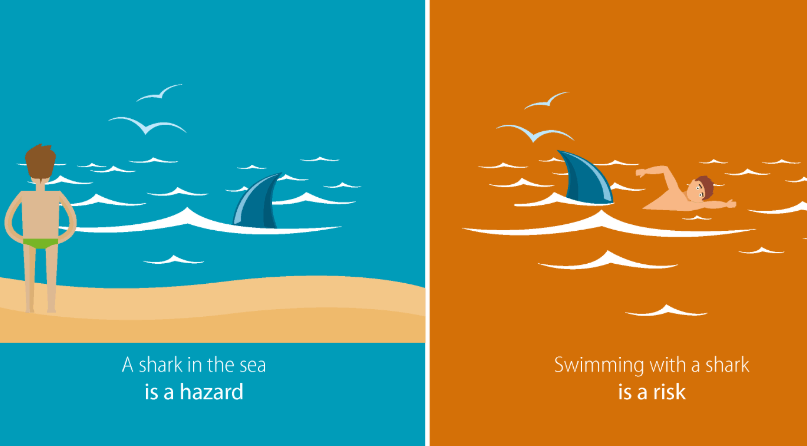
IARC reports possible hazards: things that in some setting, in some amount, in some way might cause cancer. Something maybe a hazard, but no risk if you are not exposed to the substance. Similarly, there may be no risk if the dose is small …. IARC gives a heads-up as to what substances ‘might’ be hazards. It is for regulatory bodies to take this and decide where risks—if any—might lie, and how [to] manage this.
…
The NZ EPA has already reviewed IARC’s report on their own initiative in 2016 …. This would suggest there is nothing further to be done.
Studies over the past few years hint that suicidal ideation is more common in people with autism than in the general population, but the estimates vary so widely that some experts say they are meaningless. Still, there is some evidence that autistic people are especially vulnerable to suicide: One 2015 study that mined Sweden’s large National Patient Registry found that they are 10 times as likely to die by suicide as are those in the general population.
…
Clinicians may wrongly assume that people on the spectrum don’t have complicated emotions, or may discount their outbursts, says Paul Lipkin, director of the Interactive Autism Network at the Kennedy Krieger Institute in Baltimore, Maryland.
…
All of that is beginning to change. Some teams are adapting tools to spot autistic people who are at risk of suicide and gain a sense of the scale of this problem. Many typical signs of suicidality — changes in sleep, appetite and social relationships — involve areas that are already challenging for these individuals. So “one can’t rely on these changes in this population,” Lipkin says. Instead, the researchers are looking at the interplay of known risk factors, such as depression, anxiety and bullying, in autistic people. And they are identifying risks unique to this population, such as social challenges, communication difficulties and a diagnosis of attention deficit hyperactivity disorder.
It may seem like Judgment Day has come for glyphosate, with a California jury slapping $289 million in damages on Monsanto Co. in a cancer trial …. Dramatic headlines are par for the course for Monsanto, a company that activists have targeted for decades ….
…
Upon appeal, damages and rulings will likely be overturned or reduced, said Chris Perrella, an analyst at Bloomberg Intelligence.
…
In the end, glyphosate is the world’s most popular and widely used weedkiller for a reason. It has been good for the environment and good for farmers, and it’ll be needed as the global population expands by billions in the coming decades, Perrella said. The only alternatives to glyphosate are far “nastier” chemicals, or using diesel tractors to till fields, which creates a host of environmental problems, [Perrella] said.
Crop yields have soared in recent years thanks to advances in seed technology, pesticides, herbicides and other inputs. Booming world harvests have helped to keep food inflation relatively tame even as global climate change has brought increased risks from drought, heat and storms.
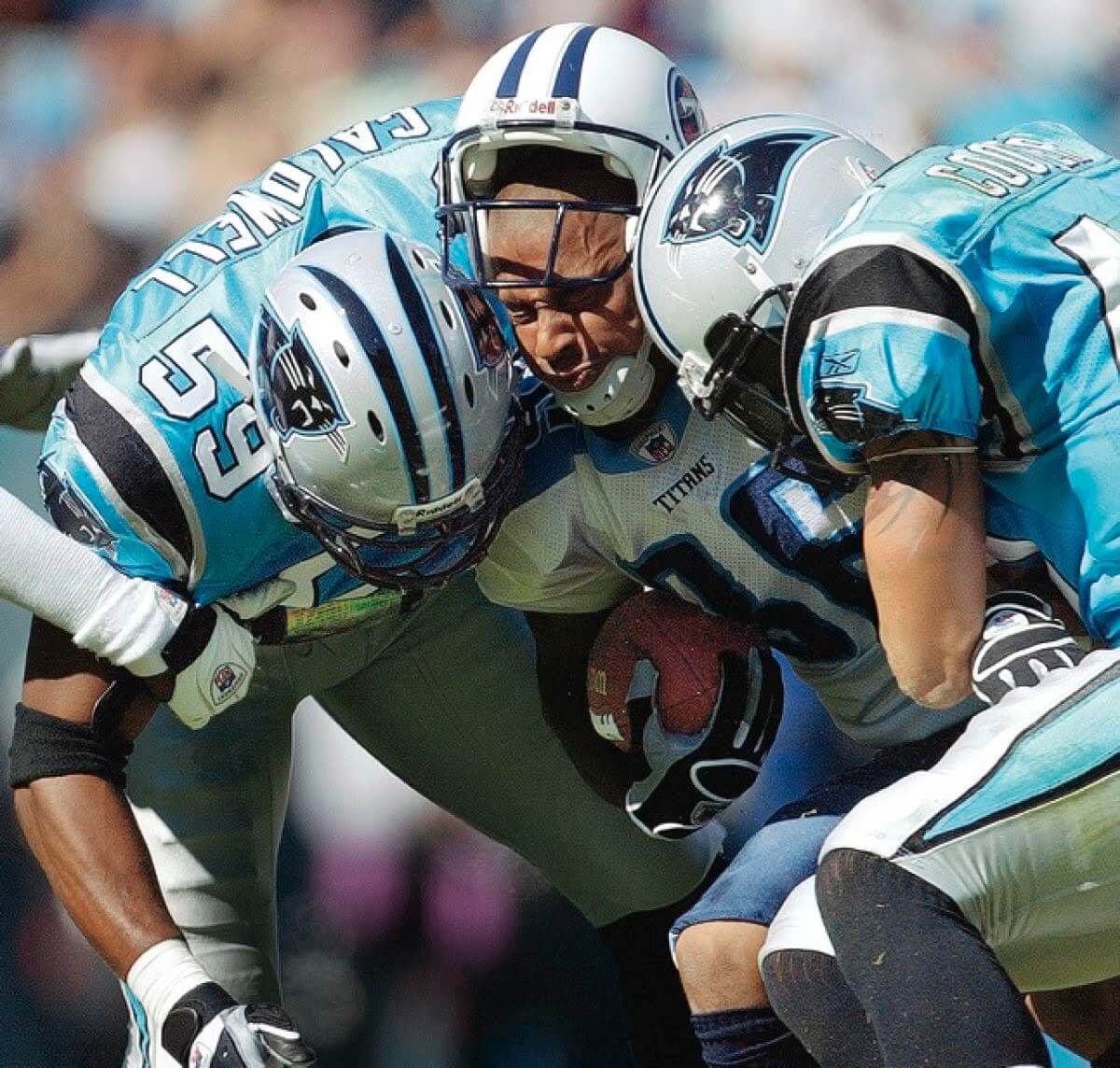
New University at Buffalo research is adding important information to the body of knowledge about the cognitive and behavioral status of a group of retired professional athletes who spent their careers in contact sports.
The study findings, from UB’s Healthy Aging Mind Project, were published [August 7] online before print in the Journal of Head Trauma Rehabilitation. The study assessed 21 professional athletes retired from the National Football League and the National Hockey League on neuropsychological measures associated with mild cognitive impairment and executive function.
…
The study, which the researchers note, involved “a relatively small sample of former athletes,” did not find evidence of early onset dementia in the retired players, which would be expected with chronic traumatic encephalopathy (CTE).
…
The assessments of cognitive function (e.g., memory, attention, visual spatial orientation), executive function and mental health in the retired athletes didn’t reveal statistically significant impairment compared to controls.
The researchers did find evidence of mild cognitive impairment (MCI) in more of the retired athletes than the controls, but said the rate was as expected for the age, education level and body mass index of the athletes, all factors that can raise the risk of MCI; it also was not statistically significant.
My family’s farm began in 1880s with a sod house and an intrepid couple—the Banmans—willing to brave the unforgiving Canadian prairies ….
[T]hat same farm …. has grown from roughly 160 acres to nearly 1,200. This farm grows more crops than it did 120 years ago, producing edible beans, canola, soybeans, sunflowers, oats, and more. Electricity is now taken for granted …. Our tractors steer themselves …. “Survival” is more a romantic notion or a good hashtag than it is a state of being around here.
…
At some point in human history, civilization became proudly more sophisticated than merely laboring for sustenance …. farmers are now able to do everything with increasing precision. It sometimes involves genetic modification, chemicals, and technology—poisonous words, for some, but science, to others …. Progress is a controversial word, but I’m tempted to use it.
…
Misunderstandings [around GMOs and pesticides] have left farmers scrambling to educate people on what it means to grow food …. But we want you to trust us. After all, decisions on any farm—including mine—are made by people: fallible, imperfect people doing their best with the information available. I want to run a farm that is sustainable, welcoming and profitable. And I want to run a farm that takes the concerns of the open-minded consumer seriously.
Whether they are amphibians, mammals, birds, or something else, animals use metabolic depression to thrive in places where they otherwise have no business surviving. At northern latitudes, frozen ponds, streams, and lakes leave frogs with nothing to eat and nowhere to live during the winter. Similarly, small mammals have a difficult time finding food when most nuts and fruits are buried under inches of snow. For the hummingbird, daily torpor is the only way their life in the fast lane happens at all – they use so many calories just to stay alive that they must drastically reduce their metabolism to take a nap without starving to death.
…
Perhaps the most intriguing lines of investigation to date are the recent advances in the metabolic control field. Under the right conditions, researchers can artificially induce metabolically depressed states in animals that do not naturally go into torpor, like mice and rats. Some groups have gone a step further, and restored normal metabolic rates without any lingering effects on brain function.
…
The ultimate goal is to reverse engineer the sequence of events that induce a harmless, temporary coma [in humans]. If successful, this research has a range of fantastical applications, including long-term space flight to Mars and slowing the progression of deadly diseases until modern medicine catches up with a cure.
Just two weeks after Nigeria’s federal government approved the commercialization of Bt cotton, scientists scored another victory with a court judgment that rejected objections raised by anti-GMO activist groups.
In September 2017, a group of 17 non-governmental organizations [sued] the federal government …. seeking to block the deployment of Bt cotton and genetically improved varieties of maize.
….
The activist groups asked the court to revoke the permit granted to [National Biotechnology Development Agency] for the confined field trial of [two varieties of GMO corn] in Nigeria …. The groups …. maintained that issuing the permits to both Monsanto and NABDA constituted a threat to the fundamental human rights of the general public ….
Delivering judgment [August 14th], Justice A.R. Mohammed …. dismissed the action on the grounds that …. the court lacked jurisdiction to entertain [the case] …. He added that the matter was not a fundamental rights issue.
…
… Dr. Rose Gidado, an assistant director at NABDA, said the victory was an important step for biotech in Nigeria.
“This is a milestone,” she said. “This means that Nigeria is ready to go ahead, to really adopt this technology and move forward. It means a lot to food security.”