Searching for ALS genes in Appalachian Mountain family trees

Slitz DRK x

With patient visits along the way, [Dr. Edward Kasarskis and Debby Taylor would] be tracing, in reverse, the path of the families’ ALS-causing genetic mutation back to one of its sources near the Cumberland Gap. The region is thick with myth — and, consequently, tourists, who come to hike and inspect dioramas of their forebears wending through an opening in the mountains to settle the Western frontier. The researchers’ interest is a little different: This corner of Appalachia runs thicker with a particular form of inherited ALS than almost anywhere else.

…

[Kasarskis] hopes that his [family tree]-guided road trips might yield a treatable target, something to take advantage of these advances. After every expedition, he and Taylor drive whatever blood they’ve managed to collect — if any — back to Lexington, to biochemist Haining Zhu’s lab.

…

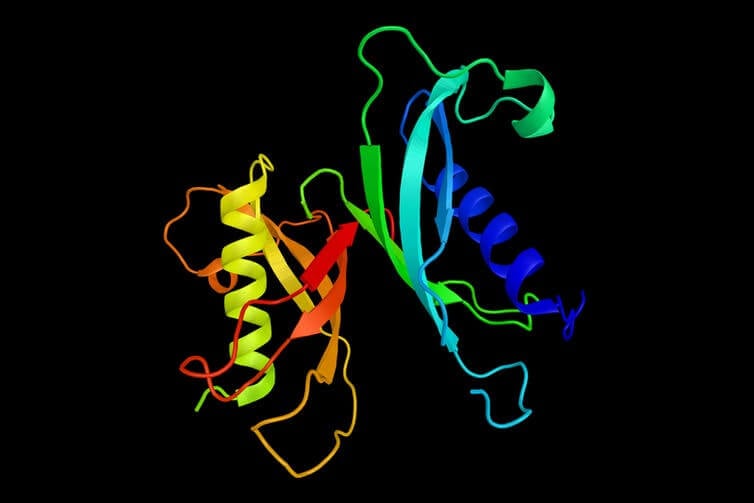
First, they’re looking at the FUS gene, which can, in concert with each person’s clinical history, tell the team [if the person could have ALS]. Later, Zhu plans to widen his scope. He’s hoping to find other snippets of DNA that modify how the body deals with that genetic error in FUS, determining whether or not someone gets the disease. “If it’s environmental, then it’s a totally different ballgame,” said Zhu. “That’s much more difficult to figure out. So we’re operating under the hypothesis that there is a genetic factor.”

Read full, original post: An Appalachian odyssey: Hunting for ALS genes along a sprawling family tree

Glyphosate and cancer—revisited

merlin b e ba b d bb f articleLarge

I’ve already written about this topic back in 2015. Much of the information below is from that original blog post, but updated to include information published in the last few years.

…

Among this group of 54,251 pesticide applicators, there was no relationship between glyphosate exposure and non-Hodgkin lymphoma. This result is similar to previous analyses of the AHS data, which also showed no association between glyphosate and non-Hodgkin lymphoma.

And this study — even though it is only one study — makes it difficult for me to believe that any single case of non-Hodgkin lymphoma could be blamed on glyphosate. The largest data set we have (by far) which does the best job (by far) of accounting for confounding variables shows absolutely no association between handling glyphosate and developing non-Hodgkin lymphoma. A few years ago when I wrote about this topic, I noted that my mind could certainly change as new evidence came to light. At that time, the AHS study had relatively few cases of non-Hodgkin lymphoma – but in this most recent analysis, there were well over 500 cases to be analyzed. And again, there appeared to be no relationship to glyphosate.

So again, I’m not sure what the jury saw in this most recent case. But based on the evidence I have seen, I remain thoroughly unconvinced that glyphosate causes cancer.

[Author Andrew Kniss is a weed scientist at the University of Wyoming.]

Read full, original article: Glyphosate and cancer – revisited

No link between increased pesticide use and childhood cancer, study suggests

pesticde

Like the word “chemical,” the word “pesticide” has been hijacked and then unfairly demonized.

Scientists use the word pesticide to refer to “any chemical, generally used in an agricultural setting, that can be used to kill another unwanted organism.”

Society uses the word pesticide pejoratively, assuming that anything that can kill another organism can also kill humans. This is almost never true. It is biologically impossible for some pesticides, such as Bt toxin, to harm humans. And the pesticides that can harm humans are used at such low concentrations that their presence has no effect on us.

Despite this, the word pesticide continues to carry a lot of negative emotional baggage. It’s little wonder, therefore, that pesticides have been blamed (usually incorrectly) for all sorts of problems …. Nothing is more emotionally charged than pediatric cancer, and pesticides have been blamed for that, too ….

A new study  …. examined the incidence of pediatric cancer from 1991 to 2010 ….  [ and found that] pesticides probably don’t cause pediatric cancer. [I]f pesticides cause pediatric cancer, then countries that use more pesticides should have more cases of pediatric cancer. But they don’t.

Read full, original article: Increase In Childhood Cancer Is Not Due To Pesticide

Can artificial intelligence point out employee weaknesses, training needs?

ai

Here’s the conundrum with corporate online learning: there are so many classes available from sites like Coursera, edX, and Udacity that companies don’t know what content to offer their employees. And once companies do choose a learning program, it’s tough for them to figure out what skills their employees pick up and to what degree they’ve mastered them.

…

A new AI-powered tool developed by Coursera aims to be that metric. The feature, which the Bay Area startup announced [August 7], lets companies that subscribe to its training programs see which of their employees are earning top scores in Coursera classes; how their employees’ skills measure up to their competitors’; and what courses would help fill any knowledge gaps

…

The new feature is just one example of the ways online-learning providers are using AI to match learners with courses, assess their ability, and tweak class content in response to feedback. Coursera has a data-science team that does everything from “collecting and storing data in a warehouse to interpreting information for making internal decisions to building algorithms that feed back into the site,” according to Emily Glassberg Sands, who leads the group.

…

By addressing some of the most pernicious challenges in online learning, these AI features could inspire more people—and companies—to sign up for such training.

Read full, original post: AI can now tell your boss what skills you lack—and how you can get them

Could the common cold be cured in the next decade?

the common cold slide fs e d ba fill x
Some people get barely any symptoms and recover rapidly. Others end up confined to bed, surrounded by used tissues. For those with compromised immune systems or respiratory conditions, it can even be life-threatening. We’d all dearly like to see a cure for the common cold, but it never quite seems to arrive. So what’s the hold up – and will it be over soon?

The common cold is actually a catch-all term for a variety of viral infections that cause sore throats, headaches, coughs and sneezes. Men may be predisposed to suffer more from these symptoms, though the existence of “man flu” is a subject for another day.

The most common variety of common cold is rhinovirus, which accounts for around 50% of all infections (it gets its name not directly from the wild animal but because “rhino” is Greek for “nose”). Kids are usually infected between eight and 12 times a year, adults more like two or three times. Other viruses that we also think of as the common cold include adenovirus, respiratory syncytial virus and influenza virus. But for most scientists in this field, cracking rhinovirus is the number one challenge.

Shifting a rhino

Rhinovirus is not just one organism. There are currently over 160 different strains, and it’s extremely difficult to make a vaccine or antiviral that will cover all of them.

There are only around 90 to 95 antivirals in total – far fewer than our arsenal of antibiotics – and none have been licensed for use against rhinovirus. A few show some activity against certain strains, but are ineffective against others. The chances of an antiviral emerging that can directly kill all strains look slim at present.

rhino 8 15 18
Who you calling a virus? Image credit: Johan Swanepoel


A number of groups across the globe are working hard to find alternative solutions – I’ve just co-authored a review paper that documents the latest progress. Many groups are trying to manipulate the proteins inside the cells of the host, since they are vital for virus replication. This may be an incredibly effective way to halt the virus spreading to other cells in the body.

One exciting prospect emerged very recently from Imperial College, London: a synthetic compound that targets enzymes in the cells that the virus infects, known as NMT1 and NMT2, and prevents them from being used during viral replication. Another team in Canada is working on compounds that can inhibit a different class of human enzymes, called PI4KB, that are also required for the virus to replicate.

Several teams in the US, as well as in the Pirbright Institute in the south of England, are working on a different approach. They have been trying to halt the infection using particular antibodies, known as neutralising antibodies, which work against different proteins within the virus. Yet the number and diversity of rhinoviruses around the world has meant that a universal antibody has yet to be developed.

Pep talk

My research group is trying to solve the problem from yet another angle. We are working on a family of molecules known as host defence peptides or antimicrobial peptides, which are a key part of people’s frontline immune response against viruses. As well as humans, they are found in many other mammals, plants and insects.

We and others have shown that these peptides can kill a wide range of bacteria, fungi and viruses. For example, one of our studies showed that a peptide found in the human immune system, known as cathelicidin, was incredibly effective at killing the influenza virus at a level comparable with current anti-influenza drugs.

cold 8 15 18 2
Your friendly neighbourhood cathelidicin. Image credit: Ibreakstock

More recently, we investigated whether this same human cathelicidin peptide could kill rhinovirus and were excited to find that it did. We found that cathelicidins from other animals such as pigs were very effective at killing this human virus, too – raising the prospect that peptides from the immune systems of other mammals could be employed to fight this infection.

Mis- and disinformation are distorting science and public policy. Subscribe to our Daily and Weekly Digests for incisive coverage of ‘disruptive’ innovations in AI, agricultural biotechnology, food, chemicals, nuclear energy, vaccines, and other disruptive innovations.

This is just the first step in a long path, however. Now we hope to modify these peptides to make them more stable and effective, not only against rhinovirus and influenza but also against other varieties of cold virus. And so far all our work has only been at the lab bench, and against only one common strain of rhinovirus: the next step will be to progress into animal and finally human clinical trials.

Each of the three described approaches is at a similar stage of development. It is very difficult to put a timeframe on these things, but they are all probably about five to ten years from potentially producing a viable treatment.

Hot, hot, hot. Image credit: Inventbbart

Yet when the day finally comes that science cracks the common cold, we will need to be extremely cautious. It is worth drawing a parallel with antibiotics: just as antibiotic resistance is an increasingly serious problem, the same thing can happen with viral treatments.

It would therefore be unwise to start doling out the “cold cure” to everyone who has a cold. Instead, I would suggest keeping for those who need it most, such as asthmatics and those with compromised immune systems. The rest of us will probably have to keep fighting off colds the slower traditional way – boxes of tissues, the body’s natural defences and lots of hot drinks.

Dr. Peter Barlow is an Associate Professor of Immunology and Infection, and Director of Research of the School of Applied Sciences at Edinburgh Napier University. Peter’s interests lie in studying the human innate immune system with a view to developing novel therapeutics for infections. He is particularly interested in studying the activities of Cationic Host Defence Peptides (CHDP), principally in the context of viral respiratory infections, such as rhinovirus and influenza. Follow him on Twitter @drpeterbarlow

A version of this article was originally published on the Conversation’s website as “We have a good chance of curing the common cold in next ten years – a scientist explains” and has been republished here with permission.

Organic Times: New satire site takes Onion-like look at crop biotechnology activists

ot

Agriculture is a serious topic. While farmers in the developing world struggle to save their crops from pest invasions and courts and judges determine the fate of critical farming tools like the herbicide glyphosate in the US and the future of CRISPR-Cas9 gene editing in Europe, nobody is laughing; we all understand the gravity of these issues.

But sometimes humor yields more truth than just a dry rendition of the facts. At least that appears to be the premise of the mystery author(s) behind a new website that recently popped up, the Organic Times. It’s an agriculture-centric satire site which bills itself as “America’s most trusted resource for lies about biotechnology.” Taking a page out of The Onion’s playbook, Organic Times mixes plausible-sounding news ledes on breaking stories with utterly absurd “reporting,” often making fun of the foibles and at times the scientific truth-stretching of those ideologically opposed to crop biotechnology. Here are a few examples of what’s on the site.

“Bayer to debut Non-GMO Project verified pesticides”

roundup44475757

Pesticides don’t contain any DNA, you may say, and can’t be labeled “Non-GMO” as a result. But the Organic Times reports otherwise. “Chemical giant Bayer announced …. that it has achieved non-GMO verification from the Non-GMO Project for its line of pesticides.” Why would one of the biggest producers of synthetic agrochemicals pursue Non-GMO Project certification? 

While Bayer CEO Werner Baumann notes that seeking out non-GMO verification was ‘hard to stomach for our scientists,’ he also believes that ‘it is the right long run decision for Bayer …. Our goal is to shed the negativity towards our purchase of Monsanto,’ Brown continues. ‘And we believe the best way to do that is to embrace the butterfly.’

Bayer, which recently absorbed Monsanto, of course is being sued because the herbicide Roundup allegedly causes cancer. And the Non-GMO Project considers Roundup an endocrine-disrupting chemical. Needless to say, a partnership between Bayer and the Non-GMO Project is unlikely.

Mis- and disinformation are distorting science and public policy. Subscribe to our Daily and Weekly Digests for incisive coverage of ‘disruptive’ innovations in AI, agricultural biotechnology, food, chemicals, nuclear energy, vaccines, and other disruptive innovations.

“Chipotle: ‘Non-GMO food is worth the risk of getting sick’”

chipotle nongmo33333Chipotle advertises its use of strictly non-GMO ingredients (except of course all its drinks, which are sweetened with GMO-based corn syrup and its meats which are from animals fed GMO grain; oh well), hoping to attract health-conscious consumers who view GMO-free food as a smart choice. The problem: thousands of people since 2015 have been sickened by exposure to pathogens including Salmonella, E. coli and Norovirus after eating at Chipotle, most recently more than 700 people in July. According to the Organic Times, Chipotle turned this PR nightmare into a victory by telling customers to weigh the costs and benefits of eating its burritos:

While one location in Ohio remains closed after hundreds of customers reported a variety of symptoms, Chipotle wants to remind customers that eating non-GMO food is worth the risk …. ‘Scientists may say that GMOs are safe, but they just have too many unknown unknowns,’ [Chipotle co-CEO Steve] Ells said. ‘Better to deal with known risks like Salmonella, Shigella, E. coli and Norovirus.’

[irp]

“Carey Gillam wins Hugo Award for Whitewash”

hugo333333

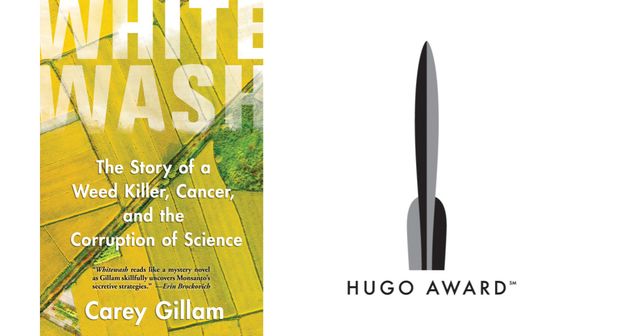
Carey Gillam, a former journalist who is now the director of research at the anti-GMO advocacy group U.S. Right to Know, is a well-known critic of the herbicide glyphosate. So certain of its deadliness, Gillam authored an entire book about the chemical: Whitewash: The Story of a Weed Killer, Cancer, and the Corruption of Science. The book was widely panned by agricultural scientists but it garnered awards from some environmental groups. The Organic Times took a different approach, announcing that Gillam had won a prestigious Hugo Award—a prize typically reserved for exceptional science fiction books.

Fans of apocalyptic fiction have something new to celebrate, because newcomer Carey Gillam took home the Hugo Award for Best Novel …. The story is about a lone journalist who uncovers a massive conspiracy by every major scientific organization and regulatory body on the planet to help industry give farmers cancer, and the class action law firm that finally comes to her rescue. It has been described as “My Cousin Vinny  meets The Hunger Games” by Danny Hakim of the New York Times.

Speaking of glyphosate, experts have roundly criticized a San Francisco jury’s August 10th verdict that Monsanto’s herbicide is carcinogenic. Anticipating the potential implications for farmers, agricultural scientists said the jury may have opened the door to higher food prices and a return to more toxic herbicides. The Organic Times’ writers share these concerns apparently, though they voiced their frustration slightly differently.

Following the verdict, the Organic Times reported that the attorney who represented the plaintiff in the case had made a new friend.

“Roundup class action lawyer awarded Order of Friendship by China”

china2222

Chinese leader Xi Jinping has conferred upon American class action lawyer Brent Wisner China’s Order of Friendship …. ‘Mr. Wisner [has] been awarded this order …. for services of national importance. Wisner is a lawyer of great renown and has worked diligently to aid our nation’s economy by promoting our pesticide industry,’ Xi said.

You may wonder how the jury verdict against Bayer helps the Chinese pesticide industry. The satire site explains, couching an interesting economics lesson in its intentionally ridiculous story:

‘By managing to convince a jury that every scientific and regulatory agency on the planet is wrong, [Wisner] has also made the purchase of Syngenta by ChemChina much more profitable. American farmers are already considering purchasing more [of the herbicide] atrazine [from ChemChina]. He is most familiar and respected in China,’ Xi said. ‘Mr. Wisner is my good and close friend.’

The next time you see a troubling headline about “superweeds,” food shortages in the developing world or courts banning essential agricultural tools, don’t get frustrated. Head over to the Organic Times for some needed comic relief. After all, a little laughter is good for your health.

Cameron J. English is the GLP’s senior agricultural genetics and special projects editor. He is a science writer and podcast host. BIO. Follow him on Twitter @camjenglish

Tamed foxes could help unravel complex genetics behind social behavior

silver fox cub
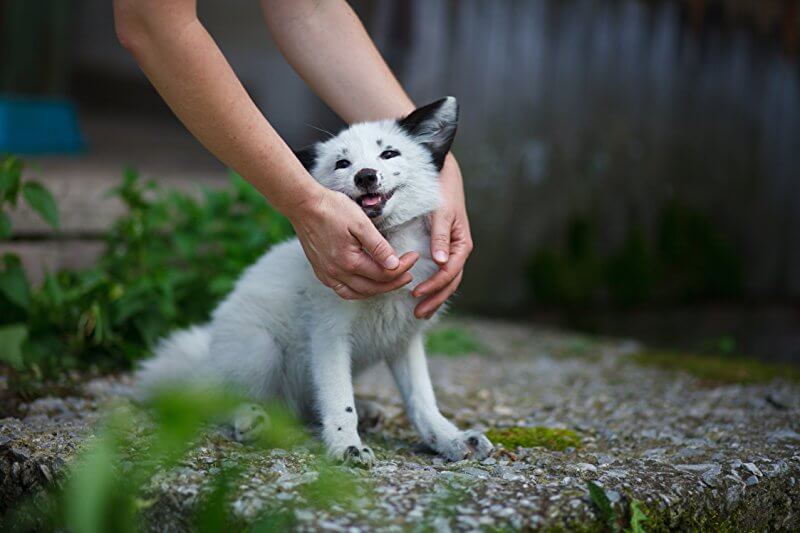
[D]omestication, based purely on behavioral traits, can result in other changes — like curlier tails and changes to fur color. Now, the tools of modern biology are revealing the genetic changes that underpin the taming of foxes of Siberia. In a new study, published [August 6] in Nature Ecology & Evolution, scientists used genome sequencing to identify 103 stretches of the fox genome that appear to have been changed by breeding, a first pass at identifying the genes that make some foxes comfortable with humans and others wary and aggressive.

…

While some genetic traits are relatively simple to unravel, the underpinnings of social behaviors aren’t easy to dissect. Behavior is influenced by hundreds or thousands of genes, as well as the environment.

….

[Researcher Anna] Kukekova and colleagues began studying one very large gene that they think may be linked to tame behavior, called SorCS1. The gene plays a role in sorting proteins that allow brain cells to communicate.

…

Bridgett vonHoldt, an assistant professor of ecology and evolutionary biology at Princeton University, said changes that occurred in foxes “overlap extensively with those observed in the transition of gray wolves to modern domestic dogs.” She said the study may help dog and fox biologists determine if there are complex behavioral traits under the control of just a few genes.

Read full, original post: A Soviet-era experiment to tame foxes may help reveal genes behind social behavior

Roundup trial: California jury’s glyphosate verdict spurs effort to ban the herbicide in Europe

glyphosate hr

A landmark court ruling in the U.S. holding Monsanto liable for causing cancer through its glyphosate-based weedkiller is adding fuel to the fire of a years long battle over the product’s future in Europe.

Debate over the safety of glyphosate has waged across the Continent’s agriculture sector since 2015, when the World Health Organization’s International Agency for Research on Cancer (IARC) concluded that glyphosate “probably” causes cancer, in contrast to the European Food Safety Authority’s finding the same year that it is “unlikely” to do so.

…

[The verdict] triggered a wave of reactions from European leaders, political parties and the head of the European Parliament’s special committee on the EU’s pesticide authorization process, who called for a ban on glyphosate once and for all in Europe. The question now for Europe is how the verdict affects the political debate about the substance less than a year after the EU approved its use for another five years.

“We must fight the invasion of this substance in our market, a threat that exists due to monstrous commercial agreements signed only in the name of profit,” Italy’s Deputy Prime Minister Luigi Di Maio said on his Facebook page ….

Read full, original article: US court’s ruling raises questions for glyphosate in Europe

Reflections on the glyphosate cancer ruling: Citing court decisions is common tactic among science deniers

lawsuit court gavel table pesticides

Most people have probably seen the recent news that Monsanto has been ordered to pay $289 million following the ruling by a California jury that Monsanto’s glyphosate (a.k.a. Roundup) is dangerous and likely contributed to Dewayne Johnson’s cancer.

…

I want to discuss why trials like this one are inherently problematic. Citing court rulings is an extremely common tactic among science deniers (anti-vaccers do it all the time), but it is not a logically valid tactic because courts don’t determine what is and is not a scientific fact.

The first major problem is simply that juries don’t consist of experts in the relevant scientific field. As I’ve talked about before, science is complicated. It takes years of carefully training, study, and hands-on experience to learn everything that you need to know to be able to properly evaluate scientific evidence. The notion that an untrained jury is going to master that over the course of a trail is absurd.

Read full, original article: Courts don’t determine scientific facts

Challenging our understanding of the genetics behind the evolution of human language

language

The evolution of human language was once thought to have hinged on changes to a single gene that were so beneficial that they raced through ancient human populations. But an analysis now suggests that this gene, FOXP2, did not undergo changes in Homo sapiens’ recent history after all — and that previous findings might simply have been false signals.

…

A key 2002 paper found that humans carry two mutations to FOXP2 not found in any other primates. When the researchers looked at genetic variation surrounding these mutations, they found the signature of a ‘selective sweep’ — in which a beneficial mutation quickly becomes common across a population.

…

[T]he 2002 study has never been repeated. It was based on the genomes of only 20 individuals, including just a handful of people of African ancestry, says [population geneticist Elizabeth] Atkinson: most came from Europe, Asia and other regions. She and her team have now re-examined the gene’s evolutionary history using a larger data set and a more diverse population.

They found that the signal that had looked like a selective sweep in the 2002 study was probably a statistical artefact caused by lumping Africans together with Eurasians and other populations. With more — and more varied — genomes to study, the team was able to look for a selective sweep in FOXP2, separately, in Africans and non-Africans — but found no evidence in either.

Read full, original post: Diverse genome study upends understanding of how language evolved

Hospital ‘superbugs’ getting better at defeating alcohol-based hand sanitizers

hand

Popular hand sanitizers may be heading the way of antibiotics, according to a study published this week in Science Translational Medicine.

Bacteria gathered from two hospitals in Australia between 1997 and 2015 appeared to gradually get better at surviving the alcohol used in hand sanitizers, researchers found. The bacteria’s boost in booze tolerance seemed in step with the hospitals’ gradually increasing use of alcohol-based sanitizers within that same time period—an increase aimed at improving sanitation and thwarting the spread of those very bacteria. Yet the germ surveillance data as well as a series of experiments the researchers conducted in mice suggest that the effort might be backfiring and that the hooch hygiene may actually be encouraging the spread of drug-resistant pathogens.

The researchers, led by infectious disease expert Paul Johnson and microbiologist Timothy Stinear of the University of Melbourne, summarized the findings, writing:

We have proposed here that the significant positive relationship between time and increasing alcohol tolerance is a response of the bacteria to increased exposure to alcohols in disinfectant preparations and that the more tolerant strains are able to displace their less alcohol-tolerant predecessors.

…

A species called Enterococcus faecium is of particular concern as it has become a leading cause of hospital-acquired infections and often carries resistance to multiple antibiotics, including a last-line drug called vancomycin.

Read full, original post: Hospital superbugs are evolving to survive hand sanitizers

Canada will phase out two kinds of neonicotinoids in 2021, citing harm to bee populations

beeflower

The federal government will begin phasing out the outdoor use of nicotine-based pesticides beginning in 2021

…

Neonicotinoids, or neonics, are a class of pesticides used by farmers and hobby gardeners alike to manage pests like aphids and spider mites. Scientists blame the chemicals for weakening bees, making them more susceptible to disease and bad weather.

…

The Pest Management Regulatory Agency of Canada will announce [August 15th] a three-year phaseout of two of the three main neonicotinoid pesticides currently approved for use in the country, sources close to the decision tell The Canadian Press.

…

Health Canada is breaking from what the U.S. Environmental Protection Agency is doing …. an unusual move, considering Canada and the U.S. are normally in lockstep on such decisions and the reviews in both countries were a group effort.

While the EPA has yet to fully announce its decision concerning all applications of neonics, the U.S. Fish and Wildlife Service [recently] lifted an existing ban that prevented their use in wildlife refuges.

Editor’s note: For more information on neonics, please see GLP’s recent article Global consensus finds neonicotinoids not driving honeybee health problems—Why is Europe so determined to ban them?

Read full, original article: Pesticides linked to bee deaths will be phased out in Canada, CP sources say

CRISPR-edited yeast could make biofuel production more efficient

biofuels

Some chemicals used to …. breakdown plants for production of biofuels …. are poison to the yeasts that turn the plant sugars into fuel …. Researchers …. have identified two changes to a single gene that can make the yeast tolerate the pretreatment chemicals ….

[T]urning …. grasses or leftover cornstalks into biofuels often mimics the way nature returns plant nutrients to the soil, air and water ….

“But the process of decomposing plant material is really slow ….” says Trey Sato, a senior scientist at the University of Wisconsin-Madison ….and a lead researcher on the yeast study ….

So biofuels manufacturers speed up the process …. by pretreating the raw plant biomass. Pretreatment may include applying …. salts called ionic liquids ….

…

“[E]ven after you go to the trouble to remove …. as much of the ionic liquids as you can …. the amount you can’t get out is enough to be toxic to a lot of microbes,” [Sato said.]

…

[T]he researchers looked to a variety of [yeast] strains  …. [and] found one strain with outstanding tolerance to ionic liquids. They …. identified a pair of genes key to surviving the otherwise toxic pretreatment chemicals. One of the genes …. makes a protein that …. works as a pump to remove toxins.

….

…. The researchers used the gene-editing tool CRISPR to alter a strain of an ionic liquid-susceptible yeast …. successfully producing a yeast that can survive ….

Read full, original article: Scientists Discover How To Protect Yeast From Damage In Biofuel Production

Searching for signs of autism in early infant behavior

x x wide jpg pagespeed ic tctRXW vg

Fearfulness and shyness in babies and toddlers predict features of autism at age 7, according to a new study. But early problems with impulse control and hyperactivity do not augur autism features.

The findings suggest that autism and anxiety have similar roots in the brain, but autism and attention deficit hyperactivity disorder (ADHD) do not, says lead investigator Tony Charman, chair of clinical child psychology at King’s College London.

…

Autism often coincides with anxiety and ADHD: Up to about 80 percent of people with autism also meet the criteria for ADHD or anxiety. And the three conditions tend to run together in families, suggesting they share genetic roots.

Previous studies have explored behavioral predictors of each of these conditions, but few have examined all three simultaneously.

…

Studies of children without autism show that fearfulness and shyness early in life predict anxiety later in life; and hyperactivity, inattention and poor impulse control predict ADHD.

Charman and his colleagues similarly found that young children with high activity levels and poor inhibitory control have more ADHD features at age 7 than those who are calm and controlled. But these behaviors do not track with autism traits or diagnosis; they also do not predict anxiety.

Still, the findings may help clinicians distinguish autism from ADHD early on.

Read full, original post: Signs of anxiety in infancy may foreshadow autism

Eat your broccoli: Chemicals in kale, cabbage and other Brassica vegetables could prevent colon cancer

a

Chemicals produced by vegetables such as kale, cabbage and broccoli could help to maintain a healthy gut and prevent colon cancer ….

The research, published in Immunity, shows that mice fed on a diet rich in a [chemical called] indole-3-carbinol [I3C] – which is produced when we digest vegetables from the Brassica genus – were protected from gut inflammation and colon cancer.

…

This study offers the first concrete evidence of how I3C …. can prevent colon inflammation and cancer, by activating a protein called the aryl hydrocarbon receptor (AhR).

Gut reactions

AhR acts as an environmental sensor, passing signals to immune cells and epithelial cells in the gut lining to protect us from inflammatory responses to the trillions of bacteria that live in the gut.

…

“We studied genetically modified mice that cannot produce or activate AhR in their guts, and found that they readily developed gut inflammation which progressed to colon cancer,” explains Dr Amina Metidji from the Francis Crick Institute. “However, when we fed them a diet enriched with I3C, they did not develop inflammation or cancer.

…

“We often think of colon cancer as a disease promoted by a Western diet rich in fat and poor in vegetable content, [said senior author Dr Gitta Stockinger, Group Leader at the Francis Crick Institute,] and our results suggest a mechanism behind this observation.”

Read full, original article: Chemicals found in vegetables prevent colon cancer in mice

5 things to fear from artificial intelligence in the future

AI

CNBC spoke with some experts to see what they think are the five scariest potential future scenarios for AI. A common fear among analysts, and indeed workers, is the likelihood that AI will result in mass global unemployment as jobs increasingly become automated and human labor is no longer required.

…

Some analysts and campaigners contend that the development of lethal autonomous weapons and the use of AI in military decision-making creates a multitude of ethical dilemmas, and opens the possibility of AI-enhanced — or AI-led — wars.

…

While experts are mostly in agreement about the benefits AI will provide medical practitioners — such as diagnosing illnesses very early on and speeding up the overall healthcare experience — some doctors and academics are wary we could be headed in the direction of data-driven medical practices too fast.

…

Experts also fear that AI could be used for mass surveillance. In China, that fear appears to be becoming a reality. In various Chinese municipalities, the combination of facial recognition technology and AI is being used to the benefit of authorities to clamp down on crime.

…

[R]esearchers and developers have been thinking about [AI prejudice] seriously, examining things like the way facial recognition technology appears better at discerning white faces than black ones, and how language-processing AI systems can exhibit bias, associating certain genders and races with stereotypical roles.

Read full, original post: Five of the scariest predictions about artificial intelligence

Video: Fear of biotech remains high, but GMOs are revolutionizing farming worldwide

sustainable

It’s no secret that many consumers remain fearful of agricultural biotechnology. More than half of Europe’s citizens, for instance, believe that foods containing GMO ingredients are dangerous, despite the fact that most experts say the technology is safe. In this video, Austrian science journalist Timo Kuentzle explores why consumers in the developed world fear GMOs and how crop biotechnology is helping farmers grow food for hungry people all around the world.

Timo Kuentzle is a journalist with the Vienna, Austria-based media and research platform Addendum. He holds a degree in agriculture from the University of Hohenheim, Germany. 

Original video: Tomorrow‘s food: How GMOs change global farming

How is India’s organic-only farming experiment in Sikkim going? Peering past the propaganda, not so sustainably.

modi visit sikkim
India’s farm sector is in massive flux and strife right now. After a massive ten-day strike in June, Indian farmers are entering into a general strike in coalition with army veterans across much of the country. The strike included massive demonstrations and dumping of products – milk and produce – to demand that the government to update price supports and waive farmer debt across the board. Meanwhile, one farmer’s union is using social media to demand access to genetically engineered crops, with farmers broadcasting the message “Bheek nako, GM biyana dya” across Facebook and WhatsApp. (Don’t give us your alms, give us GM seeds instead)

Reporting in The Washington Post, Annie Gowen filed a dispatch from Soreng, a small town in the West Sikkim district of the north-east india map showing sikkimIndian state of Sikkim on efforts by the regional government there to convert all agriculture to organic by banning synthetic pesticides and fertilizers.

After years of over use of pesticides and fertilizers the state of Sikkim had seen increased cancer rates and polluted waters. Sikkim began its program to go all-organic in 2003 by reducing government subsidies on synthetic inputs by 10% each year coupled with education and investments in compost collection. A full ban on synthetic inputs went into effect in 2014, with Sikkim becoming India’s first “100 per cent organic” state in January 2016.

The cloud-wreathed Himalayan state is starting to see the dividends. Overall health has increased in the state, leaders say, and Indian Prime Minister Narendra Modi’s government has embraced Sikkim and organic farming throughout India, pouring about $119 million into supporting organic farmers nationwide. India is betting that Sikkim can be the global model for other jurisdictions around the world that want to go all-organic.

Officials are able to point to some tangible benefits from the program. Bee populations rebounding with yields of pollinator dependent cardamom increasing more than 23 percent since 2014. Tourism to the region has increased by 25% since 2016, with the state beginning to market itself as wellness destination. Reports from individual farmers are far less rosy and the move at the end of March to ban imports of conventional didn’t go smoothly. Nevertheless, the minister overseeing the program see the problems as teething issues for a program in its infancy.

The executive order in March to ban the import of inorganic produce from neighboring states threw the state into turmoil, with prices of cabbage tripling in the markets, traders in revolt and the opposition party marching in protest.

Chamling dismissed these most recent events as “teething problems” and said he was confident the chaos would sort itself out. The state government is introducing seasonal price caps on organic vegetables for consumers to keep prices affordable.

I’m not sure how price caps on organic vegetables are going to help farmers struggling to make ends meet in this new environment. Just the opposite. Nevertheless, editorial writers all over India have been touting Sikkim’s transition to all organic as a model their local state governments should emulate.

Chaos in the markets

Local reporting on these issues has been far less optimistic. Back in October, the Indian Express reported on farmer’s frustrations.

“We aren’t obtaining any fair price for our produce. Nor are the bio-pesticides now being used helping to contain recurrent pest and disease attacks,” complains Khatiwoda. He identifies whiteflies, cutworms and stinkbugs, along with powdery mildew fungal disease, as causing major damage to his tomato crop.

Echoing similar concerns is Roshan Chettri, another farmer from the same village who grows tomatoes and cauliflowers. “The state government is not doing enough to boost marketing of organic produce. As a result, the price we are getting is not much different from what non-organic fetches,” he says.

… Khatiwoda points out that the same open field plot which gave about 40 quintals (quintal = 100kg) of tomato before he switched to organic farming eight years ago, now yields just 18-20 quintals. And the realisations aren’t significantly higher to compensate for the lower yields.

“Not only are the realisations inadequate, we are also suffering due to the influx of cheaper non-organic vegetable produce from Siliguri (in neighbouring West Bengal). Our organic produce should fetch far higher price, as it is good for health and the environment. But that’s not happening. And why is the Sikkim government not stopping vegetables from outside entering the state?” asks Chettri.

On the eve of the ban on the selling of non-organic products imported from outside of Sikkim, produce traders were beside themselves.

“We will continue to bring non-organic farm produce and sell them. Since the government failed to understand our problems, we will continue to do what we have been doing for decades,” said vice president of the All Sikkim Traders Association (ASTA) Lakpa Sherpa.

“Sikkim’s farmers cannot meet the total local demand for fruits and vegetables. This demand goes up during tourist seasons. More than 95% of fruits and vegetables consumed in Sikkim comes from Siliguri in West Bengal,” said Sherpa. “The ban can only lead to a crisis,” he added.

A wholesaler of fruits, associated with the Lall Bazaar Traders Association in Gangtok said: “The state capital alone requires 35,000 kilos of potato and 50000 kilos of banana each day. Local farmers simply cannot meet the demand.”

Traders in Sikkim feel that most vegetables will soon be in short supply. Only organic cabbage, cauliflower and beans may meet the local demand since these are produced in large quantity in the state.

“But the difference in price is huge. Organic cauliflower is being sold at Rs 120 a kilo against Rs 20-25 for the non-organic variant,” said a trader at Gangtok’s Lall Bazaar.

Traders in Siliguri are equally worried.

Tapan Saha, former president of Siliguri Onion and Potato Merchants Association said: “Though the Sikkim government has the right to do what it feels will be good for the state, the ban on sale of non-organic products will affect many lives.”

“More than 70 tons of vegetables and fruits are sent to the hilly state every day from Siliguri. It will take Sikkim a long time to become self-sufficient in organic farming,” Saha said, adding “hundreds of traders and wage labourers in Siliguri will suffer due to this ban.”

In the near term at least, their fears appear to be justified, with prices rising, illegal produce being dumped, and local officials immediately in retreat, taking a number of items of the prohibited list.

On April 3, around 10 metric tonnes of vegetables were seized from Lal Bazar Market in Gangtok by officials, put in four trucks and dumped at a landfill near Rangpo, East Sikkim.

However, accusations have followed of the government being ill-prepared, especially with prices seeing a spike and triggering public anger. For instance, organic cauliflower is being sold for Rs 100-120 per kg, against Rs 15 for the non-organic variety at the nearby Siliguri market; the respective rates for cabbage are Rs 30 and Rs 5-10 per kg.

While the banned list initially included 26 agricultural and horticultural products, the market crisis has since forced the government to take carrot, green chilies, onions and tomatoes off the list.

On April 17, the government announced it was fixing prices of organic vegetables. Price lists were put up at major markets, including Lal Bazar, and the government announced it would procure directly from farmers to transport goods to retailers.

Prem Das Rai, Sikkim MP and a leader of the ruling Sikkim Democratic Front (SDF), calls the price rise a “temporary disruption”. “There is no shortage. But prices are high and it is a factor. We have formed a committee to look at this… The move is like a big surgery, but the temporary pain will only make the people of Sikkim happier. It is like demonetisation — after some trouble, some period, there are assured benefits,” he says.

The government assures everyone that all the kinks will soon be worked out, but this is a program that began in 2003 and was supposed to implement gradually up to this point with kinks worked out along the way. In November of 2016, the Delhi-based non-profit Centre for Science and Environment (CSE) visited 16 farms spread over the four districts of the state—North Sikkim, South Sikkim, West Sikkim and East Sikkim.

In Poklok-Denchung gram panchayat near Namchi, the headquarters of South Sikkim district, 85-year-old Nar Bahadur Rai is a disappointed farmer. With his son, Rai grows maize, ginger and cardamom on their two-hectare (ha) farm. Since 2011-12, when they stopped using synthetic chemicals, their ginger production has plunged to only a third of the amount they used to grow when chemical use was permitted in farming. A fungal disease called sheath blight has affected their ginger crop and Rai has received no assistance from the government. “Why are we not given any medicines for our crops? The government gave us only some manure for a short while. What is the point of the officers going for trainings if the farmers do not learn anything?” he asks.

Around six kilometres away, farmer Revathy Sharma faces other challenges. He grows pulses and maize on his small farm of about 0.6 ha. His pulse yield has fallen drastically since he switched to organic farming. “When chemicals were allowed, I could grow 280 to 300 kg of pulses and now, after 4 years, I barely manage to grow 80 to 85 kg. This year, I am expecting a slight improvement with a yield of around 100 kg,” he says. Sharma cites low productivity and the susceptibility of crops to pest attacks as the reasons for this fall in yield. The experience of farmers like Sharma and Rai shows that despite earning the “100 per cent organic” tag, Sikkim’s transition to organic farming is yet to become successful.

… The phasing out of chemicals has not been complemented by a simultaneous increase in the availability of and access to organic manure. The CSE survey shows that while government-owned farms are well-stocked with bio-fertilisers and bio-pesticides, seven of the 14 private farmers interviewed have received neither of these inputs from the government. The government has also spent too little on enabling farmers to make their own organic inputs. The Mission’s Comprehensive Progress Report, 2014, shows that between 2010 and 2014, it spent only 5 per cent of the total expenditure of Rs 54 crore on training farmers.

In West Sikkim district, Dawa Cssering Lepcha, a farmer who lives near the town of Rinchenpong, confirms that his ginger yield has halved since he stopped using chemicals. “Pest attacks are common and we have not received sufficient training on how to deal with them. The department taught us how to make some medicine for pest attacks in ginger, but that was not effective,” he says. Sharma from South Sikkim says he has reverted to the traditional practice of using cow dung and cow urine to fight pest attacks, but they are not as effective as chemicals.

… Sikkim’s organic tag has not delivered on the promise it made to the state’s farmers some 14 years ago. To make the organic plan a success, the state had brought all farmers on board by assuring them that organic produce would fetch higher prices. But eight of the 14 private farmers interviewed by CSE said they were not able to charge a premium price. For example, one of the farmers told CSE that ginger used to sell for Rs 1,500 per maund (1 maund equals 37 kg), but now fetches only Rs 1,000-1,200 per maund. The reasons for this drop in price are varied: some cite a general decline in market prices, while others say organic produce commands a lower price than conventional produce as it tends to spoil faster. Farmers also complain that they still depend on middlemen for the sale of produce and these middlemen often pay low prices.

Chumsang Lepcha, a farmer in North Sikkim, owns 7 ha of land and grows maize, cardamom, millets, buckwheat, squash and some vegetables. He also has a vermi-composting pit. Lepcha says that though his crop yield has stabilised since he shifted to organic farming in 2010, it still does not earn him a higher price. The middlemen he sells his produce to claim that they do not care whether the food is organic or not.

Government officials respond not with a denial of the problems, but with assurances that with the exception of mandarin oranges, average yields have been increasing, while plans for building processing and marketing capacity will in place when the time comes.

Government data shows that apart from Sikkim mandarins (a native orange variety of Sikkim), the productivity of every crop has either remained stable or improved slightly from 2010-11 to 2015-16 (see ‘Mixed bag’). But CSE found that only two of 14 private farmers reported an increase in yield and one said that his ginger yield had stabilised after an initial decline. Seven farmers who grew rice, maize, ginger, cardamom, pulses and vegetables said that their yield has worsened since they stopped using chemicals.

… The state government admits that marketing initiatives are lagging behind due to the paucity of funds. It has now zeroed in on four high-value crops—large cardamom, ginger, turmeric and buck-wheat—for profitable domestic sale and export. “Under the Mission for Value Chain Development for North East Region (MOVCDNER), the plan is to process these four crops, package them, brand them and send them to other parts of the country or export them. Our objective is that after 2018, only processed products will be sent out of Sikkim,” says Khorlo Bhutia, principal director-cum-secretary of Sikkim’s Horticulture and Cash Crops Development Department (H&CCD).

What happened with yields as Sikkim transitioned to organic?

What to make of the gap between the official yield data and the on the ground reporting? It’s hard to tell. There are a number of possibilities that come to mind.

In the research I did, there are reports of farmers having their yields and profits plunge to the point that gave up farming. Those would generally be the most under-capitalized and possible least skilled farmers, so their exits would be contributing to increasing average yields, but perhaps decreased system capacity.

It could be that due to the journalistic bias towards reporting conflict with journalists gravitating towards outlier farmers with clear grievances who may be unlucky, unskilled, under-capitalized, or some combination of the three. Readers certainly gravitate towards stories making the case that the world is going to hell in hand basket.

It could simply be that the various government programs, though under funded, are paying off in the aggregate. The impression one gets from Sikkim’s department of agriculture’s annual progress reports is that the decision to go organic did spark a real commitment to get resources to farmers so that they could thrive. Or at least through 2014, the last year they published what had been annual progress reports. The story those reports tell is of a government committed to education through extension programs, to building capacity to provide improved and high yielding seed varieties to farmers, to providing soil testing, small scale irrigation and composting equipment. It shouldn’t be surprising if those efforts weren’t paying off in some ways.

However, scanning across four years of annual progress reports (2008/9 – 2009/10 – 2010/11 – 2013/14 PDFs) and tabulating what I think are fair indicators where the data seems consistent across reports, the story is of much more mixed results. And hard to draw much in the way of conclusions as the data ends in 2014 before the most crucial years of developing this program occur. Still it’s worth sketching out what’s in there.

Rice and maize are by far the crops planted across the most acres in Sikkim so those were the two I pulled data for. Here are yields.

Crop 2008/9 2009/10 2010/11 2013/14
–––––– Yield Kg/Ha –––––– ––––––
Rice 1709 1705 1727 1815
Maize 1677 1637 1647 1724
–––––– Area planted Ha –––––– ––––––
Rice 13,000 12,270 12,140 11,160
Maize 39,000 39,500 40,170 39,930
–––––– Area planted Ha –––––– ––––––
Total Cereals 65,900 67,760 62,990 58,620
Total Pulses 5880 39,500 40,170 39,930

It does look like they were making progress on yields, while the amount of land under cultivation either dropped off or shifted into production of higher value products.

But that was a few years back, with early adopters. Recent reports of yield declines go as high as 30%. The sense you get from reading various accounts is chaos. The kind of chaos that governments try to bandage over with price ceilings to protect low income consumers who aren’t interested in buying more expensive organic produce and price supports for farmers who are saddled with lower production and lower demand.

But maybe the improvements in the health of local eco-systems and the increase in eco-tourism makes it worth it. I have to wonder if nutrient leeching into local waterways will actually be lower with manure and compost than from synthetic fertilizers. I would have recommended a serious push for soil testing and adjustment and away from guessing and over-fertilizing to be on the safe side yield wise. The Chinese government earlier this year released the results of trying this with thousands of farmers and the results were spectacular.

As someone who doesn’t see organic farming as synonymous with sustainable farming, I initially saw Sikkim’s decision to use organic certification as a vehicle for making their agriculture more sustainable as a huge missed opportunity. But as I think about it more, perhaps what they’ve done is create an opportunity that didn’t exist prior to what they’ve accomplished thus far.

Organic and ‘naturalness’ do not equate with sustainable

One of the major obstacles in establishing a sustainable certification system that is based on evidence, best practices, and metrics – rather than on the arbitrary concept of ‘naturalness’ – is that the organic label already has established a de facto monopoly on the idea of sustainable farming for the vast majority of consumers. And that monopoly is very hard to displace because ‘naturalness’ is a very intuitive, if misleading, proxy for sustainable or low impact farming.

The state of Sikkim is now in possession of two unique assets from which to create an eco-farming label that can stand on it’s own without having to overcome the baggage of consumer expectations about organic farming and sustainability.

The first is that they’ve built up a reputation for being a government committed to sustainable farming (whether you agree that they are accomplishing that or not). They’ve got some credibility built up that they can spend on a little heresy.

The second is that they’ve created their own certification for the domestic market. In trying to make certification less onerous for farmers the state has done two things. The first is that they subsidized certification fees for farmers selling into export markets (global and exports to the rest of India). Next they created their own certification system that was cheaper and simpler for farmers growing exclusively for local markets. For farmers exporting, they have to be enrolled in a certification system that is universally recognized. But get them over the hump of initial certification and then their products fetch the organic price premium. For farmers selling solely locally, there is no organic price premium – only an organic yield penalty. The price and rigamarole of full certification makes no sense, so the government created their own certification.

That means they get to decide what the requirements and allowances of certification include. It also means that most consumers don’t care what certification signifies, and of those that do that leaves a manageable number of consumers the government needs to win over to their label through marketing.

A bold proposal

So here is a bold proposal of two simple tweaks for the Sikkim local eco-farming label:

  • Include biotech crops.
  • Allow herbicides if they are used in a no-till system.
  • Allow for Bt brinjal for brinjal farmers.
  • Allow Bt corn for corn farmers.
  • Allow maize farmers to use Round Up Ready corn for no-till farmers.

That’s a modest start with what available. But it’s only a matter of time before Golden Rice is available. And there will certainly be disease resistant versions of local crops available as time goes on.

These simple tweaks would make farming easier and more profitable for farmers, while making it more sustainable for the environment.

If I was starting from scratch, there’s a lot more I’d do differently to design a certification program for an eco-farming label. But I think with these things it’s important to keep them simple, don’t let the perfect become the enemy of the good, and remember that you can’t depart too far from consumers conceptions of what constitutes sustainable farming. Bt brinjal and no-till farming shouldn’t be that tough to explain.

You might even allow subsidized synthetic fertilizer back contingent on soil testing and an approved nutrient management plan … there I go ruining everything by over thinking it. K.I.S.S.: Keep it simple, stupid.

Marc Brazeau is the GLP’s senior contributing writer focusing on agricultural biotechnology. He also is the editor of Food and Farm Discussion Lab. Follow him on Twitter @eatcookwrite.

Viewpoint: There’s danger in overselling the benefits of routine DNA sequencing

genome

For decades the potential of stem cells to cure all disease was promised. Today’s reality is that the few worthy dividends reflect a very small part of the mostly unregulated landscape of stem cell profit centers overpromising, and often dangerously under-delivering. Now branded as Regenerative Medicine, the Food and Drug Administration (FDA) is forced to overcorrect the harms done by rogue stem cell enterprises in concert with a multi-country global effort by scientists to do the same (see here and here, complications range from blindness to death). And the cycle repeats. Just substitute personalized or precision medicine for stem cells, and the fallacy of controlling your future by preventing the development of medical conditions draws a captive audience of willing participants, investors, and media attention.

The art of the sell

Consider the latest pitch from Pennsylvania-based Geisinger Health System as presented by its spokesperson Wendy Wilson,

“Geisinger is prescribing DNA sequencing to patients and putting DNA results in electronic health records and actually creating an action plan…We are preventing disease from happening.”

The conglomerate is building on an existing research biobank, offering DNA sequencing to 1,000 patients as part of their primary care visit contending it should be included like any other routine testing. Inevitably, their goal is to collect this data from their 3,000,000 patients.

Geisinger sets itself apart from more controversial direct-to-consumer genetic testing by maintaining it is mapping a focused portion of the genome called the “exome,” a functional area known to contribute to disease. The presumption is that their findings will result in medically actionable data as opposed to the wide net of genomic results reported by commercial products.

As CEO and President of Geisinger Dr. David Feinberg writes,

“Most of the medical spending in America is done after people have gotten sick…We think this will decrease spending on a lot of care… The way we look at it, that’s millions of Geisinger family members who no longer have to rely on the law of averages to forecast their health and make plans about their life and how they live it…For these patients, precision health care reduces uncertainty and allows them to take charge. For clinicians, the technologies help us achieve, finally, what should be the true goal of medicine — keeping our patients well.”

Of course, as a health system, they offer, by patient request, a visit with a physician and genetic counselor for interpretation.

genome


Let’s unpack the smoke and mirrors

Personalized and precision medicine tend to get conflated these days in the world of branding, but for our purposes, the difference isn’t meaningful. Both tailor treatment to the individual patient’s characteristics (e.g., lifestyle, genes). It’s what practicing doctors do every day; branding lags behind a longstanding clinical reality.

Geisinger’s rhetoric describing DNA sequencing misleads what the technology is capable of today, and likely even in the near future. “We are preventing disease from happening” is inaccurate because few diseases have a single cause or purely genomic basis. Currently, this technology is an unfocused screening tool creating anxiety and uncertainty regarding relative risks that may never come to fruition – patient’s emotional energy is focused on probabilities.

“We think this will decrease spending on a lot of care” is a guess at best. Screening of the general population, rather than targeted groups results in unnecessary confirmatory testing, over diagnosis, and interventions due to the knee-jerk human reflex to do something instead of nothing. Casting wide nets to satisfy intellectual curiosity rather than clinical concerns can beget unnecessary actions, some that can do harm. Consider prenatal testing that provides probabilities, often false, that lead to irreversible terminations. Of course, there is utility in actionable prevention when risk factors are known, but seeking the right testing is essential to promulgating useful data.

Mis- and disinformation are distorting science and public policy. Subscribe to our Daily and Weekly Digests for incisive coverage of ‘disruptive’ innovations in AI, agricultural biotechnology, food, chemicals, nuclear energy, vaccines, and other disruptive innovations.

“For these patients, precision health care reduces uncertainty and allows them to take charge.” To date, valuable precision medicine involves targeted therapies based on a patient’s tumor tissue analysis and its genetic variants (for diagnoses that are already known). Is knowing you might be at risk of heart disease or cancer and should, therefore, eat nutritiously and exercise progressing care? Only if you consider these recommendations a new revelation.

Let’s address what wasn’t said

Geisinger is both a health system and health insurance company. Is there a firewall between these functions for this data, or can it be used by actuaries to alter premiums and coverage? And while the data is stored within your health record who is the owner? Is Geisinger, like the direct to consumer companies planning on licensing or selling genomic information? That puts their offer to cover the $300-500 cost of the collection and analysis, in a different and less flattering light. There is a value in contributing your genomic information in the aggregate, it is a contribution that benefits all of us, but will the knowledge derived be the exclusive property of the health system? Whether they actually use the data to prevent disease is speculative, that they use it for predictive modeling of their expenses is not.

Finally, there is the toll on the busy primary care physician, already over scheduled, overworked and burdened with data entry. The “What ifs” that result from unfocused genomic information squander the diminishing time of office visits, often to the detriment of the problems that are actually taking place. And while Geisinger is offering its primary care physicians a half-hour video on interpreting this new information, is that sufficient? They also claim the information that can’t be acted upon will be withheld, does this not violate the physician’s duty to his patient to provide fully informed consent?

As the ever present allure of data for data’s sake preoccupies all facets of our culture, only time will tell if these and other questions will soon be answered. Hopefully the drive to acquire good, informative data that does no harm will prevail (see here on the fallacy of “testing for everything”).

Dr. Jamie Wells, MD, FAAP, is a Board-Certified physician with over a decade of experience caring for patients and the Director of Medicine at the American Council on Science and Health. She served as a Clinical Instructor/Attending at NYU Langone, Mt. Sinai-Beth Israel and St. Vincent’s Medical Centers in Manhattan. Follow her on Twitter @jamiewellsmd.

This article originally appeared at the American Council on Science and Health as Precision Medicine: Overselling Routine DNA Sequencing In Primary Care and has been republished here with permission.