



Chemical Controversies
GLP Podcast: ‘Big Fears, Little Risks’ — Documentary featuring GLP experts tackles GMO, vaccine skepticism
The evidence is in: genetic engineering promotes sustainable farming; vaccines save lives; and nuclear energy is our best hope of ...
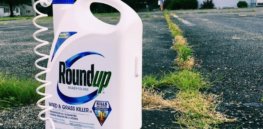
Viewpoint: Politics — not science — driving Canadian policy decisions over glyphosate and other agricultural tools
Ahead of a federal election call, three [Canadian] federal ministers called a halt to a process that would likely have ...

First global index of pollinator population changes: Habitat loss and land management are primary drivers, with pesticides last
The top three global causes of pollinator loss are habitat destruction, followed by land management – primarily the grazing, fertilizers ...
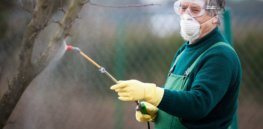
Does paraquat cause Parkinson’s disease? An academic review of reviews says ‘no’
To examine the extent to which a consensus exists in the scientific community regarding the relationship between exposure to paraquat ...

Study: Glyphosate residues in food are not only below legal limits, they are ‘well below the amount that can be ingested daily over a lifetime with a reasonable certainty of no harm’
Glyphosate is the active ingredient in Roundup® brand nonselective herbicides, and residue testing for food has been conducted as part of ...
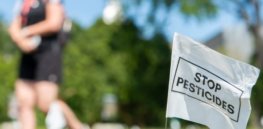
Montreal becomes first Canadian jurisdiction to ban glyphosate
Montreal will be the first municipality in North America to completely ban the sale of more than 100 pesticide products ...

Viewpoint: ‘The debate on glyphosate in Canada is populist, chaotic, political and simply unsettling’
Canadians had until July 20 to comment on the federal government’s proposal to increase the amount of glyphosate herbicide residue ...

California appeals court upholds $86 million dollar glyphosate cancer verdict
Bayer lost a third appeal against U.S. court verdicts that awarded damages to customers blaming their cancers on use of ...
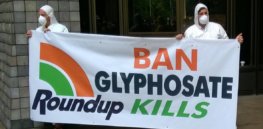
‘War on glyphosate’ and the unintended negative environmental consequences of the demonization of a safe and effective herbicide and its removal from the garden market
Across social media they celebrated. The electronic victory laps commemorated Bayer’s decision to remove the herbicide Roundup from the residential ...
Crop Chemophobia II: When activist journalists twist science in support of ideology
Attacking pesticides is sexy. Many activists, lawyers and journalists have made careers out of propagating a simple, compelling narrative about ...
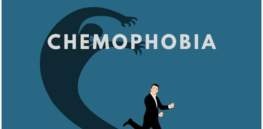
Crop chemophobia I: Pesticides are vital to organic and conventional agriculture — but they can be misused. Here’s how to distinguish between legitimate concerns and anti-science propaganda
It seems not a month goes by without an “investigative reporter” somewhere on the internet warning about the dangers of ...

Nature study finds growth and body composition of Zebra finches are ‘positively impacted’ by early life exposure to low doses of neonicotinoids
Neonicotinoids are insecticides widely used as seed treatments that appear to have multiple negative effects on birds at a diversity ...
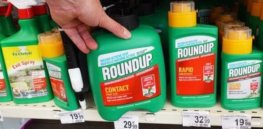
Facing 30,000 unresolved cancer claims, Bayer plans to pull glyphosate from US lawn and garden market by 2023
German drugs and chemicals giant [Bayer] has repeatedly failed to put the Roundup woes behind it. Bayer inherited the legal ...
Viewpoint: It’s time for a reassessment of the International Agency for Research on Cancer (IARC)’s role in sabotaging glyphosate, one of the world’s most popular — and safest — herbicides
As we’re in the midst of a reevaluation of whether the Virology Laboratory in Wuhan, China was the true source ...

‘What isn’t an endocrine disruptor?’ Silent Spring Institute claims hundreds of common chemicals cause breast cancer — but the science is lacking
A study by the Silent Spring Institute (1), with funding from the politically sympathetic National Institute of Environmental Health Sciences ...

Viewpoint: ‘Europe has abandoned science-based assessments’ — Kenya and the rest of Africa face economic devastation, mass starvation if they adopt proposal to ban all products banned in the EU
It is hard to remember any decision that posed harm to Kenya as much as the recommendation before Parliament that ...

Viewpoint: ‘Well intentioned’ Sri Lankan plan to embrace organic farming tainted by lack of science, damaging its economy, health, and food security
In Sri Lanka, world renowned for its tea production, an initiative to go all-organic — the textbook definition of a ...
Viewpoint: Warning to Sri Lanka — Tunnel vision embrace of an organic-only farming model sets country up for economic and environmental backwardness
An Open Letter to Sri Lankan President Gotabaya Rajapaksa: Your recent endeavor to ‘rush’ the country from conventional farming to ...

Viewpoint: ‘Glyphosate is socially dead’ — While every major government regulator in the world finds the herbicide safe, politicians have caved to activists, and farmers are the victims
The specialist authorities from France, Sweden, Hungary and the Netherlands have come to a clear conclusion when it comes to ...

GLP Podcast: ‘It’s banned in Europe’ fallacy, debunked; Conversation’s bad glyphosate article; Fighting pregnancy stress
If a pesticide is banned in Europe, does that make it dangerous? Nope. Typically an excellent source of science commentary, ...
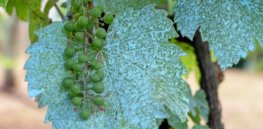
Organic pesticide copper sulfate—unlike glyphosate—is a carcinogen, kills beneficial insects, decimates soil, pollutes water. It also works. Here are political and science reasons why regulators give it a free pass
Europe is currently in a frenzy trying to drum up enough support to dramatically rollback approvals of targeted synthetic pesticides, ...
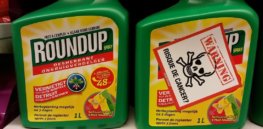
Viewpoint: How does the scientifically bankrupt claim glyphosate poses harm to humans remain popular? By dishonest ‘reporting,’ including from scientists who put ideology over evidence
The Conversation bills itself as a website designed to “Unlock the knowledge of researchers and academics to provide the public with ...
Viewpoint: This 11,000 page European Union report should end the debate over the ‘dangers’ posed by glyphosate weedkiller
Glyphosate is a weed killer widely used by the agricultural industry and also available for consumer use in products like ...
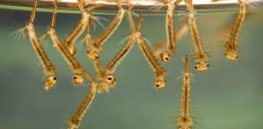
‘We create mosquito sex parties’: How an eco-friendly, AI-guided release of sterile mosquito females might control the scourge of disease-carrying insects
Jerusalem-based Diptera.ai has figured out a way to use AI to fight the growing threat of mosquitoes, which are spreading ...
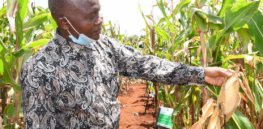
Kenya on track to commercialize GM maize by 2022 to increase yields, cut pesticide use
Whether it is ugali, a popular dish prepared from maize flour and often accompanied by meat, vegetables and pulses, or porridge, ...
GLP Podcast: ‘Lefty’ anti-GMO groups embrace lab-leak story; Organic nutrition myths; CRISPR treats crippling disease
Anti-GMO groups have hitched their wagons to the COVID lab-leak hypothesis to keep their flagging agenda alive. Organic produce is ...
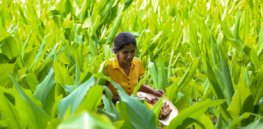
‘Uncertain and confused’: Sri Lankan farmers facing government’s ‘misguided’ ban on all synthetic chemicals fear sustainable farming will be unattainable
The [Sri Lankan Cabinet of Ministers recently] approved President Gotabaya Rajapaksa’s proposal to ban the importation of chemical fertilisers. In ...
