


Featured in Weekly Newsletter
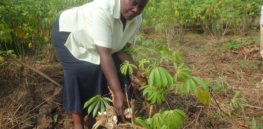
Ugandan farmers struggling with cassava viruses await GMO solution
Cassava is a major staple food for millions of people in the tropical regions of the world. In Uganda it ...

Viewpoint: North American scientists, IARC officials conspired to misrepresent glyphosate health risks
On March 20, 2015, the International Agency for Research on Cancer (IARC) announced that it had classified glyphosate, the active substance ...
Synthetic biology’s ‘promise and potential’ capture investor attention
Synthetic biology has become the new frontier of genetic engineering, promising to radically change the way we make clothes, fragrances, ...

Mapping everything we know about Parkinson’s
The possible causes of Parkinson's disease are incredibly varied. A new team of researchers is building a Parkinson's disease map ...

Viewpoint: Why organic farming activists oppose New Breeding Techniques (NBTs)
There was a brief moment in 2015 where organic farming researchers were having an open discussion on adopting certain innovative ...

Why we find ourselves at the limits of human lifespan
The 20th century was a period of unprecedented biological growth for our species. The average human lifespan increased from 31 years in ...
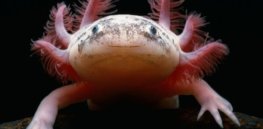
Earth’s weirdest and most exotic creatures: Research bonanza for genetics and science
From the axolotl’s regenerating limbs to naked mole rat cancer resistance, new sequencing is uncovering new possibilities ...
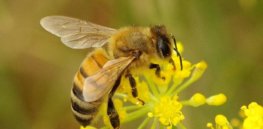
How scientists use meta-analysis to try to make sense of contradictory findings on neonicotinoids and bees
The EU has announced a near-total ban on three insecticides that we now know are harmful to bees and other pollinators. And yet for ...

Agricultural biotechnologies that improved safety, yields, food security in developing nations
This is the third in a three-part series making the case that the development of the biotech traits for insect ...

Kevin MacDonald responds to criticism of his theory of Jewish ethnocentrism and influence
Nathan Cofnas’s GLP article summarizes some of his points from his previous two comments on my work, and, although he ...

Genetic privacy and the case of the Golden State Killer—diving into the science
Consumer DNA testing companies are rushing to reassure customers about the security of their genetic information following news that DNA ...

Delving into the GMO traits that cut back pesticide impacts globally
This is the second in a three-part series making the case that the development of the biotech traits for insect ...

Let’s recognize Roundup Ready and Bt crops as major contributions to sustainable farming
This is the first in a three-part series making the case that the development of biotech traits for insect resistance ...
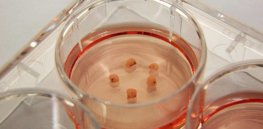
Boosting brain research by growing ‘mini-brains’ to model human disease
'Mini-brains' grown in petri dishes could offer new possibilities for studying disease ...

What we know about brain aneurysms like the one that struck MLB pitcher Danny Farquhar
Chicago White Sox relief pitcher Danny Farquhar, 31, suffered a brain hemorrhage in the White Sox dugout after throwing 15 ...
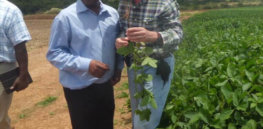
Ugandan legislator on why his nation needs to ‘wake up’ on GMOs
Robert Kafeero Sekitoleko is an engineer, legislator and chairperson of the Sectoral Committee on Science and Technology in Uganda’s Parliament ...
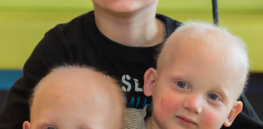
Protein therapy in the womb overrides genetic glitch hampering teeth development, ability to sweat
Imagine a fetus gulping in amniotic fluid and drinking a drug that restores the ability to form teeth, sweat glands ...

Tale of two families: Exome sequencing and faster diagnosis of rare disorders
Sailing from New York City to London a century ago took days; today the trip takes hours by air. Similarly, ...

Viewpoint: Examining the science denial behind IFOAM—Organics International
The true-believers in organic agriculture, such as the International Federation of Organic Agriculture Movements (IFOAM—Organics International), are as deluded as ...

Biohackers navigating a world of wonder and potential peril
A person doesn’t need a deep understanding of gene editing and CRISPR to realize we are in the midst of ...

Managed well, cattle feedlots can be the environmental and ethical smart choice
Although grass-fed is touted as the environmentally and ethically best choice for beef eaters, feedlots often outperform on both fronts ...
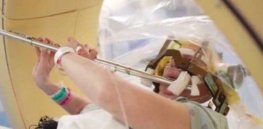
About the musician who played the flute — during her brain surgery
A professional musician suffering from career-affecting tremors underwent deep brain stimulation. This procedure can help Parkinson's patients, epileptics, and those ...
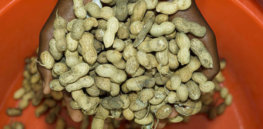
Public health breakthrough: US and Indian scientists work together on genetic solutions to food toxins
Genetically engineered peanuts that are immune to aflatoxin contamination, which is associated with an increased risk of liver cancer, would ...

Why does a drug work for you, but not for your sibling or friend? It’s in the genes
If you think you're not getting the same benefit from an over-the-counter medicine you've taken that others are getting, your ...

Transhumanism could push human evolution into hyperdrive. Should we embrace it?
Some people believe that we can enhance human life through embracing biotechnology and genetic engineering, but should we? ...

Nobel laureate Sir Richard Roberts: Uganda will remain trapped by food poverty if its leaders bow to anti-biotech activists
One of the main sources of nutrition for poor Ugandans, bananas, is on the verge of being wiped out by ...
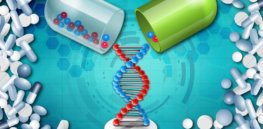
Fighting deadly adverse drug reactions through precision medicine
Lee Tan, a 41-year-old marketing professional and copywriter in Vancouver, Canada, was diagnosed with high blood pressure three years ago ...
