


Featured in Weekly Newsletter
Viewpoint: US EPA rebuffs activist lobbying, finds neonicotinoids not key driver of bee health problems
In The Neonic Ban: A Scientific Fraud Becomes Enshrined In EU Regulatory Law, I described the many elements of corruption that ...
If DNA can predict facial construction, how can we ever have genetic privacy?
DNA can now predict your facial structure. What does that mean for personal privacy? ...

Viewpoint: EU’s neonicotinoid ban is a ‘scientific fraud’ and won’t protect bees
Five years after the European Union imposed a temporary ban on neonicotinoid pesticides, an “experts committee” of the member states ...

Viewpoint: Questioning Nature’s publication of anti-glyphosate letter
On March 21, 2018, Nature published a letter by French journalists Stéphane Foucart and Stéphane Horel, “Risks associated with glyphosate ...

Using CRISPR to block production of HIV in infected cells
Contracting HIV is no longer the death sentence that it was in the 1980s and early 90s. The first cases ...

What’s in the CRISPR drawer for farming and food?
Most of us have heard of the gene edited non-browning mushroom that passed through USDA review without the regulatory hurdles ...

Talking Biotech: Mexico’s complicated relationship with GMO corn
Mexico is the center of origin for maize, and there is a substantial interest in protecting the genetic integrity of ...
Viewpoint: Why we aren’t yet on the verge of a preemie prediction test
Earlier this month, I saw an interesting juxtaposition of newly-published papers making headlines. One was about predicting breast cancer recurrence ...
Why glyphosate and herbicide-tolerant GMO seeds aren’t threats to bees
Glyphosate is a herbicide, in other words, it is toxic to plants. Its target enzyme is not found in insects ...

Can we eat our way to better sleep? Why probiotics might help
Our gut microbiome controls much more than we know - it even helps regulate the sleep cycle. Stressed medical students ...

Viewpoint: Expansion of BRCA screening creates need to know more about breast cancer, treatments
Consumer DNA tests can now check for breast-cancer-causing BRCA mutations, however, cancer risk is highly misunderstood ...

Wheat and celiac disease: Modern breeding not to blame for gluten—but gene editing could help
New research shows that the immune-reactive agents of modern wheat have been around a long time, and are not necessarily ...

Will Gene Editing and Other New Breeding Techniques Provide a ‘Second Chance’ for Worldwide Embrace of Genetically Engineered Crops?
Jon Entine, Executive Director of the Genetic Literacy Project | June 13, 2018Highlights: Anti-GMO activists, aided by Russian propaganda, have ...

We need transplantable organs. How far should we go to get them?
Human organs are vital to saving human lives, but how far should we go to create them? ...

How dreams may help us declutter our brains and solve problems
Do you remember your dreams from last night? In how much detail? Were they related to anything you experienced during ...

Anti-GMO groups draw FDA rebuke over misrepresentation of Golden Rice nutrition
Finally, the FDA weighed in on Golden Rice, with its May 24 announcement approving it for use in the United ...
How do you know ‘pseudoscience’ when you see it?
Ontario Correactology Health Care Centres offer 'natural' ways to manage pain, but they're not scientifically proven ...

The future of meat: Can science replace animals?
All economic activities related to research, development, production, trade and consumption of plants, animals and all other living things are ...

Looking for a memory boost? Forget crossword puzzles and get more sleep
People try numerous methods to stave off the memory decline associated with old age, but how many of them actually ...
Who should pay for million-dollar life-saving gene therapies?
While life-changing and life-saving gene therapies are going on the market, they have price tags that many cannot pay for ...
Viewpoint: The faulty logic behind popular anti-GMO meme ‘it just feels right’
I don’t know about you, but I have never liked the sound the letters TO, TWO, and TOO makes. Maybe ...

Viewpoint: French media’s ‘fake news’ on glyphosate herbicide endangers science in Europe
In Europe, technical matters which should be science-based, such as the authorization of marketing for chemicals or genetically engineered plants, ...

Does language change the way our brains see the world?
Picture a sunlit Grecian sea or the deep hues of Santorini’s rooftops. They’re both called “blue” in English. But to ...
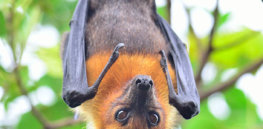
Can the Egyptian fruit bat’s unusual genome show us how to fight deadly Marburg virus?
The Egyptian fruit bat's immune system enables it to peacefully co-exist with Marburg virus, which can cause a swiftly deadly ...

Genetics of socialization revealed through study of rare Williams Syndrome
One of the things that makes us human is how we socialize with one another. What drives our social behavior ...

Diagnosing infectious diseases like Zika or Dengue at home with a CRISPR kit
CRISPR-based home test can immediately detect disease DNA through blood or saliva ...

Developing vaccines that train our innate immune system to be stronger
It's possible to train our immune system to more accurately attack antigens ...
