


Featured in Weekly Newsletter
Why we don’t all need to be vegans in the pursuit of sustainability
Humans are unique in the degree to which they can manipulate their surroundings. And agriculture is one enormous way to ...

Viewpoint: We should just retire the whole ‘feed the world’ thing when it comes to promoting GMOs
How often do we hear something along the lines of "We won't be able to feed 10 billion people by ...

Gender, sex and identity: Sports’ ruling bodies struggle to draw lines to ensure fairness for all
The case of Caster Semenya is as fascinating as it is multi-faceted. And while the debate can be endless due ...

Alternate facts: Why are we still telling women that abortion causes breast cancer?
On June 26th, the Supreme Court ruled in favor of crisis pregnancy centers that were challenging a California law, the Reproductive ...

Déjà vu all over again: Germany’s ‘regulatory stranglehold’ on New Breeding Techniques mirrors its policy on GMOs 20 years ago
Biotechnology applied to agriculture is beginning to yield all manner of products, including fruits and vegetables that are disease-resistant, more ...

Viewpoint: ‘Worrisome conflicts’ created by lack of diversity in biotech research funding
You exit a cramped, hazy subway car with a throng of professionals. As you emerge blinking into Kendall Square in ...

‘Clean meat’: How lab-grown foods can feed us in the future
For long enough, I have been fascinated with the idea of growing stuff in the lab whether it’s milk, egg ...

How to change consumer perception of crop biotechnology and GMO foods
Genetically modified (GM) foods for human consumption have long been a subject of intense public debate, as well as academic ...
Is the key to treating or preventing autism hiding in the gut microbiome?
Studies have connected the brain and the microbiome through what’s becoming known as the “gut-brain-axis.” The mystery of our microbiota ...

This virus is attracted to cancer cells. Will it give us new treatments?
Historically, bacteria, parasites, and viruses have been considered dangerous because they spread infectious diseases. But scientists have started to try ...

Will Africa embrace CRISPR gene editing and the next phase of the biotech revolution?
Scientists around the world are increasingly turning to the promise of CRISPR gene editing to tackle any number of problems ...
Kenyan Farmer: On Cusp of a Biotech Revolution, Africa Faces Resistance from Europe and Anti-GMO Activists
Gilbert arap Bor, Small-Scale Farmer in Kenya, University Lecturer, Kleckner Award Winner | July 11, 2018Highlights: Kenya and much of ...
Resurrecting the northern white rhino and other lost species. But at what cost?
Time has been called on the northern white rhinoceros, but this call is already being challenged. When the last male ...

Ultimate hangover cure? Could the solution be found in a pill?
Nanocapsules containing a substance that can efficiently break down alcohol quickly could prevent alcohol poisoning, and could work as a ...

Viewpoint: Scott Pruitt gone from EPA because of ethical transgressions but regulatory reform of ‘rogue agency’ might be his lasting legacy
Scott Pruitt, who lost his job as head of the Environmental Protection Agency last week after a flood of complaints ...

Viewpoint: Anti-GMO activists crave a return to ‘simpler times’ in farming. Here’s why that would be disastrous.
The appeal of simpler times, as imagined by wealthy white guys ...

When antidepressants fail: Are we looking at a new kind of depression?
Depression is one of the most frequently diagnosed mental illnesses, with an estimated 15 percent of the global adult population ...

Here’s what happened when a promising clinical trial for depression was halted
Many clinical trials never actually go to completion, however the preliminary results may be promising. What can we get out ...

Viewpoint: Neonicotinoid use on field crops should be reined in
Planting season for corn and soybeans across the U.S. corn belt is drawing to a close. As they plant, farmers are participating ...

Viewpoint: Here’s why organic farming needs GMOs
“Civilization has been built on genetically modified plants.” — Nina V. Fedoroff, Mendel in the Kitchen: A Scientists View of Genetically ...

Why daycare really might not be dangerous to your child’s health
Being around the large number of germs in daycare may actually improve your child's immune system. And we are now ...
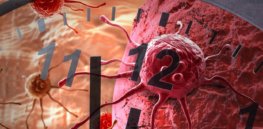
How to ruin cancer’s day
This article originally appeared at Knowable Magazine and has been republished here with permission. Chi Van Dang generally declines to ...

‘Environmental progress without organic’: Rachel Carson’s testy relationship with the organic food and farming movement
Rachel Carson, who launched the modern environmental movement with her 1962 book “Silent Spring,” was a highly private person. But ...

Using evolution to break barriers in an ‘increasingly polarized, politicized world’
Rick Potts is no atheist-evolutionist-Darwinist. That often comes as a surprise to the faith communities he works with as head ...

Battling constipation with synthetic biology and DNA manipulation
Ateam of researchers has cleverly combined synthetic biology, recombinant DNA technology and microbiome manipulation to fashion a novel targeted treatment ...

Chasing the genetic origins of ‘burning man syndrome’
Imagine a scorching pain in your hand or foot, as if from a hot coal. Imagine just a light touch ...
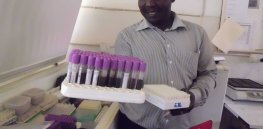
Searching for biotech solutions to problems plaguing livestock in Africa
In Africa, scientific research involving biotechnology innovations in agriculture has largely focused on finding ways to produce better crops. But, ...
