


Food & Ag Features
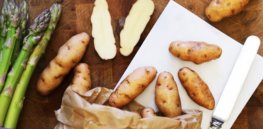
Viewpoint: Busting nutrition myths—Why you don’t have to cut potatoes out of your diet
“Stop cutting out white potatoes – they're as healthy as sweet ones, dietitians say,” a recent headline in Insider urges us ...

Podcast: Homeopathic ‘drug’ passes peer review; EU: GMO crops bad, GMO medicine good; Wine industry wants CRISPR
Research validating a homeopathic 'drug' for erectile function was published in a peer-reviewed science journal. Europe's Green Party opposes genetic ...
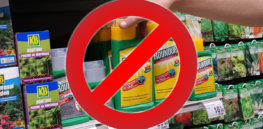
Viewpoint: Mexico’s activist government pushes glyphosate ban that threatens food security and farmer welfare
Biotech giant Bayer is currently in the fight of its life against more than 100,000 lawsuits alleging its flagship weedkiller ...

Viewpoint: Calling gene-edited crops ‘natural’ won’t dispel public skepticism. Here’s a better way to build trust in CRISPR
What determines whether a genetically modified vegetable or fruit is natural? ...
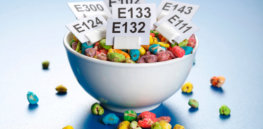
Viewpoint: Are synthetic food additives dangerous? Here’s the science anti-chemical activists ignore
Always take chemical advice from EWG with a grain of (inorganic) salt ...

Podcast: Doctors have to think about sex; AI text generators spread ‘fake news’? Coffee can indeed make you poop
An ER physician says doctors have to consider biological sex to properly care for their patients. Coffee can send some ...
Viewpoint: How biotech crops, lab-grown meat and other food innovations could jump start post-COVID economic recovery
COVID-19 threatens to slow or halt agricultural innovation in the US by exacerbating the decline in public R&D and threatening ...
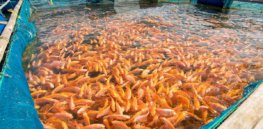
Viewpoint: Fish farming has a sustainability problem and genetic engineering might be the solution
As the world endures the impacts of a rapidly changing climate—sea level rise, extreme weather events, warming and acidifying oceans ...
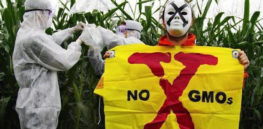
Viewpoint: Activist opposition to GMOs fueled by an ‘extremist’ vision of nature
We would like to take the opportunity on #Worldenvironmentday to come back to a problem we have been thinking about ...
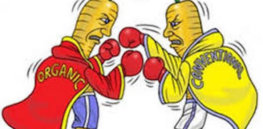
Viewpoint: Organic food represents a ‘reactionary’ ideology that doesn’t support health or sustainable farming—and should not be subsidized
The health and environmental benefits claimed by organic agriculture are based on shaky scientific foundations ...
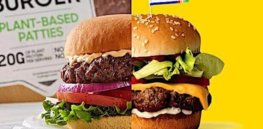
Viewpoint: Plant-based meats promote veganism in ways animal rights activists never could
Author and animal-rights activist Jonathan Safran Foer [author of the book Eating Animals] recently argued in a New York Times ...
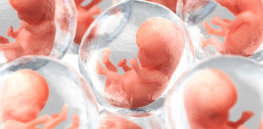
Podcast: Beepocalypse debunked; Ban CRISPR babies? Anti-science views slow COVID-19 herd immunity
Some experts are calling for a ban on embryo gene editing after a "disaster" experiment resulted in potentially dangerous and ...
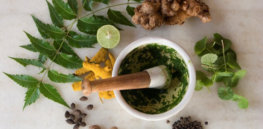
Viewpoint: Anti-GMO groups push ‘natural’ COVID cures, deny pandemic-fighting biotech solutions
One of the primary arguments hurled at proponents of genetic engineering is that the crops, medicines and vaccines produced using ...

Viewpoint: Without modern, industrial farming, pandemic would have claimed many more lives
In November of 2019 The Atlantic asked "experts" what they would change if they could go back in time. The ...

Viewpoint: Conservation isn’t enough. We need technology to blunt the impacts of climate change
We need direct, technology-driven intervention for conservation ...

Podcast: Bayer’s $10.9 billion glyphosate settlement a mistake? Vaccines from mosquito spit; CRISPR cures sickle cell disease?
Chemical giant Bayer just settled roughly 95,000 lawsuits alleging its Roundup weedkiller causes cancer. Has the company given its anti-GMO ...
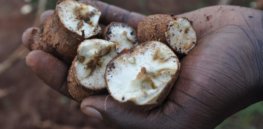
Facing disease crisis, Ugandan farmers say they’ll illegally grow GMO cassava to feed their families, increase yields
Cassava is one of the most important food crops in the Africa, a primary component of the rural economy. It ...
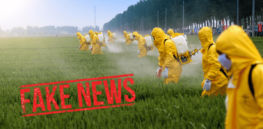
Viewpoint: Irrational pesticide fears discourage produce consumption and increase cancer risk
Fostering fear doesn't help us eat healthier ...

Podcast: Lab-grown livers coming soon? Regenerative farming won’t stop climate change; COVID halts gene-therapy studies
Scientists have grown tiny human livers from skin cells and transplanted them into rats, moving us closer to saving thousands ...

Bad food choices make us fat and sick. Understanding our brains can help us make healthier decisions
Tired brains make bad food choices ...

Biotechnology forestry revival projects now include elms along with American chestnuts
There was a time when the stately elm was a symbol of American and European small-town prosperity and pride. It ...

Viewpoint: GMO skeptics abuse UN Biodiversity Conference to promote anti-biotech agenda
Countless people continue to suffer and die needlessly as a result of the arbitrary and unscientific restrictions forged at the ...

Viewpoint: How organic farming exploits consumer demand for ‘authenticity’
Seeking 'authenticity' is fine -- unless it deprives you of something beneficial ...

Podcast: WHO was wrong about COVID; Pandemics make women cheat? Rampant fraud threatens organic farming
Infectious disease experts have blasted the World Health Organization for telling the public that asymptomatic patients rarely spread COVID-19. Pandemics ...
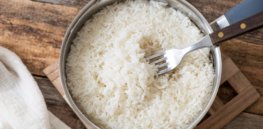
How GMO, gene-edited crops can keep cancer-causing heavy metals out of staple foods
One of the most pressing issues in public health is the presence of toxic elements in food, which potentially risk ...

Viewpoint: Why the world needs GMOs—4 farmers make the case for biotech crops
The lopsided conversation between experienced farmers and clueless activists has severe consequences ...

USDA relaxed its GMO, gene-edited crop rules—but not enough to foster biotech innovation
USDA's SECURE rule fails to move beyond process-based regulation ...
