


Food & Ag Features

In effort to block Philippines’ GMO Golden Rice, activists falsely link nutrition-enhanced staple to COVID
Anti-biotech groups in the Philippines are trying to link the COVID-19 pandemic to Golden Rice as part of a week-long ...

Viewpoint: How to constructively engage on social media with those who post anti-GMO and anti-vax conspiracies
The other day, a tantalizing question appeared in my Twitter feed: “If you were writing a book about 2020, what ...

Podcast: How 1970s fat-free fad launched organic, non-GMO and other ‘absurd’ labeling schemes
Go walk the aisles of your local grocery store and see how many products are being marketed for what they ...

Viewpoint: Crop biotech innovation isn’t enough to shut down the anti-GMO propaganda machine
Scientists need to promote and defend the relevance of their science, even after it has left their lab ...

Video: Debating Europe’s pro-organic Farm to Fork Green Deal—Sustainable agriculture or recipe for disaster?
One of the unpleasant lessons of the COVID pandemic is how little prepared we’ve been for an event that was, ...
Viewpoint: Red meat increases cancer risk? Maybe, but staying healthy isn’t as simple as avoiding steak
Summer is a great time to grill steaks and hamburgers…they were definitely featured in our Fourth of July BBQ! We ...

Sustainable farming advances: Global movement to ban pesticides and GMOs spur next-generation biotech pest controls
Their target remains GMOs—a range of agricultural products made with modern techniques of genetic engineering, from eggplant grown mostly in ...
Viewpoint: Fast-growing GMO salmon poised to hit US stores in 2020, but why did it take 30 years?
In a few months, the first transgenic (GMO) salmon will be sold in the US, produced in an AquaBounty farms ...
Viewpoint: Pesticides on produce aren’t dangerous. Ignore the ‘Dirty Dozen’ and eat more fruits and veggies
A uniquely frightening time like this provides a great moment for us all to do what’s best for neighbors, employees, ...

Viewpoint: Busting nutrition myths—Why you don’t have to cut potatoes out of your diet
“Stop cutting out white potatoes – they're as healthy as sweet ones, dietitians say,” a recent headline in Insider urges us ...

Podcast: Homeopathic ‘drug’ passes peer review; EU: GMO crops bad, GMO medicine good; Wine industry wants CRISPR
Research validating a homeopathic 'drug' for erectile function was published in a peer-reviewed science journal. Europe's Green Party opposes genetic ...
Viewpoint: Mexico’s activist government pushes glyphosate ban that threatens food security and farmer welfare
Biotech giant Bayer is currently in the fight of its life against more than 100,000 lawsuits alleging its flagship weedkiller ...

Viewpoint: Calling gene-edited crops ‘natural’ won’t dispel public skepticism. Here’s a better way to build trust in CRISPR
What determines whether a genetically modified vegetable or fruit is natural? ...
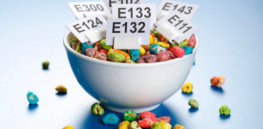
Viewpoint: Are synthetic food additives dangerous? Here’s the science anti-chemical activists ignore
Always take chemical advice from EWG with a grain of (inorganic) salt ...

Podcast: Doctors have to think about sex; AI text generators spread ‘fake news’? Coffee can indeed make you poop
An ER physician says doctors have to consider biological sex to properly care for their patients. Coffee can send some ...

Viewpoint: How biotech crops, lab-grown meat and other food innovations could jump start post-COVID economic recovery
COVID-19 threatens to slow or halt agricultural innovation in the US by exacerbating the decline in public R&D and threatening ...

Viewpoint: Fish farming has a sustainability problem and genetic engineering might be the solution
As the world endures the impacts of a rapidly changing climate—sea level rise, extreme weather events, warming and acidifying oceans ...
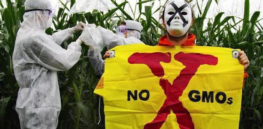
Viewpoint: Activist opposition to GMOs fueled by an ‘extremist’ vision of nature
We would like to take the opportunity on #Worldenvironmentday to come back to a problem we have been thinking about ...

Viewpoint: Organic food represents a ‘reactionary’ ideology that doesn’t support health or sustainable farming—and should not be subsidized
The health and environmental benefits claimed by organic agriculture are based on shaky scientific foundations ...

Viewpoint: Plant-based meats promote veganism in ways animal rights activists never could
Author and animal-rights activist Jonathan Safran Foer [author of the book Eating Animals] recently argued in a New York Times ...

Podcast: Beepocalypse debunked; Ban CRISPR babies? Anti-science views slow COVID-19 herd immunity
Some experts are calling for a ban on embryo gene editing after a "disaster" experiment resulted in potentially dangerous and ...

Viewpoint: Anti-GMO groups push ‘natural’ COVID cures, deny pandemic-fighting biotech solutions
One of the primary arguments hurled at proponents of genetic engineering is that the crops, medicines and vaccines produced using ...

Viewpoint: Without modern, industrial farming, pandemic would have claimed many more lives
In November of 2019 The Atlantic asked "experts" what they would change if they could go back in time. The ...

Viewpoint: Conservation isn’t enough. We need technology to blunt the impacts of climate change
We need direct, technology-driven intervention for conservation ...

Podcast: Bayer’s $10.9 billion glyphosate settlement a mistake? Vaccines from mosquito spit; CRISPR cures sickle cell disease?
Chemical giant Bayer just settled roughly 95,000 lawsuits alleging its Roundup weedkiller causes cancer. Has the company given its anti-GMO ...
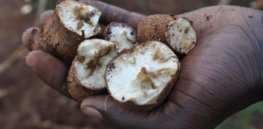
Facing disease crisis, Ugandan farmers say they’ll illegally grow GMO cassava to feed their families, increase yields
Cassava is one of the most important food crops in the Africa, a primary component of the rural economy. It ...
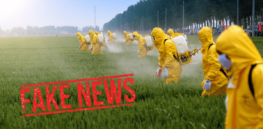
Viewpoint: Irrational pesticide fears discourage produce consumption and increase cancer risk
Fostering fear doesn't help us eat healthier ...
