Viewpoint: FDA should crack down on food safety misinformation

SG How Do I Protect My Family From Foodborne Illnesses RM x

[Editor’s note: Val Giddings is a senior fellow at the Information Technology and Innovation Foundation. The following is part of a letter to the FDA’s Center for Food Safety and Applied Nutrition.]

Consumers need to understand that the dominant narrative about food & feed safety in the online space has been distorted and corrupted by special interests using fear to increase the market share for their favored products despite the lack of any genuine superiority or nutritional, safety, or sustainability value added. FDA must help the public understand that today’s food supply is the most abundant, safest, and least expensive in the history of humanity, and that food additives and processing have been huge positive contributors. Foods claimed to be nutritionally or environmentally superior or safer because they are “natural” or produced through organic methods are not.

FDA needs to communicate clearly and unambiguously to the public that so-called “genetically modified” foods represent an arbitrary category without scientific justification. FDA also needs to communicate that science-based risk assessment, data, and vast experience, consistently around the world, confirms that foods and feed described as “GM” or “GMO” are at least as safe as any other foods, and in some cases safer than the alternatives; and that parties who claim otherwise have no basis for such claims.

FDA needs to crack down on false and misleading food labels, including misleading “natural” claims as well as the intrinsically misleading NonGMO project, specious claims of organic food superiority, and other deceptive misrepresentations.

The GLP aggregated and excerpted this article to reflect the diversity of news, opinion and analysis. Read full, original post: Comments to the FDA on proposed GMO Education Plan

Can gene tweaking lower our cholesterol? Using CRISPR and nanotechnology in mice

cholesterol

U.S. researchers have used nanotechnology plus the powerful CRISPR-Cas9 gene editing tool to turn off a key cholesterol-related gene in mouse liver cells, an advance that could lead to new ways to correct genes that cause high cholesterol and other liver diseases.

“We’ve shown you can make a nanoparticle that can be used to permanently and specifically edit the DNA in the liver of an adult animal,” said study author Daniel Anderson, an associate professor in chemical engineering at the Massachusetts Institute of Technology.

The study, published on Monday in Nature Biotechnology, holds promise for permanently editing genes such as PCSK9, a cholesterol-regulating gene that is already the target of two drugs made by the biotechnology companies Regeneron Pharmaceuticals and Amgen.

In tests targeting the PCSK9 gene, the system proved highly effective, eliminating the gene in more than 80 percent of liver cells. The PCSK9 protein made by this gene was undetectable in the treated mice, which also experienced a 35 percent drop in total cholesterol, the researchers reported.

”If you can reprogram the DNA of your liver while you’re still using it, we think there are many diseases that could be addressed,” Anderson said.

The GLP aggregated and excerpted this blog/article to reflect the diversity of news, opinion, and analysis. Read full, original post: Nanotech, gene editing used to edit cholesterol gene: U.S. study

How tracing the evolutionary family tree of all female lab mice will help improve medical research

TI diabetic mice main e

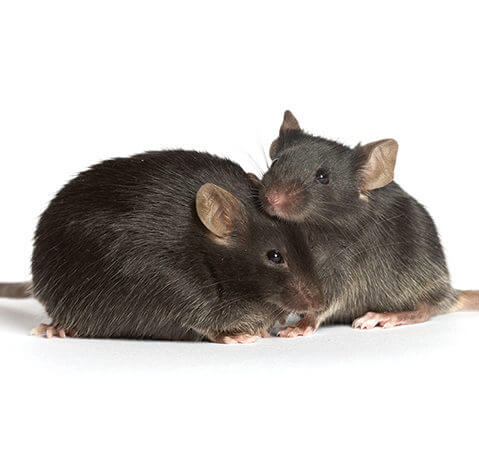
Adam and Eve, a pair of black mice, lived for less than two years and never left their home at the Jackson Laboratory (JAX) in Bar Harbor, Maine. But since they were bred in 2005, their progeny have spread around the globe: the pair’s living descendants, which likely number in the hundreds of thousands. They are members of the most popular strain of mice used in biomedical research, which was created nearly a century ago.

Now, researchers at JAX are reconstructing Eve’s genome in the hopes of better understanding — and compensating for — the natural mutations that occur in lab mice over the course of generations. These genetic changes can cause unanticipated physiological effects that can confound experiments. Related substrains of lab mice can differ in their taste for alcohol or their sensitivity to insulin, for example, and researchers suspect that such differences between supposedly identical mice lines have hampered some areas of research.

It is impossible to quantify how often experiments or entire research programmes are wasted when researchers realize that their supposedly identical mice have genetically diverged from the ancestor they bought from a vendor, but [Cory Brayton, a pathobiologist at Johns Hopkins University in Baltimore, Maryland] suspects it is common.

The GLP aggregated and excerpted this blog/article to reflect the diversity of news, opinion, and analysis. Read full, original post: Lab mice’s ancestral ‘Eve’ gets her genome sequenced

Viewpoint: Genetic engineering’s benefits extend far beyond GMO crops and controversy

Front image

A particular application of biotechnology, genetically-engineered crops, has dominated public debate of late. But often forgotten in the fiery fray is that biotechnology shows promise far beyond the farm. In fact, scientists are using the same gene editing tools in agriculture to solve a variety of serious problems that affect people all over the world. Let’s look at two examples that could convince those afraid of biotechnology to embrace it instead.

Treating cancer with molecular medicine

Cancer is a truly evil disease. It kills millions of people every year and is notoriously difficult to treat. This is in part because many cancers have evolved resistance to chemotherapy drugs that are otherwise effective treatments. In small cell lung carcinoma, for instance, cancer cells are equipped with a pump that allows them to eject drugs that would typically bind to the cells and kill them, making the disease effectively untreatable.

medicine xThis is where biotechnology steps in. Thanks to genome sequencing, scientists know which gene is ultimately responsible for this pump on cancer cells. Using a mechanism called RNA interference (RNAi), cancer researchers are able to silence (turn off) this pump gene and thus make the cancer cells sensitive to chemotherapy again. This innovation is in its infancy, but RNAi is helping experts develop more targeted cancer drug therapies, and there are dozens of clinical trials in progress to test RNAi-based cancer treatments.

RNAi, you may recall, can also be used by geneticists to control diseases that destroy wheat crops. If you can treat someone’s cancer with the same technology, perhaps you can also convince them that their breakfast cereal containing genetically modified crops isn’t as harmful as they thought.

Eliminating landmines with transgenic plants

Landmines leftover from past wars have killed thousands of people in developing nations around the world. These landmines also pollute the local environment and can kill organisms living in or near the soil where they are buried. The traditional method of detecting unwanted mines is to use a long stick, but this isn’t exactly optimal.

Genetic engineering is leading to a safer method of mine detection, thankfully. There are bacteria capable of metabolizing the explosives, usually TNT, in landmines. There are also fish that glow green when exposed to UV light. Once scientists discovered that they could move genes between species, several creative research teams took the green fluorescence gene from jellyfish and added it to the genomes of these TNT-munching bacteria. These experiments produced different strains of bacteria that, when sprayed on the soil, could detect TNT and other explosives in the mines buried under the surface. The researchers were then able to remotely detect the landmines because the bacteria glowed green when exposed to UV light.

land mineThese bacterial biosensors, as they’re called, are imperfect solutions. Getting them out of the soil once they’ve done their job poses an interesting challenge. So, scientists have also developed transgenic plants with the same capability that are easier to remove. These plants contain a gene that enables green (or red) fluorescence and a bacterial gene promoter that tells the plant when TNT is nearby. When the plant’s roots take up TNT, its leaves also glow when exposed to UV light.

The technology has to be developed cautiously because there are a lot of variables in play. Nonetheless, landmine-detecting plants and bacteria provide another example of how genetic engineering could improve (or save) the lives of thousands of people.

Conclusion

There will always be opposition to scientific advancement, sadly. But instead of simply playing defense, scientists should showcase the many areas of life improved by biotechnology. If they do, the debate will shift. On one side, we’ll have scientists who produce new medicines, safer food, and bomb-detecting plants. On the other side, we’ll have activists who just complain about all these innovations. I know which side I find more convincing.

Ecuador activist group plans nationwide strike to protest country’s loosening of GMO restrictions

n x

Burning soy seeds lit up the city streets of Guayaquil, Ecuador, last May as dozens of farmers, activists and indigenous people protested a controversial decision allowing research with genetically altered, or transgenic, plants. Since then, demonstrators have marched in different cities across the country including the capital, Quito. And scientists, both anti- and pro-GMO, are unhappy with the ruling as well.

Now, the Federation of Peasant Organizations of the Littoral (FECAOL), the association organizing the protests, says it’s planning a nation-wide strike, possibly as soon as December 20.

Nearly a decade earlier, in 2008, the government of former president Rafael Correa rewrote Ecuador’s constitution. The new document adopted article 401, which defines the country as a transgenic-free territory, after an intense lobbying by environmental and left-wing groups.

On May 19, 2017, just five days before his term ended, Correa modified a so-called ‘seed law’ to authorize the experimental use of transgenic seeds and plants.

The decision, approved in June by the National Assembly, inspired a fiery reaction from the populace.

The GLP aggregated and excerpted this article to reflect the diversity of news, opinion and analysis. Read full, original post: Changes in Ecuador’s ‘seed law’ angers and frustrates scientists

Designer fruit is the future: Genetic engineering adds ‘tangible benefits’ for consumers

img e

Consumers have shown a great deal of resistance to GMO food over the years, but the Golden Arctic apple, which will soon be available to Midwestern shoppers in the US, is the first GMO product to hit the market that actually adds tangible value for the consumer. Rather offering benefits to farmers (being resistant to an herbicide) or to chemical companies (that sell herbicide), Golden Arctic apples offer a powerful lure to customers: They simply don’t brown.

Golden Arctics are a Golden Delicious apple that has been modified to get rid of the enzyme that causes browning in apples, and the main appeal seems to lie with lunchbox crowd—busy parents for whom sweet, pre-sliced apples offer welcome convenience.

This apple will be a real bellwether in the GMO debate. Suspicion of GMO corn and soy abounds, but then again, so do GMO corn- and soy-derived ingredients in everything from Nature Valley Granola Bars to Doritos. With the Cavendish banana facing a slow but steady march toward extinction in the face of banana wilt, the question of whether shoppers are willing to buy GMO fruit may determine what’s in our fruit bowls at all in 20 years.

The GLP aggregated and excerpted this article to reflect the diversity of news, opinion and analysis. Read full, original post: This autumn’s apples mark the beginning of the designer fruit era

Podcast: Gene editing could make farm animals happier and healthier

cows ca

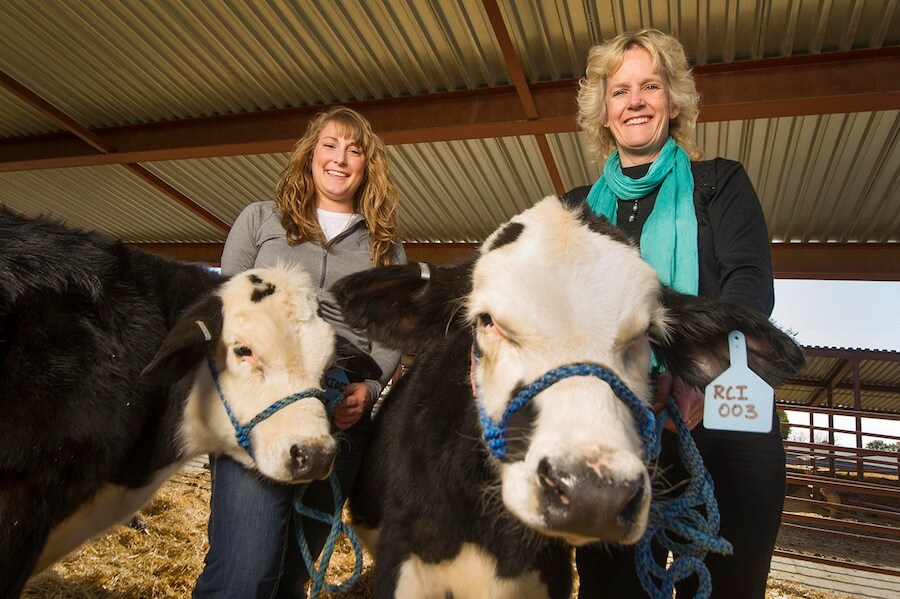
Just one genetically modified animal has been approved for human consumption anywhere in the world. A fast growing species of salmon. It took more than 20 years of jumping through regulatory hoops to land on menus in Canada, and soon the US.

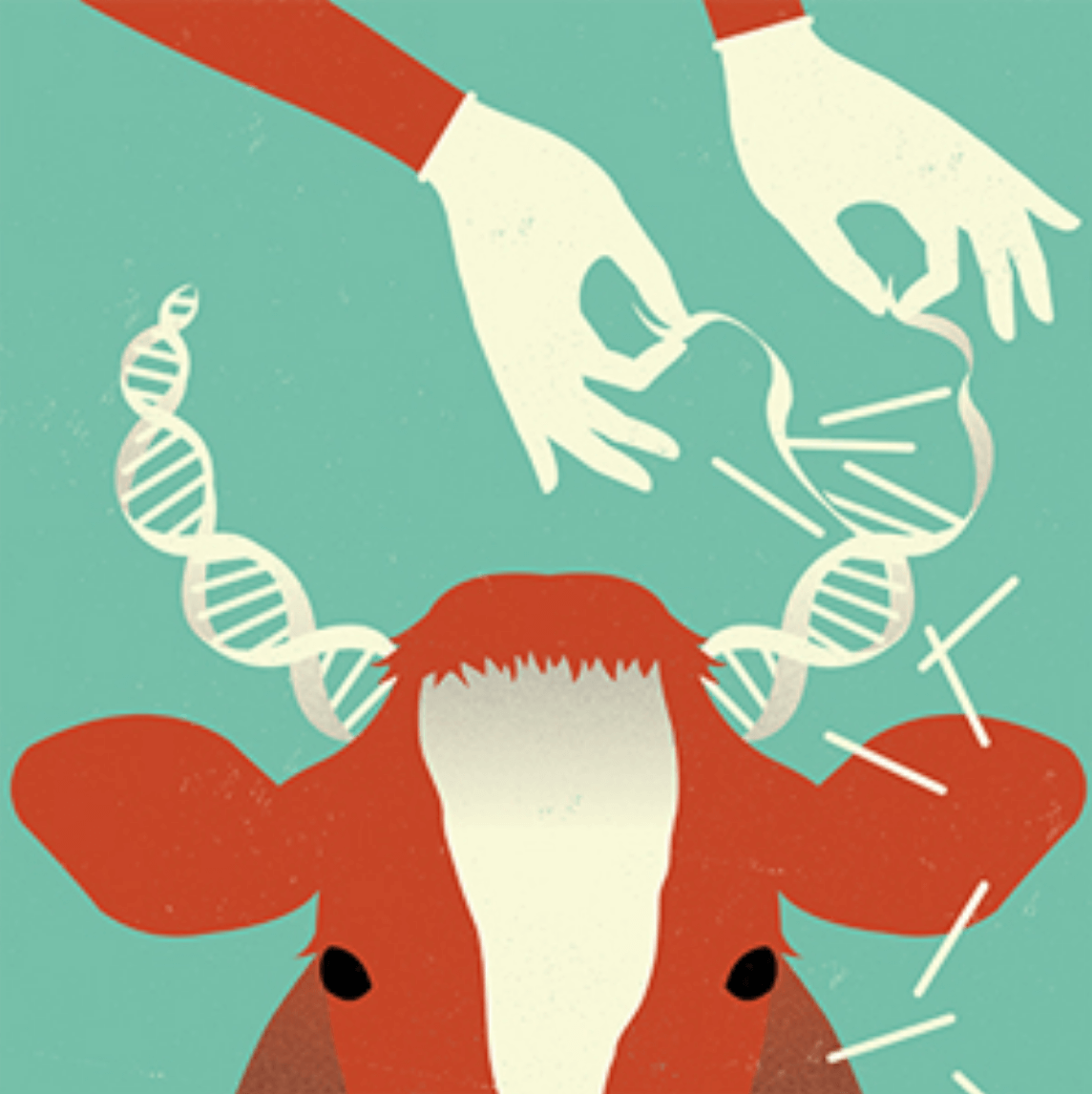
From hornless cows to sexing chickens – could new gene editing techniques improve the welfare of animals eaten for food?

Will they pass the taste test with consumers? And how should they be regulated?


Guests:

Tony Biffin
Dairy Farmer, Biffins’ Dairy
NSW Australia

Heather Bray
Senior Research Associate
Department of History, School of Humanities
University of Adelaide

Alison Van Eenannaam
Animal scientist and biotechnologist
University of California Davis

Mark Tizard
Senior Scientist in genome engineering
Australian Animal Health laboratory
Geelong, CSIRO

The GLP aggregated and excerpted this article to reflect the diversity of news, opinion and analysis. Read full, original post: Making happier animals? Gene editing on the farmyard

What makes a female? How XX embryos destroy male reproductive tissue

embryo

A protein called COUP-TFII is necessary to eliminate male reproductive tissue from female mouse embryos, researchers report in the Aug. 18 Science. For decades, females have been considered the “default” sex in mammals. The new research overturns that idea, showing that making female reproductive organs is an active process that involves dismantling a primitive male tissue called the Wolffian duct.

In males, the Wolffian duct develops into the parts needed to ejaculate sperm, including the epididymis, vas deferens and seminal vesicles. In females, a similar embryonic tissue called the Müllerian duct develops into the fallopian tubes, uterus and vagina. Both duct tissues are present in early embryos.

To the team’s surprise, the Wolffian duct remained in the female mice along with the female Müllerian duct. That shouldn’t happen, according to the textbooks. “We were just scratching our heads,” [researcher Humphrey] Yao says.

COUP-TFII appears to be the foreman of a biochemical wrecking crew that demolishes the Wolffian duct in females.

While the study used mice, COUP-TFII probably works the same way in other mammals, including humans, [biologist Patricia] Donahoe says. Females rarely still carry Wolffian duct remnants, sometimes leading to tumors. The opposite sometimes happens, too, resulting in males with female reproductive organs.

The GLP aggregated and excerpted this blog/article to reflect the diversity of news, opinion, and analysis. Read full, original post: Embryos kill off male tissue to become female

Viewpoint: Ethical arguments against gene-edited embryos will crumble as technology advances

rsz baby e

[Editor’s note: Michael White is a genetics professor at Washington University in St. Louis.]

[S]cientists have developed an easy way to edit the DNA of human embryos. For a long time, such experiments were, as one recent overview put it, “a no-fly zone among molecular biologists,” prohibited by scientific societies, university policies, and government regulations.

[W]ithin a few years, gene editing technology will become safe enough for doctors to correct a mutation for cystic fibrosis or Huntington’s disease in a human embryo, and from that embryo produce a healthy child who won’t have to worry about passing on a devastating disease to her children.

By that point, advances in the technology will have almost certainly outpaced any ethical debate over how to use it. Questions about what kinds of genetic edits should be allowed, whether it’s even right to make a genetically modified child who had no say in the matter, and who gets access to this technology will give in to the relentless pressure of technological progress.

[A]s with genetic engineering, it’s become too late to ask whether or not we should edit the human germline; we can now only ask how the experiments will proceed.

The GLP aggregated and excerpted this blog/article to reflect the diversity of news, opinion, and analysis. Read full, original post: As technology gets better, ethical prohibitions on genetically modifying human embryos are getting weaker

USDA expects quick approval for genetically engineered virus to combat citrus greening disease in Florida

Screen Shot at PM e

The Agriculture Department is expected to allow Florida citrus growers to start using a genetically engineered virus to protect trees from citrus greening disease in early 2019.

USDA is planning to issue a statewide permit once the virus is ready, likely in January 2019….

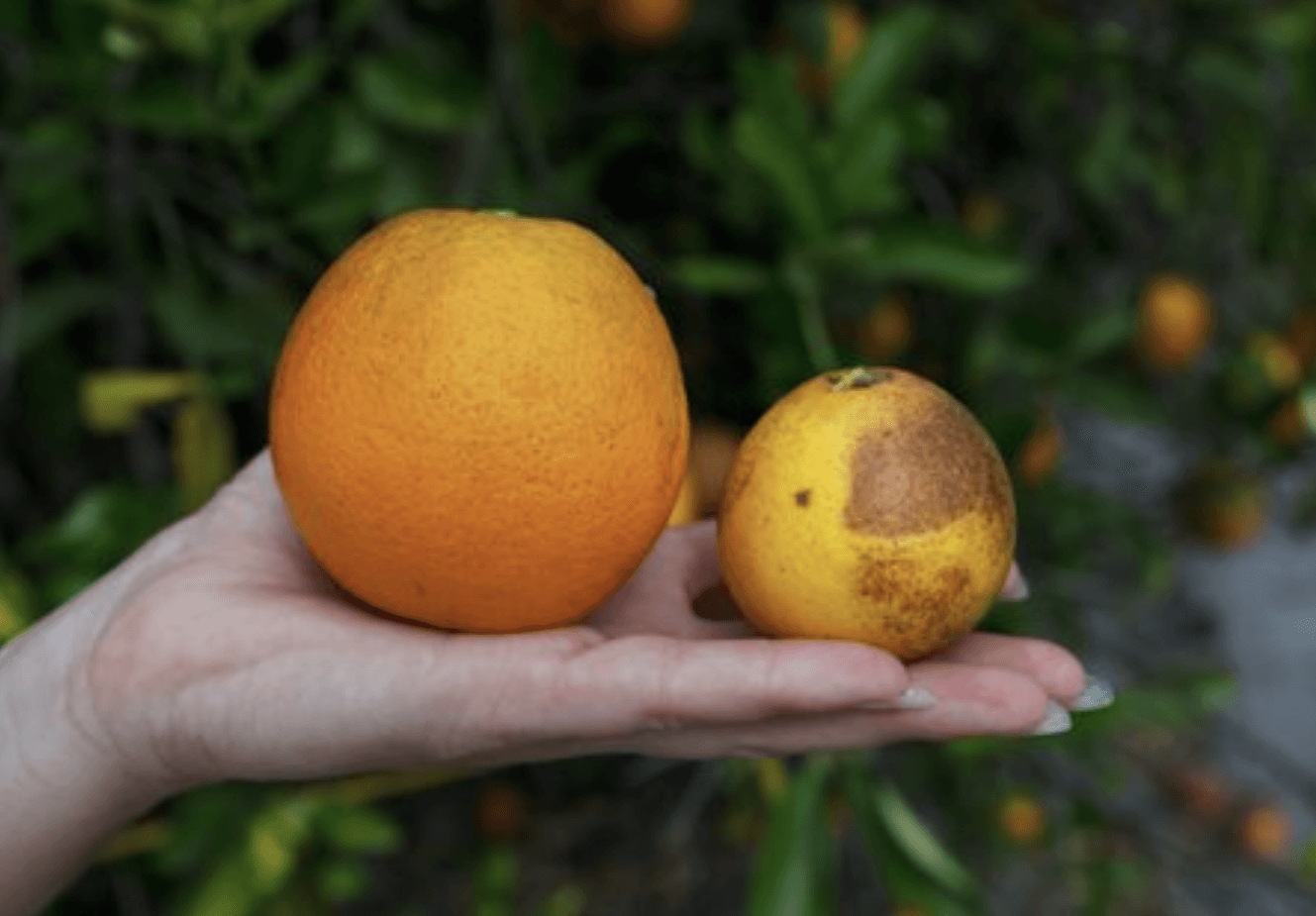
Citrus greening has nearly wiped out Florida’s citrus industry. The disease, which currently does not have a cure, has infected almost all of the state’s groves over the past decade, resulting in small, under-ripe fruit. The state’s production has plummeted as a result. USDA is expecting Florida growers to produce just 50 million boxes of oranges in 2017-2018, 39 percent smaller than the harvest in 2015-2016.

The GE virus, which would make trees resistant to the disease, is being developed by Southern Gardens Citrus Nursery.

The GLP aggregated and excerpted this article to reflect the diversity of news, opinion and analysis. Read full, original post: USDA prepared to move quickly on GE citrus virus signoff (behind paywall)

Wheat gene discovery could fend off deadly stem rust pathogen threatening global food security

px Stem rust close up

University of California, Davis, researchers have identified a gene that enables resistance to a new devastating strain of stem rust, a fungal disease that is hampering wheat production throughout Africa and Asia and threatening food security worldwide.

The discovery by UC Davis wheat geneticist Jorge Dubcovsky and his team will help breeders more quickly develop varieties that can fend off the deadly pathogens and halt a worldwide wheat epidemic. The findings were recently published in the journal Proceedings of the National Academy of Sciences.

[S]cientists have developed rust-resistant varieties to boost wheat’s immunity to stem rust. But the pathogens are making a comeback. A new strain of the stem rust — called Ug99 after it was discovered in Uganda in 1999 — is spreading throughout the region. About 90 percent of the wheat varieties grown worldwide are susceptible to Ug99.

Dubcovsky and his team identified three different resistance forms of Sr13, a gene from pasta wheat that is effective against Ug99 and another group of virulent stem-rust strains from Yemen and Ethiopia. In 2013, Dubcovsky and fellow researchers discovered another gene called Sr35 that also provides resistance to Ug99. The team is close to identifying a third gene that confers protection from the virulent strain.

The GLP aggregated and excerpted this article to reflect the diversity of news, opinion and analysis. Read full, original post: Gene Discovery May Halt Worldwide Wheat Epidemic

Gene therapy boost: FDA positions for faster reviews of new treatments

Gene Therapy

The Food and Drug Administration on [November 16] issued new guidelines to speed the introduction of treatments involving human cells and tissues, including gene therapy. But the agency also said it would crack down on rogue clinics offering dangerous or unproven versions of those treatments.

These concepts are no longer the stuff of science fiction,” said Scott Gottlieb, the commissioner of the F.D.A., “but rather, real-life science where cells and tissues can be engineered to grow healthy, functional organs to replace diseased ones; where new genes can be introduced into the body to combat disease; and where adult stem cells can generate replacements for cells that are lost to injury or illness.”

Gene and cell therapies that demonstrate the potential to treat unmet medical needs and serious illnesses may now qualify for expedited review to get the products to market more quickly, the guidelines say. The F.D.A. will still require clinical trials, but it is promising a faster process, as required by Congress under the 2016 21st Century Cures Act.

So far, the drug agency has approved only two products that qualify as gene therapy — Kymriah, from Novartis, and Yescarta, made by Kite Pharma. Both treatments involve genetically altering a patient’s own immune cells to fight leukemia or lymphoma.

The GLP aggregated and excerpted this blog/article to reflect the diversity of news, opinion, and analysis. Read full, original post: F.D.A. Speeds Review of Gene Therapies, Vowing to Target Rogue Clinics

Our brains grow and shrink when we learn—which is how we continue to absorb knowledge

brain

Our past understanding of the brain would suggest that new knowledge requires new brain cells, and as a result our brain would grow in size upon each new skill we learn. We know this is not true, as the human brain stops growing in size somewhere during our mid-20s. Still, humans can continue to learn new information well into old age. Now, we know how.

[T]he team concluded that when the brain learns a new skill it initially increases in volume, but then after a process of elimination retains only the most useful brain cells, eliminating those not more effective, and thus eventually returning to its pre-learning size.

“Brain matter volume increases in the initial stages of learning and then renormalizes [sic] partially or completely,” said Wenger in a recent statement. “This seems to be an effective way for the brain to first explore the possibilities, call in different structures and cell types, select the best ones, and get rid of the ones that are no longer needed.”

The new findings show even further evidence of neural expansion and reorganization upon learning new information and provides us with a better understanding of our most amazing yet most misunderstood organ, our own brain.

The GLP aggregated and excerpted this blog/article to reflect the diversity of news, opinion, and analysis. Read full, original post: Brain science: This is why our heads don’t actually explode when we’re learning

Would switching to 100% organic farming help the environment? ‘Absolutely not’

organic

Should the world’s farms go 100 percent organic to protect the environment? Absolutely not.

One huge problem is that organic farming requires far more land than conventional farming to produce the same amount of food. According to a study out today, going all-organic would require up to a third more land to feed the world by 2050 (some studies say more than twice as much land would be needed).

But the authors say we should do it anyway because, they claim, massive cuts in food waste and meat consumption mean we could make the switch with no increase in land use overall.

Spot the logical flaws. This is the equivalent of arguing that it’s OK for everyone to start smoking because yet-to-exist medical advances will prevent any rise in the number of deaths caused by smoking.

There’s another big flaw with [the] study: it does not mention that organic farming rejects all organisms produced through modern genetic modification techniques.

All these advances could help make conventional farming far more environmentally friendly by 2050. So yes, let’s change the way we produce our food – but going all-organic isn’t the way forward.

The GLP aggregated and excerpted this article to reflect the diversity of news, opinion and analysis. Read full, original post: If we only ate organic it would be an environmental disaster

Viewpoint: FDA regulations ‘a disaster’ for genetically modified animal research

Screen Shot at PM

Contrary to Article I of the U.S. Constitution, which vests all legislative power in the Congress, federal agencies can expand their jurisdiction by forcefully pushing policy initiatives into regulatory regimes for which they were never intended.

Congress has established limited controls over runaway agency rule-making, such as a public notice-and-comment process and judicial review of regulations. However, agencies increasingly skirt the formal requirements by issuing, non-binding guidance documents that interpret existing rules in a manner that expand the scope of existing regulations.

For example, Food and Drug Administration (FDA) announced in its 2008 “Guidance for the Regulation of Genetically Engineered Animals Containing Heritable rDNA Constructs” that recombinant DNA, which results from gene-splicing, when used for animal breeding causes the animal to become a regulated “new animal drug.”

In order to be sold, the animal (the “drug”) must undergo the arduous FDA review and approval process, the same as veterinary drugs like antibiotics or pain relievers.

The 2008 guidance inappropriately focuses on one precise breeding technique (recombinant DNA technology) among the spectrum of animal breeding techniques, but without any identifiable, demonstrable risk for imposing the high evidentiary standard of drug “safety and effectiveness” required by the FDA’s new animal drug regulations.

The following two examples show why the largely unworkable FDA approach has been a disaster for R&D advances in the entire, once-promising sector of animal genetic engineering.

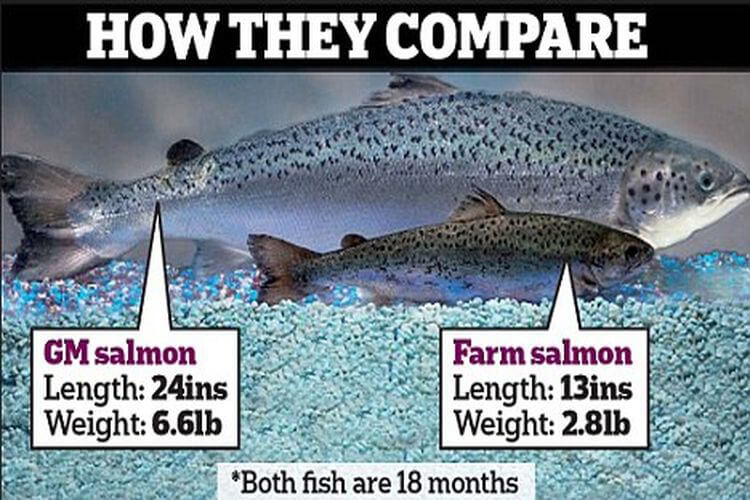
The first is a genetically engineered Atlantic salmon that reaches maturity 40 percent faster than its wild cohorts. The genetic changes confer no detectable difference in the fish’s appearance, ultimate size, taste, or nutritional value; it just grows faster and consumes less food over its lifetime. Also, because the fish are all sterile females and farmed inland in a closed system, there is negligible possibility of any sort of “genetic contamination” of the wild fish gene pool or other environmental effects.
GM Salmon

More than a decade before the FDA issued its 2008 animal drug guidance, it instructed the developer to submit a marketing approval application to FDA, without a clear regulatory rationale or pathway.

The FDA held up the application for approval of the salmon for almost 13 years before reaching a decision on how to review this fish, and the review as a “new animal drug” required several more years. After a two-decades-long regulatory process, FDA concluded what should have been obvious long before: that no health or environmental risks or food quality concerns existed.

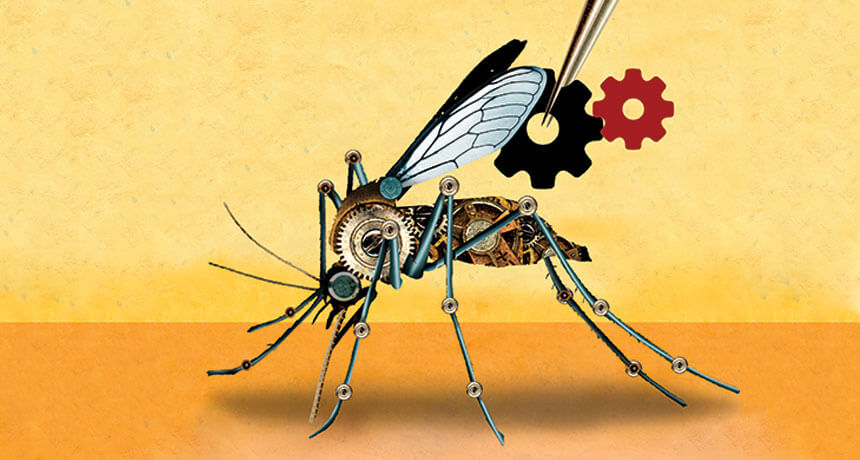
FDA also inexplicably delayed small-scale field trials of an innovative product to reduce the population of the mosquitoes that transmit Zika virus, yellow fever, dengue fever, and chikungunya. It uses a genetically engineered male Aedes aegypti mosquito with a genetic defect that causes it to require a certain supplement for survival.

When released, in the absence of the supplement the mosquitoes survive only long enough to mate with wild females and pass the lethal gene to their progeny, which soon die. Because male mosquitoes don’t bite, they present no health risk and because the progeny die before they can reproduce, none should persist in the environment.

The FDA took an unconscionable five years (2011–2016) to approve a single small-scale field test of this mosquito, and that came only after mounting pressure from the growing Zika threat and the consequent need to control A. aegypti. In August 2016, the agency finally approved a field trial at one site in the Florida Keys, a trial that has yet to begin.

The mosquito “drug” presented an insoluble legal conundrum for FDA. In order to approve it for marketing as a drug, regulators would have to conclude that the genetic material that causes a male mosquito to self-destruct after producing defective, doomed offspring is safe and effective for the mosquito. The FDA would have found itself tied up in legal knots if its ultimate approval of the insect were challenged in court by environmentalists and anti-genetic-engineering activists, as would have been inevitable.

Since we first pointed out the “safe and effective” impossibility in the Wall Street Journal last year, the FDA in January 2017 ceded the regulation of mosquitoes to the EPA, which has authority to regulate insecticides.
CRISPR opener

Anticipating that the incoming Trump administration would oppose its intention to expand its purview to regulate all emerging animal genetic engineering, FDA rushed to publish a proposed guidance in the last hours of the Obama administration to encompass all molecular genetic modification techniques not included in the 2008 guidance. This proposed, scientifically unwarranted, precautionary policy would require FDA review and approval of all new molecular animal breeding innovations.

FDA’s approach is flawed in several ways:

  1. It is repudiated by the history of innovative and safe animal breeding using various modern techniques to improve the characteristics of food animals, including cloning and inter-species hybrids.
  2. It is inconsistent with the federal government’s overarching principle of biotechnology regulation, first articulated in 1986, that regulation should be risk-based, not process-based, and need not always require a governmental case-by-case review (which subjects all products made with identified technique(s) to regulation, regardless of the degree of risk).
  3. FDA’s existing oversight of foods and food additives by its Center for Food Safety and Nutrition is sufficient to ensure the safe consumption of genetically improved animals.

On Oct.17 a number of Congressmen signed a letter to the Secretary of Agriculture, the FDA Commissioner and the EPA Administrator that raised serious concerns about the contradictions between the FDA’s broad and USDA’s more narrow approaches to genetically engineered products, and called attention to the resulting negative impact of the inconsistencies domestically and internationally.

Unless Congress exerts more control, it will need White House to bring rationality to the oversight of biotechnology products.

In the short term, the White House should direct FDA to stop its efforts to regulate animals using the new animal drug paradigm and instead devise a regulatory approach that is scientifically defensible and risk-based. Time is of the essence if we are to reestablish U.S. competitiveness in a field where other countries such as China are taking advantage of the void created by overbearing and dysfunctional U.S. regulation.

John Cohrssen is an attorney who has served in senior positions in the White House and the US Congress. Henry Miller, a physician and molecular biologist, is the Robert Wesson Fellow in Scientific Philosophy and Public Policy at Stanford University’s Hoover Institution. He was the founding director of the FDA’s Office of Biotechnology. Follow him on Twitter @henryimiller.

A version of this article appeared at The Hill as “Current FDA approach to genetically engineered animals is flawed” and has been republished here with permission from the authors and the original publisher. 

 

Talking Biotech: Soil-worm resistant GMO crops in Africa hindered by politics, public fears

a df f b e

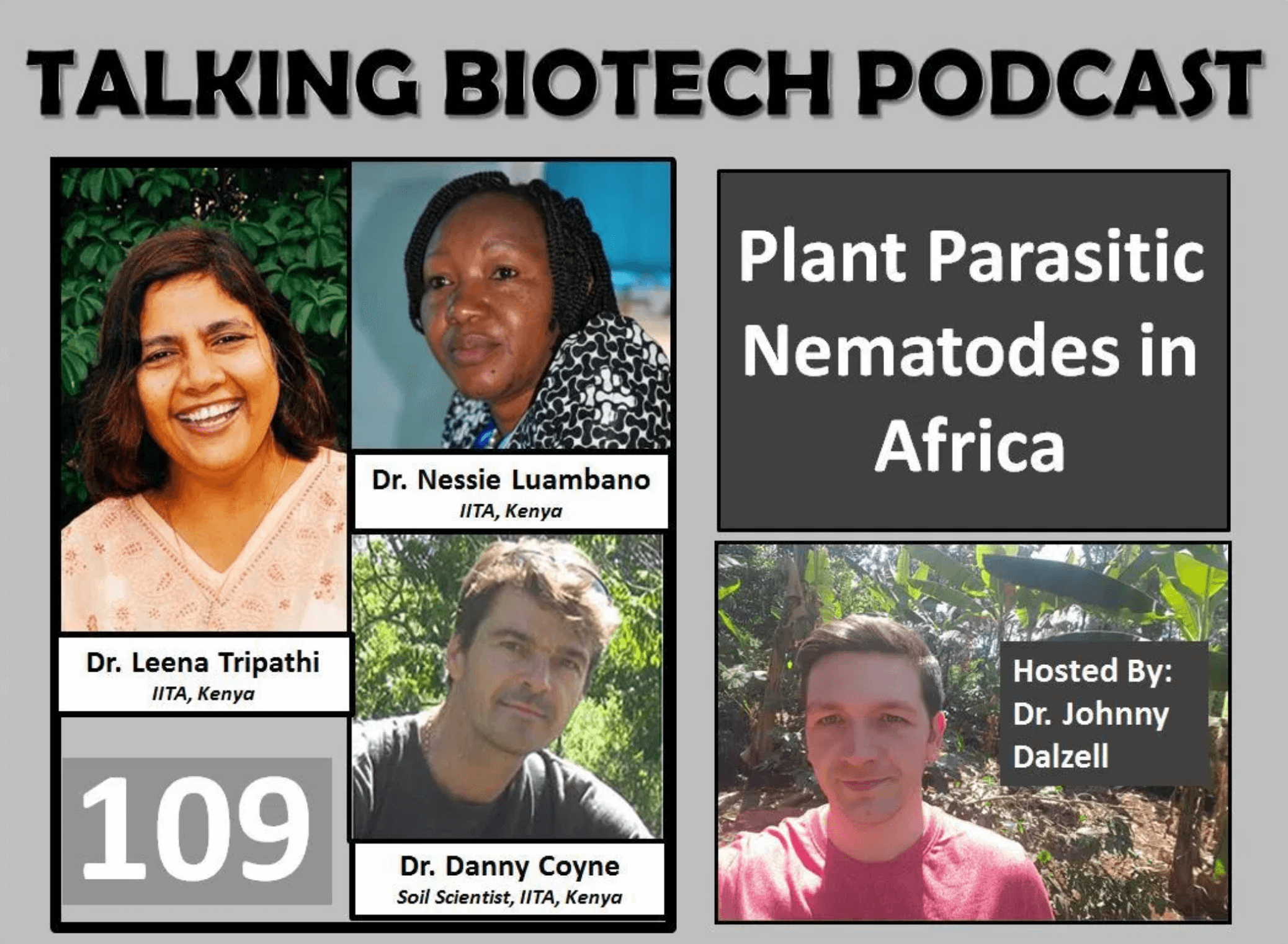
In this week’s podcast Jonnny Dalzell guest hosts from Tanzania. He visits with scientists from the International Institute of Tropical Agriculture (IITA) that are helping devise solutions to nematodes. Nematodes are microscopic soil worms that are difficult to control and require substantial chemical inputs that are not always available and can be hazardous. Uncontrolled nematodes lead to damaged crops, and damage is not always apparent until it is too late. Dalzell speaks to IITA Kenya scientists Nessie Luambano, Danny Coyne, and Leena Tripathi. They discuss the problem of nematodes, some of the proposed solutions, and some of the frustrations of having good work stalled because of a lack of funding and political will to move them forward.

Follow Johnathan Dalzell on Twitter: @jjdalzell

His website: https://johnathandalzell.com/

Follow Talking Biotech on Twitter @TalkingBiotech

Follow Kevin Folta on Twitter @kevinfolta | Facebook: Facebook.com/kmfolta/ | Lab website: Arabidopsisthaliana.com | All funding: Kevinfolta.com/transparency

Screen Shot at AMStitcher | iTunes | Player FM | TuneIn

Genetic Literacy Project’s Top 6 Stories for the Week – Nov. 20, 2017

GLP Top Thumbnail Nov


  1. Viewpoint: From Non-GMO to gluten-free, ‘fake transparency’ in food labeling offers little but higher pricesBrandon McFadden
  2. Fighting antibiotic ‘superbugs’—DNA sequencing helps in the battle
  3. Omega-3 fish oil from a plant? GMO camelina could offer sustainable alternativeRebecca Nesbit
  4. Measuring intelligence and IQ, and the problems that presentsDaphne Martschenko
  5. European farmers: Finding replacement for glyphosate is no easy taskAndrew Porterfield
  6. Naming genetic diseases: There’s more to it than you might thinkRicki Lewis

To stay up to date on all the news in human and agricultural genetics, subscribe to our daily and weekly email newsletters in the top right corner of this page, and follow us on Facebook and Twitter.

Can the microbiome join DNA and fingerprints in the CSI toolkit?

Screen Shot at AM

The bacteria inhabiting your gut and skin might determine your innocence of a crime. Or, it might falsely accuse you of foul play.

Questioning what the human microbiome is and does is a raging trend, with possible applications from the etiology of diseases from Crohn’s to multiple sclerosis. Now, forensic science has entered the microbiome fray.

A number of researchers have argued that our microbiomes are so unique that they could be used to identify criminals, tracking DNA in bacteria left behind, much like DNA sequencing and typing and fingerprints are used for other forensics applications. However, a number of experts are skeptical that microbiome DNA analysis is unique enough to separate a criminal from thousands of other people. Even the analysis of DNA itself in a forensics lab may not be as reliable as originally believed.

Our specific ‘microbiome cloud’

Scientists have found that testing the microbiome of the gut or skin showed that microbiomes are quite specific. And, it turns out that on everything we touch, even if we sit down fully clothed, we leave behind a residue of bacteria from our microbiome. Some researchers have even described a “microbiome cloud” that surrounds us when we walk by, leaving behind a unique trace.

micro xTesting an area of bacterial DNA called the 16S rDNA region (so named because it’s a gene that expresses support structures of the ribosome measured as 16S) has shown a good deal of variation in bacteria in the microbiome. This 16S region is very specific to each bacterium and within a species changes very slowly, making it valuable to determining if enough variation exists in us to convict (or exonerate).

  • The first study to link the microbiome and crime was published in 2010 and showed that bacteria left behind on computer keyboards could accurately identify the keyboard (and bacteria’s) owners, out of 270 people.
  • An Australian team analyzed scalp and pubic hairs of 42 volunteers, looking for variations in the 16s bacterial DNA region. They found that, even though human scalp hair has very little or no DNA, and wasn’t as helpful in this study, pubic hair instead showed a great deal of microbiome DNA variation. In particular, Lactobacillus populations in pubic hair were able to differentiated members of this admittedly small population.

More than a few skeptics

DNA xNot everyone is on board, however. Elizabeth Bent, a researcher at the University of Guelph, Ontario, warned that changes in diet can produce sudden and dramatic changes in microbiota composition, at least in the gut. In a comment to a news article in Science, she wrote:

Other studies have shown effects of sleep patterns, exercise, illness, and antibiotics/medication on gut microbiota. To put someone in jail or on death row because of a flawed analysis is serious- A 16S analysis is definitely not adequate for differentiating individual strains of bacteria.

16S rDNA does have its limitations—it shows variation among bacteria, not so much among people. And it’s still not clear whether studying bacterial DNA variations could scale up; that is, provide enough accurate information to differentiate among thousands or billions of people.

There are also problems with analysis of DNA itself. Greg Hampikian, a biologist and criminal justice specialist at Boise State University, found a number of biases among forensics experts, even though they were all looking at the same crime scene DNA evidence. Therefore, based purely on DNA results, they should have arrived at the same conclusions. They didn’t. Hampikian wrote that “the majority of ‘context free’ experts disagreed with the laboratory’s pre-trial conclusions, suggesting that the extraneous context of the criminal case may have influenced the interpretation of the DNA evidence, thereby showing a biasing effect of contextual information in DNA mixture interpretation.”

Another group, called the Microbiome Quality Control project, has tasked itself with comparing all studies on microbiomes, and looking for variations in methodologies (and results) that could improve the ability of the microbiome to make better predictions, perhaps even ones that could stand up in court.

Andrew Porterfield is a writer and editor, and has worked with numerous academic institutions, companies and non-profits in the life sciences. BIO. Follow him on Twitter @AMPorterfield.

FDA likely to approve hereditary blindness gene therapy

blind
[A]nother gene therapy is on the cusp of approval, this time to treat a form of hereditary blindness. If given the tick by the FDA, this therapy could pave the way for a whole host of treatments for genetically-based vision problems. The gene therapy focuses on a rare inherited retinal disease called Leber congenital amaurosis (LCA), which is caused by a mutation in one of 19 particular genes.

The final FDA approval decision is hoped to come by January 2018, and back in October an advisory panel unanimously endorsed the efficacy of the treatment. The FDA doesn’t have to follow the advice of this expert panel, but it traditionally does. While this particular therapy is not a complete cure, and it is targeted at a rare genetic disease, many hope it is the first in a new wave of gene therapies directed at a wide variety of occular diseases.

If this therapy is ultimately approved it will certainly be a landmark for modern gene therapy. Unlike the prior cancer therapy approved in August, which concentrates on genetically modifying immune cells, this treatment will be the first to replace, or essentially fix, specific missing and mutated genes that directly cause disease.

The GLP aggregated and excerpted this blog/article to reflect the diversity of news, opinion, and analysis. Read full, original post: Landmark gene therapy for hereditary blindness closes in on FDA approval