Drugs for mental disorders: Why better access to services ‘will likely make things worse’

pills

To reduce the rising burden of mental disorders around the world, the Lancet Commission on Global Mental Health and Sustainable Development has declared a need to increase psychiatric services globally, which should include an effort to “reduce the cost and improve the supply of effective psychotropic drugs for mental, neurological, and substance use disorders.”

While reducing the burden of mental disorders is certainly a laudable goal, we believe that implementing this plan will increase the global burden of mental disorders rather than decrease it.

Yet even as more and more people have been getting medical treatment for psychiatric disorders, the number of adults on government disability due to these disorders has more than tripled since 1987.

Any call for improving global mental health needs to recognize two facts: First, there are commercial forces at work in this enterprise, which urge more access to psychiatric drugs. Second, as the globalization of mental health has unfolded over the past several decades, the burden of mental disorders has increased in tandem. Without such recognition, proposals for closing the global treatment gap risks further exporting a failed paradigm of care.

Indeed, it is easy to make the case, as we have sought to quickly do here, that “closing the treatment gap,” when treatment includes increased use of psychiatric drugs, will likely make things worse.

Read full, original post: Flooding the world with psychiatric drugs could boost the burden of mental disorders

Healthier oil? US farmers poised for first harvest of gene-edited soybeans

illinois soybean high yield value

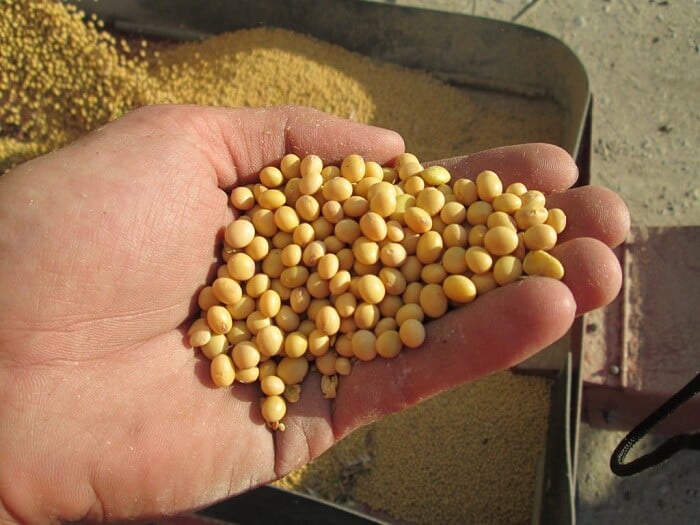
Farmers in the United States are poised to harvest, for the first time, 6,500 hectares of genetically modified soybeans that produce a healthier oil with 80% oleic acid, 20% less saturated fatty acids and zero trans fat. The variety is developed by the company Calyxt, [headquartered in] Minnesota, and will be used in salad dressings, granola bars and frying oil.

US Agriculture Secretary Sonny Perdue said his department has no plans to regulate new varieties of genetically engineered plants, contrary to the European Union’s decision to equate regulation, genetic editing and transgenic crops. In his statement, Perdue called the gene issue an “innovative” technique that “can not be distinguished from those developed through traditional methods of reproduction.”

Zach Luttrell, director of industry consulting at StraightRow LLC, sees editing genes as a way for the industry to continue to reduce costs. He says a product developed using the new technique could be released within three years, costing between $10 and $20 million, comparing it to a transgenic crop that could cost $100 million for a decade.

[Editor’s note: This story was originally published in Portuguese. This summary was prepared with Google Translate.]

Read full, original article: Modified soy has healthier oil

What makes human brain cells so powerful?

brain

Spanish neuroscientist Santiago Ramón y Cajal revolutionized the study of the brain when he observed neurons for the first time. His investigations, now more than 100 years old, revealed intricate details of nerve cells in many different animals, including humans—rootlike dendrites attached to bulbous cell bodies, from which extend long, slender axons.

A new study, published [October 18] in Cell, shows that in people these antennalike projections also have distinct electrical properties that may help explain how the brain processes arriving information.

[Neuroscientist Mark] Harnett’s team examined brain slices from nine patients and 30 rats. To study the electrical properties of the neurons within these samples, the researchers used patch-clamp recording, which involves attaching small glass needles to nerve cells to measure their activity. These probes revealed that although human and rodent dendrites shared basic features, such as the ability to produce an action potential, there were some key differences between the two species. When the researchers injected an electrical current into the neurons’ dendrites, they found much less activity made its way to the somas (cell bodies) in human cells than to the rodent somas. “That immediately suggests that [signaling is] much more compartmentalized [in human dendrites],” Harnett says.

Ultimately, the properties of human dendrites could endow neurons with more computing power than those of rodents.

Read full, original post: What Makes Human Brain Cells Unique?

GM corn boosts yields as much as 58 percent in Tanzanian field trials

fall armyworm mgmt

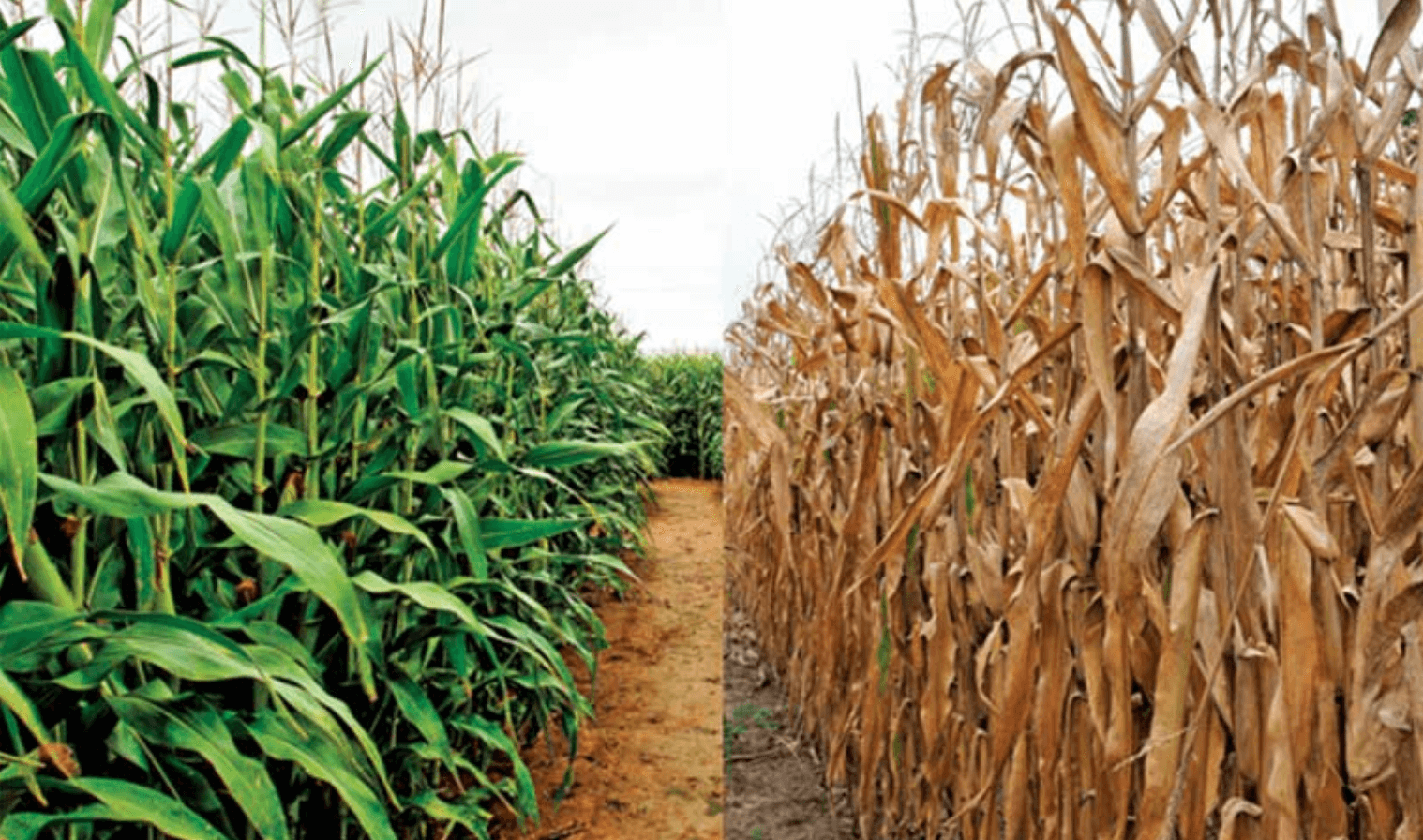
Tanzania’s second year of confined field trials of genetic modified maize is bearing fruit, as the crop has significantly shown signs of withstanding stem borer and fall armyworm attacks, compared to conventional maize varieties.

The confined field trials (CFT), which started in April 2016, are located in the semiarid area of Makutupora in Dodoma Region, to assess the potential of maize varieties to produce high yields in semi-arid conditions.

Speaking to reporters and farmers who recently visited CFT site, Senior Agricultural Research Officer, Dr Justin Ringo said that the genetic modified organism (GMO) maize that is resistant to drought and insects would benefit Tanzanian farmers, if the government reviews laws and regulations to allow the commercialization of Biotech maize seed in the country.

The Senior Researcher added that both insect resistant and herbicide tolerant crops have helped to improve yields, cut costs, and enable more targeted pesticide applications …. In October [2018], transgenic hybrids showed higher yields to 8.3 -58.0 per cent than their conventional counterparts.

Not only does that improve farmers’ bottom lines, but it also helps lessen agriculture’s impact on the environment. He pointed out that overall, pesticide applications have decreased, largely due to the adoption of insect-resistant genetically modified crops.

Read full, original article: Opening Doors to GM Maize Vital to Improve Yields, Curb Hunger

6 things agroecology can do for farming and the environment

Agroecology

Agroecology has returned to the global spotlight, as one approach to bring farmers closer to meeting challenges [like rising food demand]. Agroecology emerged as a science which supports food security and sustainable agriculture. In the 1960s, it was studied as the interaction between crops and the environment …. Promoting farming systems that are beneficial to producers and society, as well as the earth’s ecosystems has become a central theme ….

Keeping pests at bay in the safest way

There is no single failsafe solution for crop pests like Fall Armyworm: farmers need to make use of all available tools and solutions. The first port of call is a biological approach, [including] sophisticated microbial inoculants, which are referred to as “beneficial bacteria” that are developed from a crop’s natural enemies, such as bacteria, fungi and viruses ….

Optimizing external inputs

Optimizing external inputs and improving soil health are two key agrocological outcomes the United Nations has identified …. The African Agricultural Technology Foundation is applying biotechnology …. to produce rice that is both efficient in its use of nitrogen and water. This means the 20 million or more smallholder farmers that depend on rice as a staple food need to use less of these two crucial inputs. Less nitrogen is lost, soils become healthier, and crops can grow even when water is scarce.

Read full, original article: Six Ways Agroecology Can Help Shape the Future of Farming

Viewpoint: Stop using human intelligence to explain machine learning

p fm sp

It’s common to hear phrases like ‘machine learning’ and ‘artificial intelligence’ and believe that somehow, someone has managed to replicate a human mind inside a computer. This, of course, is untrue—but part of the reason this idea is so pervasive is because the metaphor of human learning and intelligence has been quite useful in explaining machine learning and artificial intelligence.

Indeed, some AI researchers maintain a close link with the neuroscience community, and inspiration runs in both directions. But the metaphor can be a hindrance to people trying to explain machine learning to those less familiar with it.

Central to the metaphor that links human and machine learning is the concept of a neural network. The biggest difference between a human brain and an artificial neural net is the sheer scale of the brain’s neural network. What’s crucial is that it’s not simply the number of neurons in the brain (which reach into the billions), but more precisely, the mind-boggling number of connections between them.

We must remember that artificial intelligence and machine learning aren’t simply things that ‘exist’ that we can no longer control. They are built, engineered, and designed by us. This mindset puts us in control of the future, and makes algorithms even more elegant and remarkable.

Read full, original post: Why We Should Stop Conflating Human and Machine Intelligence

Video: Why many food companies won’t pick a side in the GMO debate

communiation

In this video, Know Ideas Media founder Nick Saik explains why farmers and agriculture companies have to get involved in science communication to counter popular anti-GMO campaigners, who rely on fear and anxiety to stir up public concerns about biotechnology. It’s harder than you’d think, Saik says, to find agriculture companies willing to say that GMO is a good thing, because many companies make money selling conventional and organic food. The public’s concern about genetic engineering reinforces this business strategy. Saik adds that transparency is key to winning the public’s trust and reversing this trend in food marketing.

Original video: Ag Communication with Corteva

Viewpoint: Why we have to fight for what biotechnology can offer us

food

“Tea. Earl Grey. Hot.” That’s how fictional star ship captain Jean-Luc Picard from Star Trek orders his tea, 300 years in the future. He gives the command to a device called a “replicator” and it re-arranges matter to create a steaming hot cup of tea where no tea existed before. Albeit fictional, the replicator is an incredible piece of technology, you just step up and tell it what you want, from tea to Romulan noodles and, in the blink of an eye, it configures matter to accommodate your need.

If you or I saw a replicator, it would be, by far, the most amazing piece of technology we had ever seen. We would marvel about how it works, what its limitations are, wonder who invented it and replicate a table-full of dishes for testing. But for Captain Picard, it is just a normal, everyday part of his life.

I like that about the show.

After all, think about all the incredible technologies we rely on every day: refrigeration, automobiles, iPhones, the internet, flu vaccines, indoor plumbing, washing machines, lightbulbs and microwaves. Someone transported from 300 years in our past would also be blown away by all the things we consider convenient, but completely commonplace.

tea 10 25 18

There’s something great about technology being woven into the fabric of our lives – we don’t need to think about it too much, we can simply get on with the task of living. And for us in the capitalist world, that living is incredible. But there’s also a danger in never pausing to reflect on the good technology that is making our lives better, safer and longer. The danger is that we will sit idly by when we are told that we don’t need it. It’s that we won’t stand up and scream “No!” to those trying to take it away.

That’s exactly what is happening with the technology of genetic engineering. And it makes me fear that we will never get to an even better future of food.

Part of the problem is that many people aren’t even aware that the products of genetic engineering surround them. But these incredible technological innovations are commonplace. If you know a diabetic who must take insulin to survive, you know someone whose life depends on genetically engineered yeast to produce that medicine.

It’s not just medicine where genetic engineering is a commonplace technology. The cotton shirt and jeans you are wearing? Chances are they were woven from technologically advanced cotton plants, genetically engineered to resistant insects that otherwise infect cotton fields.

Much like the rapid adoption of the cellular telephone, genetically engineered seeds went from new to ubiquitous in about 20 years. In North America, 80 percent or more of our major staple crops, like corn, soybeans, beets, canola and cotton are grown from biotech-enhanced seeds. Upwards of 70 percent of food on grocery store shelves contains ingredients grown from these advanced seeds.

Genetic engineering is enhancing our lives in ways big and small. It may not be a “replicator,” but genetic engineering is a technology that allows mankind to create foods that are easier to grow, nutritionally boosted, better tasting, improved or enhanced in one way or another – like orange trees that don’t succumb to disease, insect-resistant eggplants, non-browning apples and cheese-making enzymes that didn’t require inefficient animal harvest. If you could capture the spirit of genetic engineering, it would be that it gives mankind the tools necessary to improve food, how it grows, tastes and the nutrients it contains, faster and more precisely than ever before.

Most people benefit from genetic engineering every single day, but it’s not getting the recognition and applause it deserves. Instead, it is treated as a villain.

A large, vocal movement of activists are opposed to these genetically modified organisms (GMOs). They distort with misinformation, which threatens to smother both the useful plants and the innovators that invent them.

At its core, the controversy is about man’s relationship to nature. Anti-GMO activists believe it is morally wrong to change nature using modern technology and they believe, without examining the evidence, that there will be something dangerous about doing so. Anti-GMO activists falsely claim that biotechnology is dangerous or, at best, not that useful. They accuse these foods, that are in reality just as safe to eat as their conventional counterparts, of causing widespread disease, like cancer, autism or obesity.

But nature isn’t a garden of Eden, just waiting for us to traipse out and pick safe and delicious food. Instead, humans need to transform the given in nature into something that is safe and fit for our purpose. Thankfully, we have been using human ingenuity to improve foods for ages.

Corn, for example, began as a grass-like plant with tiny cob-like fruits. It wasn’t very nutritious and was completely unrecognizable (without a biology degree, anyway) as the precursor of corn. Our ancestors began transforming it over 5,000 years ago through the technology of artificial selection—by simply propagating the plants they liked best and discarding the rest. Modern humans have used modern technology to improve corn by engineering which genes corn seeds should have, creating corn with a variety of useful traits, such as the ability to withstand insects. Our ancestors would be blown away by the tools we have to deal with the problems that plagued them.

corn 10 25 18

Each fruit, vegetable and food animal that we enjoy has been transformed through thousands of human decisions into highly advanced products—even before the advent of genetic engineering. It is another step on the continuum of what mankind has been accomplishing for millennia—improving food for humans. With few exceptions, everything in the grocery store has been radically altered from its natural state. That’s a good thing. What nature provides is mediocre, middling, not that useful, sometimes dangerous and generally difficult to grow.

But the fear and hysteria drummed up by anti-biotechnology groups has had a great deal of influence on US grocery store shoppers.

If you thought the public was on the side of the humanity, you need only take a stroll through a US grocery store to check that premise. There, the fiction that technology should have nothing to do with food reigns supreme. The most common word I see on packages is some version of “natural.” The market for organic foods, which tout rules designed to keep farming antiquated, and therefore cannot contain biotech ingredients, grows every year.

And genetic engineering, which makes our cornucopia of safe, reliable and plentiful food possible is called out particularly and most unjustly as a villain. A “Non-GMO Project Verified” label is displayed on products that net over $8.5 billion annually. The labels are getting hard for a pro-science shopper, like myself, to avoid. To add to the injustice, the labels use a cheery butterfly to sell their road into the past. It should more accurately be a star ship in flames.

Follow the latest news and policy debates on sustainable agriculture, biomedicine, and other ‘disruptive’ innovations. Subscribe to our newsletter.

It is consumer demand has brought about all these changes.

For shoppers, it’s hard to see the technology in the food we eat, which makes us vulnerable to the messages of the anti-GMO movement. Shopping for food isn’t like using a Star Trek replicator where you interact with the technology that creates your food. Most shoppers are far removed from a farm. And holding up a piece of corn in the produce section, it’s difficult to see the technology it contains. If we don’t recognize it, it will be even easier to have it taken away.

In the West, it is great that we don’t have to care too much where our food comes from to fill our carts with a panoply of safe, nutritious and delicious foods. But that ignorance is being used against us by activists seeking to put a stop to the technology of genetic engineering. And we are sucking up those ideas, like an undiscriminating plant sucking up toxic messages, rather than adopting the ideas necessary to move humanity forward.

It’s time to fight for the technology that makes our food great. It’s time to stand up and scream “No!”

Humans survive by transforming nature and we use technology to advance our way of life and move into an even better future. It takes a certain courage to live as human beings. “To boldly go where no one has gone before,” to change nature for the better, to take the reins of life and direct it for your own good.

It may not seem that a visit to the grocery store is filled with large, dramatic choices about the future of humanity. But it is. You get to be part of the choice of whether humanity will move forward when it comes to food or whether we will move backwards. You make a difference with what you choose to put in your cart, what movements you support and what ideas you espouse.

The future is not yet made, we get to make it. I want to see the incredible future of food that genetic engineering and the technologies that replace it will make possible. Let’s go boldly. As Captain Picard says: “Things are only impossible until they’re not!”

Some of the intellectual content in this article was developed as work-for-hire at the Ayn Rand Institute (ARI) and fundamentally impacted by contributions from ARI staff members. ARI has agreed to give me full permission to use this content. Any errors in this work are my own.

Amanda Maxham, PhD, is a science writer with a background in high energy astrophysics. She defends mankind’s moral right to create and use technology and the industrial capitalism that makes it possible. Follow her on Twitter @DrMaxham

How Frankenstein and 200 years of horror stories have haunted the biotechnology revolution

frank
It was a dark and stormy night in 1818, when something sinister was loosed upon the world.

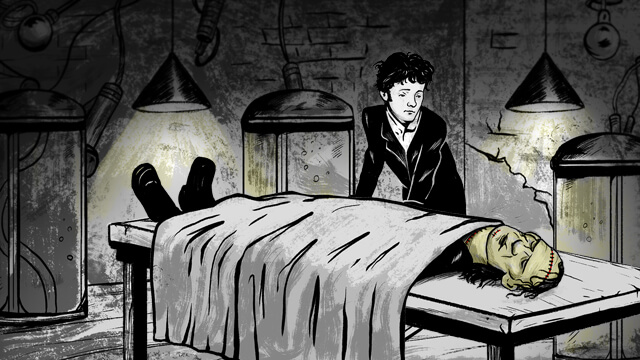
Okay, so it might not have been dark and stormy, but it was definitely 200 years ago that a most monstrous horror story first flared into life—Mary Shelley’s Frankenstein. It is also, therefore, two centuries since a particular meme was seared into the cultural consciousness: that ‘unnatural’ meddling in nature can only end in disaster. Given this, it is hardly surprising that Frankenstein and his hellish creation have been so eagerly seized upon by those most opposed to the modern revolution in genetic science.

Yet this goes beyond simple scaremongering (such as the snide ‘Frankenfood’ dismissal of genetically modified produce). The story of Frankenstein is where its power lies. We are a story-making species, and telling tales moves us emotionally in ways that hard cold reason rarely can. If modern genetic technology is ever to be more widely and enthusiastically embraced, therefore, its proponents must themselves learn to tell better stories.

Indeed, a good place to start is with the story-telling – both literal and metaphorical – of the opposition. For example, to appreciate how reason can so readily be swept aside by passion, take what was likely the first use of ‘Frankenfood’, in a letter to the New York Times in 1992: “If they want to sell us Frankenfood, perhaps it’s time to gather the villagers, light some torches and head to the castle.” This clearly is not a rational argument—after all, a sensible option here is simply not to buy the food you don’t want—but its emotional resonance has endured for decades, despite equally long years of fact-based counter-argument.

frank 10 25 18 2

And here we may return to Frankenstein itself. Arguably, the first real science-fiction novel, where “fantastic events occur … purely through science”, Shelley’s Gothic masterpiece can provide a model of how we can tell better science stories (or, at least, avoid telling bad ones).

>Written at the dawn of the modern industrial age, the novel portrays the allure of science in terms still instantly recognisable today. Young Victor Frankenstein, enthralled and beguiled by the promise of science, dedicates himself to the quest of understanding the nature of life itself. “The world to me was a secret,” he proclaims, “[one] which I wished to discover.” This latter feeling is likely familiar to many (if not most) modern scientists: a desire to explore how and why the world is as it is, of unravelling its ‘secrets’ while still revelling in its complexity—a millennia-old fascination best captured in Plato’s vivid image of “carving nature at its joints”.

There is, though, another view of scientific ‘discovery’, one that would be just as familiar to those suspicious of the methodologies of modern science. This alternative is clearly expressed by fictional character Ian Malcolm, the skeptical mathematician in Michael Crichton’s best-selling Jurassic Park: “What’s so great about discovery?” Dr. Malcolm asks when it is used to justify the science behind the dinosaur-themed amusement park. “It’s a violent, penetrative act that scars what it explores. What you call discovery, I call the rape of the natural world.”

Jurassic Park is, of course, a classic contemporary example of the Frankenstein ‘don’t mess with nature’ motif, with its genetically engineered dinosaurs the terrifying modern equivalent of Frankenstein’s original monster. And the parallels go deeper—further evidence of how Shelley’s imaginative meme has provided an enduring template for later generations of story-tellers. In decrying “the lack of humility before nature that’s being displayed”, for instance, the naysaying Dr. Malcolm merely echoes Victor Frankenstein’s anguished remorse at science gone wrong—of having “set loose upon the earth a daemon whose delight is in death and wretchedness”.

Similarly, Dr. Malcolm’s disparaging charge against the scientists—of being “so preoccupied with whether or not they could that they didn’t stop to think if they should”—simply reflects the awful truth that Frankenstein himself learns too late. After working blindly “for the sole purpose of infusing life into an inanimate body,” Frankenstein’s blinders are ripped off at the very moment his creation first opens its eyes. “I had desired it with an ardour that far exceeded moderation; but now that I had finished, the beauty of the dream vanished, and breathless horror and disgust filled my heart.”

frank 10 25 18 3
Image credit: Universal/courtesy Everett Collection

Again, this illustrates powerful tropes that persist in the anti-science mindset. The belief, for example, that scientists, like Frankenstein, are so immoderately obsessed with the process—manipulating genes, say—that they ignore possible horrific or disgusting outcomes—mutant species or unnatural foods. Or that scientists’ ardour and motivation is short-term and transient, and that they will simply walk away from disastrous or unforeseen results. (Those opposed to the genetic revival of lost species, for example, disparage the “obvious gee-whiz appeal” of “costly and flamboyant” de-extinction proposals.) And here, too, is the common thread that binds the anti-GMO movement together—that, as with Frankenstein’s original illicit experiments, modern science is illegitimately and unnaturally interfering with nature itself.

The natural/unnatural contrast is at the core of most of the opposition to genetic technology, with reasoned argument lost in the emotive appeal of the ‘real’, ‘pure’, ‘unprocessed’, ‘wholesome’ fruits of nature against the ‘fake’, ‘freakish’, ‘divergent’, ‘artificial’ products of human hands. Time, too, creates a comforting haze—thus, to people who have never seen the ancestral species from which modern cereals or cattle, say, are descended, today’s domesticated plants and animals will always seem more ‘natural’ than any novel genetically engineered alternatives. Yet the fact that familiar farm species are themselves genetically modified organisms, whose desirable traits have been artificially selected over time, is lost in the intuitive reasoning of the anti-GMO movement. Here, as elsewhere, the facts get in the way of the story.

Genetic engineering’s precision and speed, therefore, far from being taken as a positive, is rather a reason for its negative reception amongst the scientifically skeptical. Indeed, this feature of GE evokes a further fear with clear Frankenstein overtones—that, once such technology is given the green light, unnaturally created organisms will be rapidly and irreversibly ‘set loose upon the earth’ (with, of course, deadly and wretched consequences).

Of course, the Frankenstein story and its Jurassic Park-like descendants are compelling because things go so horribly wrong not despite them ending in disaster. The insatiable human appetite for gloomy news, unfortunately, is something that more optimistic storytellers consistently face—the devil, after all, always has the best tunes. But while we cannot but help being drawn to tales of tragedy and woe, unmitigated misery does not a good story make (perhaps explaining why we so quickly lose interest in long drawn out catastrophes). And it is here that more emotionally appealing stories on the side of science are possible.

Follow the latest news and policy debates on sustainable agriculture, biomedicine, and other ‘disruptive’ innovations. Subscribe to our newsletter.

Futurist Stewart Brand, for example, encapsulates a passion for science in defending the radical idea of de-extinction—of using genetic technology to bring back long lost species such as mammoths. Pointing to the self-defeating doom and gloom of much contemporary conservation storytelling, Brand suggests instead that genetics could shift the environmentalist message “from negative to positive, from constant whining and guilt-tripping to high fives and new excitement.”

Elsewhere, Brand evocatively (and provocatively) ponders the “profound” prospect of de-extinction:

“That something as irreversible and final as extinction might be reversed is a stunning realization. The imagination soars. Just the thought of mammoths and passenger pigeons alive again invokes the awe and wonder that drives all conservation at its deepest level.”

‘Stunning’ thoughts, ‘soaring imagination’, the awakening of ‘awe and wonder’—all this in defense of genetic technology?!!

Indeed, in respect of the Frankenstein meme, Brand’s emotive defence of de-extinction is particularly intriguing; after all, the very idea of giving life to what is dead is the horrific basis of Shelley’s entire story (and, even more explicitly, of its modern Jurassic Park incarnation).

Yet herein lies a danger. Any overly-enthusiastic defense of the likes of de-extinction risks being dismissed, in a typical Frankenstein-inspired manner, as merely a cursory craze for flash-in-the-pan genetic wizardry. Indeed, this is perhaps why Brand’s co-founded Revive & Restore organization now emphasises the ‘genetic rescue’ of threatened species and ecosystems, with de-extinction merely one means of “taking the long view” in “ensur[ing] a biodiverse future”. But accentuating the long-term, intergenerational nature of such projects is good story-telling, conveying tragedy (of species loss), challenge (of stemming the tide), and the dramatic but uncertain prospect of ultimate success. And this is how wider genetic stories could be told—of the life-affirming struggle against the scourge of disease, of combatting the food crisis, or of simply battling to make the world a better place.

The point of storytelling is to leave a desired impression in an audience’s mind. For two hundred years, Mary Shelley’s science-fiction has done this with horror. Perhaps now, though, science-fact could take a few pages from Shelley’s book to tell a more enchanting tale.

Patrick Whittle has a PhD in philosophy and is a freelance writer with a particular interest in the social and political implications of modern biological science. Follow him on his website patrickmichaelwhittle.com

Grass genes could help scientists breed crops better adapted to drought, high temperatures

Screen Shot at PM

Researchers from Cornell and the United States Department of Agriculture will tap into genetic information found in more than 700 species of related grasses, in hopes of making [food crops] resilient to extreme weather brought about by climate change.

By studying the genetics of grass species so closely related to [maize, sorghum and sugarcane], the researchers will be able to mine genes that encompass roughly 1.5 billion years of evolutionary history.

“Each generation of plants out in the field experiences various types of weather and environments, and the ones that succeed, pass on those genes to the next generation,” said project principal investigator Ed Buckler, a research geneticist at the U.S. Department of Agriculture-Agricultural Research Service (USDA–ARS) and adjunct professor of plant breeding and genetics with Cornell’s Institute of Biotechnology.

“As we try to breed crops that are better adapted to climate change, we’re now able to tap into this massive amount of evolutionary time and genetic history that we haven’t been able to do by just looking at one species,” Buckler said.

The researchers will …. sequence the genomes of the Andropogonae grasses …. each species will be compared with one another and to maize and sorghum. The researchers plan to identify functionally important base pairs …. in the genomes that may be mutated in maize and sorghum and could be preventing these crops from being as well-adapted or high-yielding as possible

Read full, original article: Grass genes tapped to breed better crops

Designer babies are already here—and why we should be worried

g human cloning spl

Matthew assumed the weakness in his knee was the sort of orthopedic nuisance that happens when you turn 30.

Matthew was lucky. His was a mild version of DYT1 dystonia, and injections of Botox in his knee helped. But the genetic mutation can cause severe symptoms: contractures in joints or deformities in the spine. Many patients are put on psychoactive medications, and some require surgery for deep brain stimulation.

Their kids, Matthew and Olivia were told, might not be as lucky. They would have a 50–50 chance of inheriting the gene variant that causes dystonia and, if they did, a 30% chance of developing the disease. The risk of a severely affected child was fairly small, but not insignificant.

My friends learned there was an alternative. They could undergo in vitro fertilization and have their embryos genetically tested while still in a laboratory dish.

Presumably, many people would make the same decision as Matthew and Olivia if given the option, but many don’t have that choice. Our discomfort around designer babies has always had to do with the fact that it makes the playing field less level—taking existing inequities and turning them into something inborn. If the use of pre-implantation testing grows and we don’t address these disparities, we risk creating a society where some groups, because of culture or geography or poverty, bear a greater burden of genetic disease.

Read full, original post: Designer babies aren’t futuristic. They’re already here.

Video: How ‘turning down’ gene expression in pests can help protect crops and bees

varroa

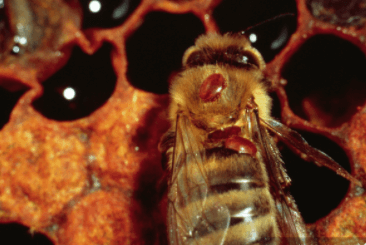
In this video, CropLife International scientist Greg Heck discusses how researchers are using RNA interference (RNAi) to turn off or turn down the expression of genes in insects. The technique, used naturally by many organisms to restrict gene expression, may allow scientists to develop new pesticides to protect food crops from pests and bees from the Varroa mite, a virus-spreading insect widely believed by scientists to be the biggest threat to the pollinators today.

Beyond the binary: Science suggests there’s more than just male or female

Sex can be much more complicated than it at first seems. According to the simple scenario, the presence or absence of a Y chromosome is what counts: with it, you are male, and without it, you are female. But doctors have long known that some people straddle the boundary—their sex chromosomes say one thing, but their gonads (ovaries or testes) or sexual anatomy say another.

These discoveries do not sit well in a world in which sex is still defined in binary terms. Few legal systems allow for any ambiguity in biological sex, and a person’s legal rights and social status can be heavily influenced by whether their birth certificate says male or female.

Since the 1990s, researchers have identified more than 25 genes involved in DSDs, and next-generation DNA sequencing in the past few years has uncovered a wide range of variations in these genes that have mild effects on individuals.

[Should] sex be assigned by anatomy, hormones, cells or chromosomes, and what should be done if they clash? “My feeling is that since there is not one biological parameter that takes over every other parameter, at the end of the day, gender identity seems to be the most reasonable parameter,” says [Eric] Vilain. In other words, if you want to know whether someone is male or female, it may be best just to ask.

Read full, original post: Sex Redefined: The Idea of 2 Sexes Is Overly Simplistic

Recreating the chemical soup that may have sparked life on earth

x o grunewald dallol a la recherche des limites de la vie b dpi

In the molecular dance that gave birth to life on Earth, RNA appears to be a central player. But the origins of the molecule, which can store genetic information as DNA does and speed chemical reactions as proteins do, remain a mystery. Now, a team of researchers has shown for the first time that a set of simple starting materials, which were likely present on early Earth, can produce all four of RNA’s chemical building blocks.

[Thomas] Carell’s story starts with only six molecular building blocks—oxygen, nitrogen, methane, ammonia, water, and hydrogen cyanide, all of which would have been present on early Earth.

Carell started with compounds called cyanoacetylene and hydroxylamine, which react to form compounds called amino-isoxazoles.

[I]n the presence of sulfur-containing compounds called thiols and trace amounts of iron or nickel salts, these intermediates transform into the pyrimidines cytosine and uracil. As a bonus, this last reaction is triggered when the metals in the salts harbor extra positive charges, which is precisely what occurs in the final step in a similar molecular cascade that produces the purines, adenine and guanine. Even better, the step that leads to all four nucleotides works in one pot, Carell says, offering for the first time a plausible explanation of how all of RNA’s building blocks could have arisen side by side.

Read full, original post: Chemists find a recipe that may have jump-started life on Earth

We don’t grow enough vegetables to feed everyone a healthy diet, study claims

iStock XSmall

If everyone on the planet wanted to eat a healthy diet, there wouldn’t be enough fruit and vegetables to go around, according to a new University of Guelph study. A team of researchers compared global agricultural production with nutritionists’ consumption recommendations and found a drastic mismatch.

Published in the journal PLOS ONE, the study calculated the number of servings per person on the planet for each food group based on the Harvard University’s “Healthy Eating Plate” guide, which recommends that half of our diet consist of fruits and vegetables; 25 per cent, whole grains; and 25 per cent, protein, fat and dairy.

Because carbohydrates are relatively easy to produce and can feed many people, developing countries focus on growing grains ….

[D]eveloped countries have subsidized grain and corn production for decades in order to become self-sufficient and to establish global leadership in their production. These countries have also spent far more money on research and innovation for these crops than for fruits and vegetables.

Read full, original article: Not enough fruits, vegetables grown to feed the planet, study reveals

Speeding up drug research through ‘visionary’ cryptographic crowdsourcing

m gDBT nc iE R AM sHBQ

A new cryptographic system could allow pharmaceutical companies and academic labs to work together to develop new medications more quickly — without revealing any confidential data to their competitors.

The centerpiece of this computing system is an artificial intelligence program known as a neural network. The AI studies information about which drugs interact with various proteins in the human body to predict new drug-protein interactions.

In the new AI-training system, data pooled from research groups get divvied up among multiple servers, and the owner of each server sees what appear to be only random numbers. “That’s where the crypto-magic happens,” says computer scientist David Wu of the University of Virginia in Charlottesville, who wasn’t involved in the work. Although no individual participant can see the millions of drug-protein interactions that compose the training set, the servers can collectively use that information to teach a neural network to predict the interactivity of previously unseen drug-protein combinations.

“This work is visionary,” says [computer scientist] Jian Peng.

[T]he AI identified an interaction between estrogen receptor proteins and a drug developed to treat breast cancer called droloxifene. The neural network also found a never-before-seen interaction between the leukemia medication imatinib and the protein ErbB4, which is thought to be involved in different types of cancer. The researchers confirmed this interaction with lab experiments.

Read full, original post: Artificial intelligence crowdsources data to speed up drug discovery

Viewpoint: Biotech industry must invest more in public outreach, or risk losing GMO debate to activists

bananassss x

Agri-food is a $110 billion industry in Canada. Canola, just canola, supports 250,000 jobs and has a $26 billion impact on Canada’s economy, based on a 2016 study. Those numbers are eye-popping — as is another financial statistic from Canada’s ag sector, but not in a good way.

A few years ago, like-minded groups and individuals came together to form the Canadian Centre for Food Integrity, an organization with a mandate to help Canada’s food system earn trust.

The centre has a long list of high profile members and financial supporters, including Maple Leaf Foods, Bayer, Tim Hortons, Richardson, Cargill, the Canadian Canola Growers and the Canadian Cattlemen’s Association. However, its annual budget is less impressive. In 2017, the centre had revenues of $989,677 and expenditures slightly above $1 million.

Building public trust in food and farming, with a budget of $1 million, is not an easy task.

Over the last three to five years, most people in the ag sector have realized that [public] perceptions [can be] hazardous for the industry, and there’s an urgent need to clear up misconceptions about things like pesticides, biotech crops and other tools of modern agriculture.

There is a real risk that Canada may become more like Europe, where politicians and consumer groups have successfully banned GM crops …. [The industry needs] to get serious about this issue.

Read full, original article: BLOG: Canada underfunds efforts to build public trust in ag

Environmental Working Group or the EPA: Who should parents trust about glyphosate safety?

baby roundup question

Remember a couple months back when an advocacy group found what it called “a hefty dose” of glyphosate, the active ingredient in weedkillers such as Roundup, in a wide range of oat-based products such as Cheerios and Quaker Oats? Quaker and General Mills weren’t happy, arguing that any traces of glyphosate in their products were well below the regulatory limits.

Well, the Environmental Working Group (EWG) has come back with another non-peer-reviewed study, this time covering oat-based cereals and other food that’s marketed to children. And the lobbying group—which is partly funded by organic foods companies such as Organic Valley and Stonyfield—says its latest test results “fly in the face of claims by two companies, Quaker and General Mills, which have said there is no reason for concern.”

The thing is, the EWG’s limit is way, way below the safety ceiling imposed by the Environmental Protection Agency. For oats, the EPA says anything up to 30 parts per million is safe. That’s 187 times the EWG’s safety limit, and 10 times the glyphosate levels found in Quaker Oatmeal Squares Honey Nut, the worst offender on the list released by the lobbying group ….

Read full, original article: A New Study Found Weedkiller in 28 Cereals and Other Kids’ Foods. Why Parents Shouldn’t Freak Out Just Yet

‘First drug of its kind’ flu medication gains approval

drugs to treat the flu now include xofluza a new antiviral the fda just approved

The flu vaccine remains the best proactive way to protect yourself and your loved ones from the influenza virus. But this upcoming flu season, there’ll be a new weapon available against the nasty disease. On [October 25], the Food and Drug Administration announced their approval of a new antiviral treatment for the flu, said to be the first drug of its kind. The drug is formally known as baloxavir marboxil, but will be sold under the trade name Xofluza.

What makes Xofluza particularly exciting is that it goes after the virus in a different way than the only other class of flu antivirals currently do. It inhibits something called the cap-dependent endonuclease protein, which the virus needs to make more copies of itself. That, ideally, should mean that it can treat flu infections resistant to older drugs.

The two clinical trials evaluated by the FDA for approval—which involved nearly 2,000 patients—showed that Xofluza was able to shorten the duration and reduce the severity of flu symptoms when compared to a placebo.

The results of these trials, according to Shiogi researchers, also suggested that Xofluza could be even more effective at treating high-risk groups like the elderly than typical treatments; it might also stop the virus from replicating sooner, which would reduce the chances of further transmission.

Read full, original post: We Now Have a New Drug to Treat the Flu