EU countries have delayed a decision on whether or not to reauthorize the use of copper compounds — chemical substances widely used as pesticides in the organic food sector, two officials said.
A decision on approving the substances, which are used by organic growers across the food chain and widely in the wine industry, has split organic campaigners against pesticide companies such as Monsanto who note that the copper-based chemicals are toxic and pose risks for workers.
…
The European Food Safety Authority said last year that the use of copper sulfates on crops poses a number of risks, including to people who work directly with the chemical. Vineyard workers, in particular, were mentioned by the European Food Safety Authority as being particularly vulnerable.
…
[A] final vote on the matter will likely take place in November. Licenses approving the substances run out in January.
Human activity has wreaked havoc on the environment. Many of the products we rely on for our daily lives are sourced from petroleum or made using harsh chemicals that become environmental pollutants …. These are complex problems, and we’ll need an arsenal of tools to address them. Fortunately, scientists are adding innovative approaches to the toolbox all the time. One of those tools, synthetic biology, is opening doors in environmental science by untangling complicated gene networks.
…
Broadly, synthetic biology is the application of engineering and computer science to biology ….
Synthetic biology is being used to develop novel approaches for dealing with contaminated waste and cleaning up polluted sites.
For instance, when whiskey is made in copper stills, the resulting spent grains are contaminated with copper ions. Synthetic biologists at the University of Edinburgh are engineering bacteria to convert those copper ions into copper nanoparticles that have biomedical uses. The cleaned-up grains can then be composted or used for animal feed.
Synthetic biology is a key focus of Revive and Restore, an incubator that is focused on using genetic techniques to enhance biodiversity. They’re exploring how synthetic biology can help conserve and restore coral reefs, protect the blackfooted ferretfrom disease and restore extinct birds.
It is imperative that we breed new varieties of plants to make agriculture more sustainable, given increasing food demand and a warming climate. Until recently, mutations and classical breeding techniques were sufficient to breed new varieties. At the end of the 20th century, tissue culture, gene transfer and other molecular biologic developments entered the picture. In the past decade, a variation on mutation has emerged. We now see thousands of new plant varieties that were bread using artificial mutation with X or gamma rays or colchicine application. A mutation is a spontaneous or purposeful change in one of the genes of a living organism.
Since 2010, new plant varieties have been developed in molecular laboratories using new plant breeding techniques (NPBTs), including tilling, protoplast fusion, cisgenesis, oligonucleotide techniques, CRISPR-Cas9 and Talen, with CRISPR-Cas9 being more prominent than the rest. With these methods, there is no transfer of a gene from a foreign species like there is with GMOs. On the contrary, new varieties are created by silencing the target gene with the help of transient DNA-cutting enzymes. These applications can increase or decrease the effect of a gene. We can call this process artificial micro-mutation. Naturally, these methods can be applied to plants with mapped genes.
What’s most interesting is that these methods do not require hundreds of millions of dollars for registration, as is the case with GMOs. Therefore, gene-edited seeds can reach the marked faster than other varieties. Additionally, the cost of these techniques is only one tenth of GMO processes, resulting in easy variety development by small and medium-sized plant breeding companies, universities and public institutions.
Governments can help or hinder progress
In the US, gene editing is regulated as a conventional plant breeding system. Of the 23 candidate varieties of the more recent registration applications, only three of them belong to multinational seed companies. 20 of them emerged from small-to-mid size enterprises or new entrepreneurs. Breeding new varieties will not be in the hands of multinational companies exclusively; small enterprises will also take part in plant breeding activities, which is crucial for food security in light of climate change.
Image Credit: iStock/Zerbor
Unfortunately, these new plant breeding techniques are effectively banned in Europe. Following a July 2018 decision by the European Court of Justice, gene-edited crops will be regulated like GMOs. According to EU law, then, “conventional” mutagenesis using ionizing radiation or DNA-damaging chemicals, which generates thousands of mutant varieties, is safe. However, specific changes made to an organism’s DNA with one of these NPBTs is cause for regulatory alarm.
The ban was implemented at a time when global warming, drought and disease are seriously threatening the world’s food safety. Farmers around the world are in desperate need of new cultivars resistant to these environmental stresses. The cost to register any new variety in Europe will be around $150 million, so small and medium-sized plant breeding companies and universities will not be able to enter the plant breeding business.
Experts have voiced a number of concerns about the regulatory status of gene-edited plants in Europe. They warn that these restrictions on crop biotechnology will cause funding for plant breeding research in Europe to dry up. The fact that NPBTs won’t be included in the Horizon type framework projects, which bring together science bodies and private companies, will create a barrier for EU firms who want to enter tomorrow’s seed market. This will force a migration of scientists and the closure of laboratories around the continent. In sum, Europe will miss out on the next decade of innovations in food and agriculture.
In contrast, Japan’s Ministry of the Environment is approaching this issue very differently. In late August, Japanese regulators said that unless the product contains DNA from other species, registration procedures will not fall into the category of GMOs.
Follow the latest news and policy debates on sustainable agriculture, biomedicine, and other ‘disruptive’ innovations. Subscribe to our newsletter.
Let’s take a look at the economic contributions of the varieties developed by classical mutation breeding. This method, which was introduced in the middle of the 20th century, generated 3,275 new plant varieties. These new mutant varieties were used as parents in the development of a large number of varieties. For example, in Italy new varieties developed from mutant Capelli durum wheat were planted in half of Italy’s durum wheat fields in the 1970s. China is also using mutation breeding effectively. 30% of the registered 3,275 new world mutant varieties belong to China. The country also uses space for conventional mutation. A total of 230 mutant varieties have been registered via space breeding research center’s mutation projects in the last 30 years.
NPBTs are expected to continue this trend of innovation in plant breeding. In the last 10 years, scientists have used these techniques to develop seedless tomatoes, low-fat soy (expected to reach the market in 2019), easier to digest alfalfa and herbicide-resistant rice and flax. A dozen more gene-edited crops are in the pipeline, including high-fiber wheat and potatoes that stay fresh longer, better-tasting tomatoes, apples that don’t brown, drought-resistant soybeans and potatoes better suited for cold storage. These will not only benefit plant breeders and consumers, they will also encourage further crop development. As the globe continues to warm, breeding new crop varieties will be essential to achieving food security.
Nazimi Acıkgoz is an emeritus plant breeding professor from Ege University, Izmir, Turkey and a science writer focusing on climate change and food security, plant breeding and agrobiotechnology. Follow him on Twitter @nazimiacikgoz
This article originally ran at BlogActiv as New Plant Breeding Technics Have Started to Bear Fruit and has been republished here with permission.
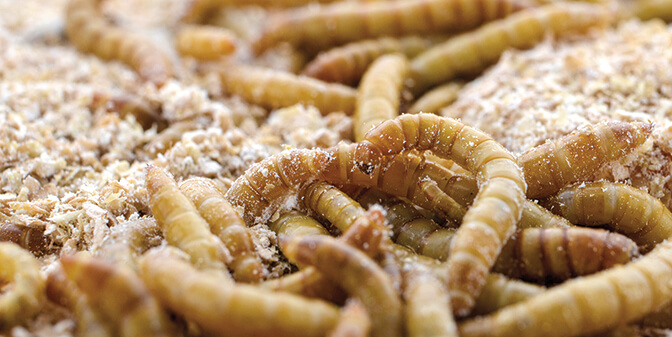
What do we feed the animals we eat? From cattle to fish, livestock require substantial inputs to thrive, and feeding them is arguably the biggest concern because of its environmental impacts and effect on food prices. Sam Glickstein of Biotrophics has a surprising, sustainable solution—feed them insects.
In May 2007, Wim Hof went on a short hike in well-worn summer clothes, a pair of shorts and open-toed sandals. But it may have been a poor choice: his foot started to hurt and he had to turn back after four and a half miles.
There are two crucial details to this story: Hof began his hike at Base Camp on Mount Everest, and the pain in his foot was caused by severe frostbite. He had reason to think he could withstand the extreme conditions; Wim Hof is also known as “The Iceman,” holder of 26 world records and one of the most successful extreme athletes of all time. He attributes his success to a breathing method that he thinks exploits his “reptilian brain,” helping him acquire a superhuman tolerance to punishing cold. According to some, tricks like these fool the lizard part of your brain – the more primitive, unconscious mind – and can be used to make us vulnerable to marketing, lose us money, or maybe even elect Donald Trump.
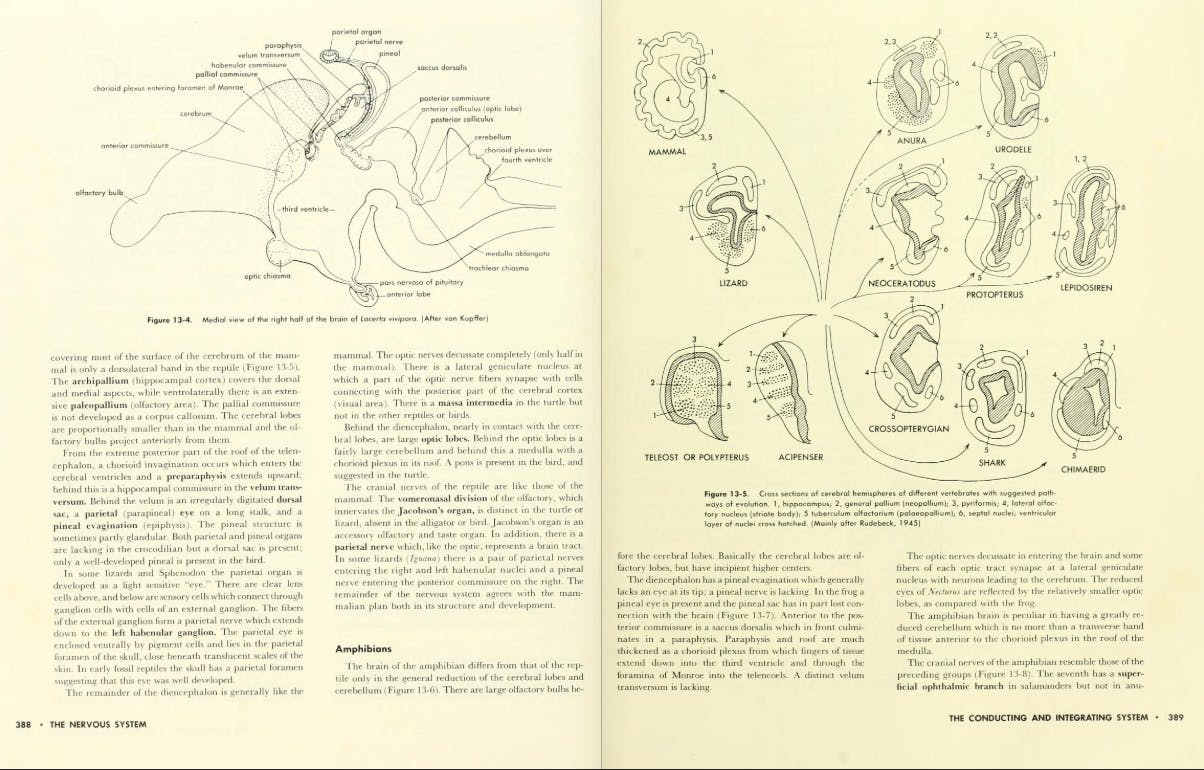
Cordate Morphology, pg. 388-9 Image credit: Internet Archive
Paul MacLean first proposed the idea of the “lizard brain” in 1957 as part of his triune brain concept, theorizing that the human brain supposedly consists of three sections, nested based on their evolutionary age. He believed the neocortex, which he thought arose in primates, is the largest, outermost, and newest part of the human brain: It houses our conscious mind and handles learning, language, and abstract thought. MacLean thought the older, deeper limbic system – which mediates emotion and motivation – began in mammals. Finally, he traced the brainstem and basal ganglia back to primordial reptiles, theorizing that they controlled our reflexes, as well as our four major instincts: to fight, flee, feed, and fornicate.
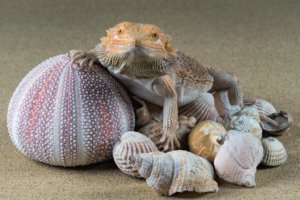
The Pogona, commonly known as a “bearded dragon,” is an adept climber Image credit: Hehaden via Flickr
His ideas spread like wildfire from the ivory tower, setting the world below ablaze. The triune brain theory soon became central to most people’s understanding of our primordial ancestors’ minds, including influential thinkers like Carl Sagan and Arthur Koestler. Even today, many people still think about the brain on MacLean’s terms. But as enthusiasm grew in popular audiences, so did discontent among other scholars. Among other issues, critics claimed MacLean’s groupings were too simplistic, and failed to account for birds, who display remarkable intelligence, despite possessing brains that are somewhat similar to lizards’. However, all these issues amounted to academic disagreements, with little real evidence undermining MacLean’s theories.
That is, until May, when these dissenters witnessed a discovery they had long anticipated. Gilles Laurent, a world-renowned reptile neuroscientist at the Max Planck Institute, published a landmark study inScience with a relatively humble conclusion: The differences between the brains of reptiles and humans seem largely overstated. These findings suggest that MacLean’s theories about the divisions of our brains were off-base. They also raise a provocative question: if MacLean’s theories have held sway for so long, despite numerous detractors, why was such a similarity only discovered now?
The answer, like most others in neuroscience, is largely technological. Laurent’s experiments required a very recent, cutting-edge technology to uncover these similarities: single cell RNA-sequencing (scRNA-seq), which has only became widely available in the past three years. The technique measures the overall production of most genes in isolated single cells, allowing simultaneous profiling of individual cells based on a combination of nearly all of their genetic characteristics. These abilities give scRNA-seq uniquely high power and unparalleled resolution, allowing scientists to group cells together based on their combined genetic similarities, as well as separate them based on their genetic differences.
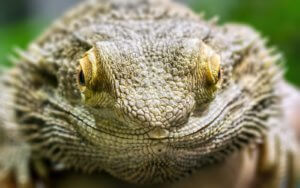
Yet another bearded dragon Image credit: Hamish Irvine via Flickr
Laurent’s group sequenced hundreds of genes from more than 20,000 cells from two of the most common domestic reptiles: turtles and bearded dragons. These cells came from the pallium, the brain region in lizards that Laurent thought most likely to resemble the neocortex, which MacLean thought didn’t exist in lizards. They could then compare the genetic signatures of these cells to those from human and mouse brains, the two best-studied species in single-cell genetics studies. Luckily for them, these two species neatly correspond to MacLean’s two other proposed divisions of the brain! Cells in the mouse brain could represent the proposed mammalian division, and cells in the human brain could represent the primate brain, allowing the researchers to put MacLean’s theories to the test.
Human, mouse, lizard
Their first comparison was relatively simple. We know so little about the brains of these lizards that the researchers had to find out what kinds of brain cells lizards have in the first place, and whether they are close to our own genetically. By looking at genes in human and mouse neurons — the brain cells that store information — and the glia, the cells that support the neurons, the scientists found that reptiles’ brain cells weren’t actually all that different from our own.
Knowing that the three species’ brain cells were molecularly similar, with the same broad categories of cells acting the same way, Laurent’s group then compared the region-specific properties of neurons in the different parts of their brains. They compared neurons in the reptiles’ pallium – the upper layers of cells in the brain – with those of mouse and human neurons from the neocortex. Then, they compared the reptile neurons with two parts of the mammals’ limbic system, the hippocampus and amygdala, which usually process learning and fear, respectively.
There, the scientists observed something unexpected: Two large pallial regions, the medial and dorsoventral pallium, were respectively very similar to the mammals’ hippocampus and amygdala. When they looked closer at specific subregions of the hippocampus, they could even identify specific subregions of the medial pallium that were very similar to specific subregions of the hippocampus.
Surprisingly, even when they compared subregions of the pallium to the neocortex, they uncovered the same pattern in these neurons as well. Cells in just one small part of the pallium, the anterior dorsal cortex, displayed a remarkable similarity to cells in the human neocortex. When they looked at the types of cells in these similar regions, the cell types present in one were generally present in the other too. However, the similarities were far from universal. While some neocortex-specific classes of neurons seemed almost exactly the same in lizards, mice, and humans, some other classes of neocortical neurons in humans weren’t present in lizards. For example, many types of human neurons have properties specific to their individual layers, while lizard neurons do not, implying a greater degree of specialization.
Follow the latest news and policy debates on sustainable agriculture, biomedicine, and other ‘disruptive’ innovations. Subscribe to our newsletter.
Taken together, these comparisons showed that rather than considering the reptilian brain a distinct unit, separate from the mammalian limbic system and the primate neocortex, the three can’t be cleanly distinguished from one another. Instead, reptiles have primitive versions of both of MacLean’s “higher” brain areas, all but proving his theories false. These areas didn’t evolve from scratch after reptiles, but instead simply expanded out from their smaller, less well-defined reptilian precursors.
These findings don’t just change how we classify regions of the brain, they change how we think about lizards and other “lower” animals. If their brains are somewhat similar to our own, why wouldn’t their thought be similar as well? If lizards do think so differently, what relatively minor genetic difference could possibly cause such a dramatic change?
These questions have no real answers yet, and are sure to spark vigorous debate and research in neuroscience, psychology, and philosophy in the months and years ahead.
James R. Howe VI is a grad student at UCSD studying the diversity of our brain cells and how it contributes to Alzheimer’s and Parkinson’s diseases, as well as memory and fear.
In a large study of more than 490,000 men and women in the United States, United Kingdom and Sweden, researchers discovered four genetic variants that occur more often in people who indicated on questionnaires that they had had same-sex sexual partners. Andrea Ganna, a geneticist at the Broad Institute of MIT and Harvard reported the results October 19 at the annual meeting of the American Society of Human Genetics. Two of the variants were specific to men’s sexual partner choice. The other two influence sex partner choice for both men and women.
Collectively, the DNA differences explained only 8 to 12 percent of the heritability of having same-sex partners. “There is no gay gene,” Ganna said, “but rather non-heterosexuality is influenced by many tiny-effect genetic factors.”
…
But that doesn’t mean that genes control sexual behavior or orientation. “Same-sex sexuality appears to be genetically influenced, but not genetically determined,” [psychologist Lisa] Diamond says.
…
[A] variant on chromosome 15 linked to men having sex with men is also associated with male pattern baldness. Another variant in the study is near the ORA51A gene on chromosome 11, which is involved in the ability to smell certain chemicals. That’s interesting because smell has been linked to attraction before, Ganna said. The researchers don’t yet know exactly which genes are involved in mate choice or exactly how they influence behavior.
Ugandan scientists are accelerating their outreach to lawmakers to make them aware of improved crops like disease-resistant cassava ….
Cassava, a staple food crop for residents of Eastern and Northern Uganda, has been plagued by cassava brown streak virus (CBSV), a devastating plant disease that destroys the starchy tuber while it’s still in the ground …. In response, scientists …. began using the tools of modern biotechnology to breed a virus-resistant, nutritionally-enhanced cassava [now] ready for commercialization.
But the nation’s biosafety bill, which has been stalled since it was passed by Parliament a year ago, must be in place before the improved cassava can be released to farmers …. Now scientists think it’s better to sensitize local political leaders, who command trust in the communities they deal with on a daily basis, about the benefits of biotechnology.
…
Wakiso District Councilor Garmal Abdu confessed that there is a lot of misinformation circulating about genetic engineering …. But with the facts he received from the scientists, he has come to understand that GMO crops are not bad.
“Previously, people claiming to have knowledge about this technology told us we cannot obtain (GM) seedlings and replant them,” he noted. “But now what I know is that once I obtain clean cassava cuttings from my farm, I can still plant them and they will grow. I am going to sensitize farmers about this.
With scarce nutrients and weak gravity, growing potatoes on the Moon or on other planets seems unimaginable. But the plant hormone strigolactone could make it possible, plant biologists from the University of Zurich have shown. The hormone supports the symbiosis between fungi and plant roots, thus encouraging plants’ growth – even under the challenging conditions found in space.
…
In space, cultivated plants would not just have to contend with low-nutrient soil, but also with conditions of microgravity, i.e. almost zero gravity. In order to investigate the influence of such an environment on plant growth, the researchers cultivated petunias and mycorrhizal fungi under simulated low gravity conditions. Petunias provide a model organism for plants of the nightshade family (Solanaceae), which include for example tomatoes, potatoes and eggplants.
The experiments revealed that microgravity hindered the mycorrhization and thus reduced the petunias’ uptake of nutrients from the soil. But the plant hormone strigolactone can counteract this negative effect. Plants that secreted high levels of strigolactone and fungi which the researchers had treated with a synthetic strigolactone hormone were able to thrive in the low-nutrient soil despite the microgravity conditions.
Read full, original article: Plant Hormone Makes Space Farming a Possibility
In Sweden, girls are just as likely to go to school and university as boys are. Women make up a greater proportion of the country’s professional and technical workers than any other country in the world. And their representation in the country’s politics is among the world’s best. But when it comes to personality tests, Swedish men and women are worlds apart.
Malaysia sits toward the opposite end of the scale: despite ranking among the world’s lowest for political empowerment of women and lagging when it comes to women’s health and survival, men and women end up looking similar in those same personality tests. What gives?
This fascinating finding—dubbed the gender-equality paradox—isn’t new, but two recent papers report fresh details. In a paper published in Science [October 18], Armin Falk and Johannes Hermle report that gender differences in preferences like risk-taking, patience, and trust were more exaggerated in wealthier and more gender-equal countries. And in a recent paper in the International Journal of Psychology, Erik Mac Giolla and Petri Kajonius provide more detail on the original paradox.
…
“[W]hen men and women are free to express individual characteristics in more unconstrained societies, sex differences may be enlarged,” write Mac Giolla and Kajonius.
…
Falk and Hermle have a slightly different argument: [when] basic material needs are fulfilled, they write, it paves the way for self-expression, including expression of gender.
Four out of ten teenagers feel that their generation should be much more interested in where their food comes from, according to a new study funded by Rothamsted Research. And over a third of them strongly believe science and innovation are the key to a sustainable future for farming.
…
The key findings included:
87% agreed that young people should be more interested in how food is produced and where food comes from, with 41% firmly believing it.
75% think that science and innovation will underpin a sustainable future for farming
…
Professor Angela Karp, Director for Science Innovation, Engagement and Partnerships said she hoped the outcomes of the research will help shape new strategies and priorities for the food and farming sectors to more effectively connect with young people.
“Today’s teenagers are the farmers, consumers – and scientists – of tomorrow, and what they think about farming will have a huge impact on the wider industry over the coming years, including implications for the future of research institutions such as Rothamsted.
When babies become intensely ill, it can be difficult to know what has gone wrong. But the answer, quite often, is hidden somewhere in their genes.
Whole-genome sequencing — in which scientists can read the nearly 3 billion chemical letters in DNA — can help turn up that answer. And scientists, increasingly, are laying out a case for using that tool in an intensive care setting, despite the upfront costs.
The data, they say, show over and over that early diagnosis of genetic disorders not only saves lives, but can keep long-term health care costs down.
…
At the University of Cambridge, [Lucy] Raymond and her team sequenced the genomes of 145 sick children. Most notably, she found that there wasn’t much correlation between genotype and phenotype — meaning that doctors conducting standardized testing would have no reason to suspect a specific genetic disorder. When babies are very young, they may be hospitalized for being ill, but the form of illness won’t necessarily fit the existing diagnostic criteria for the rare disease they have, she said. In her study, only 13 percent of the children showed symptoms that correlated with their eventual genetic diagnosis.
Without whole-genome sequencing in the NICU, she said, most of these genetic disorders might only be diagnosed later in life, when they’re far more challenging to treat.
Gene editing shows considerable potential for improving animal health and welfare and food safety while reducing dependence on antimicrobials and other treatments for livestock diseases. The industry must, however, engage and educate consumers to avoid misconceptions and backlash against a relatively new and difficult-to-understand technology.
While research remains in its early stages, scientists already have announced significant breakthroughs in applying gene editing to livestock breeding. Recently, researchers at the University of Missouri, in collaboration with Kansas State University and genetics company Genus plc, announced they used gene-editing technology to produce a litter of pigs with genetic resistance to Transmissible Gastroenteritis Virus (TGEV). The virus commonly infects the intestines of young pigs, causing almost 100 percent mortality.
…
Gene editing is another tool, potentially an extremely powerful tool, for accelerating propagation of desirable traits in crops and food animals.
The agricultural community needs, though, to get ahead of the issue and preempt any backlash from anti-technology activists or consumers. They’ll need reassurance that scientists and regulatory agencies have verified the safety of gene editing in food production, along with documentation of the benefits.
Read full, original article: Editing for Health and Fitness
The first farmers to arrive in Europe from the Middle East brought their dogs along with them, effectively wiping out the original population of European canines, according to new research.
Starting around 11,000 years ago, Neolithic farmers who had established themselves in the Fertile Crescent of the Middle East—what is now modern day Egypt, Syria, Lebanon, Israel, Jordan, and Iraq—began to migrate into Europe.
…
As new genetic evidence published [October 17] in Biology Letters indicates, these original European dogs, who lived with Mesolithic hunter-gatherers, gradually disappeared from the continent, replaced by the canines who arrived from the Fertile Crescent alongside their Neolithic masters.
The close connection between humans and dogs, this new research suggests, goes far back into time.
…
[T]he researchers conducted a genetic analysis of nearly 100 canine remains uncovered at 37 archaeological sites throughout Europe, from the early Mesolithic to the Bronze Age.
…
[P]rior to the arrival of Neolithic farmers, all dogs in Europe shared the same genetic lineage, dubbed haplogroup C. After the Neolithic farmers arrived, however, this haplogroup was steadily replaced by a different one, Hg D, or simply haplogroup D, “thus suggesting the introduction of non-indigenous domestic dogs,” the researchers write in their study.
[T]he success of genetic therapies [for autism] is not guaranteed. Even if disrupted genes can be replaced, repaired or otherwise restored, the fix may come too late. Genetic therapies may need to be implemented before neural insults even arise.
Perhaps the best way to tackle this concern is to attempt to treat an autism-related condition in which the therapeutic target — for instance, the causative gene — is discrete and well defined. Angelman syndrome is an ideal candidate.
Angelman syndrome is a neurodevelopmental condition characterized by intellectual impairment and motor dysfunction. Although its features overlap with those of autism, unlike most other forms of autism, it is caused by the dysfunction of a single gene, UBE3A.
…
The most direct approach is to introduce a healthy copy of UBE3A into neurons. This transfer could be achieved using adeno-associated viruses, which can carry new genes to cells. Other approaches involve unsilencing the dormant paternal copy of UBE3A.
…
If begun early enough, genetic therapies for Angelman syndrome may not need to continue throughout life; targeting a critical window of development could be sufficient.
…
The key timing and drug-delivery requirements for therapeutic efficacy in Angelman syndrome apply to most neurodevelopmental conditions. So the results of the inevitable clinical trials for genetic Angelman therapies should help guide strategies for trials in other similar single-gene brain conditions.
FDA Testing Finds No Glyphosate Residues in Over Half of Commodities Tested. And what they did find was well within safe limits.
But I bet you didn’t see that headline splashed all over websites, featured on the daily news, or used as fundraising bait by activist organizations.
…. FDA annually tests food samples for pesticide residue …. The was so much hoopla surrounding glyphosate, the active ingredient in Round-Up, FDA specifically developed a test to detect residue levels. It began using the test in 2016 on soybeans, corn, milk, and eggs and just published the results for FY16. The results weren’t surprising:
Of the 760 corn, soybean, milk, and egg assignment samples tested for glyphosate …. 53% had no detectable residues of the pesticides. Further, none of the milk and egg samples had any detectable glyphosate or glufosinate residues, and all the corn and soybean samples that tested positive for the pesticides were below the tolerance levels set by the …. EPA.
In other words, there is literally nothing for anyone to worry about …. So why haven’t those news sources covered the latest data from FDA with the same vigor?
Obviously because FDA’s data isn’t sexy …. it also doesn’t fit a narrative that modern agriculture is dangerous, destructive, and problematic. The FDA’s report doesn’t get clicks so it doesn’t merit mention.
Three months after the European Union’s top court gave gene-edited crops the same stringent legal status as genetically modified (GM) organisms, researchers across the world are starting to feel the pinch. And some are becoming increasingly vocal in their opposition to the ruling.
…
“A maize field trial we’ve been conducting in Belgium for over a year and a half was suddenly considered a GM field,” says Dirk Inzé, science director at the VIB–UGent Center for Plant Systems Biology in Ghent, Belgium.
As a result of the ruling, he says, local authorities have insisted on extra precautionary measures, such as placing a fence around the researchers’ plot and completing extensive documentation.
Meanwhile, a Belgian start-up that planned to use CRISPR technology to help Africa’s banana industry says it lost its financing. And a company in Brazil says it has put millions of dollars’ worth of gene-editing projects focused on soya beans on hold because its major market is in Europe.
…
“We see a chilling effect on plans for performing research with CRISPR-edited plants in the field,” says René Custers, manager of regulatory and responsible research at the VIB, life sciences research institute, based in Belgium. “The climate for precision breeding in general and CRISPR in particular has worsened after the ECJ ruling,” he adds.
The conversation about unconscious bias in artificial intelligence often focuses on algorithms that unintentionally cause disproportionate harm to entire swaths of society—those that wrongly predict black defendants will commit future crimes, for example, or facial-recognition technologies developed mainly by using photos of white men that do a poor job of identifying women and people with darker skin.
But the problem could run much deeper than that. Society should be on guard for another twist: the possibility that nefarious actors could seek to attack artificial intelligence systems by deliberately introducing bias into them. … This could introduce a worrisome new dimension to cyberattacks, disinformation campaigns or the proliferation of fake news.
Academics and industry observers have called for legislative oversight that addresses technological bias. Tech companies have pledged to combat unconscious bias in their products by diversifying their workforces and providing unconscious bias training.
As with technological advances throughout history, we must continue to examine how we implement algorithms in society and what outcomes they produce. Identifying and addressing bias in those who develop algorithms, and the data used to train them, will go a long way to ensuring that artificial intelligence systems benefit us all.
Often, cancerous tissue interferes with or blocks the normal physiology we need to live like digestion or respiration. Other times, the tumor is producing a substance that is lethal to the rest of the body.
We can all probably recall examples of people who are in stages of significant deterioration due to disease—one of the common mental pictures is one of the individuals’ becoming progressively frail until mortality consumes them. From diseases like Duchenne muscular dystrophy, cancer, chronic infection, and old age, muscle wasting takes its toll on the body, making its sufferers weak and frail.
Roger also notes that chronic diseases, many of which are accompanied by muscle wasting, impact about half the world’s population. So between these conditions and cancers, muscle wasting has a tremendously high representation in the population. Therefore, making strides against it has the potential to remarkably impact the health status of conservatively hundreds of millions of people.
How does muscle wasting occur? While it can occur from malnutrition, that’s not the only way it can progress as it can be a direct consequence of several severe diseases. For example, cancer can lead to muscle wasting problems through biochemical pathways all their own. In many cases, the loss of strength and muscle, in general, isn’t the primary concern—but the fact that the heart muscle is also affected, leading to heart failure, which can be fatal.
Follow the latest news and policy debates on sustainable agriculture, biomedicine, and other ‘disruptive’ innovations. Subscribe to our newsletter.
In the case of cancer, it’s an effect called cachexia, which occurs when tumors secrete a hormone called myostatin, which causes the breakdown of muscle tissue. It seems simple: Stop the myostatin, improve the muscle wasting. However, throughout the body, myostatin plays a valuable role when properly controlled in healthy people. In fact, previous research in this area has suggested that it isn’t safe to systemically block myostatin’s effects. So the researchers are looking at a novel method of stopping myostatin only in the skeletal and heart muscles (not systemically).
You may have heard of certain nutritional supplements, most notably beta-hydroxy-methylbutyrate or HMB, being marketed for maintaining muscle mass. HMB is a naturally occurring amino acid metabolite which has been researched for over two decades for its ability to slow the breakdown of lean muscle. While there are data to suggest that HMB and other compounds could work to prevent small reductions in muscle mass, they don’t pack enough punch to promote survival in more dire conditions—like someone dying of cancer.
Researchers, including Paul Gregorevic, of Baker IDI Heart and Diabetes Institute in Australia, have identified a piece of DNA, the signaling protein Smad7, which when inserted into affected muscle tissue, delivers the desired preventive effect. The first challenge: How to get the signaling protein Smad7 directed only to the muscles and not throughout the body? By selecting an adeno-associated virus (AAV) which targets only skeletal and cardiac muscle cells, the Smad7 payload can be delivered precisely to the muscles themselves and not distributed throughout all body tissues.
How the protein signaling works is like this: Smad7, when incorporated into muscle cells, inhibits Smad2 and Smad3, which are triggered to cause muscle deterioration by myostatin and other catabolic wasting hormones. Interestingly, there is a metabolic pathway in the process of cachexia that causes breakdown of intracellular proteins and seems to be reversed by HMB. By blocking the triggering of Smad2 and Smad3, the muscle wasting effects are prevented. If this treatment worked, it could go a long way in lengthening thesurvival duration of millions of patients.
With muscle wasting taken out of the equation, cancer patients could be given an extra decade or more for more effective treatments to be developed. It could also greatly improve the quality of life for many people suffering from chronic diseases like muscular dystrophy.
In a lot of ways, finding a cure for muscle wasting is akin to the standard operating procedure of an emergency room: triage. By dealing with the most critical cases first, more people can be helped. By triaging one of the critical causes of mortality first, patients can remain stronger for longer to increase their survivability.
A version of this article originally ran on the GLP on Sept. 29, 2016.
Ben Locwin, Ph.D., MBA, MS, is a contributor to the Genetic Literacy Project and is an author of a wide variety of scientific publications in books and magazines. He is an expert contact for the American Association of Pharmaceutical Scientists (AAPS), a committee member of the American Statistical Association (ASA), and also a consultant for many industries including biological sciences, pharmaceutical, psychological, and academic. Follow him at @BenLocwin
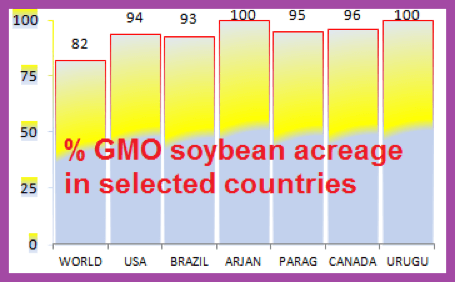
During the last 16 years, GMO soy production has reached 80 million hectares. It is almost 80 percent of total acreage worldwide as of 2014: 100 percent in Argentina, 94 percent in the United States; and 93 percent in Brazil. These developments make it extremely difficult to find GMO-free soybeans and soy additives, particularly in the three largest soy producing countries, which dominate the global export market.
Non-GMO advantages
Herbicide resistant GM soy (Roundup Ready) growers are not legally permitted to use their patented seeds more than once; they have to sign a contract, guaranteeing they won’t replant the seed in coming years. But soybean seeds are autogam (self pollinating), and as a result, when they are not patented, they can be used for many years. Even some non-GMO soybean farmers buy non patented seeds each year. Why? Soybean farming requires seed cleaning, spraying and professional packing services, and not every farm is equipped for this purpose.
What is the current situation for non GMO seed companies?
Their numbers are dwindling because of reduced availability of GMO free seeds and because they are being acquired by biotech seed companies.
Soybean breeders are not improving non GMO varieties because demand is so low. In recent years in the US, the number of GMO-free varieties decreased by 67 percent whereas GMO varieties increased 7 percent.
It’s expensive preventing the intermingling of non-GMO and conventional GMO seeds.
There are also some advantages for non-GMO soybean producers. Seeds are cheaper and farmers receive a premium for their crop, from 10 percent to 25 percent or more.
GM advantages
Despite their lower crop price, why are more expensive GMO seeds preferred by most farmers?
Disease and drought-resistant varieties are providing stable yield.
As GMO soybean cultivation was not allowed in Brazil before 2003, the seed was being smuggled from Argentina. This means that producers were aware of the pluses of GMO varieties.
Non-GMO soy cultivation needs herbicide application for both narrow and broad-leaved weeds, whereas during GMO cultivation only one glyphosate spray solves the problem and reduces input costs.
In traditional soybean cultivation, farmers plow the soil, particularly for weed control before planting, whereas GMO soybean cultivation is generally a no-till method and doesn’t need any soil preparation, so farmers save time, money and labor. (No till also limits the release of greenhouse gases). Because they can sow earlier in the season, farmers are also able to grow two crops a year rather than just one. In South America, because of the spread of GMO crops, millions of hectare land are double cropped.
Follow the latest news and policy debates on sustainable agriculture, biomedicine, and other ‘disruptive’ innovations. Subscribe to our newsletter.
What about weed control? Because herbicide-resistant soybean varieties are used on the field, only one application of weed killer (glyphosate) is typically needed to solve weed problems. Saving soil preparation with only one herbicide application results in cost reductions, and that is the main reason why most farmers prefer GMO varieties.
Many companies have focused on growing cheaper feed for their livestock production and becoming a GMO soy exporter. All of these developments are reflected in the low-cost GMO soy market. But as a consequence of the scarcity of non GMO seeds, GMO-free soy has increased in price, causing troubles within the organic livestock production sector, especially poultry and pork subsector within the European Union. Now they are looking for alternative sources of non GMO soy.
Future of soy
To increase the numbers of classic, GMO-free soy varieties, the seed industry has taken serious steps forward. Brazil has put more emphasis on non GMO’s and has established an association, ABRANGE, to promote production. EMBRAPA—the Brazilian Agricultural Research Organization—has launched a comprehensive breeding program for new GMO-free soy cultivars along with several other groups to provide greater competitiveness along the production chain. Some 13 companies now sell non GMO seed. The growing non GMO seed market is in part linked to what’s known as the 85/15 rule—a general agreement that distributors will sell 85 percent GMO and 15 percent non-GMO seeds. Monsanto and other multinational biotechnology and seed companies are also breeding non GMO lines with better tasting and more flavorful soybean varieties.
Soybeans are not the only crop in which a shortage of non GMO varieties has developed. Sugar beet farmers in the US who have wanted to grow GMO free varieties have found that most sugar factories will only handle transgenic seeds. The story with corn is similar. In 2005, there existed 3226 hybrids. Within five years, this number dropped to 1062, whereas in the same period transgenic hybrid numbers increased dramatically.
The situation with soy remains fluid. Seed patents for GMO soy (Monsanto’s Roundup Ready soybeans) have been expiring: Canada in 2012 and the US in 2013. And GMO seed might be seen as too expensive for some farmers. Meanwhile, the agronomic advantages of newly released non GE varieties and the non GMO price premium might open the door for both of GMO and non GMO soybeans to compete against other soy exporting countries.
A version of this article originally ran on the GLP on Feb. 9, 2017.
Nazimi Açıkgöz is a freelance science writer on food security, agrobiotechnology and climate change. His twitter handle is: @nazimiacikgoz















 Researchers, including Paul Gregorevic, of Baker IDI Heart and Diabetes Institute in Australia,
 Herbicide resistant GM soy (Roundup Ready) growers are not legally permitted to use their patented seeds more than once; they have to sign a contract, guaranteeing they won’t replant the seed in coming years. But soybean seeds are autogam (self pollinating), and as a result, when they are not patented, they can be used for many years. Even some non-GMO soybean farmers buy non patented seeds each year. Why? Soybean farming requires seed cleaning, spraying and professional packing services, and not every farm is equipped for this purpose.