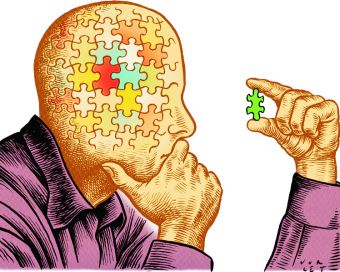
Why is former basketball player Shawn Bradley so tall? His DNA could offer the answer

tfaz i oqkwgwtkapg o

As a first-round draft pick from Brigham Young University, Shawn Bradley caused a hubbub during the 1993 NBA draft. That is because he was 7’ 6” tall.

That’s five inches taller than Shaquille O’Neal, the NBA superstar drafted the year earlier. Bradley could touch the rim without lifting his feet.

Now researchers who have had a look at Bradley’s DNA say they figured out why he’s so tall.

According to a team at Brigham Young University, Bradley doesn’t have some unusual mutation or a pituitary gland disorder like Andre the Giant.

Instead, he seems to have won the jump ball of genetic luck, inheriting a combination of entirely normal genetic variations that, in combination, helped make him taller than 99.99999 percent of people.

The research team was interested in applying a new technology called polygenic risk scoring. The basic idea behind such a risk score is to measure subtle pluses and minuses in someone’s genome and add them up to yield a prediction—of how tall the person will be, say, or how likely to develop heart disease.

Spotting outliers may be useful in medicine. In August, for instance, Boston scientists said they believed people should have these kinds of tests for heart risk. That was after they found that people with very highest scores really do have a worrisome chance of a heart attack.

Read full, original post: Biologists checked out this NBA player’s DNA for clues to his immense height

South Australia launches ‘independent review’ of GMO crop moratorium

GMO labeling thumb

South Australia has announced an independent review into the state’s moratorium on genetically modified (GM) crops.

Economist and agriculture policy analyst Emeritus Professor Kym Anderson will look at the costs and benefits of the moratorium and report back [in early 2019].

The South Australian Minister for Primary Industries Tim Whetstone said the previous government’s six-year extension to the GM moratorium prior to the election was done without any consultation.

“There was no attempt by Labor to assess whether the moratorium was good or bad for the economy or our grains and agricultural industries,” he said.

Are the winds of change blowing through the world’s GM crops? As an activist for Greenpeace leading the charge against GM foods in the 1990s, Mark Lynas once raided UK trial sites in the dead of night, cutting down the crops to slow down research.

He was part of a successful campaign that led to bans on GM food in Europe and Australia. But now he has apologized to farmers and published a book to say he was wrong about genetically modified organisms (GMOs). He said the body of evidence was clearly in support of their safety.

Read full, original article: Former activist and scholars drive re-think on genetically modified crops

Are we close to a simple blood test for autism?

autism blood test

A new study suggests that its results could lead to a simple test for some children with autism, but statisticians say the test — even if validated — could not be used to screen for autism in the general population.

The study, published Thursday [Sept. 6] in Biological Psychiatry, says about 17 percent of children with autism have unusual proportions of amino acids — the building blocks of proteins — in their blood. A test that looks for these molecules correctly identifies nearly 94 percent of this subgroup of children.

However, those results only hold because of the study’s statistical design, experts say. In the general population, the test’s accuracy would be less than 8 percent.

“We understand that there’s more steps to go before there’s a definitive blood test,” even for the subset of children with the distinctive patterns of molecules, [researcher David] Amaral says. “But what I think is interesting is a blood test for this subtype of autism isn’t decades away; it could literally be months away.”

“This has the potential to open up whole new areas of diagnostics and treatments for autism,” says Joseph Gleeson, professor of neurosciences at the University of California, San Diego, who was not involved in the work. “But it’s very early and needs to be interpreted very cautiously.”

Read full, original post: A blood test for autism? Not so fast, experts say

UK officials say they will enact ‘science-based’ biotech crop regulations

gmo regulation
[On September 14th] the I published an article regarding the future of gene editing following a letter from 30 leading scientists to the Environment Secretary requesting the government reconsiders how research and future use of gene-edited crops will be carried out post Brexit.

This letter follows a decision made by the European Court of Justice in July to extend the ban on genetic modification to include gene editing.

A Defra spokesperson said:

The Government has always been clear that we take a science-based approach to GM regulation and our priority is safeguarding health and the environment. Our view remains that gene-edited organisms should not be subject to GM regulation if the changes to their DNA could have occurred naturally or through traditional breeding methods.

Read full, original:  Defra in the media

Viewpoint: No, wild bees haven’t been decimated by neonicotinoids, glyphosate

wild bee

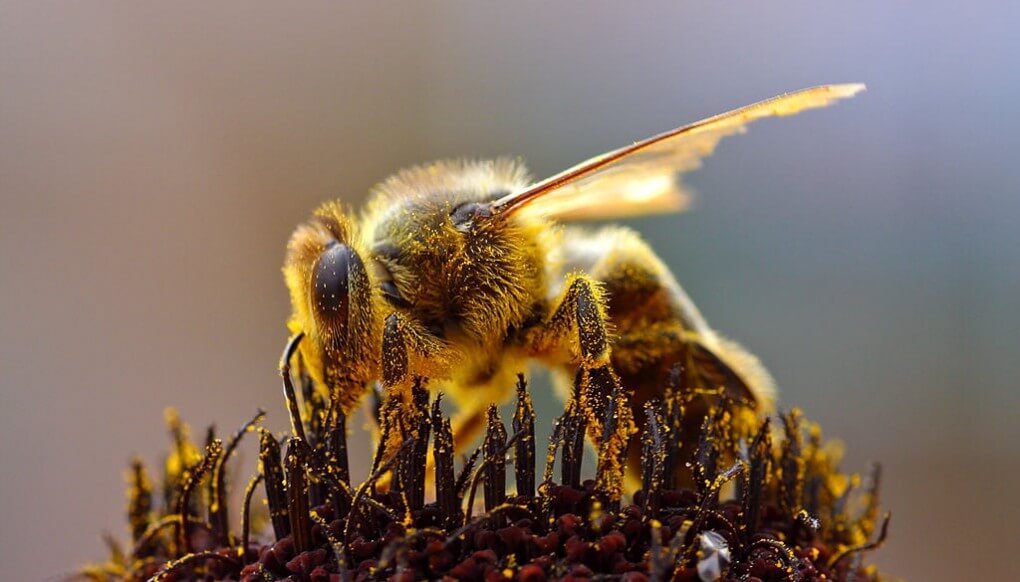
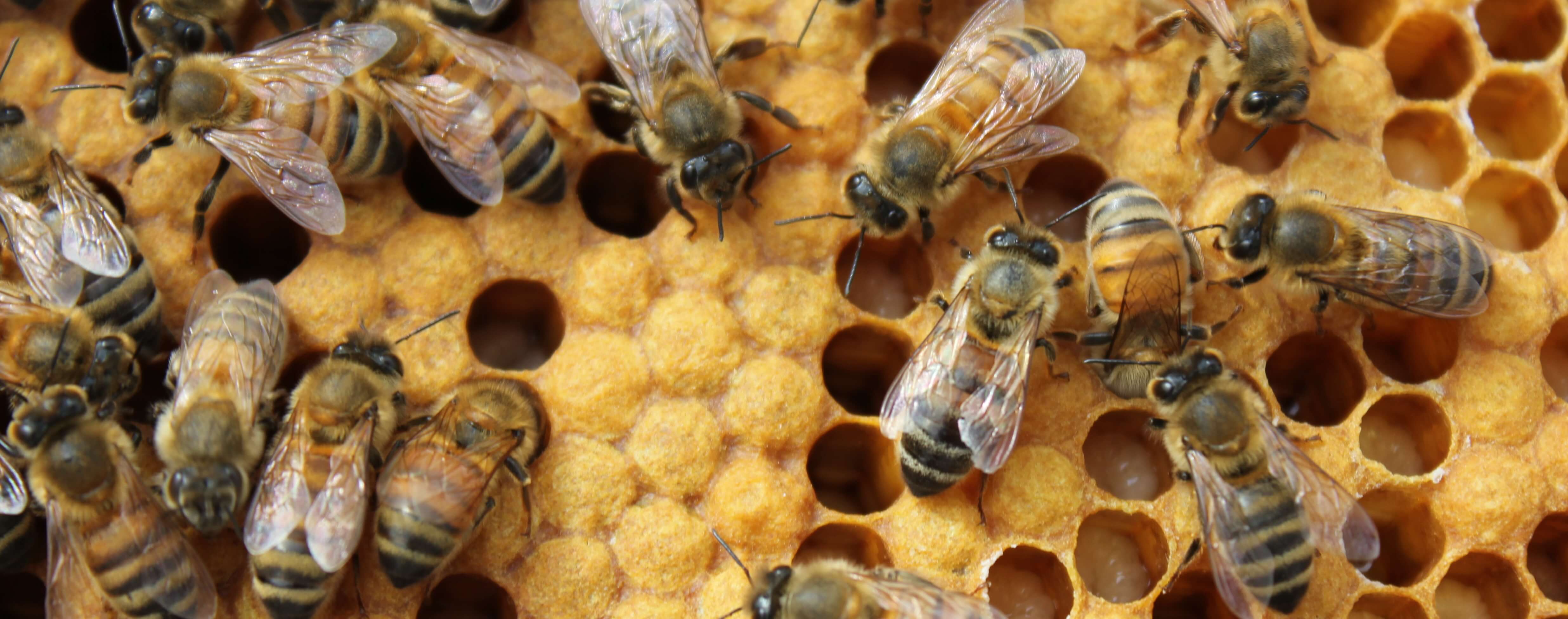
Bees and pesticides (and not just insecticides) have been the focus of activists and scientists alike, particularly since a 2006-2008 wave of Colony Collapse Disorder, during which millions of domestic honeybees disappeared.

For a few years, environmental groups like the Sierra Club and Natural Resources Defense Council claimed that insecticides, particularly a class of chemicals called neonicotinoids, were the problem. In 2016, the Sierra Club said (while requesting donations):

Bees had a devastating year. 44% of colonies killed…and Bayer and Syngenta are still flooding your land with bee-killing toxic ‘neonic’ pesticides—now among the most widely used crop sprays in the country.

But more recently, in 2018, the same organization posted a different message on its blog:

Honeybees are at no risk of dying off. While diseases, parasites and other threats are certainly real problems for beekeepers, the total number of managed honeybees worldwide has risen 45% over the last half century.

As reported by the Genetic Literacy Project and other news and scientific bodies, the crisis of honeybee loss turned around to be overblown, and the connection to neonics false:

A 2014 report in the journal Environmental Toxicology and Chemistry (ETC) reviewed bee health over multiple years and reached a similar conclusion: “The epidemiological evidence from Europe shows no correlation of honeybee losses to pesticide use and indicates the presence of causal factors other than pesticides.

That ETC also noted the disjunction between controlled experiments in labs and reports from farms. When force-fed or injected with neonics, bees have shown disturbing effects. But most entomologists are cautious about the meaningfulness of such research. One of the problems is that studies monitoring bees in fields have shown little or no adverse effects where neonics are used. Lab studies that make research so attractive to scientists looking for quick answers often make it impossible to account for the complex activity in hives, which many scientists believe self-regulate, naturally clearing toxins. Neonics, ETC researchers concluded, “do not cause acute toxic effects on foraging honey bees or significant health effects to colonies.”

bees 9 11 18 2

From one bee to another

Now, the focus for a ban on neonics and other chemicals (including glyphosate, an herbicide that has been the favored target of anti-GM activists) has switched to wild bees.

Now, says the Sierra Club, it’s native bees that “are experiencing incredible losses. Of the nearly 4,000 native bee species in the United States alone, four native bumblebee species have declined 96 percent in the last 20 years and three others are believed to have gone instinct. In the last 100 years, 50 percent of Midwestern native bee species disappeared from their historic ranges.”

The Sierra Club stops short of blaming neonics for bumblebee and other native bee losses. However, the state of California is planning to further restrict (but not ban) the neonic class of pesticides, and the USDA is making the occasional claim that honeybee populations are dropping, despite new data illustrating a bounce back from 2007-2008 and steady numbers today.

Meanwhile, the beepocalypse has shifted to the wild ones: “There’s no question that these super-toxic pesticides are taking a heavy toll on imperiled native pollinators around the world,” said Jonathan Evans, Environmental Health legal director at the Center for Biological Diversity. “Native pollinators are a critical link in our food web. We need the EPA to step up and take action to ban these dangerous chemicals before it’s too late to save our wild bees.”

But their claim misses two important points:

  • The small number of native species in trouble have little to no contact with crops, A. mellifera, or pesticides.
  • We have little to no idea how many wild bees exist.

A tale of two Nature papers

A 2016 paper by British researchers published in Nature Communications suggested a harmful impact of neonics both on European honeybees and wild bees. However, a chart embedded in the paper showed no such correlations. Most wild bee populations appeared to be impervious (or at least didn’t show a statistically significant drop in population) to neonics or other pesticides in use during the study period.

In 2015, Nature published the results of a three-year study, showing that only two percent of wild bee species provide the lion’s share (about 80 percent, in this case) of wild bee pollination of crops. “Threatened species contribute little, particularly in the most agriculturally productive areas,” the authors wrote.

Follow the latest news and policy debates on sustainable agriculture, biomedicine, and other ‘disruptive’ innovations. Subscribe to our newsletter.

How many wild bees are there? Good question

Another problem with the new wild “beemageddon” is that we have no idea how many species of wild bees exist. Sam Droege, a wild bee specialist with the US Geological Survey, has observed that most wild bee species seem to be holding their populations. But he’s also observed that we don’t have the same information on wild bees that’s available for the European honeybee.

“The USDA has an annual survey of categories of hives, commercial hives for honeybees. It’s a good index for honeybees,” Droege said in an interview with the Genetic Literacy Project. “Nobody has an index of feral bees. Feral bees are not tracked by anyone.”

The knowledge of wild bee populations is so inadequate it makes it nearly impossible to predict what normal populations are:

There are about 4,000 bee species in North America, and that is a guess. A number of those species are not described. There are so few taxonomists, not enough to officially name and publish all species. We’re so far behind that we have bees we know are new to science, but they’ve haven’t been recorded. We’re about 100 years behind, for example, bird specialists.

There are issues of decline in wild bees, some populations have crashed. We don’t have a bumblebee survey to answer directly. Certain species have declined so much that nobody can find them. There is not a census of bumblebee so we can’t look at statistically.

bees 9 11 18 3
Image credit: Ludmila Smite/Fotolia

Wild bees, at least the ones we know about, also tend to be extremely specific about what they pollinate or collect nectar from. This makes their niches much narrower, and creates rare types of bees that may have gone extinct, or are simply difficult to find. But are pesticides, specifically neonics, the problem behind the declines we can document?

No, says Droege. “With a high degree of certainty, we know that that’s a pathogen, and not a habitat or pesticide issue. Neonics—nobody sprays that in wildlife refuges or national parks or places for insect control. We see these declines in bumblebees in areas of thousands of square miles where no pesticies are applied.”

In fact, a recent study by York University in Ontario found what many other scientists have found: declines in wild bee populations were due to a lack of genetic diversity (because of sparse populations and increases in inbreeding) and pathogens.

It doesn’t mean insecticides can’t kill bees. They can, and do. But without knowing how many bees we’re observing, we can’t tell. But the “beepocalypse” on species living in desert or wild environments is the stuff of hyperbole.

Andrew Porterfield is a writer and editor, and has worked with numerous academic institutions, companies and non-profits in the life sciences. BIO. Follow him on Twitter @AMPorterfield

‘Voluntary euthanasia’: Are we ready to harvest organs while donors are still alive?

organ

In the dystopian society of Nobel prizewinner Kazuo Ishiguro’s Never Let Me Go, cloned people are raised to provide organs for the wealthy.

So stark and terrifying is Ishiguro’s imagined world that I never thought I’d read something similar in a work of nonfiction, let alone in a top medical journal. But a Perspective in the September 6 New England Journal of Medicine (NEJM), “Voluntary Euthanasia – Implications for Organ Donation,” eerily echoes some aspects of the 2005 novel (and forgettable 2010 film): choosing to donate one’s organs before death, minus the coercion and cloning.

Organ transplants in dystopias

In Never Let Me Go, protagonist Kathy lives with other clones in a boarding school in England, under the tutelage of “guardians” who ensure that they live healthily. She and her mates aren’t to know why or how they exist, but when an inexperienced guardian blabs the truth, they learn that they were created to donate their organs to rich people with whom they share a genome sequence. Organs will be harvested one-by-one as needed, until the donors “complete.” That is, die. It might happen the first time, if the recipient needs a heart, or after a few operations.

The clones’ acceptance of their fate is reminiscent of the vibe in The Handmaid’s Tale, substituting maintaining organ health (no smoking! eat veggies!) for forced pregnancies to service the well-to-do. The complacency is also a little like the society of Logan’s Run, the 1976 film depicting a time and place where people “go to carousel” when they reach age 30, keeping the population young.

A variation on the stolen-organ theme is the urban legend of awakening in an ice-filled bathtub with a mysterious scar, which Snopes describes as “unwary travellers drugged and used as unwilling kidney donors by bands of organ thieves.”

Asking to donate one’s organs before death is a different story.

The ultimate sacrifice

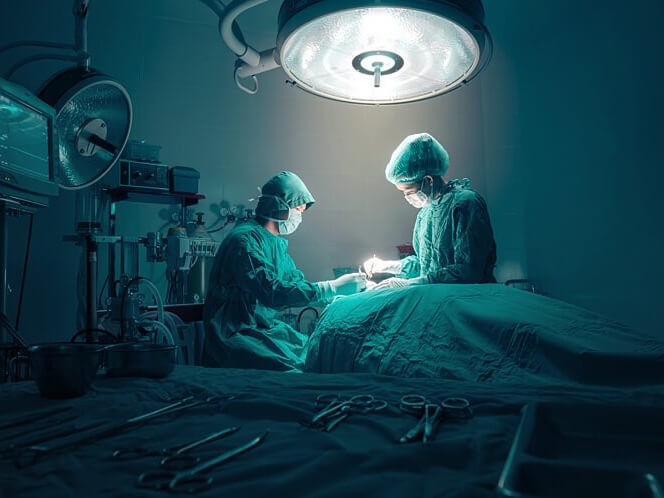
In the traditional hospital end-of-life setting, treatment of a severely ill or injured patient is uncoupled from the decision to donate organs, although on TV medical shows an ominous cooler may be surreptitiously placed outside the ICU when a patient is about to expire, and it’s not filled with beer. According to the NEJM Perspective, in some nations, a severely ill or injured person can request heavy general anesthesia so that organs can remain perfused in tip-top shape and removed when she or he is still alive. The donor would simply not awaken, like someone in Never Let Me Go completing.

I don’t know what this sort of sacrifice would be called. But the sequence of events intended to donate top quality organs before death is possible because of “voluntary euthanasia,” in which a physician provides the lethal drug cocktail or other deadly intervention. This differs from “physician-assisted suicide,” in which the physician provides the drugs, but the patient takes them.
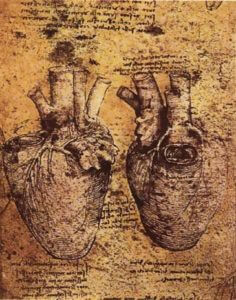
eleodavinciheartjpg aca a d bb fThe Perspective doesn’t address specific circumstances of a patient asking to donate before death, other than demonstrating sound judgment. “Clinicians must confirm that patients have decisional capacity and that their choices are fully informed, voluntary, and not unduly influenced by treatable or reversible conditions, such as some forms of mental illness,” Ian Ball, MD, from Western University, Robert Sibbald, MSc, from the London Health Sciences Center, both in Ontario and Robert Truog, MD, from the Center for Bioethics at Harvard Medical School write.

So who could donate before death?

I’ve had cancer twice, so my organs are off limits, as would be those of people harboring serious infections. That leaves accident victims with sufficient brain function to make rational decisions, and perhaps people with terminal neurological conditions that don’t impair cognition or damage organs. It’s difficult to even think about.

Legalities limit the practice. The list of nations that have legalized euthanasia is short: the Netherlands, Belgium, Colombia, Luxembourg, and Canada. Assisted suicide is legal in Germany, Switzerland, the Netherlands, and in the United States in Oregon, Washington, Hawaii, Colorado, Vermont, Montana, California, and Washington DC.

Canada approved euthanasia in 2015 for patients with “grievous and irremediable” suffering and in 2016 amended a Supreme Court ruling to distinguish voluntary euthanasia from physician-assisted suicide. It’s that distinction that may be driving discussion of living donations to completion, with apologies to Ishiguro. “These developments create a new pathway for organ donation — and with it, some challenges that will also be relevant for other jurisdictions where medical assistance in dying is permitted or under consideration,” write the Perspective authors.

Because voluntary euthanasia requires a physician, it can occur in a hospital. That would presumably provide healthier organs than from a person who intentionally overdoses alone at home.

The issues arising from voluntary euthanasia say out loud what is typically only whispered or assumed: providing enough of a drug, like morphine, to relieve terminal pain, while knowing that it could send the patient painlessly into the beyond, is already done. This article is two decades old but confronts “managed deaths” from morphine overdose.
slippery slopeA slippery slope to living lethal donations has already materialized. For example, sometimes, at a donor’s request, heparin is dripped into the bloodstream shortly before death to prevent clotting, which could damage organs. And a hospital is equipped and staffed to harvest organs as soon as the donor goes pulseless – aka “donation after circulatory determination of death.”

The next step is obvious. Wouldn’t organs retrieved before death, in the hospital, be in even better condition than those taken minutes after death? But even in nations that approve of voluntary euthanasia, the decision to end life is supposed to be independent of the decision to donate organs.

The dead donor rule

Ethicists evoke the “dead donor rule”: vital organs may only be retrieved after a patient’s death, and taking the organs should never cause the death. Canada and some European nations that permit voluntary euthanasia support the dead donor rule.

Dr. Truog, a co-author on the new paper, was also on the 2013 paper cited above, which describes disturbing cases involving the dead donor rule. In one, a young girl sustained severe brain damage in an accident. Because she had no hope of recovery, her parents wanted to donate her organs. But when physicians withdrew life support, expecting imminent death, the girl lingered too long for her organs to remain suitable for transplant. The parents, devastated, described the failure as “a second loss.” Why couldn’t drugs have anesthetized their daughter sufficiently to remove her organs before withdrawal of life support, they asked?

Another victim of accident-caused brain damage had been a known advocate of organ donation, but for reasons unstated in the article, didn’t meet requirements for ordinary channels of procurement. So instead, his family requested, to circumvent the dead donor rule, that he donate only non-vital organs such as part of his liver and a kidney, while under heavy anesthesia before withdrawal of life support. That plan checked all the ethics boxes, but then surgeons refused to comply. They argued that the accident had rendered the man too cognitively impaired to consent to living donation, which the United Network for Organ Sharing requires.

Point of view

People requesting to donate their organs before they die may seem to be selfless, but I think they are selfish. That’s because they can’t do the deed alone. Participating, observing, or even just knowing can affect others. Consider the perspectives of those involved.
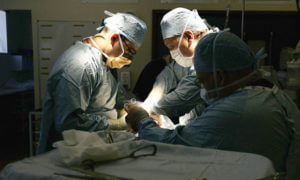
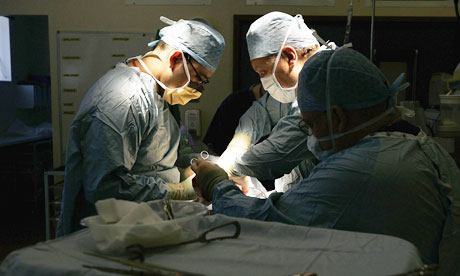
e Kidney transplant surgeryThe donor: In a typical ICU end-of-life scenario, a surrogate must articulate the wishes of an incapacitated patient. Those wishes would be clear in the case of voluntary euthanasia. The Perspective writers state this starkly: “Although some patients may want to be sure that organ procurement won’t begin before they are declared dead, others may want not only a rapid, peaceful, and painless death, but also the option of donating as many organs as possible and in the best condition possible.”

The family: Goodbyes would need to precede, in a different room, the removal of the organs that would cause death. What toll could that have on close relatives? I can imagine a lifetime of nightmares.

The health care team: Actively ending a life, whatever the intention, goes against the Hippocratic oath of “do no harm” and against the bioethical principle of beneficence, to “do good.” This is the reason for the separation of end-of-life care and donation decision. Clinicians should have a way to opt-out of participating in donation-before-death, argue the Perspective authors. But to whom does that apply? Physicians and nurses, certainly, but what about the pharmacists mixing up a lethal cocktail? Lab techs monitoring health status?

Bioethicists: Part of the definition of beneficence in health care is “a moral imperative; one that advocates for high standards and strives for the greater good.” Is donation-before-death doing good by increasing the organ supply? Or is it murder?

Follow the latest news and policy debates on sustainable agriculture, biomedicine, and other ‘disruptive’ innovations. Subscribe to our newsletter.

Organ recipients: Should they be told where their hearts, lungs, livers, or pancreases come from? Can they decline a donation from the undead without sacrificing their place on the waiting list? Are the organs tainted by intent? Or would a recipient’s desperation to live overshadow revulsion?

Legal: In Canada, organ retrieval is not considered to be an accepted cause of death. The Criminal Code would need amending to permit the decoupling of voluntary euthanasia and organ donation.

Going forward

Organ donation before death isn’t only an idea borne in the mind of a novelist. By the time of this 2016 report, it had already happened at least 40 times in the Netherlands and Belgium. And those are just the reported cases.

The NEJM Perspective ends with the suggestion to “develop new protocols” to address donation-before-death requests from patients seeking voluntary euthanasia. That’s vague, so I’ve come up with three types of investigations to inform protocols. The first two present serious ethical quandaries.

  1. Animal models. Other mammals have been the backbone of transplantation medicine, from Baby Fae and her baboon heart; to Sweetie Pie, the transgenic pig who lent her liver (without succumbing) to a 19-year-old until he could get a transplant; to the many canines who’ve harbored pancreatic islet transplants. But these experiments assessed xenotransplants, anatomical parts crossing species barriers – not modeling time-to-transplant limitations of human organs. Experiments might compare the viability of organs removed at different times before and after death, and at some point, on human organs. And that leads to …
  2. Clinical trials comparing transplant success as a function of time of organ removal, straddling the instant of death. Many cases would need to accrue to draw conclusions and develop the new protocols and other guidance that the Perspective writers suggest.
  3. Organoids! Researchers are growing all sorts of human body parts in glassware, such as brains and livers. I can envision a laboratory with a variety of human organoids maintained in culture conditions that recapitulate the biochemical milieu of a human body nearing death under different circumstances. Perhaps inventive tissue engineers could even simulate these events.

Whatever approach investigators take, experiments demonstrating an advantage to human organ retrieval before death still won’t address the bioethical concerns. Whose wishes should be paramount? I’d like to see the discussion introduced in the NEJM Perspective continue.

Ricki Lewis is the GLP’s senior contributing writer focusing on gene therapy and gene editing. She has a PhD in genetics and is a genetic counselor, science writer and author of The Forever Fix: Gene Therapy and the Boy Who Saved It, the only popular book about gene therapy. BIO. Follow her at her website or Twitter @rickilewis

Indoor farms could boost food production, but energy-friendly alternatives exist

aeroponics

By 2050, global food production will need to increase by an estimated 70% in developed countries and 100% in developing countries to match current trends in population growth …. But in countries that already use the majority of their land for farming, this is easier said than done.

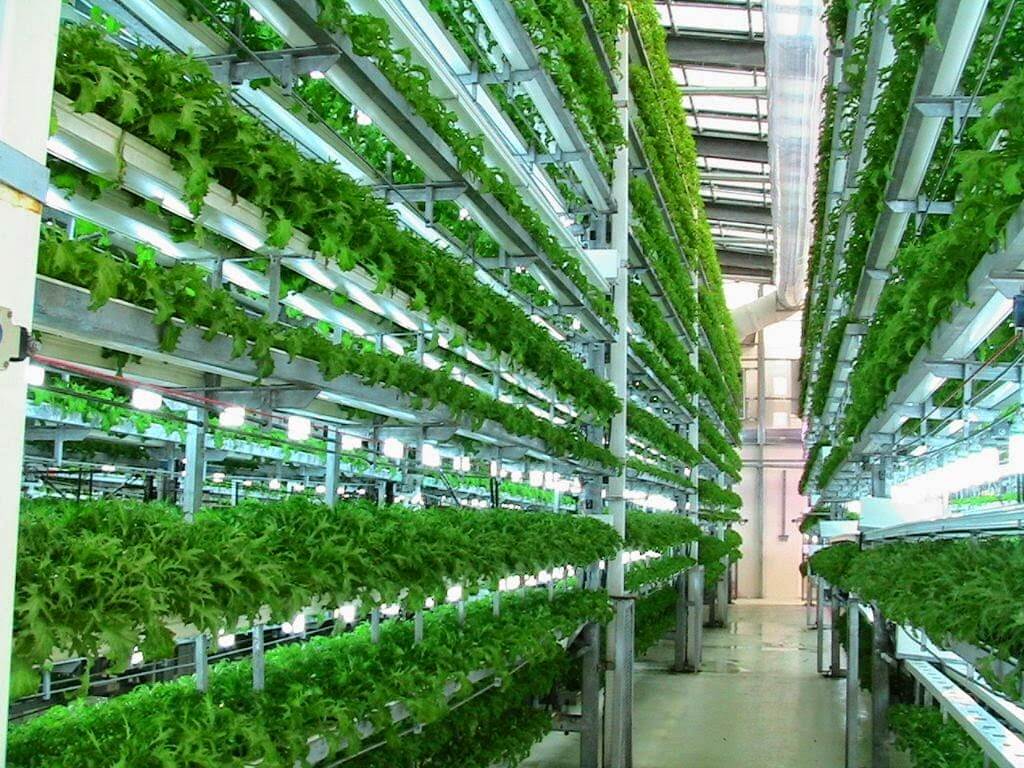
A company in Scotland has unveiled what it claims is arguably the world’s most technically advanced indoor farm. Intelligent Growth Solutions’ vertical farm …. reduces energy costs by 50% and labor costs by 80% …. and can produce yields of up to 200% more than that of a traditional greenhouse.

But …. increased productivity of indoor vertical farming comes at the cost of much higher energy usage due to the need for artificial lighting and climate control systems.

For example, lettuces grown in traditionally heated greenhouses in the UK need an estimated 250kWh of energy a year for every square meter of growing area. In comparison, lettuces grown in a purpose built vertical farm need an estimated 3,500kWh a year for each square meter of growing area ….

A plethora of naturally lit methods also exist, from raised beds in communal gardens to rooftop aquaponic systems that grow food with the help of fish. These methods all require less energy when compared to vertical farming because they don’t need artificial lighting.

Read full, original article: Food security: vertical farming sounds fantastic until you consider its energy use

Promising flu drug could be hampered by rapid viral resistance

flu

A new, fast-acting flu drug showed strong potential but also some surprising and even concerning results in two newly published clinical trials.

The drug, baloxavir marboxil, cut the time people were sick with flu symptoms by a little over a day. And it dramatically reduced the amount of viruses that people with infections had in their upper respiratory tracts.

And the studies, published … in the New England Journal of Medicine, showed viral resistance could develop rapidly to the drug — a finding flagged as concerning in an editorial the journal published with the studies. Virus samples collected from nearly 10 percent of people treated in one of the trials showed mutations that are believed to allow the viruses to evade the effect of the drug.

Genentech has not revealed what it intends to charge for the drug, which is taken in one or two pills, depending on body weight. In Japan, the drug sells for about $43.50, but that is for the one-pill dose. Hayden said the two-pill dose might be more common for North Americans.

Baloxavir is the first drug in a new class called endonuclease inhibitors. They work by interrupting viral replication — the process by which invading viruses take over the inner workings of cells to make zillions of copies of themselves to further spread the infection.

Read full, original post: Fast-acting flu drug shows strong potential, but clinical trial results also raise concerns

Methane-cutting GMO ‘super-grass’ could start new biotech crop debate in New Zealand

e

Groundbreaking New Zealand research shows that methane production from livestock could be dramatically reduced with a new so-called pasture super-grass.

Such is the potential of the grass it could be the magic bullet the farming industry is looking for to prevent them having to cut cattle numbers to reduce greenhouse gas emissions. But because the strain has been developed using genetic modification, it cannot even be tested in New Zealand.

Yesterday, the outgoing Prime Minister’s Chief Scientist, Sir Peter Gluckman, suggested it was time for a public debate on the use of GMOs ….

[Other] politicians are reluctant to have such a debate take place …. Environment Minister, David Parker, offered a non-committal reaction to the Gluckman report. “Genetic modification and genetically modified organisms (are not banned in New Zealand, “he said. “Those wanting to pursue GM trials can put in an application under our current law. “Our existing regime takes a precautionary approach, and there are no plans to change it.

The Government agency, AgResearch is engaged in research on genetically modified pasture grasses and believes it may have made a significant breakthrough …. They have already found that genetically modified High Metabolisable Energy (HME) ryegrass has been shown to be …. more resistant to drought, and to produce up to 23 per cent less methane.

Read full, original article: The super-grass the politicians don’t want to talk about

Searching for alien life: Why we shouldn’t ignore low-oxygen ‘dead planets’

kepler f

Until recently, little was known about oxygen’s abundance in the atmosphere [when] microbes were the only life on the planet. Now geologists doing fieldwork in northern Canada have confirmed for the first time that oxygen was extremely scarce.

The fact that life flourished amid such low oxygen levels presents a problem for scientists hunting for extraterrestrial life. The presence of the gas in the atmosphere of a planet is considered a telltale sign that it could harbor life, explains Noah Planavsky, a biogeochemist at Yale University.

But if environments with extremely low oxygen concentrations can still support life, space telescopes designed to detect an abundance of the gas may never find such life. “Even [if such planets are] teeming with complex life, they may appear—from a remote detectability point of view—as dead planets,” Planavsky says.

Planavsky and his team tested rocks for concentrations of the element cerium, which serves as a proxy for ancient oxygen levels. Oxygen binds to cerium in seawater and removes it, leaving less cerium behind to be deposited in sedimentary rock. The measured cerium levels correspond to oxygen concentrations of about 0.1 percent of present atmospheric levels, the team reported.

Such hard data, Planavsky says, should help inform the construction of the next generation of telescopes designed to hunt for life on other worlds.

Read full, original post: The Search for ET May Be Missing Life on Low-Oxygen Worlds

Success of alternative meat sparks regulatory battle over ‘future of American food’

Beyond Meat Vegan Food

On Aug. 28, a law went into effect in Missouri that makes it a crime to use the term “meat” to describe any product that does not come from a “livestock or poultry carcass or part thereof.” The same day, a number of plaintiffs — including Tofurky, a maker of plant-based meat alternatives …. filed a lawsuit alleging that the statute violates the First Amendment.

Clearly, both sides understand that regulation serves …. to prevent entry into a market. This isn’t an isolated incident. This food fight is part of a growing battle over the future of American food ….

 [S]ome start-ups and venture capitalists have been developing in vitro meat technology that would grow meat from stem cells …. The animal products industry has responded by turning to regulators ….

Big business can influence rulemaking …. because it can deploy “lawyers, lobbyists, or experts who are trained in drafting convincing arguments on fine technical points.” In doing so, large business interests can tilt the scales not just against the public interest but also against potential competitors.

Read full, original article: Missouri has a new law defining ‘meat.’ That’s just the latest round in the battles over your food.

Viewpoint: Why the transhumanist movement promises far more than it can deliver

AdobeStock x

Transhumanism is a movement that, based on advances in biology and artificial intelligence, champions the idea of transforming or going beyond the merely human to create a post-human or trans-human being with greater powers than today.

With an intelligent exoskeleton and microchip implants in their brain, these superhumans will become more effective, more creative and more empathetic. If their brain becomes diseased, it will be cured or at least effectively repaired. And the ultimate objective? To fuse humans with computers once they have stopped ageing. And dying. Illusion, fantasy, snake oil?

“One day it will be possible to live to the age of 300,” ran a headline in a weekly in 2016. “The death of death” was announced by Laurent Alexandre, a zealous apostle of the transhumanist school of thought. Let’s face it, all of this is pure fantasy. There has of course been real progress in biological and medical research, particularly in the field of ageing, but this is currently insufficient.

While progress over the last 50 years has brought a far better understanding of the brain, it has had little therapeutic impact. All of the predictions trumpeted by the transhumanists are at the very least, false.

The point is not to reject out of hand all intra-cerebral implants, gene therapy, bionic prostheses or stem cell selection, but to remain vigilant about the proposed uses within our system.

Read full, original post: Is Transhumanism a Sham?

Could a pill replicate the Alzheimer’s defense gained through exercise?

M Id Exercise

Mice that model a severe form of Alzheimer’s disease tend to exhibit improved memory after exercise-induced neuron production, according to a report in Science [September 6]. Similar improvements are also possible with an exercise work-around, by giving the animals a treatment to ramp-up neurogenesis together with a dose of brain-derived neurotrophic factor (BDNF).

Recently, evidence from mice and postmortem human brains has indicated that altered neurogenesis may also play a part in Alzheimer’s disease pathology. On top of that, exercise, which promotes neurogenesis, counteracts Alzheimer’s pathology in mice. In humans, exercise and a healthy lifestyle are linked to a reduced risk of developing the disease.

The team discovered that, in addition to ramping up neurogenesis, exercise leads to an increase in the levels of BDNF—a factor that promotes both the survival and differentiation of brain cells. When the team genetically or pharmacologically increased BDNF levels in addition to neurogenesis in sedentary animals, “voila,” says [Rudolph] Tanzi, “we were able to mimic the effects of exercise.”

“It also highlights particular molecules that we might target in order to optimize the benefits of exercise, or [for patients who are disabled or frail], to take the place of the exercise altogether,” [said neurologist Samuel Gandy of the Icahn School of Medicine at Mount Sinai in New York who was not part of the research team.]

Read full, original post: Exercise’s Benefits to Dementia Can Be Made Chemically

New farm bill would stop cities from banning glyphosate and other pesticides

ban stop roundup

House lawmakers are seeking to halt …. local ordinances to ban or restrict pesticides that opponents say conflict with state and federal laws.

Local government officials …. are passing ordinances restricting the spraying of bug- and weedkillers …. at the behest of community members …. In the past year, Austin, Texas, passed an ordinance to end spraying of the insecticides chlorpyrifos and neonicotinoids, and restrict the use of the herbicide glyphosate.

The House and Senate versions of the farm bill, which would authorize hundreds of billions of dollars for agriculture and nutrition programs, are being negotiated in a conference committee. Republican and Democratic lawmakers are far from a compromise. The pesticide pre-emption, called Section 9101, is just one part of the House version (H.R. 2) that Democrats don’t want to accept.

The tension between state, federal, and local laws on pesticides is not new …. the Supreme Court ruled in Wisconsin Pub. Intervenor v. Mortier [in 1991] that …. the nation’s pesticide registration law, doesn’t pre-empt local government regulation of pesticide use.

The Mortier decision “created a burdensome patchwork of regulations often created by localities which lack scientific and financial resources necessary to properly regulate,” Rep. Rodney Davis (R-Ill.), chairman of the House Agriculture subcommittee …. told Bloomberg Environment ….

“Our language [clarifies] that [regulation] should occur solely between state lead agencies and the federal government,” Davis said.

Read full, original article: Local Pesticide Bans Face Political Opposition, Court Challenges

Viewpoint: Letting juries settle scientific disputes puts us on ‘a dangerous path’

lawsuit court gavel table pesticides
[In August 2018], Monsanto was ordered to pay American groundskeeper Dewayne Johnson $289 million …. Because a jury determined that Monsanto’s weedkiller Roundup caused Johnson’s cancer.

…. I’m not here to debate the likelihood that Roundup caused Johnson’s cancer – the scientific jury is still out on that one. I’m also not here to get into whether Monsanto covered up evidence that glyphosate …. causes cancer. I’m here to make the point that juries should never make judgments about scientific questions.

[Editor’s note: Most experts say glyphosate does not cause cancer.

It can take years to develop the knowledge …. to assess scientific evidence …. from a field you have no experience with. Scientists rarely approach a research question, like “is Roundup carcinogenic?” out of context; they assess the causal evidence against a backdrop of previous results …. How can members of the general public be expected to catch up …. in a matter of days?

[A]sking juries to assess not only the validity of the evidence presented in court but the validity of the methods used to collect that evidence …. puts justice on a dangerous path …. Jury members don’t tend to question the source of evidence presented in a courtroom, as they understandably assume that it has already been validated.

Read full, original article: WHEN JURIES DECIDE ON THE SCIENCE, WE GET AUTISM LINKED TO VACCINES AND THE MONSANTO VERDICT

Did California’s $3 billion stem cell bet pay off?

evangelina wide f d b d b b f b d e f ab s c

It was an extraordinary political proposal: Approve a $3 billion bond measure to fund the cutting-edge science of stem cell therapy, and soon some of the world’s cruelest diseases and most disabling injuries could be eradicated. The 2004 measure was Proposition 71, the California Stem Cell Research and Cures Initiative.

At UCLA, doctors are using stem cells to cure a rare immune deficiency disease that kills children. At Stanford, early studies show that stem cells deposited deep into the brain could restore movement and speech to people devastated by stroke. At UCSF, a team is beginning human trials for a fatal genetic blood disease that involves transplanting stem cells into a fetus still in the uterus.

But as thrilling as such advances are, they fall far short of what Prop. 71’s promoters promised.

Not a single federally approved therapy has resulted from CIRM-funded science. The predicted financial windfall has not materialized. The bulk of CIRM grants have gone to basic research, training programs and building new laboratories, not to clinical trials testing the kinds of potential cures and therapies the billions of dollars were supposed to deliver.

“What was promised was not deliverable,” said longtime CIRM board member Jeff Sheehy, a former San Francisco supervisor. “However, I would distinguish the promises from the impact and value. We have developed a regenerative medicine juggernaut.”

Read full, original post: Lofty promises, limited results

Can a blood test find your body’s internal clock

clock

Your body has a clock—and thanks to the travails of modern life, that clock may not line up with the timing of the outside world. These circadian rhythms drive physical processes both big and small and can influence everything from how well we think to how—and when—we gain weight.

[Rosemary] Braun is the first author on a new paper outlining a process that takes just two blood samples and then uses an algorithm called TimeSignature to figure out what time it is inside the body. The process is the most straightforward test yet developed.

According to the research, the algorithm works regardless of whether the patient is sick or well. That’s significant because gene expression—the way your genes activate, prompting the production of chemicals and helping your body to function—is changed by things as simple as how much sleep you get.

The researchers found something unexpected—the genes that are the best predictors of body clock aren’t all “what we could call the core clock genes,” Braun says. “A lot of them are genes that are related to other biological processes, but they’re regulated by the clock. They’re regulated so tightly by the clock that observing them becomes a good marker for the clock itself.”

Read full, original post: This new blood test can figure out what time it is inside your cells

Organic industry pushes back after allegations of deceptive marketing

Screen Shot at AM
The Organic Trade Association took out a full page ad in the Wall Street Journal Sept. 12 pushing back against what the group called misleading and derogatory attacks on organic food.

An Aug. 5 opinion piece written by Henry Miller was headlined “The Organic Industry Is Lying to You” …. Miller is associated with Pacific Research Institute in San Francisco.

The full page black-and-white ad placed by the Organic Trade Association …. featured a comprehensive detailed list of the hundreds of chemicals prohibited in organic production and processing, with a link for readers to the U.S. Department of Agriculture, which oversees the list of substances allowed …. in organic production ….

webimage D AC FAF A C

FDA Commissioner Scott Gottlieb followed up on the opinion piece Aug. 7, tweeting that the FDA will soon put out more detailed information on what different terms mean on food packaging, to help consumers best use claims like organic, antibiotic-free and others.

Read full, original article: OTA PUSHES BACK ON WALL STREET JOURNAL OP-ED PIECE

Talking Biotech: Using psychology to disarm anti-GMO activists

critical thinking

In framing effective discussions about any subject, it is important to understand human psychology and the mistakes we make in debate. It also is important to understand how ingrained human tendencies shape our perceptions and skew our willingness to accept new information. In this episode, Itamar Schatz discusses these concepts, concepts that are the basis of his website Effectiviology.

We discuss critical thinking and the issues that cloud the discussion, like confirmation bias, logical fallacies, and other aspects of logic and reason that sometimes are lost in contentious discussion. The goal is to understand these concepts to make us better communicators about science.

Visit Itamar’s website: effectiviology.com

Like the podcast? Please subscribe and write a review! Stitcher iTunes Player FM Pod Directory TuneIn

Visit the Talking Biotech website

Follow Talking Biotech on Twitter @TalkingBiotech

Follow Kevin Folta on Twitter @kevinfolta | Facebook: Facebook.com/kmfolta/ | Lab website: Arabidopsisthaliana.com | All funding: Kevinfolta.com/transparency

Follow Paul Vincelli on Twitter @Pvincell | University of Kentucky webpage