You’re reading these words because you have a brain in your head. But did you know you also have a brain in your butt? OK, not a literal brain — more of an autonomous matrix of millions of neurons that can, somehow, control intestinal muscle movements without any help from your central nervous system.
…
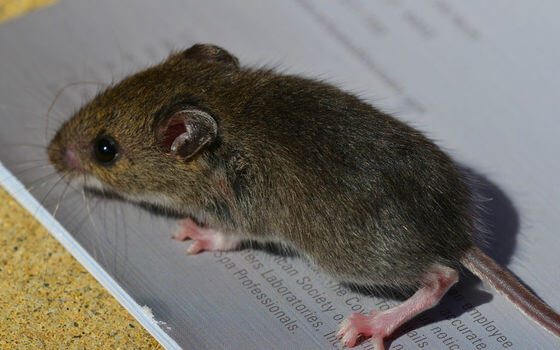
Scientists call this site of colon intelligence your enteric nervous system, and because it can function without instructions from the brain or spine, some scientists like to call it your “second brain.” How smart is this autonomous, intestinal brain? Scientists don’t know for sure yet. But according to a new study in mice, published May 29 in the journal JNeurosci, the answer might be pretty smart for an intestine.
…
When the researchers stimulated isolated mouse colons with mild electric shocks, they saw “a novel pattern of rhythmic coordinated neuronal firing” that corresponded directly to muscle movements in nearby sections of the large intestine.
These rhythmic, synchronized blasts of neuron activity likely help to stimulate specific sections of intestinal muscles at a standard rate.
…
Because some scientists hypothesize the enteric nervous system actually evolved before the central nervous system, the neuron firing pattern in your colon might represent the earliest functioning brain in your body.
Finally, the FDA weighed in on Golden Rice, with its May 24 announcement approving it for use in the United States. This approval, just a few months after Canada, Australia and New Zealand’s agencies issued theirs, is largely symbolic, since the International Rice Research Institute, now the makers of Golden Rice, have no intention of selling the product in the United States.
However, an FDA approval carries a lot of gravitas worldwide, and the decision is being met with attempts by anti-GM groups to discredit the nutritional value and usefulness of Golden Rice.
Just after the FDA’s approval, Independent Science News, a website known for its opposition to genetic engineering and recombinant technologies, published an article headlined “GMO Golden Rice Offers no Nutritional Benefits Says FDA.” Sustainable Pulse, another anti-GM organization reprinted the article, focusing on a misleading nutritional fact that both groups (among others) have perpetuated:
But, in a surprising twist, the US Food and Drug Administration (FDA) has concluded its consultation process on Golden Rice by informing its current developers, the International Rice Research Institute (IRRI), that Golden Rice does not meet the nutritional requirements to make a health claim.
This has been a common criticism of golden rice from groups like ISN and Greenpeace, which argue the approved version of Golden Rice doesn’t have enough beta-carotene, the precursor to Vitamin A, to make a nutritional difference. Instead, these groups advocate planting bananas, carrots, spinach or sweet potatoes, none of which are as affordable or even practical in places suffering from Vitamin A deficiency.
The article, written by ISN Executive Director Jonathan Latham and Assistant Editor Allison Wilson, pointed to a line in the FDA approval letter that observed that “the version of Golden Rice approved, called GR2E, contains very little of the key ingredient, beta-carotene. Worse, even the little that it does contain rapidly degrades during storage. For the reasons, FDA has told its developed…that no health claims may be based on it.”
The FDA did state that. Also, Health Canada wrote that “Replacement of all rice and rice products in Canada with GR2E rice would result in a very small 0.8-8% (34 µg-239 µg per day) increase in ß-carotene intake.” But a health claim is not the same thing as a nutrition statement. So the FDA and Health Canada statements don’t translate into “no nutritional value,” nor does it mean that, as Latham and Wilson wrote, “the tradeoff experienced by the Golden Rice project between beta-carotene production and yield in its various GMO rices has not been resolved.”
The FDA also has since rebutted Latham and Wilson’s article, saying the claim of “no value” is misleading. In the comments section of the ISN website, this response was posted from Marianna Naum, communications team lead from the FDA’s Office of Food and Veterinary Medicine:
It is unfortunate that the statement you reference in our letter responding to BNF 158 has been misconstrued to suggest that there would be no value of the pro-vitamin A in golden rice for its use in the countries where it is intended for distribution.
Our statement applies only to labeling considerations in the United States, in that golden rice contains insufficient pro-vitamin A to warrant differential labeling for nutrient content based on the low levels of rice consumption in the U.S. Requirements for nutrient content claims on labels in the United States take two factors into account, the amount of the nutrient needed as well as it’s concentration in the food and the typical or average level of that food consumed in the U.S. For the rice to be labeled in the United States with a claim containing provitamin A, our regulations stipulate that the food must contain 10-19 percent of the RDI or DRV for the substance per reference amount customarily consumed (essentially a measure of consumption).
Additionally, U.S. consumers eat rice at very low levels compared to consumers in the specific Asian countries with vitamin A deficiency for which golden rice was developed. IRRI reports that consumption of rice by children in Bangladesh is 12.5 g/kg body weight/day, compared to about 0.5 g/kg bw/d for U.S. consumers). Rice is the major staple in those countries and levels of rice consumption are many-fold higher than they are in the U.S. While a U.S Consumer would be unlikely to eat enough of the rice to achieve that value (10-19 % of the NDI or RDA), that does not mean that the level of consumption of golden rice in the targeted countries would be insufficient to accomplish the intended effect of supplementing their very low consumption of vitamin A-containing foods. Consuming rice containing the levels of pro-vitamin A in GR2E rice as a staple of the diet could have a significant public health impact in populations that suffer from vitamin A deficiency.
The FDA, Health Canada and even Australia and New Zealand were looking at overall safety, and applying nutritional claims to their own, healthy populations. The Vitamin A/beta-carotene deficiency targeted by Golden Rice do no exist in those nations. That’s why IRRI has no intention of introducing Golden Rice to these industrialized countries—it does want to introduce it to countries, especially in Asia, that are experiencing high levels of Vitamin A deficiency among children and infants, killing up to two million children every year and making hundreds of thousands of them go blind.
In a letter to Latham that was obtained by the Genetic Literacy Project, Golden Rice Humanitarian Board Executive Secretary Adrian Dubock pointed out that these “first world” agencies did not access the nutritional benefit of added beta-carotene in developing countries. That’s because no recommended daily allowances exist for developing countries. So, the FDA considers a “nutrition claim” to address any food that has more than 10 percent of the daily RDA in a 45 gram serving. And golden rice doesn’t have that much carotene, but, as Dubock points out, it has enough:
Nutritionists calculate that 30-40% of the EAR (estimated average requirement) for a source of Vitamin A, consumed daily is sufficient to prevent the two separate morbidities of Vitamin A deficiency, blindness and the loss of a functional immune system,” Dubock wrote. “Only a few tens of grams of dry Golden Rice, when cooked and consumed daily, is expected to combat vitamin A deficiency and save life and site.
In countries throughout Asia that consume up to 300 grams of rice every day, this means a lot more beta-carotene could be consumed than in the United States, where even 45 grams might be a high figure. Rice is a much cheaper stape, and also much more affordable than meat and other animal products, and colored fruits and vegetables like bananas and carrots (the latter which was bred to enhance beta-carotene content, incidentally, in the 14th century).
Latham and Wilson’s article states that:
In an attached memo, FDA notes the beta-carotene content of unmilled Golden Rice GR2E ranged from 0.50-2.35 ug/g. That is, beta-carotene levels in Golden Rice are both low and variable. This compares to beta-carotene levels measured in non-GMO foods such as fresh carrot (13.8-49.3 ug/g); Asian greens (19.74-66.04 ug/g); and spinach (111 ug/g).
But, as Michigan State University plant biologist Chad Niederhuth wrote in a response to the article, these are comparing apples and oranges:
It is obvious in the FDA letter than beta carotene levels are considerably higher than that of normal rice. The FDA letter states that beta carotene in the non-Golden Rice controls was below the limit of quantification of 0.07 mg/kg, in Golden Rice it was 0.504 to 2.35 mg/kg…many times higher. Wilson and Latham never actually tell you how much higher Golden Rice’s beta carotene levels compared to equivalent consumed rice varieties. Instead they compare it to older versions of Golden Rrice or other crops like carrots.
Carrots, spinach and sweet potatoes can’t be easily or cheaply grown in southeast Asia.
Andrew Porterfield is a writer and editor, and has worked with numerous academic institutions, companies and non-profits in the life sciences. BIO. Follow him on Twitter @AMPorterfield.
What makes something “pseudoscientific”? The answer to this question—of how to discriminate between genuine science and a wolf in science’s clothing—can be very complex, as it actually falls under the jurisdiction of philosophy. But even without wading into the waters of the philosophy of science, we can identify warning signs that one’s credulity might be taken for a ride.
Let’s focus on an interesting example.
There are, spread over Ontario, a dozen Correactology® Health Care Centres. If I suffered from a debilitating and degenerative disease and weren’t a scientist, I could conceivably be tempted by their offer of “a method of treating people who are sick or in pain by changing the density of the body’s cellular network.” It sounds scientific, and the website’s design is both soothing and academic looking.
But is Correactology® a genuine science? It is, after all, referred to as such on their patient intake form: “It is a natural science, unique and distinct because it is focused on the understanding of the correlation between physical pain and malfunction.”
Here are some of the hallmarks of pseudosciences. Let’s see if they apply to Correactology®.
1. Every disease has a single cause and they’ve got the cure-all
In the real world, diseases often have distinct causes. What gives you skin cancer is not the same thing that gives you diabetes. It then follows that medical treatments must be tailored to the disease, which is why doctors don’t have a panacea and must resort to an assortment of drugs, surgery, radiation therapy, and lifestyle modifications to treat conditions.
In the world of pseudosciences, however, gurus believe that every disease is due to one thing. They have also, quite luckily for their bank account, discovered the one treatment to cure everything.
Correactology®’s boogeyman is density. Density is how much matter there is in a particular space. Practitioners of Correactology® are concerned with the density of the body’s network of cells and how it changes.
Disease happens when there’s a specific shift in density, we are told. Practitioners intervene to restore proper density, so that health can return.
Correactology claims the stimulus applied by Correactology® Health Care Practitioner is not meant to displace bones, muscles, or nerves. It is designed to create a change in the density of the affected cellular segment. Image credit: Correactology
Sounds simple, right? That’s because it’s wrong. In trying to find the one cause of all diseases, pseudoscientists end up overly simplifying anatomy, physiology and molecular biology. One of the founders of Correactology®, Allan Lapointe, came up with the hypothesis that the body was divided into eight segments. A video on YouTube from a patient explains that each of these segments is “a distinct family of cells”. Based on their graphic representation, every cell found in the left side of the head, neck, shoulder, chest, abdomen, and arm is the same type, and is different from the cell type found in the corresponding right side. Any sane pathologist would laugh at that statement. This is simply not how our bodies are built at the cellular level.
And the treatment for these alleged disturbances in cellular density lacks scientific plausibility. To permanently alter how many cells are present in a section of your body, a Correactology® practitioner will use rapid hand movements. If it were this easy to get rid of diseases, hugs would carry medical potency and Care Bears would run hospitals.
So how exactly do these practitioners explain that their hand movements work?
2. Mechanisms of action are often drawn from new, evolving sciences
New scientific advances are fertile ground for catch-all explanations of unexplained phenomena. Just like they end up giving Peter Parker his Spider-Man abilities, whatever is new, exciting and slightly terrifying can be used to make questions quickly disappear.
Quantum mechanics is a popular go-to for the quacks. The fact that light is both a particle and a wave is freaky: might it not be, then, that such confusing physics explain away consciousness? strength-boosting pins? a tick-repelling barrier that harnesses your dog’s bio-energetic field to create a frequency barrier against insects?
The nascent field of epigenetics—which studies how the expression of genes can be changed without altering the genetic sequence itself—is a newer example of the abracadabra power of shiny science. If you don’t know how something affects your health, say it’s epigenetic! It sounds cool and it’s all the rage these days!
Mis- and disinformation are distorting science and public policy. Subscribe to our Daily and Weekly Digests for incisive coverage of ‘disruptive’ innovations in AI, agricultural biotechnology, food, chemicals, nuclear energy, vaccines, and other disruptive innovations.
Sure enough, Correactology® wraps itself in the comfort of both of these blankets. To become a practitioner, you must follow a course in Quantum Biology, “allowing a greater scientific understanding of how a momentum correction can physically alter the body and facilitate healing.” Of course, the kind of hand movements used by Correactology® practitioners (or their close cousins, the chiropractors, for that matter) has nothing to do with the weirdness of subatomic particle physics. But if you don’t buy into “quantum healing”, maybe you’ll be interested in epigenetics? Their student handbook explains that these hand movements can also “influence genetic expression” in order to restore health! Indeed, when Jay Novella, of the skeptical podcast The Skeptics’ Guide to the Universe, spoke to a Correactology® practitioner, he was told that “it’s based on epigenetics. You gotta come in and we’ll see if it works for you.”
And some people, of course, say that it “worked” for them.
3. Their best argument is testimonials
We are storytelling machines, which is why we respond much more deeply to testimonials than to scientific data.
Pseudoscientists bank on the appeal to personal experience to convince you that the magic dust they are selling actually works. Sure enough, the Canadian Institute of Correactology®’s website has a whole section dedicated to testimonials. We hear from people with low back pain, headaches and scoliosis, but also from others with allergies, autoimmune diseases affecting children, and even diabetes. Of course, the Institute isn’t claiming it can cure these diseases. They are merely providing a platform for other people to make these claims on their behalf.
So how are simplistic explanations, pseudoscientific hand-waving, and personal anecdotes allowed to resist scientific inquiry?
4. A closed system prevents outside criticism and academic growth
A defining feature of science is that criticism is encouraged. Anyone who’s submitted a paper to a scientific journal is intimately familiar with this core value: scientists love criticizing each other’s work. It’s what improves the state of our knowledge. Since pseudoscience can’t stand up to scrutiny, its adherents tend to work in closed systems, away from peer review, to shield themselves from critical inquiry.
Correactology® has its own institute (incorporated as a federal not-for-profit teaching facility in 2008). It has its own association (similarly incorporated). Its practitioners are part of a Health Care Group (Inc.!). PubMed and MEDLINE, searchable databases of biomedical scientific papers, show a grand total of 0 publications related to the term “correactology”.
And something slightly more insidious can be seen when one takes the time to read their Student Handbook. The prospective student is told that they may “conceive, develop or contribute” Correactology®-related material during their studies. Certainly, when I was a graduate student, I did generate knowledge. That was the whole point. The student is warned, however, that any of this will be the proprietary property of the Canadian Institute of Correactology®. This is not the hallmark of a scientific enterprise; rather, it has all the trappings of a business.
A classic pseudoscience
There are other boxes Correactology® checks on the list of pseudoscience hallmarks, as if it were eagerly collecting them:
* Disingenuous appeal to patient empowerment: “We encourage our patients to be empowered – to take charge of their health and to consequently regain the quality of life they deserve.” (From their Correactology® Practitioners’ Message page)
* Demonization of the medical profession: “These lectures, if applied will ultimately empower you with the knowledge to navigate your way through, and survive the collapse of the national disaster we call our health care system.” (From their Student Handbook)
* Rebranding of debunked practices: “A dichotomous muscle reflex test that yields information to the location of the cellular segments that are not in their proper tension environment,” which is no different from applied kinesiology, a pseudoscience most recently used on Dragons’ Den to sell quantum clips. (From their “About Correactology®” page)
* Focus on the body healing itself: “[…] the human body has an innate capacity to recover as long as its cellular segments are at their Optimum Operating Density (OOD).” (From their “About Correactology®” page)
In short, Correactology® has all the hallmarks of a pseudoscience. Its inventors claim to have discovered a universal boogeyman and its accompanying panacea; it drops in words from newer, shiny sciences poorly understood by the public in an attempt to explain away its magical claims; it relies heavily on anecdotes to attract customers; and it is a closed system whose ideas have not been peer reviewed by scientists and medical doctors.
Buyer beware.
Jonathan Jarry is a biological scientist who focuses on critical science communication. Follow him at the blog/podcast The Body of Evidence or on Twitter @crackedscience.
A version of this article was originally published on McGill Office for Science and Society’s website as “Correactology® or How to Identify a Pseudoscience” and has been republished here with permission.
Three European studies have disproved Gilles-Éric Séralini’s widely circulated claims that genetically modified maize (corn) induces tumors in rats.
Séralini, a professor at the University of Caen, published his sensational claims in Food and Chemical Toxicology in September 2012, and used them to call for long-term GMO feeding studies. Though the publication later retracted his study, anti-GMO groups have continued to circulate Séralini’s conclusions in a bid to stoke fears about the safety of GM foods.
Now three studies — GRACE and G-TwYST, funded by the European Union, and GMO90+ in France — have refuted Séralini’s main conclusions about the toxicity of herbicide-tolerant (Roundup Ready) maize. The research — conducted to address concerns raised by the Seralini study and provide the EU with guidance on the need for long-term studies — identified no potential risk from the product.
…
“The G-TwYST (GM Plant Two Year Safety Testing) data from 90-day and long-term rodent feeding studies did not identify potential risks as well, and therefore support the results from the initial analyses,” according to the study’s conclusions and recommendation’s document, which was presented at an April 29, 2018 conference in Bratislava, Slovaki.
“It was concluded that there were no adverse effects related to the administration of the GM maize NK603 cultivated with or without Roundup,” the report stated.
While granting human species some advantages over our primate cousins, recent genomic adaptations appear to have come at a cost. Research published last week (May 23) in CellSystems proposes that an evolutionary tradeoff, advantageous in early life, contributes to Alzheimer’s and possibly other aging-related diseases.
…
In 1957, evolutionary biologist George Williams proposed a theory: adaptations that made species more fit in the early years of life likely made them more vulnerable to diseases in the post-reproductive years.
…
Han Liang of the University of Texas MD Anderson Cancer Center led a team to test this theory. The researchers started by focusing on enhancers, pieces of DNA with the ability to boost the activities of certain genes.
…
Liang’s group found that genes lying close to these enhancers, and therefore possibly under their control, were important for brain development. It is plausible that the enhancers were positively selected for during evolution because of their effects on these brain-related genes. However, they also found evidence of proximal associations between the enhancers and genes implicated in Alzheimer’s, Parkinson’s disease, type 2 diabetes, hypertension, and osteoporosis. According to Williams’s theory, these aging-related diseases would manifest later in life and would go unnoticed during the Darwinian selection process because of the advantage they bestowed in the early years. “Because this happened after reproduction, selection will not see those kinds of change,” says Liang.
Klaas Martens, a prominent voice in the organic movement and a third-generation grain and livestock farmer, says he would be open to using gene-edited crops, as long as they mimic naturally occuring varieties.
That surprise comment, made during a panel discussion at the second edition of CRISPRcon, a gene-editing convention held here this week, is at odds with both federal organic policy and the movement’s cultural orthodoxy. His statements reveal the complexity of defining “genetic modification” as the technology rapidly changes—changes that could bring about an identity crisis of sorts for organic stakeholders.
…
“If it’s used in the same way that current products are, then I wouldn’t have any interest,” he says, comparing gene-edited crops to “Roundup-ready” crops, which are genetically spliced with plant and bacterial DNA to resist herbicides. “If it could be used in a way that enhanced the natural system, and mimicked it, then I would want to use it. But it would definitely have to be case by case.”
Martens’s comments are surprising because organic products, as defined by law under the National Organic Standards Board (NOSB), cannot be certified if they are genetically modified (GMO), or contain individual genetically modified ingredients.
By studying [brain organoids, researcher Frank] Jacobs could look for genes that are switched on more strongly in the growing brains of humans than in those of monkeys. And when he presented his data to his colleagues at a lab meeting, one gene grabbed everyone’s attention.
“There was a gene called NOTCH2NL that was screaming in humans and off in [the monkeys],” says Sofie Salama, who co-directs the Santa Cruz team with David Haussler. “What the hell is NOTCH2NL? None of us had ever heard of it.”
…
It’s unique to humans, and it likely controls the number of neurons we make as embryos. It’s one of a growing list of human-only genes that could help explain why our brains are so much bigger than those of other apes.
…
In extreme cases, the duplication of the NOTCH2NL genes can lead to macrocephaly, where people grow up with unusually large brains and heads. Conversely, the wholesale loss of these genes can lead to microcephaly—a condition of small brains and heads. Other changes in this region have been linked to autism, schizophrenia, and intellectual disorders. “It’s fascinating to think that the same mechanism that helped enable a bigger brain might also make us susceptible to these disorders,” Salama says. “We’re paying the price for the gain we got in our evolution.”
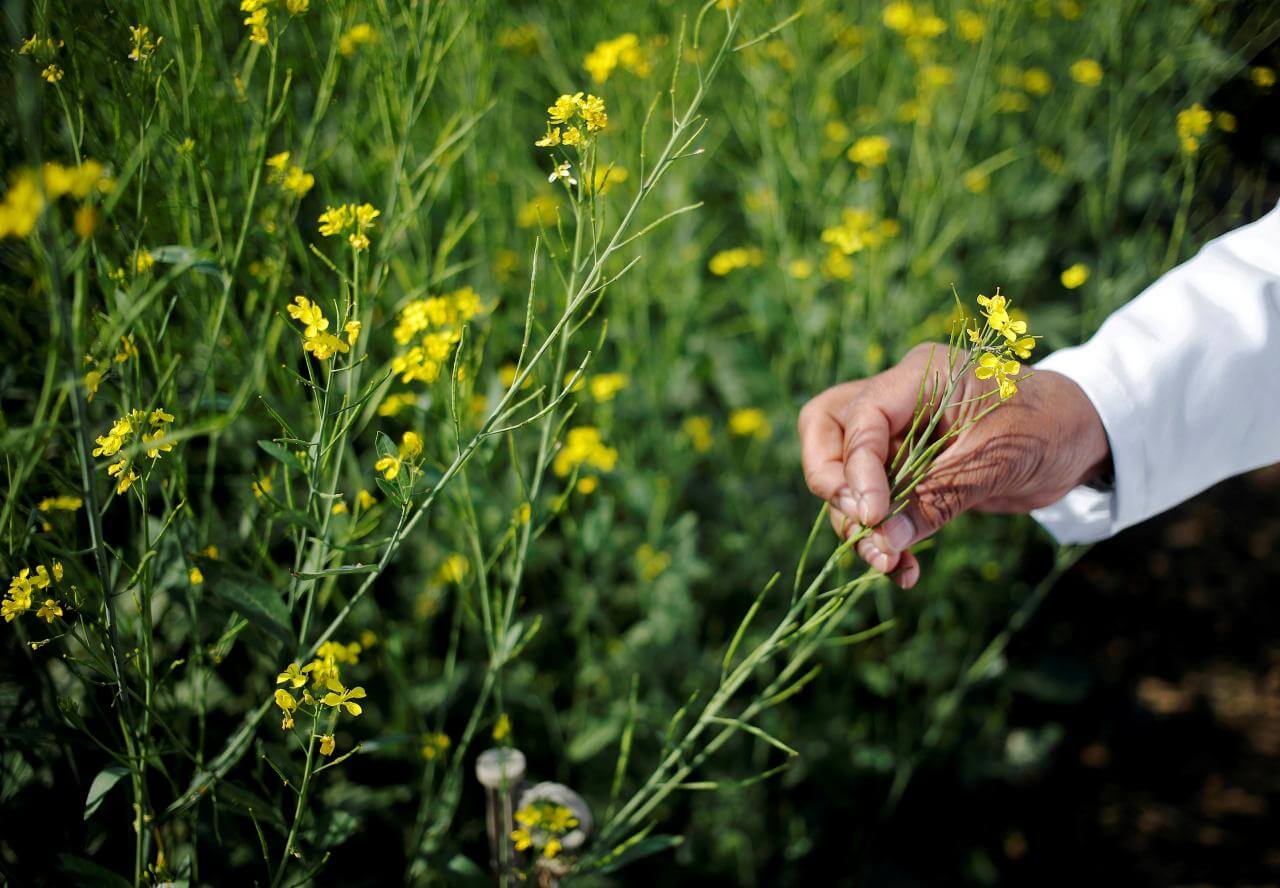
Researchers at Delhi-based TERI School of Advanced Studies have developed an early flowering transgenic variety of mustard.
The work is important as Indian mustard is a major oilseed crop in the country and due to changing climate the number of cold days required for full plant cycle has shrunken.
Scientists have been working on improving crop varieties by modifying plant genes to make them more adaptable changing climate. Early flowering and maturing varieties can help cope with climate change, without compromising on yields.
Researchers led by Dr. Anandita Singh figured out the role of a regulatory gene, called MIR172 belonging to the micro RNA family, that is present in functionally varied forms in Indian mustard (Brassica juncea) and is responsible for a number of traits including timing of flowering. In plants, this microRNA enacts by negatively regulating the expression of some protein-coding genes involved in flowering time.
By increasing the expression of this microRNA, the researchers have developed an early flowering transgenic plant of Indian mustard cultivar Brassica juncea cv. Varuna and shown that by manipulating flowering time, one can develop a plant variety with shorter life cycle and thus help have better yields through reduced exposure to the harsh climatic conditions in the fields.
Feral cats kill thousands of native animals every minute — now a controversial plan to use gene drive technology as a weapon against them is being considered by the Federal Government.
Conservation groups want cats that only produce male offspring to be released into the wild as a way to save native mammals, such as bilbies and bettongs, that are under attack.
The CSIRO is investigating the technology, which the Federal Government said could be a “powerful tool” subject to careful study.
But scientists acknowledge there are risks, particularly if genetically modified cats made it to other countries and wiped out native cats there.
Unlike other feral predators, cats live in every habitat in Australia, from the rainforest to the desert, the east coast to the west.
…
“The primary focus globally at the moment is whether or not it would be an acceptable technology to manage mosquitos to try and rid the world of diseases like malaria,” [Research Director Andy] Sheppard said.
He said the technology would remove the need for baiting or trapping because the population would die out naturally — but he acknowledged there were risks.
…
If the decision was made to push forward, Dr Sheppard said the technology had huge potential for managing even the most elusive pests.
For more than a decade now, environmentalist groups have waged a successful campaign against biotechnology in agriculture. Playing on the public’s fear of “frakenfoods,” NGOs like Greenpeace have slowed, and sometimes even stopped, innovations in agriculture that could save millions of lives by making food cheaper, safer and more abundant.
But things are changing.
Dr. Stuart Smyth says the tide of public opinion may be turning against the environmentalist movement as consumers begin discovering the benefits of genetic engineering and green fatigue sets in.
One of the world’s richest science awards, given only in alternate years, will go to three discoverers of the CRISPR-Cas9 genome-editing tool.
…
Emmanuelle Charpentier of the Max Planck Institute for Infection Biology, Jennifer Doudna of the University of California, Berkeley, and Virginijus Šikšnys of Vilnius University will each receive a gold medal and share the $1 million that comes with the Kavli Prize in nanoscience.
…
It was only the latest verdict on the controversial question of who deserves credit for turning a bacterial immune system into a revolutionary genome-editing tool.
…
[E]veryone from prize juries to patent offices to U.S. judges (to, perhaps, Nobel committees) is clashing over who did what when and how important their contribution was.
And in a reminder that the patent system lives in its own odd world, a scientist who has won far fewer awards for his CRISPR work, Feng Zhang of the Broad Institute of MIT and Harvard, nevertheless holds the key CRISPR patents, a situation that UC is hotly contesting on behalf of Doudna and Charpentier.
…
Since the Broad has won all the legal rounds so far, those rooting for Doudna and Charpentier point to a profound disconnect between law and science: The duo has almost run the table of major awards for CRISPR.
…
The Kavli nanoscience prize, chosen by a committee of five physicists, is now the latest.
Using the handy tools sent in [the ODIN’s Genetk Design Kit], I was set to re-engineer some nonpathogenic E. coli in my kitchen. That might sound terrifying; surely journalists shouldn’t be trusted to build superbugs. Relax. The lab-created strain provided in the kit was developed to be easy to engineer and does not live in the wild.
…
I made two batches of genetically engineered bacteria. The genomes of E. coli consist of about 4 million DNA base pairs; the goal of this experiment was to change just one of those, which should be enough to allow the bacteria to resist the streptomycin.
…
More than 60 hours later, by squinting hard, I detected a few tiny scattered colonies on one of the antibiotic-infused plates doused with bacteria from the first transformation batch. As recommended by The ODIN—even though the E. coli I was working with is non-pathogenic—I then sterilized all the plates by dousing them with a bleach solution. While my experiment posed no danger to public health, some worry DIY CRISPRing could create deadly pandemics. But sextillions of daily natural experiments suggest that creating human pathogens is not that easy. Plus, vastly more researchers will be developing beneficial uses of CRISPR, including early warning diagnostics and treatments enabling us to counter any future pandemics.
Good news for the UK, but bad news for the anti-science, anti-progress green movement: the Telegraph reports that ‘gene-edited super-crops’ are to be grown in Britain. The government will be exploiting a loophole in EU rules which frees plants which have had their DNA ‘edited’ in a way which could have happened naturally from the restrictions imposed on plants which have been genetically ‘modified’ by the addition of foreign DNA.
This should help us establish a competitive advantage over EU member countries which are still resolutely anti-GM before they eventually decide they should catch up with scientific opinion. It’s also a hopeful sign that the influence of the red-green alliance of anti-capitalists and militant environmentalists is perhaps slowly starting to wane. Opposition to GM does now seem to be in decline, particularly and interestingly with younger people, with a recent Populus poll showing 67 per cent of those aged 18 to 30 broadly in favour of GM.
And quite rightly. The claims made since the nineties that GM ‘Frankenfoods’ would bring disaster have come to nothing. In the countries where GM crops are widely grown nature’s fabric has not been ripped apart. Foodstuffs have not mutated into something from science fiction. In much of the world, GM is well established and mainstream with solid, scientific support.
I have tried my best to encourage people that it is essential to share their farm stories in the title of my presentation “Don’t Let the Activists Drive Your Combine.”
And now, I’m a hypocrite, not practising what I preach.
There is a whole other side of this agvocacy world, and that involves farmers on social media. The biggest backlash and criticisms about what I say, write, and do are from farmers on social media, primarily on Twitter.
…
I have been threatened in a variety of ways by food activists. I have had one lady file a complaint against me to the College and Association of Registered Nurses of Alberta, as she claimed I was “selling pesticides” on my blog. The complaint was quickly dismissed and my career, and licence as an RN were safe, but someone tried to have me fired for blogging about GMOs and pesticides!
…
This, I can take. However, when it’s farmers who are so cruel and make parody accounts to make fun of me and what I do on my blog? That’s where I draw the line and have actively taken a huge step back in my agvocating.
…
I can’t fight with farmers anymore, but I will always continue to share what we do on our farm and to share our story.
Researchers at the RIKEN Center for Brain Science in Japan have discovered a mutation that can protect against Alzheimer’s disease in mice. They published their findings in Nature Communications.
One of the hallmarks of Alzheimer’s disease is the accumulation of plaques between neurons. These plaques are made from amyloid-beta, which is produced from a protein known as amyloid precursor protein (APP).
In the present study, a research group led by Dr. Takaomi Saido created mice with a mutated APP gene and studied its effect on the formation of amyloid-beta plaques. Previous research had led the team to believe that an APP gene containing a specific deletion might reduce amyloid-beta build up. Hence, they used CRISPR technology to replace the normal gene with the mutated version, and indeed observed less amyloid-beta accumulation in the mouse model of the disease.
…
This process of using CRISPR to identify beneficial mutations is powerful, the researchers said. This is because the random screening of human populations is not feasible, especially if the frequency of the mutation is low. Moreover, only naturally-occurring mutations will be picked up by random screening of human populations, which limits the range of potentially addressable targets for developing therapeutics for Alzheimer’s disease.
All economic activities related to research, development, production, trade and consumption of plants, animals and all other living things are defined as “bioeconomy”. Scientifically, bioeconomy aims at producing economic gains by generating surplus values using new methods such as biotechnology with the targeted profits of improved health, increased productivity and higher quality in agricultural and industrial production and sustainable improvements in the environment.
If these activities are oriented towards agriculture and forestry, they are understood as GREEN; if oriented towards industry, as WHITE; if oriented towards ocean and seas, as BLUE bioeconomy. Bioeconomy is a very young concept and has been used since 1990. In recent years, both the EU and the US have announced their bioeconomic plans for the future. In February 2012, the EU announced its plan for “Sustainable Bioeconomy for Europe”, whereas the US confirmed their “National Bioeconomics” project two months later. In those plans, the main target was oriented at R&D and innovations in biology. While EU is focusing on WHITE bioeconomy, the US’s plan embraces all three types of bioeconomy.
Lab-grown meat. Image credit: Reuters/David Parry
A report by the International Food Policy Research Institute (IFPRI) deals with an interesting question: How much agricultural production should increase as we approach 2050? The report states that the amount of food should be increased by 70%. It is estimated that includes 80% for meat and 52% for grain. This means that world meat production will have to increase from 260 million tons today to 455 million tons in 2050.
On the other hand, while the negative contribution of agriculture to the environment is expressed, the question of animal husbandry stands out. For example, while a kilogram of vegetables requires 322 liters of water and a kilogram of fruit requires 962 liters, a kilogram of chicken requires 4,325 liters, a kilogram of sheep 8,763 liters, and a kilogram of beef requires 8,763 liters of water. It is important to note that one-third of the cereal produced in the world is directed to feeding animals. It cannot be said that, besides large amounts of water consumption, animal breeding is considered to be innocent of the contaminated water, mixing of pathogens, metals, and drug-hormone residues. Another fact is that 80% of the antibiotics used in the US are used in animal husbandry.
80% of the agricultural land in the world is pasture for livestock. Apart from this, approximately 30% of the cultivated plant production is used for animal feeding. In the case of greenhouse gas, animal breeding is responsible for 6-32%, according to different estimates.
Image credit: Peter Menzel
Since around 2013, scientists have begun to show that meat can be produced in laboratories. Not satisfied with this, however, it has moved to commercial dimensions. In the US, companies founded in this area are commercially supported by renowned investors such as Bill Gates and Richard Bronson, as well as food giants such as Memphis Meats, Cargill, and Tyson. It is a fact that EU companies like Nestle and Unilever will not miss this opportunity. The German PHW group has already started to purchase the Israeli startup Supermeat. It seems to be moving beyond chickens and beef. FinlessFoods aims to utilize cell culture to artificially produce meat from the endangered red tuna species on land.
Meat is mainly the composition of muscle and fat cells. They need nutrients suitable for growth and development. When we carry out this system in the laboratory or even in larger environments, we will have healthier and safer meat, without antibiotics, without medicine, without drugs. These artificial products are similar to those, mentioned above because of their potential to overcome environmental negativity, cheapness, benefits to human health and protection of animal welfare. However, It may take quite a while to get to the market. Although Memphis Meats says they will be on the market in 2021, many scientific problems are yet to be solved. At this time, another US firm, Justforall, has announced that chicken meat without broiler will be on the market shelves towards the end of 2018.
The vegetarian menu already offered by Impossible Burger is in about 1,500 restaurants in the US and growing. As a meat substitute, it is interesting that the product of which the vegetable protein tissues are active offers an equivalent flavor to meat. The company supplies the meat color with leghemoglobin, derived from soybean roots, not from the blood. However, the plant herbal hemoglobin is low in the soybean roots, so it will be obtained from a yeast strain (Pichia pastoris). These genetically modified yeast strains are not subject to biotech regulations in the US or EU.
In the 1900s, while a chick could only be marketed in 112 days, now it has been reduced to 45 days. Let’s see what the bioeconomy will deliver in future.
Nazimi Açıkgöz is a Turkish freelance writer and expert on food sufficiency, global warming and agriculture, agricultural biotechnology and green fuels. He has a PhD in rice breeding from Munich Technical University. Follow him on Twitter @nazimiacikgoz
‘Do more crossword puzzles… play a brain-training game… take some ginkgo biloba,’ These are all frequently-cited pieces of ‘helpful’ advice to those who are trying to remain cognitively sharp—especially in their older years. However, evidence remains scant or nonexistent in most cases to support the claims that these activities actually work to keep your brain healthy.
Crossword puzzles have very weak evidence of being able to improve cognition, and even where tenuous links have been found, it’s on very specific types of cognition (most notably cognitive ‘fluency’). But the benefits are thought to come more from basic participation in any cognitively stimulating activities or continuing personal education by the individual—and not the activity itself. Which begs the question what can people do to help stave off the memory impairment that comes with aging—if anything at all?
Brain training has taken many forms over the past decade, and various types are available in a dizzying array of formats and styles on smartphones and desktop PCs. It has become a lucrative industry—although it suffered a major blow when the feds cracked down on the popular brain training app Lumosity—but as with many nutritional supplements, there is very little data to suggest that so-called brain training actually does any training whatsoever. Across many studies, there is unbelievably weak evidence for ‘brain training’ offering long-term benefits or anything generalizable to real-world thinking skills.
If you haven’t seen the term before, ‘nootropics’ refers to supplements which are purported or marketed to boost cognitive power. The idea of nootropics certainly isn’t new, and humans have been consuming plant-based agents intended as nootropics for millennia, including: khat, coca leaves, ephedra, caffeine (coffee, tea), nicotine, ginkgo biloba, etc. Many elicit their effects through simple stimulation of the central nervous system, causing increased alertness and vigilance by up-regulating the sympathetic nervous system.
Robust evidence is relatively scant for these supplements on cognition, and where it does exist, it is limited to the short duration of the stimulatory effects, and studies looking at long-term benefits of several weeks or longer are rare. Aside from enhanced alertness, among the nootropics (which are plentiful on supplement shelves) the one with the greatest repeatable effects in studies tends to be nicotine.
However, there is one thing that has been verified repeatedly is In a word: Sleep. Not only does taking a short nap improve cognition and memory recall, but sleeping (and in particular, slow wave sleep) allows the brain to consolidate neuronal pathways which become progressively stimulated throughout the day of continuous use. This is one of the hypothesized reasons for our need for daily sleep, also known as the synaptic homeostasis hypothesis (the other reason is the adenosine hypothesis).
There is also a three-pronged pathway of substructures in the hippocampus – long known as the seat of memory – which is crucial for the replay of learning amassed from the day’s activities. It’s known as the trisynaptic pathway, and mice who had their hippocampuses’ trisynaptic pathways blocked had severely impaired abilities to retain memories and improve behavior and performance in learning tasks—giving us direct evidence for the importance of this neurological path in remembering (and later using) new information. In fact, when mice were given maze challenges and then allowed to sleep (with normal function in their trisynaptic pathways), they ‘replayed’ the memories of the maze path in their sleep via their place cells, thus helping to consolidate the memories and improve their successive performance in following days.
Other rodent studies show that sleep also increases the density of new synapses that form after a learning task. Mice were divided into two groups and given a dexterity challenge (navigating a rotating walkway); then one group was allowed to sleep a full night while the other group was kept awake. The mice allowed to sleep showed increased numbers of new synapses compared with the sleep-deprived group.
Mis- and disinformation are distorting science and public policy. Subscribe to our Daily and Weekly Digests for incisive coverage of ‘disruptive’ innovations in AI, agricultural biotechnology, food, chemicals, nuclear energy, vaccines, and other disruptive innovations.
The beauty of sleep is also that it doesn’t come with a narrator reading off side effects such as increased risk of cancer, cardiac effects, nausea, etc. And it’s free. Unfortunately, as humans we tend to discount the benefits of those things which are offered to us free of charge by Mother Nature. This is related to our ancient and adaptive mechanisms of search and foraging—we are handsomely rewarded by finding something new or surprising (such as a new source of fresh water, grove of fruit trees, location of game animals). Likewise, when we come across new and different things (such as a new diet supplement or nootropic), we quickly adopt them.
We have a proclivity to engage in cause-and-effect thinking: ‘Taking something must be better than not taking something.’ It seems that if we want superlative performance, we need to spend on something to get there. The truth of the matter is that in many cases, the body’s homeostasis is such that even consuming bioenhancers (performance or image enhancing drugs) chronically leads to down-regulation of endogenous biochemicals necessary for proper performance. Those who acutely or chronically overdose on nicotine, caffeine, amphetamine, and other such substances find that their effects soon become antagonized in the brain, and basic performance is compromised.
A version of this story originally ran on Sept. 21, 2016.
Ben Locwin is a behavioral neuroscientist and astrophysicist with a masters in business, and a researcher on the genetics of human disease. BIO. Follow him on Twitter @BenLocwin.
Who would have suspected that a handheld genetic test used to unmask sushi bars pawning off tilapia for tuna could deliver deep insights into evolution, including how new species emerge?
And who would have thought to trawl through five million of these gene snapshots—called “DNA barcodes”—collected from 100,000 animal species?
…
That would be Mark Stoeckle from The Rockefeller University in New York and David Thaler at the University of Basel in Switzerland, who together published findings…sure to jostle, if not overturn, more than one settled idea about how evolution unfolds.
It is textbook biology, for example, that species with large, far-flung populations—think ants, rats, humans—will become more genetically diverse over time.
But is that true?
“The answer is no,” said Stoeckle, lead author of the study, published in the journal Human Evolution.
For the planet’s 7.6 billion people, 500 million house sparrows, or 100,000 sandpipers, genetic diversity “is about the same,” he told AFP.
The study’s most startling result, perhaps, is that nine out of 10 species on Earth today, including humans, came into being 100,000 to 200,000 years ago.
…
“The simplest interpretation is that life is always evolving,” said Stoeckle. “It is more likely that—at all times in evolution—the animals alive at that point arose relatively recently.”
A newly developed fertilizer system will provide nutrition to engineered cotton crops worldwide and a deadly dose to weeds that are increasingly herbicide resistant, according to a Texas A&M AgriLife Research study.
The new system applies phosphite to cotton crops engineered to express a certain gene — a gene that makes cotton able to process the phosphite into nutrition while the same compound suppresses weeds that are unable to use it, researchers said.
“Our researchers here at Texas A&M AgriLife have addressed an issue that costs producers billions of dollars,” said Dr. Patrick Stover, vice chancellor of agriculture and life sciences at Texas A&M in College Station and AgriLife Research acting director. “This is an economical, environmentally safe and sustainable solution.
…
“We have determined ptxD-expressing cotton plants can utilize phosphite as a sole source of phosphorus while weeds cannot, thus making it effective at suppressing weed growth,”[Keerti Rathore, an AgriLife Research plant biotechnologist in College Station] said.
The transgenic plants expressing the bacterial ptxD gene gain an ability to convert phosphite into orthophosphate, he said. Such plants allow for a selective fertilization scheme, based on phosphite as the sole source of phosphorous for the crop, while offering an effective alternative to suppress the growth of weeds that are unable to utilize this form of phosphorus.”



 Now three studies — GRACE and G-TwYST, funded by the European Union, and GMO90+ in France — have refuted Séralini’s main conclusions about the toxicity of herbicide-tolerant (Roundup Ready) maize. The research — conducted to address concerns raised by the Seralini study and provide the EU with guidance on the need for long-term studies — identified no potential risk from the product.