


Featured in Weekly Newsletter

Exploring the havoc that can be unleashed by consumer ancestry tests
On what fraction of a human genome do the consumer DNA companies base these deductions that can shatter lives? ...
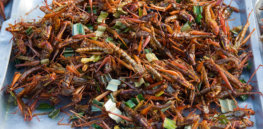
‘Edible insects’ boost food sustainability, but will consumers eat BBQ-flavored bugs?
There is an increasing range of insect-based products, such as whole/flour, snacks, health bars, pasta, pasta sauce and burgers. Edible ...

Viewpoint: ‘Naïve’ calls for glyphosate ban threaten higher food prices, resurgence of more toxic pesticides
The unintended consequences of glyphosate bans are many and potentially severe ...

Transparency and trust: Is there room for ‘the people’ in the human gene editing debate?
How does excluding the people service the WHO's stated goals of transparency and trust? ...

NASA twins study highlights key risks for long-term space travel: Cosmic rays and microgravity
When NASA reported preliminary observations about the famous “twin astronaut” study a year ago, the media rushed in, reporting the ...
Deciphering US plans for regulating biotech animal breeding
An overview of the regulation of biotech breeding as it relates to animals, covering some open and unsettled issues. ...

The MIND diet: Can you eat your way to a healthier brain?
Every 65 seconds, someone in the United States develops Alzheimer’s. So in the time it takes you to read this ...

Viewpoint: Outgoing FDA chief Scott Gottlieb scored some wins, but dropped the ball on food labeling, gene-edited plants and animals
Gottlieb’s policy proposals for FDA oversight of gene-edited plants and animals were as inexplicable as they were inconsistent with longstanding U.S. policy ...

Why do we need GMOs if we already grow enough food to feed the world?
The world produces enough food to feed everyone, but what does that really mean, considering abundant food in the west ...

Fit and fat at the same time? The right genes may make it possible
Scientists are in hot debate over whether it's possible to be obese without creating health risks. Two new studies take ...
30,000 food products with Non-GMO Project label may be “false or misleading,” FDA guidance document says
The Non-GMO label may soon see its ubiquitous butterfly wings trimmed ...

Genetic test for diabetes risk? Why it’s not quite ready for ‘prime-time clinical care’
23andMe's new test claims to determine risk from genetic analysis ...

Viewpoint: Opponents of lab-grown meats are using anti-GMO arguments they will soon regret
Anti-GMO style tropes are being used against the Impossible Burger by people who should know better ...

Viewpoint: Politico veers again into pseudoscience and politics with another misleading glyphosate infographic
Once again, a website known for its political coverage proves itself unable to report on science-related issues ...

Genetic uncertainty: When research participants should be told that their test results have changed
“Do you mind if we take one more sample?” asked the endocrinologist who had already stuck six needles into the ...

Tracing the birth of new languages—as older tongues fade away
Anthropologists and linguists are working to understand how complex systems of communication emerge—and what they reveal about how to keep ...

Viewpoint: FDA plan to regulate gene-edited animals as drugs will thwart US food innovation
In the absence of sensible regulation of the breathtaking genetic variation that exists naturally in our food species, innovation will ...

Working to build trust in the insect-resistant BT cowpea, Nigeria’s first genetically modified food crop
A crop created through technology faces intense opposition in Nigeria ...

Can we blame our genetics for overeating?
Are eating habits a matter of choice and discipline? What role do our genetics play in determining how much and ...

Pesticides increase cancer risk for farmers? Rethinking the ‘irrefutable consensus’
Though it may seem otherwise, the term 'irrefutable' is not at all flattering ...

Taking a bad trip and why marijuana edibles may be a prescription for psychosis
A study looked at high-potency cannabis and psychosis. The findings were astonishing ...

Viewpoint: How the Canadian Broadcasting Corp. fails viewers in its misleading coverage of GMO crops and glyphosate
There is no excuse for such misinformation from Canada's ‘National News Agency.' ...

Do humans have a ‘ghost’ ancestor? Artificial intelligence thinks so.
A third archaic human species may have been identified, this time with deep learning methods ...

3 common misconceptions about the ‘dangers’ of genetic engineering and GMOs
Here is the evidence to put these misconceptions to rest ...

5 things to know about genetically engineered AquAdvantage salmon coming soon to US grocery stores
Animal genomics expert Alison Van Eenennaam explains the significance of the FDA’s move ...

Do participants in genetics research studies have the right to know—or not know—about troubling DNA results?
Is it possible to know too much about our own genetic profile? ...

‘Dramatic’ skull chunk discovery could tell us more about the mysterious Denisovans
Fragments of a hominin skull add to the sparse collection from our obscure cousins ...
