


Food & Ag Features

Can the gene editing technology known as CRISPR help reduce biodiversity loss worldwide?
CRISPR “could be such an amazing tool if we are respectful [and] responsible and use it properly.” ...

Book review: Sheldon Krimsky’s ‘GMOs Decoded’ cherry-picks data to spur fear of biotech crops
Judith Heimann reviews “GMOs Decoded: A Skeptic’s View of Genetically Modified Foods,” by Sheldon Krimsky ...

Podcast: GMOs = witchcraft? ‘Big Ag’ didn’t cause coronavirus; Remdesivir for COVID-19
We finally have a drug to treat COVID-19 in remdesivir, but how well does it work? Anti-GMO activists have blamed ...

Viewpoint: COVID-19 food shortages—Why the pandemic is a warning to embrace agricultural technology
The question worth asking is this: will we learn from this trying experience and embrace agricultural technology to build a ...
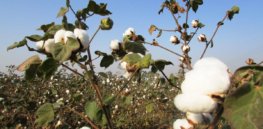
Viewpoint: Activist-inspired GMO cotton bans push Mexican farmers toward bankruptcy
Mexico has a long record of safely cultivating genetically modified (GM) cotton. For more than 20 years, cotton has been ...

Podcast: Norman Borlaug a hero? Spread coronavirus for herd immunity? CRISPR v. agroecology
Norman Borlaug's Green Revolution saved an estimated billion people from starvation, but critics contend his work brought severe environmental and ...

Where are GMO crops grown? GLP infographics document the global growth of agricultural biotechnology innovation
One of the more popular claims by critics of GMOs is that only a few countries grow genetically engineered crops, ...

Viewpoint: Blame the coronavirus on ‘industrial agriculture’? We need more, not less of it to stave off the next viral pandemic
An internet meme is circulating worldwide in the heat of the COVID-19 pandemic: “Every disaster starts with a scientist being ...

‘Climate proofing’ the world’s food supply with edible microorganisms
We need a global food production system that is tolerant to unpredictable climate fluctuations ...
Viewpoint: ‘Big Ag’ caused the coronavirus pandemic? Predatory science journal amplifies baseless COVID-19 conspiracy
With the global pandemic caused by Covid-19, agricultural supply chains around the world have been taxed to ensure consistent and ...

Podcast: Coronavirus conspiracies deadlier than the disease? Next pandemic worse? Spit test spots more COVID-19
A dearth of coronavirus tests has exacerbated the COVID-19 pandemic in the US and elsewhere, but a newly FDA-approved test ...
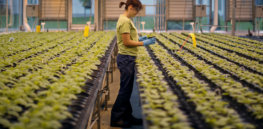
Can GMO tobacco plants produce vaccines for the coronavirus, flu and ebola?
The battle against COVID-19 will never be won before the majority of the population gains immunity to the new coronavirus ...

Will CRISPR spawn a new wave of crop biotech innovation despite regulatory hurdles?
The fact that gene-edited crops can be indistinguishable at the molecular level from those that occur in nature or are ...
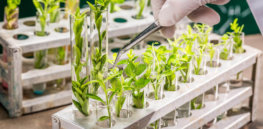
Next-generation gene-editing technology: Path to a second Green Revolution?
Might gene-editing facilitate the task of generating and identifying yield-enhancing genetic variation? ...

Low-hanging fruit: How the first generation of GMO crops yielded massive economic and environmental benefits
There are still no widely available GM varieties of either wheat or rice, the second and third most widely grown ...
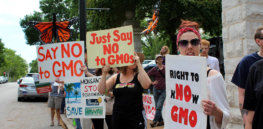
Viewpoint: How consumer fear and misguided regulation limit the progress of crop biotechnology
There is a profound disconnect between the modern science of crop improvement and the farmer ...
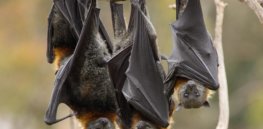
Viewpoint: The dark side of biodiversity—Why living ‘in harmony’ with nature is a fantasy
The coronavirus is a brutal reminder to citizens abused by the rhetoric of conservationist movements that biodiversity is also a ...
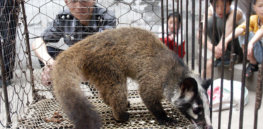
Opinion: To reduce the likelihood of future pandemics, we need to rethink our relationship with wild animals and wild places
This article by Christian Walzer originally ran at Ensia and has been republished here with permission. The COVID-19 coronavirus has ...

Podcast: GMOs to blame for coronavirus? Catching COVID-19 twice; junk studies fuel biotech skepticism
As the world continues to struggle against the rapidly spreading coronavirus, anti-GMO activists are blaming crop biotechnology for the pandemic ...
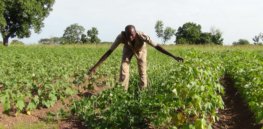
With approval to plant GMO insect-resistant Bt cowpea, Nigerian farmer says her nation can lead Africa’s biotech ‘revolution’
I haven’t wanted to plant cowpea here in Nigeria because the plant suffers from one of the worst enemies imaginable: ...
‘Unforgiving math’: Why intensive agriculture is needed to fight climate change and feed 10 billion people
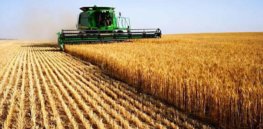
There is an unforgiving math at the interface of agriculture and the environment ...

California grows 90% of America’s fresh strawberries. Does pesticide dependence threaten the industry’s future?
Agricultural abundance is a pillar of the California dream. In 2016 the state turned out more than US$45 billion worth ...

‘Nothingburger of a paper’ and why we still don’t know if anti-malarial drugs work against the coronavirus
Last week, I wrote about an experimental treatment for COVID-19 that repurposes old drugs. One version of the treatment uses ...

Podcast: Coronavirus and food safety; debunking the ‘Dirty Dozen’; COVID-19 cure worse than the disease?
As the world takes unprecedented measures to blunt the coronavirus pandemic, some commentators argue 'the cure is worse than the ...

Viewpoint: Regenerative agriculture—An oversold sustainability solution to climate change?
Over the past six months, major food companies, like General Mills, Danone North America, Kellogg, and others, have launched efforts ...

Viewpoint: Activist campaign against synthetic pesticides, fertilizers and GMOs a pending ‘disaster’ for our food supply
‘Farming looks mighty easy when your plough is a pencil, and you’re a thousand miles from the cornfield.’ Those were ...
Can we immunize our food supply the same way we combat deadly diseases with vaccines?
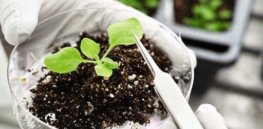
In 16th century China, physicians found that inoculating healthy individuals with pus or dried scabs from someone infected with smallpox, ...
