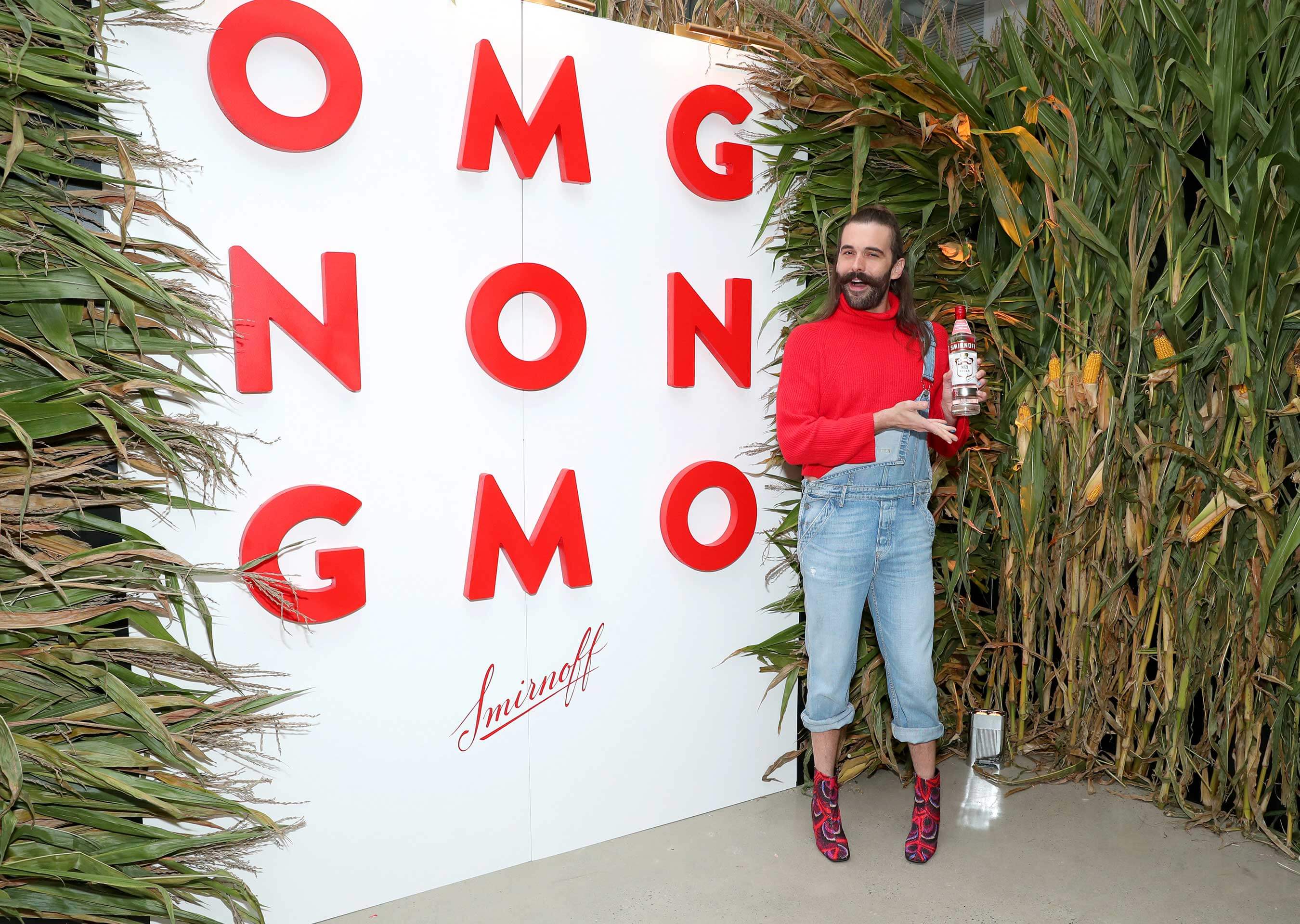
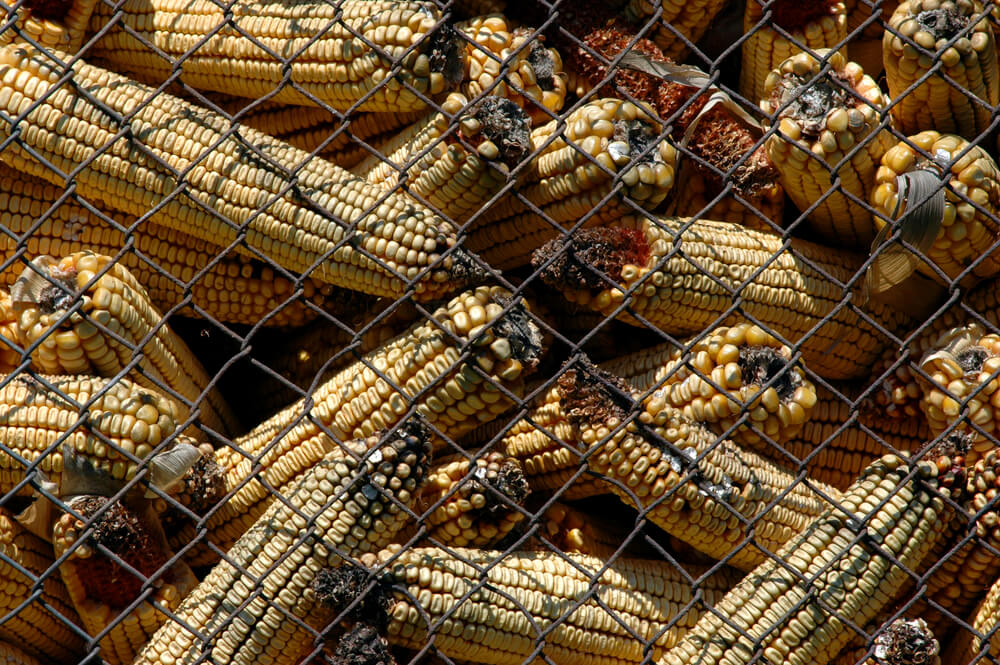
So why claim it is better to use non-GMO corn, when it is better for the environment? That’s marketing, they believe their customers want that. And it may be their downfall. As Stephan Niedenbach notes, FDA lets organic food and supplements have a Wild West for Woo when it comes to labels, as long as they state somewhere FDA has not approved their cosmic claims, but alcohol is another issue.
Making a gluten-free health claim will pass muster even if its ethically disgusting. Corn has no gluten anyway but celiac disease is a health issue and customers can be made aware of products without gluten. But GMOs are not a health issue, even when USDA created the “organic” food standard they said it was solely for marketing.
If they do market “non-GMO” as a health claim, that is prohibited by the Treasury Department’s Alcohol and Tobacco Tax and Trade Bureau. As the site alcohol.law notes, “be sure to keep the TTB’s position in mind before submitting a certificate of label approval with any “GMO” related terms or references.”
Even typical siblings of children with autism tend to struggle with anxiety, depression and social difficulties, according to a large new analysis.
The findings provide the most robust evidence to date that these siblings have problems, too, says lead author Carolyn Shivers, assistant professor of human development at Virginia Polytechnic Institute and State University. “We’ve found evidence now from nearly 70 studies that says there is actually something going on there.”
…
“We don’t really understand that much about what underpins [this phenomenon],” [researcher William] Mandy says. “Let’s hope [this paper] kicks off research that really tries to get at the mechanisms.” Understanding the biology might shed light on autism’s heritability and perhaps yield valuable clinical strategies to help the siblings, he says.
…
Siblings of autistic children are more likely than siblings of children without the condition to be withdrawn and to have poor social skills. They also fare worse socially and emotionally, by various measures, than do siblings of children with intellectual disability or other forms of developmental delay.
However, they are no more likely than controls to have outward behavior problems, such as aggression. And their strategies for coping with adversity are not unusual, either.
…
The findings overall suggest that siblings of autistic children would benefit from early behavioral treatments.
Several days ago I wrote a column about the wrong-headed claim that glyphosate is a carcinogen and the huge number of tort cases that has resulted from this error. It was only after I posted the column that a naïve question presented itself, Why is there so little government research on the toxicity of glyphosate, particularly from the FDA, which is responsible for food safety? After all, the FDA has studied a wide range of contaminants that occur in food and animal feed, including soy phytoestrogens, arsenic, acrylamide, pigments, and combustion products.
I put this question to a veteran scientist who has spent his/her career studying the toxicity of various compounds for the federal government …. [Glyphosate] has been in use for over forty years and …. has been so thoroughly studied for toxicity and the concentrations found in humans are so low that there is no need for further study …. there is really nothing left to justify further research!
In conclusion, my contact made a stunning comment which puts the vexed issue of glyphosate — and other similar controversies — in a very different perspective,
“There is nothing left to understand, except how groups of humans can be incited to question the underlying science. Oh, right, IARC and Prop 65.”
According to some estimates, half the world depends on rice as its staple food. But as the climate changes, rice cultivation is increasingly under threat by record-breaking temperatures, drought and flooding. That’s why, as Michael Taylor at Reuters reports, a group called the International Rice Research Institute (IRRI) has collected and conserved 136,000 varieties of rice and recently received a commitment of $1.4 million in annual funding to maintain the collection.
…. While gene editing and synthetic biology get a lot of attention for their potential to develop more nutritious and resilient crops, the IRRI says the traits needed to survive a changing climate are already present in the seed bank. “It is really important to the future of food security,” Matthew Morell, IRRI’s director general tells Reuters. “Within those rice varieties are genetics that will allow us to preserve the ability to produce rice in the face of climate change.”
…
One new variety, dubbed “scuba rice,” has food scientists particularly excited. Currently, about 49 million acres of rice fields in Asia are susceptible to flooding. If rice is flooded at the wrong time of year, however, it will not survive more than a few days. The new variety can withstand floodwaters for two weeks and is already being grown by 5 million farmers in Asia. A variety suited for Africa is currently under development.
Using gene editing and stem cells, researchers in China have helped mice of the same sex bear pups. While this feat has been accomplished before with mouse moms, the new study marks the first time that pups from pairs of male mice were also carried to full term.
The technology is far from ready for the leap to humans. Though mice pups born from two females appeared healthy and bore their own young, pups with two papas died soon after birth. Of the 12 born, just two survived more than 48 hours.
Still, the new study, published [October 11] in the journal Cell Stem Cell, is an encouraging step toward a better understanding of the barriers that prevent such genetic coupling between individuals of the same sex. The work also raises a slew of ethical questions among experts, with the health of future offspring being the primary concern.
…
[I]f the technology develops under the right ethical and medical guidelines, it could give hope for same-sex couples to have genetically related children, imparting similar access to pregnancy assistance that other couples already have.
“I personally think that if we view the inability of opposite sex couples to reproduce as something that deserves technological intervention,” [professor Sonia] Suter says, “then it seems to me that I don’t think we can make a coherent argument against letting same sex couples do the same thing.”
Bringing a new drug to market takes roughly a decade and requires expensive and arduous testing on humans and animals. But a new technology developed at the Massachusetts Institute of Technology aims to cut that time by half and perhaps replace animal testing entirely. The device, roughly the size of a paperback, is nicknamed “the body on a chip” and is designed to show scientists how a drug affects individual organs and the body as whole. The device’s surface contains shallow receptacles in which scientists deposit pregrown, 3-D tissue structures from up to 12 human organs. With prior help from microscopic scaffoldings, the cells have arranged themselves into something resembling their natural structure.
A series of pumps pushes fluid through the system, simulating some features of blood flow. Adding drugs allows scientists to understand their effects.
…
Of course, the human body is far too complex to be represented entirely on a device the size of a novel, and [Linda] Griffith’s chip is missing systems that could reveal vital information about how humans and animals react to drugs. Because organs on a chip lack a full immune system, cell cultures are frequently dosed with antibiotics to keep them alive. Griffith’s blue-sky goal? A chip with an immune system of its own.
Despite what some chronic users may claim, the cannabis plant is not mystical. Like any living species, its cells house genes that encode proteins which, through an impressively choreographed dance influenced by the environment, yield a distinct organism.
…
With genetic engineering, the levels of THC, the chemical responsible for marijuana’s “high,” or that of cannabidiol, responsible for its medicinal properties could be boosted.
Of course, some people will tell you that this has already happened. There’s a rumor, probably still alive in many Facebook groups, that Monsanto has created “GMO weed,” terrorizing people who fear that they may inadvertanly be exposed to those dreaded GMOs …
…
What these unfounded rumors about “super weed” obscure is the fact that, actually, we really don’t know much about the genetic code at the core of the cannabis plant. This might be surprising in the era of the Human Genome Project …. but the genetic cogs and wheels of marijuana remain somewhat concealed.
The main reason is obvious: cannabis is an illegal crop and researching it requires the kind of paperwork that would make a committed bureaucrat blush with envy. But it’s not the only reason.
Sequencing an entire genome—meaning reading the genetic code letter by letter—can’t be done in one go (unlike reading a really good book cover to cover). Rather, it’s accomplished with overlapping fragments.
Wherever artificial intelligence is deployed, you will find it has failed in some amusing way. Take the strange errors made by translation algorithms that confuse having someone for dinner with, well, having someone for dinner.
But as AI is used in ever more critical situations, such as driving autonomous cars, making medical diagnoses, or drawing life-or-death conclusions from intelligence information, these failures will no longer be a laughing matter. That’s why DARPA, the research arm of the US military, is addressing AI’s most basic flaw: it has zero common sense.
…
DARPA’s new Machine Common Sense (MCS) program will run a competition that asks AI algorithms to make sense of questions like this one:
A student puts two identical plants in the same type and amount of soil. She gives them the same amount of water. She puts one of these plants near a window and the other in a dark room. The plant near the window will produce more (A) oxygen (B) carbon dioxide (C) water.
A computer program needs some understanding of the way photosynthesis works in order to tackle the question. Simply feeding a machine lots of previous questions won’t solve the problem reliably.
…
[Allen Institute for AI CEO Oren] Etzioni says the questions offer a way to measure progress toward common-sense understanding.
The rise in global trade wars and the recent EU decision to classify new plant breeding techniques (NPBTs) as genetically modified organisms will inevitably impact food safety and quality, experts warn.
According to EU report published [in September], EU customs authorities seized over 31 million fake goods with a street value of €580 million in 2017, and food accounted for almost one quarter (24%) of these.
…
With the rise of trade wars …. between China and the US, and tensions between other countries, we think it will have an impact on food. It’s a global market and most food is imported from other countries. These [political developments] will foster a grey market and lead to food fraud and food smuggling.
An increase in counterfeit and contraband products in the supply chain could directly impact the work of purchasers and quality control managers …. as they will be at risk of buying illegal ingredients.
Another ‘hot topic’ on quality control managers’ radar is the recent European Court of Justice July decision that ruled New Plant Breeding Techniques (NPBTs) are considered genetically modified organisms, a stance that put it at odds with other international regulatory bodies, such as the US Ministry of Agriculture.
“[The ruling] means that these products are forbidden in the EU unless specifically authorized and none are authorized yet.”
[W]ith precision medicine going mainstream and an explosion of apps piping genetic insights to your phone from just a few teaspoons of spit, millions of Americans are having their DNA decoded every year. That deluge of data means that genetic counselors—the specialized medical professionals trained to help patients interpret genetic test results—are in higher demand than ever. With two to three job openings for every new genetic counseling graduate, the profession is facing a national workforce shortage.
…
Baylor runs one of 11 new accredited programs in North America (10 in the US and one in Canada) that have launched in the last three years, increasing the total number of training programs on the continent by a third. There are at least a dozen more in various stages of development.
…
But with the shortfall in genetic counselors, there also aren’t enough professionals to train the up-and-comers. Most programs can only accept 8 to 12 new students per year, because accrediting standards require each student to handle a certain number of clinical cases. Yet there are only so many supervisors to go around.
…
Counselors have also left the clinic for higher-paying jobs in other branches of the healthcare industry. Genetic counselors make less than other medical professionals with similar training.
…
There might be more ways to decode your DNA than ever before, but interpretation is still a scarce commodity.
Oxitec [a] UK-based biotechnology company ….. [October 18] announced that it is expanding its collaboration with the Bill & Melinda Gates Foundation …. to develop a self-limiting mosquito strain to combat the Anopheles stephensi mosquito that transmits malaria in South Asia, the Middle East and the Horn of Africa using its 2nd generation Friendly Mosquito technology ….
Oxitec has developed a powerful biological engineering platform that can be used to develop a range of self-limiting insects …. [the] insects are designed to significantly reduce the population of a targeted pest species in a way that is safe for humans and the environment.
[The new] Anopheles strains will both incorporate Oxitec’s 2nd generation technology, which utilizes a single self-limiting gene to kill disease-transmitting female pest mosquitoes in the wild. Upon release into the wild, Friendly mosquitoes mate with wild females, allowing only male offspring – also containing a self-limiting gene – to survive to adulthood while all female offspring die before adulthood. This has a direct suppression effect on the targeted mosquito population.
…
In addition to pest population suppression, Oxitec’s 2nd generation …. technology introduces …. the potential ability to reverse insecticide resistance in wild-type insect populations that have become resistant to traditional pesticides. Oxitec’s technology introduces susceptible genes into the environment via the surviving male offspring, thereby diluting existing resistance in established wild pest populations.
We frequently see a contrast drawn between what is “natural” and what is “chemical.” Sometimes products are described as “chemical-free” even though every physical object is made of chemicals. As much as this suggests a problem with our science education, it speaks to a missed opportunity for wonder. Nature is not some sort of cosmic mother figure; on the contrary, nature is composed of diverse biological and physical processes, including some pretty amazing examples of chemistry continually taking place. If we indulge the human personification of nature and its “children” a bit, we could say the following about these “chemists”:
They are extremely creative.
They can make really complex molecules.
Some of their chemicals last a really long time – which is sometimes good and sometimes bad.
They are really good at making polymers.
They make some extremely toxic things.
I’ll give a few examples below.
Creative natural chemistry
Steve Savage
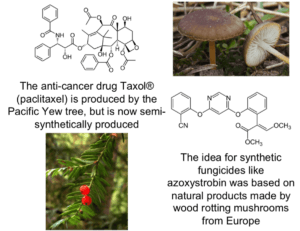
The diversity of naturally-occurring chemicals is staggering. Humans regularly take advantage of this, particularly when we need ideas for things like pharmaceuticals or crop protection products. Sometimes we extract the chemicals from a plant or other living thing. Often we grow tanks of microbes to harness their ability to make a chemical we find useful. In cases where the amounts of the chemical are too small to be practical from the natural source, human chemists can synthesize the same compound to fulfill the quantity needed. An example of this is a new potato sprout inhibitor. In many other instances, a natural chemical serves as the inspiration for human chemists to experiment with similar structures leading to the discovery of particularly useful drugs, fungicides, etc.
Taxol structure image by Calvero. Pacific Yew tree image by Jason Hollinger via creative commons. Azoxystrobin fungicide structure by Yikrazuul. Strobilurus tenacellus mushroom picture by Tatiana Bulyonkova at Mushroom Observer.
Complex natural chemistry
Some of the most abundant chemicals in nature are simple. Nearly 80% of the air we breathe is nitrogen in the form, N2 – just two nitrogen atoms bonded together. Nitrogen goes through natural cycles that are important to all living things but often stays in relatively uncomplicated forms like ammonia (NH3) or nitrate (NO3). On the other hand, natural chemicals can be complex, so much so that it would be challenging for even a skilled human chemist to make them.
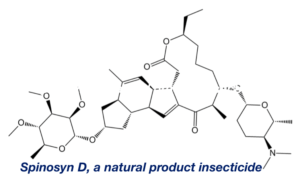
One of these complex examples is called spinosad and it is produced by a microbe called an actinomycete. We have found this to be a particularly effective insecticide for use on crops yet quite benign for the environment and not toxic to people. The chemical company that produces this for farmers relies on the natural microbe to produce this complicated bit of chemistry.
Structure of Spinosyn image by Capaccio via creative commons.
Long-lived natural chemicals
Most naturally-occurring chemicals are part of a cycle in which chemicals combine, making a material, but then eventually break back down into basic constituents to begin the cycle again. Some naturally-produced chemicals are relatively long-lived. This can be a good thing in the case of the chemicals that are found in the organic matter of a healthy, undisturbed soil. These are not just any plant or microbial product; they are specific compounds that slowly cascade through a series of breakdown products.
For instance, plants make a group of complex, phenolic chemicals, called lignin, which are important for strengthening their cell walls. Lignin is quite resistant to microbial breakdown, although some fungi can and do destroy it, even as they decompose wood. Lignin is a major component of what is termed humus – the component of soil that helps to buffer nutrients and retain moisture. When soils are converted from wild land to cultivation, there is a dramatic increase in the rate of breakdown of these chemicals and thus the release of the carbon dioxide.
Some long-lived, natural chemicals, however, are less desirable. Under low oxygen conditions, soil-dwelling microbes can interconvert forms of nitrogen (e.g. ammonia to nitrate or nitrate to nitrogen gas). In that process, they “accidentally” make some nitrous oxide (N2O). Nitrous oxide is around 300 times more potent than carbon dioxide as a greenhouse gas because it lasts longer in the atmosphere. Unfortunately, human activity can exacerbate the production of this naturally-generated chemical from farmed soils. Adjustments in farming practices can lead to a better balance of the production of natural chemicals that help or hurt greenhouse gas levels.
Follow the latest news and policy debates on sustainable agriculture, biomedicine, and other ‘disruptive’ innovations. Subscribe to our newsletter.
In the 1967 movie The Graduate, the character played by Dustin Hoffman is lectured about how the future is going to be all about plastics. Indeed, many people were excited in that era about polymers that chemists were developing, like nylon and polyester. These are based on long chains of monomers attached end to end.
Many of the most abundant natural chemicals on earth are also polymers, which are long chains made of simple sugar molecules. Depending on which sugar and how the sugars are linked together, the polymers result in anything from the cellulose that makes cotton fiber to wood or even the alginate from seaweed we use for thickening foods or the starch that is the primary energy source in foods like pasta, bread, rice or potatoes. Increasingly, we are tapping in to the enzymatic tools found in microbes in order to make polymers from renewable resources.
Toxic chemistries
Most people associate the term natural with the terms safe and wholesome. This impression has been created by decades of marketing, not by any understanding of the chemicals in nature. Many natural chemicals are perfectly benign; however, nature’s assortment of chemicals also includes many that are toxic by various mechanisms. Lots of plants make chemicals to protect themselves from being eaten or otherwise bothered. We have all heard about nasty plants like poison ivy or even lovely plants like the Colorado Columbine which are dangerous to eat.
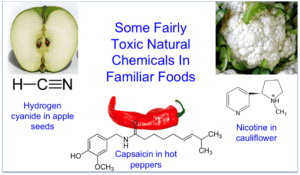
Cut Granny Smith apple image from Wikimedia. Cauliflower image from Calliope via creative commons. Hot pepper image by Andre Karwath via creative commons. Capsaicin structure by Jurgen Martens. Nicotine structure by NEUROtiker. Cyanide structure via Wikimedia.
Food plants also make some fairly toxic chemicals. The seeds of many familiar crops, including apples, cherries and peaches to name a few, contain a chemical storage component called a cyanogenic glycoside. When the seed is damaged, enzymes release hydrogen cyanide from the glycoside. Hydrogen cyanide is very toxic! It is a good reason not to eat those seeds, although it would take a lot of such seeds to hurt a person. The capsaicin that we enjoy in hot sauce is an insect protection chemical made by the pepper plant to defend itself. It is moderately toxic to us but not at the doses we normally consume. Quite a few plants make nicotine to ward off insects including tomatoes, cauliflower and eggplant. Nicotine is very toxic but not at the doses these crops produce. As with any toxic chemical, natural toxins are only an issue to humans at a certain dose.
Some natural chemicals, however, are extremely dangerous and we don’t want those in our food. Mycotoxins are a particularly nasty category of natural chemicals produced by certain fungi. One such chemical, called aflatoxin, is among the more toxic chemicals in existence and is also a potent carcinogen. Unfortunately, under certain circumstances, fungi can produce aflatoxin in food crops. In the developed world, a system of controls and testing keeps us well protected from this; in the developing world, though, aflatoxin is a major cause of death both through acute and chronic effects because it contaminates staple foods like corn or groundnuts.
Aspergillus infected groundnut image from International Institute of Tropical Agriculture. Aflatoxin structure by Ju
Some natural chemicals are elegantly selective in their toxicity. A soil bacterium, called Bacillus thuringiensis (usually called “Bt”), makes proteins that are specific in their toxicity to only certain categories of insects. One strain of Bt makes proteins that only effect beetles while another’s toxin only affects caterpillars. None of these Bt proteins are toxic to humans or almost anything else. We have made excellent use of these natural chemical toxins as sprayable insect controls and by genetically engineering plants to make their own supplies of the protein resulting in the plant being insect resistant.
Conclusion
Yes, nature does a great deal of chemistry. For us, these chemicals can be a source of good things, a source of good ideas, and sometimes a hazard or problem.
A version of this article appeared on the GLP on March 23, 2017 after appearing on the Putting Pesticides In Perspective blog. It was reposted with permission.
Steve Savage is an agricultural scientist and consultant whose previous employers include Colorado State University and DuPont. Follow him on his blog, Applied Mythology, or Twitter @grapedoc
Of all the people who die from cancer each year, more than 30 percent of them could have avoided the disease had they done one thing: quit smoking. And that’s not just cancers of the lungs and throat. Seventeen cancers are strongly linked to cigarette smoking including kidney, cervix and colon cancers.
That percentage increases state by state depending on smoking prevalence according to a study in the Journal of the American Medical Association. In Kentucky, for example, 34 percent of cancer deaths in men and 29 percent in women can be attributed to whether or not a person smoked cigarettes. In Utah, where smoking is a relatively rare habit, those numbers were 16 and 11 percent, respectively.
Lung, throat, larynx cancers make sense. Those tissues come directly into contact with cigarette smoke and the cancer-causing chemicals it contains. A study published in Science showed that for each year a person smoked a pack a day there were 150 new genetic mutations in each of his or her lung cells. But how could smoking affect something as distant from the respiratory organs as the colon, bladder and pancreas? From the LA Times:
Even organs with no direct exposure to tobacco smoke appear to be affected. The researchers counted about 18 new mutations in every bladder cell and six new mutations in every liver cell for each “pack-year” that smokers smoked.
Scientists genotyped more than 5,000 cancers documenting genetic changes induced by smoking compared to mutations in non-smokers with those same cancer types. They identified 20 genomic signatures that ranged from base-pair swaps known to be caused by particular carcinogens in tobacco to a more mysterious one called signature 5. From Science News:
Scientists have identified several patterns of DNA mutations that consistently show up in tissues of some cancers. These patterns, which may appear over and over again in a stretch of tumor DNA, can serve as a signature of the underlying mechanism that led to the mutations, offering clues to how different cancers strike… The cause of signature 5 remains unknown, but scientists do know that the number of signature 5 mutations is “clocklike” — it increases with age. The new analysis revealed that the signature 5 “clock” ticks faster in smokers. Depending how heavily a person smoked, the more signature 5 mutations were found.
So the relationship between smoking and cancers far-removed from inhaled smoke might be an overall tax that smoking puts on our bodies’ ability to repair the genetic mutations that drive cancer. Age itself is one of the biggest risk factors for cancer. That’s likely because some DNA damage slips through the cracks of self-repair, which mounts with time. Smoking may increase the process by keeping those DNA self-repair channels overly busy or by disabling the repair processes themselves.
Follow the latest news and policy debates on sustainable agriculture, biomedicine, and other ‘disruptive’ innovations. Subscribe to our newsletter.
Signature 5 was found in many, many non-smoker cancers, too. In non-smokers, the strength of the signal was related to the person’s age at which they were diagnosed with cancer. But not in smokers who were somewhere between 30 and 500 percent more likely to have them. In smokers signature 5 wasn’t related to a person’s age, just to their smoking status.
Interestingly, the study didn’t find smoking drove any epigenetic changes—physical tags to the DNA and packaging that alter gene expression. The effects were most found within the actual genomes, rather than the methylation packaging of the genome. There were no statistically significant differences in methylation patterns between smoker’s and non-smoker’s cancers. Cancer researchers have often theorized that environmental exposures (such as smoking) may be able to drive epigenetic changes, which could change the behavior of certain cancer-causing genes without a change to the gene’s sequence (i.e. a mutation). This is how cigarette smoke is thought to cause detrimental effects on the developing fetus.
Some commenters have wondered how important it is to keep studying smoking because rates—at least in the US—are declining. From theWashington Post:
A separate report in the [CDC’s] Morbidity and Mortality Weekly Report shows how much progress has been made against cigarette smoking over the past decade. From 2005 to 2015, smoking among adults declined from 20.9 percent, or 45.1 million people, to 15.1 percent, or 36.5 million. The overall rate fell 1.7 percentage points last year alone, resulting in the lowest prevalence since the CDC began collecting data in 1965.
But there are 1 billion active smokers. That bad habit will be responsible for millions of preventative cancer deaths and lots of human suffering around the world. There is also a lot of uncertainty about funding for public health research and initiatives. Time to study the impacts of smoking on health might be limited— Vice President Mike Pence once wrote in a newspaper opinion piece, “despite they hysteria from the political class and the media, smoking doesn’t kill.”
A version of this article previously appeared on the GLP on November 29, 2016.
Meredith Knight is a frequent contributor to the Genetic Literacy Project and a freelance science and health writer based in Austin, Texas. Follow her @meremereknight
Using DNA testing to determine how well a given depression medication will work with a patient’s genetic makeup is becoming a popular approach. More than 750,000 people have taken one such test, called GeneSight, which is made by personalized medicine company Assurex, according to its website. A network of 28 Albertsons pharmacies offers a similar test made by a company called Genomind as part of a pilot program. And just last month, Silicon Valley genetics testing startup Color Genomics began offering a test as part of its $250 kits.
But some scientists say the tests have limited utility.
That’s because they [don’t] tell providers which specific medication is best to prescribe patients, according to Alan Schatzberg, a Stanford University psychiatrist and the director of the Stanford Mood Disorders Center. And Cristina Cusin, a Harvard psychiatrist, said the test won’t give helpful results to patients who take more than one medication.
…
[27-year-old Allyson Byers] said taking a genetic test saved her time in the quest to find the right medication.
…
[The test] suggested another medication called Pristiq that Byers had not previously taken, she said. So Byers’ therapist suggested they try that instead of Zoloft. Several weeks later, Byers said she felt better — and thanked the test for helping her find a different medication.
Recombinetics announced [October 16] the launch of TARGET-TB, a tripartite collaborative research project with University College Dublin in the Republic of Ireland and Queen’s University Belfast in Northern Ireland to combat Mycobacterium bovis (M. bovis) infection, the pathogen that causes bovine tuberculosis (BTB). BTB is a global threat to animal and human health and a major challenge to sustainable beef and dairy farming.
Annually, M. bovis creates an estimated $3 billion in global losses to agriculture. It disrupts trade, reduces animal productivity, causes the need for the mass slaughter of animals to control the spread of the pathogen, decimates the operations of small-holder farmers, and poses a significant zoonotic threat to public health, particularly for farmers and communities in the developing world.
…
The goals of TARGET-TB are to offer precision breeding solutions to improve existing BTB controls without the need for additional antibiotics or ineffective vaccines, to reduce the zoonotic threat to public health associated with BTB, and to reduce the financial burden of BTB prevention and intervention.
[Researchers] took core samples from Lake Magadi in southwest Kenya, sampling layers so deep they go back over a million years. By analyzing their changes in geochemistry, mineralogy, pollen counts and more, the team can recreate the region’s climate, and its changes.
…
So, what did they find? Starting about 575 thousand years ago, the area started become much drier, a process called aridification.
..
At the same time, the archaeological evidence shows our hominin ancestors were going through some changes too — what the authors call “a major transition in stone technologies.”
…
“The [earliest] dry phase and environmental variability would likely have had a significant impact on contemporary hominin populations regionally,” the authors write. Such a changing climate “can lead to an uneven distribution of resources that could drive hominins to travel more widely and to interact increasingly with other groups.”
…
With this finding, not only do we have a better picture of the kind of environment our hominin ancestors enjoyed, we also have more evidence of the kind of havoc a changing climate can wreak. You know, just in case we face anything similar in the future.
Corteva Agriscience, Agriculture Division of DowDuPont, and the International Rice Research Institute (IRRI) [recently] announced a multi-year framework agreement on collaborative rice research, deployment of new breeding technologies and development of breeding programs.
…
Rice is the world’s most important staple food, directly feeding more than any other crop. To meet the demand of a growing global population, rice production needs to dramatically increase by 25 percent over the next 25 years. Yet increased competition for dwindling resources such as land and water, unpredictable climates, farm labor shortages and lack of technical expertise are some of the issues threatening the future of rice …. The agreement provides both parties with access to advanced technologies, including IRRI’s germplasm, hybrid and inbred rice programs and Corteva Agriscience’s precision breeding technologies ….
…
“Our shared goal for this partnership is to help rice farmers to become more productive and sustainable,” said Peter Ford, Corteva Agriscience’s president, Asia Pacific. “Our collaboration will allow us to offer farmers a broader suite of high-performing products and effective science-based innovations that will optimize yield and crop quality. Partnerships such as this create the power of scale and will drive positive change for rice farmers.”
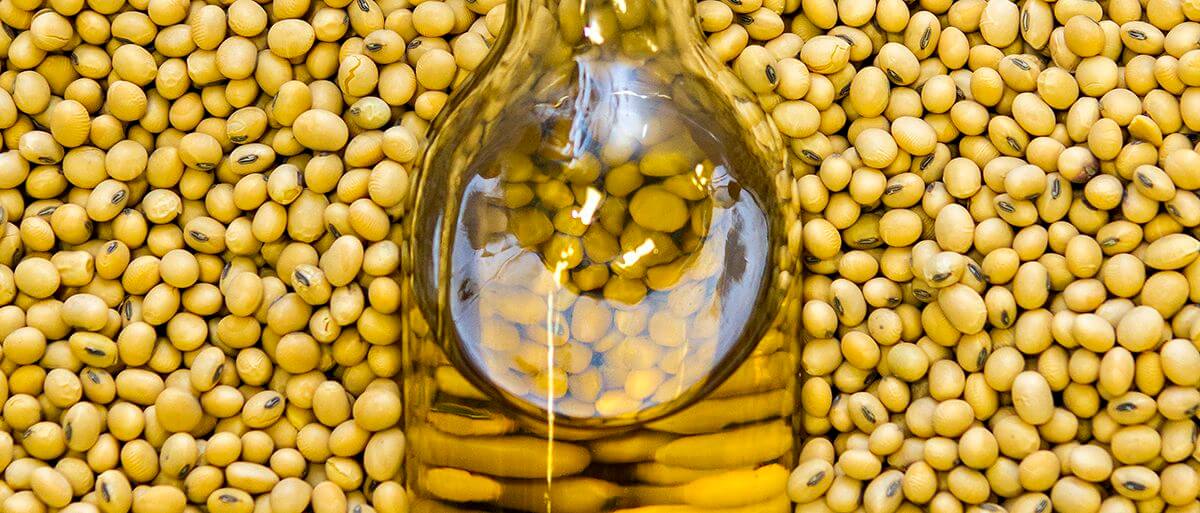
In the US, genome-edited crops have been grown and harvested for the first time – soybeans with a changed and therefore “healthier” fatty acid profile: at the beginning of 2019 they will be marketed as edible oils or granola bars. The soybeans are not considered “genetically modified” and can therefore …. may even be officially advertised as Non-GMO , according to the “GMO-free” label. In Europe, however, the same soybeans are “genetically modified” and are banned for the time being.
…
[J]ust over five years ago scientists at Calyxt , a young bioscience company in Minnesota (USA), succeeded in triggering targeted mutations at two sites in the soybean genome. As a result, they contain less saturated fatty acids, but significantly more of the healthier oleic acid: Their content is now several times higher than ordinary soybeans …. Under high temperatures, such as when frying or frying, less trans fatty acids are formed. These are considered hazardous to health and must be declared in the US.
…
In Europe, on the other hand [gene-edited] plants [grown] without GM license are strictly prohibited …. The more genome-edited plants grown in the fields outside the EU, the greater will be the problems of Europe to persevere on its chosen path.
Editor’s note: This article was originally published in German. This summary was prepared with Google Translate and edited for clarity.
Researchers have long suspected that a self-antigen—a normal molecule in the body that the immune system mistakenly treats as a threat—can trigger MS.
…
[I]mmunologists Roland Martin and Mireia Sospedra of University Hospital of Zurich in Switzerland and their colleagues analyzed immune cells known as T cells that came from a patient who died from MS. T cells normally switch on when they encounter protein fragments containing just a few amino acids that belong to an invading microbe, but they also turn on in people who have MS.
The researchers wanted to determine which protein shards stimulated the patients’ T cells, so they tested 200 fragment mixtures, each containing 300 billion varieties. The two fragments with the strongest effect turned out to be part of a human enzyme called guanosine diphosphate-L-fucose synthase.
…
Although guanosine diphosphate-L-fucose synthase is prevalent in the brain, “it has never been a candidate in the past,” says neuroimmunologist Reinhard Hohlfeld.
…
If guanosine diphosphate-L-fucose synthase turns out to be one of the elusive MS self-antigens, dosing patients with it might tame symptoms such as numbness and muscle weakness in much the same way that allergy shots prevent people from reacting to substances like ragweed pollen, Sospedra says. She and her colleagues plan to start to test this strategy with MS patients next year.













 Scientists genotyped more than 5,000 cancers documenting genetic changes induced by smoking compared to mutations in non-smokers with those same cancer types. They identified 20 genomic signatures that ranged from base-pair swaps known to be caused by particular carcinogens in tobacco to a more mysterious one called signature 5.
  Interestingly, the study didn’t find smoking drove any epigenetic changes—physical tags to the DNA and packaging that alter gene expression. The effects were most found within the actual genomes, rather than the methylation packaging of the genome. There were no statistically significant differences in methylation patterns between smoker’s and non-smoker’s cancers. Cancer researchers have often theorized that environmental exposures (such as smoking) may be able to drive epigenetic changes, which could change the behavior of certain cancer-causing genes without a change to the gene’s sequence (i.e. a mutation). This is how cigarette smoke is thought to cause detrimental effects on the developing fetus.