A correlation between obesity and genetics has been found to be modified by diet, according to a scientific paper in the American Journal of Clinical Nutrition. A research group led by a U.S. Department of Agriculture (USDA) scientist found that a specific gene—APOA2—can result in a higher body mass index (BMI).
The APOA2 gene encodes a protein that is part of high-density lipoprotein (HDL) cholesterol, so-called “good” cholesterol. An epigenetic mark, which can be thought of as a type of natural chemical decoration on the genome that regulates gene activity, can be induced and modified by environmental factors, such as dietary intake and lifestyle habits.
Led by molecular biologist Chao-Qiang Lai from Agricultural Research Service’s (ARS) Nutrition and Genomics Laboratory at Tufts University, Boston, the study found the same epigenetic mark also is likely associated with greater appetite, and this can result in greater food consumption and a higher BMI. This study is the first of its kind to take such an in-depth examination of a gene-diet interaction, one that pertains to obesity and the differential response to dietary saturated fat between individuals carrying variants of a specific gene, APOA2.
…
“Obesity is not simply a result of food intake alone. It is a product of genetic and environmental factors acting together,” says [author] Dr. Jose Ordovas.
Millions of tiny bubbles, released from cells and packaged with molecular mail, are racing through your bloodstream right now. And until recently, only a handful of researchers gave them any thought.
…
Called exosomes, these lipid vesicles shuttle proteins and genetic information between both neighboring and distant cells.
…
The vesicles are implicated in spreading diseases, including cancer, and metabolic conditions, like diabetes and obesity. A recent study even points to exosomes as a culprit for distributing amyloid-β, the plaque-forming protein that accumulates in the brains of people with Alzheimer’s disease. If exosomes can so easily carry molecules that spread disease, scientists began thinking they might be useful to carry molecules that stop disease.
…
In many cases, it is not clear what molecules inside the exosomes have therapeutic properties, but several stem cell companies are pivoting to exosomes nonetheless. For example, Capricor Therapeutics, which was founded in 2005 to develop stem cell therapies derived from heart tissue, is now using exosomes derived from those same cells to try to treat cardiac and inflammatory conditions.
…
“[T]hey are important in almost every aspect of biology and medicine,” [scientist Stephen] Gould once said. “The potential here is huge.”
The discovery of a new type of cell could fundamentally alter how cystic fibrosis researchers seek a cure for the often-fatal hereditary disease. A paper published [August 1] in Nature describes how an ongoing cellular mapping project helped scientists identify this rare cell type, which appears to play a key role in managing rehydration and pH balance—huge issues for cystic fibrosis patients.
…
Scientists have long known mucus proteins do not form properly in cystic fibrosis patients, and that these structural irregularities cause salt–water imbalances and dehydration. This leads to a buildup in the lungs of thick, sticky mucus that can trigger breathing problems and potentially life-threatening infections.
…
The newly identified cells have been dubbed “pulmonary ionocytes” because they seem to be involved in transporting ions—electrically charged particles like those in table salt—across lung tissue. In cystic fibrosis patients these cells also appear to produce vast quantities of mutated mucus proteins, which are called cystic fibrosis transmembrane conductance regulators (CFTR).
How could such a fundamental thing have been missed for so long? “I think it just speaks to the complexity of the disease and the fact that we really just didn’t understand the cellular basis of the lung,” says [pumonologist] Jayaraj Rajagopal.
…
Rajagopal thinks this work will lead to many more surprises, and to a far deeper understanding of both healthy and diseased cells.
While phrases such as ‘eating clean’ are starting to appear more frequently in consumer marketing, Mintel research shows some consumers are confused by the term ‘clean’ when used on pack, says Stephanie Mattucci, Mintel’s associate director for food science, who caught up with FoodNavigator-USA at the IFT show in Chicago [in July 2018].
“For some consumers clean eating may mean eating less processed food, more natural food – whatever that means, avoiding artificial ingredients… or for some, it may mean a free from diet, cutting out dairy or soy, or something along the lines of a paleo or keto diet.
“But the term ‘clean’ is still pretty confusing… We talked through a couple of product examples with consumers …. and one woman commented that she thought it looked like a cleaning product, for example, while others stated confusion overall about what clean may mean.”
…
Speaking to FoodNavigator-USA in 2017, Hartman Group SVP Shelley Balanko, PhD, noted that while the term ‘clean label’ has been bandied around within the food industry for years, it’s still relatively new to consumers ….
…
“Our research shows that the downside of the term ‘clean’ …. is that some people think it’s a bit pretentious and neurotic …. that it’s like ‘natural,’ potentially a marketing gimmick ….
[Researcher Heinrich Klüver] classified [hallucinogenic patterns he experienced] into four distinct types that he dubbed “form constants”: lattices (including checkerboards, honeycombs and triangles), tunnels, spirals and cobwebs.
Some 50 years later, Jack Cowan of the University of Chicago set out to reproduce those hallucinatory form constants mathematically.
…
In a seminal 1979 paper, Cowan and his graduate student Bard Ermentrout reported that the electrical activity of neurons in the first layer of the visual cortex could be directly translated into the geometric shapes people typically see when under the influence of psychedelics. “The math of the way the cortex is wired, it produces only these kinds of patterns,” Cowan explained recently. In that sense, what we see when we hallucinate reflects the architecture of the brain’s neural network.
…
An emerging hypothesis points to a variation of the mechanism that produces so-called “Turing patterns.” In a 1952 paper, the British mathematician and code-breaker Alan Turing proposed a mathematical mechanism for generating many of the repeating patterns commonly seen in biology — the stripes of tigers or zebra fish.
…
Experiments have shown that hallucinogens like LSD appear to disrupt the normal filtering mechanisms the brain employs, perhaps boosting long-range inhibitory connections and therefore permitting random signals to amplify in a stochastic Turing effect.
Proposals to combat climate change by reflecting the sun’s rays back into space would cause widespread crop failure, cancelling out any benefits to farming from the reduction in warming, according to new research.
By examining the effects of volcanic eruptions on agriculture – which has a similar effect to proposed artificial methods of scattering solar radiation through aerosols – scientists have concluded that such methods could have unintended consequences.
“[The research was to] find a way to examine the side effects of geoengineering without experimenting on the climate,” said Jonathan Proctor of University of California, Berkeley, lead author of the paper published in the peer review journal Nature. “[We found] potential adverse effect on agricultural production.”
…
The findings deal another blow to proposals to use geoengineering to reduce or delay global warming, which some scientists think may be necessary to stave off the worst effects of rising greenhouse gas emissions.
…
In the study …. deflection of sunlight had a negative effect on the yields of many staple crops, including rice, wheat and maize. They concluded that the impacts on crops of sending particles deliberately into the stratosphere would probably be similar, and that the beneficial effects on crop yields from the resulting cooling would be “essentially negated” by the loss in crops ….
This question comes up frequently in discussions of farming practices – how much arable land is there on the Earth, and how much are we currently using? …. It’s an important question, because as the population grows, we need to grow more food. We can do this [by] increasing the amount of food each acre of land can produce, by farming more acres of land, or by producing food without land. But if we expand farming acres, where would those more acres come from?
….
The fact is we have already “picked the low hanging fruit.” We have used the best farming land for farming. What remains is largely on the low end of the continuum of suitability.
…
It is much more preferable to increase the efficiency and sustainability of farming the land already being used. In fact, ideally, we would decrease the percentage of land used for farming and return some of it back to natural ecosystems.
…
[P]erhaps the biggest obstacle to best farming practice is also one of the most difficult to fix – ideology. Primarily I am talking about organic farming …. A recent German study finds that an organic diet uses 40% more land than a conventional diet …. By many estimates, we simply do not have the land necessary to feed the world with organic farming methods ….
Plant disease resistance is a complicated arms race between the plant and pathogens. Bacteria, viruses and fungi evolve in lock-step with plants, creating new ways to overcome new disease resistance strategies. Resistance to disease has a foundation in the gene-for-gene model, a model that hypothesizes that plants and pathogens have a molecular relationship with each other that mediates pathogenicity.
Today’s podcast features Drs. Lida Derevnina and Chih-Hang Wu, postdoctoral researchers with Sophien Kamoun (@KamounLab) at the Sainsbury Laboratory (@TheSainsburyLab) in Norwich, England. They describe the new thinking of disease resistance as a number of complex layers that integrates many gene-for-gene interactions with other mechanisms in mediating plant defense.
Now that a jury in San Francisco has decided that exposure to Monsanto’s herbicide Roundup (glyphosate) was responsible for California groundskeeper Dewayne Johnson’s cancer, the movement to restrict the herbicide has been re-energized.
Carey Gillam, director of research at the anti-GMO group U.S. Right to Know, who worked closely with the lawyers suing Monsanto, said following the verdict that “It is time for public officials across the globe to act to protect public health and not corporate profits.” French President Emmanuel Macron is on record trying to ban it and activists organizations in numerous countries are already attempting to leverage the jury’s verdict.
A judge in Brazil recently suspended the use of the herbicide, pending a review by the nation’s agriculture ministry, and Europe may reassess the costs and benefits of a ban over the next five years. The UK retailer Homebase is reviewing its sale of the weed killer following the verdict. And depending upon how Bayer’s announced appeal plays out (Bayer recently acquired Monsanto) and the fate of numerous glyphosate cancer suits to come, it’s not out of the question that manufacturers of generic glyphosate will begin reassessing their potential liability in keeping the herbicide on the market.
The ruling comes despite hundreds of studies that have found that popular weedkiller to be safe as used. Regulatory agencies in every major industrial country have concluded that the herbicide is not carcinogenic. The verdict turned on one contrary finding, by a World Health Organization sub-group known as the International Agency for Research on Cancer (IARC). In May 2015, the agency concluded in a ‘hazard’ evaluation–which did not take into account exposure–that glyphosate is “probably carcinogenic to humans,” putting it in the same category as coffee and salted fish. It was deemed less possibly carcinogenic than alcohol.
Image Credit: IARC
The IARC finding was also challenged by many scientists because of revelations in a Reuters investigation that the IARC glyphosate document underwent significant editing to remove benign results and to strengthen conclusions that suggested a possible cancer link. Journalist Kate Kelland obtained a draft, which became available as part of the lawsuit against Monsanto, and compared it with the final, published report. She found 10 significant instances in which “a negative conclusion about glyphosate leading to tumors was either deleted or replaced with a neutral or positive one.”
What might be the impact on farming and farmers if glyphosate is restricted or banned?
Experts suggest that severely restricting the herbicide and crops genetically engineered to tolerate it would have important ramifications for farmers. According to a 2016 study, GE crops account for about 56% of glyphosate usage. Such a policy shift would cut crop yields, raise food prices and cause severe environmental damage as farmers returned to older methods of weed control.
Food prices have dropped substantially since the introduction of glyphosate-tolerant genetically engineered crops in 1996. According to University of Wyoming weed scientist Andrew Kniss, the herbicide is relatively inexpensive at $0.66/gallon. This savings is passed on to consumers. University of Saskatchewan agricultural economist Stuart Smyth points out that “Across North America, the benefit …. from [glyphosate tolerant] soybeans has been calculated at more than $3 billion annually through lower food prices.”
Dave Walton
Moreover, farmers use it sparingly–it is not ‘poured on crops’ and farmers do not ‘douse their fields’ as many advocacy websites claim. Farmers use about 16 ounces per acre of land, Iowa corn and soybean farmer Dave Walton points out. Paired with crops engineered to tolerate glyphosate, farmers have a cost-effective weed control system that has helped boost their yields. In a study published in December 2017, agricultural economist Graham Brookes and his colleagues estimated that this technology contributed “18.6 million tons, 3.1 million tons and 1.44 million tons” to the global production of soybeans, corn and canola, respectively, in 2015.
[irp]
These gains in crop yields and the resulting lower food prices could be easily undone, however. If restrictions on glyphosate prevented farmers from planting herbicide-tolerant crops. “There would be an annual loss of global farm income gains of $6.76 billion,” Brookes and his team wrote, “and lower levels of global soybean, corn and canola production equal to [the gains achieved since 1996].”
Resurgence of more toxic herbicides
The use of glyphosate has soared by more than 15-times since its pairing with GE crops in 1996. But overall herbicide use has remained fairly constant and the per acre toxicity of herbicide use has actually gone down over the past 22 years, noted Brookes and his colleagues:
Since 1996, the [total] use of herbicides on [GMO crops] was reduced by 259.3 million kg of active ingredient (a 4.1% reduction) …” But once a glyphosate ban took effect, “there would be …. a net increase in the use of herbicides of 8.2 million kg …
Citing 2014 data from the United States Department of Agriculture (USDA), Walton similarly explained that the use of glyphosate paired with glyphosate-tolerant crops initiated a significant decrease in the use of more toxic chemicals. “[P]esticide use in the US peaked in 1981, and has trended downward since then,” he wrote. Farmers began using glyphosate on non-GE crops in increasing numbers during the 1980s. “I was able to cut down drastically on the use of far more toxic chemicals and substitute glyphosate, which was also more effective ….”
If glyphosate were no longer available, there would be a resurgence in the use of older, harsher herbicides as farmers attempted to control weeds in their fields. This list includes far more toxic herbicides like acetachlor, metalachlor, pendimethalin, atrazine, dicamba, and 2,4-D. Kniss highlighted the significance of such a reversion in a 2016 article. Reviewing the data on pesticide use, Kniss said glyphosate use increased with the introduction of glyphosate-tolerant crops. However:
The chronic toxicity hazard associated with herbicide use decreased in 3 out of 6 crops, while acute toxicity hazard decreased in 5 out of 6 crops. In GE glyphosate-resistant crops, glyphosate accounted for 26% of corn, 43% of soybean, and 45% of cotton herbicide applications. However, due to its relatively low chronic toxicity, glyphosate contributed only 0.1%, 0.3%, and 3.5% of the chronic toxicity hazard in these same crops, respectively.
Acceleration of climate change
Finally, the potential impact of a glyphosate ban on climate change would be considerable. Because the herbicide so effectively controls weeds, farmers began to practice no-till farming en masse in 1974 when glyphosate was first introduced, well before the debut of the first genetically engineered herbicide tolerant crops in the late 1990s.
Image Credit: LawLex
Before the introduction of glyphosate and other herbicides, farmers had to till their fields with ploughs to eliminate weeds in early spring before planting a new crop. This process, though necessary at the time, “doesn’t do much good for the soil structure,“ Walton said. “[I]t speeds up the decomposition of crop residue and soil organic matter. That leads to increases in carbon release from the soil via CO2.” Plant scientist Steve Savage added that the widespread adoption of glyphosate was part of a broader effort to make farming more sustainable:
[With] the introduction of herbicides in the 1960s, farmers, equipment companies and chemical companies began to develop ways to grow crops without tillage (no-till). Herbicide tolerant crops greatly enhanced [the] farmer’s ability to adopt these methods [in] the mid 1990s.
There are other implications in the battle to control carbon release, Brookes and his colleagues have written:
[T]here would be additional carbon emissions arising from increased fuel usage and decreased soil carbon [storage], equal to the equivalent of adding 11.77 million cars to the roads …. Land use changes will arise, with an additional cropping area of 762,000 [hectares], of which 53% derives from new land brought into cropping agriculture, including 167,000 of deforestation. These land use changes are likely to induce the generation of an additional 234,000 million kg of carbon dioxide emissions.
As the world’s population grows, we will need to produce more food on a finite amount of land. Estimates vary, but humans are farming approximately half of the land on earth that is suitable for growing food, and the land already being used is the most fertile. Our best bet at surmounting this challenge, according to a July 2018 study, is to practice land sparing, or maximizing crop yields per acre of land and leaving natural habitats like rain forests undisturbed. Doing that, however, would require the use of yield-boosting glyphosate-tolerant crops.
If the litigation against Monsanto were to result in further restrictions on glyphosate, it would severely hinder agriculture, Brookes wrote, in an email:
[The herbicide’s] …. replacement will likely result in higher costs of production …. lower yields [and could also result in the] loss of the benefits …. of reduced greenhouse gas emissions …. Overall, it is important to recognize that a restriction or ban on the use of glyphosate will have negative economic and environmental consequences.
Cameron J. English is the GLP’s senior agricultural genetics and special projects editor. He is a science writer and podcast host. BIO. Follow him on Twitter @camjenglish
The urge to try and find the animal “roots” for human behavior is enticing because humans are animals. We are mammals, primates, and hominoids (the superfamily of apes). Due to these realities, we share more of our evolutionary history, our DNA, and our physiology with chimpanzees (including bonobos) than with any other living thing. In light of our commonalities, many researchers look to the chimpanzee world in order to better understand the human one.
The argument goes that if warfare, sexual coercion, male aggression, the creation and use of tools, hunting, and other patterns show up in both chimpanzees and humans, then these are evolutionarily old, shared traits. Thus, understanding the reasons behind these behaviors in chimps can offer insight into similar behaviors in humans.
This premise is nice, but it is mostly wrong.
Embed from Getty Images
There is significant overlap between humans and chimpanzees. However, to draw evolutionary insights from comparisons between species, we must be sure that we are comparing the same underlying evolutionary processes and that “similar” patterns are indeed similar.
Most of what chimpanzees and humans do today is not directly comparable—because we have evolved independently for millions of years. Along those very different evolutionary paths, both species have picked up a suite of distinctive ways of being in the world.
Recently, and with good reason, much of our focus has been on our extensive connections to our closest relatives and the rest of the natural world. There are many reasons to study these links, including as an opportunity to dispel erroneous and even dangerous thinking. Historically, through to the present day, certain scholars, philosophers, and religious thinkers have argued that human “nature” lies outside of the natural world, with no connection to other living things. For example, a conviction in “human uniqueness” has been used to justify the exploitation of other species. And a refusal to recognize our connection to other primates is a hallmark of anti-evolutionary dogma; rejecting our evolutionary past denies our biology and history, and negates basic realities about our bodies and lives. Recognizing that we share so much with other primates, especially chimpanzees, enables us to tackle human hubris and rebut those who perceive humans as being above or outside of the natural world.
Aspects of our morphology and physiology—that is, the way we look and function—and our general patterns of social behavior are connected to the fact that we are primates. Like chimpanzees (and most primates), we humans place great importance on our social world and abilities. Our society, with its obligatory social intensity, is part of being a primate, part of our evolutionary heritage.
Mis- and disinformation are distorting science and public policy. Subscribe to our Daily and Weekly Digests for incisive coverage of ‘disruptive’ innovations in AI, agricultural biotechnology, food, chemicals, nuclear energy, vaccines, and other disruptive innovations.
Researchers have observed multiple chimpanzee societies for more than 50 years, so we know a lot about what these primates do and what they don’t do. Chimpanzees have a fascinating array of social traditions (using stone tools to crack open nuts, drinking from leaf cups, “fishing” for termites) and capacities (complex social hierarchies, deep social relationships, complex group conflict with other communities of chimps). Studying these behaviors can tell us a lot about chimpanzees and their evolution. It may also reveal some things about humans.
But we also know chimpanzees don’t have cash economies, governments, religious institutions, creeds, or fanatics. They don’t arrest and deport one another, or create massive economies of material and social inequity. They don’t change planet-wide ecosystems, build cities and airplanes, drive thousands of other species toward extinction, or write science blogs. We do.
We are a very particular mammal, primate, and hominoid that is able to look at the world around us, see it as it is, imagine entirely new possibilities, and convert those imaginings into material reality—or at least try to. We have evolved the capacity to be the most compassionate, the cruelest, the most creative, and the most destructive of all life on this planet. And we demonstrate these abilities often. How this difference came to be matters. It’s only by delving into humanity’s distinctive evolutionary history, since our split with the other ape lineages, that we are better able to develop a fuller understanding of the human niche, of what makes us specifically human.
Focusing primarily on the continuities between humans and chimpanzees (and other animals) without recognizing, understanding, and investigating the discontinuities confounds our ability to offer evolutionary insights into critical contemporary challenges. Racism and global climate change are not explained by our shared history with chimpanzees, nor are gender diversity, the #MeToo movement, and the recent rise in nationalism.
In the 7 to 10 million years since the human-chimpanzee lineage split, we have changed a lot. Genetically, we’ve accumulated 17 million novel single-nucleotide polymorphisms—that is, single location changes in our DNA. We’ve also had 2.5 million insertions and deletions (mixing up of the DNA) when compared with chimpanzee genomes. New research has even identified dozens of genes related to brain structure and function that differ between humans and chimpanzees. Morphologically, we’ve increased our fat-to-muscle ratio and reorganized the patterns of bones, muscles, and ligaments in our hands, feet, faces, and lower limbs.
A brief journey through our evolutionary history further illuminates the complexity of the differences between us and our primate relatives. The first evidence for members of our own genus, Homo, dates to between 2 and 3 million years ago. Like all primates, these earliest ancestors had complex social lives, but the intensity of their group cohesion exceeded most other primates. They also walked on their hind legs.
Known as the “Ledi jaw,” the oldest known fossil of the genus Homo dates to between 2.75 and 2.8 million years ago. Image credit: Brian Villmoare
These ancestors could see in stones the potential for a tool, a vision they inherited from the hominins who came before them. They not only reshaped rock into new forms for their benefit, they cultivated, expanded, and mastered that ability—going beyond any other species on this planet.
In the next 1.5 million years or so, Homo changed in increasingly complex ways, both behaviorally and neurobiologically. A powerful feedback loop had begun: New abilities created opportunities that in turn increased what we could achieve. The innovations included more complex stone toolmaking, communal care of children, control of fire, and the creation of meaning-laden materials. Our capacity to forage grew, as did our ecological expansion across the planet.
And our brain increased in size and complexity. Today, when contrasted with other mammals, including many primates, our brains have grown as much as six times larger relative to our body size. We’ve ramped up the relative size and complexity of the frontal lobes and the overall cortex, areas of the brain particularly associated with complex thought, planning, and decision-making. It takes as much as three times as long for humans to develop an adult brain compared with our closest relatives.
In the last 300,000 to 400,000 years, human material and social complexity ratcheted up. Human societies dawned as geographically distant populations of Homo began to interact with greater frequency. Out of these associations, distinctively human ecologies were born.
At this time, we began to develop a rich and amazingly complex suite of morphological, vocal, gestural, and symbolic processes (called “language”) that enabled humans to share and receive information at multiple levels. We can now discuss the past and future, inner states and imaginings, and hopes and dreams. We convey these concepts far and wide, and even insert them into material items, such as books, papers, and recordings. Thanks to recorded histories and stories, humans—unlike any of our relatives—can communicate our thoughts, ideas, experiences, wishes, and visions to other humans even after we are dead.
Material evidence for our ancestors’ creative meaning-making suggests that such practices became commonplace roughly 40,000 to 300,000 years ago. Engravings, beads, cave art, and figurines reveal how our forebears imagined novel items and representations, and how they created or modified materials to re-envision themselves and their world. This period is also likely when they began to create explanations for observable phenomena, such as storms, the movement of the moon, and even death.
These people had the capacity to think in ways similar to how we think today. And the resemblance did not end there. Fossils from this time period look more like the bones of contemporary humans than any previous populations.
By a few hundred thousand years ago, we had grown out of socially complex hominin origins to become organisms who existed in a highly constructed, innovative, and hyper-complex niche. Our species had become one that used imagination, complex material and social networks, and dense, multifarious communication to reshape itself and the world around it.
In the last 8,000 to 15,000 years or so, we have created concepts of property, ownership, and identity that have shaped how we structure our lives. Breakthroughs in how we grow and store food, and the domestication of some animals and plants, allowed us to arrange ourselves in new residential patterns. The resulting transformations in our social organizations ushered in creative ways of making a living.
And structural innovations and new social phenomena housed and birthed emerging social orders. Cities, communal monumental architecture, religious institutions, large-scale politics and economies, inequality, and warfare all arose, expanded, and flourished. Each advance reconfigured the possibilities and patterns of distinctively human behavior.
During this recent phase in human history, gender, politics, and economics influenced—to a much greater degree than in previous eras—how people thought about themselves and how they experienced and envisioned the larger world. These recent, and increasingly complicated, processes opened the doors for progressively more and more structured, far-reaching, and unequal human social realities.
Chimpanzees (and many other animals) do have complex societies and social lives. But it is critical to place humanity and all that our species has done in the context of our distinctive evolutionary history.
All of the skills that humans acquire, use, and alter across our lifetimes are particularly (but not exclusively) facilitated by the processes and patterns of our distinctive evolutionary past and present. Human behavior has to be examined in the context of what humans are and do, how we develop our bodies and minds. Many human processes have no direct comparisons in chimpanzees because of the substantive differences between our evolutionary trajectories.
It is therefore wrong to compare Trump to a chimpanzee. Stating that Trump is like an aggressive alpha male chimp implies that the deep explanation for his behavior stems from evolutionary roots and behavioral patterns he shares with chimpanzees. That stance disregards the distinctively human processes and contexts at play in contemporary humanity that underpin and facilitate his actions. These contexts include the history and current reality of specific inequalities that stem from economic, racist, and sexist processes in our society. We need to draw on these realities in order to effectively critique and challenge his behavior.
Humans and chimpanzees do share much in common, but when it comes to dealing with contemporary human behavior, we must look to human evolutionary histories and current realities. That approach will get us a lot further than facile comparisons to our closest relatives.
Agustín Fuentes, trained in zoology and anthropology, is the Edmund P. Joyce, C.S.C., professor of anthropology at the University of Notre Dame. He is interested in both the big questions and the small details of what makes humans and our closest relatives tick. Follow him on Twitter @Anthrofuentes
A federal appeals court ruled [August 9th] that the Trump administration endangered public health by keeping a widely used pesticide on the market despite extensive scientific evidence that even tiny levels of exposure can harm babies’ brains.
The 9th U.S. Circuit Court of Appeals in San Francisco ordered the Environmental Protection Agency to remove chlorpyrifos from sale in the United States within 60 days.
A coalition of farmworkers and environmental groups sued last year after then-EPA chief Scott Pruitt reversed an Obama-era effort to ban chlorpyrifos, which is widely sprayed on citrus fruit, apples and other crops. The attorneys general for several states joined the case against EPA, including California, New York and Massachusetts.
…
“The panel held that there was no justification for the EPA’s decision in its 2017 order to maintain a tolerance for chlorpyrifos in the face of scientific evidence that its residue on food causes neurodevelopmental damage to children,” Judge Jed S. Rakoff wrote in the court’s opinion.
…
EPA could potentially appeal to the Supreme Court since one member of the three-judge panel dissented from the majority ruling.
…
Gregg Schmidt, a spokesman for Dow, said chlorpyrifos is a critical pest management tool used in countries around the world.
“We will continue to support the growers who need this important product,” Schmidt said.
Facing criticism from fellow scientists, the researcher behind the world’s largest effort to edit human embryos with CRISPR is vowing to continue his efforts to develop what he calls “IVF gene therapy.”
Shoukhrat Mitalipov, of Oregon Health Sciences University in Portland, drew global headlines last August when he reported successfully repairing a genetic mutation in dozens of human embryos, which were later destroyed as part of the experiment.
…
The breakthrough drew wide attention, including from critics who quickly pounced, calling it biologically implausible and potentially the result of careless errors and artifacts.
Today, those critics are getting an unusual hearing in the journal Nature, which is publishing two critiques of the Oregon research as well as a lengthy reply from Mitalipov and 31 of his coworkers in South Korea, China, and the Salk Institute in La Jolla, California.
The scientific sparring centers on CRISPR’s well-known tendency to introduce unseen damage into a cell’s DNA.
…
Mitalipov remains intent on proving that CRISPR can work safely on embryos. …he believes it will take five to 10 years before the process is ready to attempt in an IVF center.
…
Mitalipov says trying out CRISPR on embryos is the only way to make progress…
“If we don’t do it, it will never come closer,” he says.
What we see often determines how we act: We hit the brakes if a car is stopped ahead of us. We duck to avoid a low-hanging tree branch. We bend down to tie our shoe when the laces come undone.
We rarely give these actions a second thought. But Mriganka Sur, a professor at the Massachusetts Institute of Technology’s Picower Institute for Learning and Memory, is obsessed with them.
“How is vision, which we do effortlessly, transformed into action, which requires volition, which requires attention and engagement?” Sur asked. “How this transformation takes place is a fundamental question that is at the heart of brain function and behavior.”
In a recent mouse study published in Nature Communications, Sur and his team took a step toward answering that question. Their experimental data suggest that the posterior parietal cortex, or PPC, may help us make decisions based on what we see.
First author Gerald Pho, formerly a Ph.D. student in Sur’s lab and now a postdoctoral fellow at Harvard, was exhilarated to see mice’s PPCs light up under a microscope when they made choices based on visual stimuli.
…
“I think the advance of these technologies can only improve our ability to understand how the brain works in a normal animal, and extending to humans, but also how it goes awry in neurological disease,” [Pho said].
…. Palmer Amaranth, Tall Waterhemp, and Giant Ragweed …. they’re among the worst invaders in a farmer’s soybean fields—prolific weeds that …. depress our yields, and resist many forms of herbicide.
The good news is that now we have a tool to better control them. It comes in the form of a soybean that resists dicamba, a traditional crop-protection product.
…
As I drive around Iowa, I can tell which soybean fields take advantage of this product. They look clean and healthy. The ones that don’t use dicamba, by contrast, are showing major weed escapes.
Unfortunately, dicamba has become controversial …. dicamba can drift away from targeted fields full of weeds and settle onto other fields, damaging legitimate crops. As you can imagine, this gets complicated if one farmer’s dicamba floats onto another farmer’s property.
The ultimate solution is simple: Read the instructions and follow the label …. Farmers who study the label and follow its rules will use dicamba well. Those who ignore the label will run the risk of causing a needless problem.
…
Because of this, a number of people are calling for the EPA to deny dicamba’s re-registration for 2019.
That would be a big mistake. This technology [allows] farmers to grow more food on less land. It keeps consumer prices low and allows us to conserve our wild spaces.
A team of researchers from the U.S., the U.K. and New Zealand has found genetic variants that appear to confer success in life. In their paper published in Proceedings of the National Academy of Sciences, the group describes their study and what they found.
…
To learn more about the role genetics plays in offering a propensity for success, the researchers undertook a genome-wide association study. They used data from five population-based longitude studies conducted in the U.S., the U.K. and New Zealand. Analysis of the data allowed the group to derive polygenic scores for over 20,000 people.
…
[P]olygenic scores served as a useful benchmark—those with higher scores, they note, tended to do better in life. Using such an approach allowed the researchers to remove social status as a factor. Those with high polygenic scores tended to do better than their parents or siblings regardless of the social class in which they were raised.
…
[J]ust a few genetic variants can account for providing people with a leg-up in life. Those who have them tend to read earlier, succeed in school at an early age and then go on to have successful careers. But, they also note, such variants are no guarantee—they point out that having such variants is still just a small part of the puzzle.
Fusarium head blight is a devastating fungal disease affecting wheat and barley crops worldwide. According to the American Phytopathological Society, this disease has cost U.S. wheat and barley farmers more than $3 billion since 1990 …. Recently, many scientists have …. become interested in the idea of employing microbial species that already live on and inside crop plants to do the dirty work of controlling disease epidemics.
These microbes, known collectively as the “plant microbiome,” have a lot of natural impact on the plant host. Some microbial species are beneficial, helping the plant’s immune system to fight off enemies ….
As part of a National Science Foundation-supported internship program, I have an opportunity …. to identify beneficial bacteria from the wheat microbiome. I am pitting beneficial bacteria from wheat plants grown in Illinois against the Fusarium head blight fungus. We are comparing how the interactions of these two microbial adversaries differ ….
…
[W]e’ve already identified several potentially beneficial bacteria species. In future research, we hope to explore whether applying these bacteria to wheat seeds could help mature wheat plants resist Fusarium head blight.
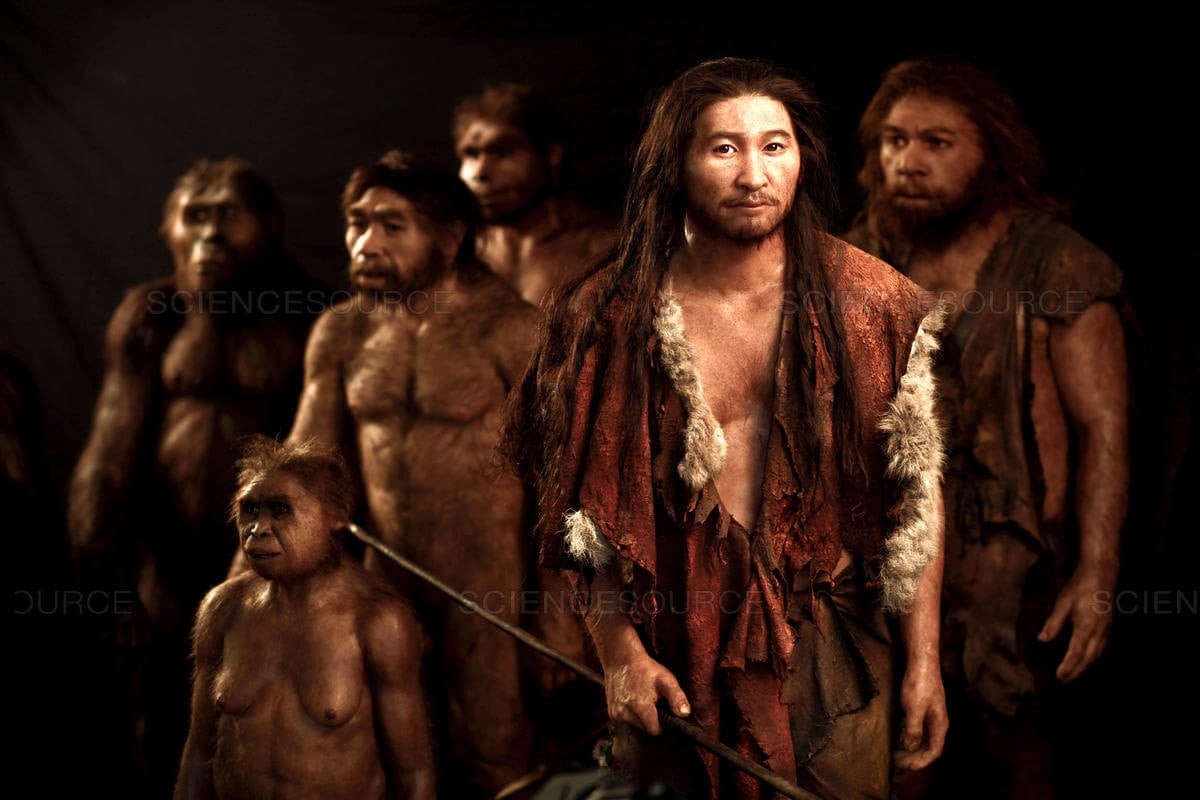
When paleoanthropologists and archaeologists define what makes our species unique, they usually focus on our use of symbolism and language, as well as our skills in social networking (long before Facebook) and technological innovation. Those arguments for human exceptionalism have been challenged in recent years, however.
…
But maybe, say two researchers, we got it wrong. What defines our species, and has allowed H. sapiens to survive and even thrive after all other hominins went extinct, is not about making better stone projectiles, or networking, or sprucing up the cave walls with a little ochre artwork. We’re the last hominins on Earth because we’re really good at adapting to a huge range of environments, including the extreme.
To make their case, researchers mapped out the likely ranges of archaic members of the genus Homo.
…
What might not be immediately evident from the map is that early H. sapiens dispersal wasn’t just about setting foot on a new continent; it was also about moving into new and often extremely challenging environments, from deserts to arctic climes, from treeless, high-altitude plateaus to dense tropical rainforests.
…
It’s the “unique ecological plasticity” of our species that’s our defining trait, argue the researchers, and it’s what gave us a leg up on surviving, whether moving into new territories or adapting to changing climate conditions.
Farming drones from China may soon be buzzing across British fields as a result of a new partnership between Chinese agricultural technology company XAG and Harper Adams University in the United Kingdom.
[The] research partnership …. will focus on the development of …. drones that spray crops and ground-based robots that will lend a hand to farmers.
…
Debbie Heeks, project administrator at Harper Adams, said the university is [getting] approval to allow British farmers to use drones for crop-spraying. UK legislation currently allows drones to perform surveys over British farms, but the robots are not yet allowed to release anything from the air.
“Harper is working closely with the relevant authorities …. to enable trials involving drones for the first time in the country,” Heeks said.
The National Center for Precision Farming has developed some of the most advanced agricultural technology …. Last year, researchers …. successfully completed a harvest using only robots.
The “Hands-Free Hectare” project saw a combination of automated tractors, drones, and on-the-ground robots plant, tend to, and harvest crops without anyone setting foot in the field.
“The project seeks to prove that there’s no technological reason why a field can’t be farmed without humans working the land directly, and we did it,” said Martin Abell, a mechatronics researcher at Precision Decisions.
Years ago, before I fell in love with a farmer and became one myself, I was a big-city girl who fell victim to just about every food labeling myth out there. Online movies, articles, animal-activism videos … they all shaped my views on agriculture. What I know now that I didn’t know then was that I was wrong. I didn’t have enough critical thinking back then.
…
There are people out there …. who profit off of fearmongering. Fear sells and they know it, but they have no formal or hands-on training in agriculture or sciences — they’ve never been farmers, they aren’t animal-welfare experts, or farm experts. They have an agenda to sell products.
…
Is the anti-science movement winning? Four years ago I would’ve said yes. But we are seeing huge consumer shifts. Consumers are fighting back against brands such as Chipotle, Stonyfield, Panera, Triscuit, and Hunt’s. Even the Non-GMO Project was forced to take down the “reviews” section of their Facebook page due to too many one-star reviews. Consumers are catching on — they’re realizing a vast majority of labels are not as honest as they seem. The rise in farmers on social media is educating and bridging [the] gap, and we must keep going.