


Featured in Weekly Newsletter

EPA weighs in on sulfoxaflor: Genetic Literacy Project Q&A on controversial decision to lift restrictions on alleged ‘bee-killing’ pesticide
The FDA replied to our questions with a detailed defense of its decision to lift restrictions on sulfoxaflor ...
90% of Europeans fear biotech crops? New survey busts the popular anti-GMO myth
A special Eurobarometer survey report on food safety was published [in June]. It shows once again that the regularly promoted ...

Viewpoint: There’s a reason we haven’t cured cancer. It has nothing to do with ‘leadership, motivation, or funding’
Although fighting cancer is an admirable cause, there are many things standing in our way of a universal cure, such ...

Viewpoint: Why CRISPR-edited crops should be allowed in organic agriculture
A University of California, Berkeley professor stands at the front of the room, delivering her invited talk about the potential ...

Viewpoint: FDA ‘accelerated’ drug approvals offer relief for critically ill patients. But more could be done.
Desperately-needed therapies often warrant early approvals ...

Long-term partnership or quickie hookup: Can evolution explain why a woman chooses one over the other?
For women, a short-term fling may involve a quest for good genes or just a good time. It’s a puzzle ...
The rise, fall and resurrection of Russian seed bank pioneer Nikolai Vavilov
Would all this be cast aside, he wondered, his reputation disgraced? Or would the good work be rediscovered, like the ...

As technology ‘wipes out’ traditional work, biotech investment could revitalize rural America
Cow-free burgers are now all the rage — after Beyond Meats’ recent IPO, shares rose 163% on the first day ...

What’s the most sustainable, affordable and nutritious sugar: Boutique imported unrefined whole cane v. domestic sugar cane v. sugar beet?
A drive toward The Everglades down US 98 between Yeehaw Junction and Belle Glade, FL takes you around the east ...

How microbiome research promises to solve blood shortages, halt food allergies and give us better skin
A microbiome isn’t just something to maintain or optimize – it can also be a crystal ball ...
Environmental media, advocacy groups in uproar after EPA grants long-term approval for alleged ‘bee-killing’ pesticide sulfoxaflor. Here’s what the science says
This discussion needs to shift from politics to science and the law ...

Viewpoint: How the ‘Food Justice’ movement reinforces inequality while doing little to improve health outcomes
It’s not clear what concept of justice this activism actually serves ...

Common treatment for prostate cancer may increase risk of Alzheimer’s, dementia
In this case, “do no harm” is more complicated than we had anticipated ...
(Practically) no one is anti-science, and how that can help us talk about GMOs
Keith Kloor, science blogger at Discover, has sparked an intriguing debate about the use of the term "anti-science" to describe ...
How market forces, self-regulation and GMO crops are making fish farming more sustainable
More sustainable aquaculture and better-managed fisheries are increasingly actionable for consumers ...

Podcast: Nobel prize winner Sir Paul Nurse on his ‘barking mad’ discovery of the genes responsible for cell division
Leading geneticist and Nobel prizewinner Sir Paul Nurse reveals the audacious experiment that everyone said was crazy ...

Pot smokers with this genetic variant could face addiction risks similar to those who smoke cigarettes
Back in the 1960s and 1970s, for those of us who can remember them, marijuana was widely regarded as not ...

Explaining the debate over GMOs—and what is or isn’t ‘natural’— through the genetics of chickens
Chickens (and their eggs) provide a surprisingly down-to-earth illustration of the profound implications of the modern genetic revolution ...

Twist upon twist in glyphosate battle: Next generation safer biopesticides on the way thanks in part to anti-chemical activists—who may yet oppose them
Will growers be forced to turn to less effective, more harmful solutions? ...
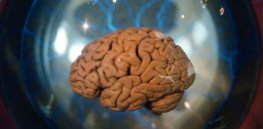
Why the absence of hope may be hurting Huntington’s disease research
Huntington's disease is not just incurable, it's untreatable. Therefore, many patients don't want to know their genetic status, and don't ...
Metagenomic next-generation sequencing: Breakthrough tool diagnoses mystery diseases
Decoding all the DNA in a patient’s biological sample can reveal whether an infectious microbe is causing the disease ...

Farmer’s open letter to skeptical consumers: We know science, glyphosate and GMOs are safe, and we need both to fight climate change
Despite repeated assurances from the mainstream science community that our food supply is safe, many consumers remain highly skeptical of ...
Why CRISPR patents matter to a world worried about designer babies, rogue scientists and curing disease
In the midst of widespread disapproval of creating “designer babies,” fear of rogue scientists editing the genome of future generations, ...

Why do some elite athletes die during intense exercise? The answer may be in their genes.
Biological anthropologists and other researchers investigate why there is a diversity of symptoms and outcomes in people with sickle cell ...
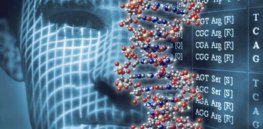
Pharmacogenetics and depression: Genetic screening could eliminate trial-and-error approach to medications
Antidepressants may soon be added to the growing list of medications genetically matched to patients most likely to respond — ...

Uganda set to embrace artificial intelligence and other emerging technologies, but biotechnology languishes
'Something fundamentally detrimental to the progress of scientific and technological innovations in the agriculture of our nation is happening.' ...

Testosterone levels can predict and treat diseases. But how do you determine your ‘right level’?
Establishing a universal "normal" range for testosterone depends on factors such as age, location and wealth ...
