


Featured in Weekly Newsletter

Exploring the ‘solid rationale’ for separating elite male and female athletes in competition
When it comes to athletic competition, there is a stark difference between male and female performance ...

Chasing the causes of pancreatic cancer. When can genetic testing offer answers?
With so little known about the disease’s genetic origins, proving a link can be problematic ...
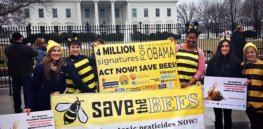
How NPR, Washington Post, Bloomberg and other media botched reporting on EPA’s ‘ban’ of 12 ‘bee-killing’ neonicotinoid insecticides
If headlines are the measure, groups claiming bees are endangered by misuse of pesticides just scored a significant victory ...
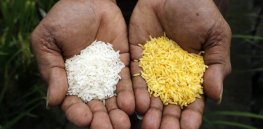
Golden Rice, Part 4: Cost-effective GMO crop can save lives and dramatically boost developing economies
Golden Rice is safe, and there is excellent human evidence that it will work ...

DNA for the greater good: Should the police have access to consumer DNA databases?
There is an urgent need for international guidelines and policies ...

How a genetically-engineered phage therapy defeated a drug-resistant infection, raising hopes for chronically ill patients
After a difficult lung transplant, 17-year-old cystic fibrosis patient was successfully treated with experimental bacterial phage therapy ...

Viewpoint: Debunking 6 activist ‘lies’ about the GMO Impossible burger
A look at some persistent lies about bio-engineered soy ...

Do genetics determine what we like to eat? Study finds no ‘smoking gun taste gene’
A recent genome-wide association study found 17 genetic sites related to bitter beverage consumption ...

More than one-third of Americans do not know that foods with zero genetically modified ingredients contain genes—and why that matters
More than a third of Americans think that only GMO foods contain genes. Even worse--people aren't looking to scientists to ...

After another promising Alzheimer’s drug trial fails, we have to ask: Are we on the right path to a cure?
As trial after trial of beta-amyloid drugs fail, there's a possibility that Alzheimer's researchers have the wrong target ...

‘Circular sustainability’: Beer makers turn booze into bread to combat food waste
The efforts of the beer industry point to significant progress in the battle against food waste ...

We could try to build a conscious robot. But how would we know if we succeeded?
Consciousness seems to stem from the struggle between our brain's beliefs and perceptions. How can we design neural networks to ...

Viewpoint: USDA GMO labeling plan is pointless, expensive—and probably unconstitutional
The scientific consensus is that mandatory GMO labeling fails every test — scientific, economic, legal, and common-sense ...

Why this lesser-known CRISPR sibling could be a key tool in fight against drug-resistant bacteria, viruses and parasites
A “highly specific and programmable” CRISPR tool could become one of our main tools for fighting pathogens ...

Golden Rice, Part 3: A thoroughly studied, safe and nutritionally enhanced GMO crop approved by Australia, Canada, New Zealand and the US, but vilified by Greenpeace and ‘environmental’ activists
‘Opposition [to Golden Rice] based on emotion and dogma contradicted by data must be stopped.' ...

Mad genius and genes: Are highly creative people more likely to suffer mental illness?
The idea of the "creative madman" (or woman) has persisted throughout history with Vincent Van Gogh as Exhibit A. Science ...

Scrambled DNA fragments could open doors to higher crop yields, new herbicides
Plants have shown a wide range of reactions after being edited with random bits of genetic material. Some grow faster ...
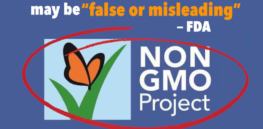
Viewpoint: Will FDA finally crack down on ‘false and misleading’ Non-GMO Project labels?
How much will mega food companies care until FDA decides to enforce the law? ...

Searching for genetic answers: What makes monkeys different from humans?
Less than 50 of our 20,000 genes are unique to humans. What separates us from monkeys? ...

Viewpoint: We should be careful about ‘crossing the germline’ in gene editing humans
CRISPR gene editing has the possibility to transform disease management, but we can't be scared of editing somatic cells ...

Golden Rice, Part 2: Will nutritionally enhanced rice work and help solve malnutrition in developing countries?
For more than a quarter of a century, vitamin A deficiency (VAD) has been recognized by the United Nations as ...

Why synthetic biology is about much more than resurrecting woolly mammoths
Synthetic biology...Simply mentioning this term — whether at a cocktail party or on a pop culture TV show — evokes ...

Why conservatives should embrace evolution ‘as a jewel’ of modern Western civilization
It is a crowning achievement of Western civilization and a rejoinder to the modern myths of the Left ...
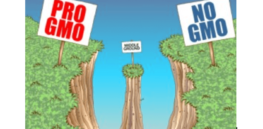
Viewpoint: Why we can’t seem to bridge the gulf that divides pro- and anti-GMO forces
The opposition to GMOs is based not on scientific evidence, but on personal values and ideology. In effect, the two ...

Summer is coming: Just how much sun can your DNA take before being damaged?
We're entering sunscreen season, which means 'high alert' for sun-related skin damage. How does our DNA impact our susceptibility? ...
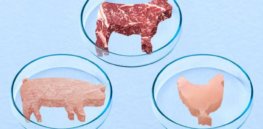
Viewpoint: Lab-grown meat should replace farm animals as food
Why so many people resist cultured meat -- and why they shouldn't ...

A matter of trust: Why anti-vaxxers are wary of Big Pharma
Vaccine opponents often share a conviction that the health care system is more interested in profits and power than helping ...
