


Food & Ag Features

Genetic engineering promises cornucopia of future products—but biotechnology critics take lethal aim
Genetic engineering may soon be giving us products that appear to be pulled from the realm of science fiction. Researchers ...
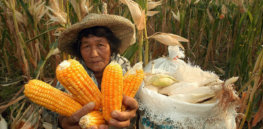
GMO farming grows to record 457 million acres in 26 countries worldwide
The cultivation of genetically engineered (GMO) crops hit record levels in 2016, with 18 million farmers planting 185.1 million hectares ...

Viewpoint: Netflix’s ‘Okja’ perpetuates stereotypes about food, farming and scientists
The popular Netflix movie is a disservice to important agricultural research aimed at producing more food with fewer resources, writes ...

Partisan divide erupts on glyphosate-cancer science as IARC supporters push ‘Monsanto Papers’ narrative
“There appear to be serious problems with the science underlying [the International Agency for Research on Cancer]’s [2015] assessment of ...

How consumer-friendly GMO foods could change minds about biotech crops and animals
Editor's note: This article is part two of a three-part series by Marc Brazeau on his 2018 predictions on food, ...
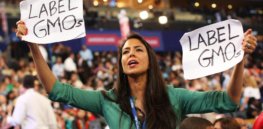
Could 2018 mark the end of the anti-GMO movement?
Editor's note: This article is part one of a three-part series by Marc Brazeau on his 2018 predictions on food, ...

Viewpoint: California’s looming coffee cancer warning shows how judges and lawyers can subvert science
A judge in California is going to determine whether or not coffee causes cancer. Think about that. We live in ...
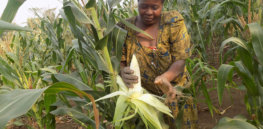
Ugandan farmers now wonder if they will ever get access to GMO crops
Disease-resistant bananas, drought-resistant corn and other GMO crops developed by Ugandan scientists could help farmers increase yields, reduce pesticide use ...
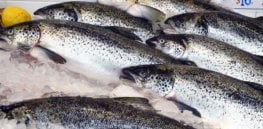
Animal breeders are blocked worldwide from using genetic engineering. Here’s why.
Stringent regulations have made it almost impossible for GE animals to be approved for sale in the US. It took ...

CRISPR gene-edited food in Europe? Questions remain on crop breeding regulations
The European Court of Justice recommended new techniques be exempt from GMO regulations, but left key questions unanswered, writes Gregory ...

Stonyfield-Gary Hirshberg fiasco grows over video with young girls spreading misinformation about farming and GMOs
Usually, a video with kids talking is cute, funny, perhaps poignant. However, scientists’ and farmers’ reactions to a promotional video ...
Shill gambit: Are geneticists who work for corporations less ethical than university researchers?
Scientists who work for corporations, particularly in the agricultural or pharmaceutical industries, often face accusations that they are "shills," and ...
Lessons learned from the 2017 Monsanto dicamba herbicide fiasco
Farmers, university scientists, the EPA and ag companies are working together to figure out what went wrong and how to ...

Plagued by pest, African farmers may soon have access to insect-resistant GMO cowpeas—for free
US government funding and royalty-free Bt technology from Monsanto will enable West African countries to provide farmers with free cowpea ...

Viewpoint: 6 ways IARC Director Christopher Wild lied to Congress about cancer agency’s glyphosate debacle
While the outgoing head of the embattled agency refused to testify before the US House Science Committee, he did send ...
Myth busting: Do farmers ‘drench, douse or slather’ crops in pesticides?
One common belief about modern farming is that farmers use pesticides in excess on their crops. A plant scientist explains ...

IARC cancer agency mounts PR effort as probe of possible corruption grows
The agency was heavily criticized for the methodology used in declaring the herbicide glyphosate a "probable carcinogen." Now IARC is ...
Tackling bees’ greatest threat: Lithium chloride could kill Varroa destructor mites without harming bees
A new study suggests that tiny doses of lithium chloride could be an easy and effective treatment for Varroa mites, ...

In Uganda, anti-GMO scare tactics even taint conventional hybrid crops
Uganda is moving closer to allowing cultivation of GMO crops. But there is considerable confusion among the Ugandan public over ...

We produce enough food on this planet to feed everyone: So why do we need GMOs?
A new "planetary boundaries" study says agriculture can be more sustainable to save the planet. Others say the numbers don't ...

Viewpoint: African farmers blocked from using life-saving GMO bananas by European activists
Anti-biotech groups funded by Western activists campaign against the commercialization of GMO crops in Africa, such as a new disease-resistant ...
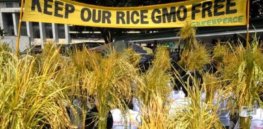
Viewpoint: Misguided activism imperils potential of golden rice
Golden rice has the potential to solve a significant health problem in developing nations, where hundreds of thousands of children ...
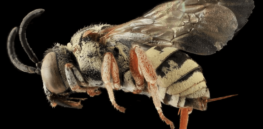
Rethinking the pesticides–neonicotinoids–bee health crisis narrative: Why the media get it wrong
Are bees endangered because of the use of insecticides, and in particular the class of chemicals known as neonicotinoids, which ...
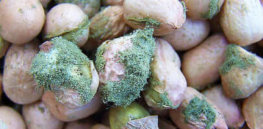
Can online gamers help developing nations solve aflatoxin crop contamination?
Puzzle solvers at the website Fold.it, a crowdsourcing project, are being asked to look for new and efficient ways to ...
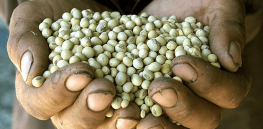
Are seed patent protections abused by Monsanto and other agro-corporations?
Anti-GMO critics often claim major agricultural companies use seed patents to control farmers rights, which they say also limits innovation ...

Banning glyphosate: France may replace well-tested herbicide with pelargonic and other more toxic ‘natural’ chemicals
Activists say glyphosate can be replaced with natural herbicides—but "natural" doesn't necessarily mean that they're safer or better for the ...

Global glyphosate herbicide ban would cause substantial damage to economy and environment, study shows
A new study finds that a ban on glyphosate would cause billions of dollars in economic losses and increase the ...
